1. How societies shape the built environment
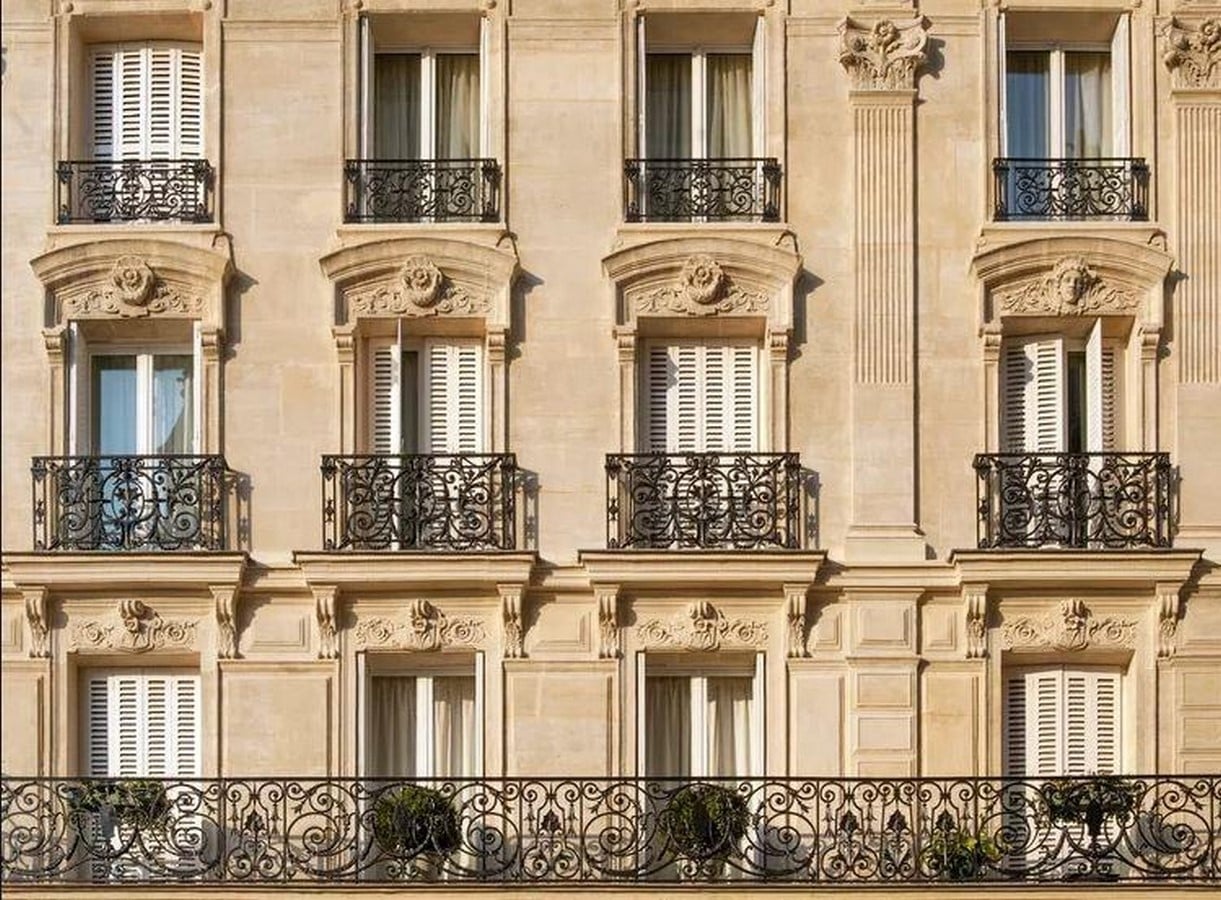
Our global cityscapes are always an evolved manifestation of their history and culture. For example, Paris has both modern and historic buildings. The evolution of Paris’s architecture from medieval buildings to apartment buildings s with stone facades and later wrought iron work is a real example of how people’s vision changes the fabric of a city over time.
Haussmann architecture is a controversial era, as it involved the demolition of the old street linings and created a new language by introducing new parks, squares, kiosks, street lamps, and the modernisation of the city’s water and sewer system. Today, Paris is a city of art, fashion, music, and glass-and-steel architecture, in stark contrast to medieval Paris. As one visits the city, the intricate wrought iron railing, beige stone motifs, and then- a glass pyramid- immediately invoke a sense of artistic expression of the city, and a memory is formed.
Similarly, in a country like Japan, it is quite evident in their architecture -the craftsmanship of wood. Many of the families have carpenters, and that also creates a sense of preserving this culture of traditional buildings among newer generations. Their architecture reflects the calm and subtlety of minimal materials, finishes, and closeness to nature.
2. Community and Architecture
Historically significant countries have always been rich with communal spaces and setups. Communities form the culture of a place, and culture manifests itself in forms of gathering spaces or communal spaces like sports arenas, temples, public bathhouses, cathedrals, mosques, and even libraries.
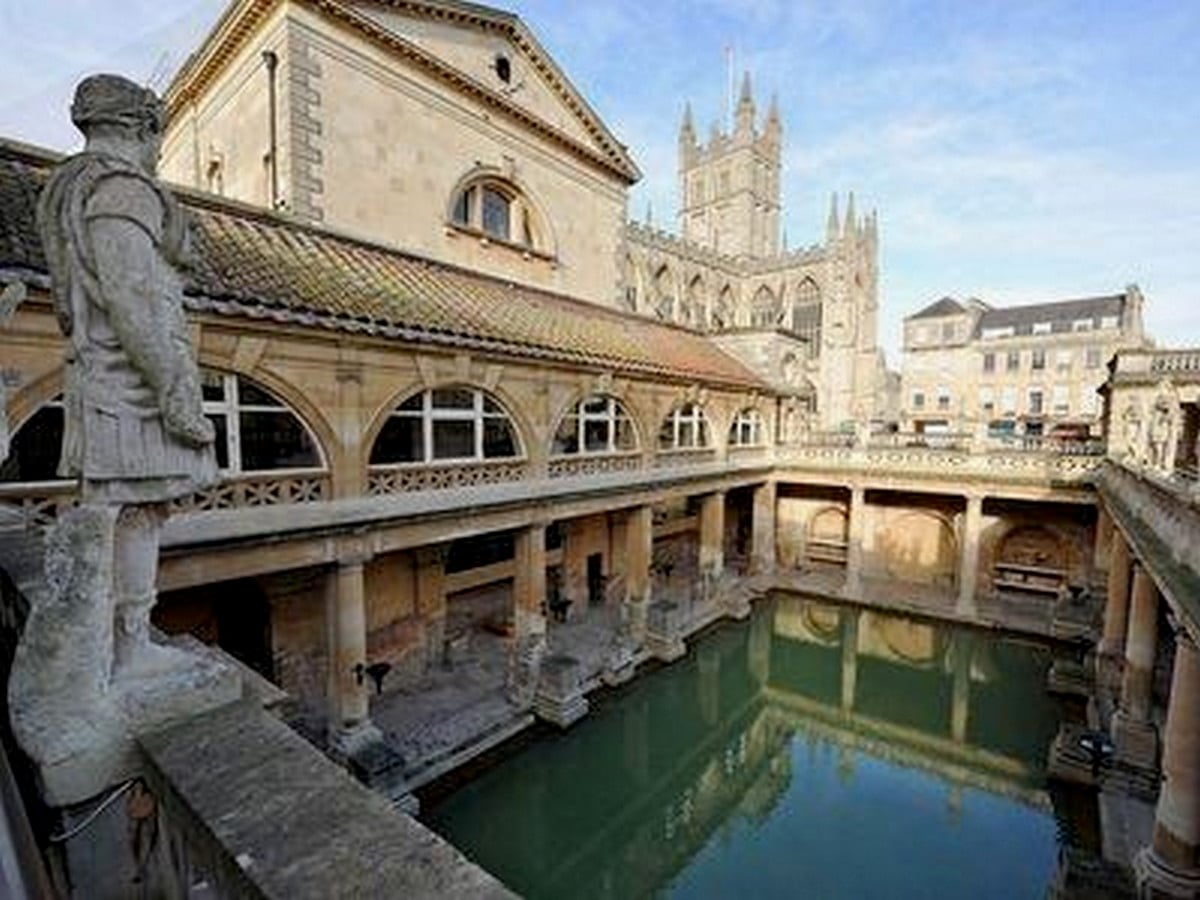
Roman baths, also called Roman Thermae, were interactive places used for relaxation. This culture of using a daily hygiene chore as time to interact with people became quite popular. It still reflects a sense of community through a built space.
Hindu temples all over Asia and the world have been a place of bringing together people with similar faith and during festivities.
3. Impact of travel in experiencing Architecture as a cultural memory
A traveller today can witness the impact of culture in a place by visiting the public spaces of history. When someone visits a country like Greece, where history has left traces of worship, sports, and engineering intelligence, it leaves a cultural imprint on the visitor’s mind.
Greek architecture is a vibrant example of how built structures celebrate performing arts like music and theatre. Open-air theatres with tiered seating stand as proof that people can still remember the Greeks’ love of drama, stories, and theatre. The built forms embed a memory of the cultural fabric of a city. Travelling surely brings in a fresh perspective on the scale, design, and culture of a place through its architecture.
The representation of human forms through sculptures shows how intricately they observed forms and beauty.
4. Impact of culture in interpretation of Architecture
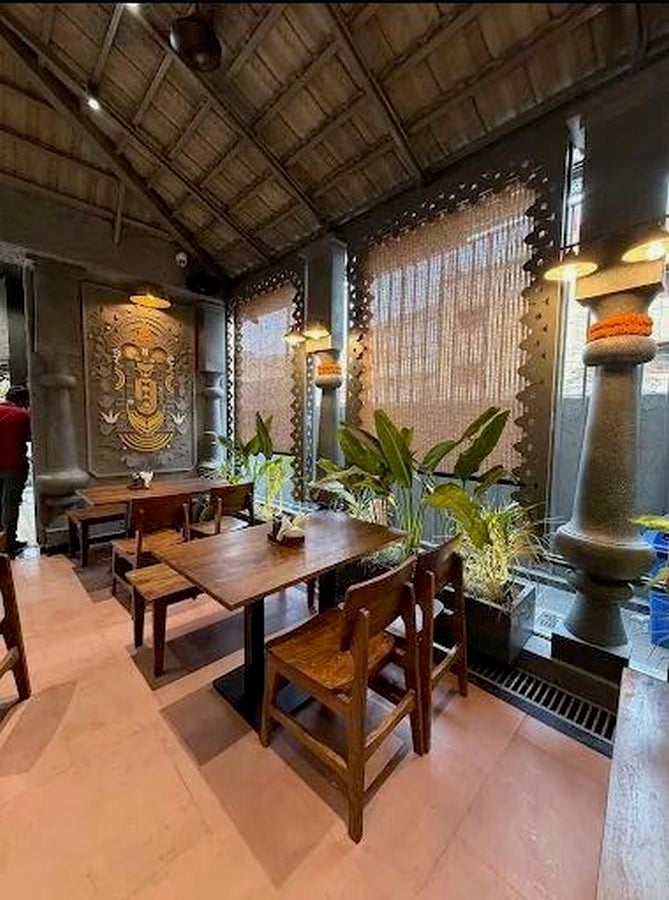
The culture of creating art is very ancient and rooted in Indian cities. Whether it is metal art, terracotta art, pottery, embroidery, jute artefacts, or ceramics, the use of these art forms and materials in interior spaces can be seen already in various creative ways like false ceilings, partitions, flooring, furniture, lighting, etc. Such experimental applications create a sense of reflection; reflection of art, creativity, and culture. Using bamboo mats as window blinds and terracotta Jaali for partitions in a South-Indian cafe automatically creates an ambience of a vernacular theme of South Indian architecture.
An apt case study of a cultural memory created by architecture is the Tribal Museum. Bhopal, designed by the late architect Revathi Kamath. This elevated museum is designed strategically on contoured land to display the art and lifestyle of tribal communities.
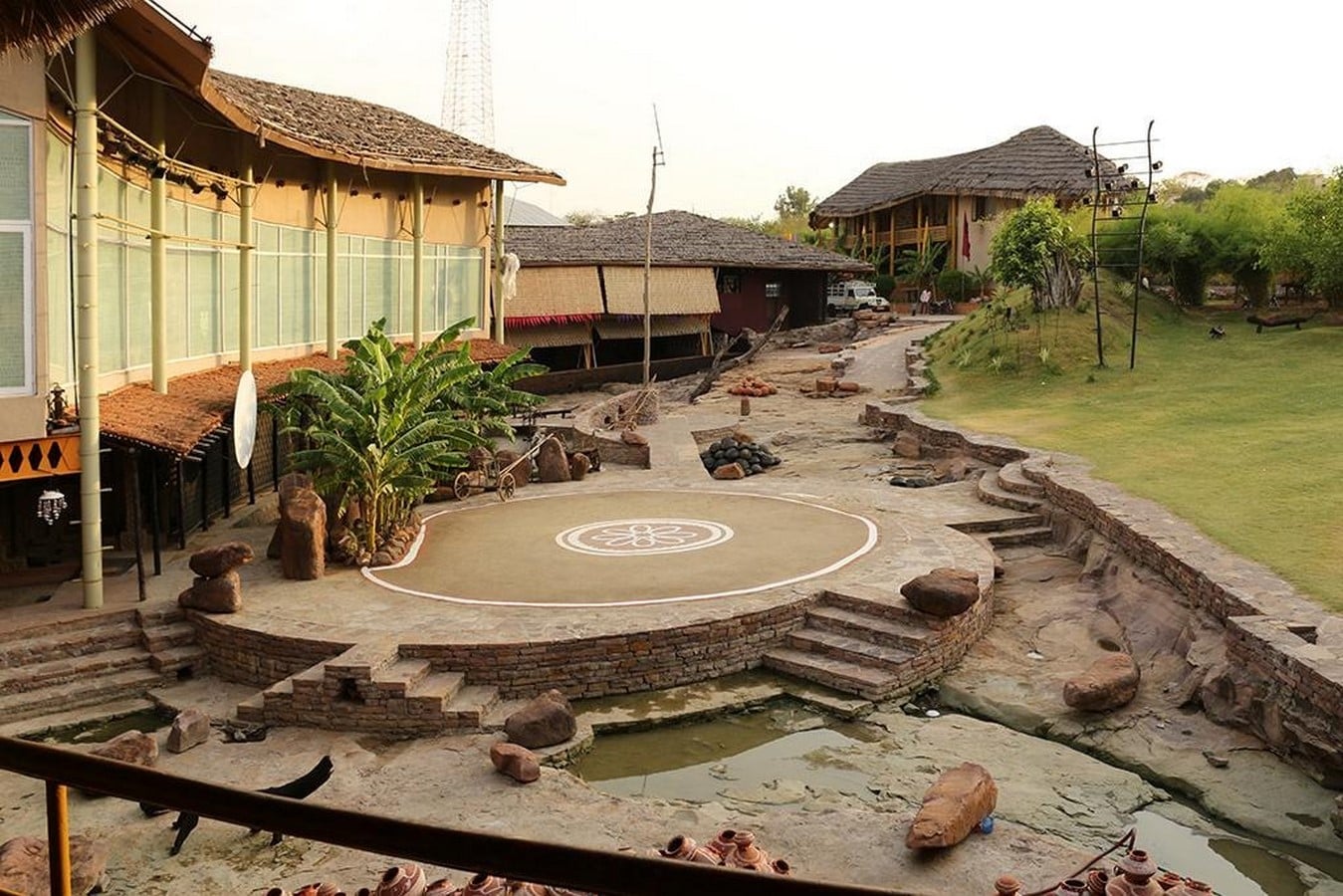
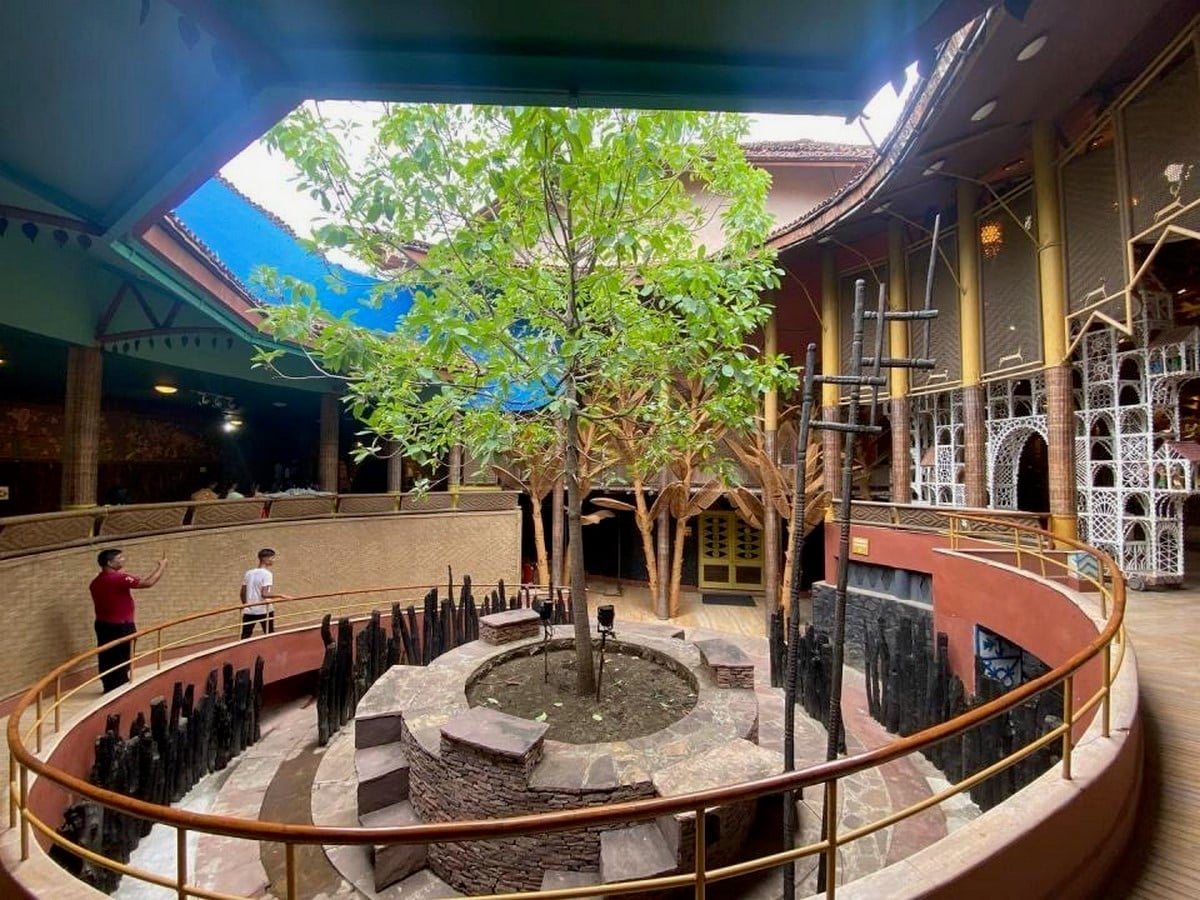
As visitors move through scattered galleries connected by bridges on the upper floor, the space evokes a walk through a typical village in Madhya Pradesh. Sloping roof resting on steel columns and trusses complements the contours of the sloping terrain. Walls are plastered with crushed stone on the outside and mud plaster on the inside. The structure opens up to a courtyard that brings in light and air, cooling the corridors.
5. Architectural style- Intertwining of climate and culture
One thing that blesses India in terms of geography and climate is diversity. The architectural style differs in all parts of India – from North to South and East to West. Climate has shaped the architecture widely, along with the cultural influences in India.
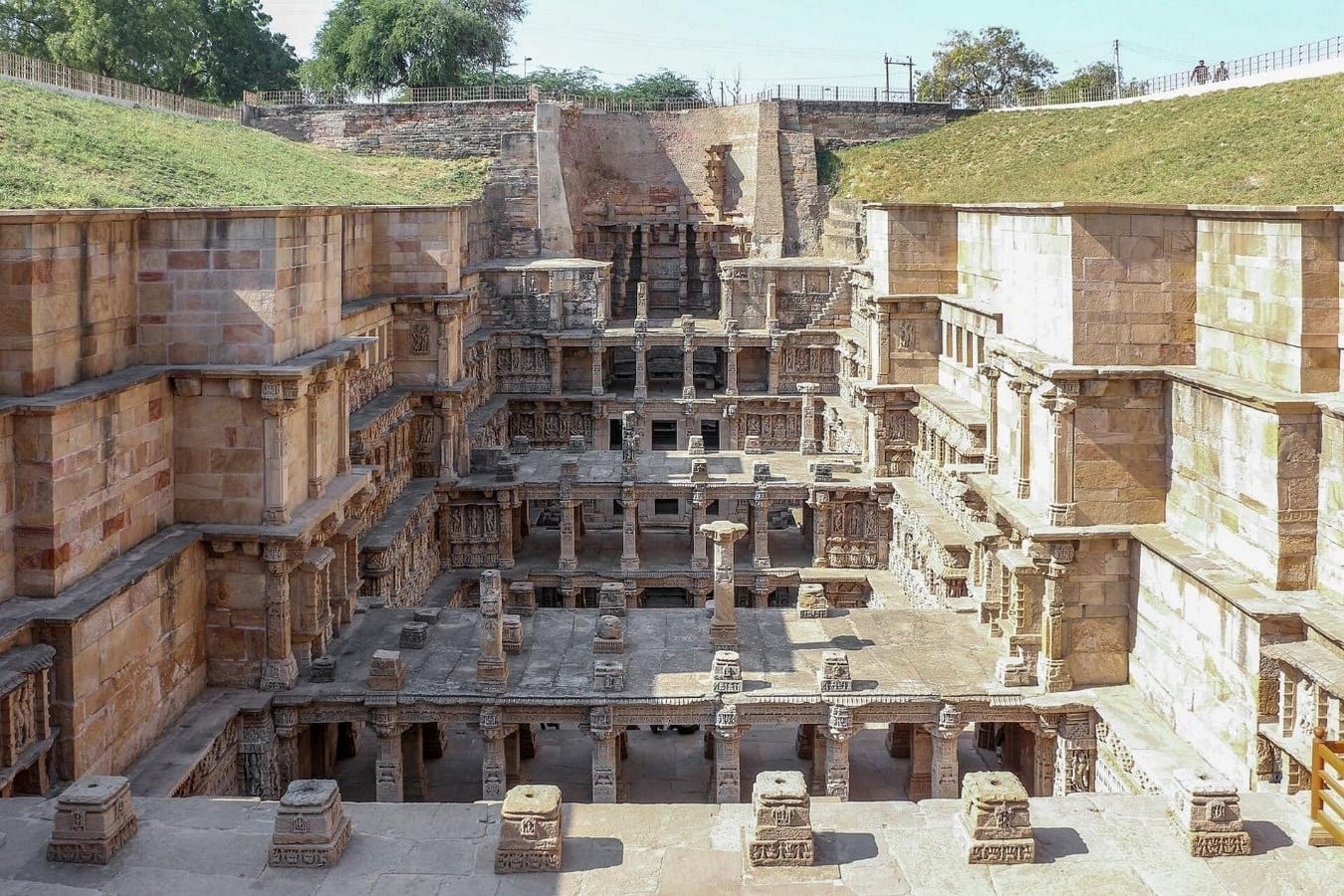
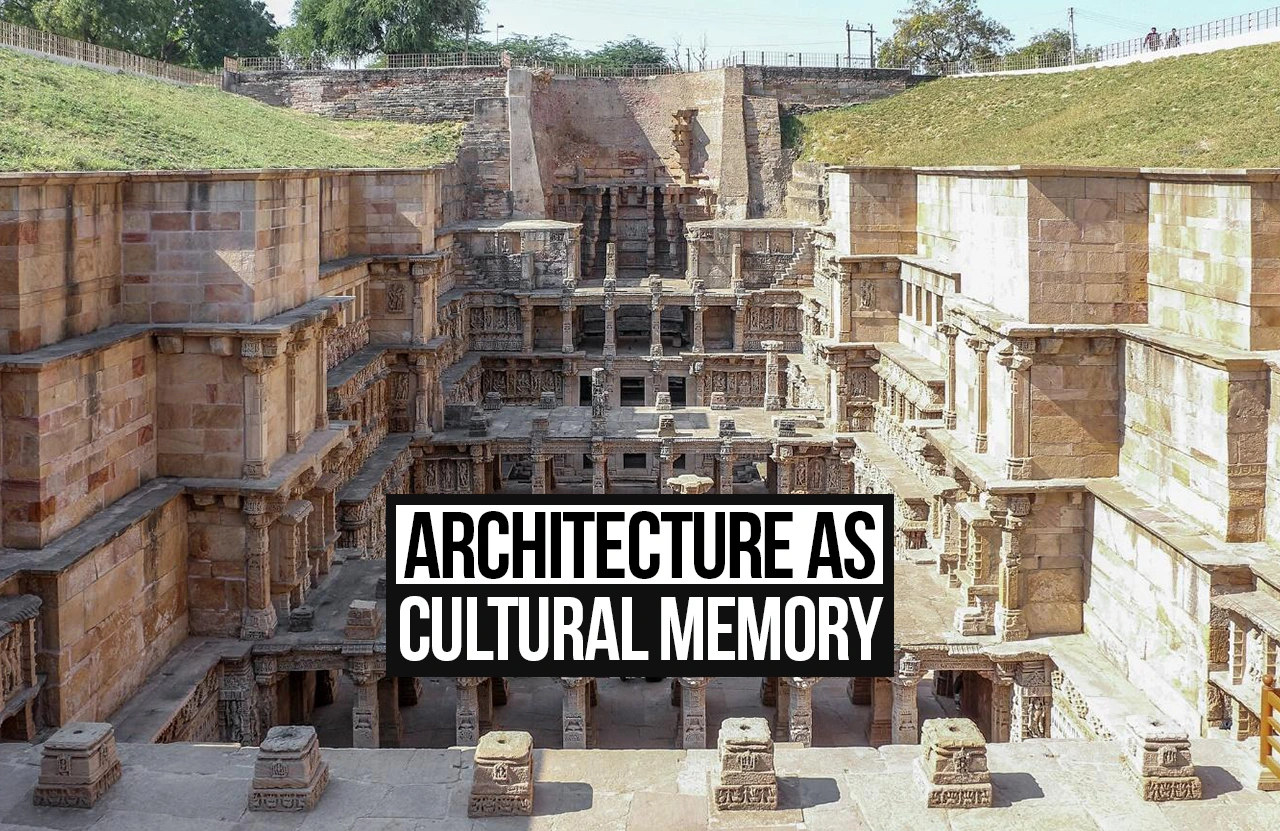
In the arid regions like Gujarat, a multipurpose architecture marvel- ‘Adalaj stepwell’ reflects a crucial cultural memory. It was built to collect water from the river, escape the heat and also serve as a gathering place for travelers and locals.
Gujarat has been historically and currently a place of trade, and so it is quite common for traders to gather while travelling and find refuge from the heat of the hot and dry climate. The stepwell serves both as a sunken cooling space, with an ambience of a temple adorned with carvings from the ancient era.