
India is in an interesting space when it comes to property. NoBroker, a real estate platform without the middleman, reported that 53% of those aged 25-34 prefer renting long-term, compared with 48% of those aged 35-44. The preference declines to 33% among those aged 45-54 and 24% for tenants aged 55 and above. So, is renting better? The truth is that India’s rental scene is predominantly in the unorganised sector. This means some unpredictable landlords disregard any obligation after the property is rented, and there are agreements and deposit terms that change from door-to-door. This is the gap that Co-Living seizes and presents as hospitality-first. But can Co-Living solve urban housing challenges?
What is Co-Living?

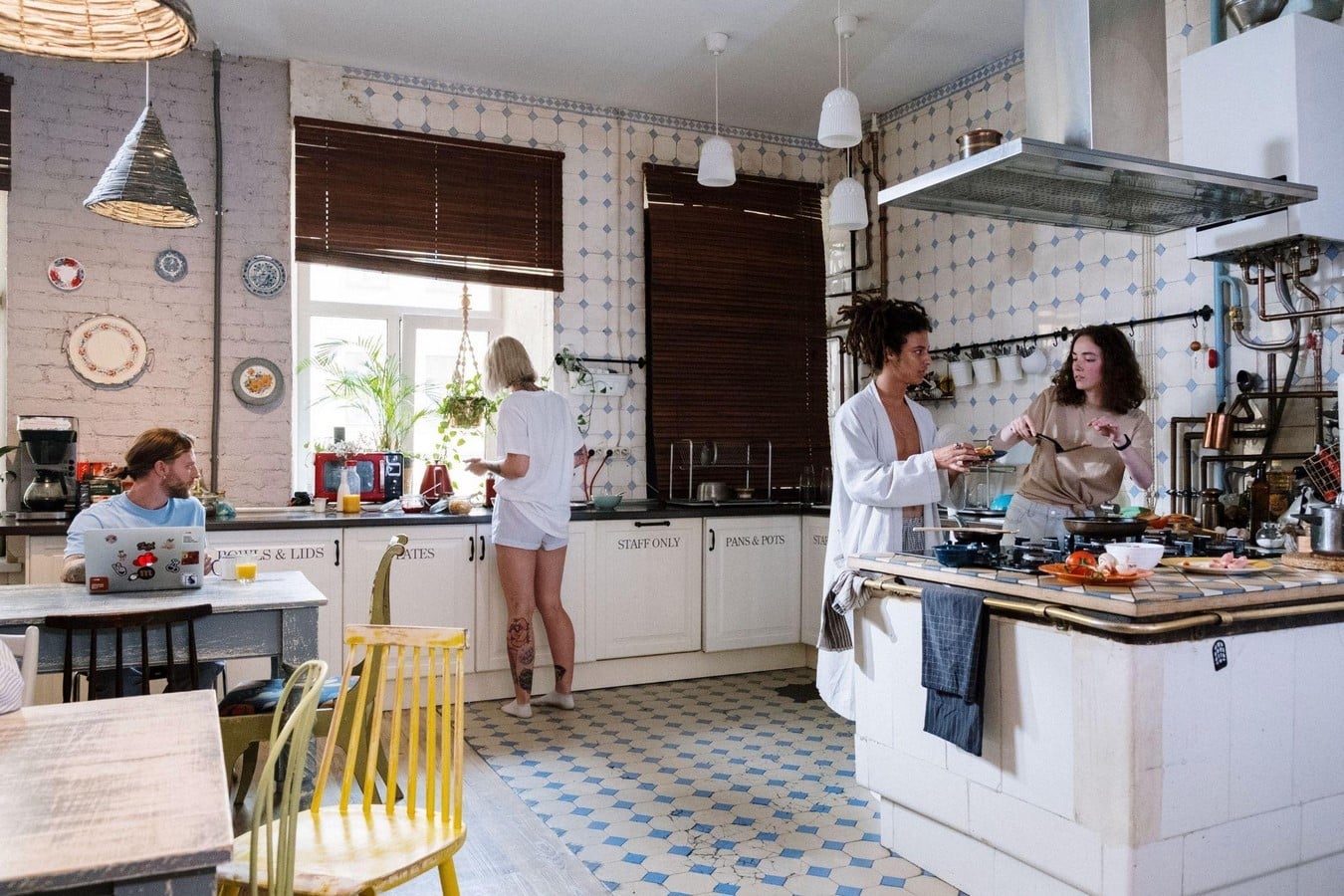
Collaborative living is a housing solution where residents have a private bedroom but share common spaces such as kitchens, lounges and coworking areas. It prioritises community and flexibility. Co-Living was previously known as Co-Housing. Today, Co-Housing refers to a self-governed community while Co-Living is usually run professionally with flexible contracts. Familistère de Guise (Social Palace) by Jean-Baptiste André Godin can be considered the first Co-Living. It was eventually converted to cooperative ownership and completely managed by workers.
India has had this concept too in a more traditional sense. Be it dharmshalas, joint families or PGs. To put things into perspective, migration of students and workers for better opportunities leads to urban housing challenges like more demand, which leads to rising rents and unaffordable housing. This is the problem that Co-Living claims to solve.
What is Co-Living Doing Differently?

Helloworld and Zolostays are the top players in the Indian Co-Living space. Strategically available in Bangalore and Mumbai. With tech parks and transportation being within three kilometres, their website itself states, “location is relevant for daily commute, food access, transport connectivity, and safety preferences.” Zolostays has launched ZoloScholar specifically for university hostels. Co-Living spaces also offer a lot of freedom. There’s no time constraint to being in the common area or “gates will shut at 9.”
They are solving the urban housing challenges by understanding their target audience. Co-Living companies know that much of the discovery happens online and are active on apps, websites and social media. They offer clear terms and conditions, clear deposits, and only require a minimum one month of stay.
In research by First Insight, Gen Z and Millennials are the most likely to make purchase decisions based on personal, social, and environmental values. Co-Living encourages conscious consumption and community building. You are more likely to carpool with other roommates and sit in a shared working space. Now, the question becomes: how do you design a Co-Living space?
How to design for Co-Living?

For Co-Living, it is important to design for privacy and flexibility. This means taking care of acoustics and noise, which can be solved by thick rugs and upholstered furniture that absorb noise. Furniture that can be easily rearranged and multi-purpose rooms also provide flexibility to residents. When designing buffer zones between personal rooms and communal spaces, change flooring so as to give a psychological cue. Shared kitchens and lounges should be well equipped to deal with a crowd. Integrate storage solutions and take care of amenities like a pantry and communal gardens.
Everything Coliving, based in Bangalore, is a resource for Co-Living entrepreneurs. They identify four types of shared spaces: social spaces, task spaces, entertainment spaces and aspirational spaces. Task spaces encourage coworking and should have both private tables and collaborative tables.
This resource also draws from the German concept of Gemütlichkeit, which means designing for emotional wellbeing. It highlights approaches like Biophilic Design, which means designing while being close to nature; windows that let in daylight and plants are part of this approach. It also suggests involving warm lighting and textile textures in blankets and carpets.
The biggest urban housing challenge is social isolation, which is on the rise. This can be solved by thinking of corridors and community spaces as “Encounter Points.” Design the corridors to be wider. Featuring boards on walls is also a proven method. But, it’s not all glitter and gold.
Problems Co-Living Spaces Cause

As reported by Jenna Zaza for The Guardian, local communities of New York see Co-Living spaces as “harbingers of gentrification.” Gentrification is an urban process where wealthier people move into a poor or working-class neighbourhood. This leads to upgraded homes and new businesses, which leads to higher property values, and it often forces original residents to move away because they can no longer afford the high cost of living. Last year in August, Mexicans protested against tourists and gentrification, largely due to unregulated short-term rentals and the influx of affluent foreign remote workers.
Currently, India doesn’t have any rules and regulations around Co-Living spaces. Making policy decisions on rent control can itself make a difference. If not regulated, Co-Living can create new urban housing challenges.
A Broader Observation And Conclusion
Be it our music or our favourite shows and movies, we no longer own any of it. They are on a platform you can access. The bar is no longer ownership; it is access. Access to better opportunities and education. Streaming platforms were pitched as a solution to advertising and TV subscription prices, but as the years have gone by, it has become the problem it aimed to solve: a glorified TV that shows ads despite increasing subscriptions. Because Co-Living is a concept that boomed after the pandemic, we are still relatively positive. Does it become the problem it aims to solve?
References:
BW Businessworld. (2026). Caught Between Rent And EMI: India’s Middle-Class Housing Dilemma – BW Businessworld. [online] Available at: https://www.businessworld.in/article/caught-between-rent-and-emi-india-s-middle-class-housing-dilemma-617197 [Accessed 2 Aug. 2026]
First Insight (2025). The State of Consumer Spending: Gen Z Shoppers Demand Sustainable Retail. [online] First Insight. Available at: https://www.firstinsight.com/white-papers-posts/gen-z-shoppers-demand-sustainability [Accessed 2 Aug. 2026]
Everything Coliving (2026). Coliving Concept Design: Architecture, Space Planning & 16 Design Principles. [online] Everythingcoliving.com. Available at: https://www.everythingcoliving.com/coliving-concept-design [Accessed 2 Aug. 2026]
Zaza, J. (2025). Tiny co-living spaces are popping up across New York. Local communities see them as ‘harbingers of gentrification’. [online] the Guardian. The Guardian. Available at: https://www.theguardian.com/us-news/2025/sep/21/co-living-spaces-nyc-gentrification [Accessed 2 Aug. 2026]