The current trend in how we live has dramatically changed. With the rapid urbanization, high living costs, the possibility of remote jobs, and shifting attitudes toward housing, people’s requirements concerning places to reside have transformed. In contrast to traditional long-term housing arrangements, flexible housing is becoming a more convenient solution for various populations, including students, digital nomads, or young professionals.
First of all, the trend in flexible housing is closely related to the concept of co-living. The second component of the flexible housing system is associated with innovations in the lease model. Let us examine both of these trends separately.
Understanding Flexible Living
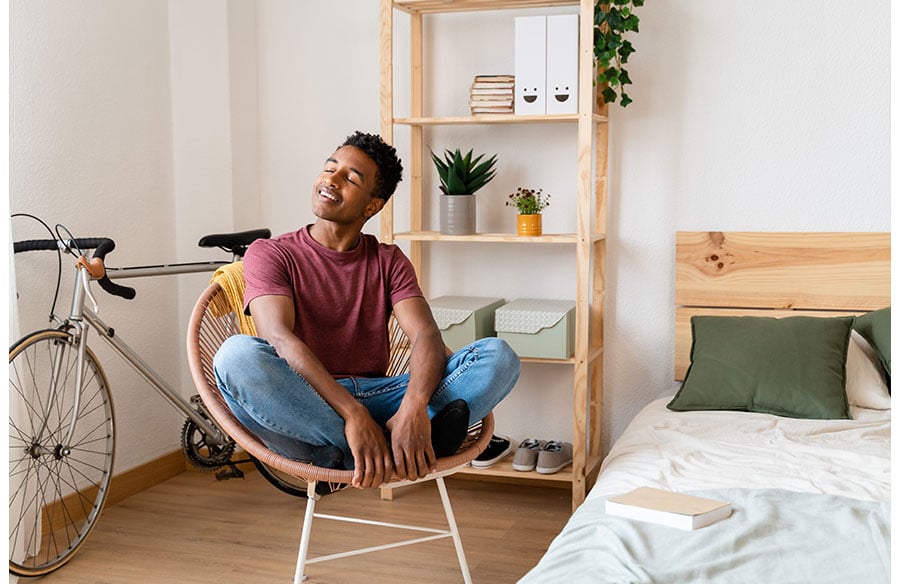
Flexibility is the key characteristic of a new type of residential accommodation called flexible housing. People now do not need to sign long-term agreements and take responsibility for living spaces independently. Instead, there are special housing facilities that are more oriented towards mobility and convenience.
Flexible living environments often include:
- Short-term or month-to-month rental options
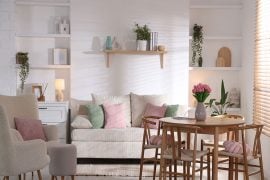
- Furnished accommodations
- Shared amenities such as kitchens, lounges, and workspaces
- Utility-inclusive pricing
- Digital booking and management systems
- Community-focused experiences
It is evident that such living environments are more appealing to modern populations. In times when career trajectories and preferences of workers are highly dynamic and unpredictable and when the majority of jobs have become digital, many residents prefer more adaptable and flexible arrangements for accommodation.
The Growth of Co-Living Spaces
As the prime example of flexible living, co-living has grown immensely in popularity recently. The idea of shared housing itself is not something new, but modern co-living projects bring this concept to a whole new level thanks to careful architecture, professional management, and community-building practices.
In contrast with traditional roommate arrangements, co-living spaces provide their occupants with both personal rooms or studios and communal spaces such as kitchens, lounges, fitness centers, and coworking spots.
There are several reasons why co-living has become so popular lately.
Rising Housing Costs
In numerous metropolitan areas around the globe, affordable housing has become increasingly hard to find. For many city dwellers, co-living has become a more accessible alternative to renting traditional apartments.
Remote and Hybrid Work
In today’s world, remote jobs are getting increasingly common, which means that the need for housing spaces that incorporate working environments becomes greater as well. Many co-living complexes provide residents with the opportunity to work without leaving the premises.
Social Connectivity
City life can get very lonely, especially for people who have recently moved to an unfamiliar area. Co-living spaces make it much easier for residents to meet new people and build connections.
Sustainability
Communal usage of shared resources and spaces allows reducing environmental impact by optimizing space utilization and decreasing wasteful consumption. These trends are especially relevant in connection with the rising popularity of sustainable urbanism practices.
How Architecture Supports Flexible Living
Successful implementation of the concepts of flexible living greatly depends on the design of buildings. The ability to make adjustments to the interior based on the residents’ changing needs is extremely important when creating flexible living space.
Multi-Functional Spaces
Modern residential developments increasingly feature spaces that serve multiple purposes. A lounge may function as a social area during the evening and a workspace during the day. Flexible layouts allow residents to adapt spaces according to their needs.
Privacy and Community Balance
Another challenge that designers of co-living developments have to solve is the balance between providing privacy to residents and allowing them to interact. Effective solutions usually include appropriate zoning and designing of communal spaces that offer sufficient level of isolation.
Technology Integration
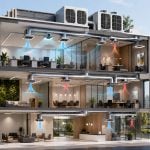
The role of technology in enabling successful flexible living is also very high. Smart digital devices can be used for controlling different aspects of a house. This allows for optimizing the operations performed by maintenance specialists while providing additional convenience to tenants.
Wellness-Oriented Design
In today’s world, health and wellness are gaining increasing importance for developers. Elements that positively impact mental and physical well-being include natural lighting, open green spaces, on-site workout facilities, and various design aspects related to the concept of biophilia.
The Evolution of Modern Lease Models
Rental contracts are undergoing changes due to a shift in lifestyles and living arrangements. Conventional leases assumed long stays, lengthy paperwork, strict obligations, and limited flexibility.
However, tenants of today seek a different kind of experience.
Modern lease models frequently include:
- Flexible lease durations
- Digital signing processes
- Simplified onboarding
- Utility-inclusive pricing
- Transparent terms and conditions
- Automated payment systems
Modern technologies enable all these innovations and much more. Property management systems allow landlords to manage leases more effectively and offer a better experience to their residents.
For growing co-living operators and property managers, using a standardized tenancy agreement template can simplify administration, improve consistency across properties, and reduce the complexity associated with managing multiple residents under flexible rental arrangements.
Benefits for Property Owners and Developers
Flexible living models present significant benefits for developers and property owners.
Higher Occupancy Rates
Flexible living models typically present a variety of options to residents, which allows the property owners to attract more people and minimize vacancies.
Diversified Revenue Streams
Flexible living projects can generate income from a number of sources beyond leasing out apartments, including fees for membership in coworking spaces, hosting events, and access to wellness and other services provided by the developer.
Improved Resident Retention
Communal environments contribute to better retention since even though flexible living models allow residents to leave the property easily, those who build social relationships at the project tend to stay longer.
Enhanced Asset Utilization
Using shared spaces makes it easier for property developers to maximize the potential of their investments and deliver additional value to residents.
Challenges and Considerations
While there are many benefits, flexible living models are not without drawbacks and challenges that the developers and operators need to overcome.
Regulatory Compliance
There are considerable variations in regulations regarding housing across various territories. It is crucial to make sure that flexible living models comply with the zoning rules, occupancy limits, safety regulations, and renting provisions.
Community Management
Establishing a vibrant residential community requires more than creating communal spaces. To build success, developers and operators must focus on building community programs and organizing events and other activities.
Privacy Concerns
Although the opportunity to socialize is important for many residents, private space is crucial as well. Designing a flexible living concept, architects and managers need to find the right balance between the two needs.
Operational Complexity
Flexible housing projects require advanced systems for managing the lease terms, turnovers, and shared resources. Skilled teams are needed to manage this complexity.
The Role of Technology in Flexible Housing
The use of technology in flexible housing models cannot be underestimated. Technological innovations help automate every step in the resident experience, from finding accommodation and booking through interacting with others and reporting problems.
Common technology features include:
- Mobile access control
- Online lease management
- Resident communication platforms
- Smart energy monitoring
- Automated maintenance requests
- Digital payment systems
Big data analytics and artificial intelligence could help operators better understand the performance of the building, as well as predict and respond to changes in occupancy trends.
Given the growing popularity of smart city programs, it seems safe to assume that further development of flexible housing will be accompanied by an even greater integration of technology.
The Future of Urban Living
Flexibility in urban housing reflects more general transformations in people’s perception of housing needs. In the future, it is likely that residential complexes will be designed to offer tenants new opportunities in terms of lifestyle flexibility.
Future residential developments may place greater emphasis on:
- Mixed-use communities
- Modular and adaptable housing
- Shared amenities
- Sustainability initiatives
- Technology-enabled services
- Resident well-being
Architects, urban planners, and developers will play a critical role in shaping these environments. By embracing innovative design strategies and flexible operational models, they can create housing solutions that meet the evolving needs of modern populations.
Conclusion
There is no denying the fact that flexible living and co-living solutions are not only relevant but have become an integral part of today’s housing scenario due to their ability to offer real solutions to issues like affordability and flexibility.
In the wake of rapid changes in urban living, the need for adaptable residences will keep increasing. With the help of careful planning and implementation of technologies along with appropriate lease agreements, one can create communities that offer the benefits of both flexibility and stability.
It will no longer be the case in which housing merely refers to one’s place of residence; the future lies in creating houses that can adapt and change with you throughout your life.