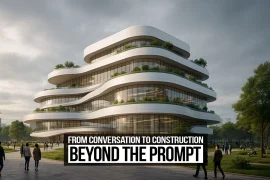
Against the panorama of global-scale suburbanization, the demand for innovative and environmentally friendly urban design has grown exponentially. No housing, overpopulation, air and water pollution, and poor infrastructure are just some of the challenges that are becoming apparent as urbanization is escalating at high velocity. Yet, the cities of tomorrow are being designed to meet changes in social demand, environmental constraints, and technological applications. A review of the major future trends in urban development of greatest significance including, green urban islands, smart cities, smart infrastructure, and the integration of artificial intelligence (AI) into urban design are included in the paper. Furthermore, emerging trends like digitalization, climate resilience, and the circular economy are about to transform the way the city is planned and managed in a completely new manner.
Urban Smart Cities and Digital Transition
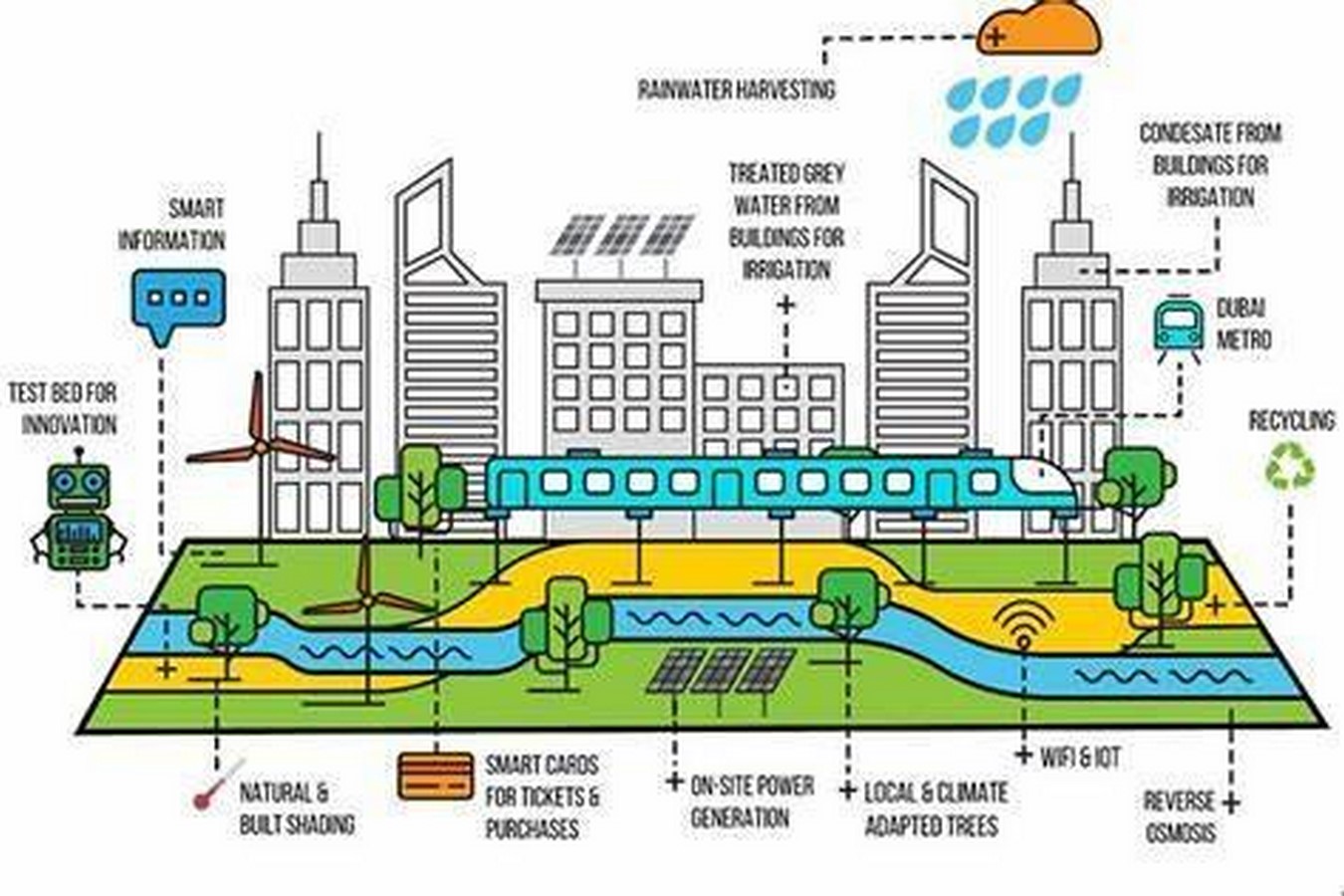
Adapting to the future trends in urban development is the emergence of smart cities. Smart cities or digitally equipped cities utilize data science and the Internet of Things to improve people’s lives, promote sustainable growth, and streamline urban services through ICT. Smart Cities’ salient features include:
- IoT Devices: IoT devices and sensors monitor public safety, energy usage, air quality, and traffic patterns which provides government officials with the capability of making proactive decisions.
- Autonomous Systems Connectivity: With autonomous transportation systems, people can have a smoother commute. The same goes for the delivery of services thanks to high-speed internet and 5G.
- Predictive Modeling: Sophisticated algorithms that allow for the deep analysis of datasets enable effective resource allocation and predictive modeling for urban planning.
After the creation and implementation of mobile applications and online portals catered towards the citizens, reporting issues, accessing services, and partaking in community decisions have been made much easier. Such unofficial ‘smart cities’ as Dubai, Barcelona, and Singapore highlight how using digital technologies in city administration can better people’s lives and create more fluid environments. It is becoming clearer that cities will transform into operational living entities that utilize smart technologies on a 24/7 basis and integrate digitization into urban planning.
Green Building Techniques and Sustainable Infrastructure
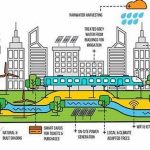
Future trends in urban development are marked by the concern for sustainable infrastructure in response to the global intensification of climate change in the world. In an attempt to reduce the environmental footprint and the resilience of cities, technological applications of energy saving, management of wastes and green building developments have been expanded.
Crucial Elements of Ecological Infrastructure:
- Net-Zero buildings: They are programmed to be operated for use with renewables, i.e., photovoltaic arrays, wind turbines, geothermal power generation, etc. For which their instantaneous and accumulated load is provided by the device(s). Net-zero energy building is one of the key innovations to the urbanism of the next generation.
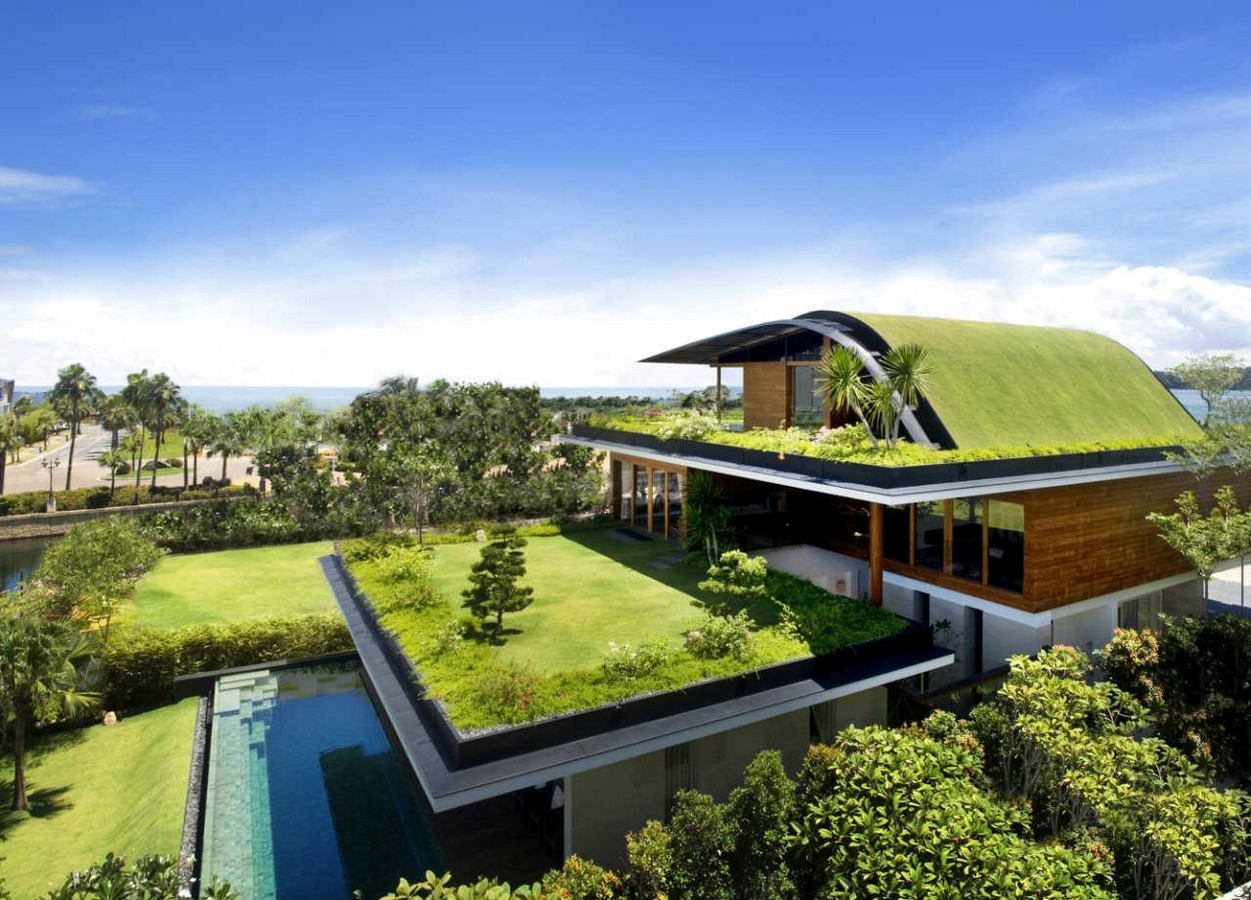
- Vertical Gardens and Green Roofs: The growth of plants on the roofs of buildings and on walls of buildings enhances biodiversity and aesthetic quality, cools the urban heat island, and insulates. Reducing environmental impact and resource usage are two benefits associated with the use of eco-friendly materials that are currently being widely used, for instance, bamboo, recycled steel, and carbon-free Portland cement.
- Water management with smart approaches: Implementation of leading-edge technologies for optimization of water use and control of runoff is being incorporated into urban design through the use of permeable pavement, greywater recycling, and rainwater harvesting.

Cities are an appropriate locus of entry for reducing the carbon footprint and developing environmentally friendly, energy-efficient built environments by adopting these green practices in urban design. Deployment of green technology is an increasingly significant aspect of future trends in urban development and is on the policy makers and urban planners agenda both for its future environmental consequences for upcoming urban growth challenges.
City Green Areas and Integrative Nature Architecture
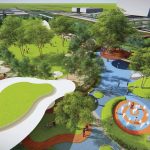
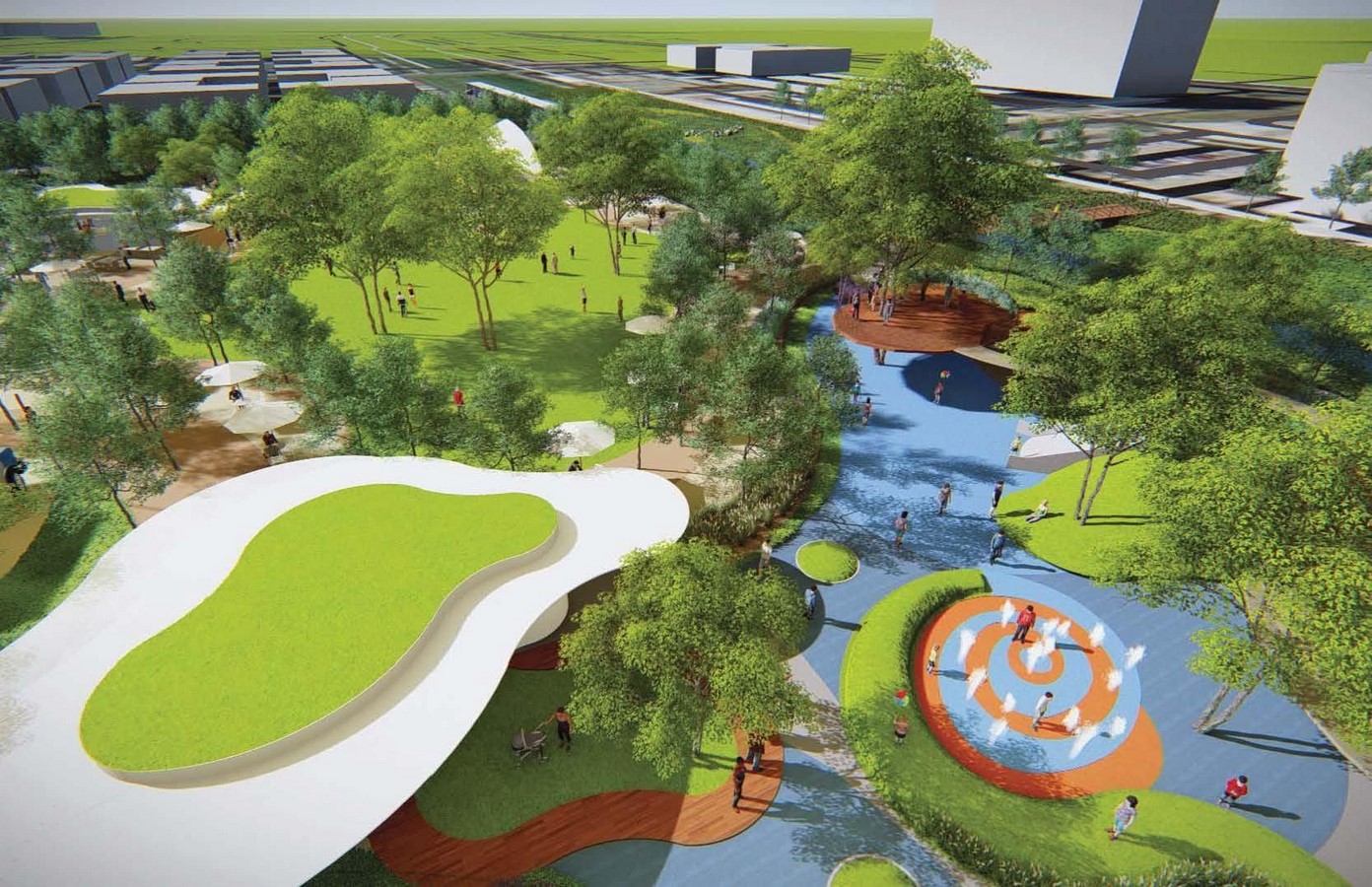
The need to introduce green spaces in urban areas is fueled by increasing urbanization and pollution levels. Nowadays, biophilic design, which seeks to enhance the human-nature relationship by creating green urban areas, is considered one of the most promising areas in urban planning. Benefits of Urban Green Areas:
- Improved Respiratory Health: Urban parks, forests, and greenways are places for locals to enjoy clean air since they remove carbon dioxide and other harmful substances from the atmosphere.
- Moderate Urban Heat Island Phenomenon: In overpopulated regions, greening helps to mitigate heat islands, functioning as a natural air conditioner.
- Improved Community Engagement: People are also coming together to enjoy public squares, parks, and promenades.
- Increased Return on Investment: The existence of green spaces greatly increases the value of real estate because they tend to be more appealing to residents and investors.
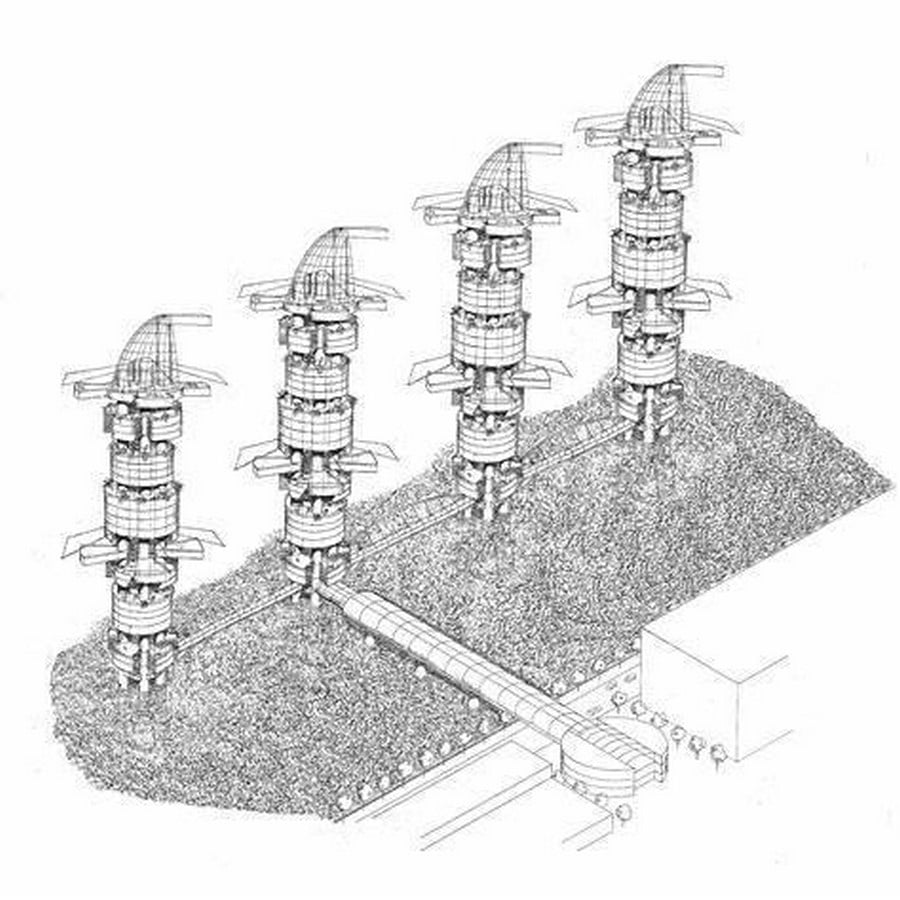
These two projects, New York’s High Line and Singapore’s “Garden City,” have already set a new benchmark for balancing nature and architecture in the city in line with future trends in urban development. As societies attempt to enhance the livability of their cities, there will be a focus on readily available green areas that serve multiple purposes and augment the ecological equilibrium and life quality.
Autonomous Mobility and Transportation Solutions
The combination of electrification, automation, and shared mobility is fundamentally transforming urban transportation. The anticipated patterns of urban mobility demand indicate that municipalities will place more emphasis on efficient public transport systems with low emissions to reduce congestion and pollution.
New Transportation Developments:
- Autonomous Vehicles: Self-driving cars, buses, and shuttles promise to enhance urban transportation by increasing safety, alleviating traffic congestion, and decreasing operating costs. AVs are also capable of formulating efficient routes and making alterations to optimize traffic in real-time.
- Electric Public Transport: A switch to electric buses and trains is crucial in cutting down greenhouse gas emissions and reliance on fossil fuels. Cities all across the globe are undertaking electrification initiatives to modernize their public transportation systems.
- Hyperloop and High-Speed Trains: These new movement methods between cities are fast, environmentally friendly, and energy-efficient. The Hyperloop, for example, has the potential to change long-distance travel due to its low impact on the environment.
- Micro-Mobility Solutions: With the advent of bike-sharing systems, e-scooters, and pedestrian-friendly cities, there is a decreased dependence on private vehicles. This helps promote healthy and environmentally friendly ways of transport.
While Los Angeles is vigorously experimenting with self-driving cars, Amsterdam and Copenhagen are spearheading the development of cycling and walking-friendly cities. These examples emphasize the importance of redefining mobility as an integral part of future trends in urban development that are appropriate and effective.
Urban Planning and Artificial Intelligence
With the aid of AI, innovation in urban planning is becoming more effortless. AI is altering the entire strategy for city planning, management, and optimization through the use of machine learning, prediction, and real-time data. This identifies one of the most impactful emerging trends in city planning.
How AI is Changing Urban Development:
- Predictive Urban Planning: Urban planners can build ahead of the forecast by employing AI models to estimate economic activity, population, and infrastructure demand.
- Traffic-intelligent traffic flow: Traffic modeling either by adaptive control of signal timing at traffic signals or by traffic flow models accounting for traffic congestion traffic data, AI-based systems are well-positioned to prudently propose a solution for the advancement of traffic flow and thereby the safety of the road surface and a reduction of commuting time.
- Automatic Waste Management: When contrasted with the consumer behavior itself, the intelligent waste collection management (intelligent waste collection management), it is possible to determine the most optimal collection line, that is then used to improve the waste recycling rate, and hence, cleaner and more efficient urban areas will be achieved.
- Disaster preparedness and response: Artificial intelligence (AI) applications identify the likelihood of a natural disaster, determine the emergency, and recommend mitigation approaches collectively leading to enhanced community preparedness and response to adverse events.
The AI company’s incorporation into urban planning comes with transformational outcomes like how China utilizes AI on multiple programs and with the Sidewalk Labs in Toronto. The advent of AI will be critical in the future trends in urban development as cities will need to be flexible and resilient to changing conditions.
Mixed-Use Urbanisation and Walkable Urbanised Areas
In modern-day urban planning, mixed-use development is gaining more popularity which encompasses residential, commercial, and recreational activities all in one region. This approach aims towards creating livable regions, reducing automobile reliance, and increasing accessibility which are all crucial drivers of future trends in urban development usable space development.
Advantages of Mixed-Use Development:
- Cut Down on Commuting Time: Residents can access all relevant services with little need for traveling. When businesses, shops, and entertainment facilities are located within a single zone, traffic and pollution are greatly reduced.
- A more robust sense of Community: When residents come together in public squares and community spaces, they are more likely to engage with one another, and as a result, feel more engaged with their neighborhood.
- Sustainable Lifestyle: Residents are helping stems of automobiles while lowering emissions and creating a healthier living environment.
- Economic Improvement: Energetic pedestrian-friendly spaces help local businesses grow, which stimulates economic activity.
The cities of Portland and Copenhagen exemplify effective mixed-use developments, as they have been able to create very successful ecological, social, and economic metropolitan settings. In the future, the incorporation of mixed-use planning will be crucial for building resilient and livable communities, as future trends in urban development continue to shift.
The Opportunities of Smart Energy Systems
Energy efficiency remains the backbone of modern city sustainability. Smart energy networks are changing the landscape of power generation, distribution, and consumption which makes it a focal point in urban expansion across the world.
Features of Intelligent Energy Systems:
- Distributed Renewable Energy Generation: The use of wind energy plants, solar photovoltaic panels, and micro-hydro turbines increases energy independence while decreasing reliance on fossil fuel energy plants.
- Energy Usage Per Monitoring: Smart meters and sensors monitor energy usage and ensure that resources are optimally utilized and managed.
- Improved battery drain and charging cycle: Advanced battery engineering technology enables the storage of surplus energy generated when output is high to guarantee supply during periods of low renewable generation. While ensuring a steady supply, these latter days batteries have kept up with the required renewables output drop.
- All electric building: AI programs autonomously change the distribution of energy amongst consumers depending on the active energy output to ensure efficient use of energy.
Cities, for instance, San Diego and Tokyo, are taking the lead in smart energy grid projects as an example of how effective energy control can mitigate the unsustainable expansion of cities and foster more resilient urban power networks.
With the adoption of these future trends in urban development, energy usage and the development of renewable energy sources will be a lot easier in the future.
New Innovative Trends And Innovations
The rest of the issues discussed above, plus some more, are shaping the psychological phenomena affecting urban planning development. These developments encapsulate how the community’s needs can be addressed to ensure they do not have to lower their quality of life.
The importance of circular economy to the growth of cities
In a circular economy model, waste is to be avoided by continuously utilizing the same resources for different purposes. This requires integrating recycling, reusing, and resource conservation in the infrastructure and the urban development structures. The primary aim of cities adopting the circular economy is to reuse construction materials, manage waste sustainably, and develop systems that disassociate economic growth from resource consumption. As urban designers endeavor to build resilient communities with lesser resource use, this paradigm shift is gaining momentum.
Decentralized Governance with Blockchain
Urban development is now more accessible because of public services offered through blockchain technology, which facilitates the decentralization of local governments. Through blockchain, cities are able to offshore energy trading alongside property records, and other urban projects that actively seek to increase trust and efficiency between the community, however, these innovations are already being implemented as public governing becomes more responsible and progressive urban farming grows.
Resilient Cities and Adapting Urban Planning
In the higher regions of cities, climate change is a significant risk. One of the new focuses in urban expansion is facilitating climate resilience in planning approaches. This encompasses constructing systems for early warning, integrating adaptive materials, and building infrastructures that withstand harsh weather events. Recently, municipalities have been investing in the preservation of their citizens’ well-being by funding resilient infrastructure projects such as flood barriers and the use of heat-resistant construction materials.
Inclusive urban design and social innovation
Moreover, the construction of accessible and inclusive urban areas represents a pivotal component of sustainable urban development. Social innovation is growing more and more significant. These projects could, for instance, involve subsidized housing programs, accessible public spaces, and participatory community-based development work. Planners are taking into account the opinions of members from various communities to propel the growth and satisfaction of all social groups. This integrative [methodology] is certain to be advantageous to all persons living in an urban environment by expanding the urban footprint in every urban environment, within the context of the global perspective of socially responsible and sustainable development.
Final Thoughts
A suite of technological, environmental, and social innovations defines the urban fates. Artificial intelligence games, the intelligence of urban planning, green space development, smart building infrastructure, and transportation innovation are among the upcoming trends in urban development.
Furthermore, current trends in the twenty-first-century revitalization of cities extend to social innovation, resilience to climate change, blockchain governance of policy, and the circular economy all of which are fostering the revitalization of the twenty-first-century cityscape. City redesign to ecologically and functionally, yet also equitable and responsive ends is for designers, urbanists, and policymakers in a land of sprawl a consequence. The development of cities that meet the standards of modern life comfortably and protect the health of both humans and the environment will depend on catching up with these developing trends.