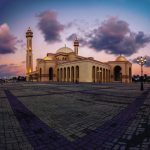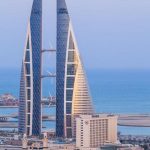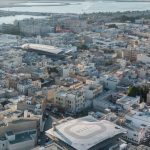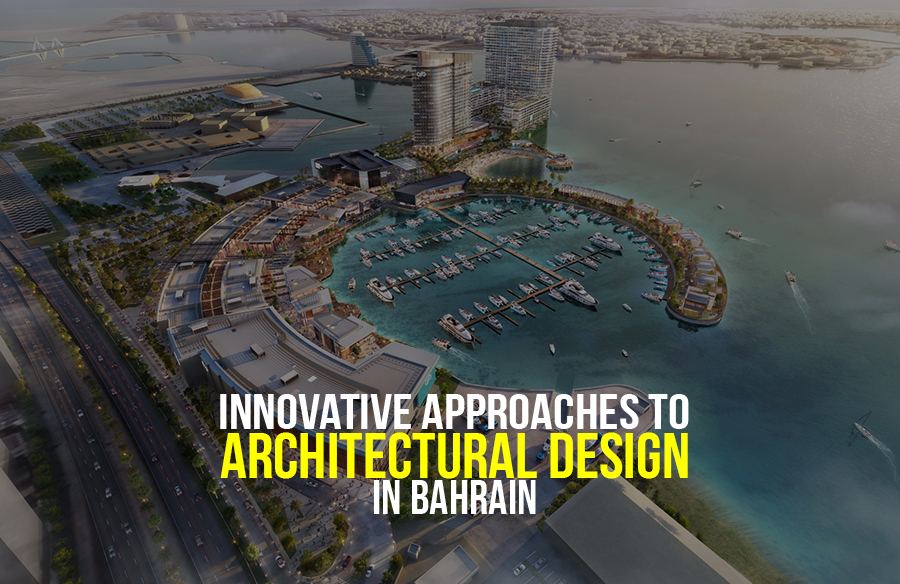
Bahrain is a vibrant archipelago in the Arabian Gulf, where ancient traditions intertwine with a rapidly modernizing present. In recent architectural developments in Bahrain, historical motifs are creatively integrated with modern design principles. This transformation is a result of a delicate interplay of cultural heritage, modern ambition, social and political factors, and the challenges of a demanding climate. The architects in Bahrain are creatively solving these forces and coming up with new strategies that are changing the face of the built environment of the country. This article aims at identifying the architectural styles in Bahrain, and the cultural, social, political, demographic, and modernization factors that have brought about the development of the built environment.

A Cultural Narrative in Brick and Mortar
Bahrain has a long history of being inspired by its rich heritage, including the ancient Dilmun civilization and the traditional pearling industry, but the real challenge lies in reconciling this cultural material with the demands of contemporary architectural practice. Mashrabiya screens and wind towers, which are a part of traditional Bahraini houses, are not just some architectural elements; they are the most significant symbols of identity and a clear manifestation of the spiritual connection with the land. Even when the elements are modernized, they still retain their meaning.

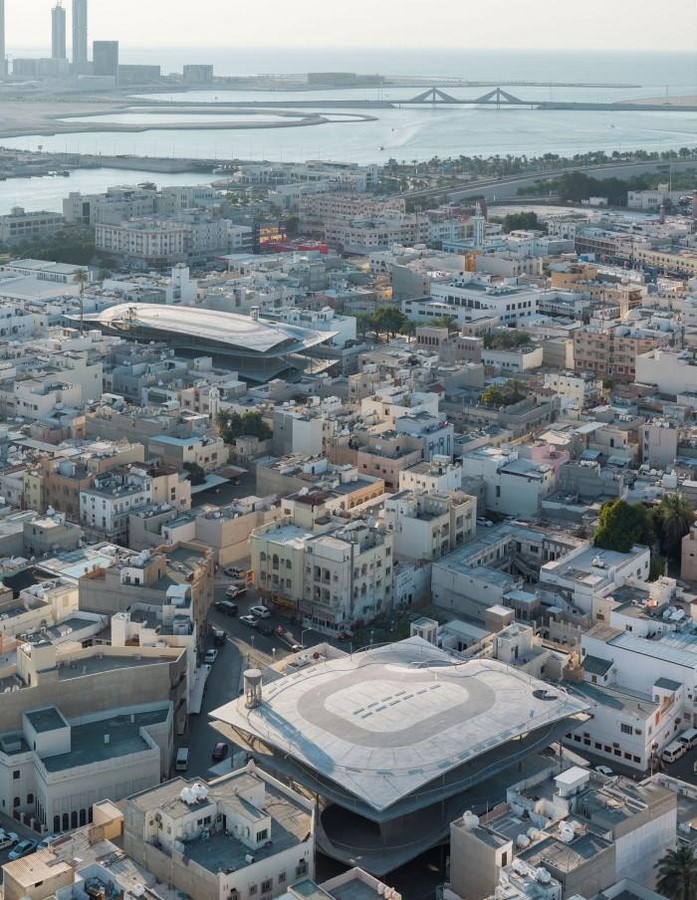
To respond to the challenge of protecting the cultural heritage of Bahrain, architects are already looking for new ways out. The main trend is focused on the concept of “Urban Preserved Architecture” which goes beyond simple restoration and aims at incorporating historical sites into the modern urban environment. This includes re-conceptualizing older buildings as part of the modern city development so that the country’s history would be felt in the course of its economic growth. In addition, designers are carefully incorporating traditional patterns and materials into modern designs through the restoration of ancient construction methods or the application of new technologies to create traditional-looking structures. This approach can be seen as successful in the Pearling Path, a UNESCO World Heritage Site, where gentle touches of the modern world only help to bring out the best in the area’s history and culture while mixing the past and the present.
Social and Political Currents Shaping the Urban Fabric
Architectural designs in Bahrain are deeply influenced by the nation’s social and political priorities, particularly the desire to create inclusive public spaces that encourage community building. Bahrain is a country that is driven by government initiatives of sustainable development and affordable housing solutions; thus, there is a rise in eco-friendly buildings and well-planned residential communities.
Bahrain’s rich tapestry of diverse demographics necessitates architectural designs that prioritize inclusivity and adaptability. In line with this, the political stability and strong economic growth of the country have led to a construction boom, which has given rise to numerous large-scale projects. As a result of these social and economic changes, the demand for mixed-use buildings is on the rise. These developments are not just a set of buildings; they are an attempt to create mixed-use urban environments to meet the varied needs of the people of Bahrain. Importantly, all these projects are being developed with a specific purpose in mind – to create communities by incorporating features that promote social interaction and the overall experience of the urban environment.
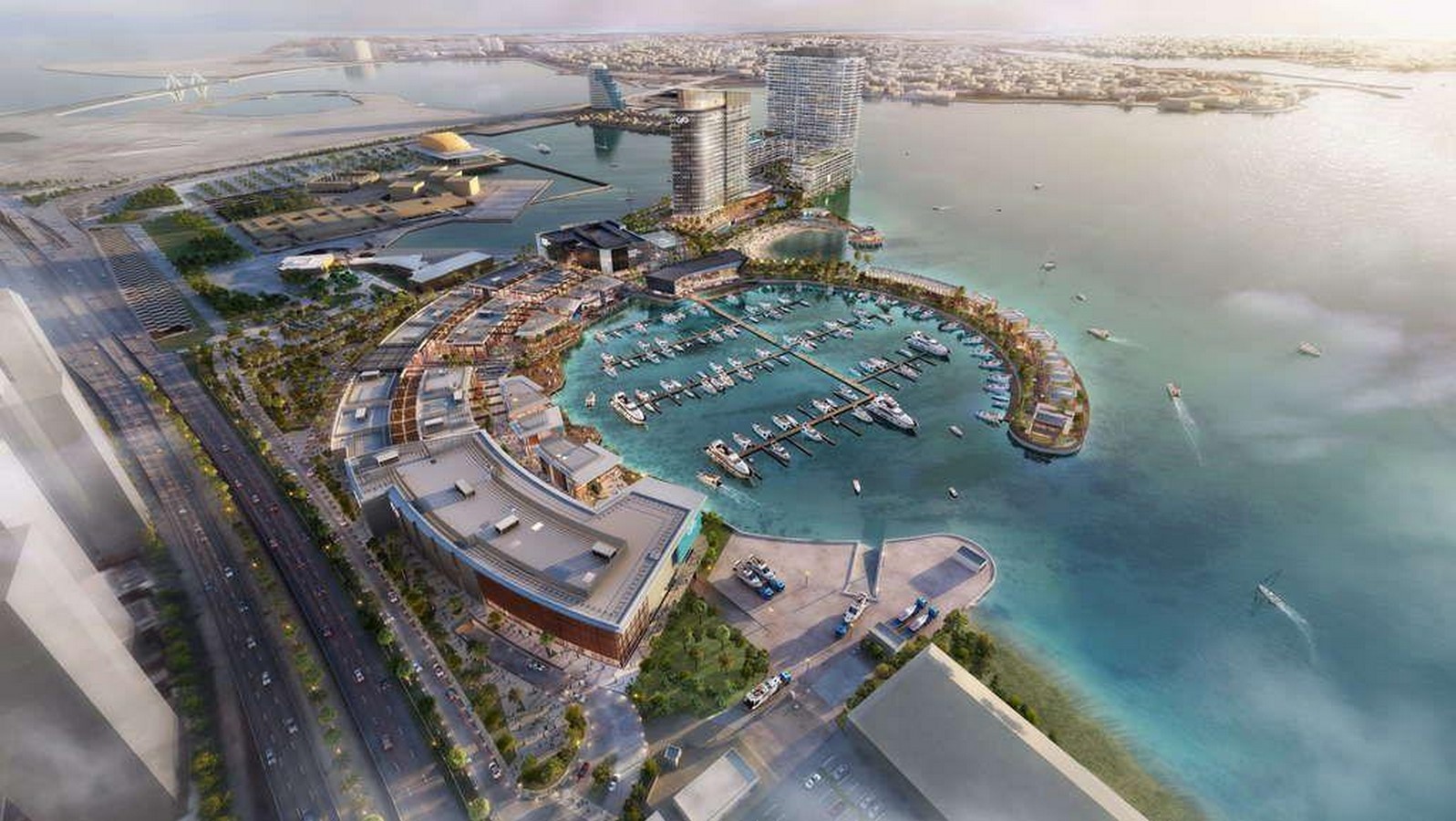
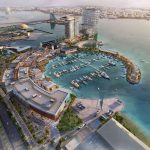
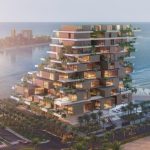
Bahrain Marina stands as a testament to this trend, a luxurious waterfront destination that is developing a comprehensive lifestyle project that includes residential units, retail spaces, a hotel, and marina facilities to create a vibrant waterfront community. The project shows the nation’s effort in developing lively and functional urban spaces that can address the varying needs of residents and visitors, fostering a sense of community and convenience within integrated environments.
Engineering Comfort: Climate-Driven Design Breakthroughs
The extreme heat and humidity of the climate of Bahrain present a significant challenge to architects, who must therefore find innovative ways of solving the problems of comfort and sustainability of the environment. To combat these challenges, innovative cooling infrastructure is paramount. This infrastructure has a layered approach, which starts with passive cooling techniques like natural ventilation and strategic shading. These natural methods are then supported by the latest HVAC systems and energy-saving materials to reduce the energy use of the building.

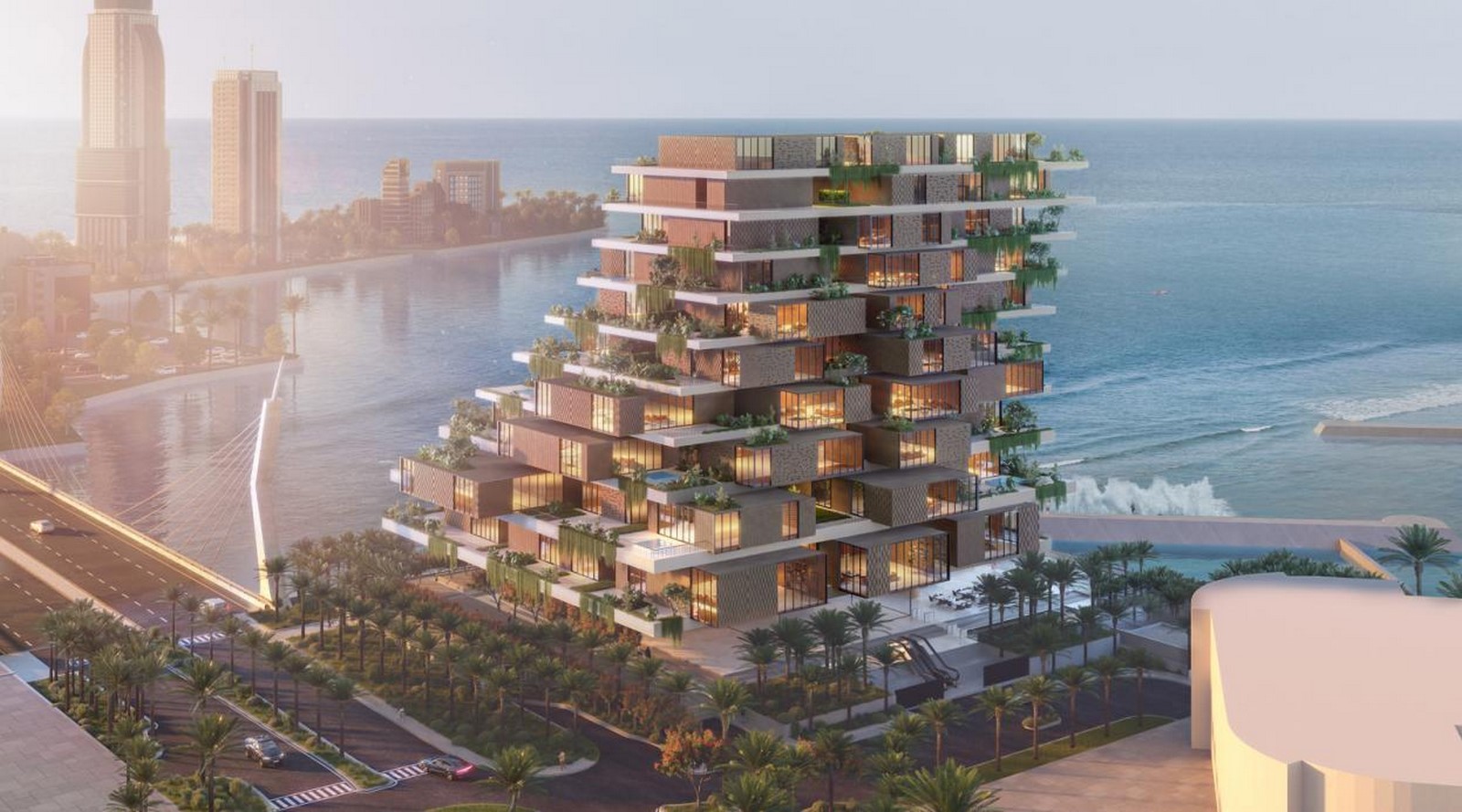
Modern architectural innovation in Bahrain regions is driven by a need for climate-conscious and people-centric design, manifesting in concepts like innovative slab geometry, inverted pyramid structures, and multi-functional urban spaces. Innovative slab geometry manipulates floor and roof shapes to enhance airflow and shading, reducing heat gain and improving natural ventilation. Inverted pyramid designs maximize shade by widening upper levels, minimizing direct sunlight on lower facades, and creating unique architectural forms suited for hot climates. Simultaneously, multi-functional urban spaces are being developed to foster social interaction and efficient land use, accommodating diverse activities while providing respite from the heat. These combined approaches demonstrate a commitment to creating sustainable, comfortable, and engaging urban environments that address the specific challenges of the region.
A Dynamic and Evolving Landscape
Bahrain’s architectural landscape is witnessing a surge of innovative projects that showcase a thoughtful blend of tradition and modernity. Examples of this innovation are manifold. Developers are increasingly prioritizing sustainable design, integrating renewable energy sources and water conservation techniques into their projects. Public urban spaces are being meticulously crafted to foster community engagement and celebrate cultural expression, transforming them into vibrant social hubs. Notably, there’s a growing emphasis on revitalizing older areas of Bahrain, seamlessly integrating them into the modern urban fabric while preserving their historical aesthetic. Moreover, the forward-thinking work of architectural students at the University of Bahrain serves as a vital indicator of the direction in which the nation’s architectural future is headed, promising a continued evolution of design that respects the past while embracing the possibilities of tomorrow.
The architectural landscape in Bahrain is a dynamic and evolving tapestry, woven from the threads of tradition and modernity. It is shaped by a variety of cultural, social, political, demographic, and modernization factors. Bahraini architects are embracing innovation and sustainability, pushing the boundaries of creativity to create unique and functional spaces that reflect the country’s rich heritage and aspirations for the future. As Bahrain continues to develop and modernize, its architecture will undoubtedly evolve, pushing the boundaries of creativity and sustainability, and shaping the country’s identity for generations to come.
Refrences:
Bahrain Marina, Manama, Bahrain (2024) World Construction Network. Available at: https://www.worldconstructionnetwork.com/projects/bahrain-marina-manama-bahrain/ (Accessed: 20 February 2025).
Heathcote, E. (2025) Bahrain’s pearling path: A surprising, stunning gem of urban architecture, Subscribe to read. Available at: https://www.ft.com/content/e5cf3a2b-5458-49f5-b6e8-6192dea73f56 (Accessed: 20 February 2025).
Music for the eyes (no date) Bahrainguide · architecture . Available at: https://bahrainguide.org/BG1/architecture.html (Accessed: 20 February 2025).
UNI Editorial (2025) Journal, UNI. Available at: https://uni.xyz/journal/four-car-parks-redefining-urban-architec (Accessed: 20 February 2025).