For centuries, the traditional archetype of architects and designers was defined as an isolated, singular visionary: “the master builders”. The architectural lore largely rested on the myth of solitary dictators. Architects, being the master builders who dictated every curve, material, joint, and even a small structural line, established themselves as singular geniuses whose isolated intuition became a defining decree of a structure. Architectural authority has always been conceived as an autocratic, top-down decree, be it for the polymaths of the early Renaissance or the modernists of the 20th century.
However, in this newly developed sphere of the 21st-century, this myth has been thoroughly unravelled. Modern day construction holds a sheer complexity due to the stringent decarbonization mandates, ubiquitous computation, and democratic civic demands. All these factors, when combined, result in the death of unilateral control and make it impossible to operate. Moreover, with all these advancements, architects, rather than acting as sovereign authors dictating every micro-decision, are evolving into master orchestrators. They have started behaving as strategic conductors who design generative systems, coordinate hyper- specialized intelligences, build basic civil consensus and synthesize empirical data streams.
The paradigm shift: From Form Making to Rule Setting
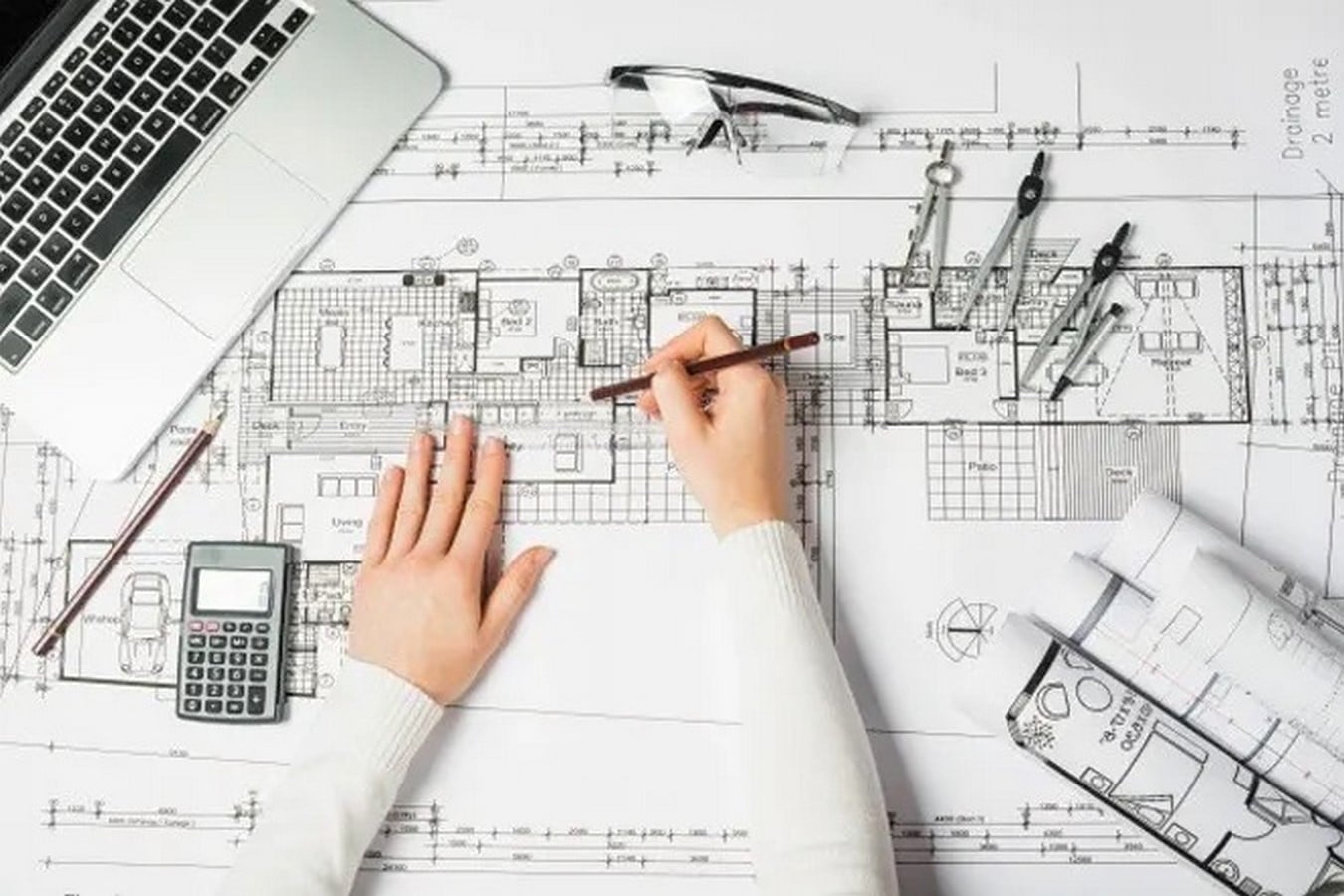
In today’s modern sphere of architectural practices, the integration of advanced computational tools has changed the fundamentals and completely altered the medium of the architectural work sphere. The simplistic modelling capabilities of AutoCAD software have become outdated, and architects have started moulding logic and constraints that govern the geometry rather than finishing it. (Carpo, 2017)
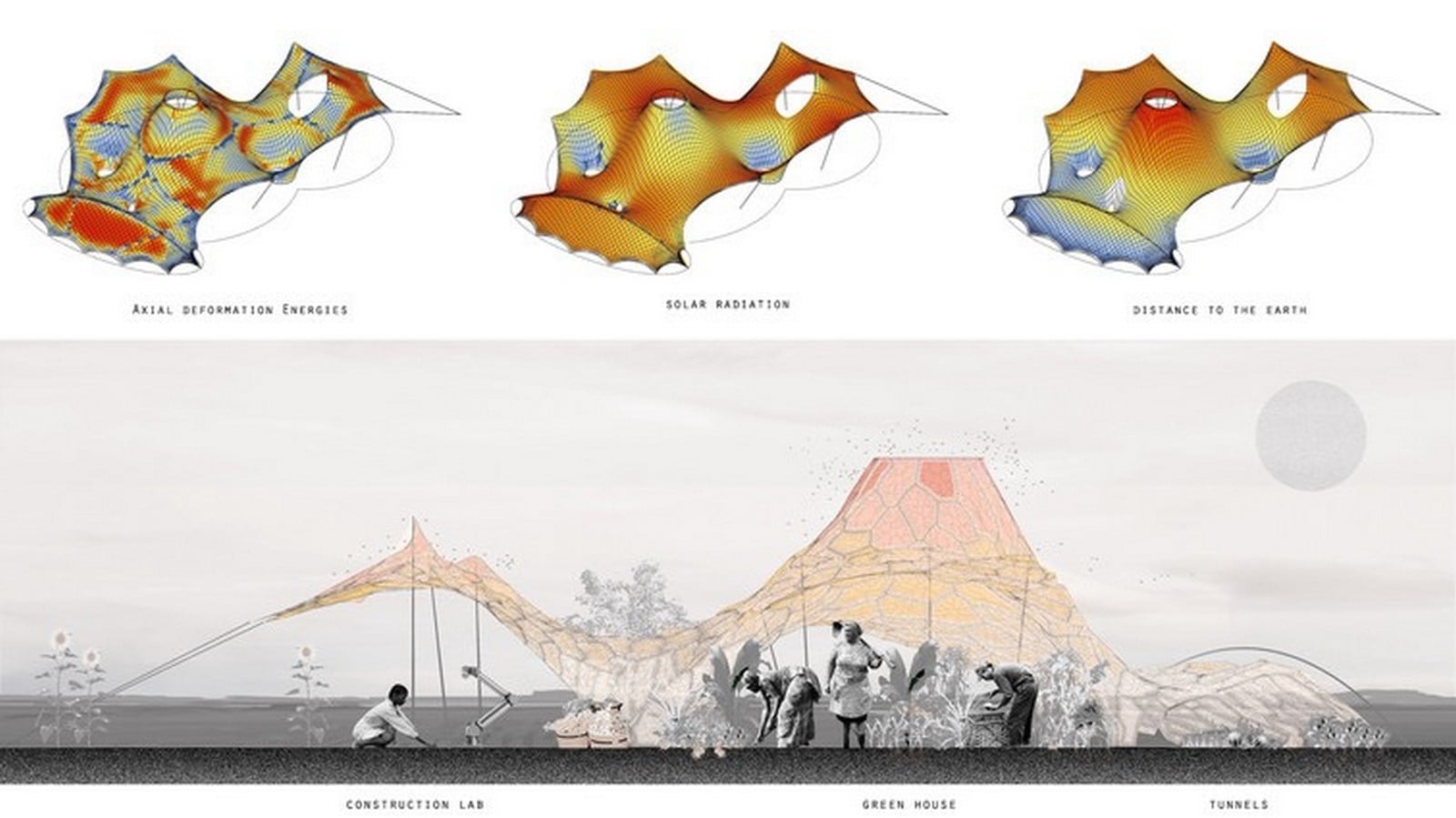
These days, the designers are leaning towards the establishment of performance envelopes ranging from structural spans and daylight penetration thresholds to zoning massing limits. Further, the computational engines explore multi-objective data across a number of design iterations in a small fraction of the time. (Carpo, 2017) When this workflow is discussed, it has been observed that the architect, who used to be defined as a solitary draftsman, has changed his role and now operates as an evaluator and curator of machine-generated options.
Parallelly, the development of the Building Information Modelling (BIM) and Cloud-based Common Data Environments (CDE) has shown a shift in the delivery of design computations from simple 2D documents to live, complex, federated digital databases. (Rafael Sacks, 2018) Modern architectural practices require the practitioner to manage complex metadata schemes and establish strict digital interoperability standards (also known as the Industry Foundation Classes) through the tools available in the market. They are to run specialised operations that’ll recheck the collision-detection routines across the structural, plumbing, and mechanical systems. The degree of the architect’s mastery has started lying in the digital skills they hold, the more efficient they are in structuring the digital ecosystem, the smoother their design process becomes. The information flows friction-free between the design teams and the automated robotic fabricators on the factory floor.
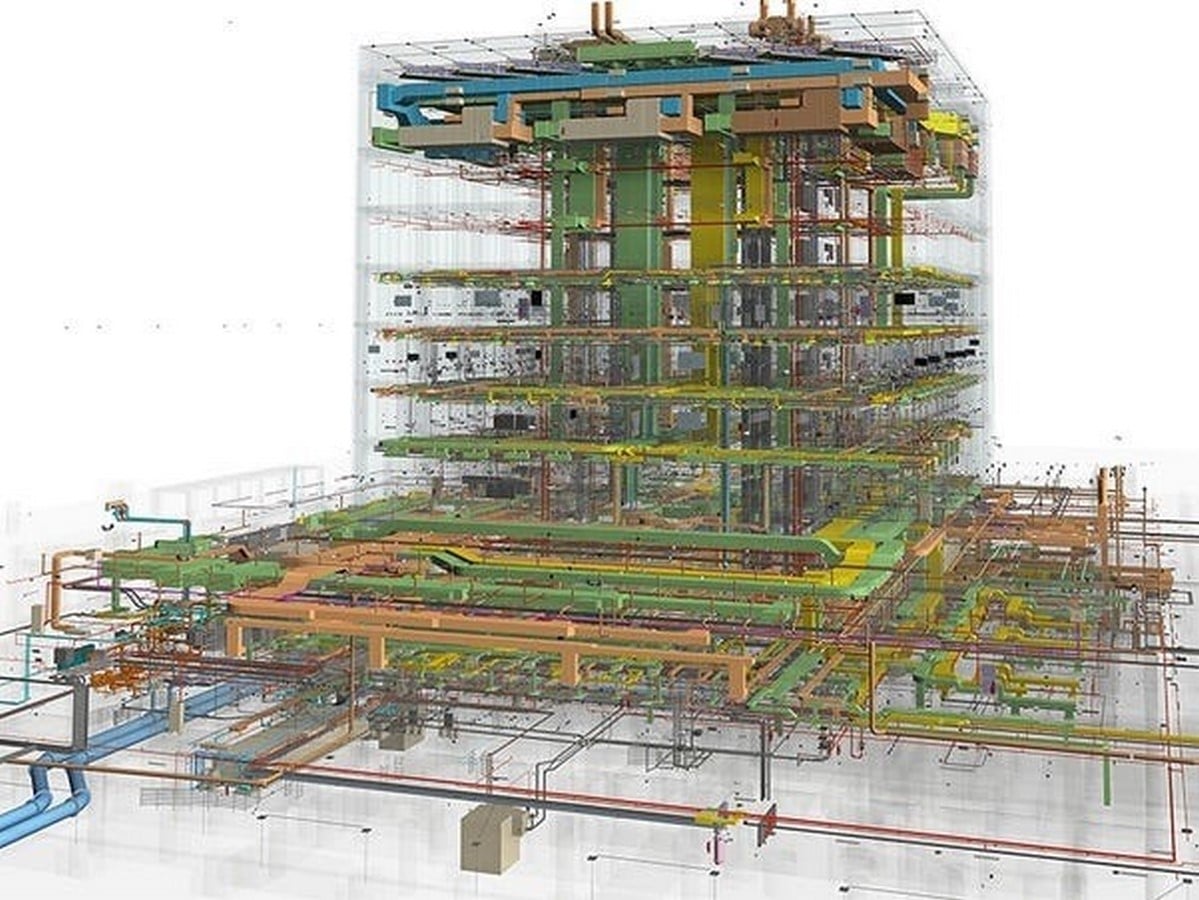
In today’s era, modern buildings are no longer mere static physical enclosures; rather, they are hyper-integrated, high-performance organisms with a head of their own. The buildings interact with their users and the environment using different tools and mechanics. Thus, the volume of knowledge required to deliver a project exceeds the cognitive capacity of any single generalist. The architects have converted themselves into system engineers working on all the mechanical spheres simultaneously, but not as a solitary individual, rather as an expert with several different tools in their hands: computational and operational software.
Dynamic Simulations in design: Introduction to evidence-based designs
With the rise in the global climate crisis, it has been the duty of the architects and planners to integrate objectives for environmental control and decarbonization with their designs; the intuitive aesthetic justification for any given design has become obsolete. Architectural decisions are now made by defending real-time empirical data, which is verifiable and could be justified through different algorithms. Architectural models are directly coupled with dynamic simulation tools. It is becoming a common practice for the architects to balance daylight autonomy against solar heat gain coefficients, evaluate microclimatic wind vectors across urban ground planes, and compute the embodied carbon of structural alternatives in real time.
The traditional rigidity of architects crowned as to be the supreme outside expert who’ll be bestowing spatial solutions upon the mortals has always faced legitimate ethical challenges. Nonetheless, with the new modes of participatory design such as detailed 3D modelling, Augmented and Virtual realities, etc., the engagement among the non- expert stakeholders and the professionals has increased tenfold. Rather than presenting finished proposals at contentious public hearings, orchestrating practices facilitate iterative design workshops.

The master builders who carried the aura of being an authoritarian figure were suited to the simpler era of design. The present-day orchestrator is way more than just an isolated patron; they are a collaborative strategist who is suited to the present day’s interconnected reality. With the synthesization of advanced computation, modern architects ensure that the technical systems cohere into spaces that are sustainable, structurally sound, and culturally meaningful.
References:
Carpo, M., 2017. The Second Digital Turn: Design Beyond Intelligence. s.l.:Research Gate.
Rafael Sacks, C. E. G. L. P. M. T., 2018. BIM Handbook: A Guide to Building Information Modeling for Owners, Designers, Engineers, Contractors, and Facility Managers. s.l.:Wiley.