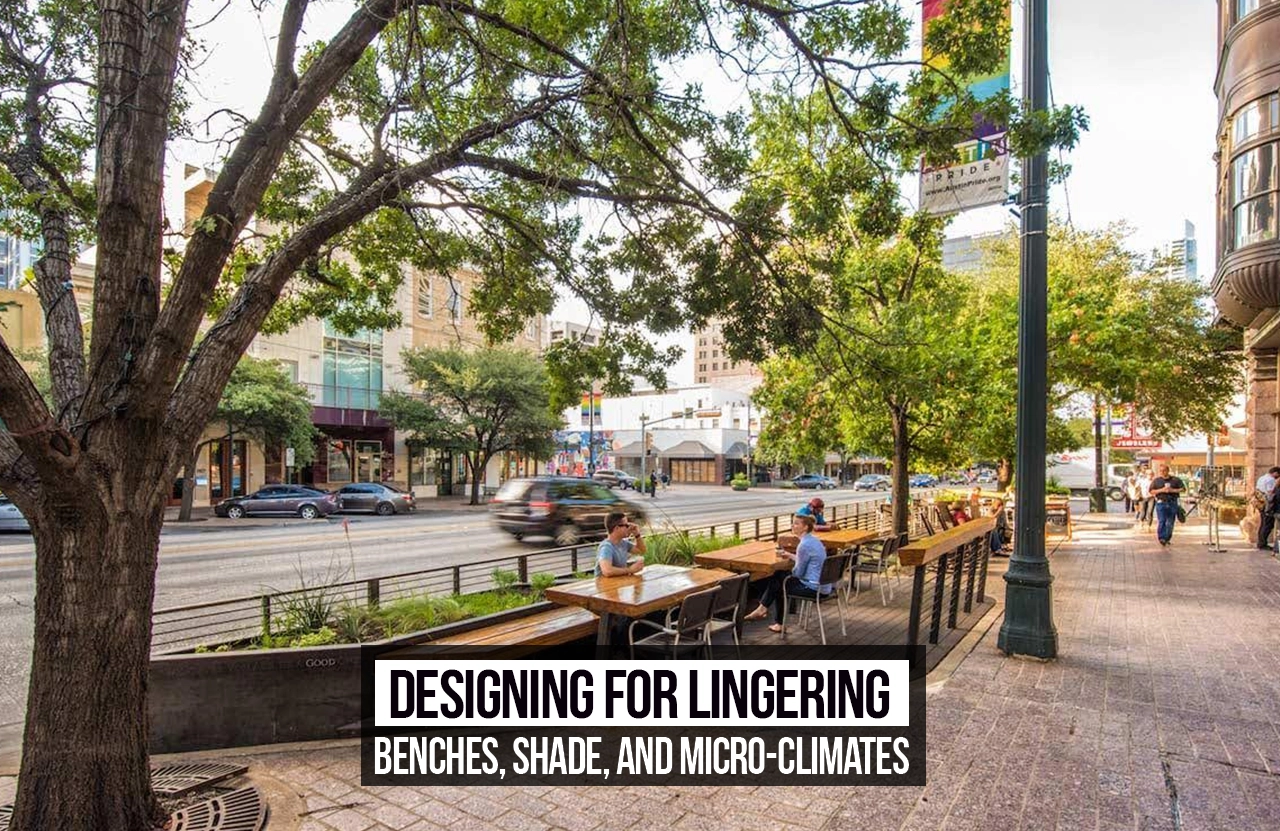
Cities are often designed to keep people moving. Streets stay busy all day, pavements rush people forward, and many public spaces feel like places meant only to walk through. Yet every now and then, something slows a person down. A bench under a tree, a canopy of cool shade on a warm afternoon, or a quiet spot where the air feels softer. These moments of comfort are never random. Studies note that small climate variations created by shade, planting and seating influence how long people stay in a space and how comfortable they feel within it (SWA XL Lab, 2019). Others highlight that even placing a seat where a breeze naturally flows can turn an unnoticed corner into a spot where people choose to pause (Voisen, 2018).
Lingering is not only about taking a rest. It is about how a place makes a person feel unhurried, welcome and safe. When a micro climate is shaped gently, noise softens, heat reduces, and the atmosphere becomes easier to be in. Shade quietens harsh sunlight, vegetation cools the air, and a well-placed bench invites the body to slow its pace. When comfort and climate work quietly together, lingering becomes proof that a public space understands the needs of the people who use it.
The Moment the Place Feels Comfortable
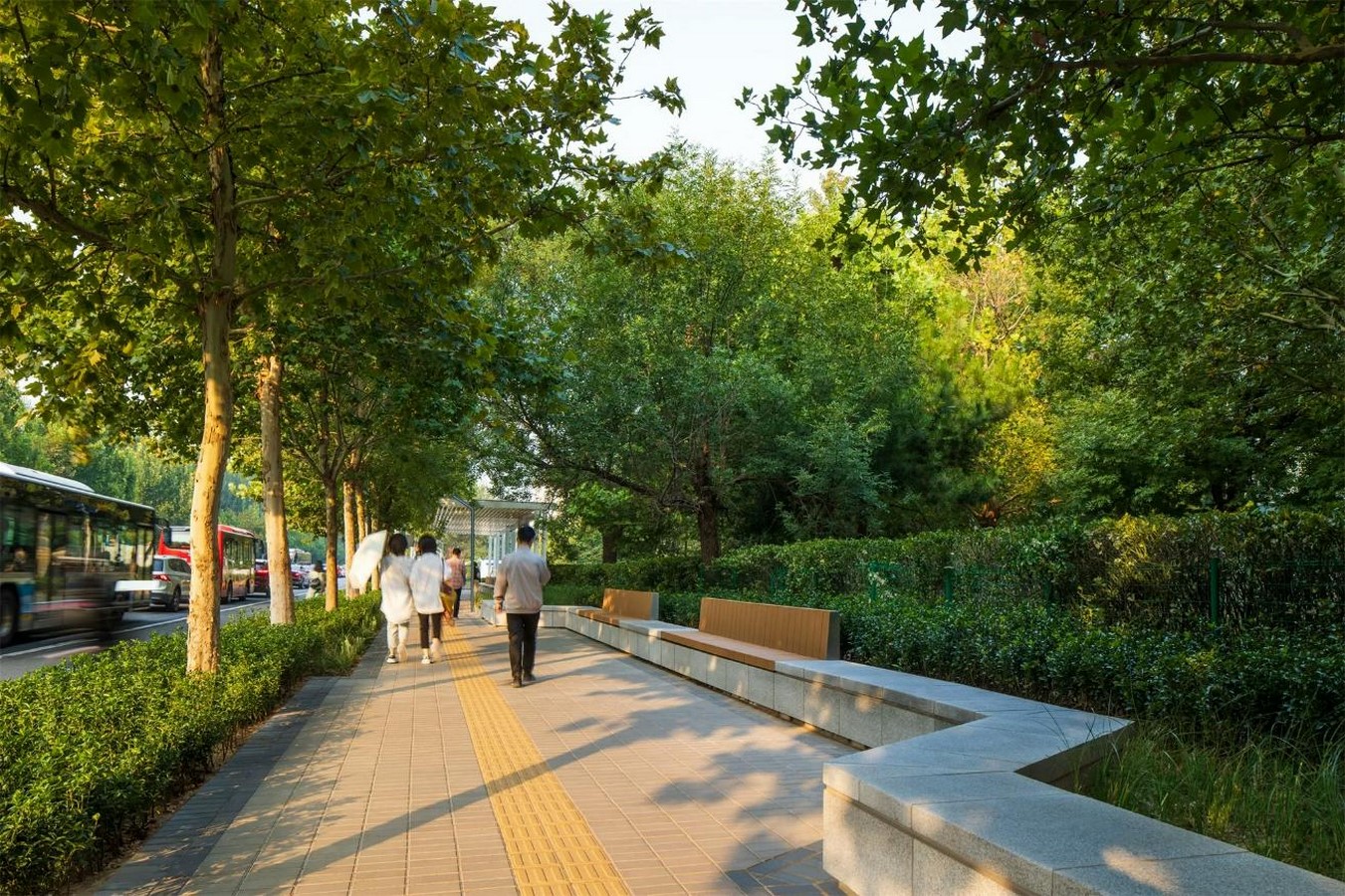
There is a quiet moment when someone steps into a space and feels their body loosen without even thinking about it. It might be the temperature, the calmer air, or simply the way the light falls without glare. This shift belongs to the micro climate of the space, created by choices such as planting, orientation and materials. When these small decisions work in harmony, the place feels easier to occupy. A comfortable micro climate slows down the pace of the day and makes ordinary outdoor spaces feel more gentle. Research shows that when temperature and atmospheric conditions are balanced, people naturally choose to stay longer (Nikolopoulou and Steemers, 2003).
This comfort is never accidental. Shade, filtered daylight and the presence of greenery help regulate heat and soften the environment. Even a light breeze moving through a well-positioned opening can bring emotional ease that people recognise immediately. Urban studies emphasise that when the micro climate feels supportive, people are more willing to use the space and feel safer while doing so (Gehl, 2010). These subtle atmospheric elements form the first invitation to linger. They turn everyday routes into places where a person slows their steps and feels more present.
Comfort Begins with a Shade
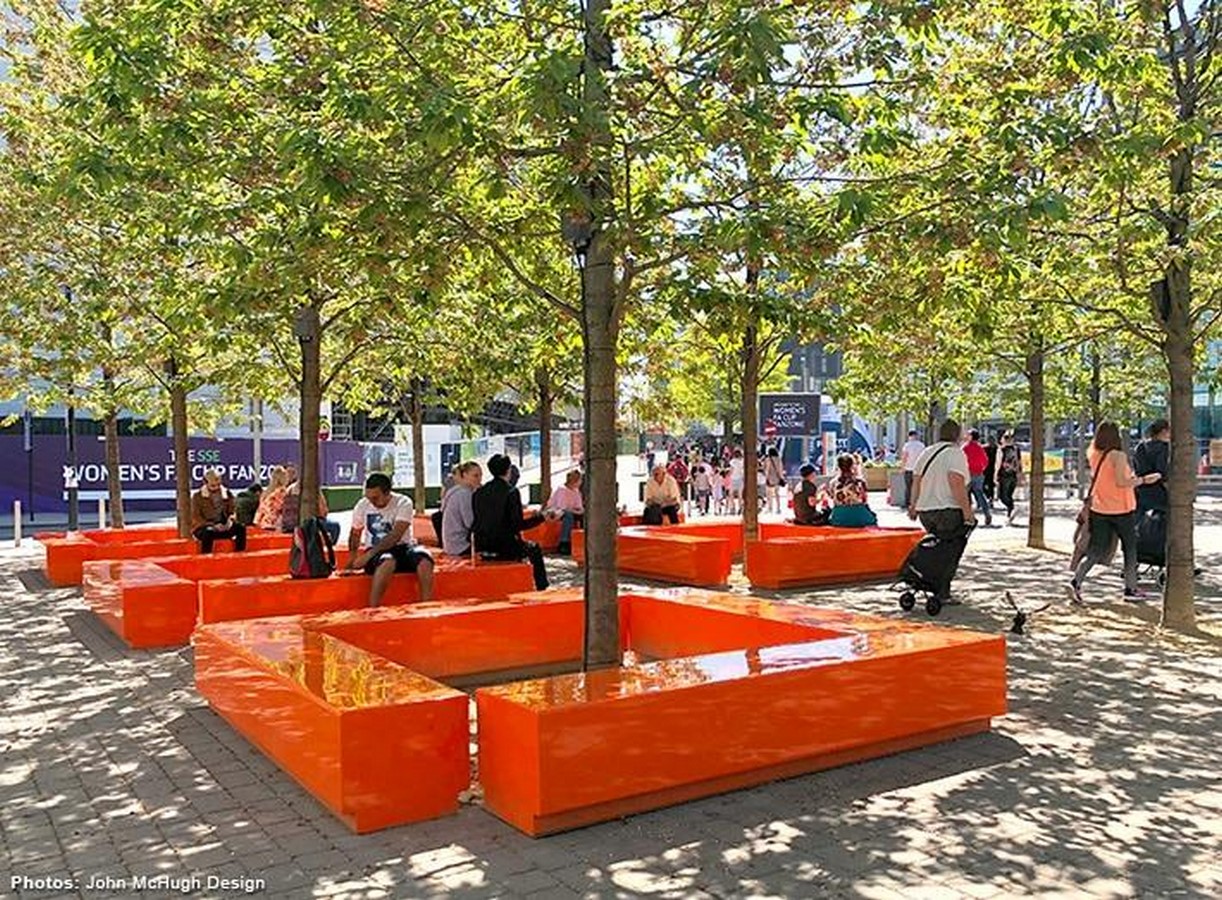
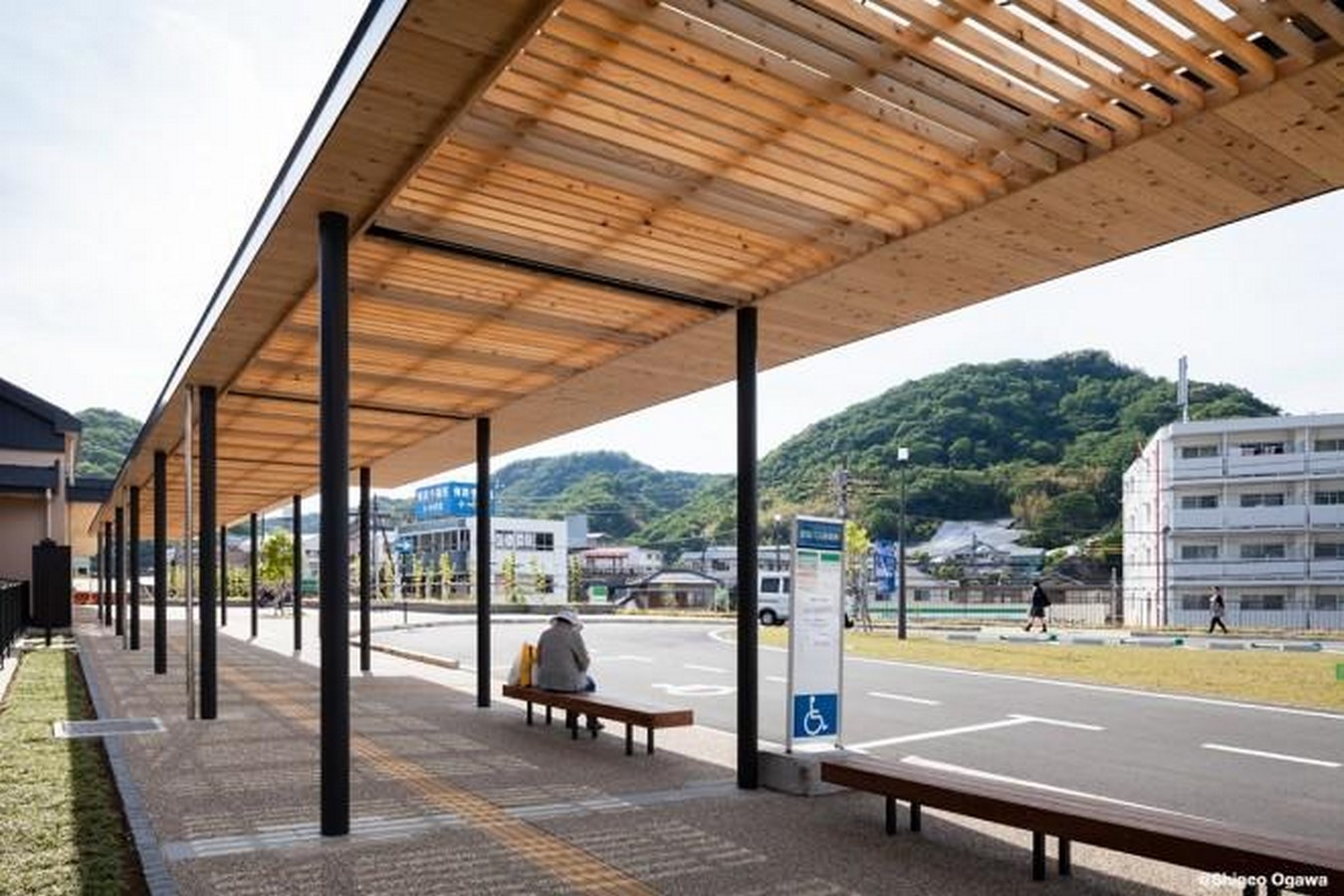
A space becomes welcoming the moment the body feels at ease. Shade is often the first element that creates this sense of comfort. In warm climates, just a few steps into a shaded area can slow the pace of a person who has been walking hurriedly in the heat. Studies show that shaded areas reduce physical strain and lower the temperature felt by the human body, creating a micro climate that encourages people to stay longer instead of simply passing through (Brown et al., 2008). The presence of trees or overhead canopies softens the brightness of the sun and filters the air, turning a harsh outdoor space into a gentler one. This small shift in comfort is often enough to make someone stop, rest and observe the world around them.
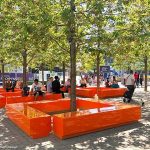
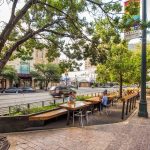
When shade is combined with a comfortable place to sit, the space begins to hold people rather than move them forward. A bench that catches a cool breeze or is placed beside a pool of filtered light becomes more than a seat. It becomes a moment of pause. Research suggests that people choose to linger where the environment supports both physical and emotional ease, and this ease is most successful when shaped by thoughtful micro climatic decisions (SWA XL Lab, 2019). Shade does not simply cool a space. It creates a feeling of belonging, transforming an ordinary spot into a meaningful place of rest.
A Place to Stay Little Longer
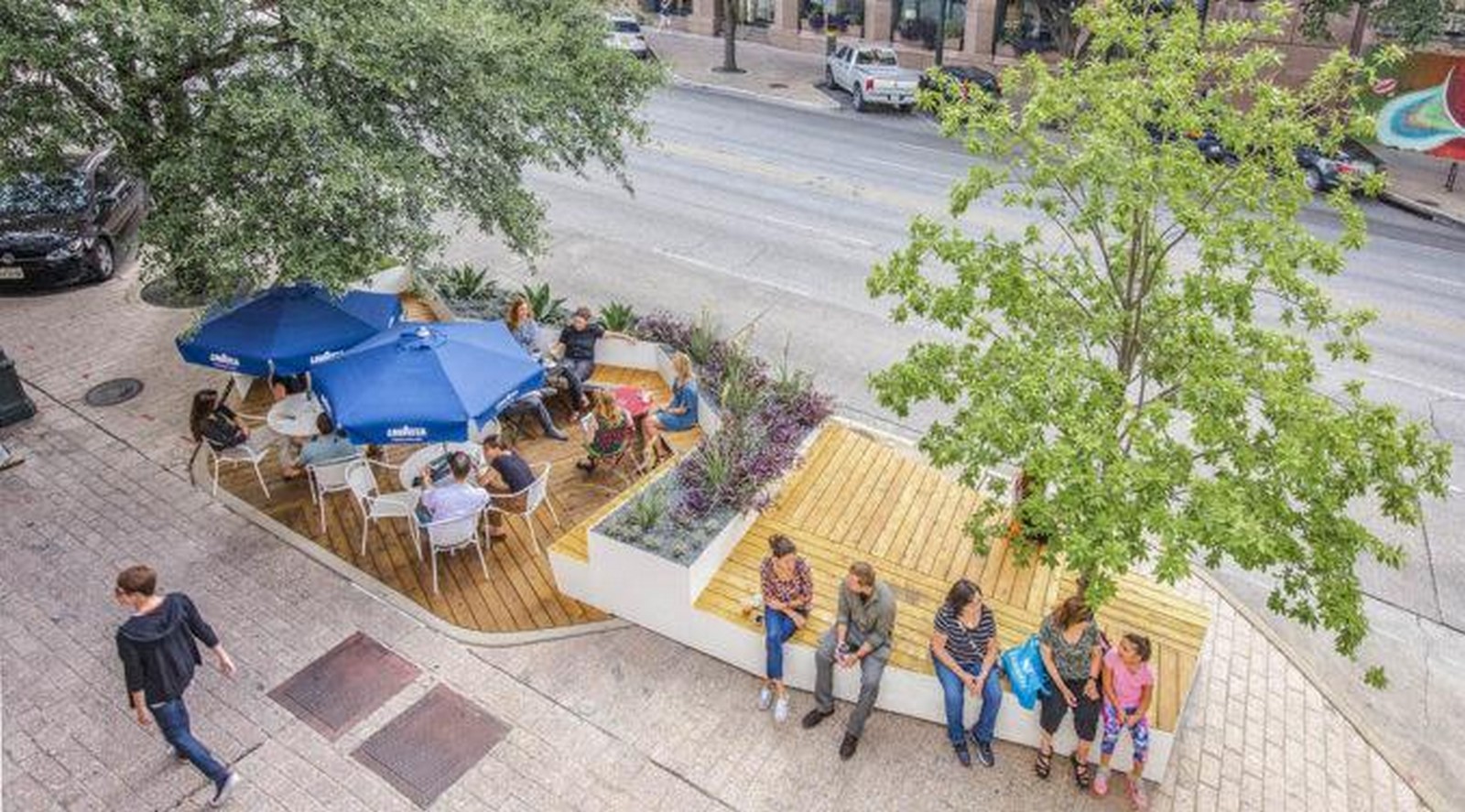
Some spaces naturally make people pause without realizing it. It may be a walkway lined with plants or a bench placed where conversations feel unhurried. These spaces hold a certain warmth. They are shaped by details that are easy to overlook, such as how the breeze travels between buildings or how the ground surface feels underfoot. When these elements come together, the atmosphere invites people to slow down instead of passing through quickly. Studies suggest that environments offering thermal comfort, shade and visual softness encourage people to remain longer and engage more deeply with their surroundings (Whyte, 1980). In these places, lingering feels effortless.
Seating plays an important role in this experience. A bench facing greenery, a low wall sheltered from harsh sunlight or a shaded corner beside a water body creates a gentle break in the movement of the day. People choose to sit, read, chat or simply pause because the space supports that moment of stillness. Research highlights that proximity to trees, varied seating heights and human-scaled design increases the likelihood of people staying for longer periods (Gehl, 2010). These lingering spots do not demand attention yet quietly enrich the rhythm of the day, turning ordinary public spaces into places that feel alive and welcoming.
A Pause Moment in a Busy Day
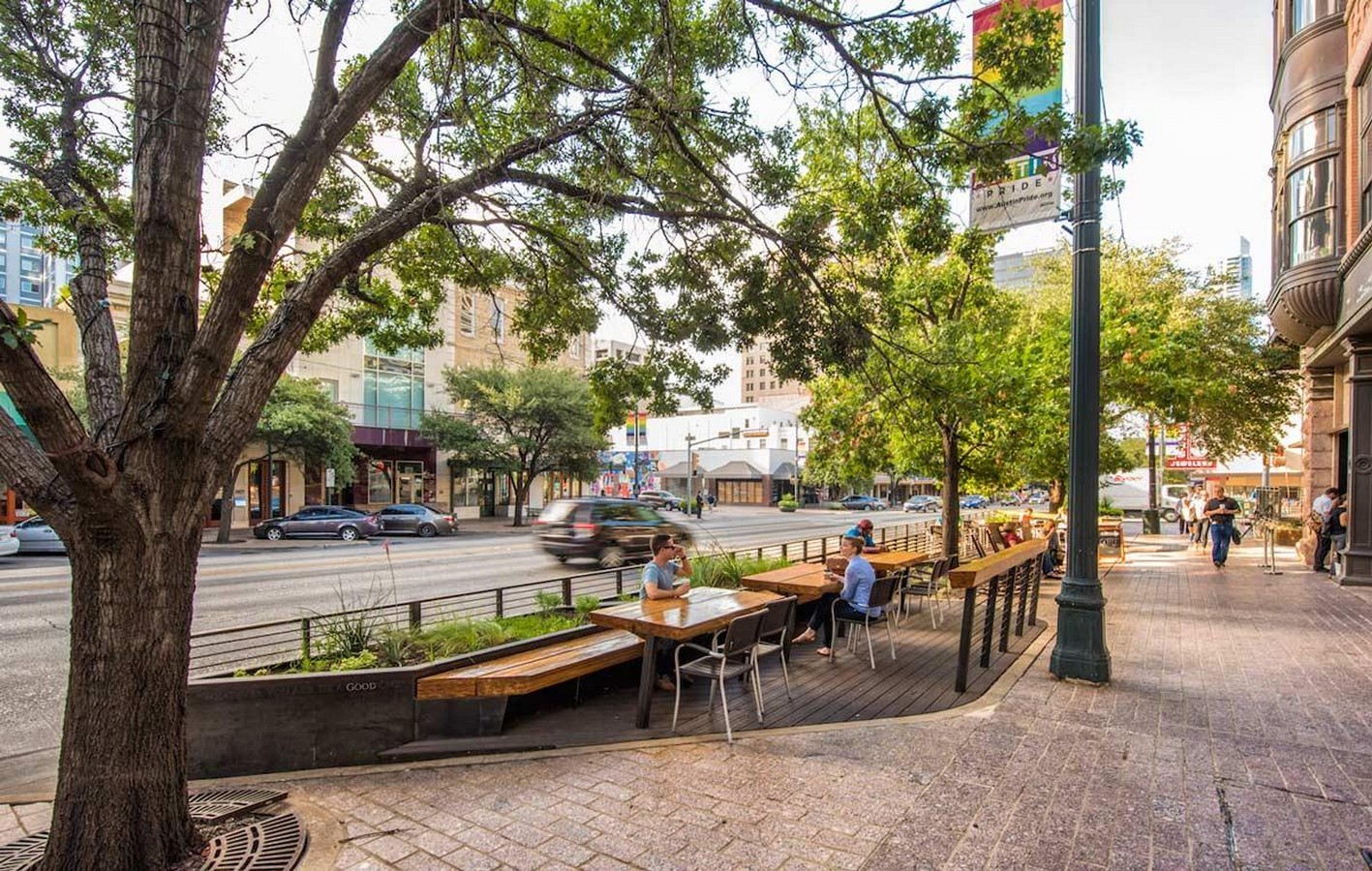
Cities are often full of movement, but lingering reminds us that comfort can be created even in the busiest places. When shade cools the air, when a bench waits at the right corner and when small micro climatic shifts soften the atmosphere, people find themselves stopping for a moment. These pauses are not trivial. They shape how people experience the city, how they feel emotionally and how connected they become to a place. Thoughtful design turns everyday spaces into restful ones, offering relief from noise, heat and constant motion. Micro climates and seating work together quietly to create pockets of calm that feel both natural and necessary.
In a well-designed public space, lingering becomes a gentle part of daily life. A shaded walkway invites someone to slow down, a cool breeze encourages conversation and a comfortable bench creates a sense of belonging. These moments of pause soften the fast pace of the city and remind people that comfort can exist even in crowded urban settings. When designers focus on micro climates, shade and seating, they build spaces that respect the human need for rest. In these small, thoughtful pauses, the city feels kinder.
Bibliography
Brown, R.D., Vanos, J., Kenny, N. and Lenzholzer, S. (2008) Designing Outdoor Spaces for Thermal Comfort. New York: Routledge.
Gehl, J. (2010) Cities for People. Washington, DC: Island Press.
Nikolopoulou, M. and Steemers, K. (2003) ‘Thermal comfort and psychological adaptation in outdoor urban spaces’, Building and Environment, 38(1), pp. 103–113.
SWA XL Lab (2019) Design for Microclimates: Creating Comfort in Public Spaces. SWA Group Publications.
Voisen, S. (2018) ‘Designing for lingering’, Sean Voisen Journal. Available at: https://seanvoisen.com/writing/design-for-lingering/
Whyte, W.H. (1980) The Social Life of Small Urban Spaces. Washington, D.C.: Conservation Foundation.