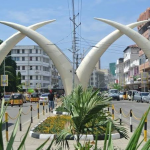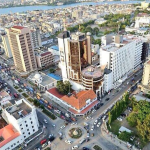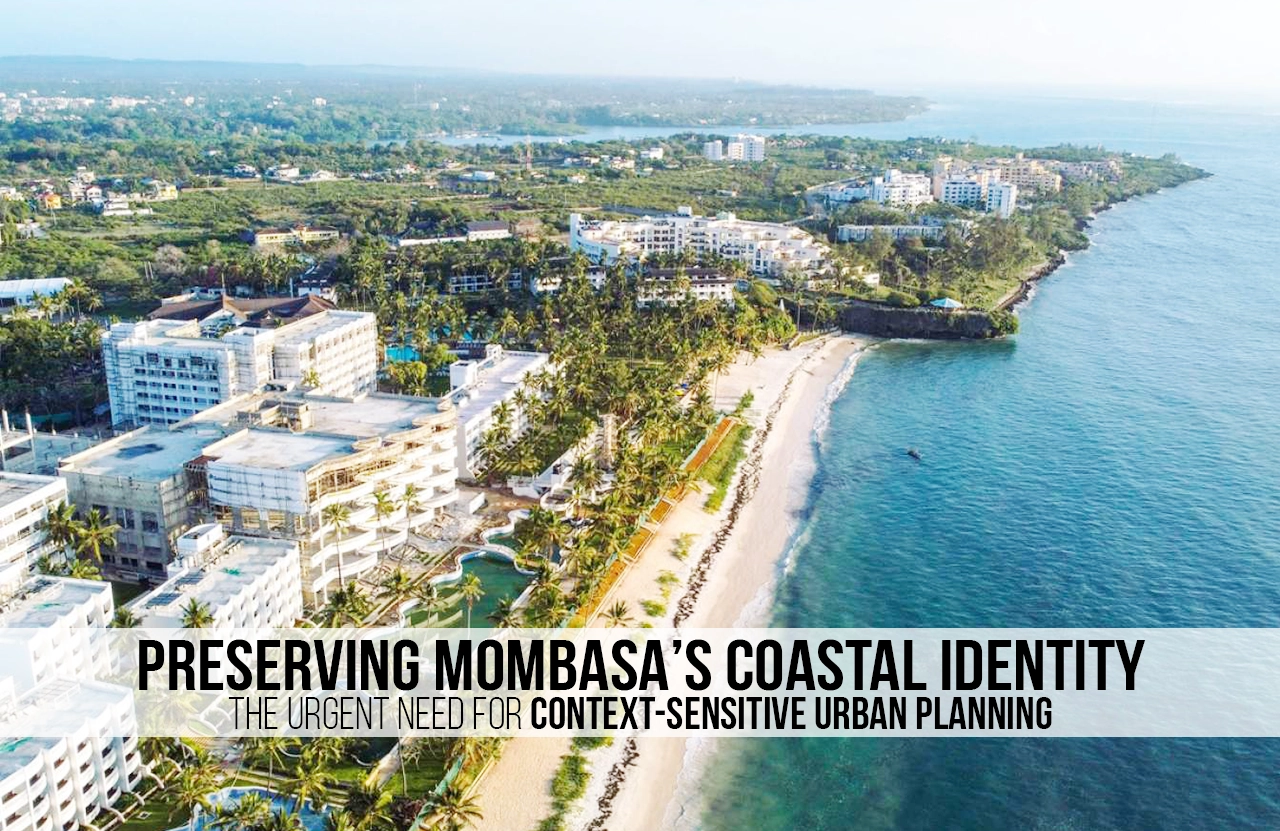
My hometown, Mombasa, is a small coastal city in Kenya and one of the most popular destinations on the coast of East Africa. When it was in its early years, it was an island city where palm trees towered over family homes and the sea breeze flowed through the narrow streets. Today, it has transformed into a chaotic mix of colonial relics, half-finished high-rises, and congested streets.
Unplanned Urban Planning
Urbanisation is inevitable. Just like other cities, Mombasa requires development to accommodate its rapidly growing population. As the second largest city in Kenya, infrastructure development in terms of new housing and commercial spaces is necessary to advance economic opportunities. However, the challenge lies in the unplanned and context-insensitive nature of many projects, which prioritise short-term profit over long-term livability and sustainability.
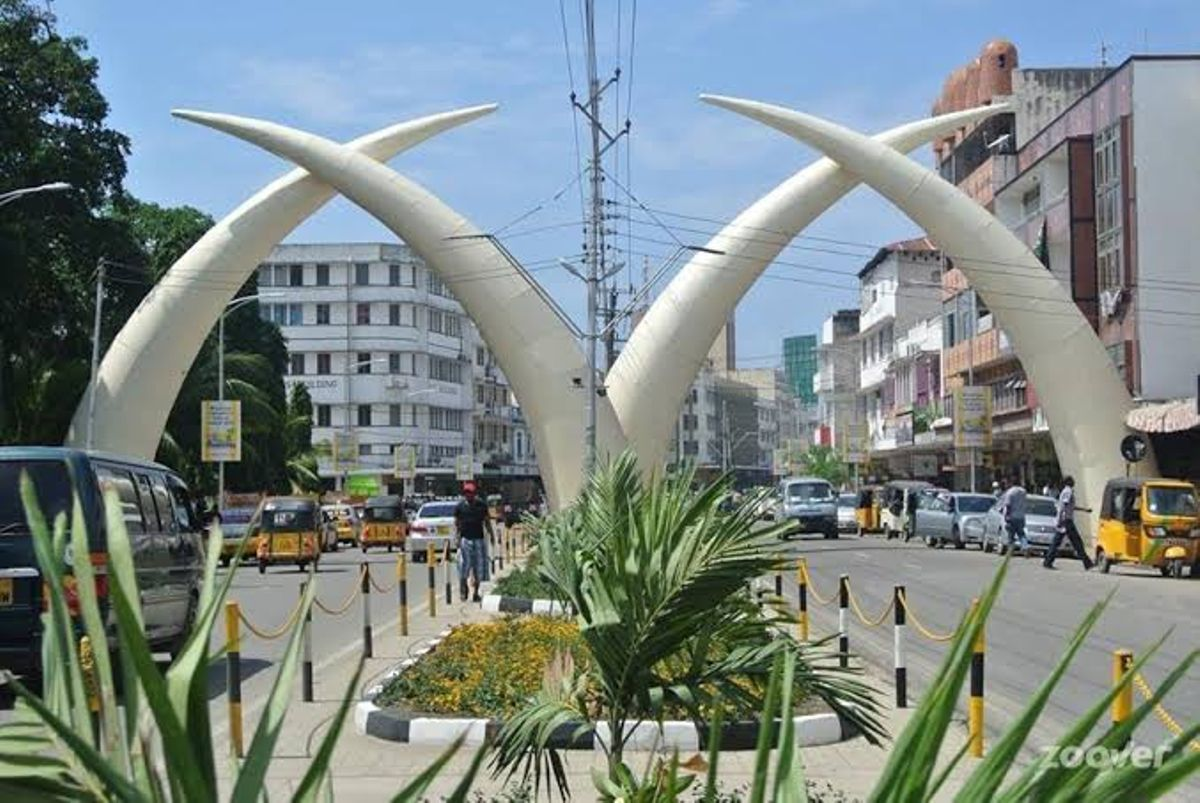
Historically, Mombasa Island featured low-rise family houses and a vibrant town centre. In recent decades, the architectural landscape has shifted dramatically. Simple maisonettes and traditional shopfront homes have been pushed aside to a mix of brutalist offices, and modern high-rises, many of which appear incongruous with their surroundings. Many 80s/90s-era houses, like mine, are now overshadowed by tall, cramped apartments, virtually eliminating privacy in gardens, pools, and on balconies. Mombasa’s current development overlooks its coastal context, cultural heritage, and climate realities, resulting in a city that is losing both its identity and livability.
Mackinnon Market
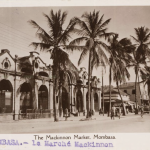
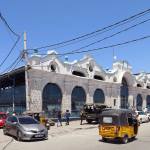
A key example is the surrounding area of the iconic Mackinnon Market, also known as Markiti, opened in 1914 and named after the colonial governor of Kenya at the time, Sir Henry Mackinnon. It features an iconic British Colonial facade and serves as a salad bowl of cultures, where locals from different backgrounds go to trade and interact. Earlier, it used to be a place not only for trade but also for socialisation and interaction with others. While it serves its purpose, the environment around it has degraded, making it slightly uncomfortable to navigate and walk in.
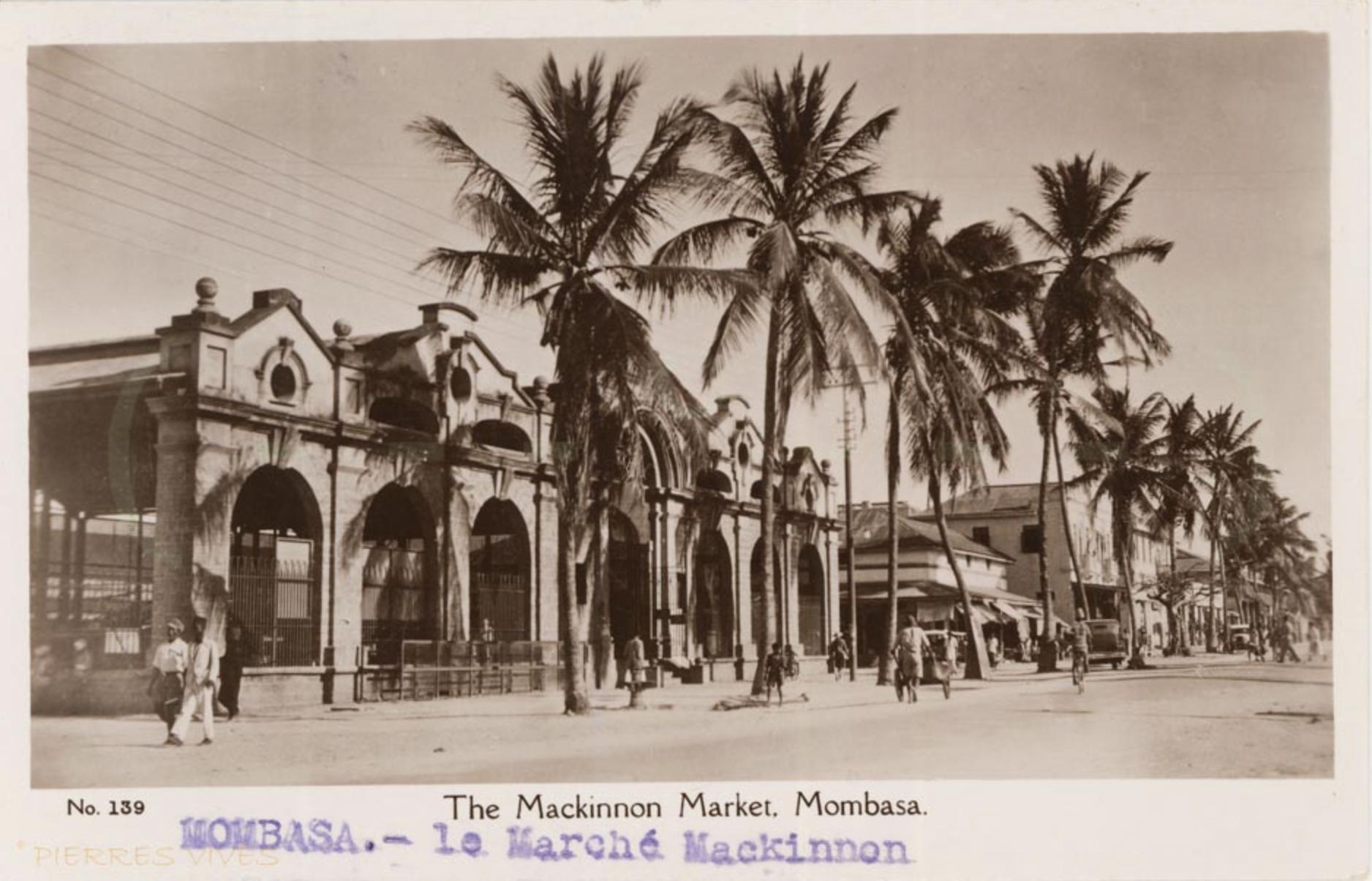
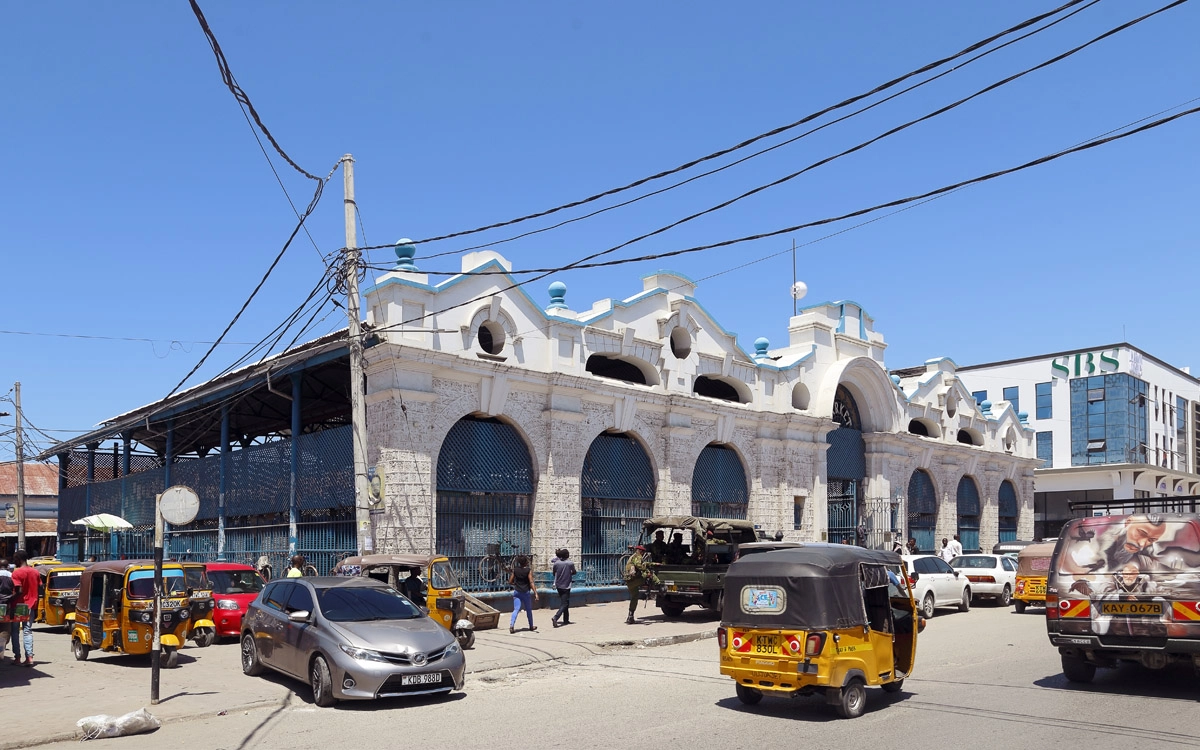
Unsurprisingly, constructed next to it are modern shopping centres. While all buildings have their unique architectural styles, the new shopping centres stand out in the given context. The once clean, palm tree-lined street fostered local coastal life and served as the local hub for cultural exchange and socialisation. In the modern context, it serves as a reminder of our past and coastal identity. The new buildings contrast with the history-rich building, unsettling what it used to stand for and what it tries to remind us of.
Aside from design, newer buildings currently under construction have deeper ramifications for the surrounding area. It cramps up the already tight area, causing heavy traffic with tuk-tuks, cars, and pedestrians trying to go through a narrow lane out of the market area. Those narrow roads were constructed when cars were rare and were made with pedestrian access in mind. It can be a danger to walk there at times when footfall is heavy and space scarce.
The lack of contextual planning isn’t limited to commercial spaces. It’s also evident in the residential areas, like Kizingo, Nyali, Ganjoni, etc, where high-rises have begun to increasingly replace older single-family homes.
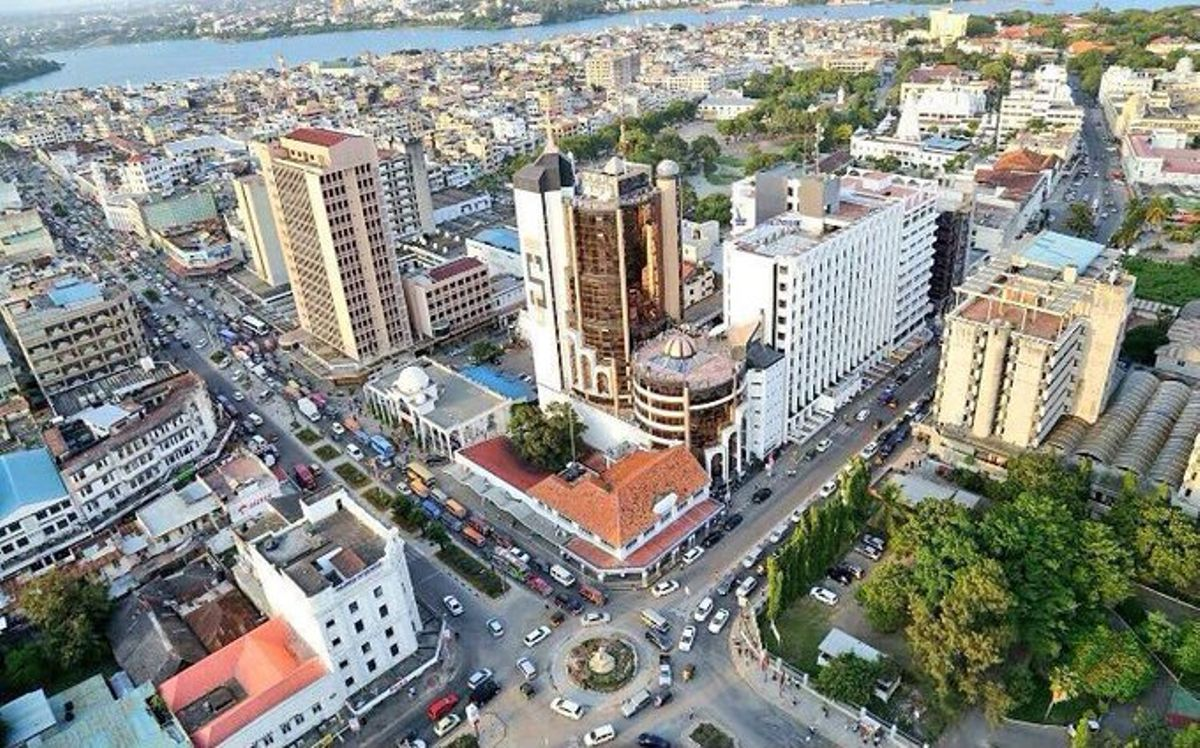
These developments, often constructed with concrete and extensive paved surfaces, intensify the Urban Heat Island Effect in Mombasa’s tropical climate. Essentially, these buildings made of concrete, glass, and other materials absorb the sun’s heat. They hold onto that heat longer than water or vegetation does. Some heat is released at night, but these materials don’t completely cool down before the sun hits them again. With Mombasa’s tropical climate, heat is already an issue. The cluster of multi-story buildings creates the urban heat island effect and disturbs wind flow, making these areas noticeably hotter than their surroundings.
To make space for the buildings themselves and parking lots, numerous trees and shrubs are cut down, contributing to more heat while turning the area into a concrete jungle. Adversely, this increases the reliance on artificial cooling — working against the climate instead of working with it. Not only that, but population density increases for such a small area. The roads, as it is a small, dense island already, have severely degraded with terrible potholes and flooding because of the large amounts of traffic generated by these buildings. This also means more cars, more pollution and worse air quality. Aside from this, factors such as additional power lines, rising water demand, and inadequate sewage and drainage planning have resulted in visual pollution, water shortages, and increased flooding
The Solution
Mombasa’s infrastructure needs a refresher — the city needs a good urban revitalisation plan. Key recommendations include enforcing context-sensitive design guidelines, such as the use of local materials, shaded walkways, and building orientations that harness sea breezes; height restrictions near heritage zones, mandatory green infrastructure, and improved zoning regulations could help mitigate heat islands and congestion.
Mombasa stands at a critical juncture. Of course, it cannot be a city frozen in time, but with thoughtful, context-sensitive urban planning, the city can accommodate growth while preserving its rich coastal heritage and improving quality of life for all residents. The transformation should honour the island’s history and environment rather than erode them. Only through coordinated efforts among planners, policymakers, and the community can Mombasa evolve into a model of sustainable coastal urbanism. Mombasa deserves better!