The Appeal and Complexity of Minimalist Design
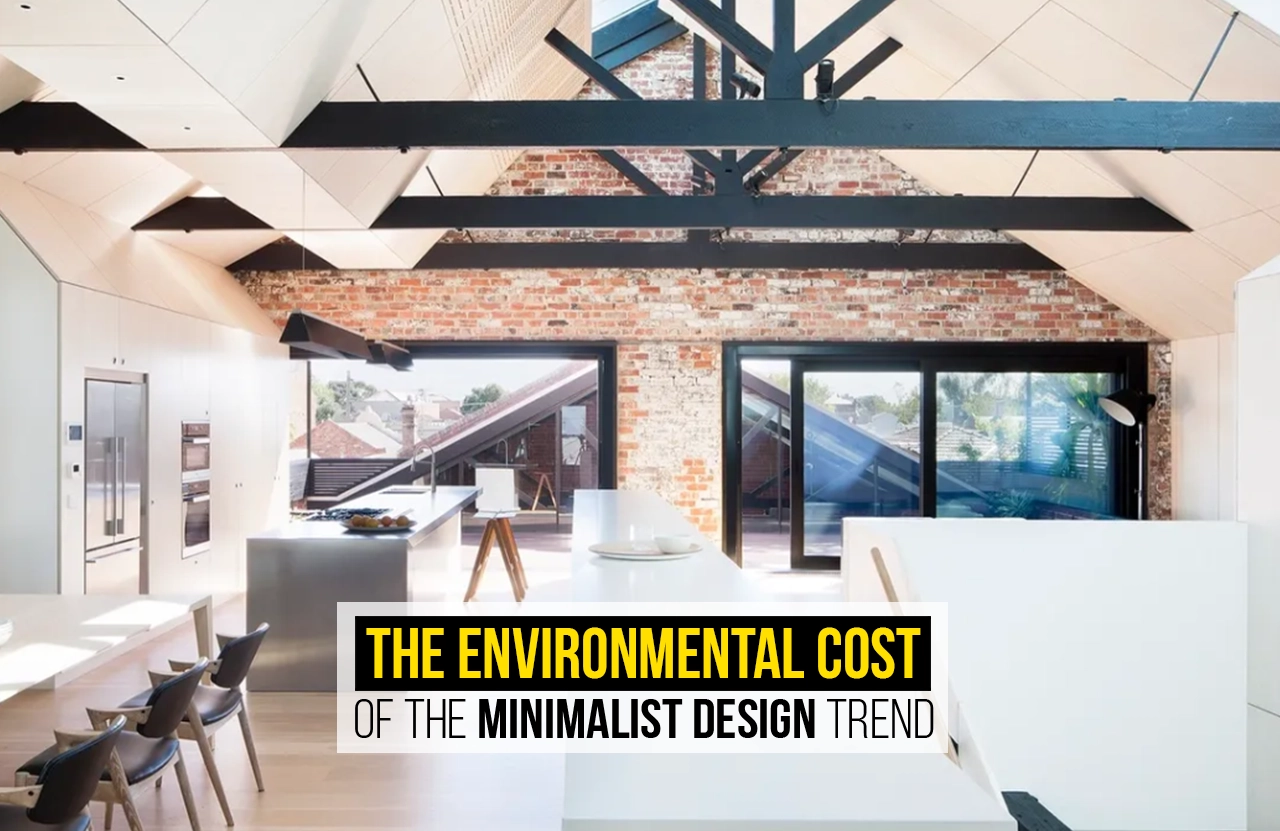
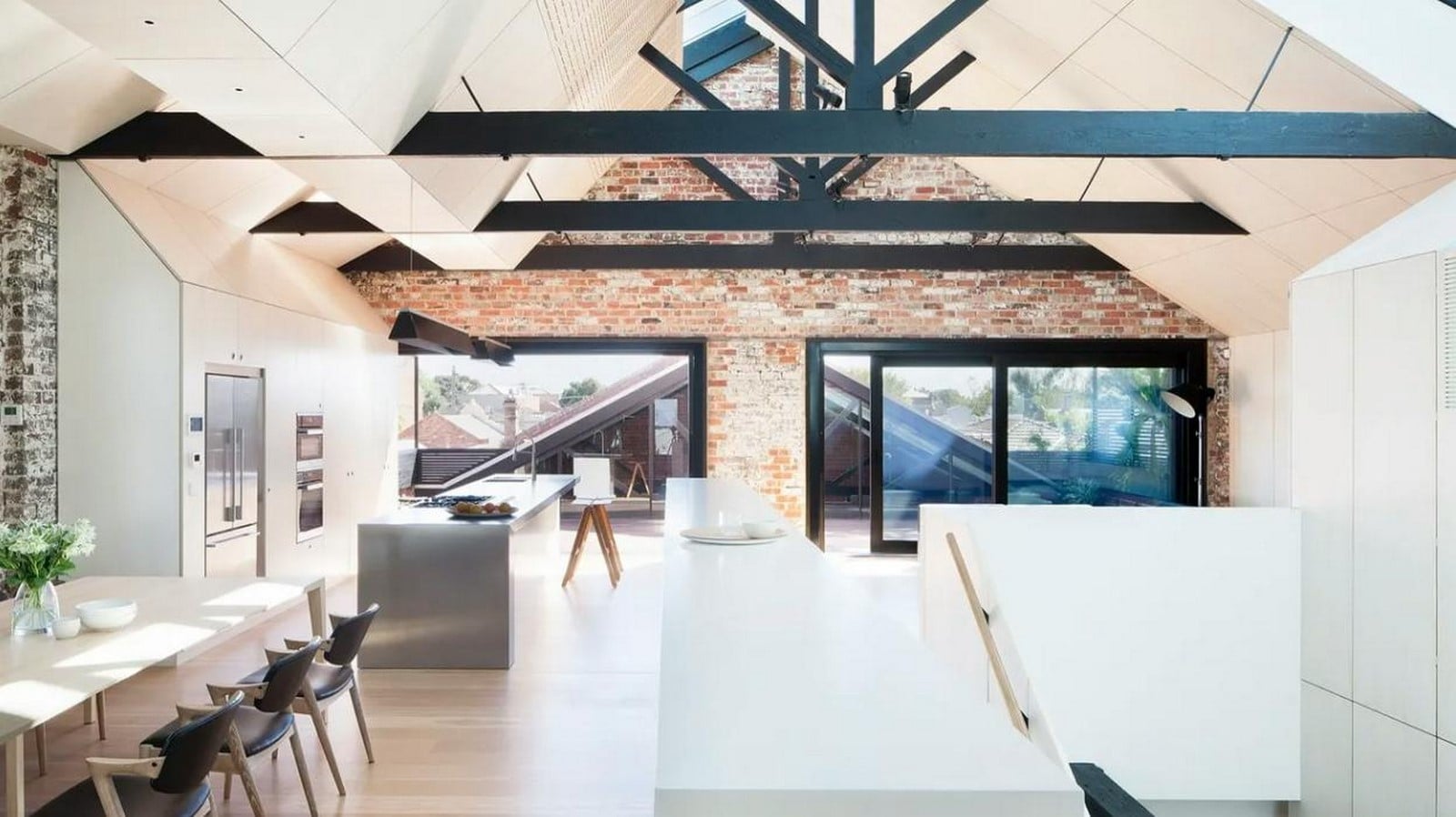
The minimalist design trend, inspired by the ideology “less is more,” has influenced the field of design significantly due to its visual appearance, simplicity, and sustainability. Minimalism is usually associated with bright open spaces, neutral colour palettes, and uncluttered environments. Many people are drawn to such styles because of their well-organized, chic style. However, the practice reveals a complex reality that surpasses the simple narratives of reduced consumption. The trend’s integration into the global market introduces unintended consequences.
Minimalism as a Shift towards Conscious Consumption
The principles of minimalism promote “limited, conscious and sustainable consumption”. Designers have started creating designs that promote the use of limited possessions over material accumulation. For example, choosing a high-quality dining table that lasts for decades rather than repeatedly replacing cheaper furniture every few years. This change in lifestyle has created a direct impact on the environment. Research indicates that ‘consumption’ is responsible for up to 60% of global greenhouse gas emissions. So, by consciously choosing to consume less, individuals can significantly contribute to reducing their ecological footprint.
The relationship between minimalism and sustainability has been quite a complex one. The environmental impact of minimalism depends not only on the quantity of materials used but also on the quality, manufacturing processes, and disposal methods after its end of life. Replacing a functional wooden dining table with a new minimalist concrete table may create more adverse environmental impact, as the existing furniture was still in perfect condition to be used.
Commercialization of Minimalism
“Minimalism” in the global market can turn non-consumption into a new form of consumption. Minimalist design trends have become a luxury commodity. New goods are now designed to fit this look, often without considering environmental impact. Linking minimalist trends to luxury markets has made sustainability a premium feature rather than a standard. Social media amplifies this issue. Images of immaculate minimalist interiors with designer furniture, custom storage, and luxury finishes create an idealized form of minimalism—one that is costly and environmentally unsuitable. “Greenwashing” makes people assume products are eco-friendly based on simple looks, not life cycle assessment. Minimalist products might still use non-renewable, high-impact materials. For example, the push for clean lines and seamless aesthetics means more concrete, steel, aluminum, and glass are used in construction. Producing these materials requires massive energy, which often increases carbon emissions.
Hidden Environmental Costs of Minimalist Aesthetics in Construction
Cement manufacturing is one of the world’s largest industrial sources of carbon dioxide emissions. Aluminum production requires large amounts of electricity and mining activity as well. The large glass facades may appear environmentally conscious because of their sleek and simple look, but these glass surfaces can increase heat gain and heat loss during the summer and winter seasons, respectively. Therefore, heating and cooling systems are installed, which ultimately increase energy consumption. A traditional building, on the other hand, using local material and passive design strategies, may have a lower environmental impact despite appearing less minimalist. This highlights the importance of evaluating sustainability through the entire life cycle of a building rather than relying solely on visual impressions. The concept of “decluttering” was popularized to encourage people to get rid of excessive belongings. However, these items aren’t properly being reused or recycled, often ending up in landfills. While the intention is to live more lightly, the outcome is generating more waste.
Making Minimalism Sustainable and Inclusive for All
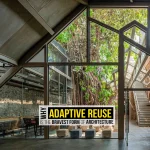
The main question is what needs to be done so that minimalism becomes sustainable for all without being extensive or exclusive. The answers are seen in positive examples where minimalist design trends support sustainability. Tiny houses demonstrate reduction in living space lowers material use, energy, and maintenance. “Adaptive reuse” is another example. Rather than demolishing existing buildings, architects may convert them into homes or offices with minimal disruption. This preserves embodied carbon and reduces construction waste. Furniture companies now design modular products with replaceable parts, making repair and upgrade easier than full replacement.

The circular economy model aims to eliminate waste and pollution by circulating products and materials. This model can provide a framework for genuine environmental benefits in minimalist design. This involves designing durable products that can be easily disassembled, reducing the need for new material altogether. When a product reaches the end of its life, its materials are kept within the economy wherever possible, thanks to recycling. These can be productively used again and again, thereby creating further value.
Importance of Life Cycle Assessment in Design Decisions
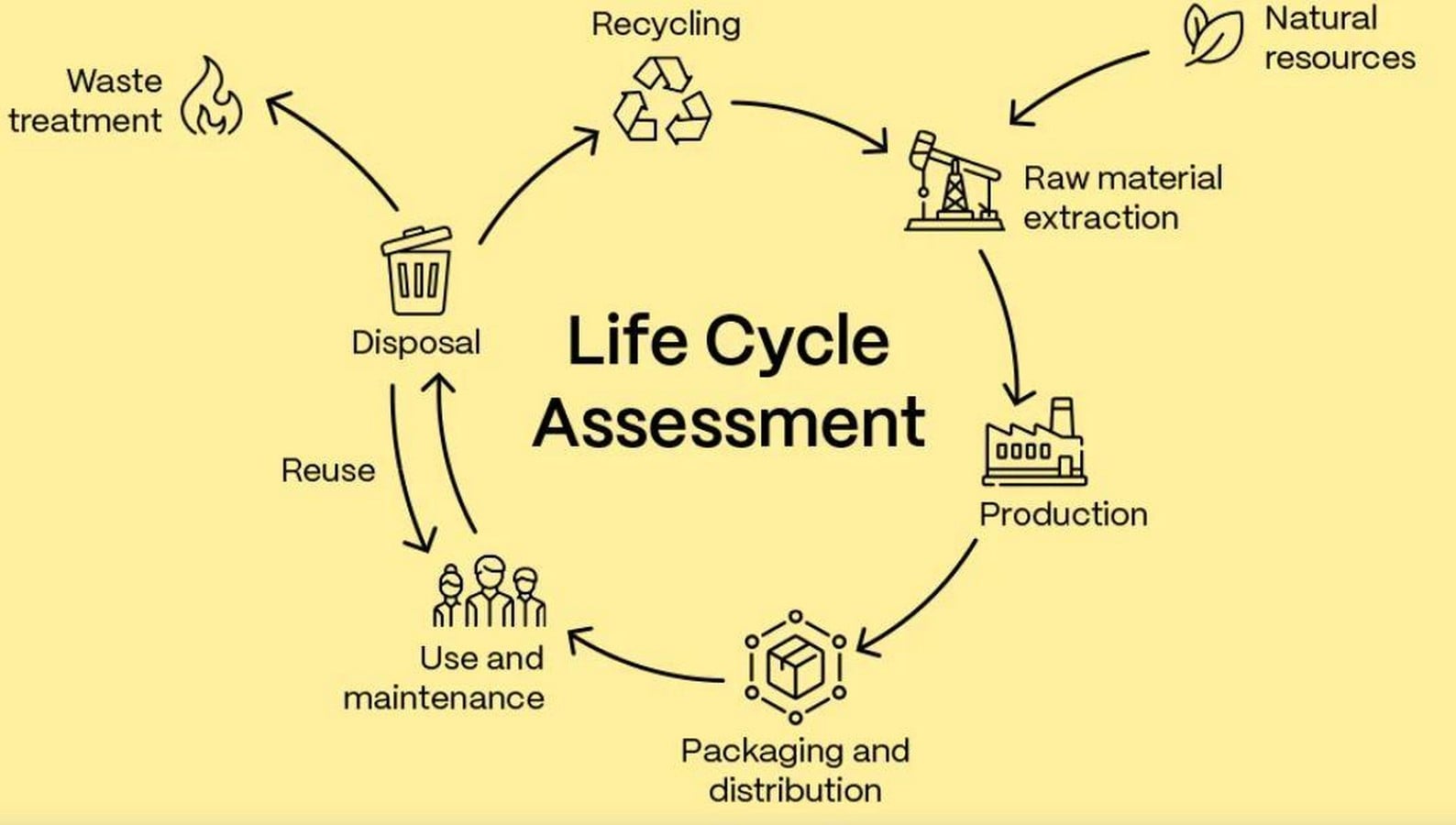
The environmental performance of minimalist design trends are incomplete without Life Cycle Assessment (LCA).LCA is a method that evaluates the complete lifecycle of a product, from raw material extraction to final disposal. Everything is scrutinized to prevent environmental burden-shifting across different life stages. For example, comparing the environmental impact of a single-use plastic bag to a reusable cotton tote bag. This is evaluated by considering the number of uses each bag provides to deliver the service of “transporting 1,000 loads of groceries”. Without this assessment, the true environmental costs in manufacturing and disposal can be overlooked.
Conclusion: Redefining Minimalism for a Sustainable Future
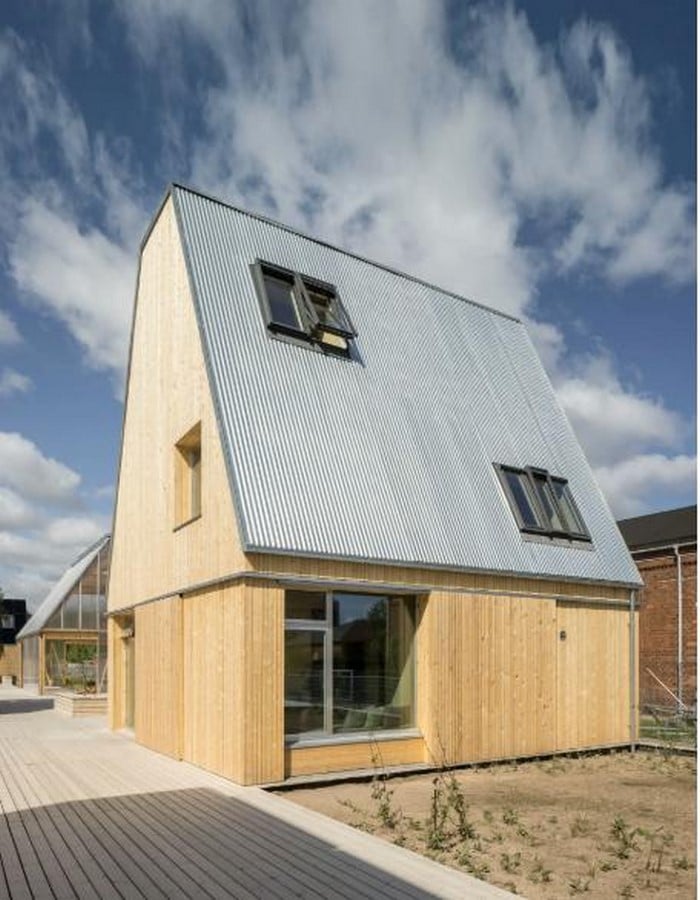
Minimalist design trends can be highly beneficial to the environment through meticulous material selection. By choosing more natural, durable, renewable, and recycled materials such as sourced timber, bamboo, or reclaimed wood, designers can lower a building’s embodied carbon footprint. Minimalism also has the potential to reduce the number of finishes and decorative layers required. For example, exposed timber and recycled concrete can serve as both structural and aesthetic elements, eliminating the need for additional resources. In the end, minimalist design trends have the potential to support a sustainable future. If it’s reduced to just a visual style, it will end up becoming just another trend. The ultimate measure of its success will be after fostering a culture where “less” is not just a choice but a fundamental principle to design within the limits of the planet.
Citations:
https://www.epa.gov/(2026) Basics of Green Chemistry[online]. (Last updated on January 29, 2026).
Available at: https://www.epa.gov/greenchemistry/basics-green-chemistry
Joshua Becker/ Decluttering is Great. Minimalism is Even Better.
Available at: https://www.becomingminimalist.com/best/
Francesc Zamora/ Architecture 101: What is Minimalism in Architecture?
Available at: https://architizer.com/blog/practice/details/architecture-101-what-is-minimalism-in-architecture/
https://ecoinvent.org/life-cycle-assessment/