Architecture is the Real Problem!
Rising sea levels, increasing global temperature, loss of biodiversity, more frequent and extreme weather events, reduced air quality, natural resource depletion, and so many more. There is a common saying, “Humans are the problem,” but what if it is rephrased to, “Humans are the problem, architecture is their weapon.”

The earliest forms of shelter for humans were caves, rocks, and trees; these can’t really be classified under architecture as humans didn’t have a lot of input on what they looked like, and they were mostly nature’s design.

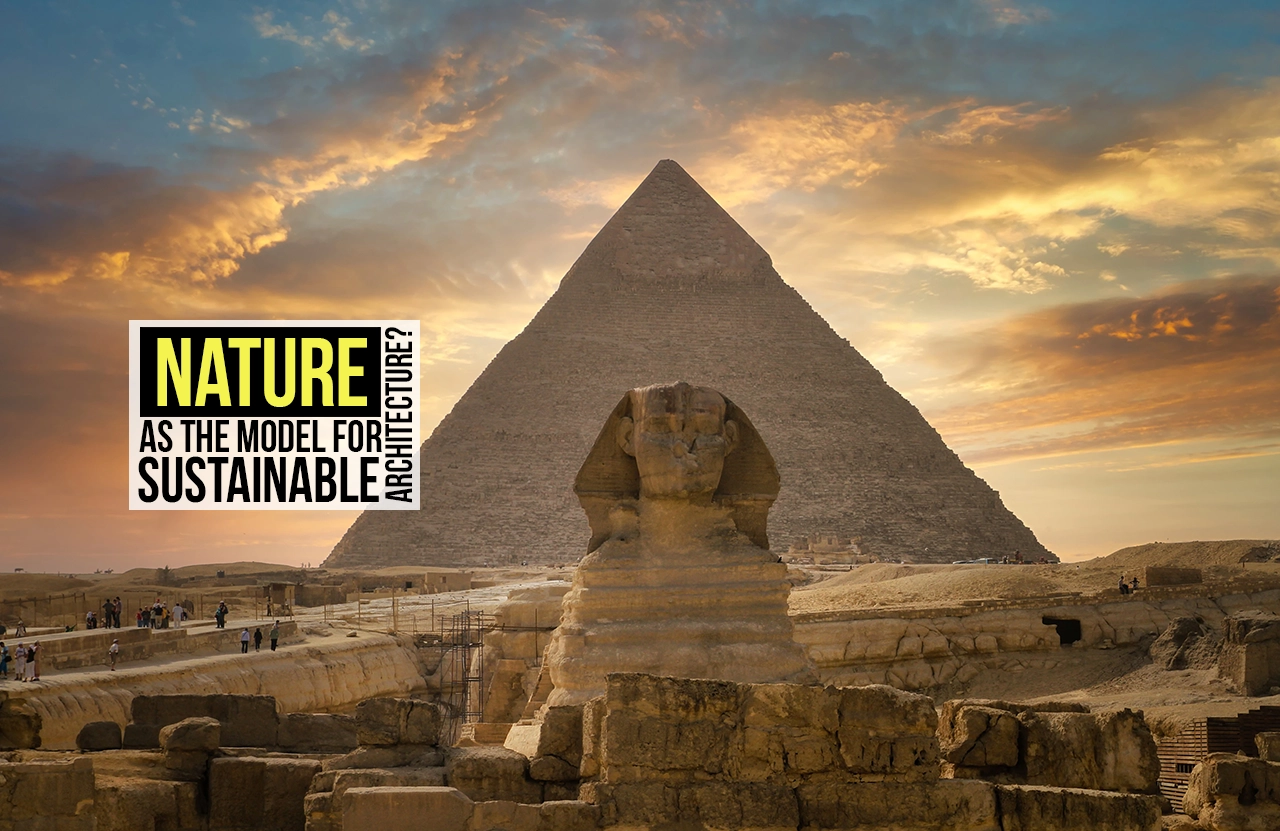
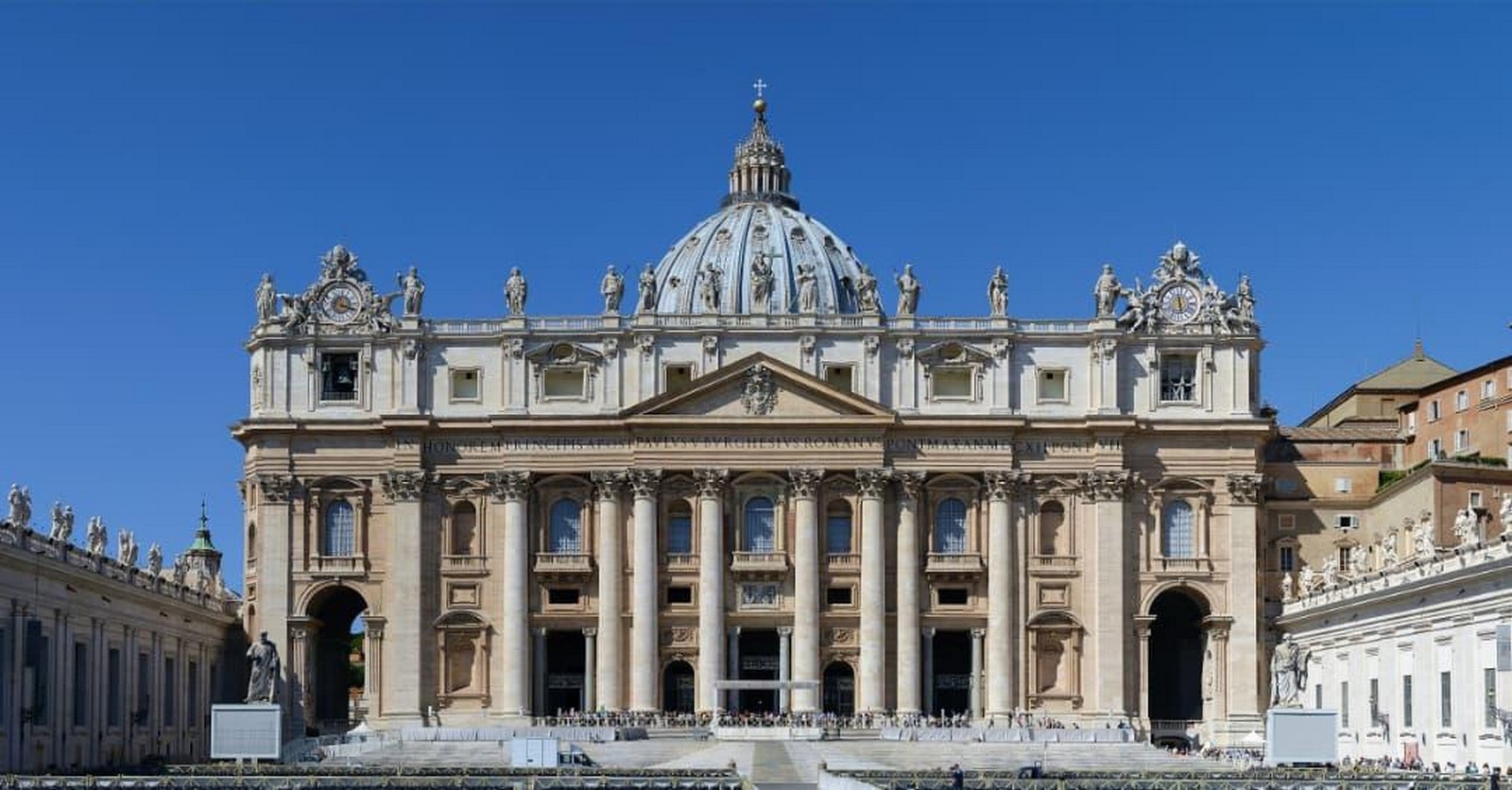
Humans went from caves to sheds and simple structures made with wood and stone. These were all pretty basic and efficient structures. Architecture, however, becomes more complex with a study of the pyramids of Egypt, the Parthenon of the Greeks, the Pantheon and Colosseum of the Romans, the great cathedrals and castles of medieval Europe. One thing is clear: great and iconic architecture was resource-intensive and time-consuming.
Exploration and Innovation
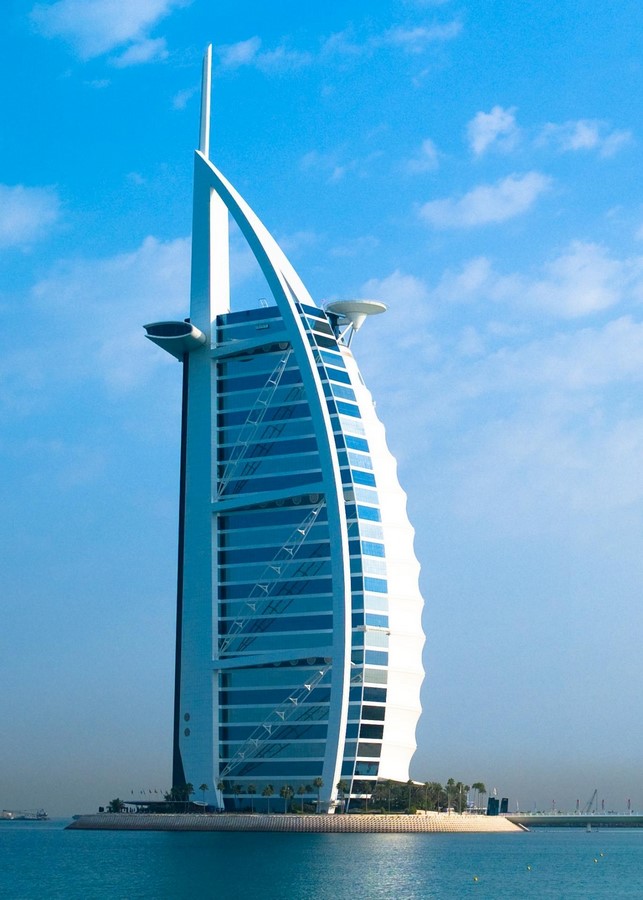
As the human desire to explore and create more incredible structures increased, so did the potential for harm to the environment.
The great poet Johann Wolfgang Von Goethe described Architecture as frozen music, and exactly like music, architecture reflects the desires, obsessions, and inclinations of humans. Architecture is the photographic remains of how we’ve evolved in technology and in desires.
This collaboration between human obsession for the iconic and the evolving technology, though a good cause that solved many problems, was, however, gradually creating and enabling the spread of bigger problems.
The Numbers
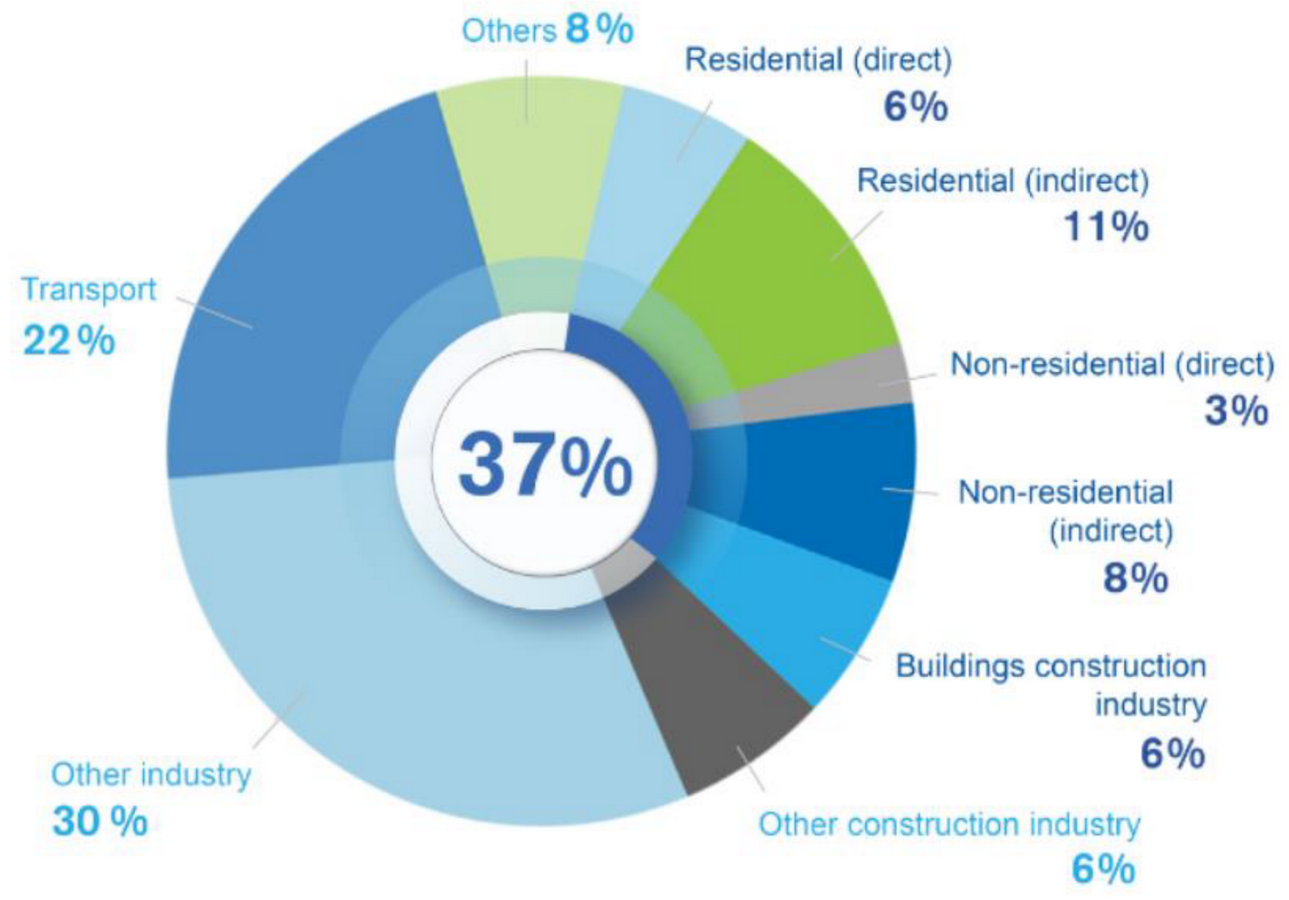
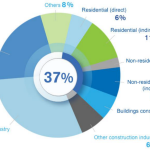
According to statistics, about 36% of global energy is used in buildings, with about 22% going to residential buildings. Also, around 80% of energy used in buildings is supplied by burning fossil fuels, making buildings the largest emitters of greenhouse gases, with about 33% of greenhouse gases coming from buildings.
These numbers are slowly becoming better, but the way out is to redefine the way architecture is implemented. Humans might be the problem, and architecture may be one of the weapons, but fixing it isn’t impossible.
If Change is Possible, How Can it Be Achieved?
The history of advancement shows that humans are often incapable of creating anything devoid of complications. At a point where change is imperative. What makes the difference?
What standards can be used to evaluate good vs bad architecture? What template or framework helps to ensure the sustainability of innovations? Perhaps with a template or framework, the potential consequences of inventions can be anticipated.
Certain qualities of nature (Interdependence, efficient design, and adaptability) are essential for the creation of a sustainable world. Since a very important part of sustainable architecture is preserving the environment, it’s imperative that any framework or standard employed balances with nature.
Interdependence in Nature
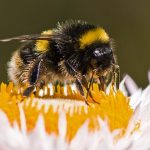
In biology, this refers to how systems rely on one another to survive and thrive. Some examples to consider include the food pyramid, the process by which bees pollinate flowers, and beavers building dams that become habitats for other species.
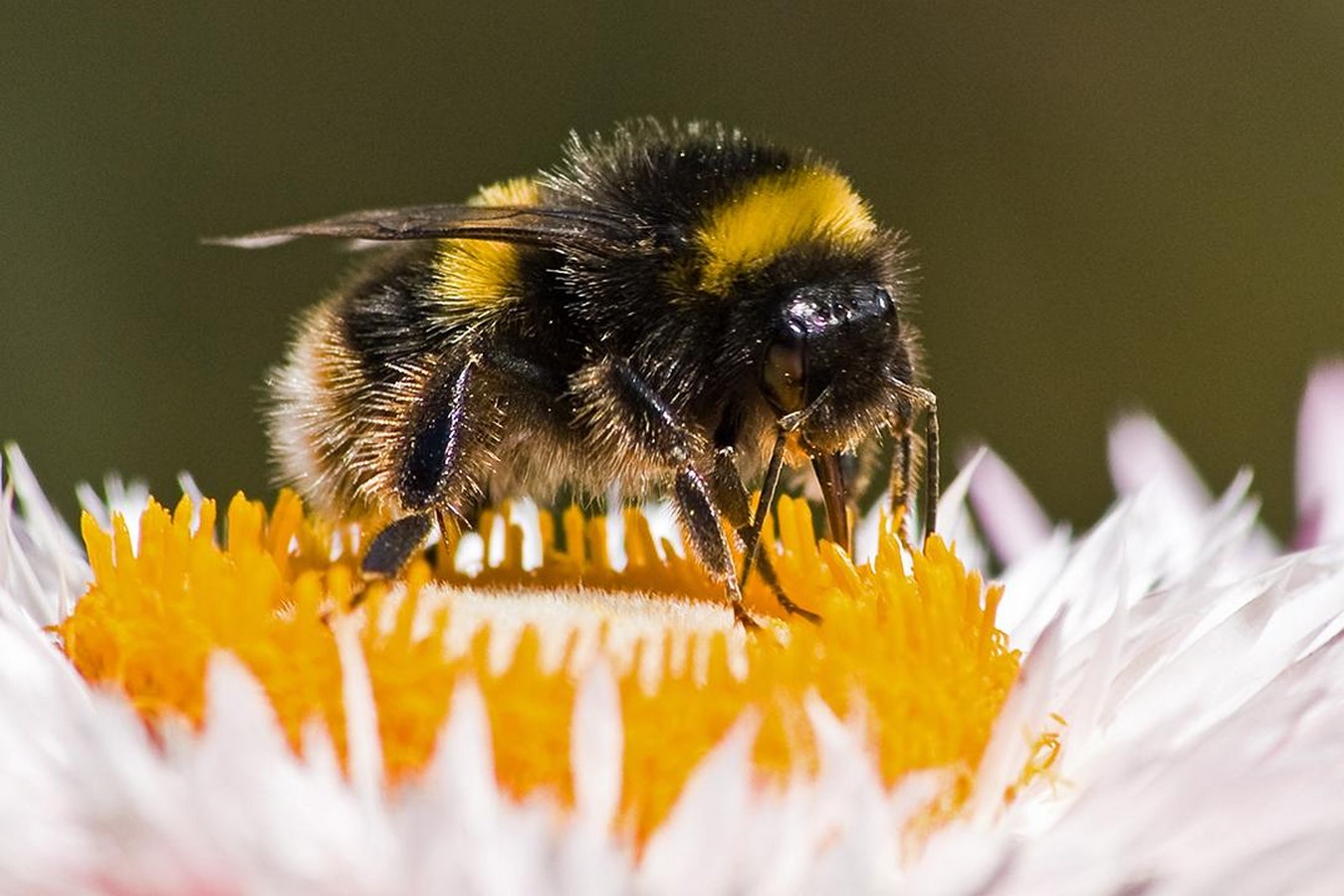
Just as nature keeps balance by keeping all its parts in this web of interconnectedness, where no part of nature is self-sufficient or self-dependent, architecture needs to achieve that to keep balance.
Every component: Energy, materials, site conditions, cost, aesthetics, air quality, construction practices, climate, culture, must be integrated in a way that each part supports the others.
Efficient Designs
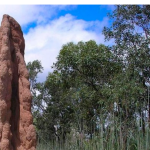
Studies have shown that termite mounds have very sophisticated cooling systems and that the veins on leaves are the transport mechanism by which nutrients and water reach every part of the tree.
Also quite interesting that the hexagonal design of the honeycomb allows bees to store up honey while ensuring minimal wastage.
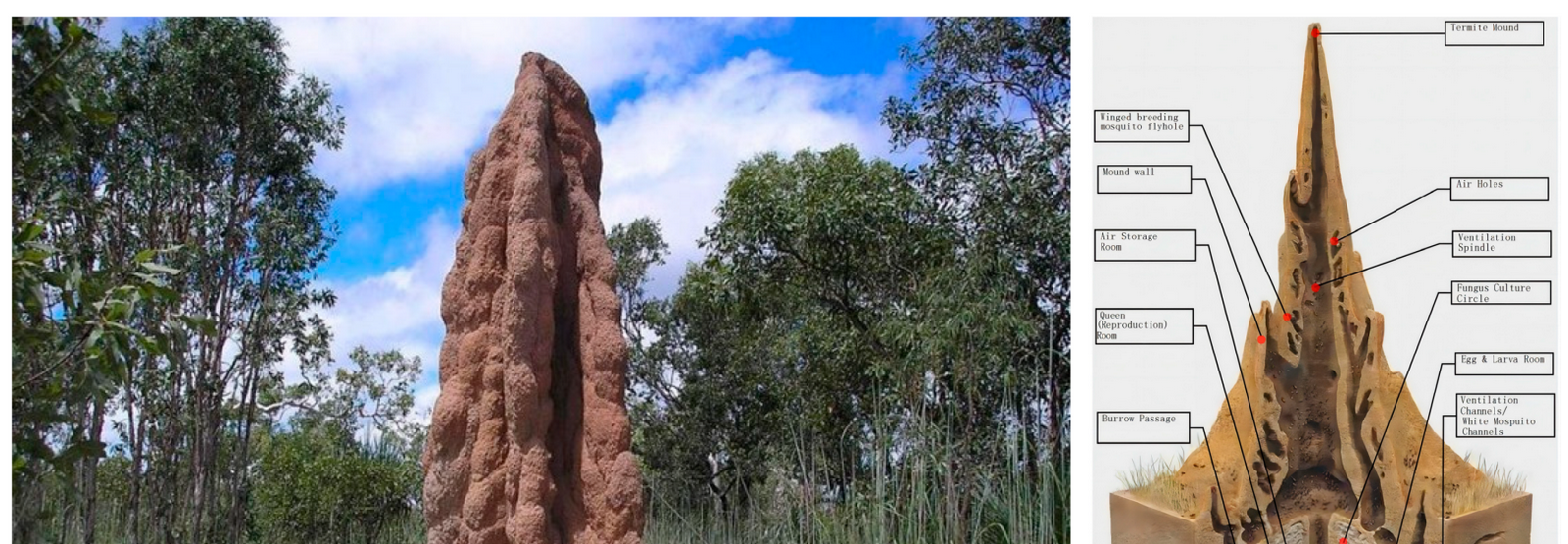
This is where biomimicry (the practice of mimicking nature’s systems and solutions) comes in. Biomimicry involves understanding the problems that nature set out to tackle and how these problems are solved for every peculiar situation, and most importantly, without creating new ones.
Adaptability
Similar to the efficiency of nature’s designs is the ability of these systems to evolve and adapt in different situations. An example is how the cactus has evolved to survive in deserts by storing water in its spines.
In the context of architecture, this could involve building homes that adjust for residents of all ages and needs. Buildings whose use can be transformed over time. Flexible facades that open, close, or shift with the weather and Smart home systems that understand user behavior and optimize performance.
Resilience
Resilience is the capacity of an ecosystem to respond to disturbance by resisting damage and recovering quickly. This specific principle in nature is what holds it all together. A sustainable world can not be achieved without a resilient disposition towards innovation and architecture.
Now, this is what nature models for us, not just for architecture or design, but in life itself. The determination to keep trying, the willingness to start over, the courage to face change head-on, and even when best efforts fail, the willingness to start all over.
CITATIONS:
United Nations Environment Programme, Yale Center for Ecosystems + Architecture. (2023) Building Materials and the Climate: Constructing a New Future. Nairobi: United Nations Environment Programme. Available at: https://www.unep.org/resources/report/building-materials-and-climate-constructing-new-future (Accessed: 7 December 2025).
European Environment Agency. (2021) Greenhouse gas emissions from energy use in buildings in Europe. Available at: https://www.eea.europa.eu/en/analysis/indicators/greenhouse-gas-emissions-from-energy (Accessed: 7 December 2025).
CK-12 Foundation. (no date) Interdependence of Living Things. Available at: https://bio.libretexts.org/Bookshelves/Introductory_and_General_Biology/Introductory_Biology_(CK-12)/01%3A_Introduction_to_Biology/1.06%3A_Interdependence_of_Living_Things (Accessed: 7 December 2025).
The Varsity. (2021) Overlooked — The History of Bees explores our interdependence with nature. Available at: https://thevarsity.ca/2021/03/14/overlooked-the-history-of-bees-explores-our-interdependence-with-nature/ (Accessed: 7 December 2025).
Wei, Y., Lin, Z., Wang, Y. & Wang, X. (2023) Simulation and Optimization Study on the Ventilation Performance of High-Rise Buildings Inspired by the White Termite Mound Chamber Structure. Biomimetics, 8(8), 607. Available at: https://www.mdpi.com/2313-7673/8/8/607 (Accessed: 7 December 2025).