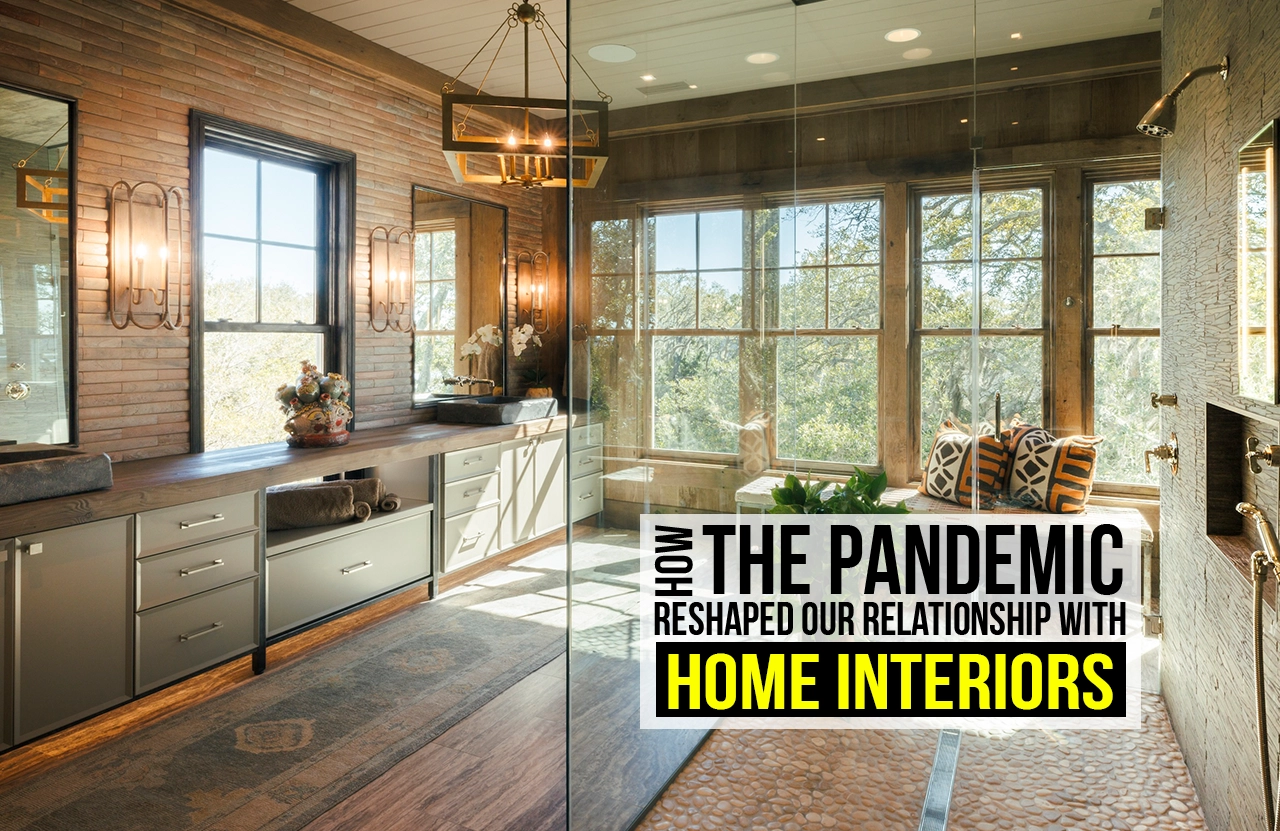
The pandemic has transformed how people look at their homes today. Earlier, the spaces which used to be considered places of rest after work have suddenly been used as offices, study spaces, workout spaces, cafes and social spaces. This unprecedented shift highlighted the importance of interior design, not just as a matter of aesthetics but as a determinant of comfort, productivity and well-being. The relationship between the pandemic and Home Interiors became a defining conversation within architecture and design, prompting professionals to reconsider how residential spaces should respond to changing lifestyles and unforeseen global challenges.
When the Home Became Everything
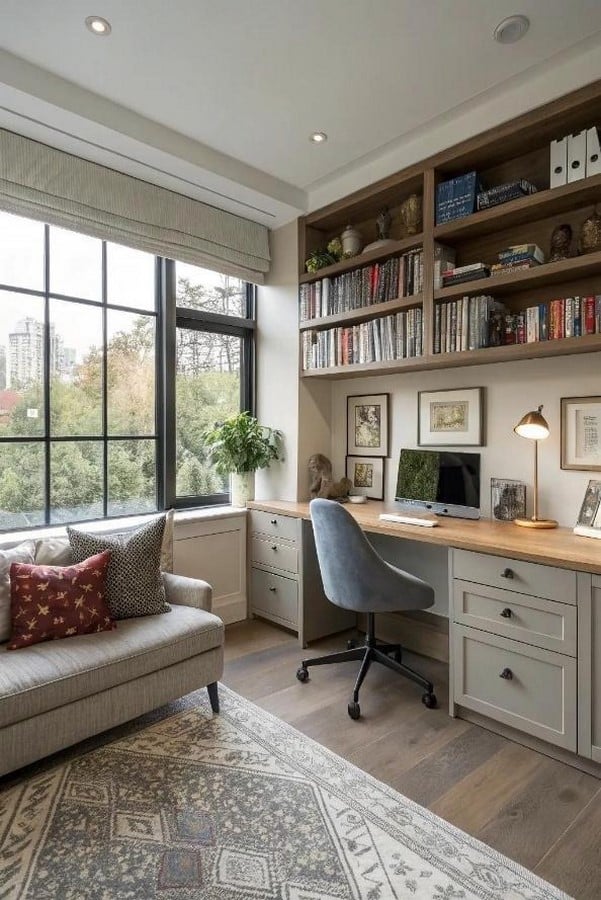
Before the pandemic, an individual’s daily life was distributed across multiple environments to survive. Productivity was limited to offices and workspaces; schools fostered learning, social interactions were encouraged by cafes and gathering spaces and parks provided recreation. During lockdowns, however, these activities converged within the boundaries of the home.
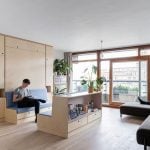
The pandemic-Home Interiors relationship developed to highlight the shortcomings of many home layouts. The open-plan living areas, once praised for their flexibility, often failed to accommodate work meetings, online classes and household chores. Tables that once hosted meals became workstations, rooms once reserved for sleeping became offices, and balconies became a vital connection to the outside world. Houses ceased to be static spaces and became dynamic ones in which a variety of functions were to be performed during the course of a day.
Flexibility Became the New Luxury
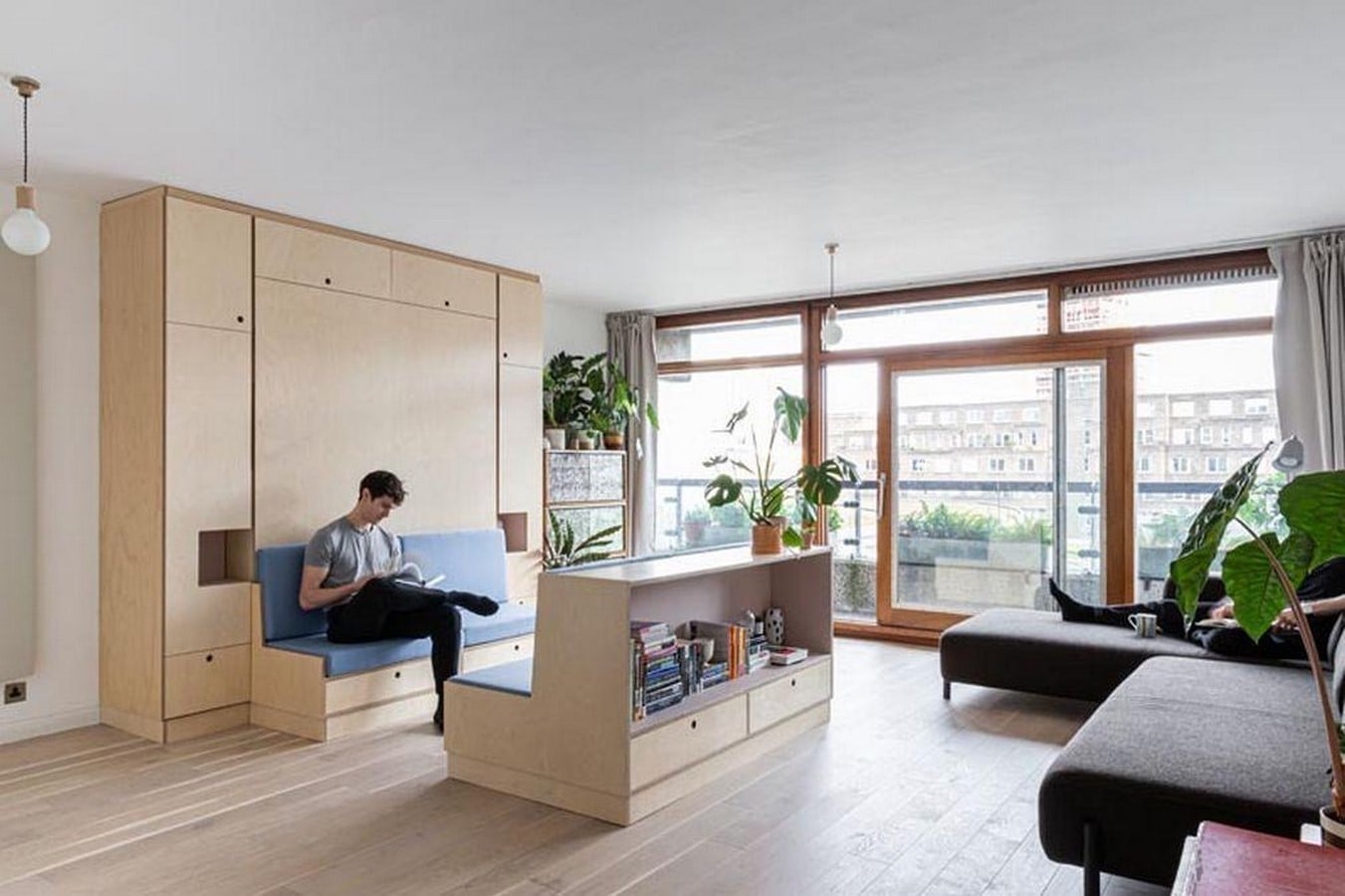
The pandemic shifted the definition of luxury in residential design. Spacious interiors and expensive finishes remained desirable, but adaptability became equally valuable. This shift started focusing on functionality along with aesthetics. Homeowners began prioritising multifunctional furniture, movable partitions and rooms capable of serving more than one purpose.
The debate between Pandemic and Home Interiors encouraged architects to rethink rigid planning strategies. Flexible layouts that could easily transition between work, comfort and family life proved more resilient than spaces designed for a single activity. Interior design moved beyond decoration towards creating environments capable of adapting to uncertainty.
This shift also reinforced an important lesson: successful homes are measured not only by their appearance but by their ability to evolve with changing human needs.
Rediscovering the Importance of Natural Light and Ventilation
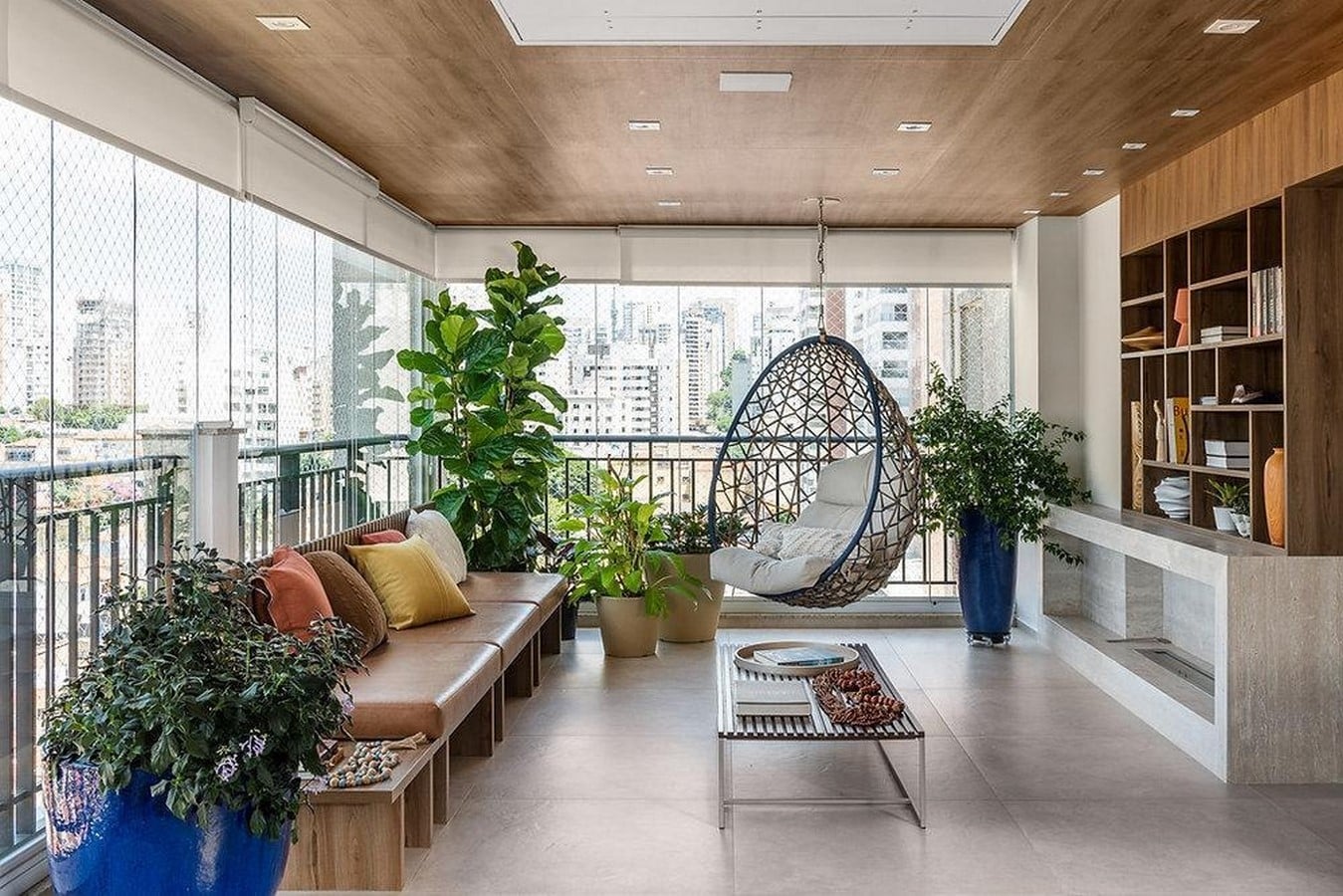
While being at home, the awareness of environmental quality increased. Access to daylight, cross-ventilation, and outdoor views became everyday essentials, not optional design features.
The pandemic and Home Interiors relationship increased appreciation for biophilic design principles. Indoor plants, operable windows, courtyards and balconies became important as residents built physical and psychological connections with nature. Previously mundane spaces were found to positively affect mental wellbeing and emotional resilience.
This experience taught architects that environmental performance and interior quality are inseparable. Air, light and nature are as important to a healthy home as furniture and finishes.
Designing for Well-being Rather Than Appearance
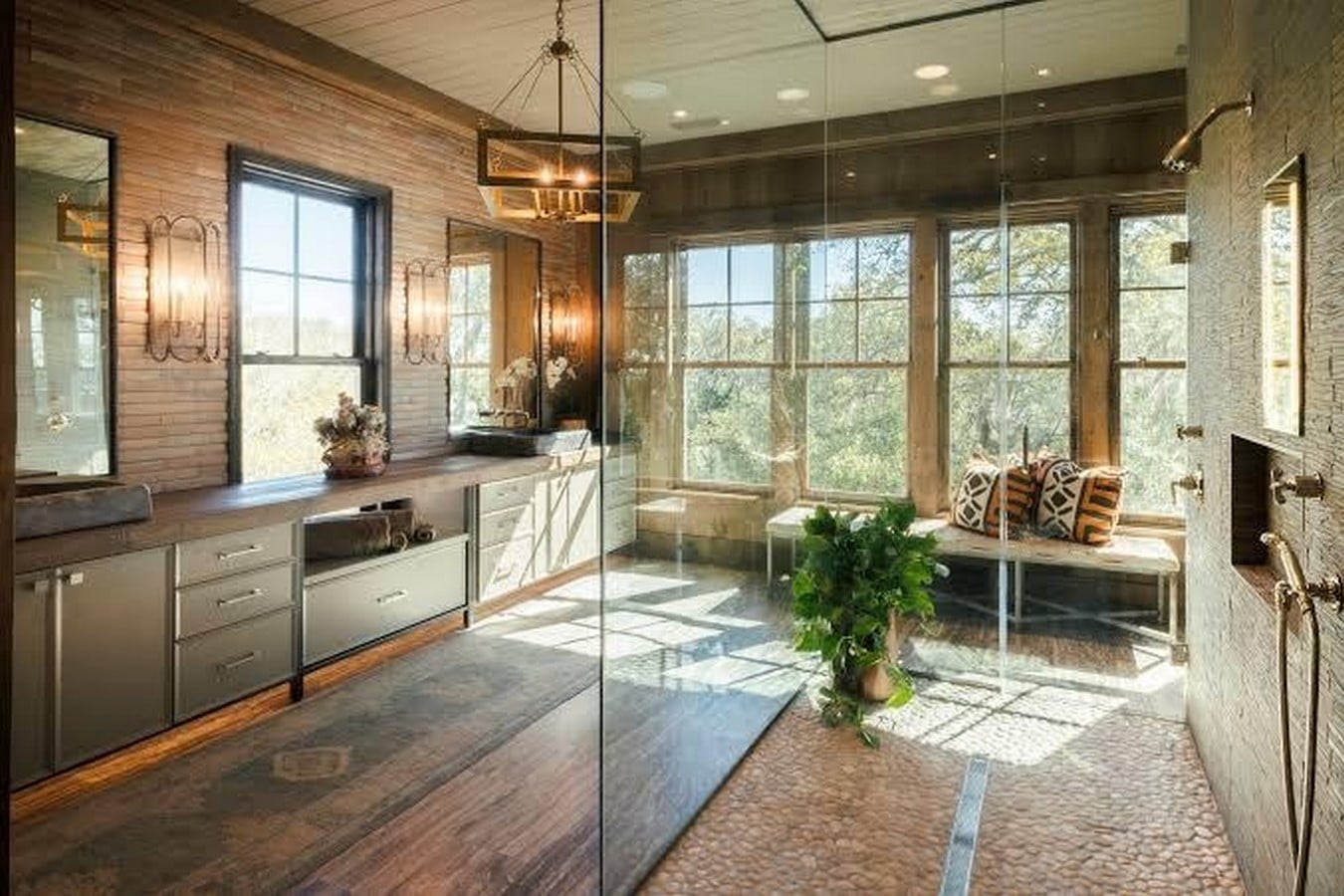
One of the most significant impacts of the pandemic was the growing recognition that interiors directly influence physical and mental health. Long periods spent indoors have shown how colour, acoustics, ergonomics and spatial organisation influence concentration, stress and quality of life overall.
So, Pandemic and Home Interiors became closely associated with wellness-centred design. Dedicated workspaces, improved storage solutions, acoustic privacy and clutter-free environments emerged as priorities for many households. Interior design was increasingly viewed as a means to enhance everyday living, not merely to create attractive spaces.
This transformation challenged designers to put human experience at the centre of every design decision.
Technology and the Hybrid Home
Digital technology was adopted in the home rapidly and completely. Reliable internet connection, lighting suitable for video conferencing, charging stations, and smart home systems are no longer conveniences; they are necessities.
The discussion around the pandemic and Home Interiors also propelled the concept of the hybrid home. It was hoped that professional work would take place in residential spaces, but that they would remain places for relaxation and family life. It was a delicate balance: I needed to plan for this double life, this efficiency, and comfort.
For architects and interior designers, technology became another dimension of spatial design, impacting furniture placement, room dimensions and overall functionality.
A Lasting Shift in Residential Design
Many things in daily life have returned to normal, but the design lessons introduced during the pandemic continue to shape residential architecture. Homebuyers want more flexible floor plans, healthier indoor environments and spaces that can adjust to evolving lifestyles.
The relationship between the pandemic and home interiors is a case study of how good design not only reacts to current trends, but also anticipates change. Homes must be resilient to withstand both daily routines and extraordinary situations without sacrificing comfort or well-being.
The pandemic has shifted our expectations of what a home should provide, and this is not a fleeting design trend.
The home became a place of retreat but also the centre of everyday life, fundamentally changing expectations of residential interiors during the pandemic. Pandemic and Home Interiors is a conversation that is so much bigger than the next fleeting design trend. It’s about the larger awakening that homes should be places that support productivity, health, flexibility and mental well-being.
For the architectural community, this transformation serves as a reminder that interior spaces are not passive containers but active participants in daily life. As future homes continue to evolve, the greatest challenge will not be designing more impressive interiors but creating environments that remain meaningful, resilient and deeply responsive to the people who inhabit them.