We usually think of architecture in visual terms. Skylines, monuments, façades, and photographs shape how we see cities. But when we return to places after many years, our memories are not just visual. The smell of old books can bring back memories of a childhood library before we even picture the shelves. The scent of fresh bread tells us a bakery is nearby before we see it. We know a hospital by the smell of disinfectant, and a crematorium by the smoke in the air long before we notice the building itself.
It seems odd to talk about architecture from the standpoint of smell, and perhaps that is the entire purpose of such an introduction to an article on architecture. Over the past few centuries, architecture has been busy training us how to see buildings, but very little attention has been paid to experiencing them. All aspects of architecture, such as light, structure, materials, and form, have been studied in great detail, yet the perceptual processes by which people naturally recognise and remember places have been largely ignored in architectural discourse.
The Sense We Forgot to Draw
Architects regularly visualise invisible forces. Before even being built, sunlight can be predicted, wind directions determined, and thermal performance predicted with great precision. All of these representations enable architects to anticipate what the future structure will perform like before its actual completion. Smell is noticeably missing from these considerations, unable to be represented, photographically captured, and pinned to a presentation board in the same way that a façade or plan view can be. Perhaps for that reason, smell has largely been ignored by the design community.
Architect Juhani Pallasmaa, in his book The Eyes of the Skin, stated that architecture has increasingly focused on visuals over the other bodily senses. This statement seems particularly relevant today, where structures are first seen through their photographs, competition boards, and social media. However, the buildings that stay in our memory are rarely described with appearance alone. We remember the cold air within a stone church, echoes of footsteps under a ceiling made of vaulted stones, and the smell of timber that has aged over decades.
Architecture Already Designs Smell

Designing for smell can be considered an odd thing to mention about architects. For, after all, architects are not perfumers; they do not include smells in their specifications for a construction project. Nevertheless, what architects design are the environmental factors that give rise to smell. Weathering of materials, redirection of wind movement in courtyards, ventilation that dictates the persistence or dispersion of smell, seasonal variation caused by planting – all of these become part of the experience and none of them is a superficial layer added after the completion of a structure.
Perhaps no other example better represents that than the Roquefort cheese caves in the south of France. Using natural limestone crevices called fleurines, these structures ensure airflow and humidity control throughout the year. This way, the moulds which create the characteristic smell of Roquefort cheese grow naturally there, thus making architecture an agent of creation of smell. Not just housing production anymore, but creating an atmosphere that cannot be found anywhere else. Sensory identity here is not imposed on architecture but created by it.
Buildings Remember More Than We Think
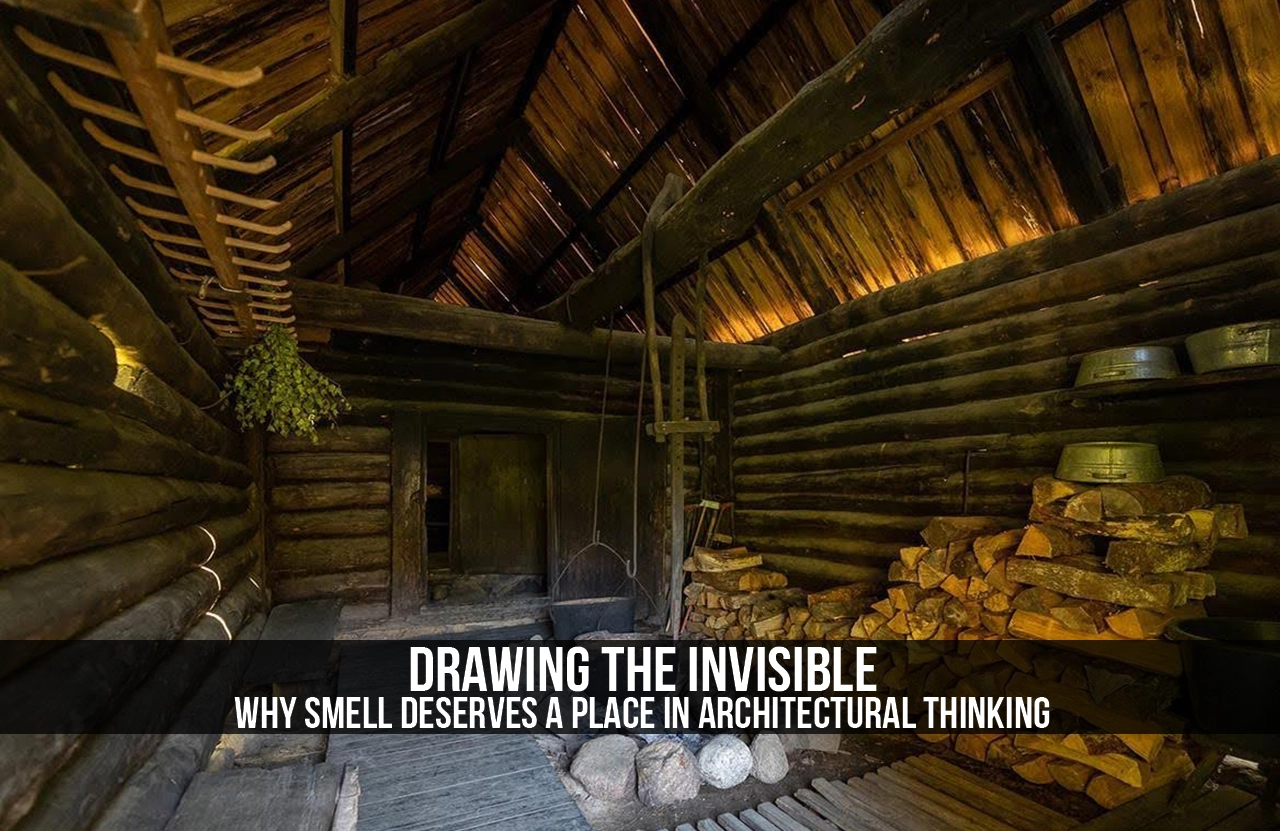
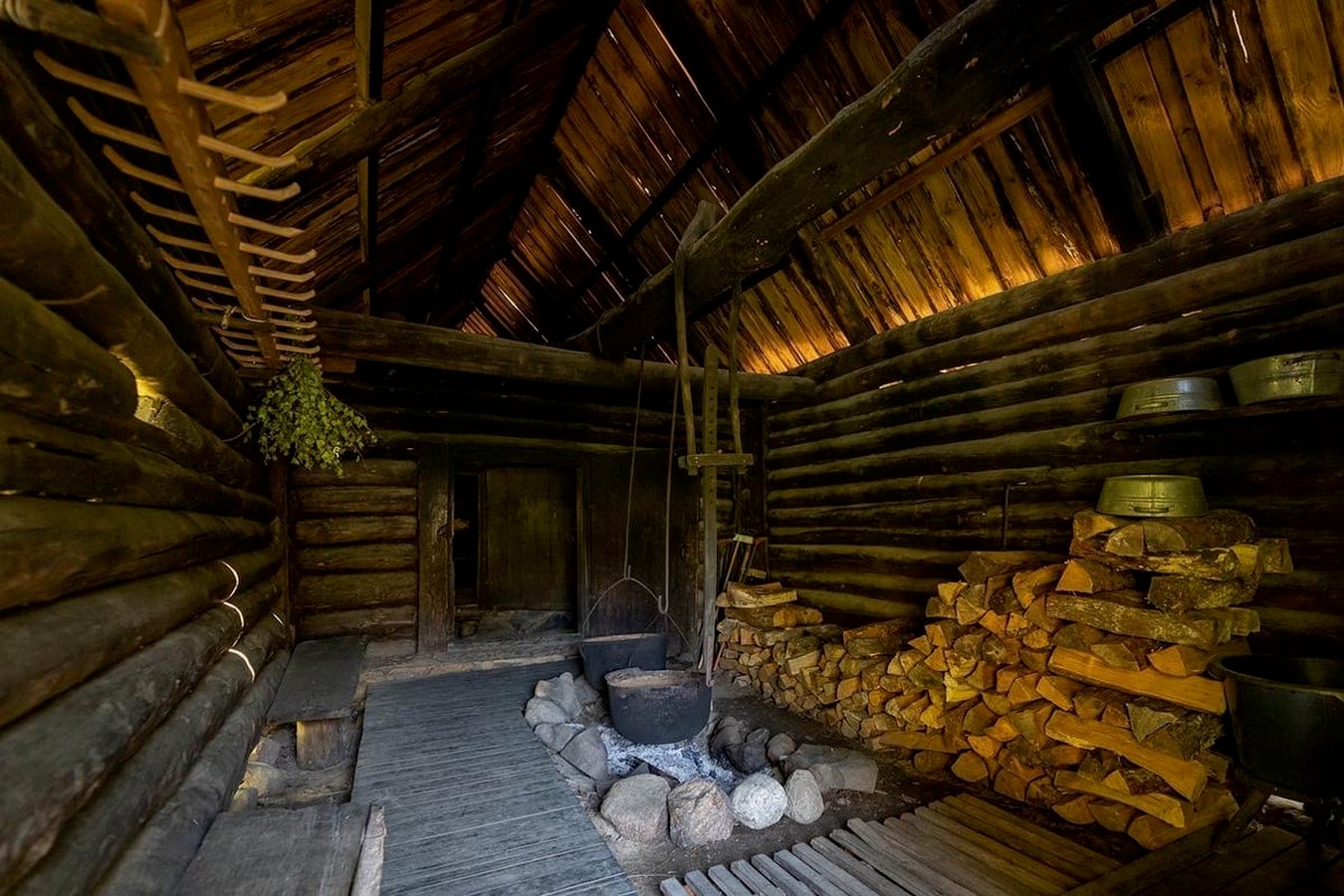
Architecture does not cease evolving upon completion of construction. Architectural works continue acquiring marks left by their occupants. One of the most interesting examples of such architectural evolution is provided by the traditional smoke sauna architecture in Finland. As the chimneys were not used yet, during heating the smoke would fill the wooden structure and slowly escape, thus making the wooden walls filled with years of soot and resin. The ambience thus formed cannot be restored since it was not achieved due to any specific design choice. It was achieved, thanks to years and years of evolution.
The ambience created by another remarkable building – The Long Room of Trinity College Dublin – can be easily recognised by the smell of aged wood, leather bindings, dust, and paper as much as by its well-known vaulted roof. However, none of these features is shown in the initial architectural plans of the building. This proves that architecture is not only capable of preserving objects; it preserves ambience and makes the building able to remember long after the people who lived in it are gone.
Designing Atmosphere, Not Just Space
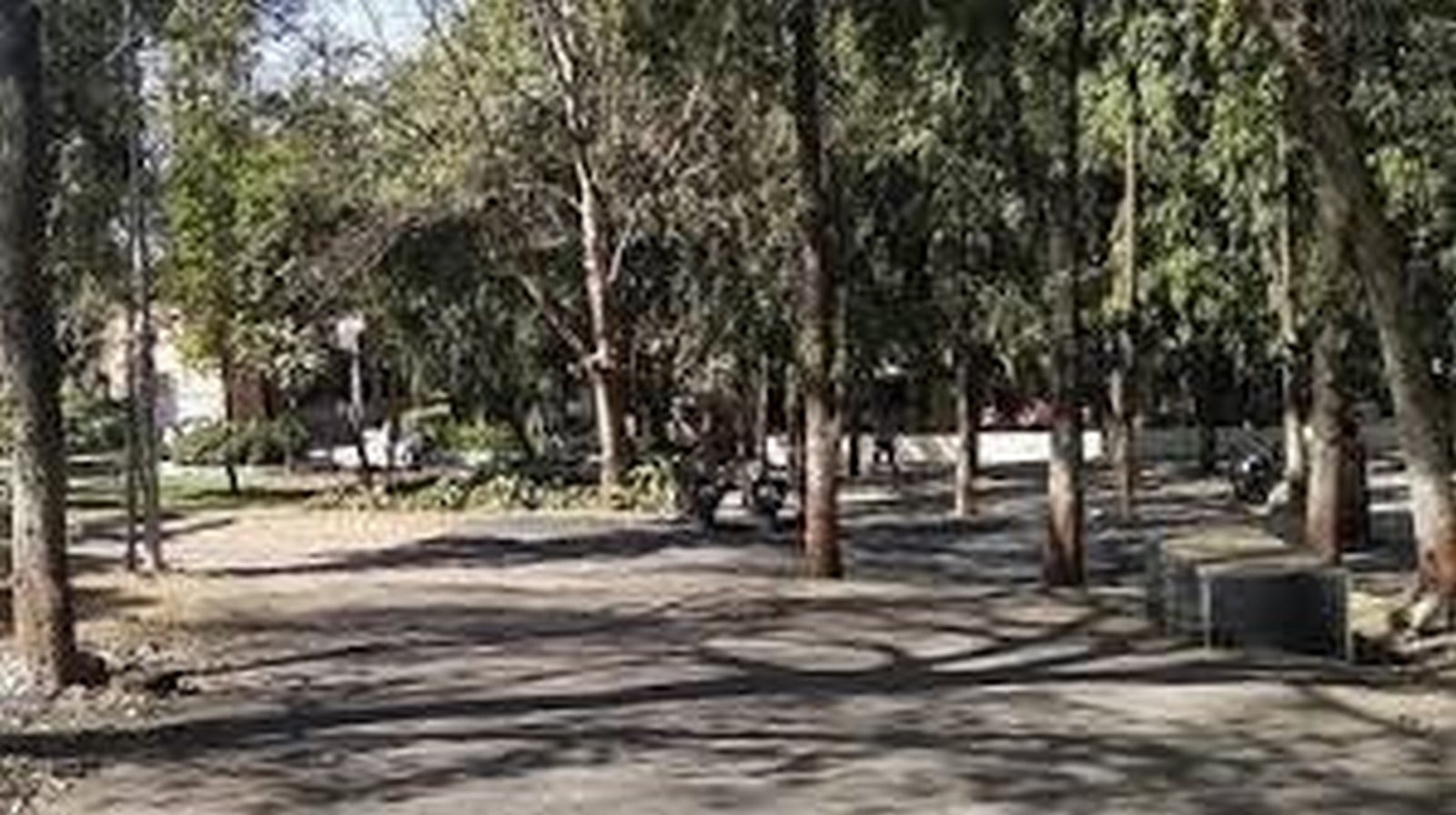
If smell is a by-product of architecture, then there are some buildings that possess a tremendous sense of smell. The Baikunth Crematorium in Pune, designed by Christopher Benninger, does not try to mask one of the biggest problems in the process of cremation. Rather, through open pavilions, planting, and water bodies, and with the help of the wind, it helps the smoke to dissipate through the environment rather than keep it inside a closed hall. The architecture does not pretend to conceal or romanticise the experience. Rather, it recognises that architecture cannot conceal everything, but it can dignify the experience.
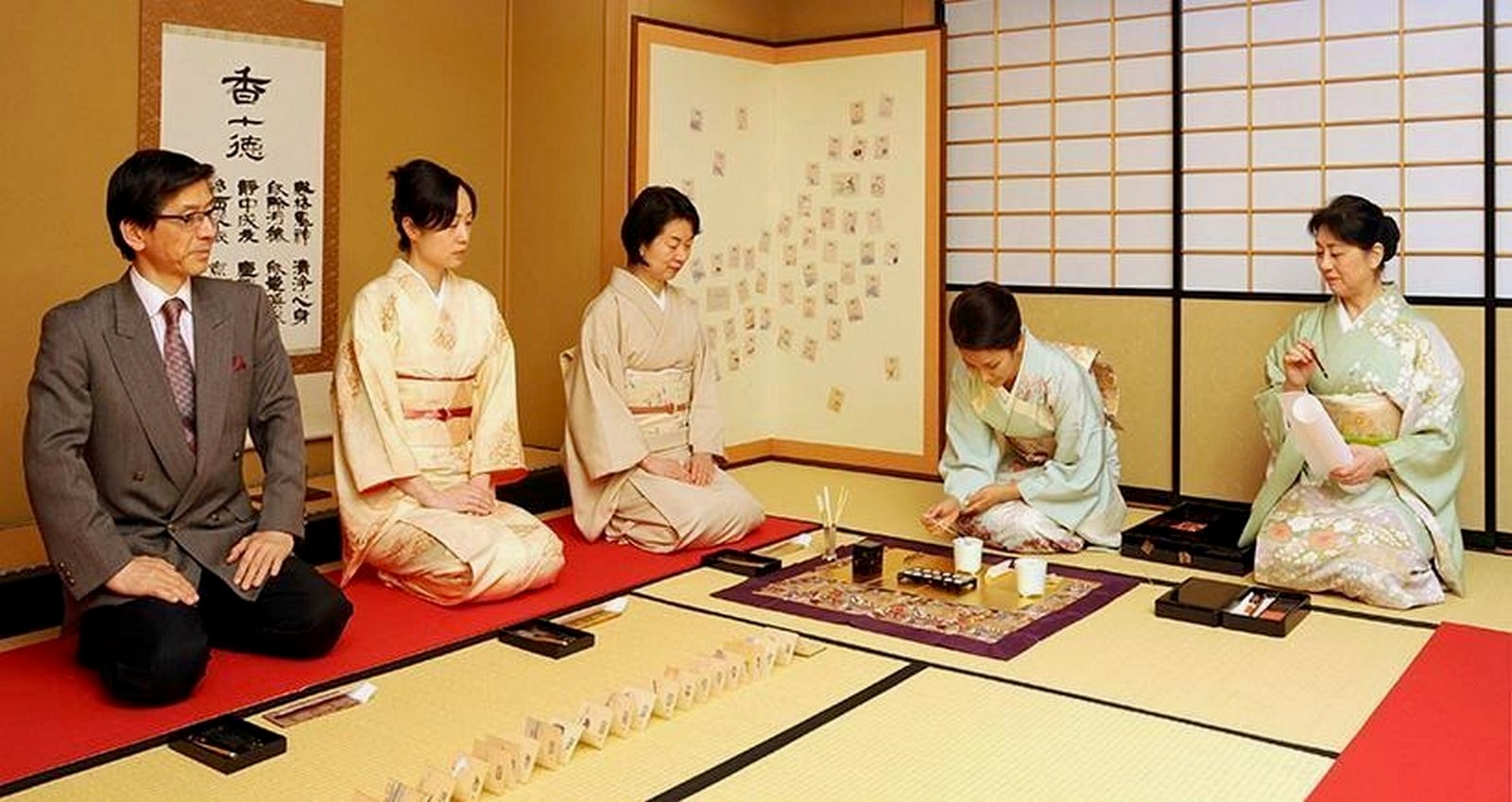
A completely different attitude toward smell is evident in the practice of Kōdō in Japan, translated as “The Way of Fragrance.” People who take part in this activity do not simply smell incense; they are encouraged to hear the incense. The sober architecture of the tea house, with subtle materials and controlled atmosphere, eliminates all distractions so that smell becomes the focal point. Both projects deal with smell in their own ways: one deals with an unavoidable smell, while the other raises the fragrance to the level of ritual. Yet, in both cases, the same architectural technique is used.
Can We Draw Smell?
Maybe the right question to ask is whether architects should be starting to design smell. They already do this in many ways. The real question should be whether architecture as an academic field has created the language to recognise smell as important. It is well understood that architectural analysis always involves wind roses, sunlight and shadow studies, sound maps, and heat maps for thermal effects, since these are all invisible forces that affect the nature of space. Yet the smell, which affects our orientation, memory, and perception of emotion, is never taken into account.
This seems to be a matter of habit, rather than technology.
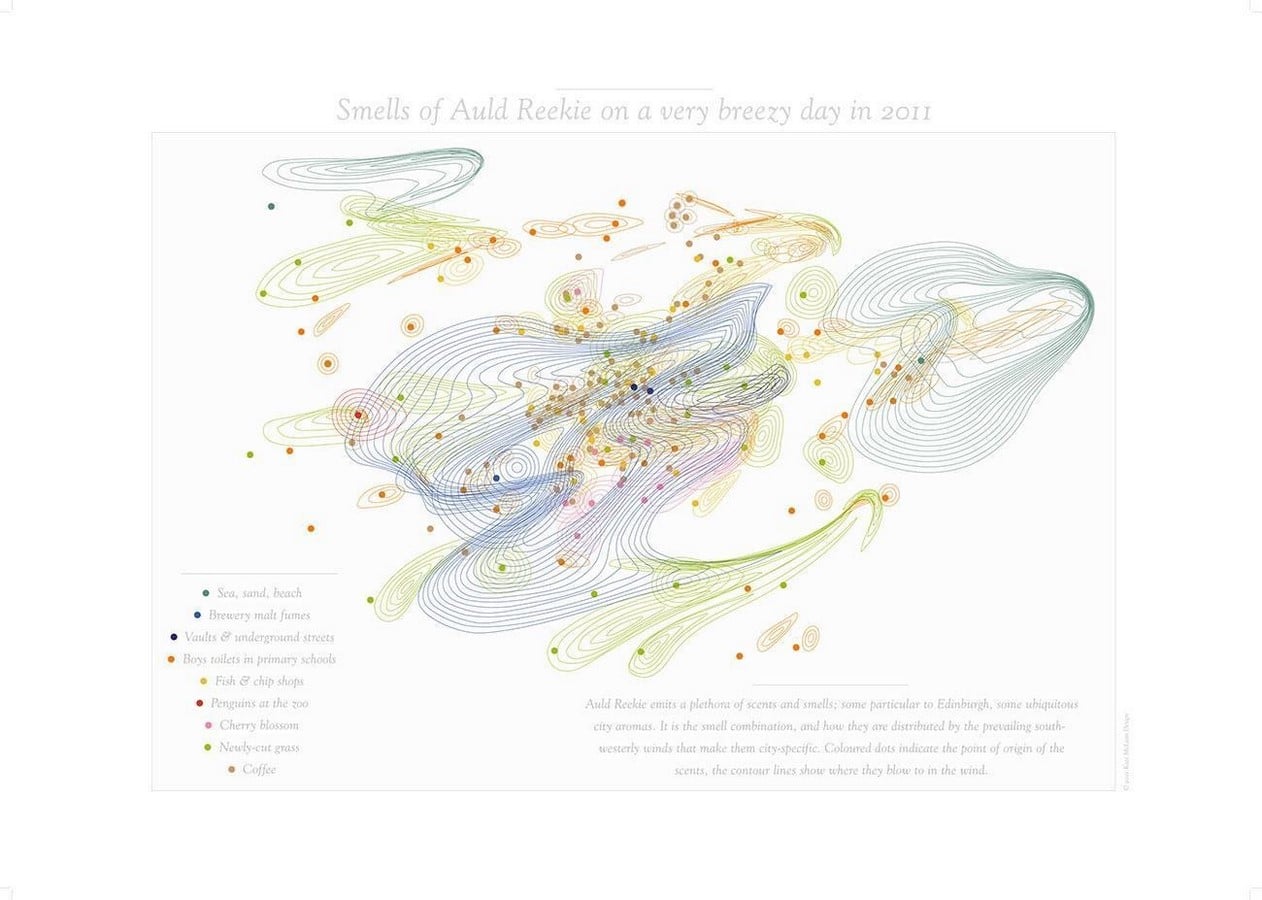
The olfactory maps created by Kate McLean also provide an alternate way of thinking about the city. Through her studies of the dynamic scents of cities, it is clear that the sense of smell also has its own territories, transitions, and patterns much like movement or climate. In refusing to accept the idea of smell as a personal sense, she shows that smell is also something that can be used as yet another tool for understanding a place. Picture how an architectural site visit could be done if there were also descriptions of smells from seasonally grown plants, moist soil after rain, smells from factories, and smells from the neighbourhood during different times of the day.
Perhaps architecture’s most difficult task is not that of learning how to represent buildings better. Renderings have come to look virtually like photographs, environmental simulations get ever more refined, and technology is constantly changing the ways of communicating projects. But regardless of this progress, many things that make architecture special are beyond the realm of drawings. The scent of wood that has been maturing over many years, the aroma of bread escaping on an empty street, the scent of smoke spreading over the open terrain, and the musty smell of old books filling up the library are just some of these things.
The inclusion of smell in the architecture of sensory perception is thus not about perfume but is rather a challenge to rethink architecture in terms of how it is perceived, represented, and ultimately appreciated. The built environment has always gone beyond mere visual perception, and perhaps it always will. We do not remember the most profound buildings for how they looked – at least not only for how they looked. Rather, we remember them for how they touched all of our senses and left impressions upon us that linger even when the visual impressions fade away. If architecture is indeed the creation of human experience, perhaps it is high time that we draw a little closer to that experience which we have yet to learn to represent.
References:
- Pallasmaa, J. (2012). The Eyes of the Skin: Architecture and the Senses. 3rd ed. Chichester: John Wiley & Sons.
- McLean, K. (n.d.). Sensory Maps. [online]. Available at: https://sensorymaps.com/ [Accessed: 7 August 2026].
- Nippon Kodo (n.d.). The Culture of Kōdō. [online]. Available at: https://www.nipponkodostore.com/ [Accessed: 7 August 2026].
- Roquefort Société (n.d.). Visit the Roquefort Caves. [online]. Available at: https://www.roquefort-societe.com/les-caves/ [Accessed: 7 August 2026].
- Sun Home Saunas (n.d.). Finnish Sauna Design: Complete Guide to Authentic Nordic Construction. [online]. Available at: https://sunhomesaunas.com/blogs/saunas/finnish-sauna-designs?srsltid=AfmBOooBIdRTiBe73LfEfmYp6PYko2DSe79nX0mHQDJp-NqstYbxVu5S [Accessed: 7 August 2026].