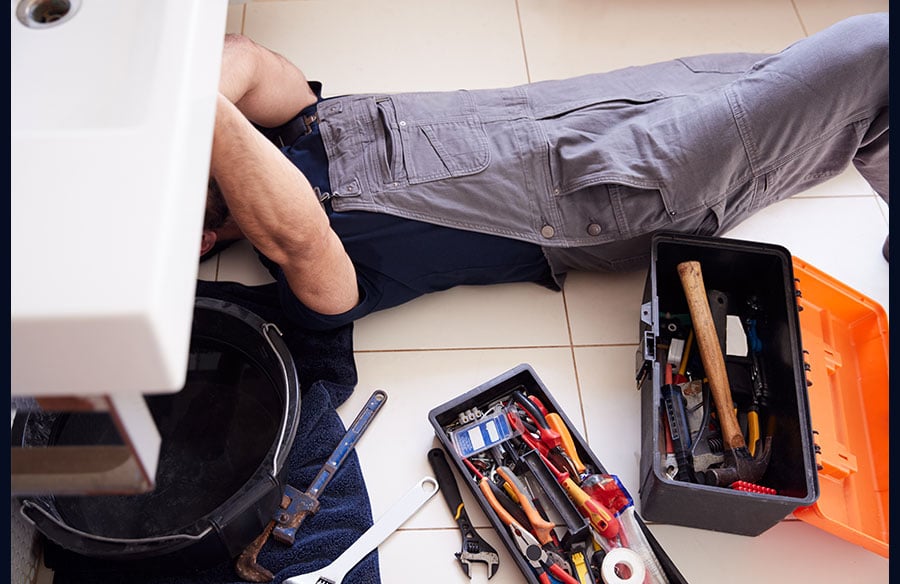
Plumbing failures can interrupt sleep, damage furnishings, and create safety concerns before a household knows what happened. A slow drain may signal buildup inside a branch line. A damp wall could indicate a concealed supply leak. Reliable repair begins with accurate assessment, controlled intervention, and clear communication. Skilled technicians help residents protect building materials, restore dependable water service, and decide what needs immediate attention, rather than relying on temporary fixes that leave the underlying fault untouched.
Early Signs Need Attention
A toilet that refills repeatedly, a cabinet with unexplained moisture, or a drain that empties slowly should receive prompt attention. Those seeking trusted plumbing repair services for Twin Cities homeowners can get help before minor defects spread into flooring, drywall, insulation, or framing. Early evaluation preserves repair options, limits water loss, and often prevents a modest service call from becoming extensive restoration work.
A Clear Diagnosis
Sound repair starts with evidence, not guesswork. Technicians ask when symptoms began, inspect nearby fixtures, test pressure, and trace moisture patterns through accessible areas. A closed-system meter check may reveal continuous flow after faucets stop running. Drain cameras can show cracked sections, heavy deposits, or root intrusion without opening finished surfaces. Residents deserve a plain explanation of findings, urgency, and available repair paths.
Leak Control Protects Property
Water escaping from a joint or pipe can travel far beyond its visible source. Saturated wood may swell, flooring can separate, and damp cavities may support microbial growth. The first priority is to stop the flow through a fixture valve or main shutoff. Next, a technician replaces the failed seal, fitting, valve, or pipe. Wet materials should dry quickly, since hidden moisture can continue causing deterioration after the surface appears normal.
Cold Weather Calls for Speed
Twin Cities winters expose plumbing systems to freezing temperatures, especially near exterior walls, garages, crawl spaces, and hose connections. Reduced flow, frost around a fitting, or unusual pipe sounds may precede a rupture. If a line breaks, residents should close the main shutoff and avoid using a torch. Safe thawing, pressure testing, and inspection can identify splits before full water service returns.
Drains Need More Than Quick Fixes
Store-bought chemicals may clear a narrow passage briefly while leaving dense residue deeper inside. Recurring obstruction can involve grease, hair, foreign material, collapsed piping, or tree roots. A qualified technician chooses equipment according to pipe material, blockage location, and line condition. Mechanical cabling, water jetting, or camera inspection may provide a longer-lasting result. Household habits also matter, especially with cooking oils, wipes, and food scraps.
Water Heater Problems Affect Routine
Cold showers, rusty discharge, rumbling sounds, or water around a tank each suggest different faults. Possible causes include sediment accumulation, a failed thermostat, damaged heating elements, a deteriorated anode rod, or a leaking pressure-relief valve. Assessment should consider tank age, corrosion, energy use, capacity, and repair history. A careful comparison helps residents decide whether replacing components remains practical or whether a new unit better supports household demand.
Honest Pricing Reduces Stress
Emergency plumbing work becomes harder to manage when costs remain unclear. A responsible provider explains the diagnosed fault, needed parts, labor, and expected outcome before starting major work. Written estimates separate urgent corrections from optional upgrades. Residents should also ask about warranty terms, cleanup, follow-up service, and conditions that could change the quoted amount. Straightforward pricing supports informed decisions during an already disruptive event.
Prevention Lowers Future Risk
Basic maintenance can expose worn washers, corroded shutoffs, loose fittings, and aging supply hoses before failure occurs. Every household should know where the main water control is and confirm it works. Seasonal checks should include water heaters, sump pumps, floor drains, outdoor taps, and exposed piping. Replacing flexible hoses on schedule, limiting grease disposal, and recording unusual changes can reduce emergency repairs.
Conclusion
A dependable plumbing repair service addresses the cause of household disruption, not just its most visible symptom. Accurate testing limits unnecessary replacement, while prompt leak control protects structural materials and personal belongings. Local freezing conditions, system age, water pressure, and daily demand all influence repair decisions. With timely evaluation and practical maintenance, residents can reduce water damage, manage expenses, and keep essential fixtures functioning safely year-round.