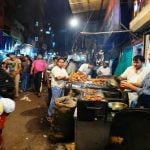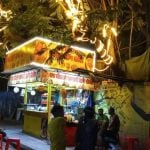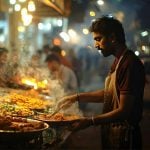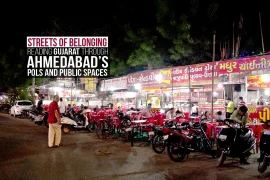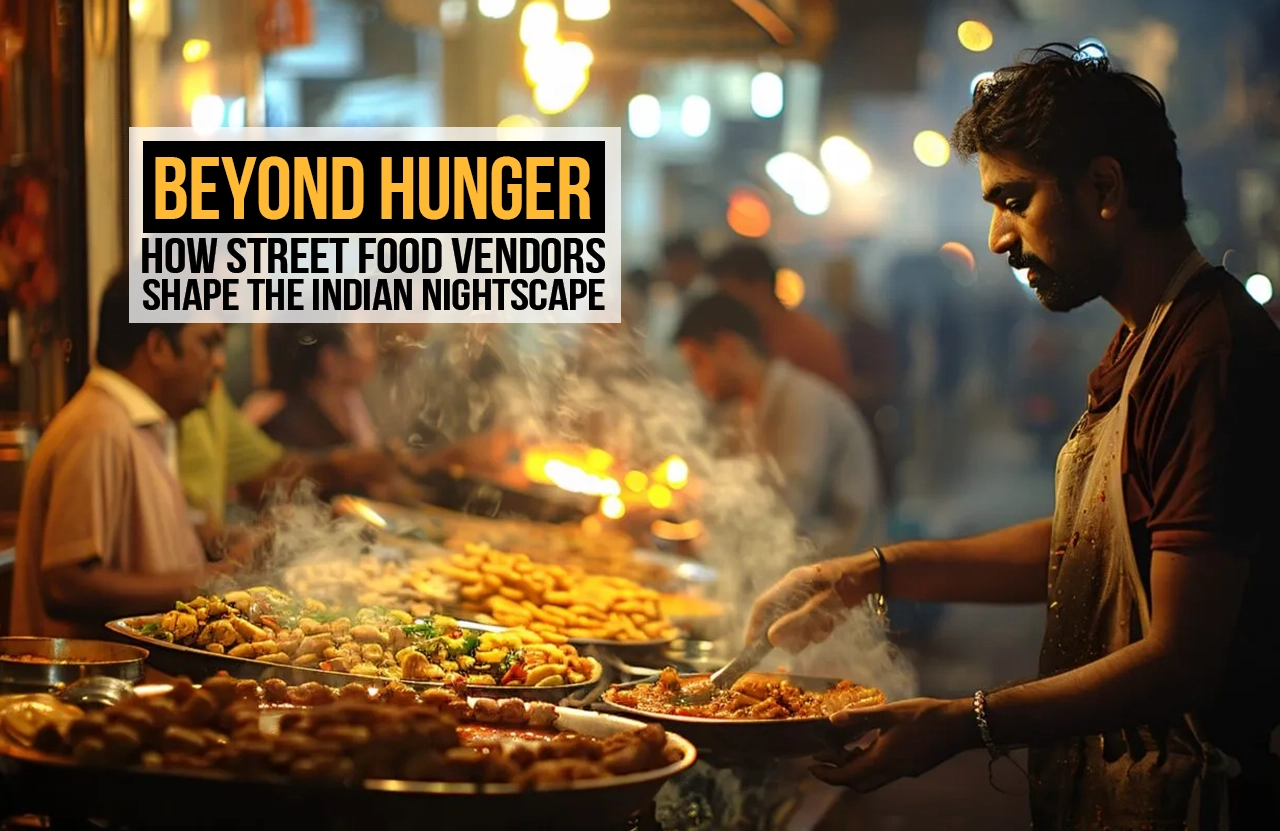
As daylight fades across Indian cities, another layer of urban life slowly emerges. Be it school children, university students or office goers, satisfying their daily cravings from their go-to street vendors is almost a ritual nowadays. Even though these stalls are temporary, people have their routines shaped around them. When an individual figures out that this vendor provides great quality food be it in terms of hygiene and/ or taste they often recommend it to their family and friends, thus through word of mouth these vendors establish a reputation in the locality. When these vendors shift their location or visit their home towns during festivals, their absence is duly felt.
The romance and legends around street food in Indian cities are historic too. From Delhi’s chaat and momos, Mumbai’s bhelpuri and vadapav, Lucknow’s kebabs and nihari-kulcha, Jaipur’s pyaaz kachoris, Kolkata’s puchkas and kathi rolls to Madurai’s mutton kari dosa and jigarthanda, parotta and beef fry or puttu-kadala curry anywhere in Kerala, Ahmedabad’s jalebi-fafda among other cities, India is a street food lover’s delight. This Indian Nightscape extends beyond commercial districts and famous landmarks. It is shaped by everyday spaces that become active after sunset. Among the strongest contributors to this transformation are street food vendors, whose presence influences movement patterns, social interaction, public life and the identity of urban environments.
Urban living fulfils the dreams of people by providing them employment and possibilities for expanding their work status in the future. In developing countries, the urban landscape represents a dualistic structure whereby a particular class of people i.e. the street vendors, who are an indispensable part of this landscape, are sidelined from the urban markets by the elite class (Meneses-Reyes & Caballero-Juárez, 2014). Street vendors are the ones who sell varied goods and services either from door to door or at one place and have no formal permanent structure like a shop. The elites of the urban landscape have always protected and fought for their rights over specific street locations/ public space (Anjaria, 2010). Many times, governments have carried out intensive programmes to evict vendors (Bandyopadhyay, 2009; Devlin, 2011). However, this class of retailers continues to exist and be in demand.
Street Food Vendors as Urban Anchors
Street food vendors influence the Indian Nightscape far beyond food consumption. A small cart serving tea or snacks often transforms an overlooked street edge into an active public zone. Temporary stalls create gathering points where people pause, wait, interact and observe the city around them.
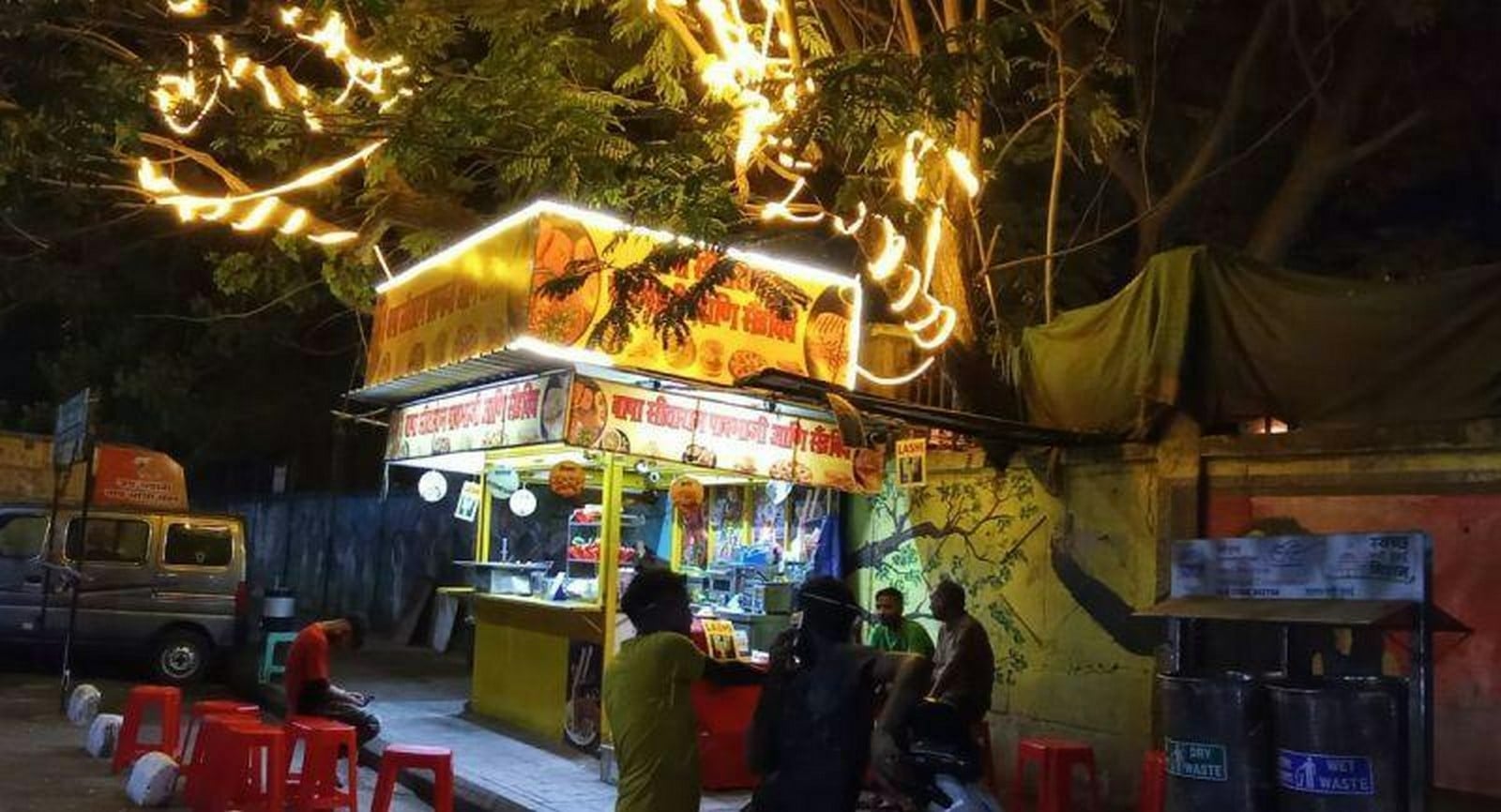
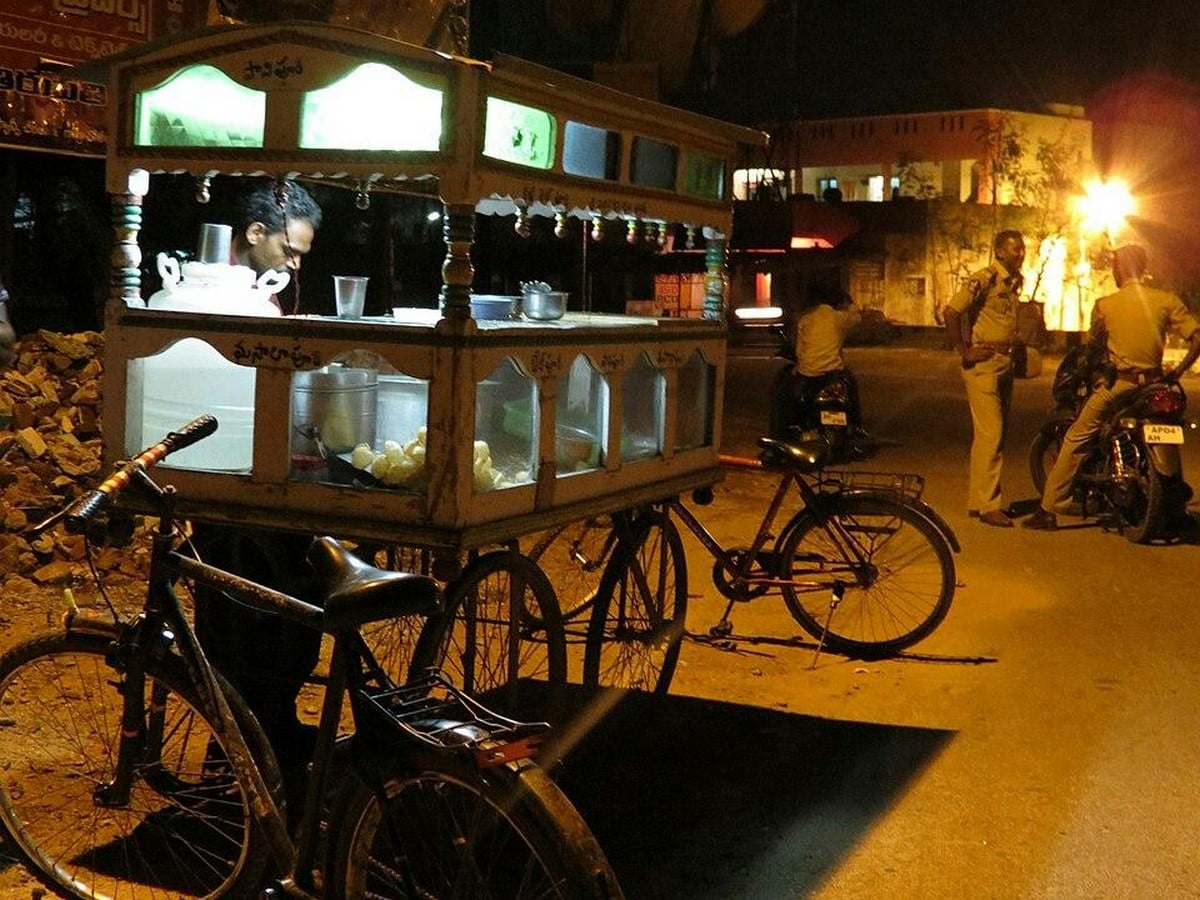
Unlike permanent commercial establishments, these spaces emerge through adaptation. Plastic stools become seating areas. Vehicle headlights supplement lighting. Portable covers provide shelter during changing weather conditions. Through small interventions, vendors create environments that attract activity and shape urban behaviour.
Many Indian cities reveal this pattern in neighbourhood streets rather than major tourist destinations. Lesser-known residential markets, transport junctions and university surroundings often become vibrant after dark because of informal food systems. These spaces quietly contribute to the character of the Indian Nightscape.
Informal Design and Temporary Architecture
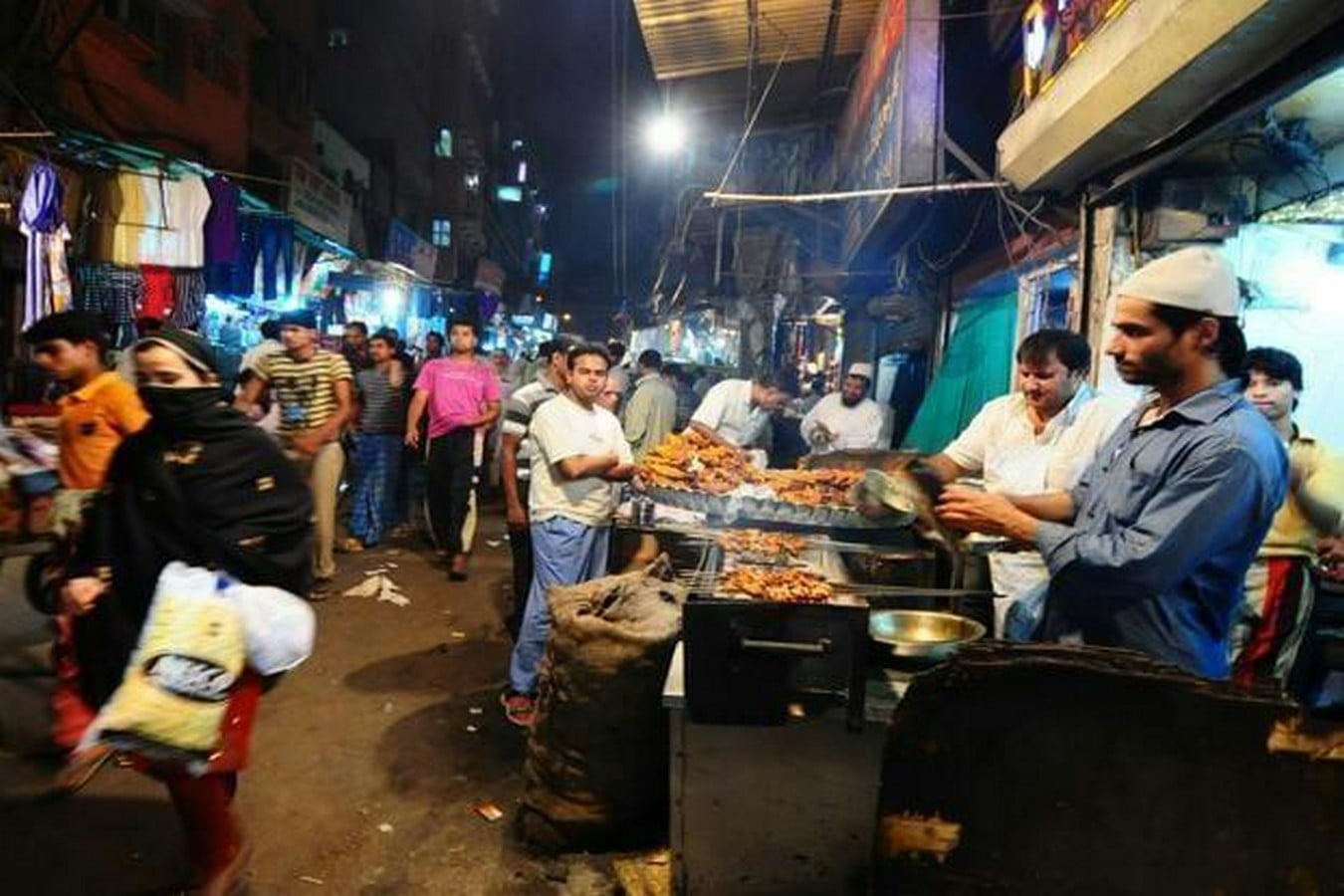
Local street food vendors do not require a professional architecture or structural engineering degree for building temporary mini structures that perfectly respond to the user, after all this is the ultimate goal of designers too. These temporary structures respond perfectly to climate,be it that slightly protruding overhang above the counter for sunshade or tarpaulin sheets that respond to monsoon conditions. Foldable tables adapt to crowd size. Cooking stations position themselves according to pedestrian visibility and circulation. Thus, street food environments demonstrate how informal design can respond well to human needs. Without formal planning, vendors successfully create systems based on practicality, movement and comfort.
These temporary spatial arrangements often perform functions associated with permanent public infrastructure. They provide social gathering spaces, support economic activity and increase occupancy within streets that might otherwise remain inactive.
For architects and urban designers, such environments offer valuable lessons. Cities are not shaped only by master plans and large buildings. Everyday users continuously modify urban spaces according to changing needs. Street food vendors demonstrate how flexibility and adaptation influence the experience of public environments.
The Social Life of the Indian Nightscape
One of the strongest influences of street food vending lies in its ability to create social connection. Food stalls frequently attract people from different economic and social backgrounds into a shared environment.
Within the Indian Nightscape, students, office workers, drivers, security staff and nearby residents often occupy the same public space simultaneously. Unlike enclosed commercial settings, roadside food environments remain visually open and socially accessible.
A tea stall near a university may become associated with student conversations extending beyond class hours. A small roadside vendor near a transport node may develop into a recognised meeting point for local communities.
These locations gradually develop emotional significance within cities. Urban identity emerges not only through iconic architecture but also through repeated everyday experiences. Street food vendors contribute to memory-making processes that shape how people understand and relate to urban environments.
Light and Safety After Dark
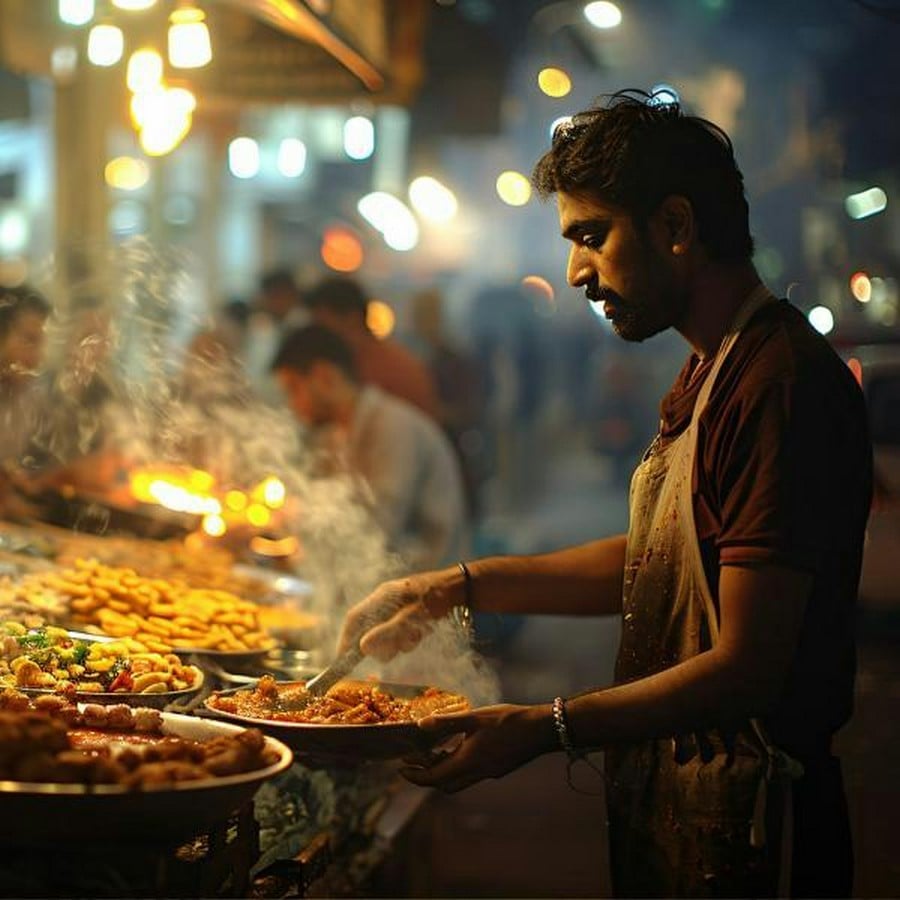
Lighting strongly influences the experience of the Indian Nightscape. Street food vendors contribute significantly to how public spaces feel after sunset.
Portable bulbs, cooking flames, hanging lights and illuminated carts create visible activity zones within darker urban areas. These pockets of brightness influence pedestrian movement and perceptions of safety.
People naturally gravitate towards occupied environments. Streets with visible activity frequently feel more secure than isolated areas with limited social presence. Vendors indirectly strengthen public life by increasing occupancy and passive observation.
A quiet roadside edge may remain underused throughout the day but become socially active once food vendors begin operating during evening hours. These transformations reveal an important urban principle: public activity strengthens public space.
Street food vendors contribute to safer and more connected urban environments through everyday occupation rather than formal intervention.
Climate Adaptation Within Urban Space
Indian cities experience diverse environmental conditions that influence how informal food systems operate. Heat, rainfall and seasonal variations shape temporary spatial responses.
The Indian Nightscape demonstrates climate adaptation through practical solutions. Vendors introduce shading systems during summer periods. Temporary coverings appear during monsoon conditions. Winter evenings encourage gathering around cooking stations that provide warmth.
Unlike fixed commercial spaces, informal food environments continuously adjust to changing conditions. Their flexibility demonstrates resilience within urban systems.
Architectural discussions increasingly emphasise adaptability and environmental responsiveness. Street food vendors quietly practise these principles daily through observation and adjustment.
Their understanding of visibility, movement patterns and environmental conditions contributes to urban functionality in ways often overlooked within conventional planning discussions.
Rethinking Public Space Through the Indian Nightscape
Rapid urban development frequently creates tension between formal planning systems and informal economic activity. Street food vendors often face challenges associated with redevelopment, regulations and changing land use priorities.
The Indian Nightscape presents an opportunity to reconsider how cities support public life. Rather than removing informal activity, urban planning can strengthen its functionality through better infrastructure, waste management systems, pedestrian access and context-sensitive design approaches
Street food vendors contribute more than affordable food options. They influence atmosphere, movement, economic continuity and social interaction.
Cities achieve richness through the coexistence of planned and unplanned systems. The spaces created by food vendors reveal how everyday activities contribute significantly to urban identity.
The experience of Indian cities after sunset extends beyond commercial districts and landmark architecture. It emerges through occupied pavements, illuminated carts, conversations shared over tea and temporary spaces shaped by everyday activity.
The Indian Nightscape is influenced not only by buildings but by people who activate urban environments through repeated social rituals. Street food vendors contribute to memory, belonging and public life in ways that extend far beyond commerce. Their presence transforms overlooked streets into meaningful places.
As cities continue evolving, recognising these informal systems may become essential to designing urban environments that remain inclusive, active and deeply connected to everyday life.