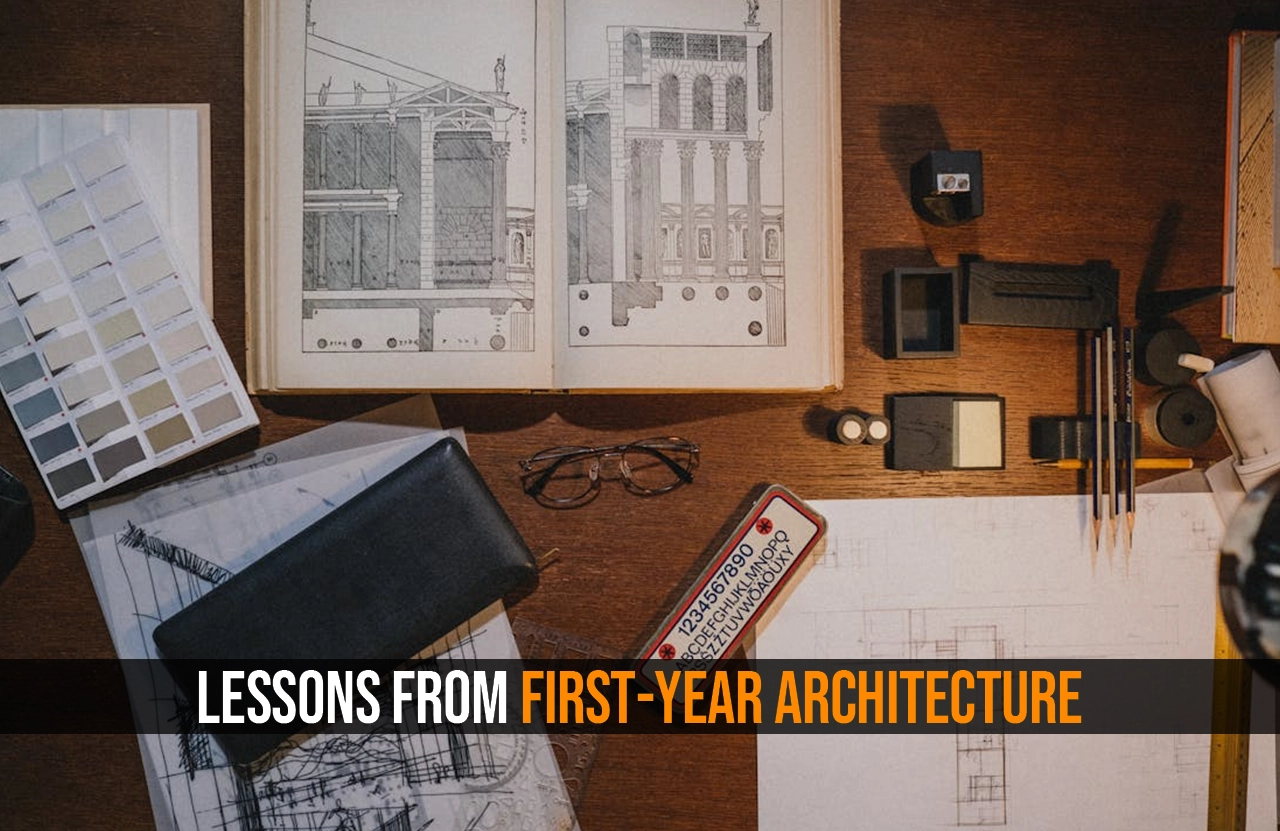
First-year architecture is a whole new world for many aspiring architects. It is the first taste you get of your next few years as an architecture student. First year, however, looks very different for each institute. Universities may teach architecture differently, introducing concepts at different paces; some may use software, some may not, and the overall studio culture may be different.
However, the student experiences are often similar. It’s a steep learning curve, meaning that many could struggle with getting used to the architectural way of doing things. Learning how to work with professors, perform a jury, use all the tools, and learn studio culture is something every student takes some time to do.
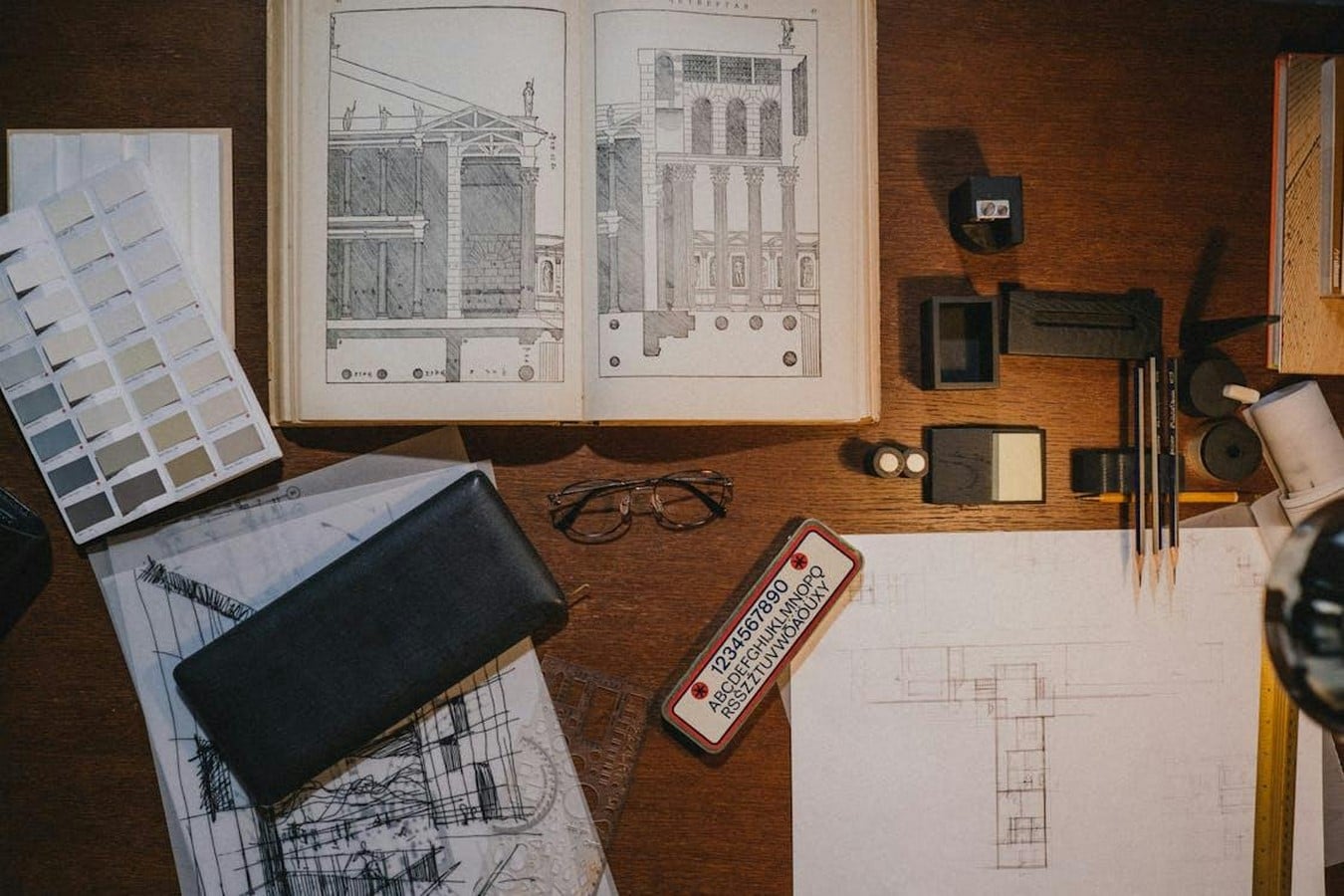
To ease yourself into it, below is a list of lessons learned by many in the first year of architecture that freshers should use as reminders.
-
Remember, everyone is learning
It is so easy for students to get lost when they first start — the fast-paced studio culture is easy to get overwhelmed by. Everyone is learning – even those who seem like they’re doing so much better than you. Do not think someone is miles ahead of you because they’re able to use the scale ruler faster than you. The first year of architecture is about grasping the basics of architecture and getting used to the studio. Even though you may feel like everyone was born knowing how to draw floor plans, everyone is still learning.
2. Comparison is your worst enemy
In the same vein as the first point, do NOT compare yourself! Architecture is a creative course. Everyone thinks differently, everyone sees differently, and everyone is inspired differently. The only similarity between you and your peer is the brief – nothing else is the same. Comparing yourself to a peer is one of the worst things you can do as a student, as it shatters your confidence. As many students quickly learn, confidence in your ideas, work, and self is integral in this field of study.
3. Have fun with your projects.
Make your projects unrealistic and crazy. It’s all theoretical, so why not do the fun stuff? When designing in real life, there are lots of limitations that you have to follow – clients’ requests, building codes, and budget. In design school, you have little to truly follow through with, especially in the first year. Stretch out your imagination and use your creativity to the max.
4. Read and understand your brief.
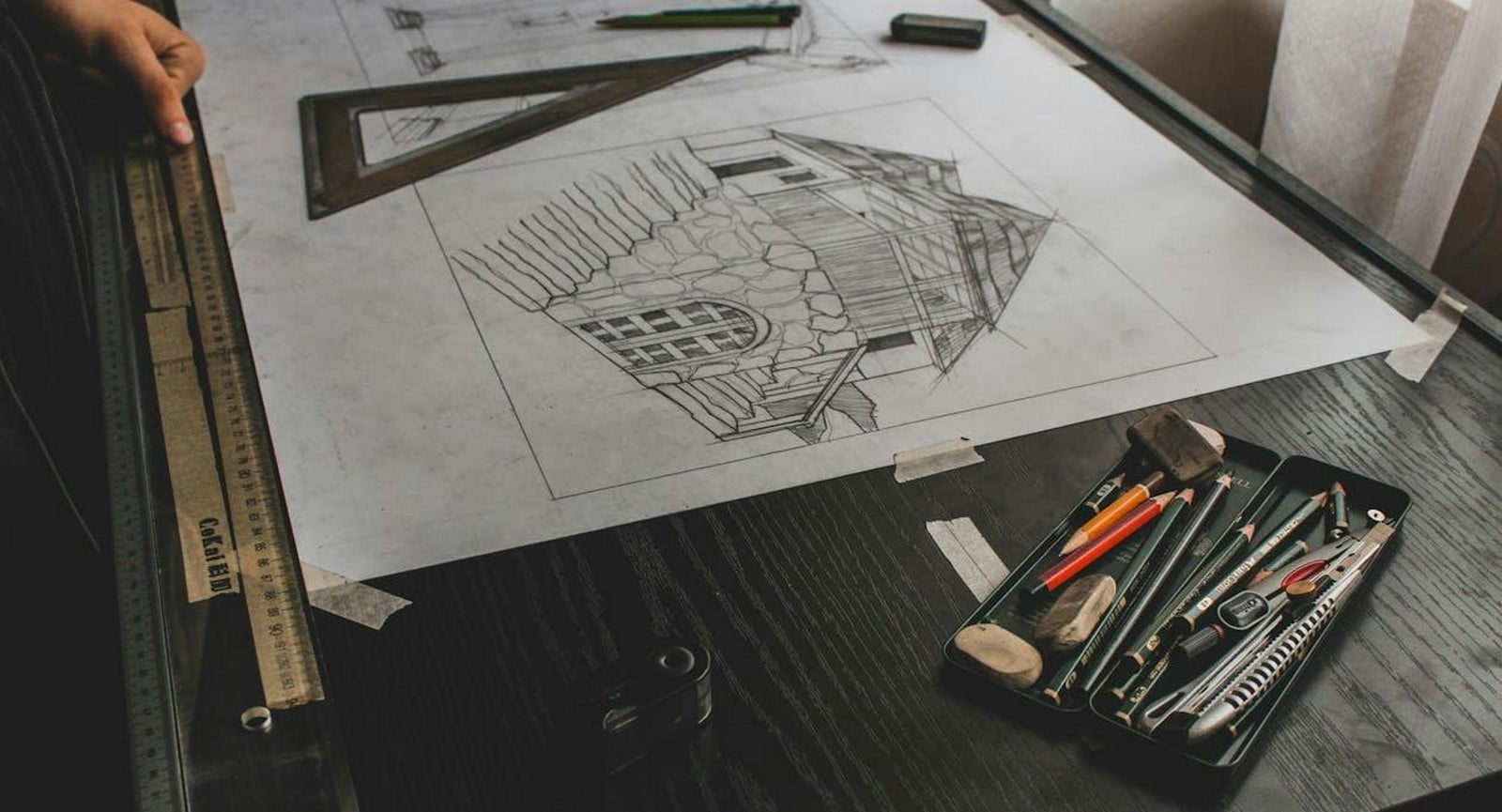
Know your brief very well. Your brief contains all your project specifications and exactly what it is your professors are looking for. It is best for you to fully understand your project requirements before you begin to think outside the box.
5. Focus on learning, not grades
For many institutions, first-year grades do not count. When working, focus more on learning the how, the concept, and the method on how to do things — whether it be plans, sections, or elevations. When doing your concept, model, or overall project, focus on really understanding and applying what you have learnt in lectures — principles or organisations, materiality, etc. Give priority to understanding architecture as opposed to getting the highest grade. As it unfolds, you will see that if you do focus more on that, then the high grades will come naturally!
6. Your friends in the studio will get you through it.
One of the most rewarding parts of architecture and studio culture is the friendships you build along the way. The physical proximity is what allows friendships to begin. Friendships start with a simple ‘Can I borrow your scale rule?’ to being in the studio for hours on end playing music, chatting, and thinking about your model. Studio days may seem daunting, but with your friends by your side, it gets bearable. Take the time to invest in your friendships, and you will find your people.

7. Take criticism with a grain of salt.
When doing juries, desk crits, and your overall work, tutors and professors will always offer criticism. While this criticism comes from years of experience and is intended to improve your work, take that criticism with a grain of salt. Remember that they are, at the end of the day, suggestions. Carefully consider them, but if you feel like going another direction, trust yourself and your gut.
The first year of architecture can seem daunting and scary. A lot of people highlight the negatives, and many fresh minds get scared of choosing this path. Although it may not be as easy as a business course, you learn how to adapt to architecture very quickly. Use your first year wisely – remember that there is a life outside of academics as well. As much as it’s crucial to stay dedicated, focused, and disciplined, have fun, and make the most of your college experience! Good luck!