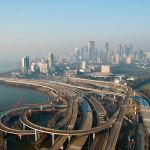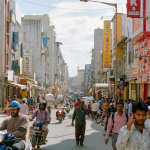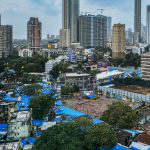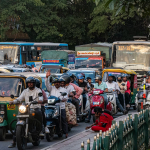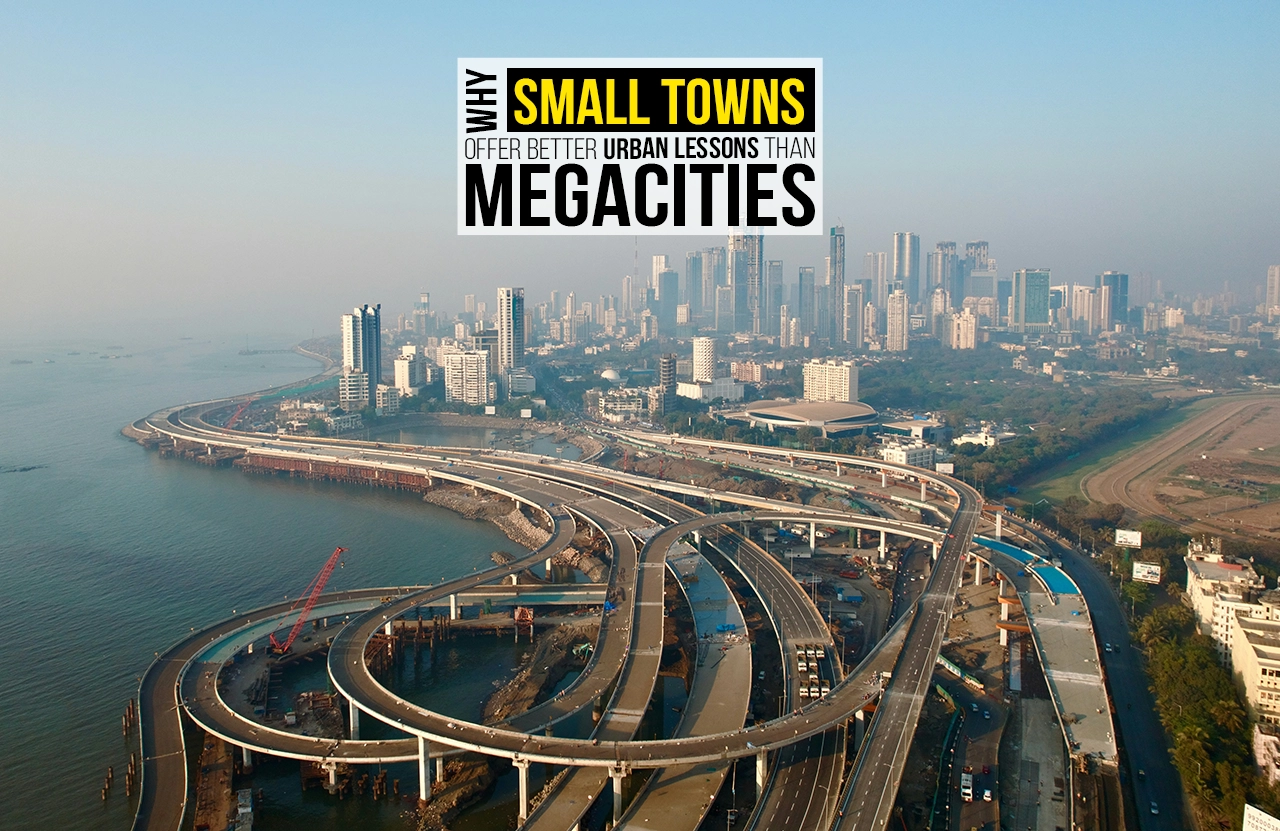
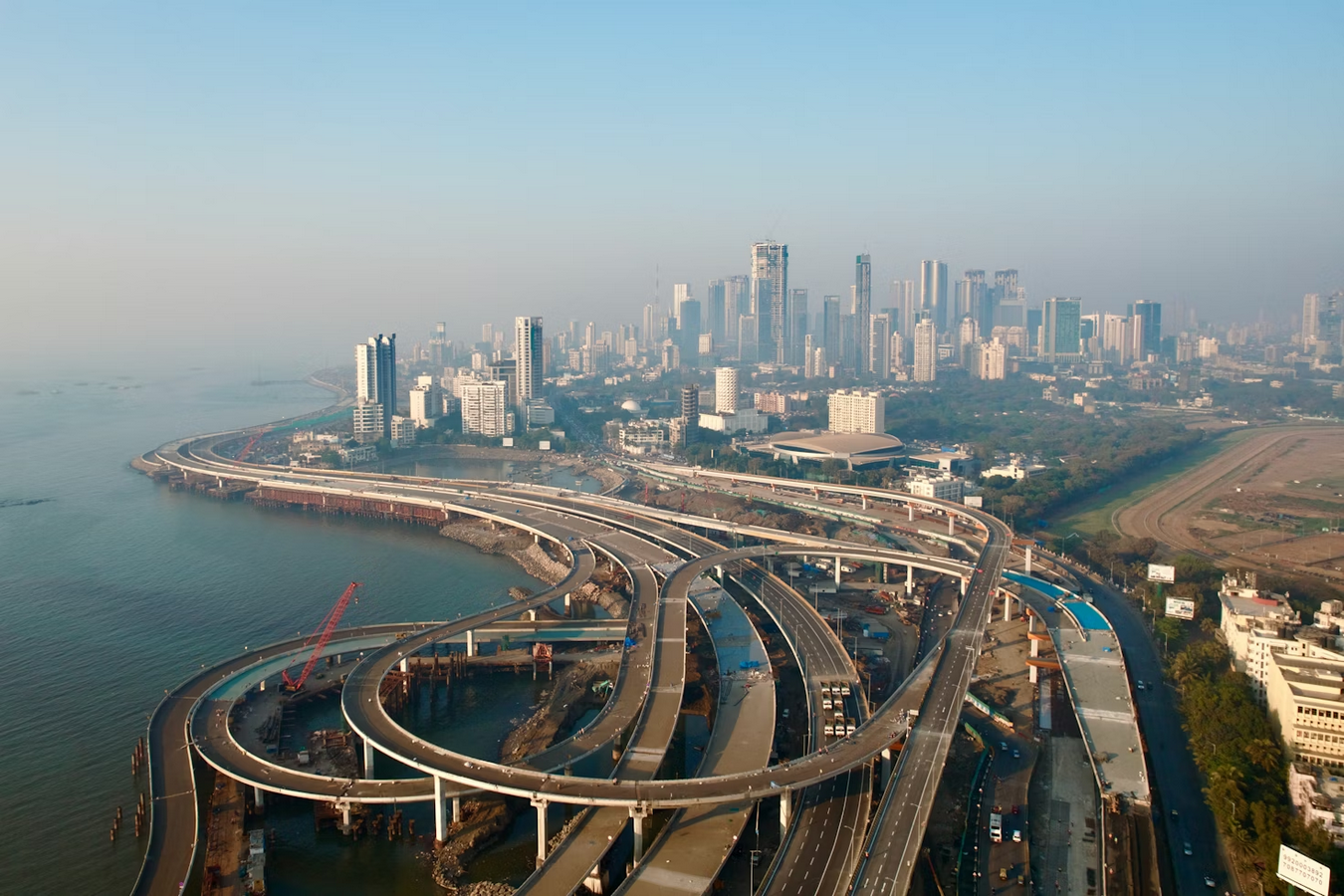
The literal meaning of megacity is a massive metropolitan area with a population of over 10 million people. In 1975, there were only four megacities- New York, Tokyo, Mexico City and São Paolo. Now in 2026, India alone has six megacities- Delhi, the capital city, Mumbai, the financial capital of the country, Kolkata, a significant trading hub, Chennai, known as the Detroit of India, as it’s a major industrial hub, Bengaluru, the Silicon Valley of India, and the latest addition to the list- Hyderabad. These megacities serve as the country’s economic and financial engines and a driver of GDP.
So why are people moving to these cities?
The answer is simple – Urbanisation. The six megacities in India are a testament to the country’s rapid urbanisation. People from rural areas are migrating to these urban centres in search of jobs and financial stability, and a better quality of life. Around 34 per cent of Indians live in cities compared to only 18 per cent recorded back in 1960. Even though these cities are financial engines of the country, they are dragged down by chronic problems, raising the question if small towns offer better urban lessons than megacities. These are some of the instances where megacities fall back, while small towns shine in terms of urban planning.
Slums
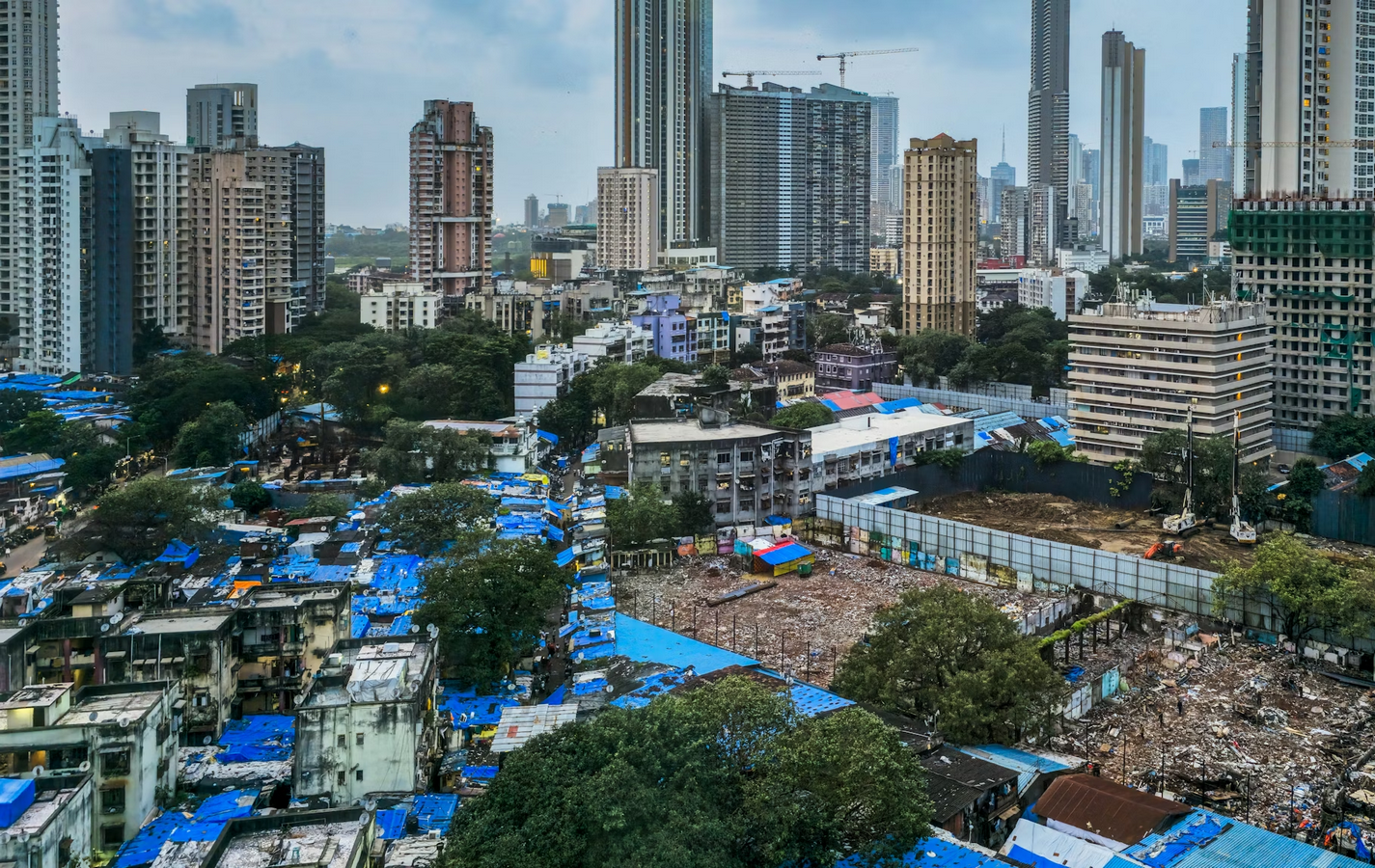
Megacities may have their skies lined with skyscrapers, but there is another side to their glitz and glamour. Hidden behind the luxury apartments and expansive flyovers are the impoverished slums. Due to rapid migration and urbanisation, people who leave their hometowns lack basic housing and are forced to live in informal settlements. Dharavi in Mumbai is one of the largest slums in the country and an example of rapid urbanisation outpacing urban planning. Officially, around 1 million Mumbai residents call Dharavi home. When cities fail to provide affordable housing, people resort to living in slums. On the other hand, small towns grow at a natural pace, where land is allowed to breathe, and houses are affordable.
Transportation
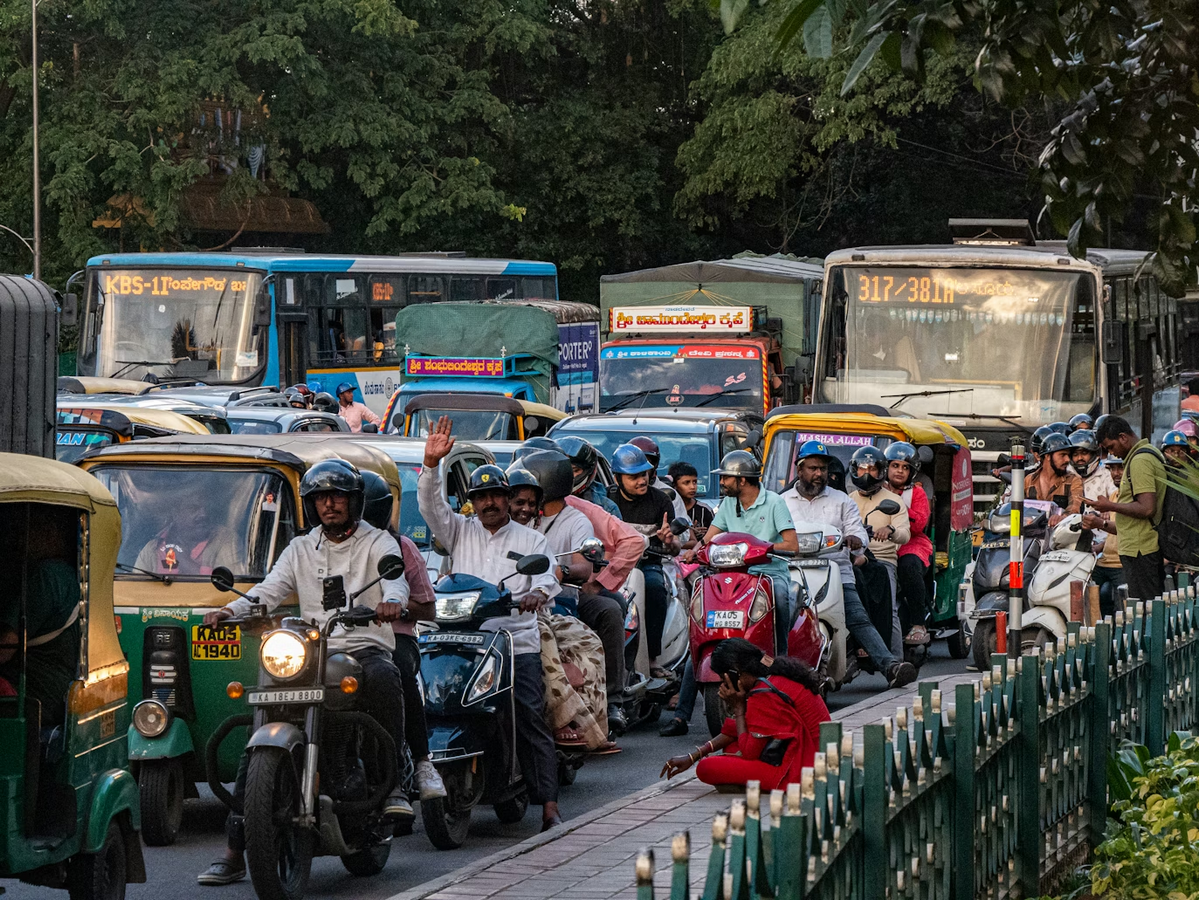
Travelling from one part of the city to the other will test one’s patience and endurance. These cities have roads once designed for a smaller population and are often congested after office hours. For example, Bengaluru, the Silicon Valley of India, is infamous for its congested roads, while Hyderabad’s newly opened metro is jam-packed after office hours, hailing public transport as an obstacle too for everyday commuters. Whereas small towns offer smaller commuting distances, and people rely on walking and cycling.
Pollution
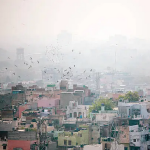
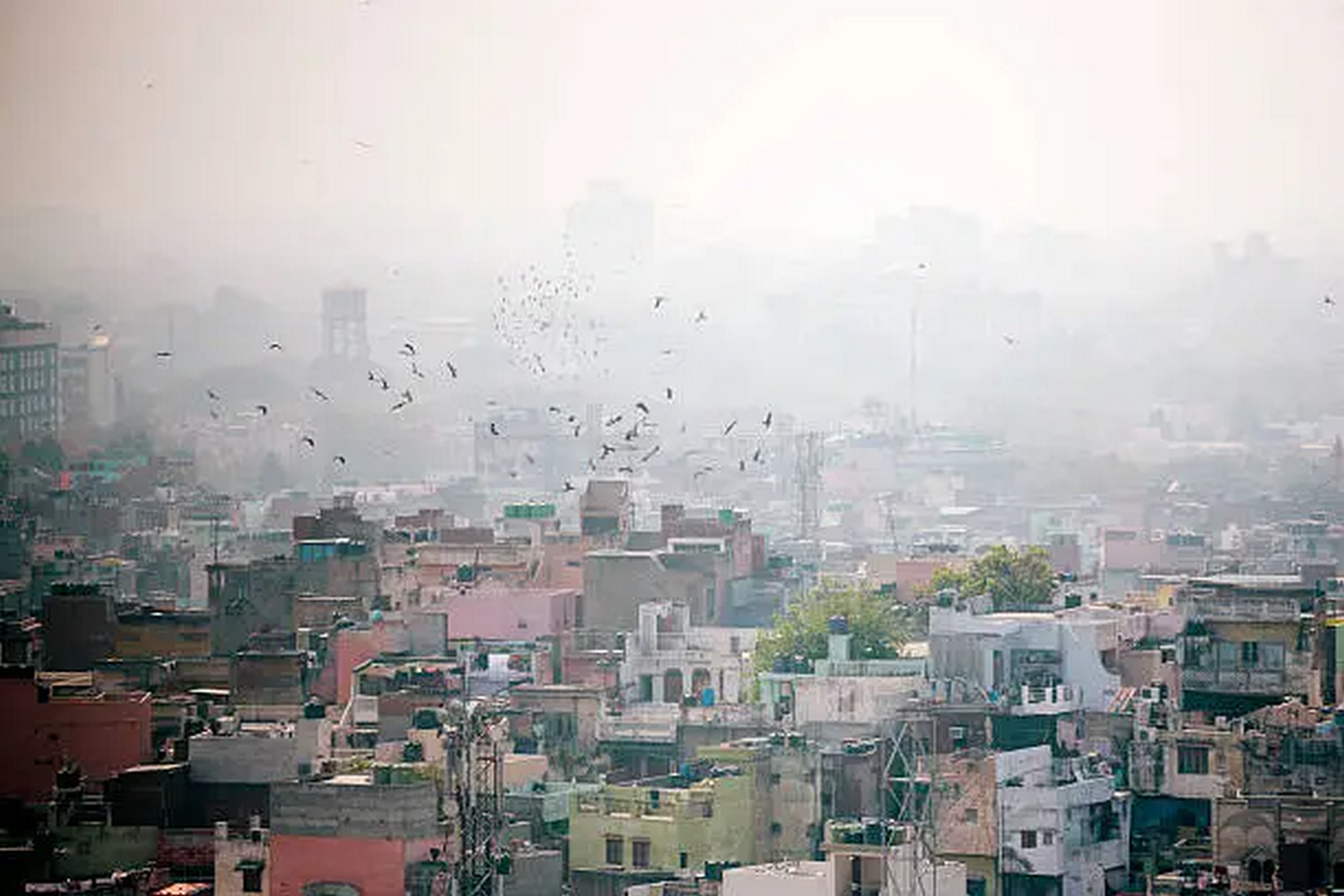
India’s capital city, New Delhi, has a recurring smog crisis. Despite multiple measures from the government, the AQI (Air Quality Index) has been high, which is very hazardous to the health of its residents. The River Yamuna, flowing through Delhi, also suffers because of its poor air conditions. Major factors causing the decline of the air quality are vehicular emissions, industrial activity and construction. Smaller towns and villages, on the other hand, practice vernacular architecture, and the presence of agricultural land also helps clean the air.
Urban Heat Islands
As a city becomes more developed, concrete buildings start to rise, and asphalt roads start to spread. Where once dense vegetation stood, heat-absorbing materials are in place, thus creating the urban heat island effect, where the cities experience higher and hotter temperatures as compared to the surrounding rural areas. The tall buildings trap warm air, and the concrete surfaces absorb heat due to its high thermal mass while not allowing storm runoff to seep through. Whereas in small towns and villages where heavy construction is scarce and farmlands are abundant, the microclimate is maintained, and temperatures do not soar exorbitantly.
Dimished Green Spaces
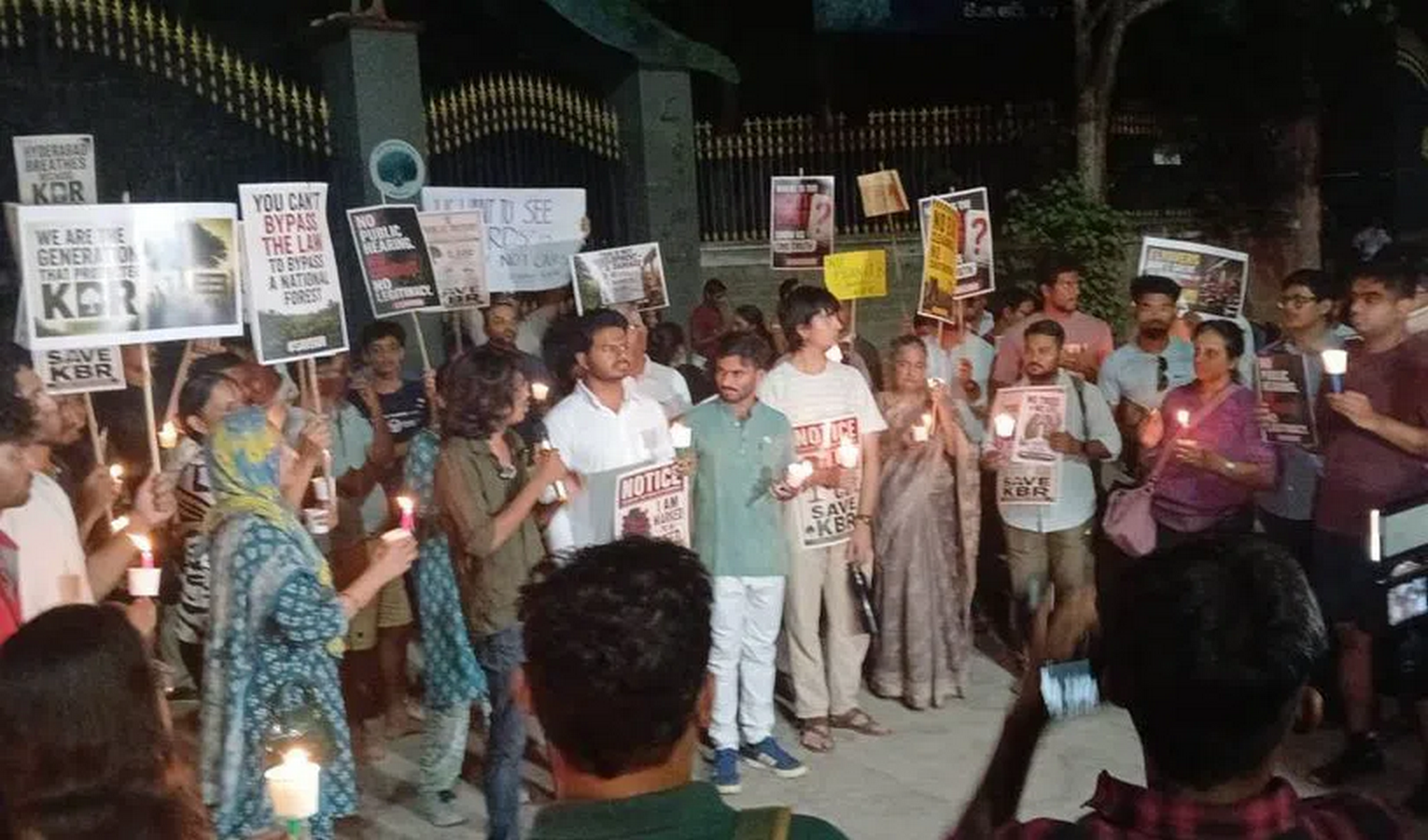
Bengaluru is called the ‘Garden City’ thanks to its tree-lined roads and public parks like Cubbon Park and the Lalbagh Botanical Garden. But the city is slowly losing its green cover due to rapid urban development, making the temperatures hotter and water scarce. Under the H-CITI project in Hyderabad, more than 1500 trees in the KBR Park in Jubilee Hills were proposed for felling. The project involves the construction of several structures, flyovers and underpasses to relieve traffic congestion in the area. Whereas in areas even with difficult terrain like Sikkim, architecture and urban design are integrated into the natural landscape.
Climate
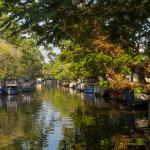
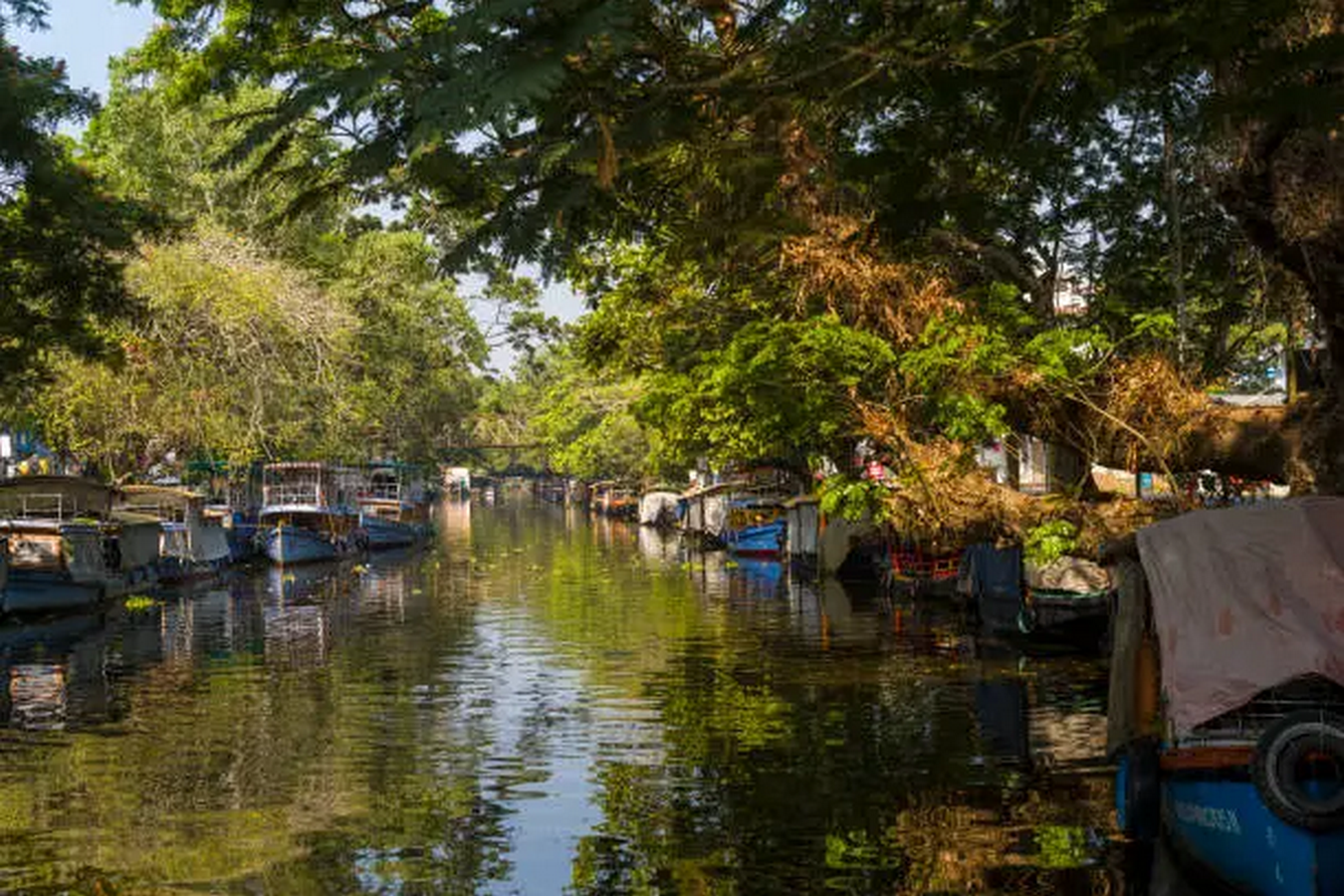
Owing to dense constructions and ignorance of natural systems, many of these megacities are highly prone to flooding, heatwaves and water scarcity. Floods in Chennai, water scarcity in Bengaluru, smog in New Delhi, and the rising temperatures in Hyderabad are just a few consequences of poor urban planning and unchecked expansion. On the other hand, smaller towns and cities like Alleppey and Bhuj have a close relationship with their natural systems and urban scape. Alleppey’s network of canals and Bhuj’s climate-responsive Bhunga houses demonstrate is something megacities can learn from in terms of architecture and urban planning.
References:
https://www.britannica.com/topic/megacity
https://www.internetgeography.net/geotopics/what-is-a-megacity/#google_vignette
https://www.statista.com/topics/11198/megacities-in-india/?srsltid=AfmBOooF6X7cdJvJBzJk5rI
https://www.internetgeography.net/geotopics/what-causes-urbanisation/
M-UG3a2QC8pvyei41lJybfF2dXLs9qNfd#topicOverview
https://www.opml.co.uk/insights/indias-urbanisation-challenge
https://hmconstructions.com/bengaluru-regains-its-glory-as-the-garden-city-of-india/
https://www.deccanchronicle.com/southern-states/telangana/supreme-court-halts-tree-felling-in-kbr-park-eco-sensitive-zone-h-citi-flyover-works-stalled-1957657