Neurodivergence is a term that is often misunderstood. To be neurodivergent, or to experience neurodiversity, means having neurological conditions that differ from the societal standard of normality (Mitchel Wall).
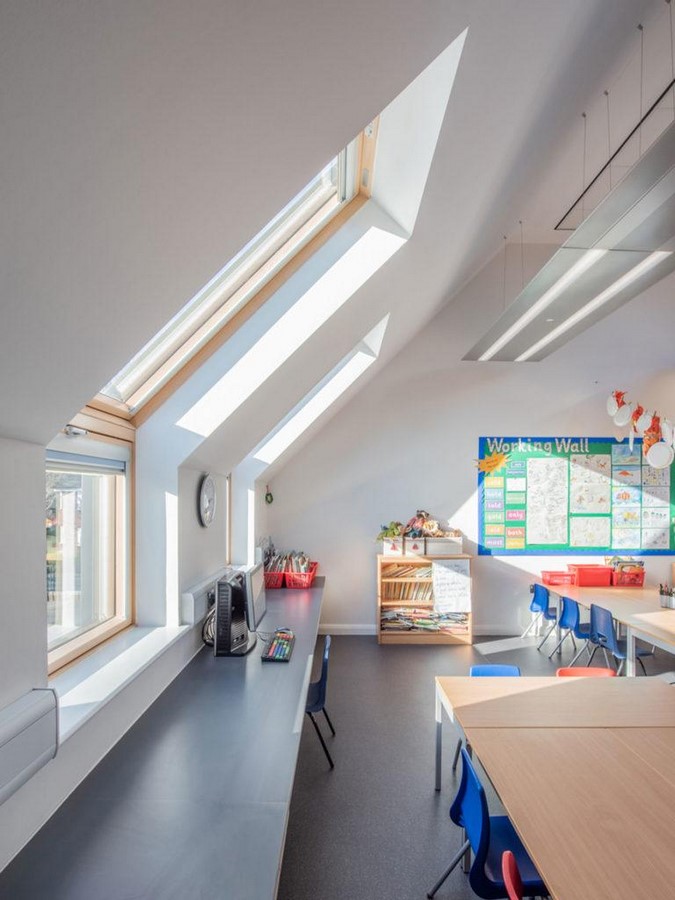
Currently, rising concern for mental health creates an opportunity to redesign spaces that better meet the needs of neurodivergent individuals. Architecture often reflects user needs, but sensorial architecture specifically engages all five senses to support user well-being, productivity, and healing.
Neurodiversity includes conditions like autism spectrum disorder (ASD), attention deficit hyperactivity disorder (ADHD), dyslexia and dyspraxia, to name a few. The global population constitutes about 15-20% of individuals with neurodivergent conditions. Neurodivergence ought to be seen as a “diversity” and not an illness or “disability.” (Wall, 2023)
Elements of Sensory Architecture
Sensory Architecture is a human-centred approach, one that goes a step beyond just catering to accessibility mandates. Rather, it focuses on how a space can be better experienced through the five senses. It sounds too far-fetched when said out loud, or too basic to some. Here are some key elements that sensorial architecture emphasises more than usual.
While the built environment provides a variety of sensory stimulation, each stimulus has a different influence on an individual’s emotional and behavioural responses. Having a controlled approach to environmental stimuli, such as light and sound, can help these individuals process the sensorial aspects of their environment.
Physical Environment Effects
Findings from a study showed that the physical environment plays an important role in users’ well-being, particularly through the use of colours, materials, textures, and more. In an educational environment, interviews revealed that overly striking colours had a distressing effect on users, while earthy tones created a calm environment. Quiet spaces are important to calm down an overwhelmed user. (Rao, Sibin Mathew Nesin and Shynu Rv, 2025)
Visual Comfort
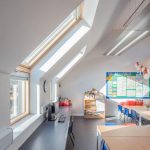
Using natural light as much as possible and adjustable lighting helps improve the user’s concentration. Visual stimuli include lighting, colour, geometry, and natural views. This stimulus takes a more dominant stand regarding sensory input in built environments.
It is essential to incorporate organic forms with soft corner edges and curves. Fluorescent lighting can be extremely distracting and harsh. Thus, using coloured filters or diffusers for lighting will make the environment more pleasant. The presence of storage spaces will help declutter the spaces for its users. (Healy, 2020)
Acoustics
Each neurodivergent individual has unique ways of processing stimuli, and designing spaces that encompass all their needs is quite challenging, but not impossible. Consider an educational or workplace setting where the constant movement of people in the user’s line of sight, or the regular discussions and chatter around the user, can be overstimulating to some or act as white noise. Using sound-absorbing materials, thoughtful window placement, etc., can manipulate the sound travelling through the space. The prime categories of auditory stimuli are social activity, traffic noise, natural sounds, and mechanical equipment.
For example, for autistic users, “the buzzing of an artificial light or hum of an air conditioner, which otherwise is ignored by the atypical crowd, can be distracting to them. A well-planned layout can include spaces that produce the same noise when placed adjacent to one another, sound-absorbing materials, and visual wayfinding tools such as graphics and signage. (Healy, 2020)
Sense of Touch
Sensorial architecture can address the sense of touch through withdrawal spaces in case of a breakdown, wider corridors, or crafted corners designed to provide comfort. Increasing the use of natural materials and reducing textured surfaces to just floors, walls, and furniture can enhance the natural feel of the spaces. Garden spaces, therapy and hydrotherapy rooms for those individuals who are hypersensitive to touch can help stimulate individuals.
Brief Example of an Educational Setting for Neurodiverse Individuals
Built form name: Westmark Lower School
Designers: NBBJ Architecture Studio
Location: Encino, Southern California.
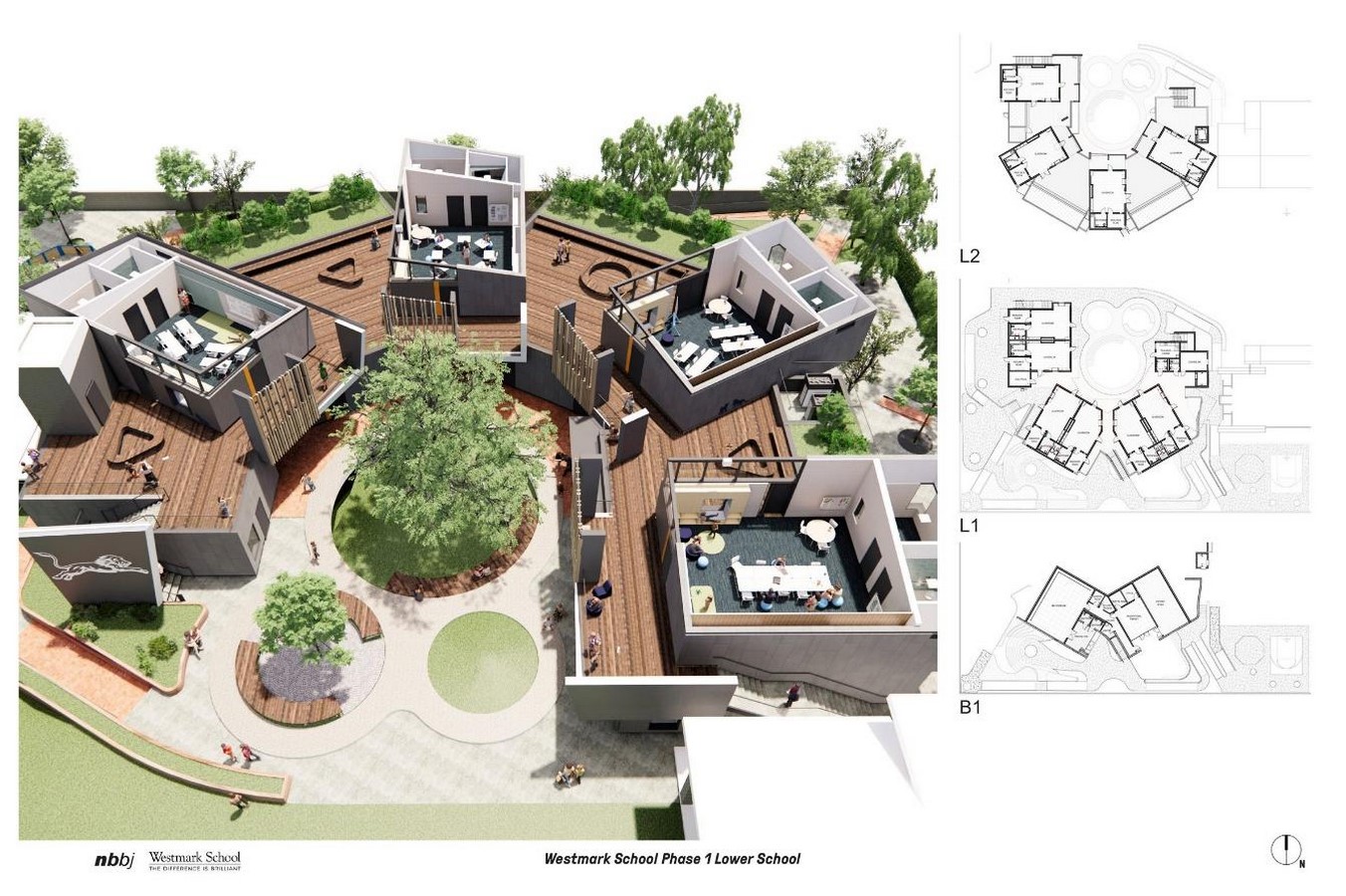
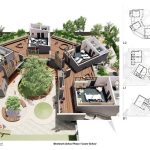
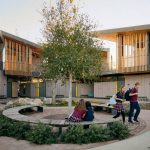
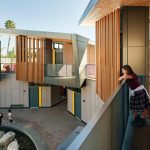
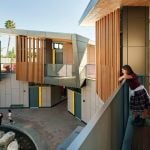
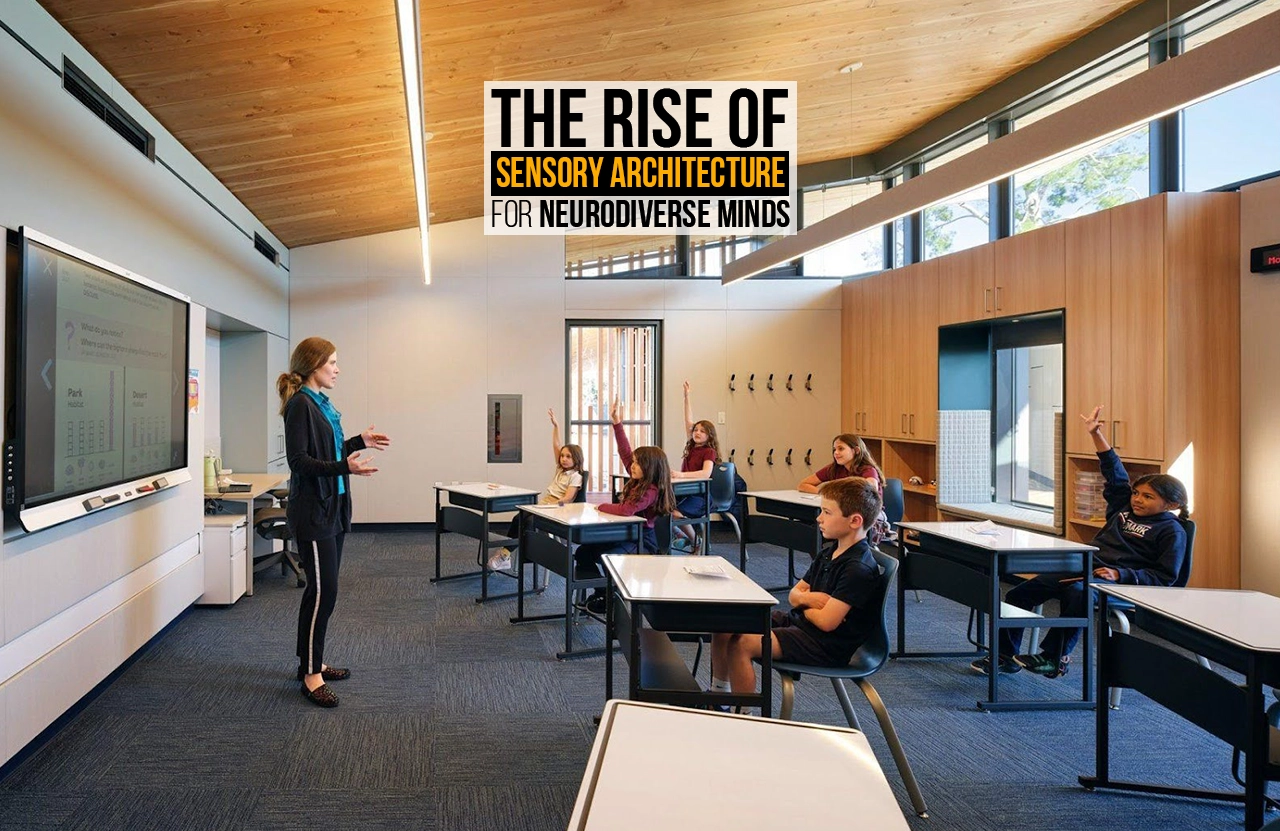
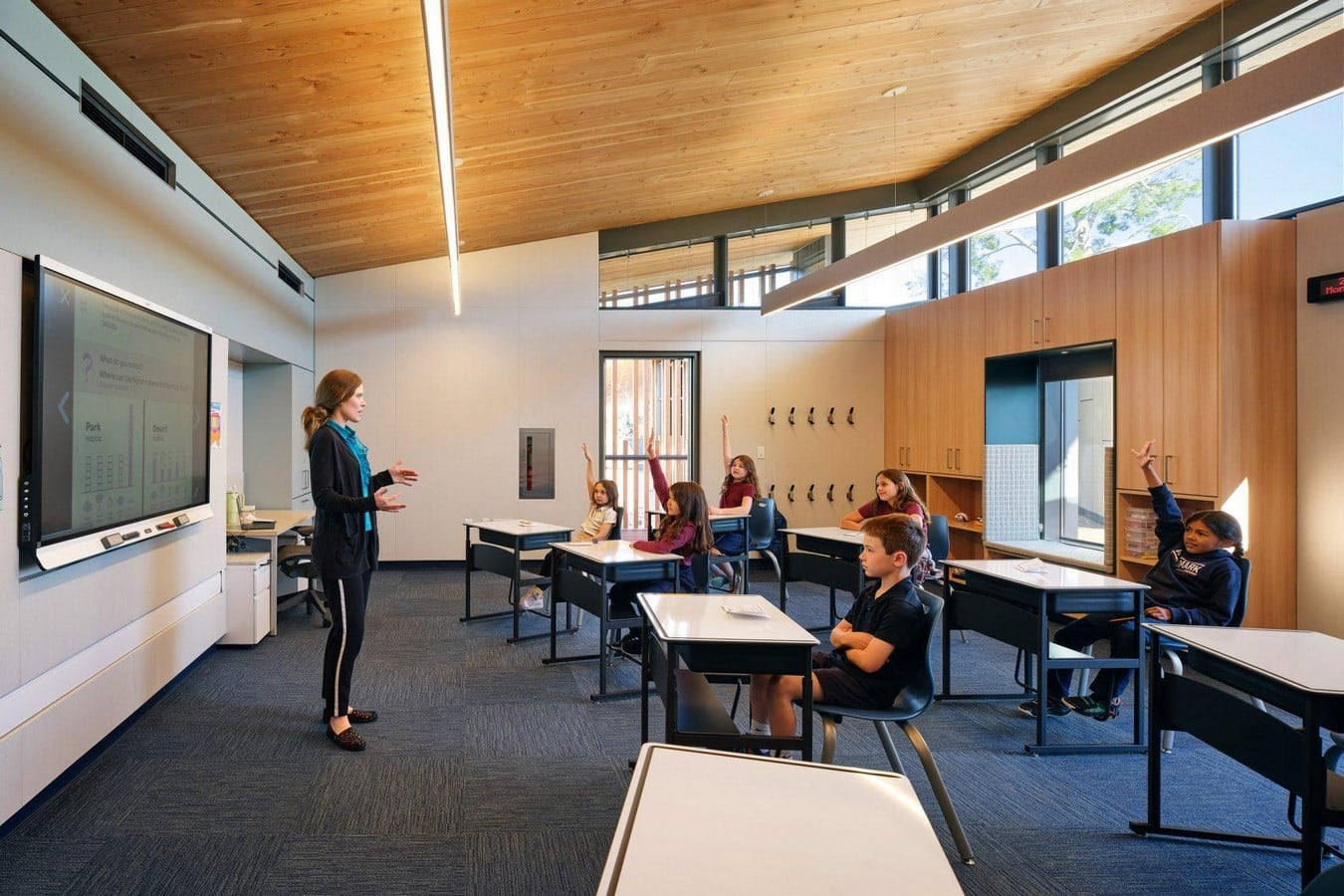
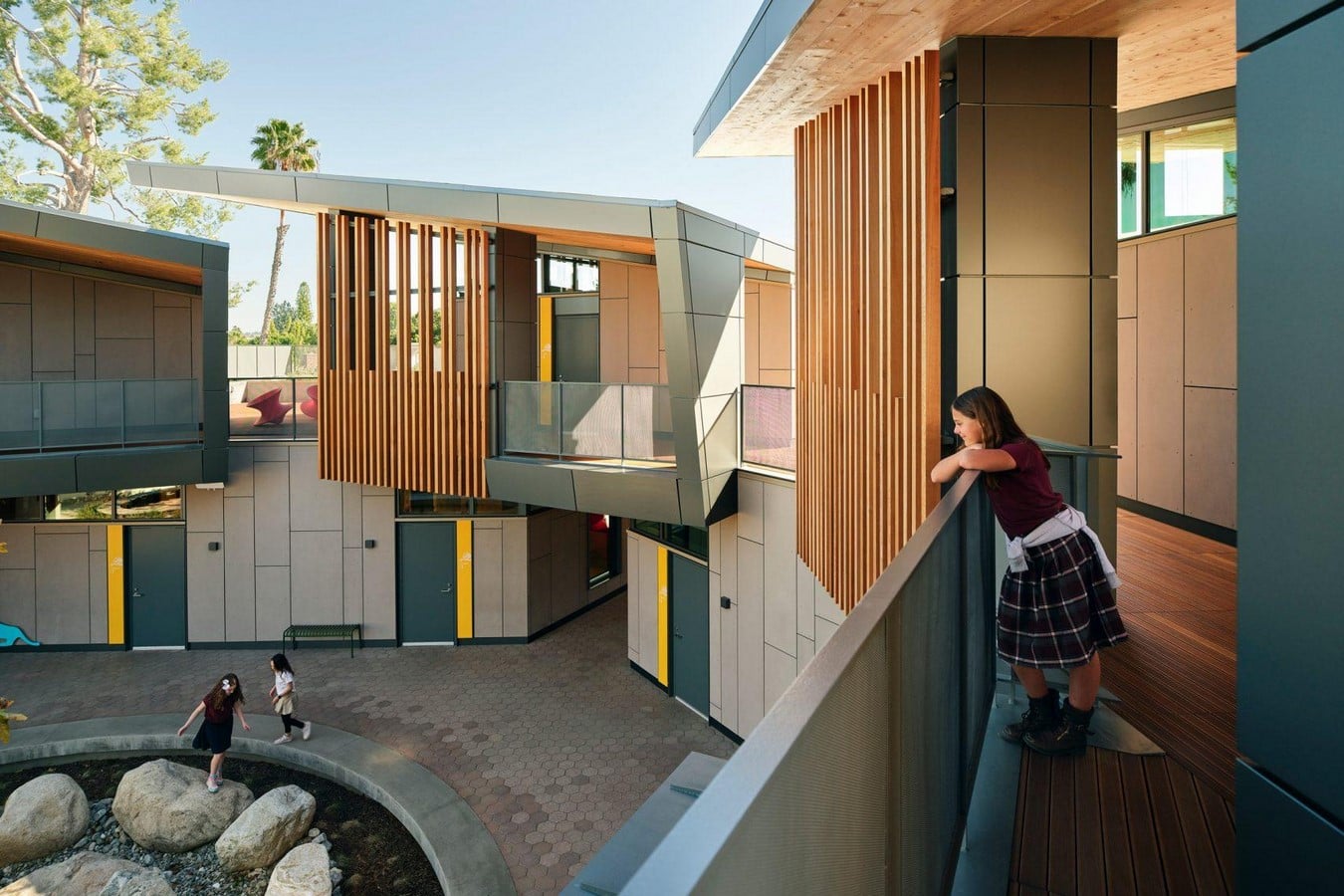
Designed especially for children with learning differences, this institute puts natural elements to good use. Intending to serve as an example for how best design can support neurodivergent children. At a glance, the institute’s plan is shaped like a U, with two levels above ground and a basement. The central courtyard space features a circular arrangement of seating and gardens. (McKnight, 2024)
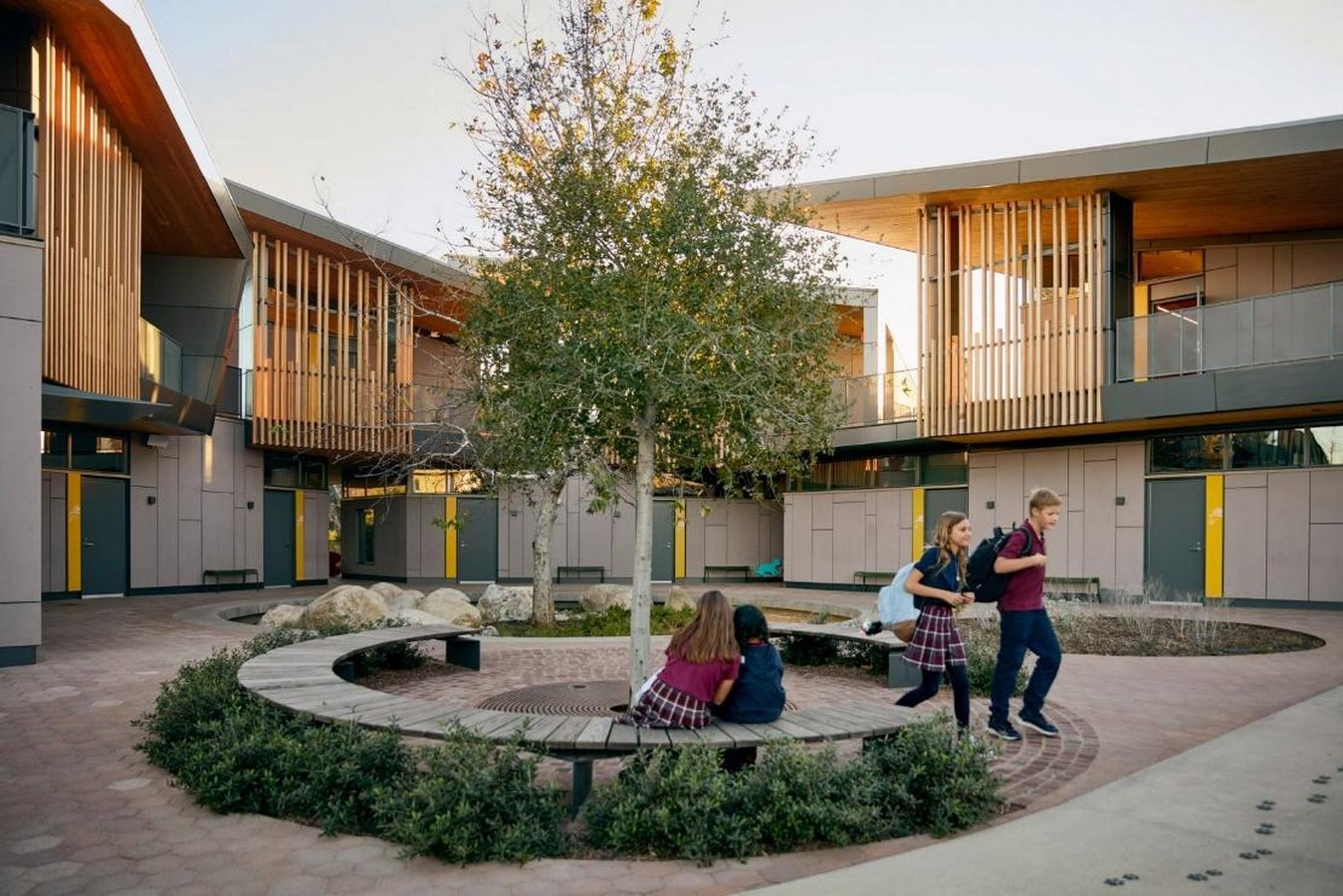
What distinguishes the institute’s design is its use of staggered volumes and deep roof overhangs. The former minimises sound transfer between classrooms, while the latter allows soft, natural light to dance in while providing shade, making it suited for visually impaired individuals. (McKnight, 2024)
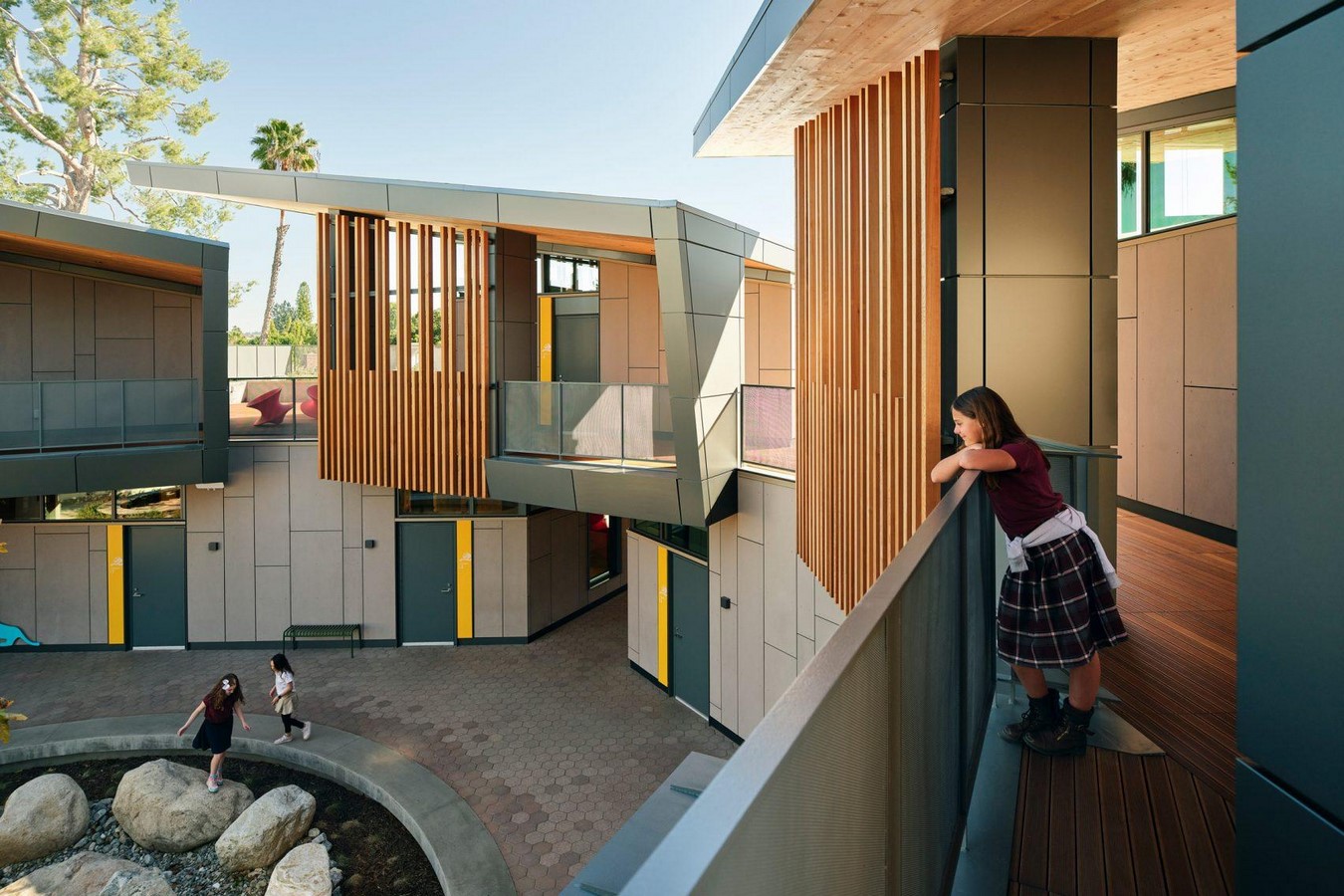
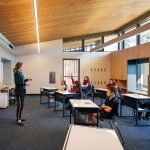
Ceilings in the learning spaces are made of cross-laminated timber, enhancing the visual warmth of the spaces. Outdoor classrooms on the upper levels ensure the constant connection with nature, thereby placing nature at the centre of the sensorial learning experience. When it comes to lighting and colour, the institute uses muted tones and dimmable lights to encourage focus.
According to Harvey Blume, “Neurodiversity may be every bit as crucial for the human race as biodiversity for life in general. Who can say what form of wiring will prove best at any given moment?” (Armstrong, 2015)
Thus, it is equally important to address inclusion in the spaces one designs, especially through sensory architecture. Simultaneously, it matters to be open to change or to have flexibility in designing these spaces, as what few users might find distracting, others might find strengthening. Diversity is what this is about.
Moving with the understanding that minds work differently enables thoughtful design that offers ample opportunities for flexibility and variety. This will ensure the creation of inclusive environments that consider all types of individuals.
Online sources
Citations for websites:
Armstrong, T. (2015). The Myth of the Normal Brain: Embracing Neurodiversity. AMA Journal of Ethics, [online] 17(4), pp.348–352. doi:https://doi.org/10.1001/journalofethics.2015.17.4.msoc1-1504..
Digital (2024). Interior design and architecture for neurodivergence. [online] Connections By Finsa. Available at: https://www.connectionsbyfinsa.com/interior-design-architecture-neurodivergence/?lang=en [Accessed 19 Mar. 2026].
Dobstaff, M. (2024). Creating Inclusive Spaces by Designing for Neurodiversity. [online] Gensler. Available at: https://www.gensler.com/blog/creating-inclusive-spaces-by-designing-for-neurodiversity.
Healy, L. (2020). Sensory Spaces: An Architect’s Guide to Designing for Children With Autism. [online] Journal. Available at: https://architizer.com/blog/inspiration/stories/sensory-design/.
Kothari, A.P. (2025). The Healing Power of Sensory Architecture: From Theory to Practice. [online] Medium. Available at: https://medium.com/@Architects_Blog/the-healing-power-of-sensory-architecture-from-theory-to-practice-c576f2ef06ad [Accessed 19 Mar. 2026].
McKnight, J. (2024). NBBJ completes nature-infused California school for neurodiverse students. [online] Dezeen. Available at: https://www.dezeen.com/2024/08/02/nbbj-school-california-neurodiverse-students/.
Rao, A.N., Sibin Mathew Nesin and Shynu Rv (2025). Understanding Spatial Experiences and Approaches to Design of the Built-environments through Text. [online] 02(1), pp.43–53. Available at: https://www.researchgate.net/publication/389735258_Understanding_Spatial_Experiences_and_Approaches_to_Design_of_the_Built-environments_through_Text.
Wall, T. (2023). Designing Inclusively: Accommodating Neurodivergent Minds. [online] Mitchell Wall St. Louis Architecture & Design |. Available at: https://mitchellwall.com/designing-inclusively-accommodating-neurodivergent-minds/.
Wang, Z., Herman, S.S., Mansor, N. and Yan, S. (2026). Sensory stimuli in the built environment for autistic people: A scoping review. Building and Environment, 292(114271), p.114271. doi:https://doi.org/10.1016/j.buildenv.2026.114271.
Images/visual mediums
Citations for images/photographs – Print or Online:
Healy, L. (2020). Sensory Spaces: An Architect’s Guide to Designing for Children With Autism. [online] Journal. Available at: https://architizer.com/blog/inspiration/stories/sensory-design/.
McKnight, J. (2024). NBBJ completes a nature-infused California school for neurodiverse students. [online] Dezeen. Available at: https://www.dezeen.com/2024/08/02/nbbj-school-california-neurodiverse-students/.