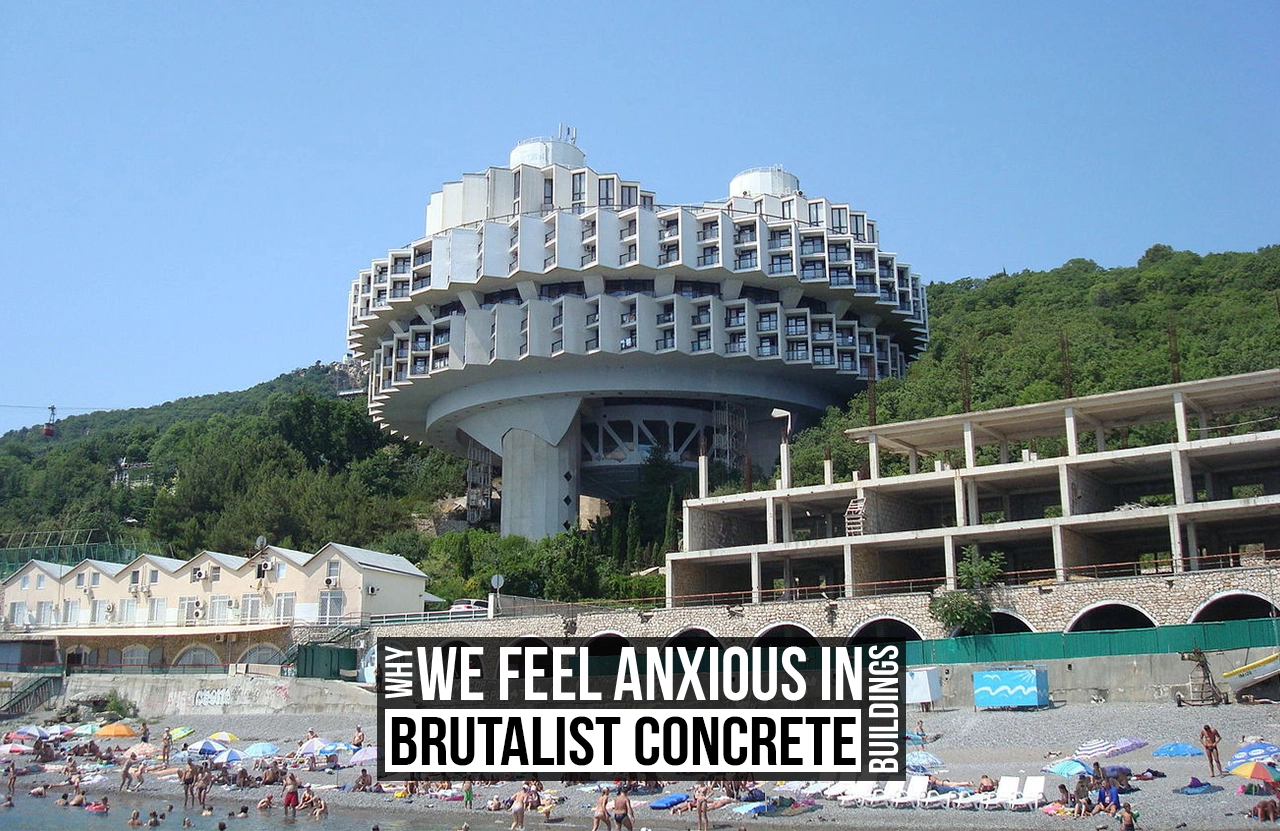
Brutalist architecture, one of the most fascinating and controversial styles, a movement that emerged in the mid- 20th century which is characterised by use of raw concrete, massive forms and a significant emphasis on structural honesty. While many architects celebrate brutalism for its bold and functional clarity , many users experience discomfort or anxiety in such environments. This reaction is not purely subjective, it is deeply rooted in environmental psychology and human-centered design principles. This interaction between the built form and human perception plays a crucial role in shaping emotional and mental well-being. This article explores the reasons why brutalist architecture can evoke anxiety by analyzing scales such as scale, materiality, lighting, spatial configuration, and socio-cultural associations.
Monumentality and Human Scale
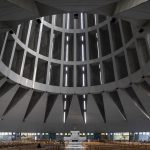
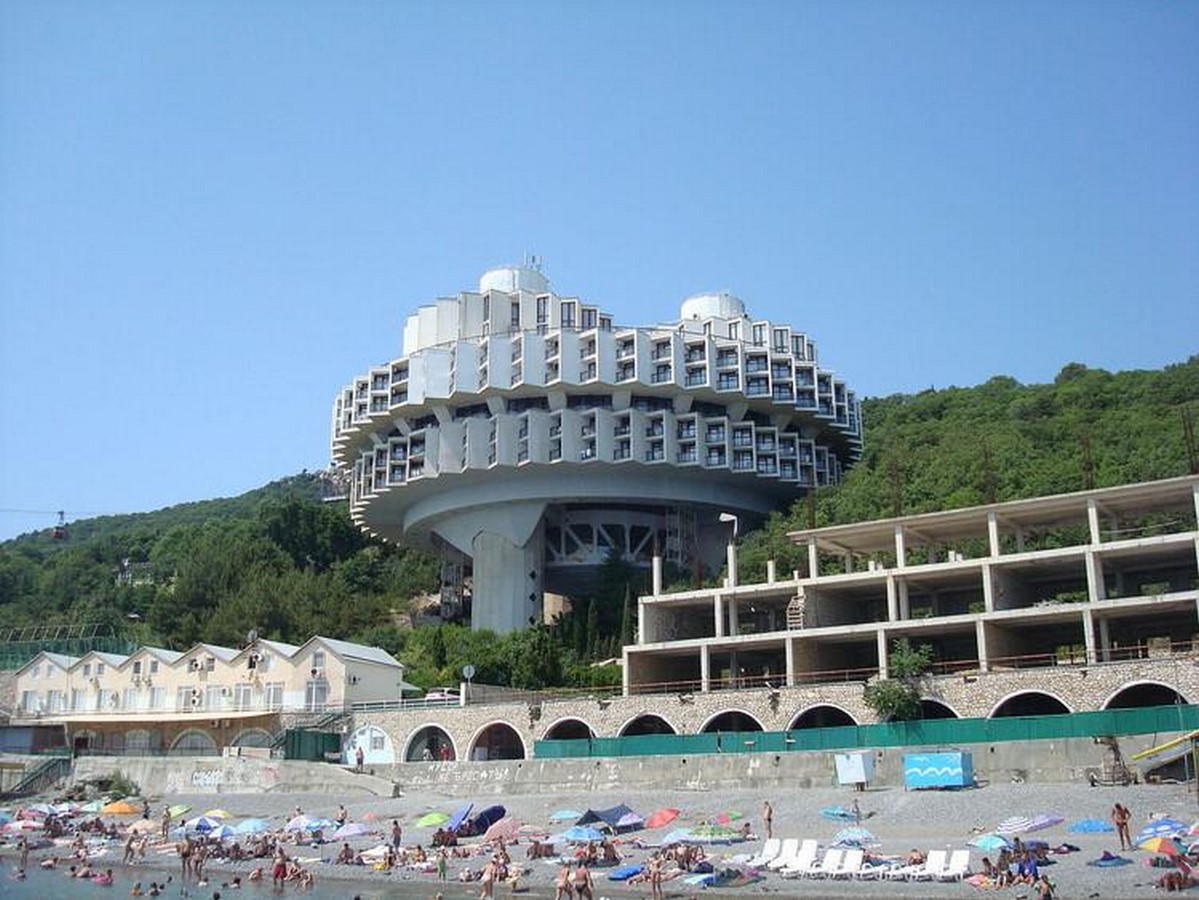
One of the primary reasons brutalist architecture can feel overwhelming is its monumental scale. Many buildings of this type are built with large , imposing masses that generally dominate the surroundings. According to environmental psychology, humans feel most comfortable in spaces that relate proportionally to their own body scale. When buildings exceed their scale it can induce a sense of vulnerability.
Also, the lack of transitional elements , such as articulated facades, human-sized openings or gradual spatial progression intensifies this feeling. Research by Gehl (2010) highlighted the human-scaled design fosters comfort and social interaction , whereas oversized spaces can discourage engagement and create psychological distance.
Materiality and Sensory Perception
Material choice plays a major role in shaping the feel of a space.Brutalist architecture prominently features exposed concrete, a material often perceived as cold, hard, and uninviting. Unlike natural materials such as wood or stone, which have tactile warmth and organic variation, concrete lacks sensory richness.
Studies in neuroscience suggest that humans have a preference for natural textures and patterns , a concept linked to biophilia by Kellert & Wilson, 1993. Environments devoid of such elements generally tend to feel less emotionally content. Adding to this, the gray colour tone generally associated with the brutalist architecture can contribute to visual monotony and leads to decreased mood and increased mental fatigue.
Geometry, Repetition, and Cognitive Load
Brutalist architecture often relies on repetitive grids , modular and rigid forms. These elements significantly reflect efficiency and order but lack emotion and create a sense of monotony. The human brain naturally seeks patterns but also craves variation and focal points.
Excessive repetition without visual relief can create mental fatigue , cognitive load, making it harder for individuals to process their surroundings comfortably. In Brutalist buildings, endless repetition of windows or structural modules can feel mechanical and disorienting rather than stimulating. It can feel pleasing at first but quickly induces a sense of anxiety after a while.
Lighting and Spatial Atmosphere
In Any space, lighting plays a major role in influencing emotional perception.
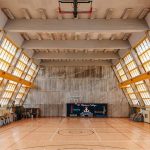
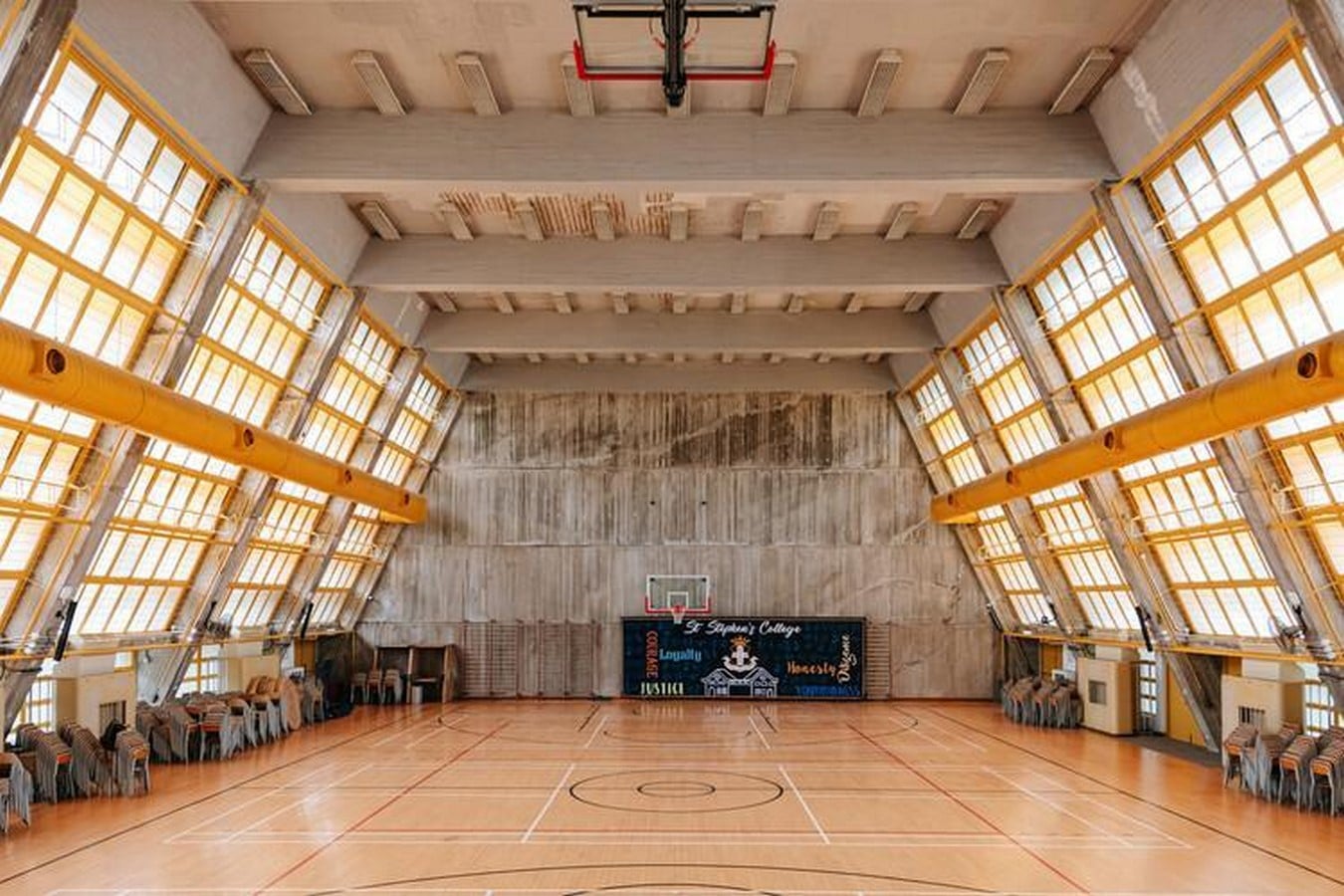
Many Brutalist buildings feature deep-set windows, heavy overhangs, and thick walls that limit natural light penetration. This results in dim interiors with strong contrasts between light and shadow.
Studies in lighting design and psychology indicate that low lighting levels can negatively impact mood and increase stress or anxiety. It is said that bright ,evenly distributed light tends to enhance well-being and productivity. In brutalist architecture there is a strong interplay of heavy materials and restricted light often creates an atmosphere that feels enclosed or somber.
Acoustic and Spatial Experience
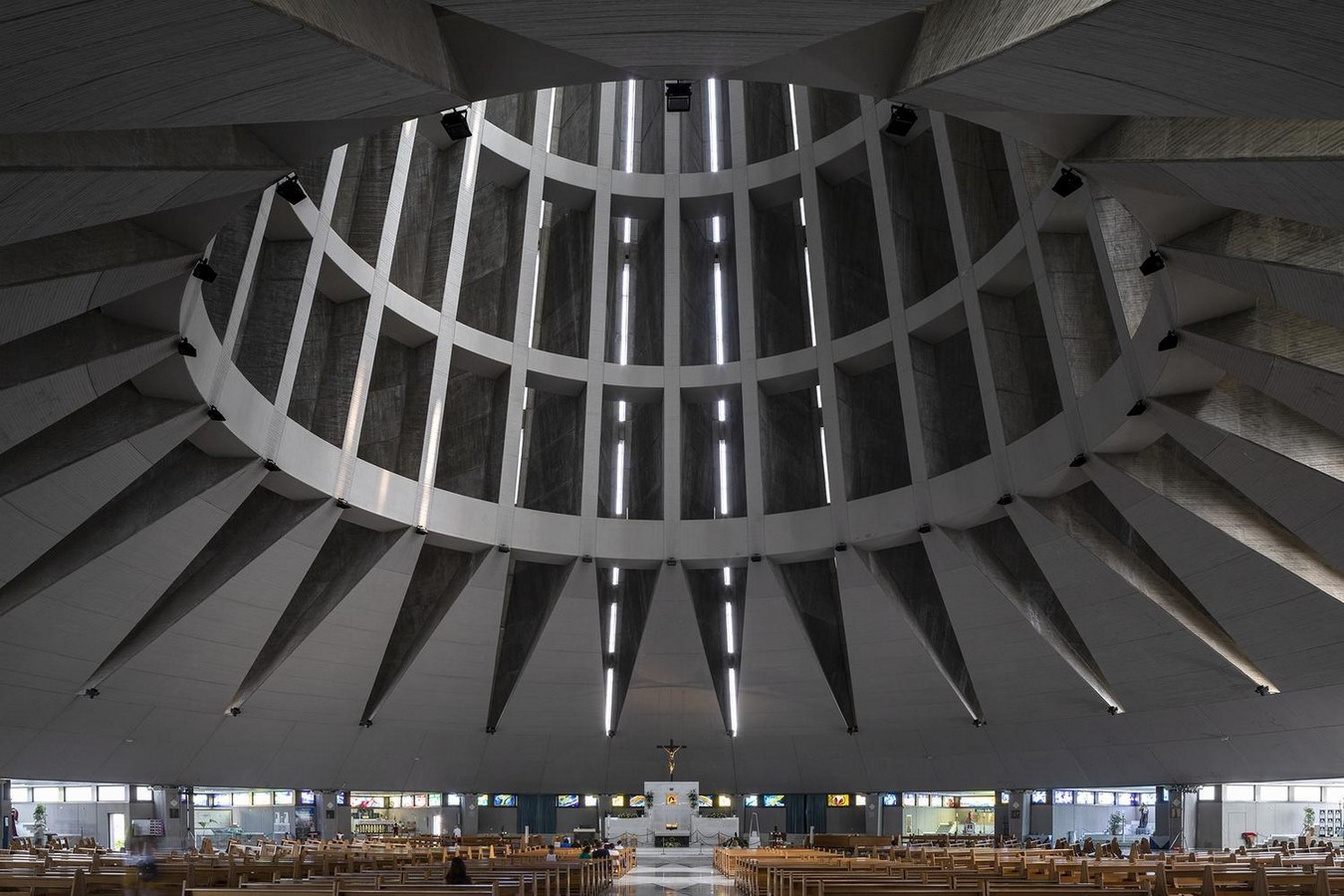
Concrete being a dense and reflective material, significantly impacts acoustics. Sound tends to reverberate within these spaces, leading to echoes and increased noise levels. This auditory discomfort can heighten stress, particularly in large, heightened spaces.
Furthermore, Brutalist architectural spaces often lack soft furnishings or partitions that could absorb sound and create intimacy. The combination of vast open areas and hard surfaces can make individuals feel exposed and uneasy. When auditory comfort is neglected, it impacts the overall spatial experience.
Socio-Cultural Associations
Beyond physical attributes to a space, Brutalist architecture carries strong cultural connotations. Many of these buildings were built for government institutions, social housing and public infrastructure during the post- war period. Over time, some of these structures became associated with neglect, crime, or bureaucratic authority.
These strongly shape perception through people’s lived experiences and cultural memory, even though the building is well designed ,negative cultural narratives can shape how it is experienced. Research by Nasar (1994) highlights that perception of urban environments is influenced not only by its form but also by social context and memory.
In recent times, modern architecture is rapidly moving towards human-centred design the use of natural light, greenery, and tactile materials. In contrast, Brutalist architecture often prioritizes structural expression and efficiency over user comfort. However this does not mean that brutalism is flawed. When adapted thoughtfully by integrating biophilic elements, improving lighting, and breaking down scale, Brutalist spaces can become more welcoming.
These elements interact with human psychology to shape emotional responses to space. While Brutalism represents an important architectural movement, its challenges highlight the necessity of designing with human experience in mind. By understanding these factors, architects can create environments that are not only visually compelling but also emotionally supportive.
REFERENCES:
- Gehl, J. (2010). Cities for People. Island Press.
- Kellert, S. R., & Wilson, E. O. (1993). The Biophilia Hypothesis. Island Press.
- Nasar, J. L. (1994). Urban Design Aesthetics: The Evaluative Qualities of Building Exteriors. Environment and Behavior.