For much of architectural history, buildings were judged by their shape, texture, proportions, and their connection to the surrounding area. When sustainability was mentioned, it referred to the technical aspects of design that were hidden from view. Solar panels, water recycling technologies, and better insulation were seen as useful but not part of the architecture itself.
However, times are changing.
With the challenges of climate change, an ageing building stock, and other environmental pressures, sustainable retrofits have become a key trend in modern architecture. Existing structures can be updated, and new designs are built less frequently. Beyond solving energy and environmental issues, these retrofits significantly impact the visual language of architecture.
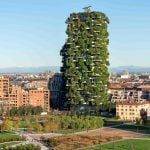
Photovoltaic installations alter rooflines, while green roofs introduce vegetation in unexpected places. Features like living walls, shading devices, and renewable energy sources become integral to design. Sustainability is no longer hidden behind architecture; it emerges within it.
This shift raises interesting questions. How does the visibility of environmental awareness influence the aesthetics of buildings? How does sustainable retrofitting affect architectural beauty?
The Architecture That Already Exists
In debates about sustainable architecture, there is always a reference to new buildings that possess advanced technology and strategies for environmental protection. However, a large part of the environmental issue is found elsewhere.
Cities around the world contain many existing buildings that were built long before today’s sustainability standards were established. Offices, schools, residential blocks, factories, and public facilities still use a high amount of energy and contribute heavily to urban carbon emissions. Demolishing those buildings is rarely practical, cost-effective, or environmentally sound.
That is why sustainable retrofitting has become crucial in today’s society.
Rather than starting from scratch, retrofitting leverages what already exists. It recognises the environmental value in existing buildings and aims to improve their performance through specific changes. In many ways, retrofitting signals a change in architectural thinking: from replacing to adapting. There is something thoughtful about this approach. Instead of seeing older buildings as outdated, it views them as valuable resources that can evolve with changing environmental needs.
From Invisible Technology to Visible Sustainability
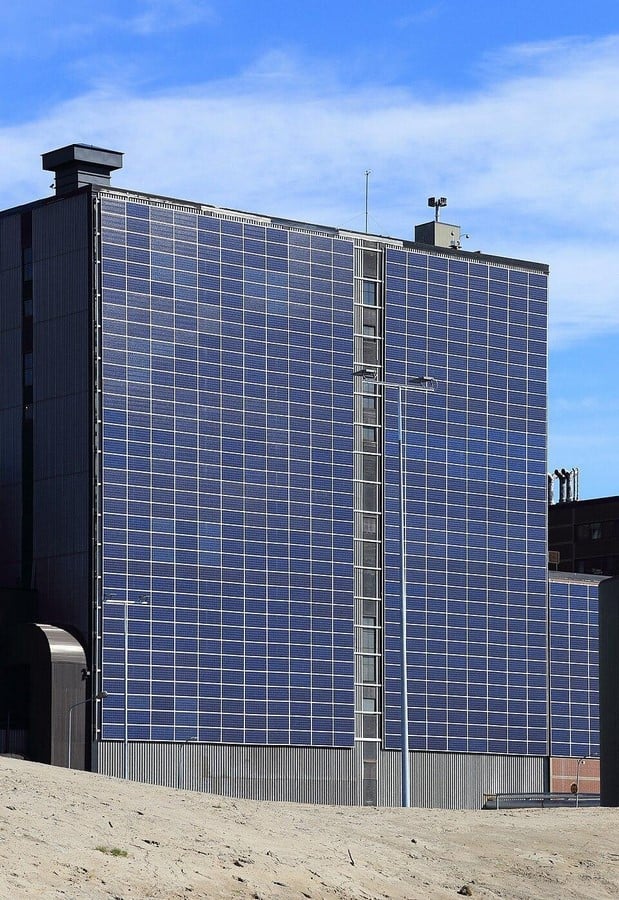
For several years, the main focus of sustainable technologies was their invisibility. Mechanisms concealed in service cores, insulation was placed inside walls, and environmentally friendly solutions were perceived only as technical innovations, not worth any architectural or design attention.
This approach might well apply to the use of solar panels.
Photovoltaics were criticised due to the lack of visual harmony in the buildings’ composition. Panels looked like foreign objects on the roofs, mostly because emphasis lay on practicality at the cost of design. As a result, there appeared to be a conflict between aesthetics and sustainability.
Modern architectural approaches are actively questioning such an opposition.
Currently, sustainable technologies can be built right into building surfaces. In other words, roofs gain the ability to generate power, and facades are made with photovoltaic materials. Instead of being hidden, they start participating in the making of an architectural project.
The focus moves from concealment of technologies towards their implementation in architecture.
Such a transition is caused by the new stage in the development of our society. Sustainable solutions become an inseparable part of architecture.
Solar Panels and the New Roofscape
Roofs used to have a simpler purpose back then. They served to protect a building from the elements while simultaneously creating the overall look and feel through form and materials.
Nowadays, roofs are expected to do so much more.
All around the world, roofs are being transformed into productive spaces by generating power, harvesting rainwater, supporting plant life, and generally improving their environmental performance. Through sustainable modifications, the roof is turned from an inert object into an active part of the building’s functionality.
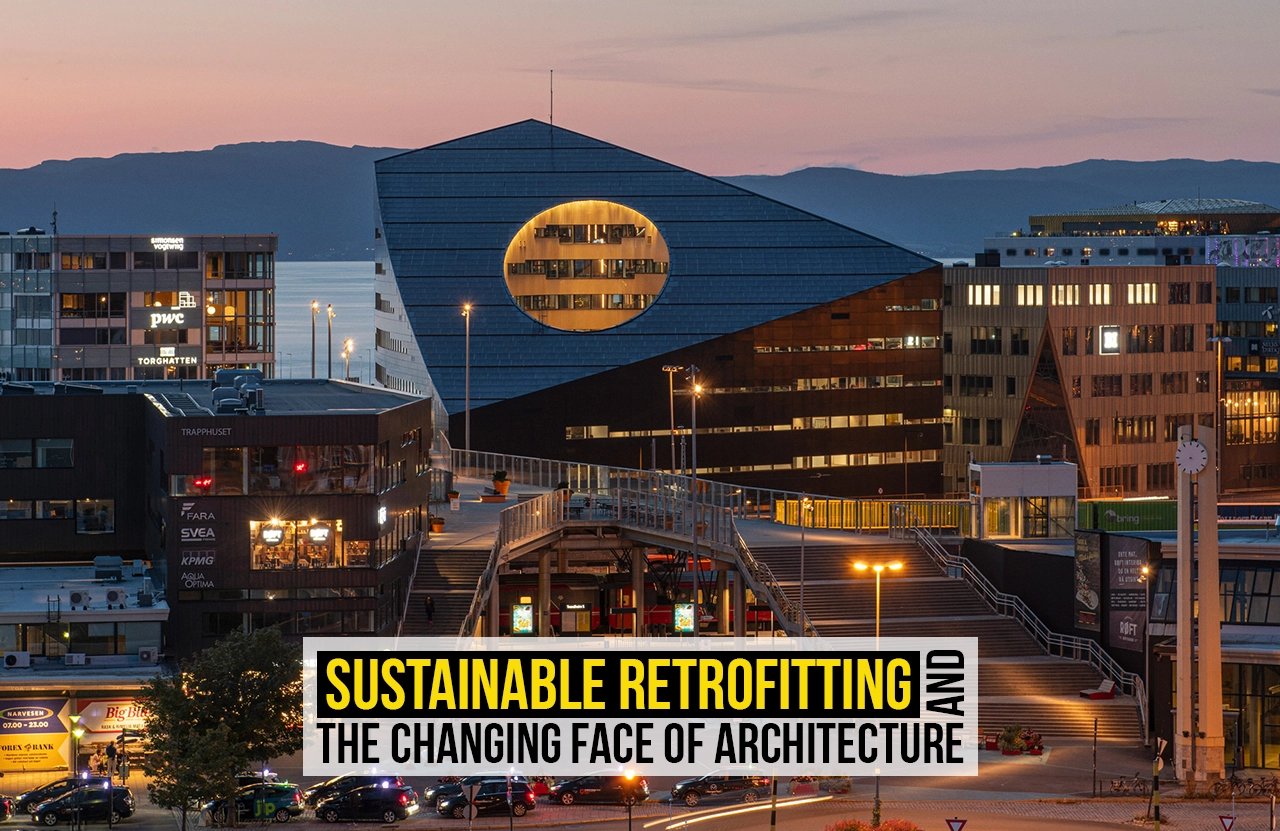
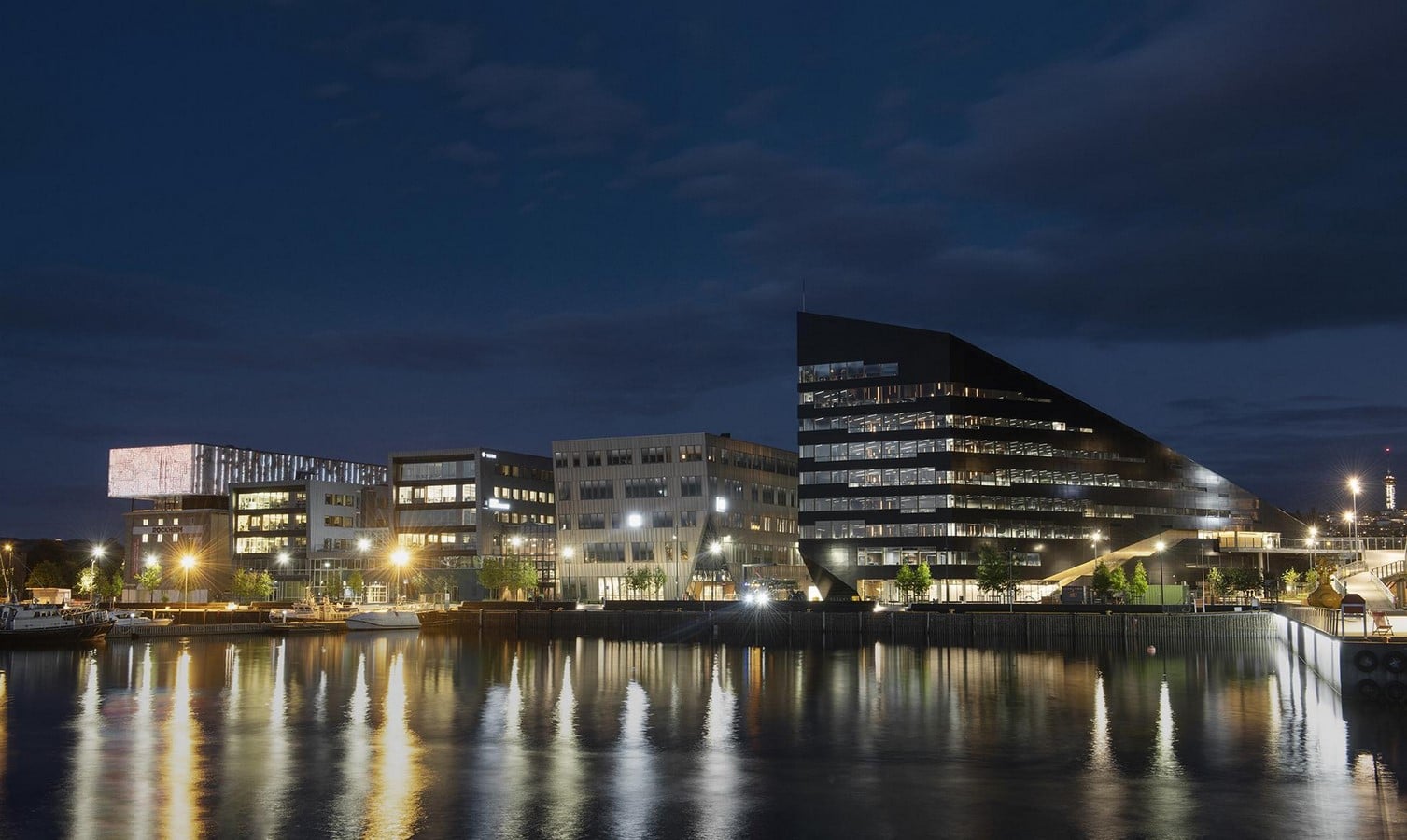
Buildings like Powerhouse Brattørkaia in Trondheim, Norway, prove the point. Created to be more productive than it consumes over its entire lifecycle, this building uses large photovoltaic roofs that indeed contribute to the building’s overall aesthetics.
In today’s world, the presence of solar technology no longer seems intrusive but rather conveys environmental consciousness and innovative use of resources.
Thus, the roof turns into infrastructure and architecture at once.
Green Roofs and the Return of Living Surfaces
Whereas solar panels revolutionise the concept of roof technology, green roofs revolutionise it ecologically.
Among other elements, perhaps one of the most visually striking elements of sustainable retrofitting of roofs includes the presence of vegetation on previously impervious city surfaces. The green roofs transform areas without any use into areas of plant growth, reduce storm runoff, improve insulation capacity, and mitigate the urban heat effect.
But their importance is much greater.
Unlike many other approaches to sustainability, vegetation adds an aesthetic element. The roofs change over time in different seasons. Colours change seasonally. Plants develop, blossom, and wither. Now buildings start actively participating in natural processes and no longer stand separately from them.
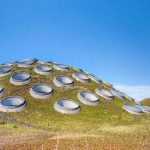
A famous example is the California Academy of Sciences in San Francisco, where the undulating roof transforms the building’s appearance, making it blend seamlessly into nature.
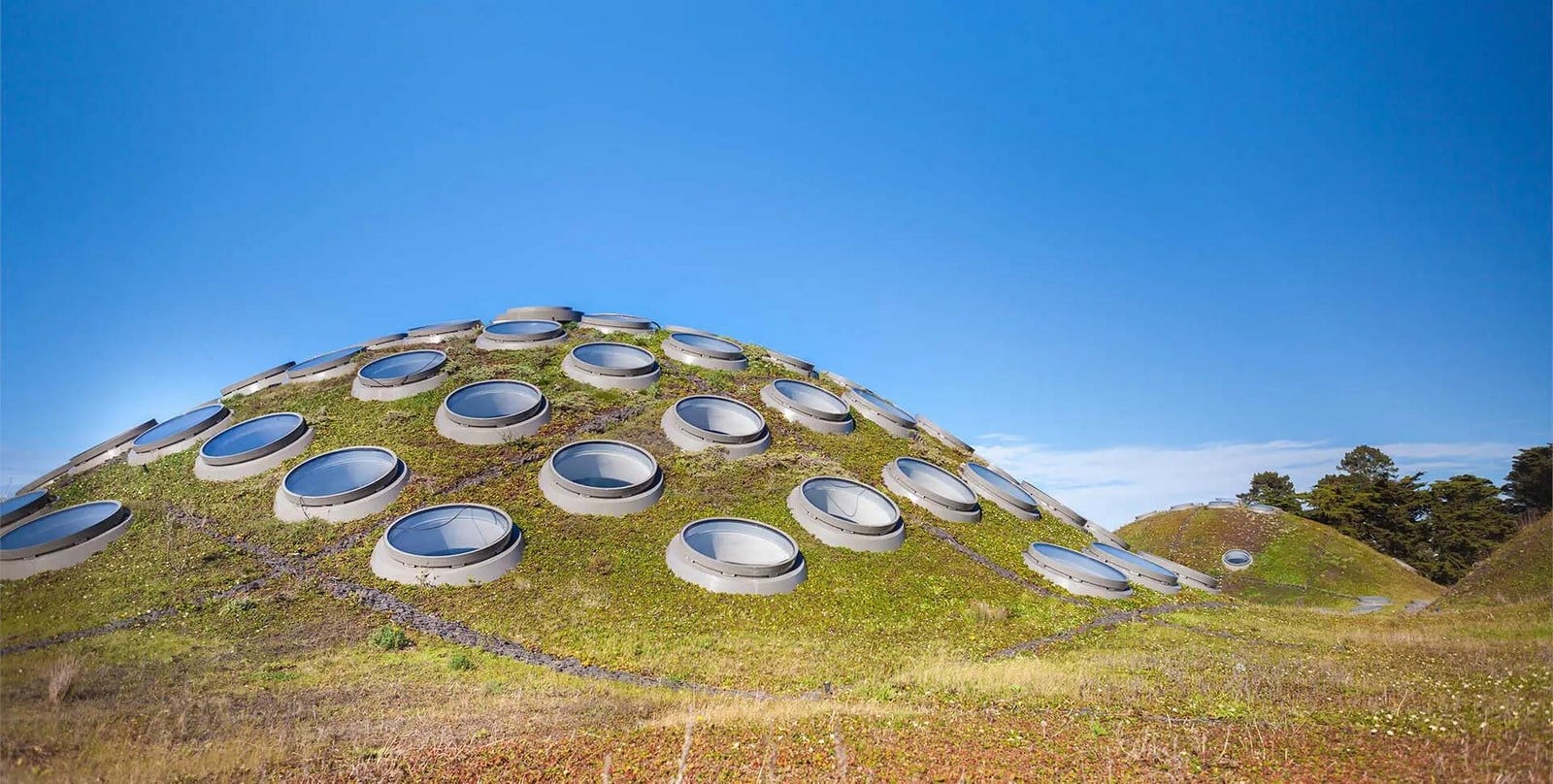
It is especially impressive in terms of how it reconnects urban areas with processes that usually do not occur there anymore. It adds softness to the hard landscape of the city, reminding us that buildings can coexist harmoniously with nature rather than oppose it.
The green roof makes the roof able to host life rather than contain it.
Retrofitting Heritage Without Losing Identity
Sustainability and aesthetics become entangled in even more intricate relationships when it comes to heritage buildings.
Historic buildings have been designed before the establishment of current sustainability criteria, so they require improvement from time to time, which poses an interesting dilemma in the context of sustainability versus aesthetics.
Specifically, is it possible for heritage buildings to become sustainable while preserving all the unique features?
Unfortunately, there cannot be a general approach to this problem. Solar panels could be installed inconspicuously on auxiliary roofs in some instances, whereas in other cases, only inner modifications will enhance the thermal characteristics, leaving the exterior appearance intact. There should be no preconceived notions in this respect.
The point here is that sustainability in relation to heritage building retrofitting turns out to be a cultural, as opposed to strictly technical, practice. Indeed, the decision about sustainability and aesthetics in this case becomes related not only to the quality of the resulting structure but also to the issues of identity and legacy.
It means that neither preservation in the strictest sense of the word nor a full-scale renovation is appropriate. Instead, sustainability can be achieved via adaptive reuse of heritage buildings.
Towards a New Aesthetic Language
One of the most profound impacts of sustainable retrofitting would be the challenge it presents to the pre-existing notions of architectural beauty.
In previous eras, aesthetic worth would frequently relate to the presence of ornamentation, symmetries, craftsmanship, and lavish use of materials. Though this has not changed, modern-day environmental sensitivities have begun to shift how architecture is valued.
Instead of valuing the aesthetics alone, buildings are also being considered based on their intelligence. Solar panels, vegetation roofs, solar shading, and environmental water management strategies are becoming increasingly relevant to society today.
An environmental aesthetic remains underdeveloped. However, the language implies that performance should not be considered a quality independent of beauty.
It is not that a green roof is beautiful in spite of its environmental benefits; rather, it is the environmentality of the roof that makes it beautiful.
Likewise, solar panels can be designed to contribute meaningfully to the architecture aesthetically in addition to the technical functionality they provide.
The appearance of architecture is shifting to accommodate its new environmental consciousness.
Sustainable Retrofitting as Cultural Change
Ultimately, sustainable retrofitting is more than just a decrease in energy consumption and achieving environmental goals.
In fact, it symbolises a paradigm shift regarding the perception of buildings. In other words, unlike in the past when the function of buildings was associated with being static structures that remained as they were designed, sustainability in architecture emphasises the adaptability of buildings.
The point is especially relevant in today’s unpredictable environment. One cannot expect that already existing structures should remain unchanged as changes in the environment keep taking place, and there will always be a need for adaptation.
What is important here is that sustainable building does not have to contradict architectural excellence.
On the contrary, some of the best retrofit projects managed to prove that sustainability in architecture makes buildings better.
The discussion on sustainable retrofitting has tended to focus on such metrics as energy efficiency, carbon emissions reduction, and performance against environmental standards. Such outcomes will always remain very important, but the story goes beyond those aspects.
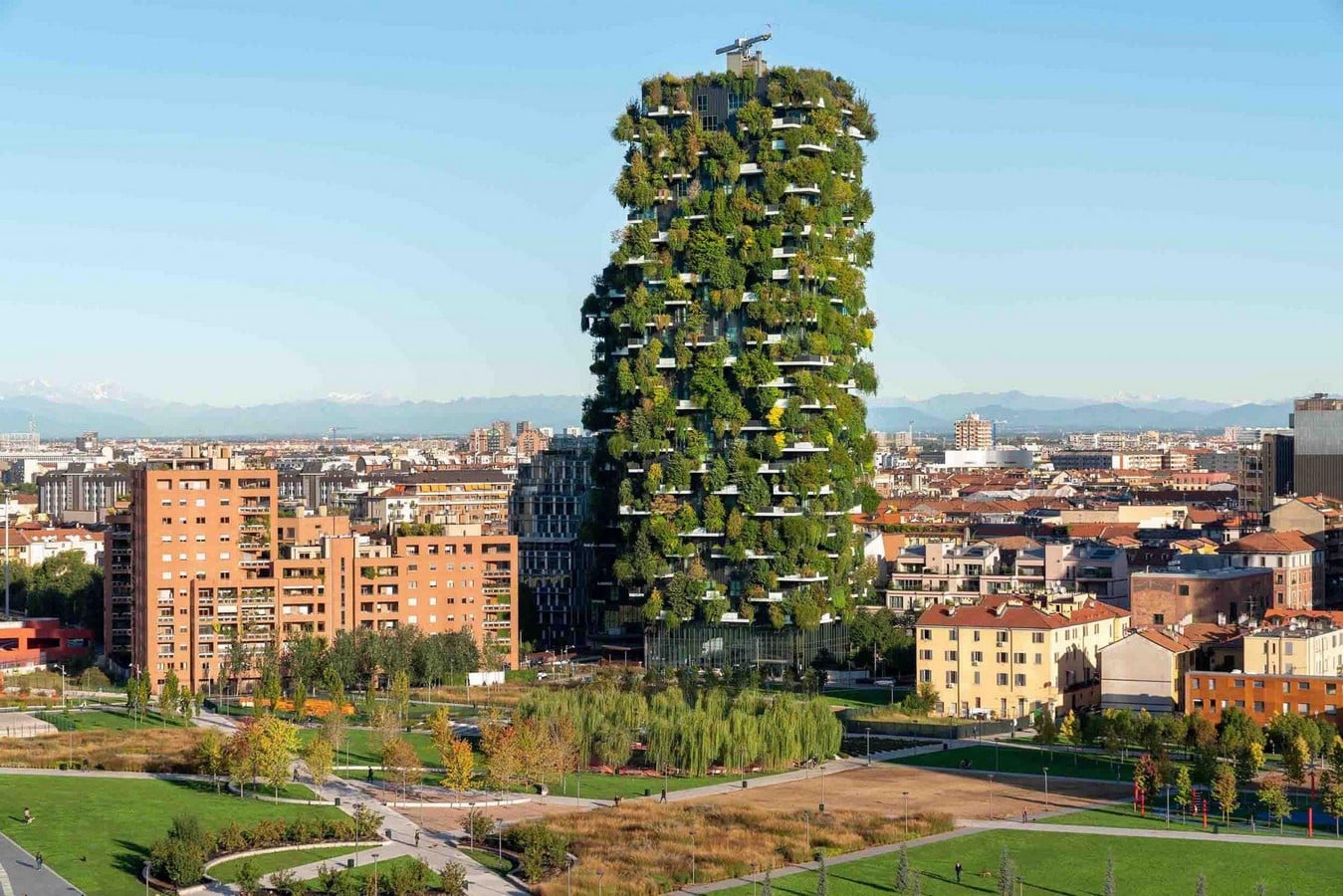
Solar panels, green roofs, and other forms of sustainable retrofitting are becoming more and more influential for shaping architecture’s visual and cultural image. These interventions impact the ways buildings and cities appear and how sustainability is becoming a part of our lives.
No longer seen as add-ons to architecture, the sustainable technologies are being acknowledged as components of architecture that play a role in the communication process that architecture undertakes. No longer something hidden inside the walls, sustainable retrofitting becomes a part of architecture’s image and message to convey to the audience.
This may be considered one of the most important changes. Not only does sustainable retrofitting become a solution for existing buildings, but it also starts defining the appearance of architecture’s future aesthetics.
References:
Douglas, J. (2006) Building Adaptation. 2nd edn. Oxford: Butterworth-Heinemann.
Brooker, G. and Stone, S. (2004) Rereadings: Interior Architecture and the Design Principles of Remodelling Existing Buildings. London: RIBA Publishing.
Cantell, S.F. (2005) The Adaptive Reuse of Historic Industrial Buildings: Regulation Barriers, Best Practices and Case Studies. Virginia Polytechnic Institute and State University.
Gehl, J. (2010) Cities for People. Washington, DC: Island Press.
Dunnett, N. and Kingsbury, N. (2004) Planting Green Roofs and Living Walls. Portland: Timber Press.
Powerhouse (n.d.) Powerhouse Brattørkaia. Available at: https://www.powerhouse.no/prosjekter/powerhouse-brattorkaia/ (Accessed: 10 June 2026).
California Academy of Sciences (n.d.) Living Roof. Available at: https://www.calacademy.org/exhibits/living-roof (Accessed: 10 June 2026).
Historic England (2023) Energy Efficiency and Historic Buildings. Available at: https://historicengland.org.uk (Accessed: 10 June 2026).