A Small Crack and a Big Realisation
To tell you the truth, the memory of the earth breaking at my grandmother’s house ranks among my earliest memories, even more than the house itself. The splitting of the ground happened after her first heavy rain of the season and I remember I even put my finger in the fissure as if to feel the earth that had moved, as if the house was a living organism and was breathing with the monsoon.
That crack now tells me a lot more: places are not things that stay still; they interact, age, and respond. The idea of growing architecture depends solely on that one simple fact – life structures have to be with the earth, not against it.
Everyday Adaptability: Streets That Shift With Time
Urban growth is not simply about green walls or the incorporation of futuristic self-healing materials. It comes from perception. What would you see in the street of any neighborhood in an Indian town?
During the hottest hours of the day the street is very deserted – the sun’s harsh rays are directly hitting the unpainted walls, the windows and doors are closed, and only a handful of people are going into houses or shops.
However, if you are there at night, that very same place is again different. The light gets weaker, shopkeepers take out chairs, children draw lines on the ground with chalk, and those temporary things – curtains, cloth shades, and plastic canopies – make the street a cooler and slower place again. The already-built environment is changing itself depending on the time and people. This daily adaptability is one of the elements of growing architecture.
Community as the Architect: Lessons from Auroville
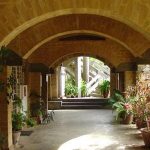
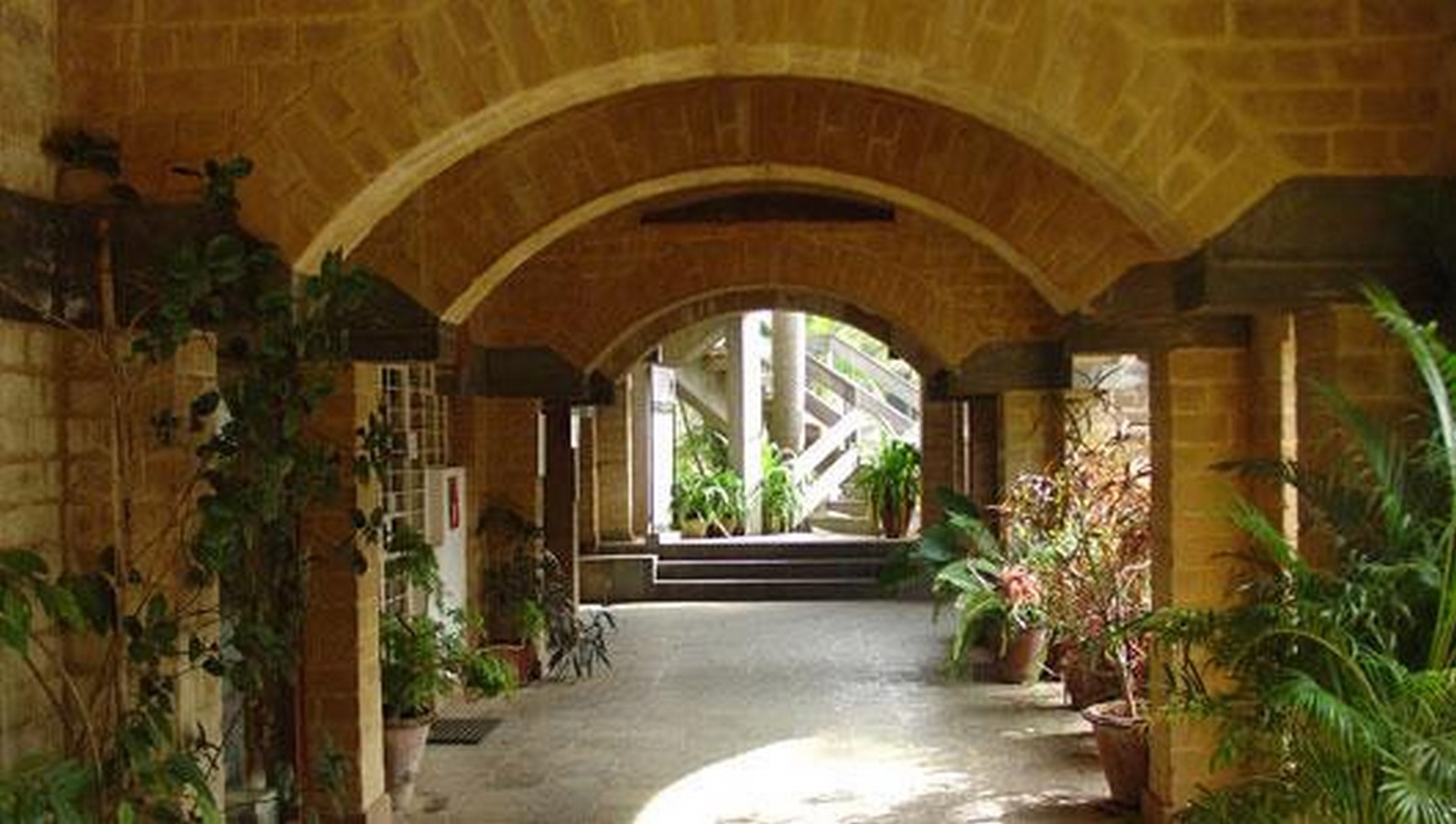
The best and clearest example is at Auroville, Tamil Nadu. The brick vaults and courtyards of the Visitor’s Centre being shaded, is a client of the climate just like any other living being. The change in temperature can be felt even before going inside.
Though the building doesn’t live alone- community members are always adding layers to it: new routes, changing planting patterns, bamboo screens made by the locals and woven by the artists. Architecture becomes grown not by tearing down and building again but rather by absorbing the changing needs of its people. It shows us that growth is not necessarily vertical; sometimes it is cultural.
Memory as Material: When Old Buildings Learn New Life
The ideal way for architecture to grow is through memory. The first example that comes to the person’s mind is the havelis of Rajasthan. Their walls are made of very thick stones, the windows are intricately carved, and the courtyards in the center were all designed for very hot weather.
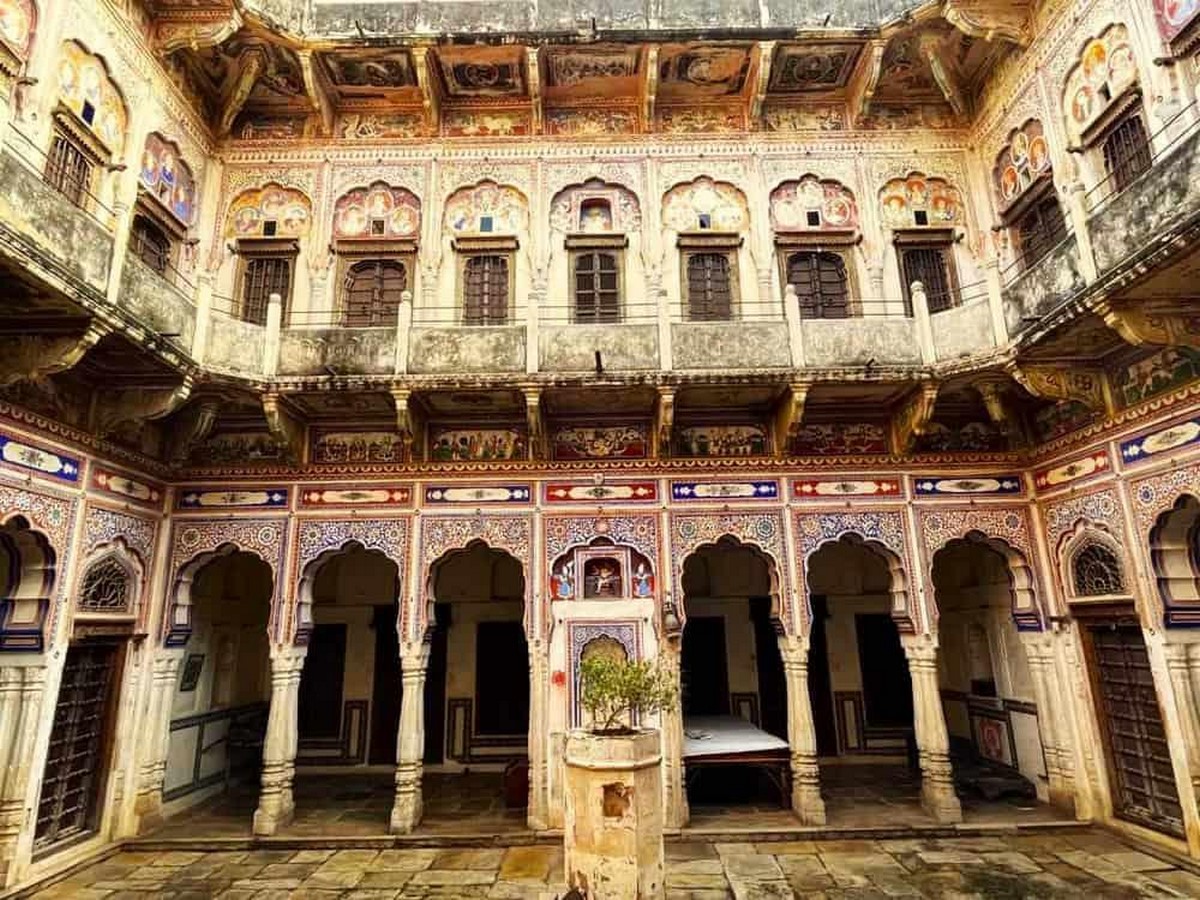
Moreover, they are the carriers of the past- marriages in the courtyards, deals happening under the balconies, and laughter in the evenings resonating in the chowk. While restoring these havelis, architects nowadays are frequently in a situation where they have to decide whether to save or change? The ones that do both are the best. They keep the place in the past while providing space for new functions in the old shells. A haveli that is converted into a cultural center or a homestay is not taking away its past; instead, it is broadening it. This is growing architecture in terms of time- growth going through time.
How Cities Teach Buildings to Evolve
Not all growth, however, is as lovely and romantic. Most Indian cities have been developed due to rapid growth caused by population increase, limited land, and the need to build quickly. In such localities, growing architecture becomes a way of problem-solving by default.
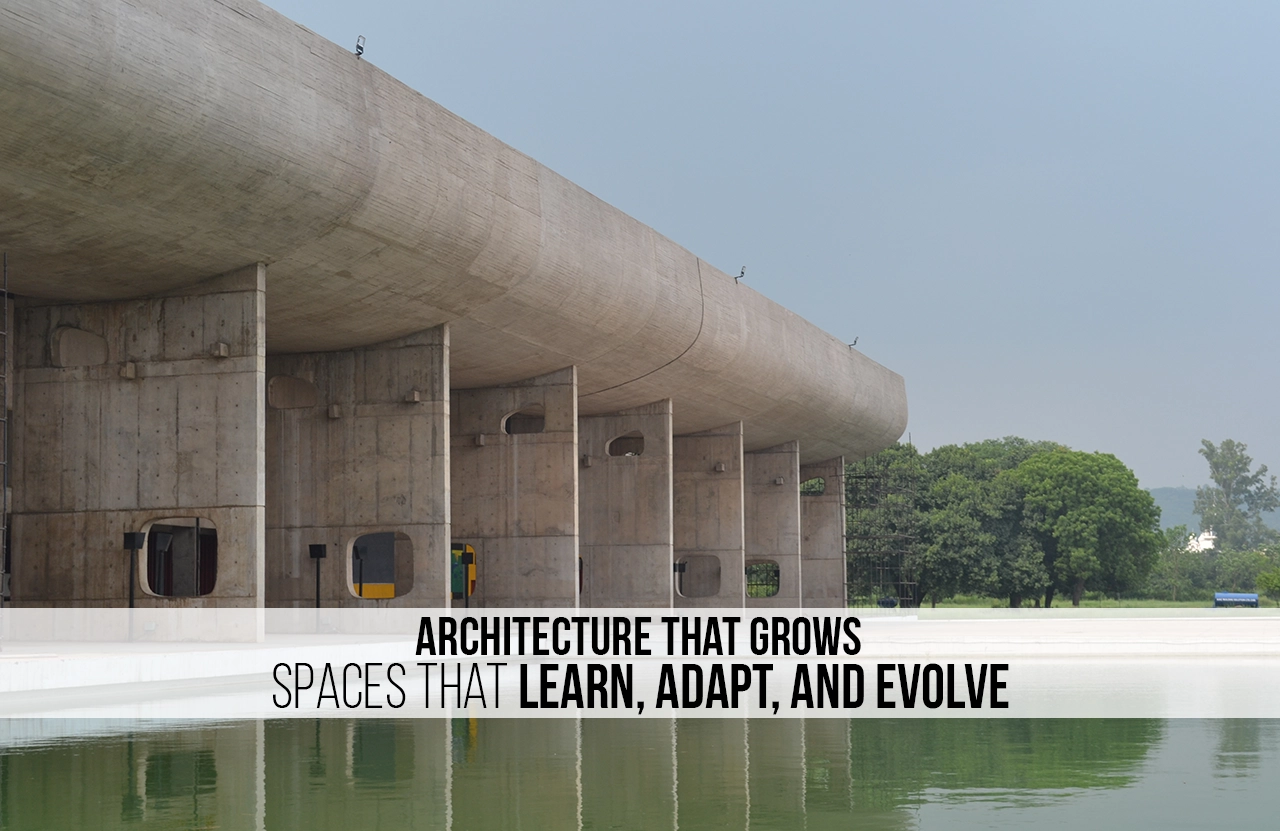
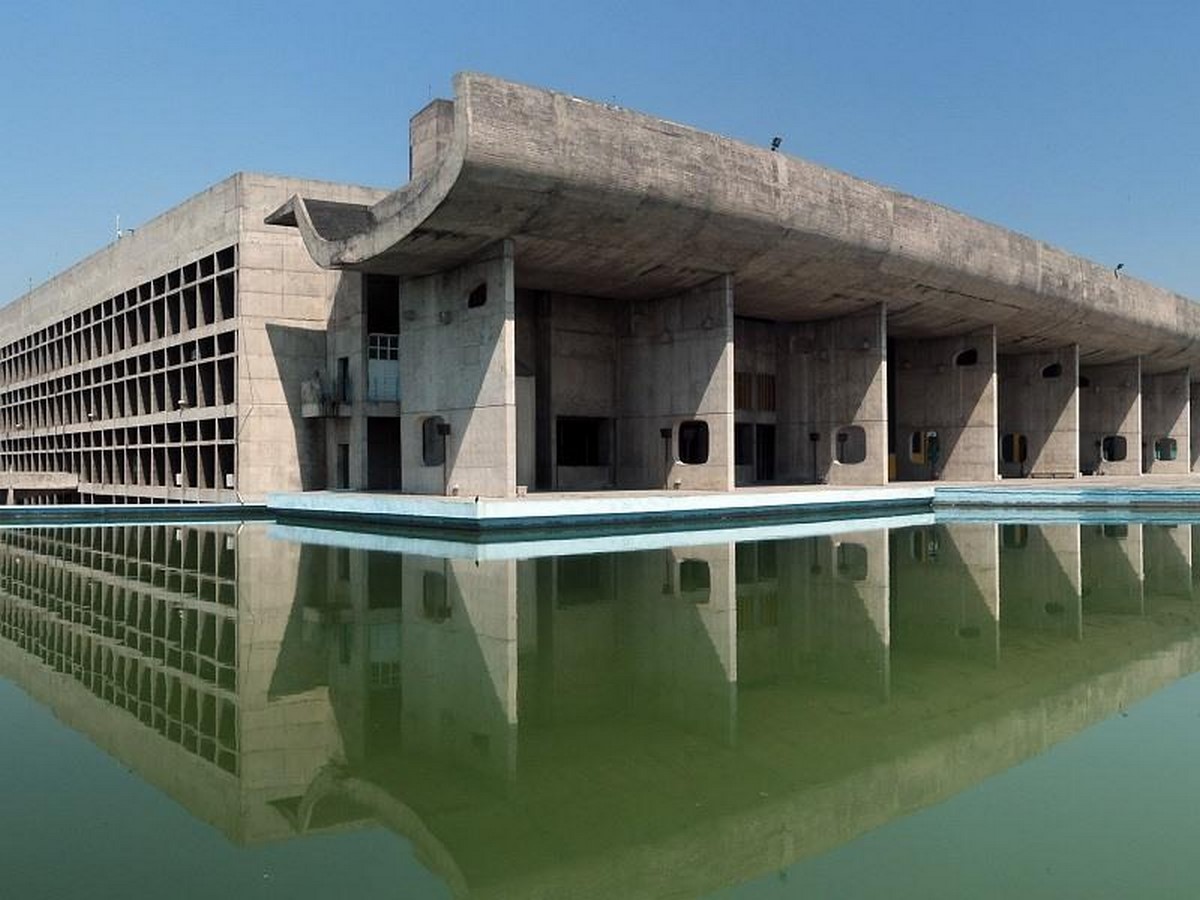
The Capitol Complex of Chandigarh is a perfect example of how long-term adaptability can be achieved through planning. These massive, daring, concrete buildings, which could be considered as quite unchangeable, are always open to reinterpretation by the people because of their open plazas, tree-lined promenades, and public courts. Office workers can be seen walking across the plaza on some days; while on other days, children make full use of the ramps by running all over them as if they were playgrounds. Architecture changes through the use, revision, and unexpected reinventions.
What the Eye Notices First: Translating Visual Thinking
One of the major things that attract me while going through these places is the functioning of the eye. Initially, it focuses on the surface, collecting details about things like light, texture, and shadow; then it moves to proportion: height, depth, and openness; and finally – people-their rhythms, their
Writing about growing architecture is pretty much the same as seeing it: the order of things is very important. We understand a space gradually and only then realize how it adapts to climate, community, and culture.
Sustainability as Slow Growth, Not Style
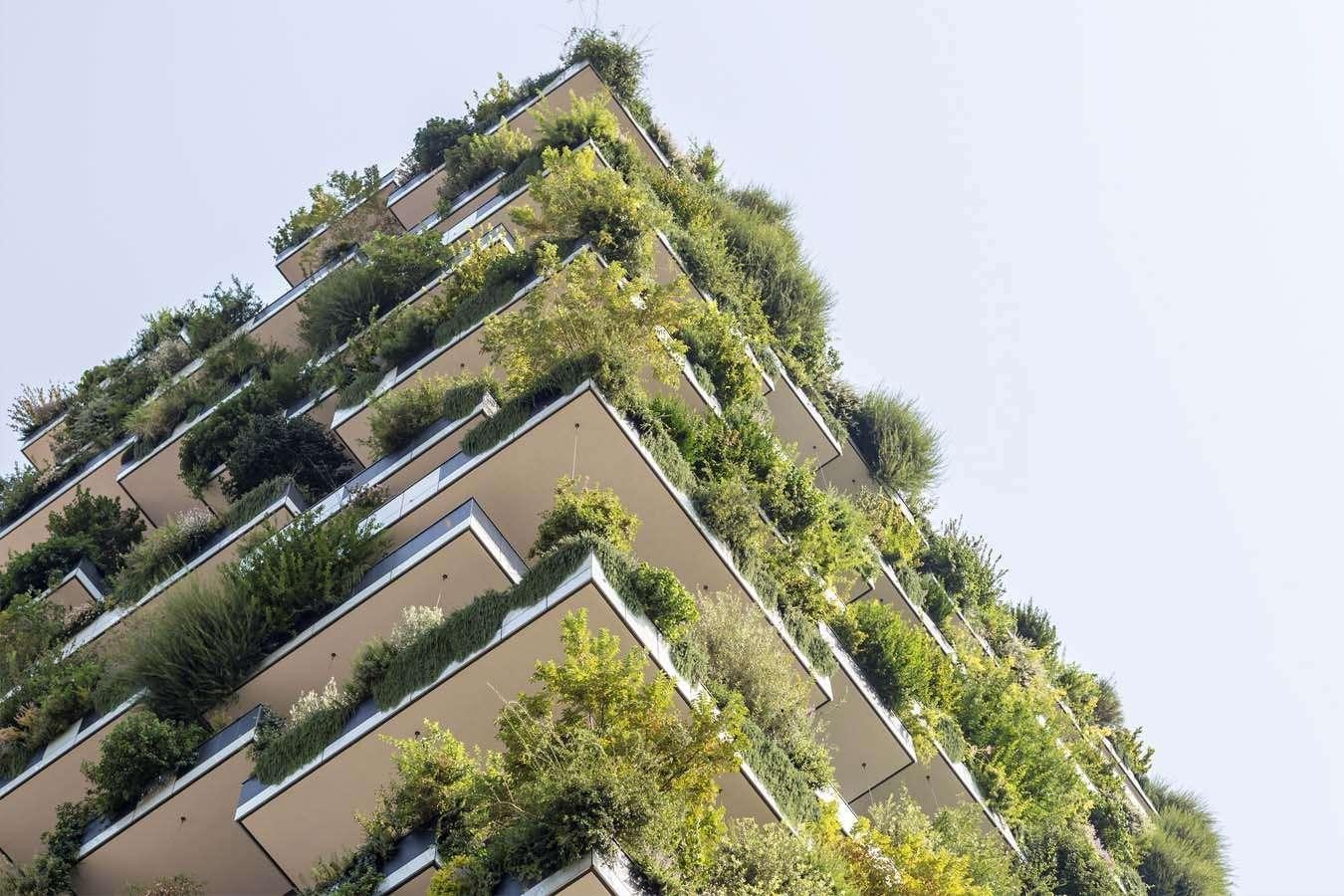
Today sustainability is one of the aspects that makes growing architecture different from each other in various ways: green roofs, modular walls, rain-harvesting courtyards, and the use of old buildings for new purposes are not fads but a series of talks with a fragile planet.
The one that is done in a sustainable way is the one that is less wasteful, has a longer lifespan, and can learn from its surroundings.
On top of that, true sustainability is also about emotional durability. Most people would take care of those things that are dear to them. A community garden in a residential area would be more sustainable than a decorative podium garden simply because people are engaged in its development. When architecture makes people a part of it, then it becomes alive.
The Takeaway: Buildings Should Learn, Just Like We Do
So, growing architecture is not a distinctive genre of architecture. Instead, it is a mode of thinking: listening before making, seeing before doing. Every crack, shadow, or makeshift shade is telling us how spaces intend to behave. If architects take these hints and respond accordingly, then they are not making a final product, but rather they are leaving space for their work to evolve.
The main question, in a world where urban change is happening rapidly, is not how to build more, but how to build spaces that keep on learning? And maybe the answer is actually where I first found it, in a yard where the ground shifted after the rain, teaching me that buildings, like people, always have room to grow.
Citations:
https://www.aurovilledesign.com/pdfs/visitors-centre-auroville/
https://commons.wikimedia.org/wiki/File:Chandigarh_Capitol_Complex_-_Le_Corbusier_-_Hall_of_Shadows_ramp.jpg
https://magikindia.com/en/les-havelis-des-demeures-bioclimatiques/