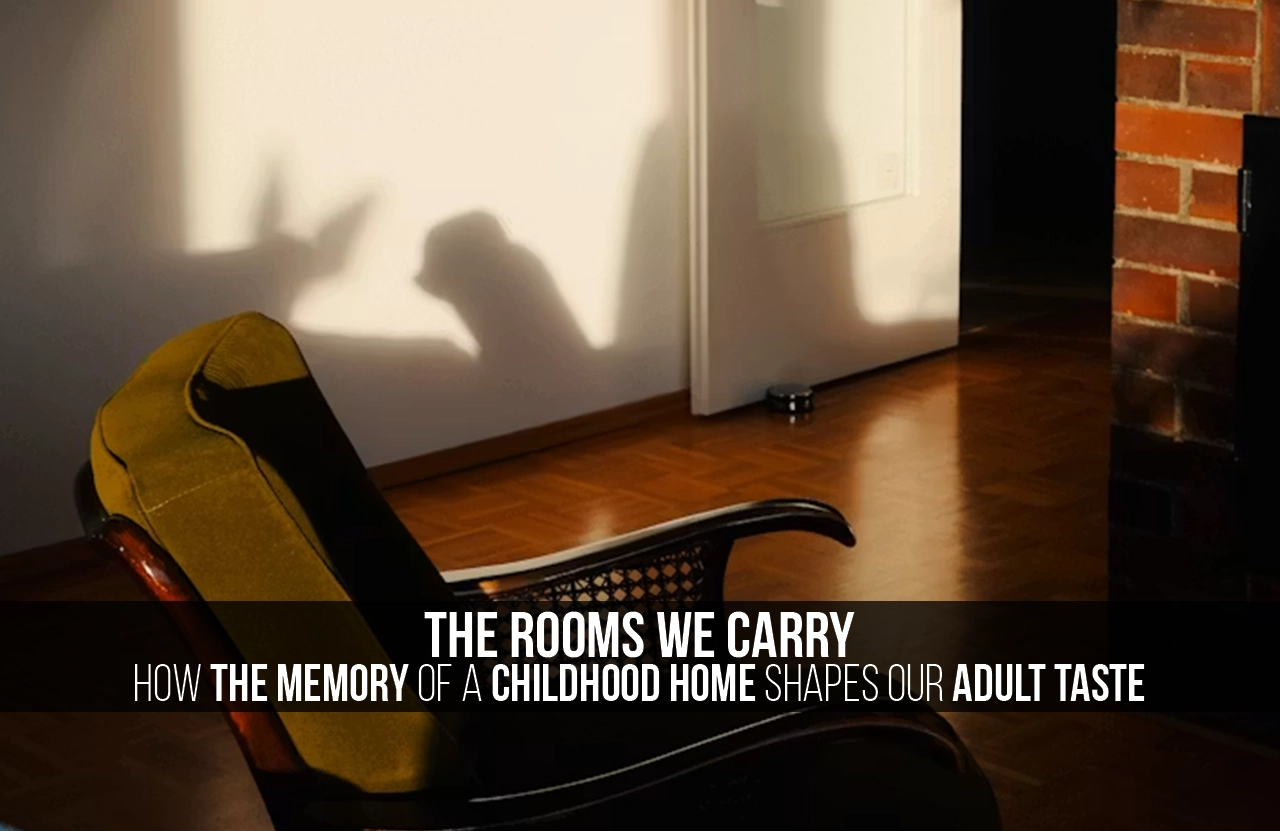
Long after people leave their childhood homes, certain spatial memories continue to remain unexpectedly present. Be it that terrazzo flooring in one’s grandparents house or that lush green courtyard in the house they spent their early years in. A home is made from all those little elements that people often fail to list down consciously but it all comes gushing down in a split second when they end up buying an apartment of their own in a metropolitan and none of it really makes it feel familiar no matter how hard they try.
The unplanned colour scheme, those randomly collected show pieces, the heavy sturdy wooden furniture that has been lasting for the past 20 years, those little uncool elements out of which the younger generation can’t make any sense and that piercing white light all over the place, all of these might not be the most premium aesthetic choices yet there absence pinch more than anything when people yearn for building a home.These details quietly influence how individuals understand comfort, privacy, beauty and belonging later in life. The idea of space memory explains how early domestic environments shape emotional responses towards architecture and interiors, influencing adult preferences in ways that are often unnoticed but deeply familiar.
The First Understanding of Space Begins at Home
Before architecture becomes theory, it is experienced through everyday life. A childhood home becomes the first environment where ideas of safety, warmth, noise, routine and personal space are understood.
The concept of Space Memory emerges through repeated experiences within familiar surroundings. A narrow balcony overlooking a busy lane may shape an appreciation for connected urban life later in adulthood. A shaded courtyard where families gathered during evenings may influence preferences for open communal spaces.
Children rarely analyse architecture consciously, yet they absorb spatial qualities constantly. The height of windows, the smell of old wooden cupboards, the arrangement of rooms and the rhythm of daily movement slowly become part of emotional memory.
Years later, many adults unknowingly search for similar feelings while choosing homes, cafés, workplaces or even holiday destinations.
Light, Sound and Everyday Rituals
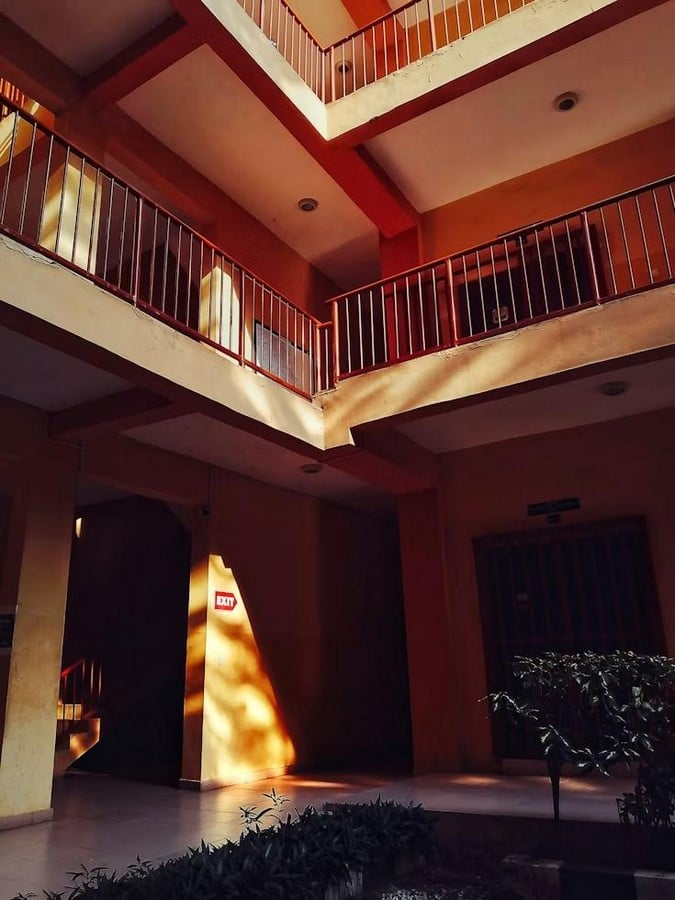
Many childhood memories are tied not to objects but to atmosphere. The way morning sunlight entered a room or the sound of rain against a metal roof often remains more vivid than furniture itself.
Space Memory develops through these repeated sensory experiences. In many Indian homes, daily rituals create strong associations between architecture and emotion. Evening prayers near windows, conversations on terraces during power cuts, or sleeping beside open verandahs during summer all connect space with routine.
These experiences later influence adult preferences towards lighting, ventilation and spatial openness. Someone raised in naturally lit homes may feel uncomfortable in enclosed interiors. Others may prefer compact spaces because they associate them with familiarity and security.
Architectural taste is therefore not always formed through design education or trends. Often, it begins through unconscious emotional attachment to familiar spatial conditions.
Why Certain Spaces Feel Familiar Instantly
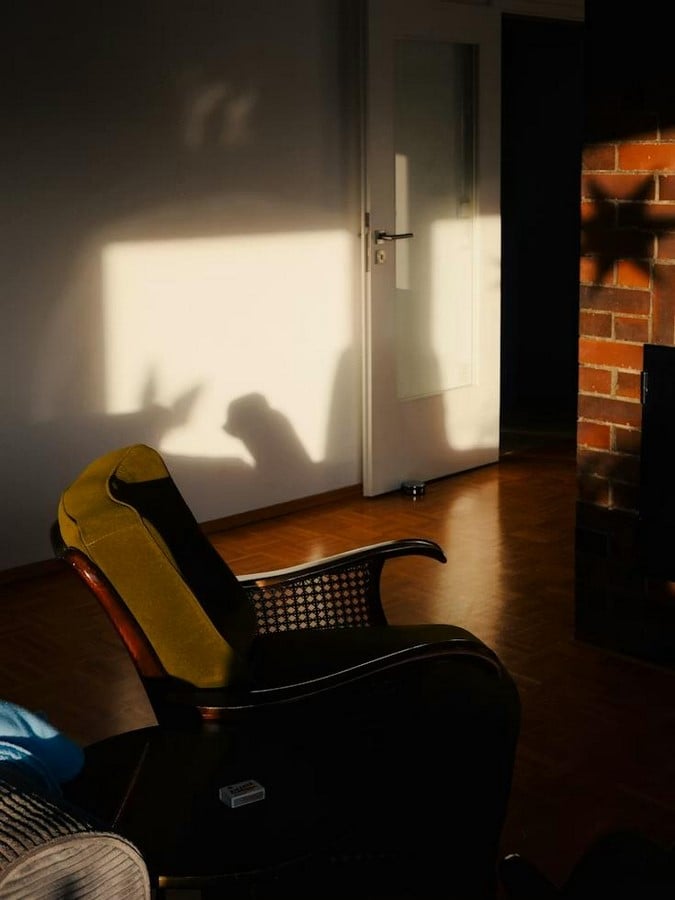
People occasionally enter unfamiliar places that somehow feel emotionally comfortable. A café may resemble the proportions of a childhood dining room. A window seat in an apartment may recall afternoons spent studying near natural light.
The idea of Space Memory helps explain these emotional responses. Familiarity is often created through spatial resemblance rather than direct visual similarity.
Textures, scale, material warmth and circulation patterns can trigger memory subconsciously. Homes with internal courtyards may remind someone of grandparents’ houses. Old staircases, exposed brick walls or semi-open kitchens may recreate feelings associated with earlier domestic life.
This emotional connection influences adult taste significantly. People are often drawn towards spaces that recreate comfort experienced during childhood, even when they cannot clearly explain the reason.
Architecture therefore becomes more than visual preference. It becomes linked to memory, behaviour and emotional continuity.
Modern Living and the Loss of Familiar Spatial Patterns
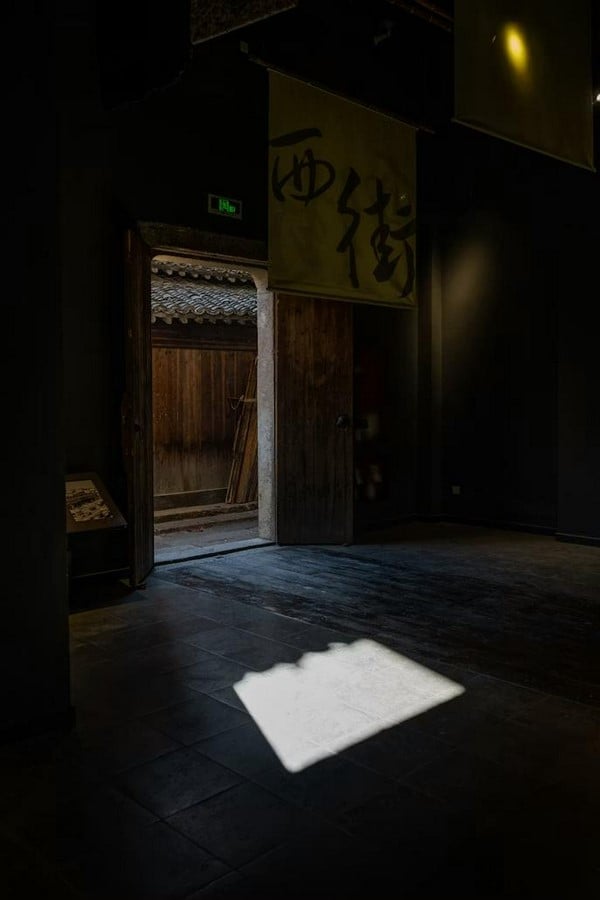
Rapid urbanisation has transformed the structure of domestic life across many cities. Compact apartments, gated housing and standardised interiors have gradually replaced many traditional residential patterns.
As lifestyles change, the relationship between memory and domestic architecture also changes. The idea of Space Memory becomes especially important when discussing why certain contemporary spaces feel emotionally disconnected despite being visually sophisticated.
Many older homes encouraged interaction through shared courtyards, terraces, verandahs and semi-open transitional spaces. These environments allowed gradual movement between private and public life.
In contrast, several modern residential spaces prioritise efficiency and optimisation. While functional, they sometimes reduce opportunities for informal gathering and sensory richness.
As a result, adults often continue romanticising childhood homes because those spaces carried stronger emotional identity and social rhythm.
Material Memory and Emotional Attachment
Materials frequently hold emotional significance beyond aesthetics. The cool touch of kota stone flooring, the texture of lime plaster walls or the creaking sound of old wooden doors often remain deeply associated with childhood environments.
Through Space Memory, materials become connected to comfort and belonging. Certain textures remind people of grandparents’ houses, festive gatherings or daily routines from earlier years.
This explains why many contemporary interiors attempt to reintroduce natural materials despite changing design trends. Wooden furniture, exposed brick, handcrafted details and earthy finishes often evoke familiarity because they reconnect people to remembered environments.
Material preference is therefore not entirely stylistic. It is frequently emotional.
The continued attraction towards tactile, imperfect and aged surfaces suggests that people search not only for visual beauty but also for emotional resonance within spaces.
Architecture as an Emotional Archive
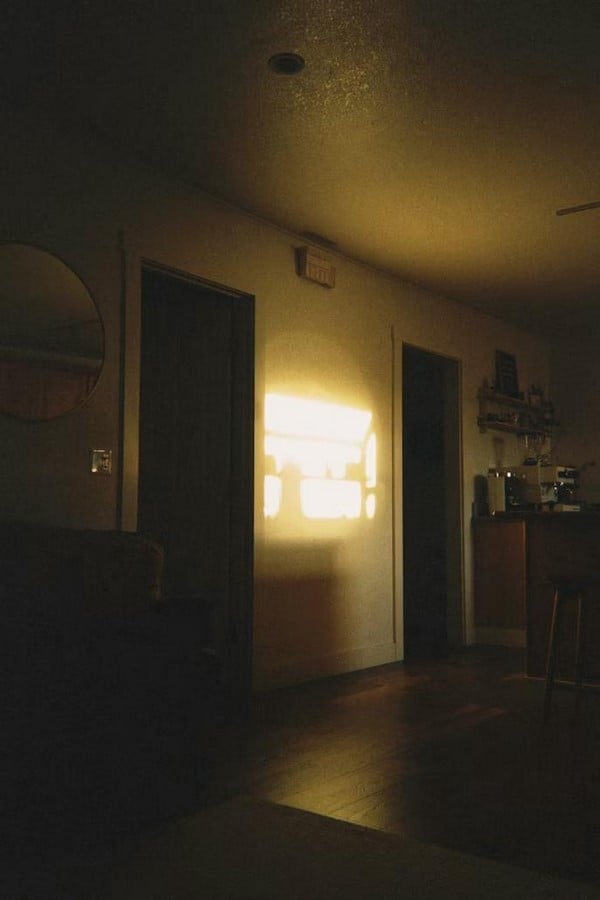
Buildings are often discussed through plans, façades and construction systems, yet domestic spaces also function as emotional archives. They store routines, relationships and moments that continue shaping identity long after physical separation from the place itself.
The concept of space memory reveals how architecture influences people quietly over time. Childhood homes shape habits of gathering, resting, working and interacting. These experiences eventually inform adult expectations from spatial environments.
Even when homes disappear through redevelopment or migration, their emotional imprint often survives through memory. This explains why many people continue searching for “homely” environments in unfamiliar cities. The search is rarely about replication alone. It is about recreating emotional comfort through spatial experience. Architecture therefore extends beyond physical shelter. It becomes part of how people remember themselves.
Conclusion
The memory of a childhood home rarely remains limited to nostalgia. It continues influencing how individuals respond to architecture throughout adulthood. Through memory of spaces, early domestic experiences shape ideas of comfort, beauty, privacy and belonging. Light-filled rooms, shared courtyards, familiar materials and repeated daily rituals slowly become part of emotional understanding.
As cities continue evolving towards faster and more standardised forms of living, recognising the emotional role of domestic architecture becomes increasingly important. People may eventually forget dimensions, furniture layouts or paint colours. Yet the feeling of a space, its warmth, rhythm and atmosphere often remains for decades. Perhaps that is why certain spaces continue feeling familiar even before they are fully understood.