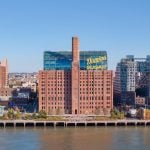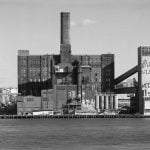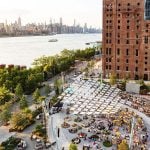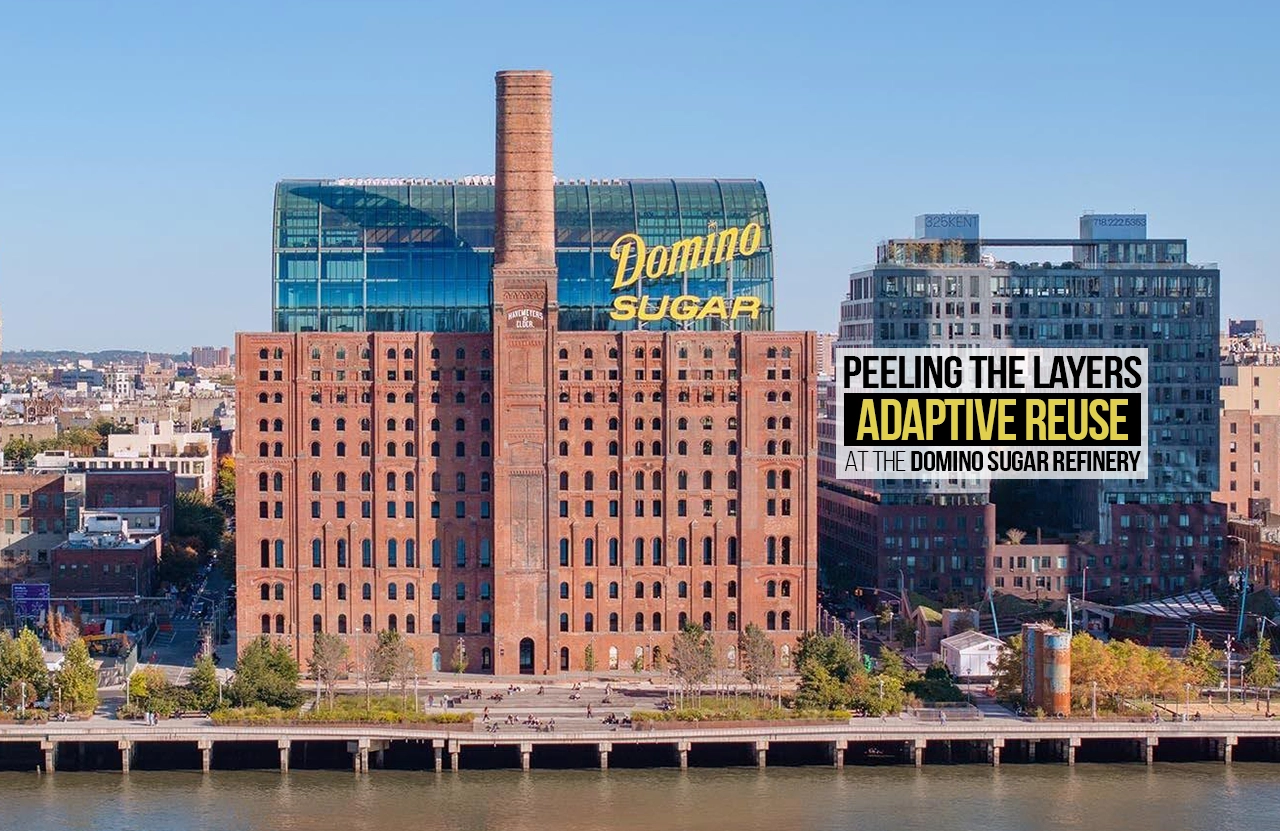
The Refinery at Domino stands as a state-of-the-art office building on the edge of Williamsburg, Brooklyn, overlooking the East River. A walk through the bustling Domino District today makes it difficult to imagine that it was once the site of a grand sugar refinery. In the 19th century it emerged as a beacon of sugar production, housing the world’s largest sugar refining facility. Considered the crown jewel of the Domino Sugar empire, the facility was central to the socio-economic growth of Williamsburg and New York City (NYC).
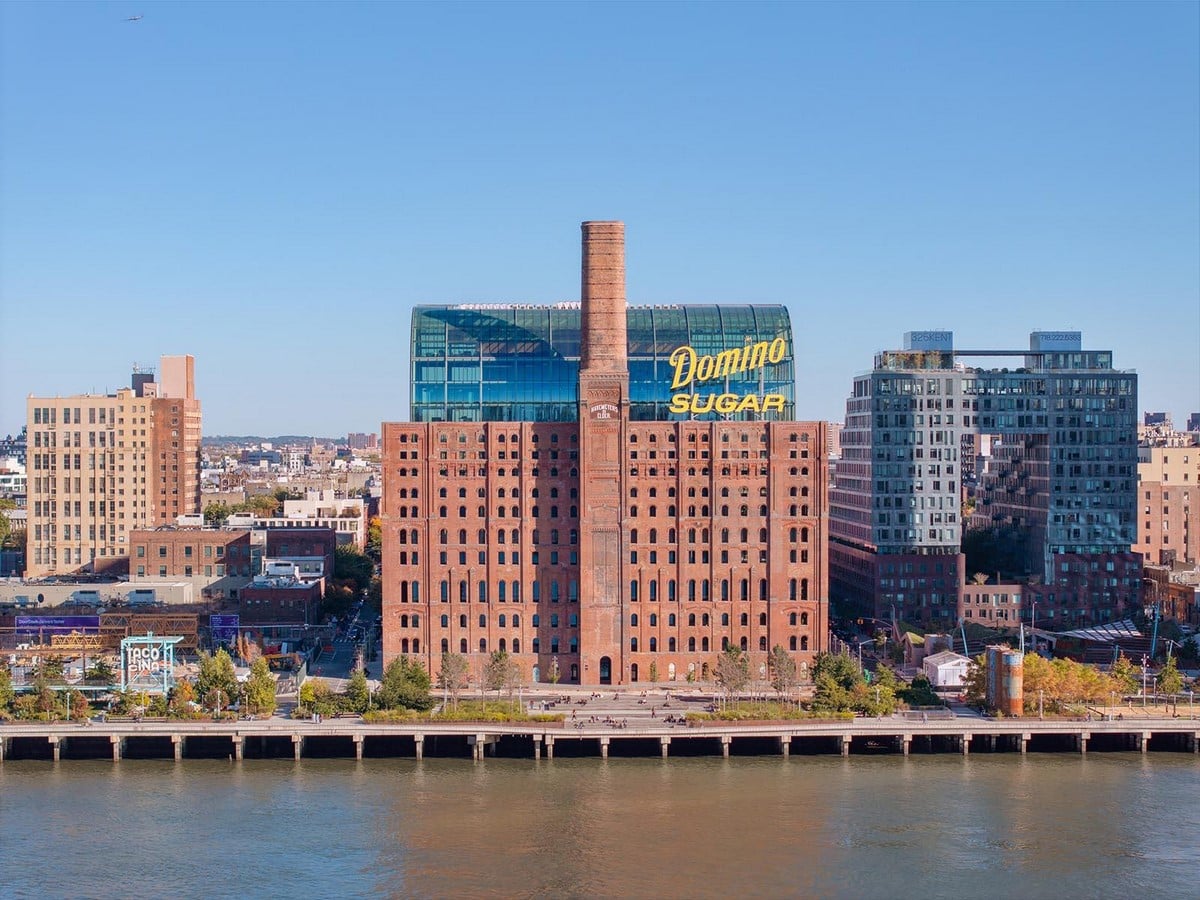
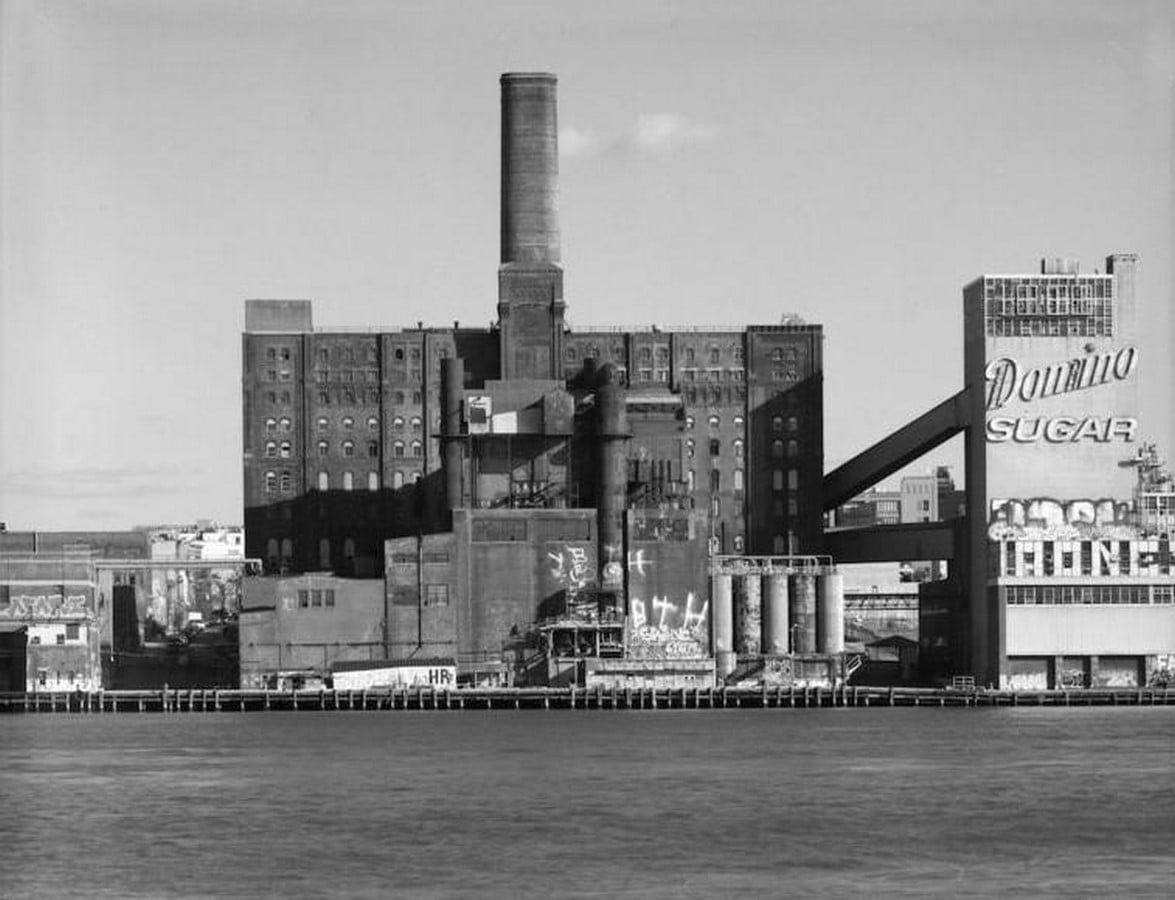
The refinery witnessed a gradual decline in its industrial activities due to changing economic and political conditions, eventually closing its doors in 2004 after operating for over a century. Following its designation as a landmark, the site opened to proposals for redevelopment. PAU’s (Practice for Architecture and Urbanism) plans for the refinery responded to the environmental concerns and aligned with the palimpsest of the city. What we see today is their vision for adaptive reuse, one that celebrates industrial heritage by layering it with New York’s contemporary steel-and-glass architecture.
A Bottle in the Ship: The Design Approach
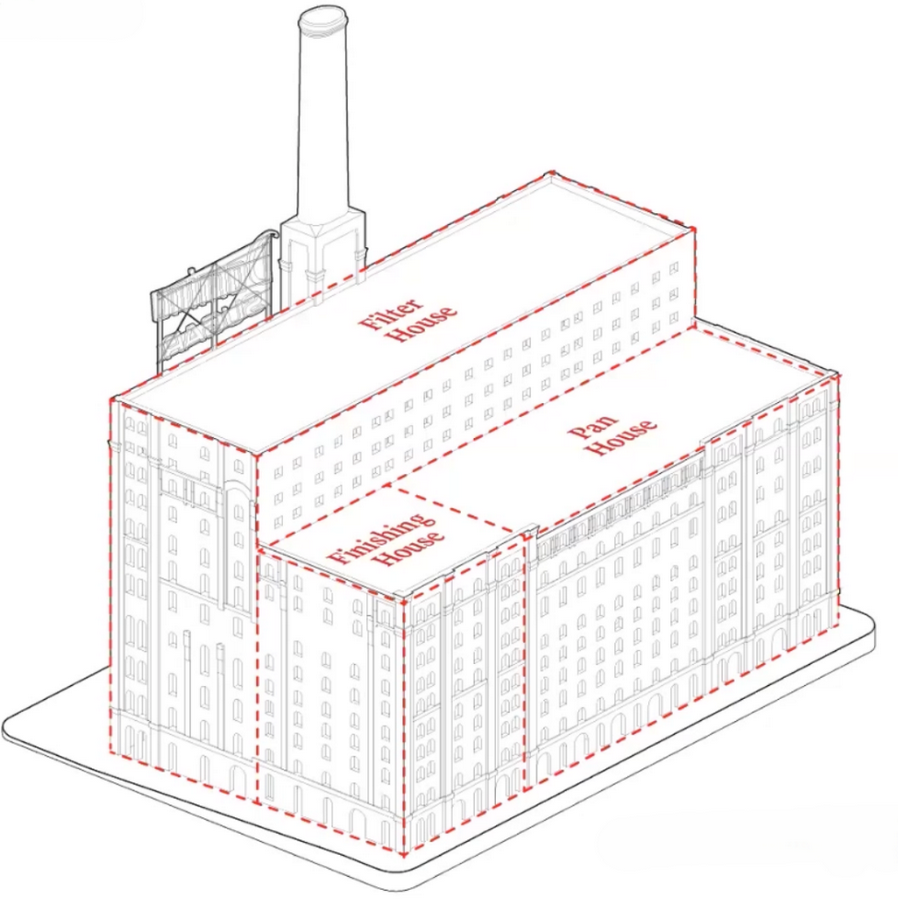
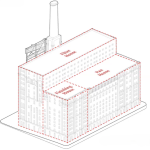
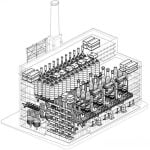
The sugar refinery underwent several upgrades during its lifetime. The existing landmark buildings – the Filter, Pan, and Finishing Houses, were part of the last expansion undertaken by the Havemeyer family. The three conjoined buildings, separated by partition walls, are lined with signature arched windows that reflect the predominant architectural style of the era. Purpose-built for different functions in sugar production, the buildings feature varying floor levels and heights to accommodate production equipment.
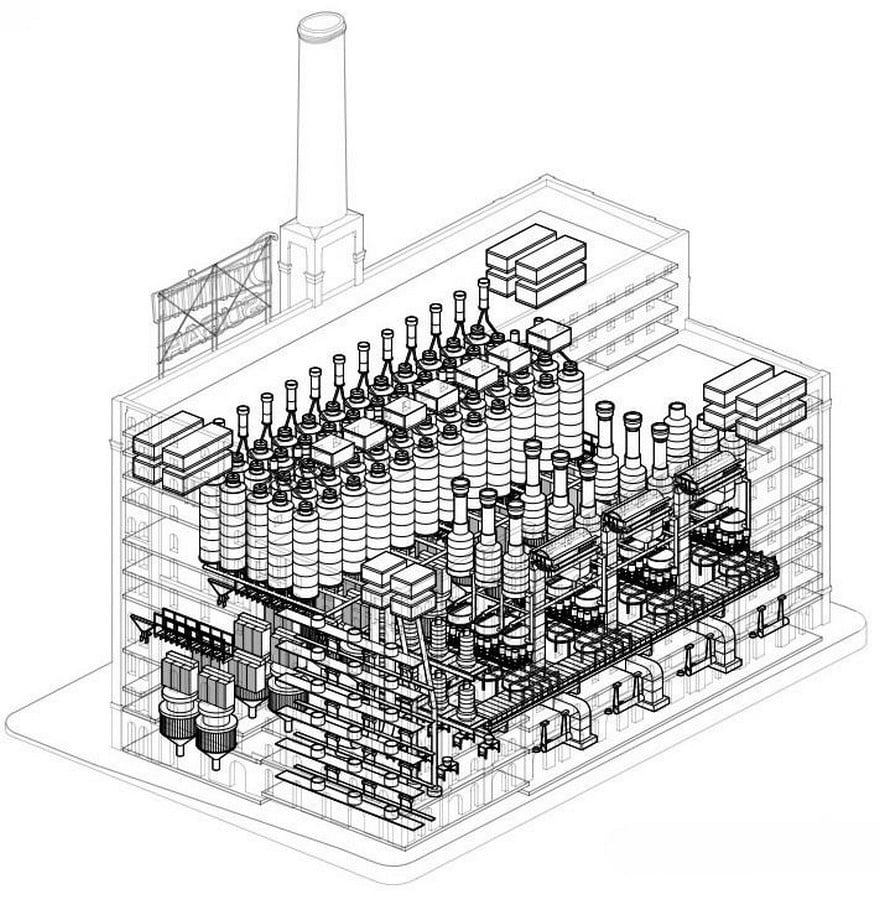
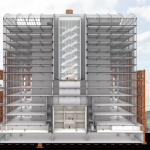
Upon closer inspection, the building is essentially a free-standing façade, a wrapper around the equipment and supporting floors, with small, misaligned windows. The architects embraced these idiosyncrasies by replacing the interiors with a completely new standardized building within the old shell, ‘a bottle in the ship’.
A bottle-in-a-ship approach works favourably in carving out a free-flowing space with the potential to serve the current socio-cultural needs of Brooklyn. The preserved porous shell does not impose its industrial legacy on the new structure; instead, it offers the freedom to establish its own identity. The new structure is open, light, airy, and naturally well-lit. Additionally, crowned with a glass barrel vault, it becomes a striking architectural statement. The layering of the structures creates a dialogue between the old and the new. The stark contrast between them generates a tension that may occasionally be perceived as separation. Perhaps it is within this separation that users find a moment to appreciate the site’s industrial heritage. One also discovers a continuity – the historic shell performs a role similar to that of its former function, wrapping the glass structure just as it once concealed the production equipment.
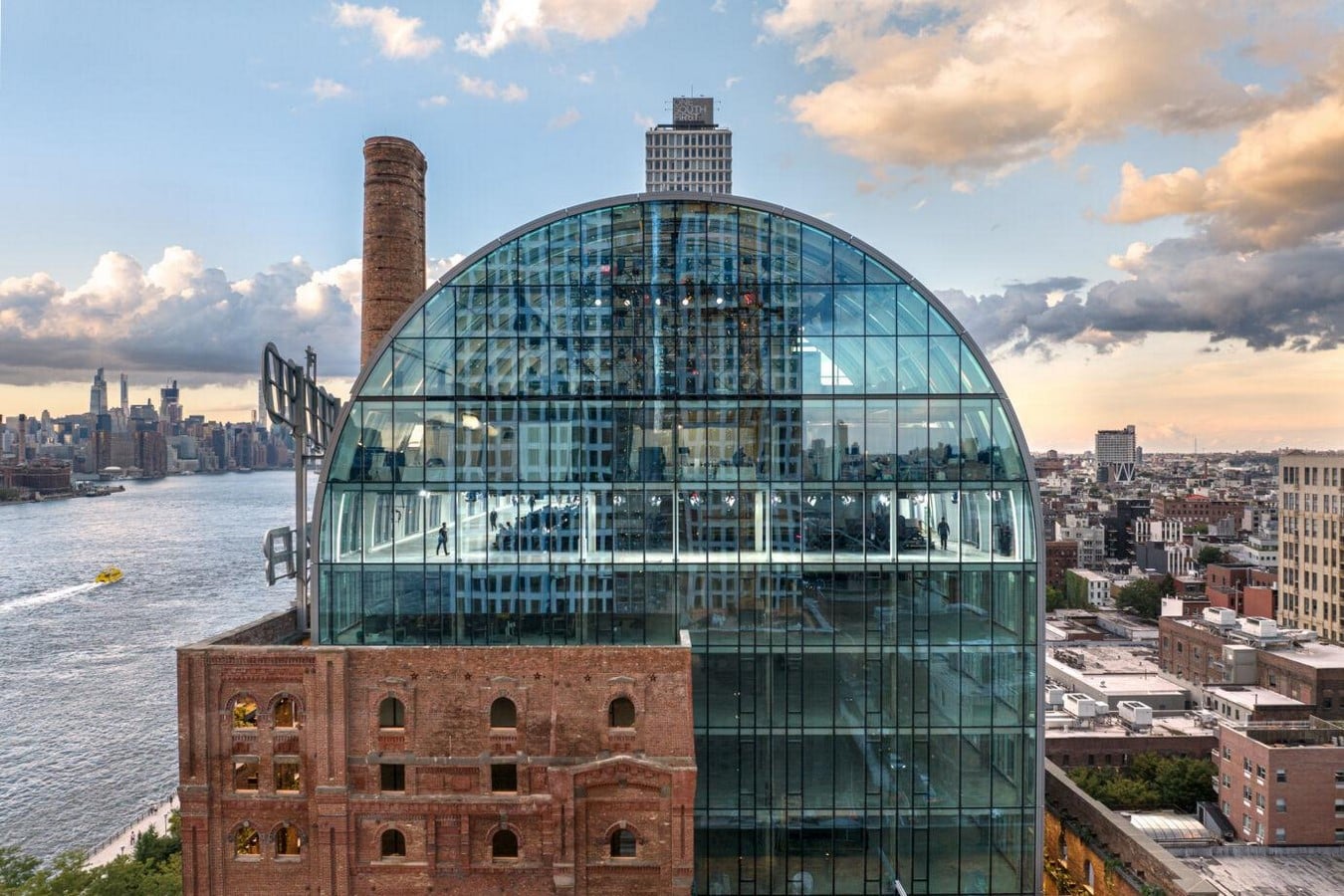
The interplay between preservation and intervention allows users to experience the palimpsest. It offers an experience of contemporary architecture alongside the reminiscence of the generations whose efforts shaped the neighbourhood. The refinery, preserved as an outer shell, leans toward becoming an urban artifact. This raises questions about missed opportunities for it to become an active participant through integrated intervention. In this context, adaptive reuse is reconceived as a cultural narrative, where the preservation of original identity and memories outweighs transformation into an entirely new structure.
Spatial Organization of The Refinery
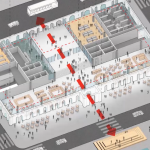
The spatial organization of The Refinery has been thoroughly planned. The Refinery is part of the larger Domino Complex, an all-inclusive urban district. As the central piece of the district, it acts as a catalyst in activating it. Although primarily an office building, the ground floor is a conduit connecting the Williamsburg neighbourhood to Domino Park. It becomes a public plaza with retail shops and eateries, allowing the neighbourhood to flow into the park. Here, Jane Jacobs’ idea of “eyes on the street” comes to life. Area residents and office-goers intersect within the space, creating a natural layer of surveillance and community security. All windows on the brick façade at the ground level are punctured to function as entrances to support this flow.
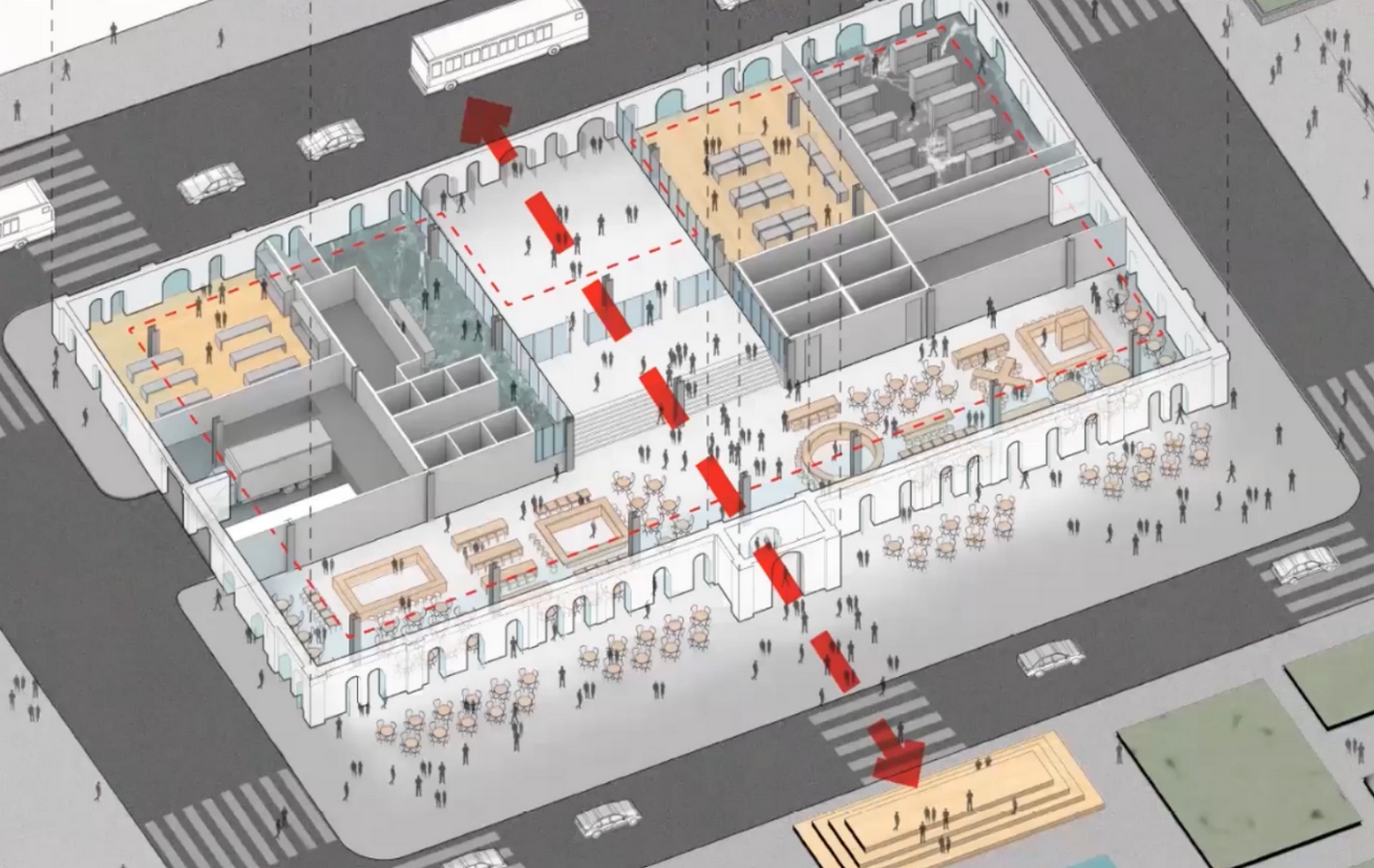
The liminal space between the two facades is used as an indoor garden that introduces lush greenery in an otherwise “cold” building. It is also a strategic intervention that allows natural light to penetrate deep into the floor plates. It effectively addresses the previous issue of dimly lit interiors caused by the small openings in the historic façade. A photon analysis of the floor plates informed the optimum depth of the recess. The buffer softens the contrast between the minimal glass structure and the muscular brick shell while establishing continuity with the surrounding Domino Park.
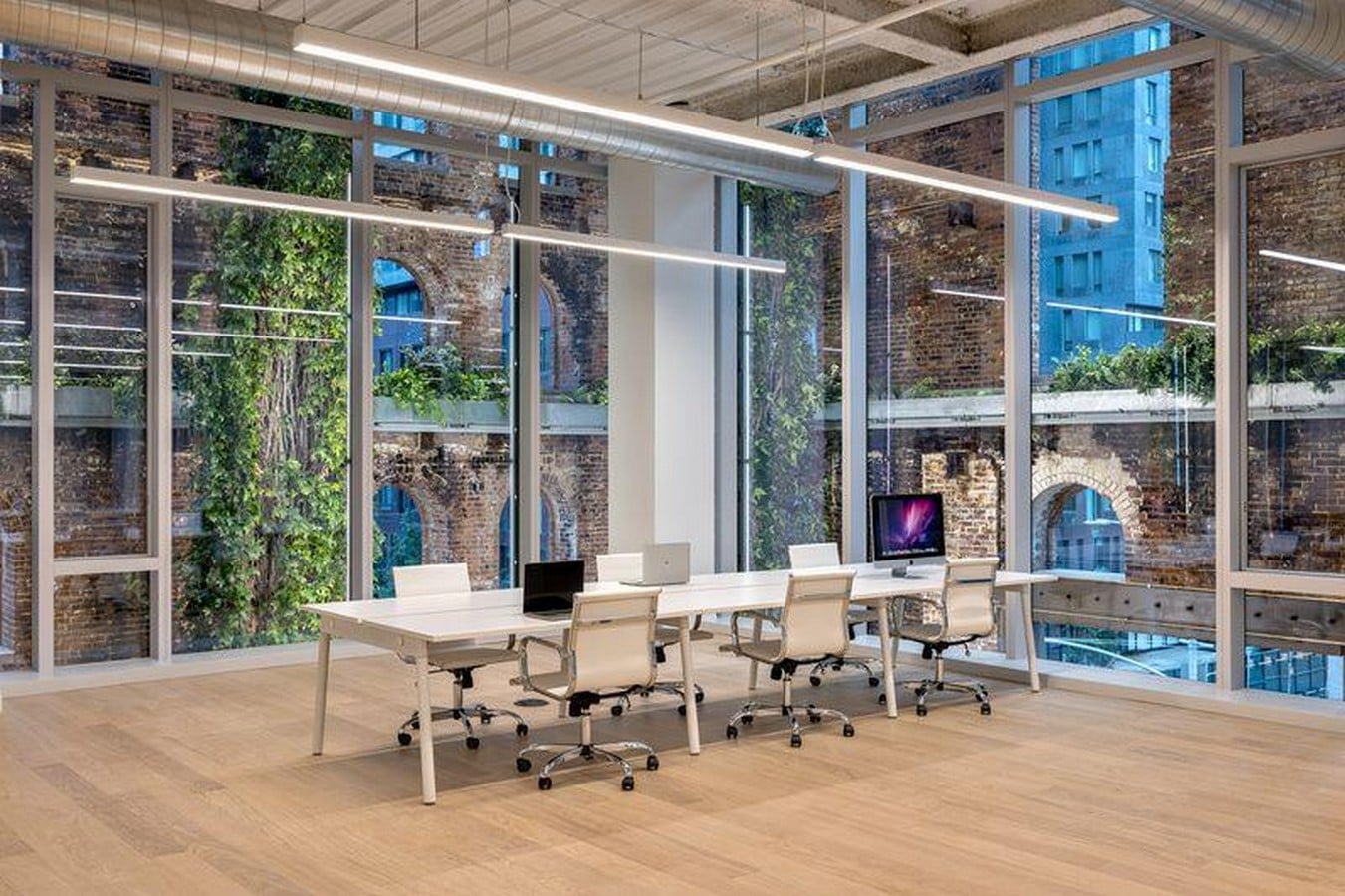
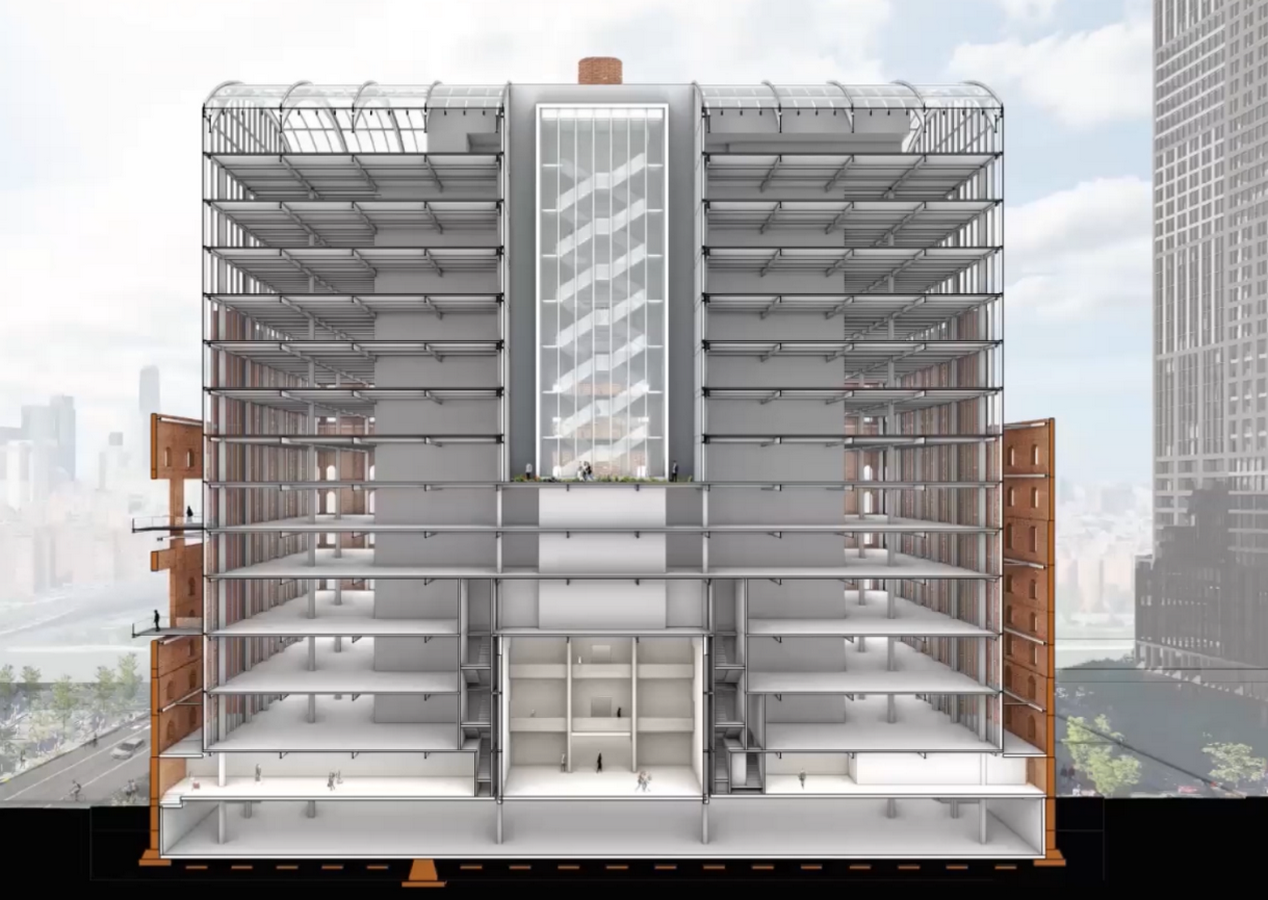
The gradient of privacy increases toward the upper floors. The open office floor plates offer tenants flexibility in spatial configuration. Building services are tucked above the building’s split core, away from the occupants’ direct view. Meanwhile, the space beneath the barrel vault remains intentionally undefined, allowing it to accommodate different events. While the spatial planning appears publicly inviting, the effectiveness of the spatial intentions ultimately depends on how the users continue to occupy and appropriate the space over time.
Form, Materials, and Construction
The design and development of The Refinery at Domino reflects a careful negotiation between historic preservation and new construction, where each decision operates within the constraints of retaining the industrial shell. The barrel-vaulted form of the new structure is derived from the industrial barrel vault archetype, offering a long-span, column-free space that reinforces the scale of the old refinery. The form also resonates with the ‘American Round Arch’ style windows of the historic shell, suggesting a visual continuity. An additional staircase serving the occupancy level of the building is included as exposed circulation. It breaks the homogenous mass and helps balance the proportions, while animating the exterior view of the building.
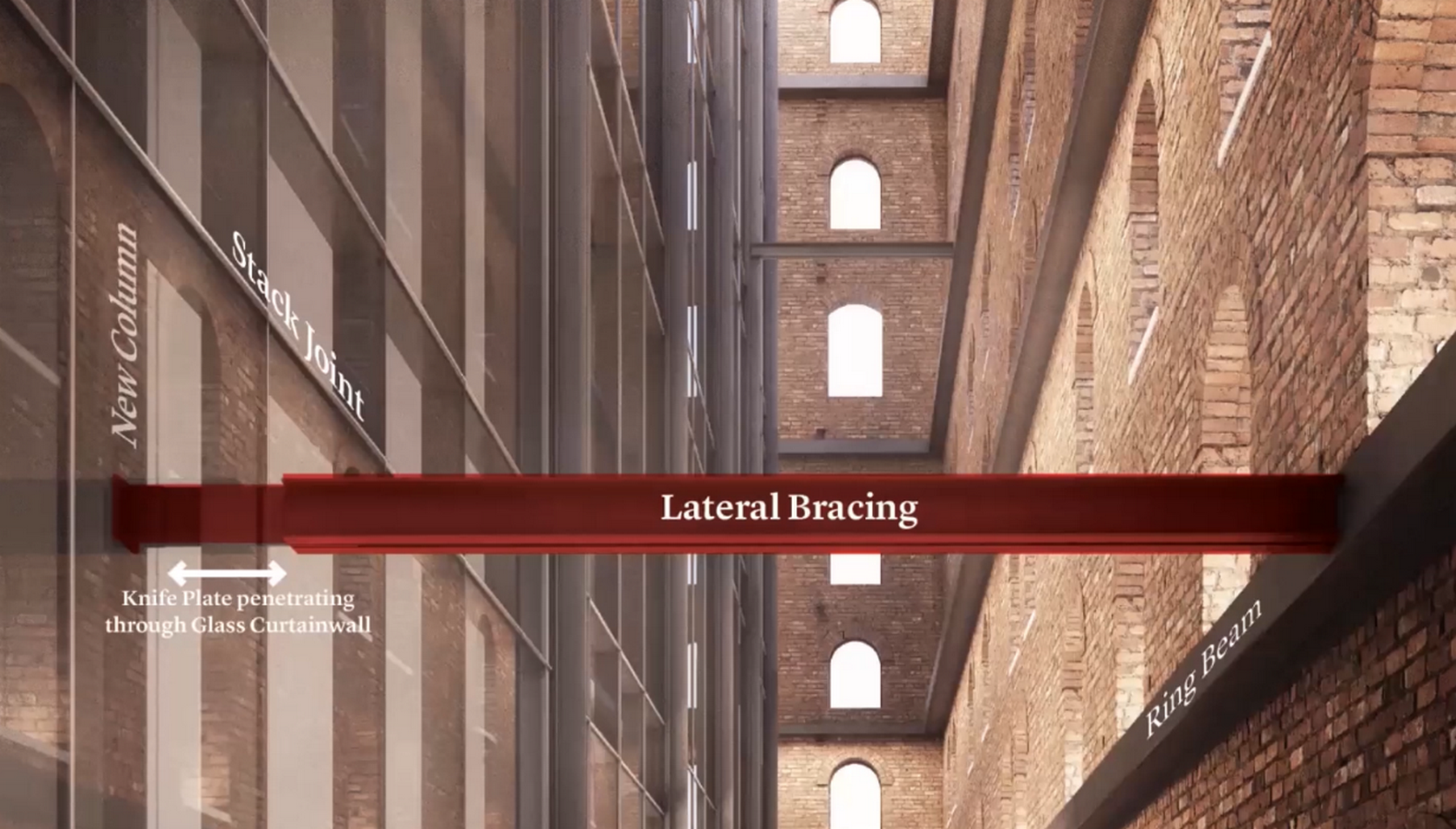
The glass-clad structure demonstrates innovation in curtain wall systems through its delicate attachment to the exterior façade using custom-designed knife plates. It creates a connection that appears lightweight yet remains structurally robust while maintaining air and water tightness. Attention to connection details in joining every glass panel, straight or curved, reflects technical precision. However, the extensive glazed surfaces introduce challenges of glare and solar heat gain, making shading devices and mechanical cooling integral to performance. They partially undermine the passive ambitions suggested by the transparency of the envelope.
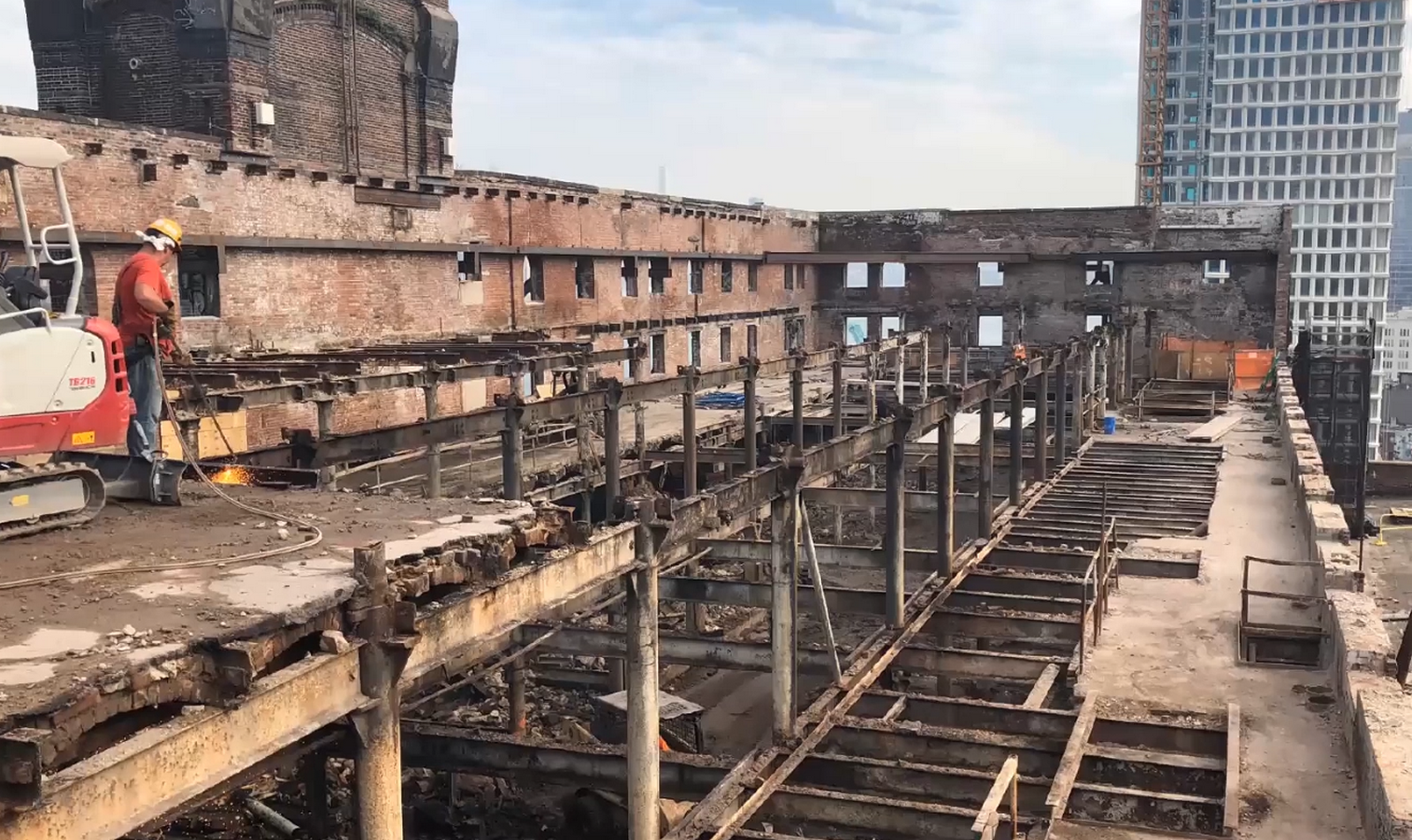
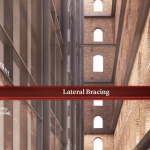
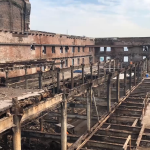
The development required the demolition of the interior of the refinery to accommodate the new structure. The exterior shell was systematically braced to allow for the extraction of the interiors, with demolition proceeding in parallel with the remediation of damaged portions of the façade to ensure structural stability. The recessed barrel-vaulted structural design also increased the ease of development by segregating the foundations of the old and new structures. There is measurable waste reduction through the preservation of the brick façade; however, questions remain about the extent of adaptive reuse of interior elements beyond the structural shell. The selective reuse of timber from demolition indicates that other material components may not have met the required condition for salvage and reintegration.
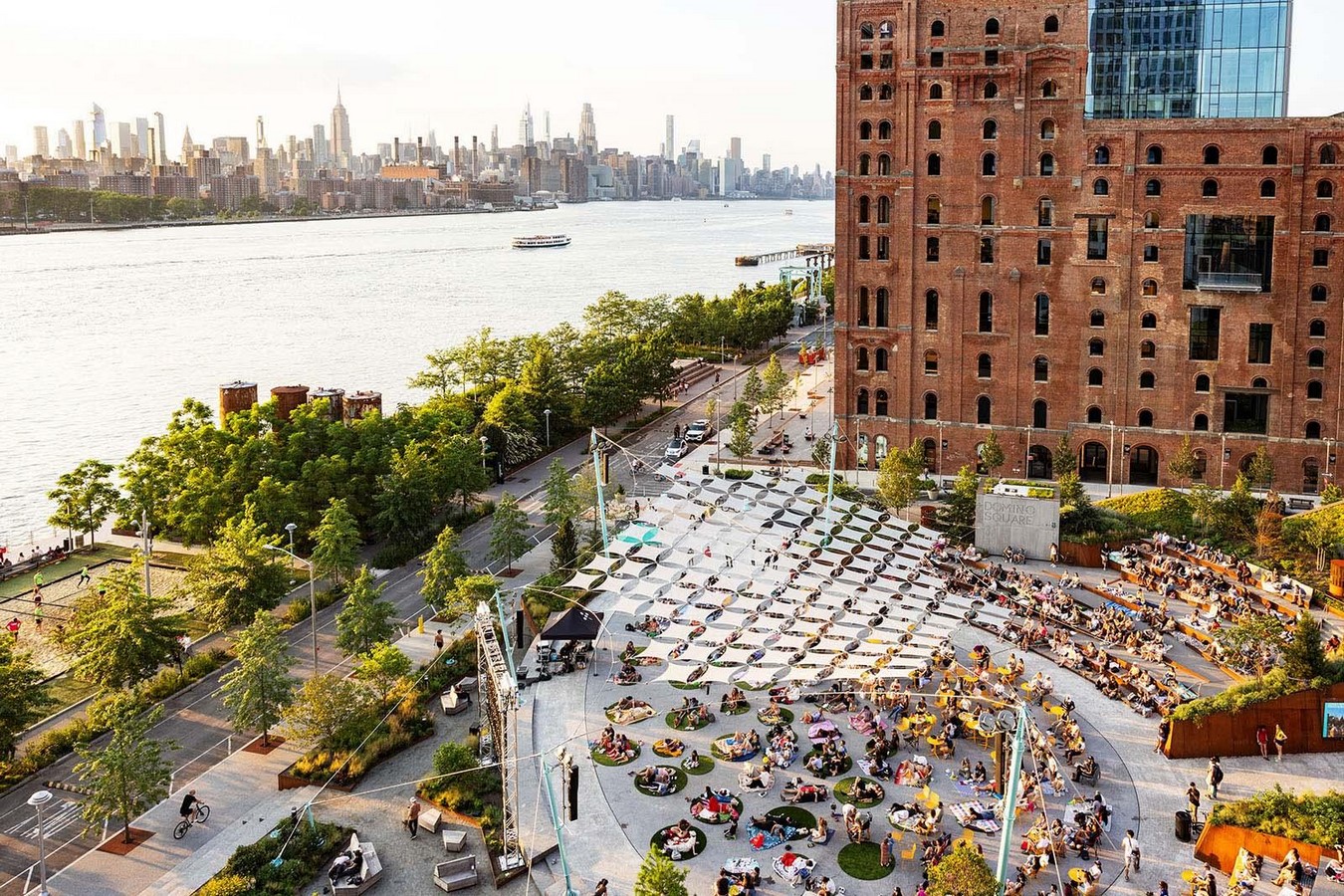
All in all, The Refinery at Domino demonstrates a successful response to its context, where historic preservation and contemporary needs are balanced. The bustling Domino Park, especially during the weekends and sunny days, stands as a testament to its acceptance within the community. The design strategies employed in the Domino Refinery offer valuable lessons in adaptive reuse and are worth studying and reinterpreting in future developments.
References:
- Two Trees Management (n.d.) Domino Sugar Refinery. Available at: https://pau.studio/project/domino-sugar-refinery/
- World-Architects (n.d.) Domino Sugary Refinery – Building of the Week.
- Architectural Digest (n.d.) Inside the Futuristic Domino Sugar Factory Renovation.
- Center for Architecture (n.d.) Building of the Day: Domino Sugar Refinery. Available at: https://www.centerforarchitecture.org/video/building-of-the-day-domino-sugar-refinery-10-12-2020/
- Steele, J. (2023) Granular Details Spell Success for Brooklyn’s Refinery at Domino. Forbes.
- CityLand (n.d.) Commercial Development of Waterfront Sugar Refinery Approved.
- Architectural Digest (n.d.) Domino Park and Waterfront Redevelopment.
- Jacobs, J. (1961) The Death and Life of Great American Cities. New York: Random House.