A hospital is rarely a place people choose to spend time in. It is where long nights stretch even longer, where families wait for updates they cannot control, and where patients slowly lose track of the passing hours. In these moments, something as ordinary as sunlight can become unexpectedly meaningful. A patch of morning light moving across a wall, the changing colour of the sky outside a window, or the sight of trees swaying beyond a courtyard quietly reminds people that life continues beyond the hospital room.
For decades, conversations around Hospital Design have focused on technology, medical equipment and efficiency. While these remain essential, another element has gradually gained recognition for its influence on healing: natural light. More than simply illuminating interiors, daylight shapes how patients recover, how healthcare staff perform, and how families experience some of the most emotionally demanding moments of their lives. In many ways, light becomes an invisible form of care, quietly supporting healing without ever asking to be noticed.
Healing Begins Long Before Treatment Ends
Recovery is often imagined as a medical process driven by medicines, surgeries and clinical expertise. Yet healing is also deeply emotional. Fear, uncertainty and isolation can slow recovery just as surely as physical illness can.
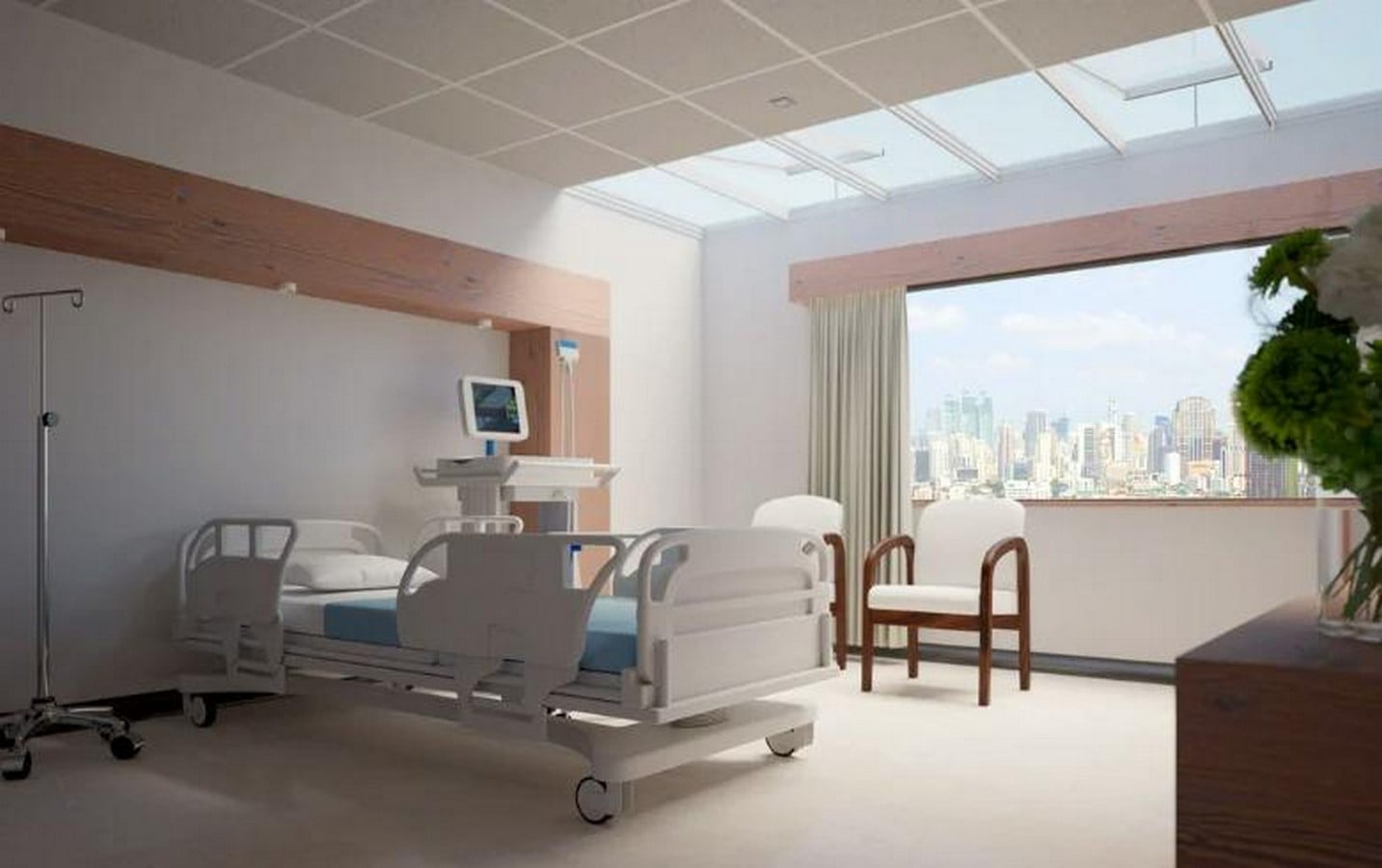
This is where Hospital Design begins to influence outcomes beyond treatment itself. A patient admitted for several days experiences the hospital not only through doctors and nurses but also through the surrounding environment. The size of a window, the presence of daylight, the ability to see changing weather or greenery outside all contribute to the emotional experience of recovery.
Research over several decades has shown that patients exposed to natural daylight often report lower stress levels, improved sleep quality and greater psychological comfort. While sunlight cannot replace medical treatment, it creates conditions that support both physical and emotional healing. The architecture, in effect, becomes part of the care team.
Why the Human Body Responds to Daylight
Humans have always lived according to the rhythm of the sun. Long before artificial lighting existed, daylight regulated sleeping patterns, hormone production and daily activity. Modern hospitals, however, often interrupt these natural rhythms through enclosed rooms, artificial lighting and continuous medical activity.
Good Hospital Design attempts to restore that connection. Morning sunlight helps regulate circadian rhythms, encouraging healthier sleep cycles that are essential for recovery. Exposure to daylight also influences the production of hormones linked to alertness, mood and overall well-being.
Patients recovering after surgery, individuals undergoing lengthy treatments and elderly patients living with dementia all benefit when their internal body clocks remain connected to natural day-night cycles. In this sense, a well-positioned window does more than admit light. It reconnects patients with the passage of time itself.
Designing with Light Instead of Around It
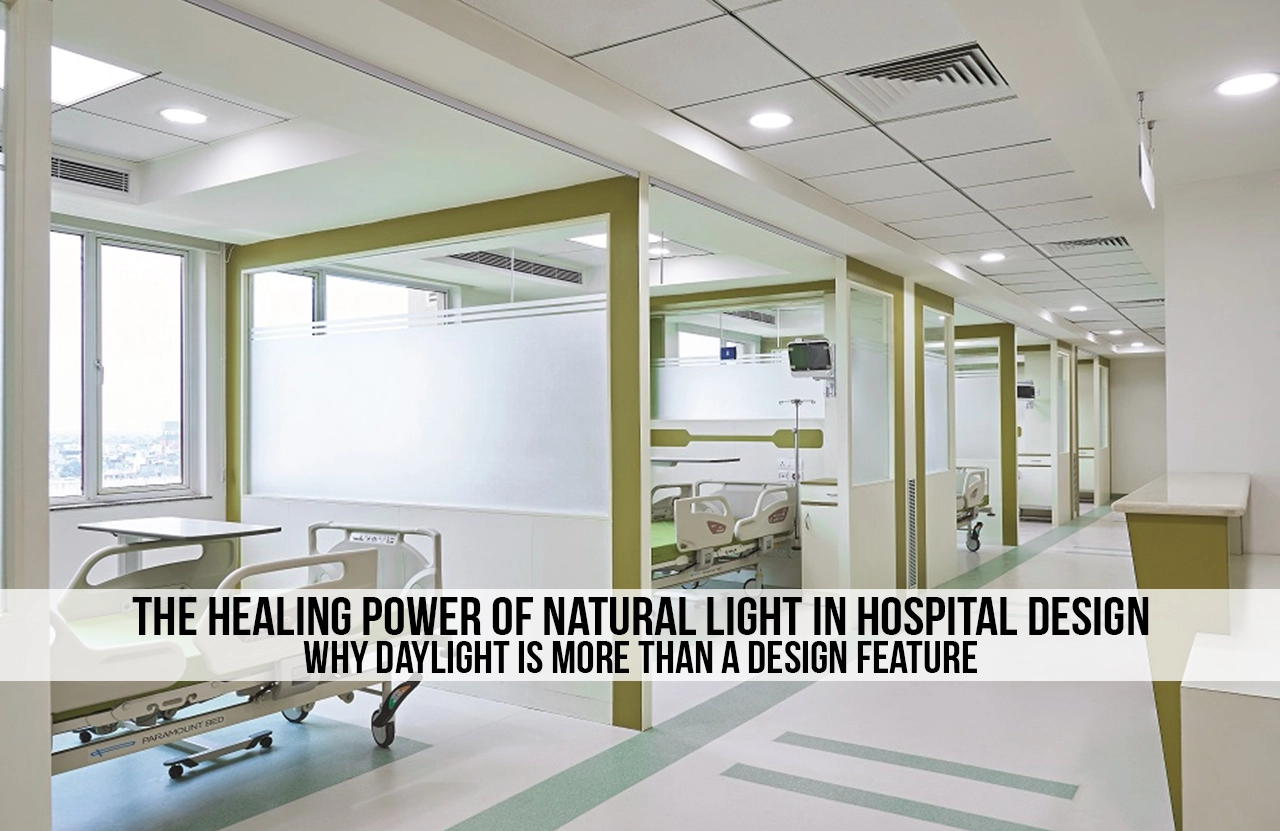
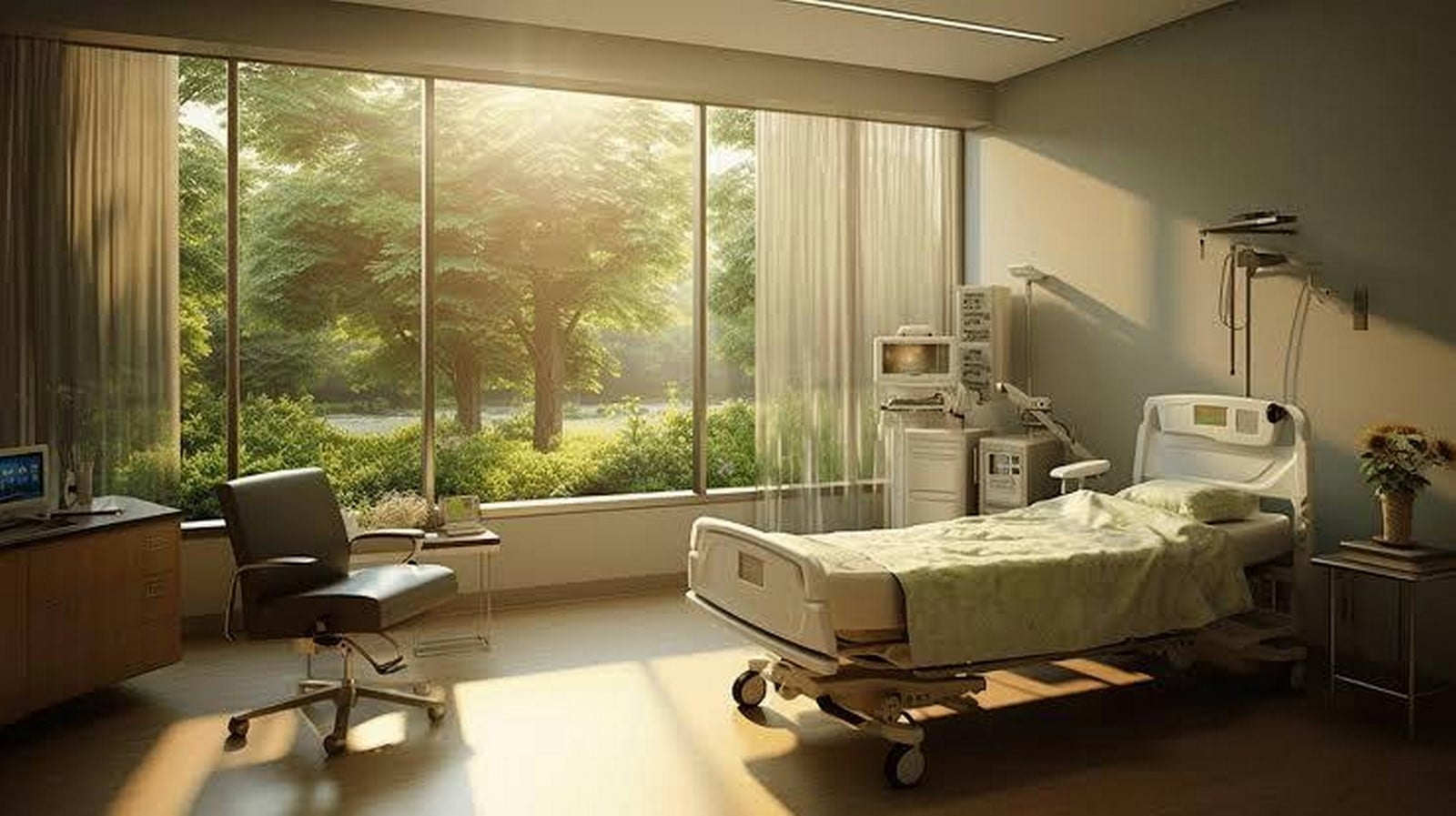
Natural light rarely enters a building by accident. It is the result of deliberate architectural decisions made long before construction begins. Successful Hospital Design considers building orientation, window placement, courtyard planning and spatial organisation from the earliest stages of design. Patient rooms are often positioned to maximise daylight while controlling glare and overheating. Internal courtyards allow sunlight to penetrate deep into large healthcare complexes, creating moments of visual relief within dense buildings.
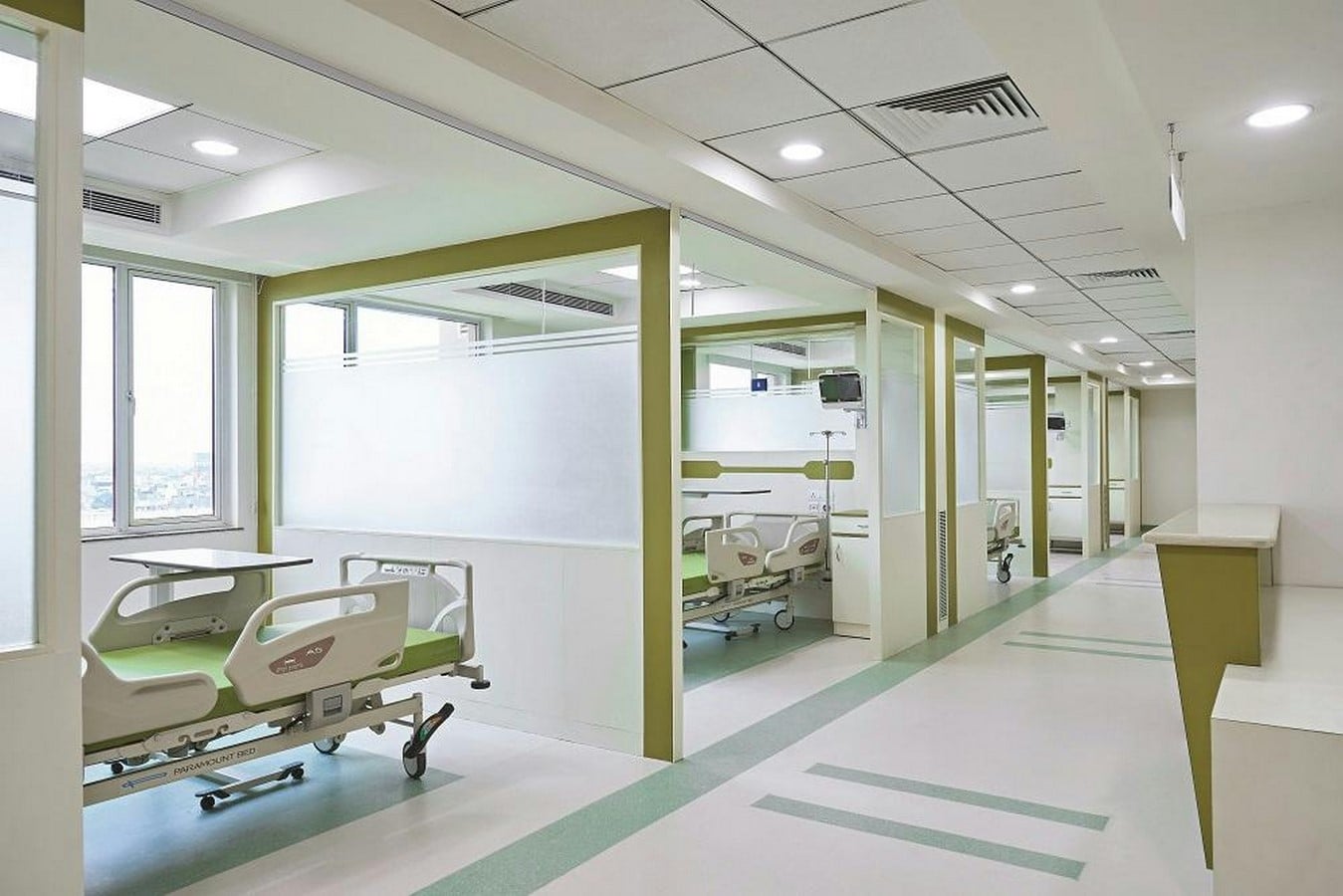
Skylights introduce daylight into waiting areas that might otherwise feel enclosed. Light wells illuminate circulation spaces, making long corridors feel less institutional. Even carefully designed shading devices become important, balancing daylight with thermal comfort and patient privacy. The goal is not to flood every room with sunlight but to create balanced, comfortable environments where natural light becomes part of everyday experience rather than a visual distraction.
Beyond Patients: Supporting Those Who Provide Care
Hospitals never sleep. Doctors, nurses and support staff work long shifts that often extend through the night, making physical and mental fatigue a constant challenge. Natural light plays an equally important role for healthcare workers. Staff who regularly experience daylight during their working hours often report improved concentration, reduced stress and greater overall well-being. Well-lit workspaces support alertness during complex medical procedures while reducing the sense of exhaustion that enclosed environments can create.
Families waiting for loved ones also benefit from brighter, naturally lit spaces. Waiting rooms filled with daylight feel less intimidating than enclosed interiors illuminated entirely by fluorescent lighting. Even during moments of anxiety, architecture has the ability to reduce emotional strain through simple environmental qualities. Good Hospital Design therefore serves everyone who enters the building, not only those receiving treatment.
Learning from Hospitals That Embrace Nature
Several contemporary healthcare projects demonstrate how daylight can become a central design strategy rather than an afterthought. Singapore‘s Khoo Teck Puat Hospital integrates generous natural lighting with gardens, courtyards and water features, creating a healthcare environment where nature and architecture work together. The Maggie’s Centres across the United Kingdom adopt a similar philosophy, using domestic-scale spaces filled with daylight to support people living with cancer.
These projects share an important lesson. Healing environments are not created through expensive materials or dramatic forms alone. They emerge from thoughtful decisions that prioritise comfort, orientation, dignity and connection with the natural world. Rather than separating architecture from medicine, these hospitals demonstrate how both disciplines can contribute towards improving patient experience.
When Daylight Becomes Difficult
Designing with natural light is rarely straightforward. Urban hospitals often occupy constrained sites surrounded by neighbouring buildings. Deep floor plates, strict privacy requirements, infection-control measures and energy performance targets all influence how daylight enters a healthcare facility.
Large glazed surfaces may introduce excessive heat in warmer climates, while poorly positioned windows can create glare that interferes with medical work. Architects must therefore balance environmental performance with patient comfort, ensuring that natural light remains beneficial rather than overwhelming. These challenges remind designers that successful Hospital Design is not about maximising sunlight at any cost. It is about understanding how light changes throughout the day and shaping spaces that respond thoughtfully to those changes.
The Emotional Architecture of Hope
Perhaps the greatest contribution of natural light cannot be measured through clinical data alone. Someone sitting beside a hospital window may watch children playing outside, notice rain arriving in the afternoon or simply observe clouds moving across the sky. These ordinary moments reconnect patients with everyday life beyond illness.
Architecture rarely removes pain. It cannot erase uncertainty or guarantee recovery. What it can do is preserve a sense of humanity during difficult moments. Natural light reminds people that the world continues beyond hospital walls and that recovery is part of returning to that world. In this way, daylight becomes more than an environmental strategy. It becomes an emotional bridge between illness and hope.
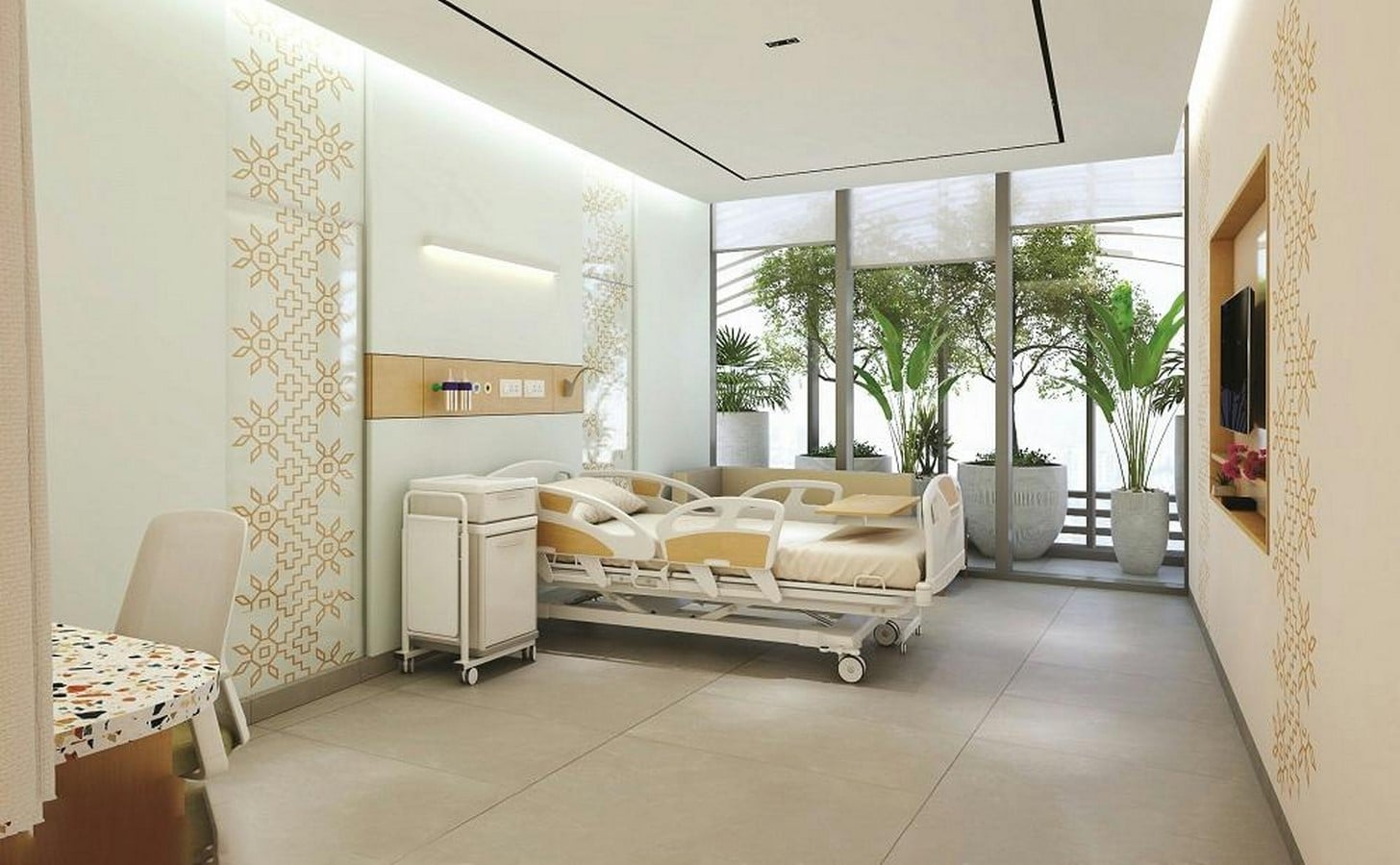
Hospitals are often judged by their technology, medical expertise and efficiency, yet the spaces surrounding healthcare quietly influence recovery every single day. Thoughtful Hospital Design recognises that healing involves far more than clinical treatment. It also depends on how people sleep, feel, navigate unfamiliar environments and remain connected to the outside world.
Natural light may appear to be one of the simplest architectural elements, yet its impact reaches far beyond illumination. It shapes biological rhythms, supports emotional well-being, reduces stress and transforms institutional interiors into places that feel more humane. As healthcare continues to evolve, perhaps the most meaningful innovations will not always be the newest machines or the most advanced technologies. Sometimes they will be the oldest elements of architecture itself: sunlight entering a room, marking the passing of time, and quietly reminding people that healing is not only about surviving, but about feeling ready to live again.