
Ever noticed how every day feels the same yet never truly repeats itself? The spaces people move through, from the rooms they wake up into the ones that shape their daily rhythm, make each moment feel alive in its own quiet way. Architecture plays a subtle part in that experience. It shapes time, adds energy to routine, and turns ordinary motion into something meaningful. It reminds people that living is more than simply existing; it is about feeling connected to the spaces that carry them through life.
These spaces take many forms. It might be the privacy of a home, the focus of a workspace, or the openness of a park or theatre. Each remains a constant part of daily life, holding small details that influence how people live and feel within them. Every setting carries its own sense of architecture, quietly linked to the habits, emotions, and movements that make up a person’s day. This unseen dialogue between people and their surroundings forms the essence of architecture’s influence on daily routines.
The Subtle Dialogue Between People and Space
Architecture very often feels quiet, but it is always interacting with the people who move through it. Even without noticing, individuals respond to the spaces around them. A room that feels open invites slower movement, while a narrow passage naturally pushes someone to walk faster. Small details like where a window sits or how light falls on a surface influence behaviour in ways that are easy to overlook.
There is also an emotional side to this interaction. Certain spaces create a sense of calm, while others bring energy or focus. A soft corner might feel comforting after a long day, and a bright area might naturally become the place where tasks get done. These reactions happen quietly, yet they shape how people experience their routines. Architecture becomes a part of their daily rhythm, guiding actions and feelings without needing to be noticed.
Light, Air, and the Everyday Experience
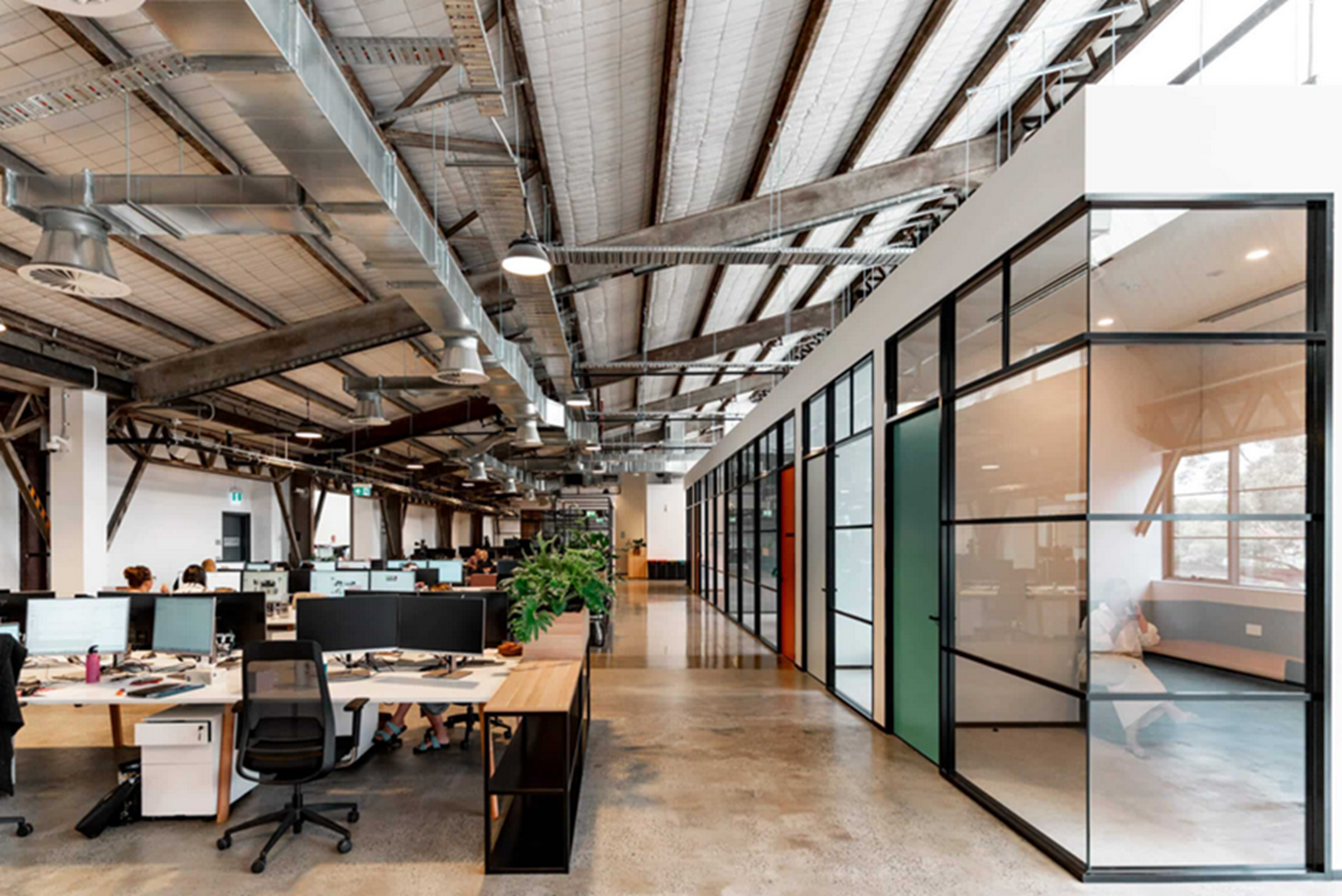
Light and air are some of the first things people notice in a space, even when they don’t realise it. Morning light can make a room feel hopeful, while a dim, enclosed corner can slow down the mood. Daylight changes the pace of a person’s routine without asking for attention, and it often decides where people choose to spend most of their time.
Air works in a similar way. A room with fresh movement feels easier to breathe in, and it helps the mind stay clear. Spaces that are poorly ventilated tend to feel heavier, which affects focus and comfort. These simple elements make a space feel alive, and they quietly shape how a day unfolds. Light and air play a major role and do more for architecture’s influence on daily routines than any visible design feature.
Materials, Memory, and Familiarity
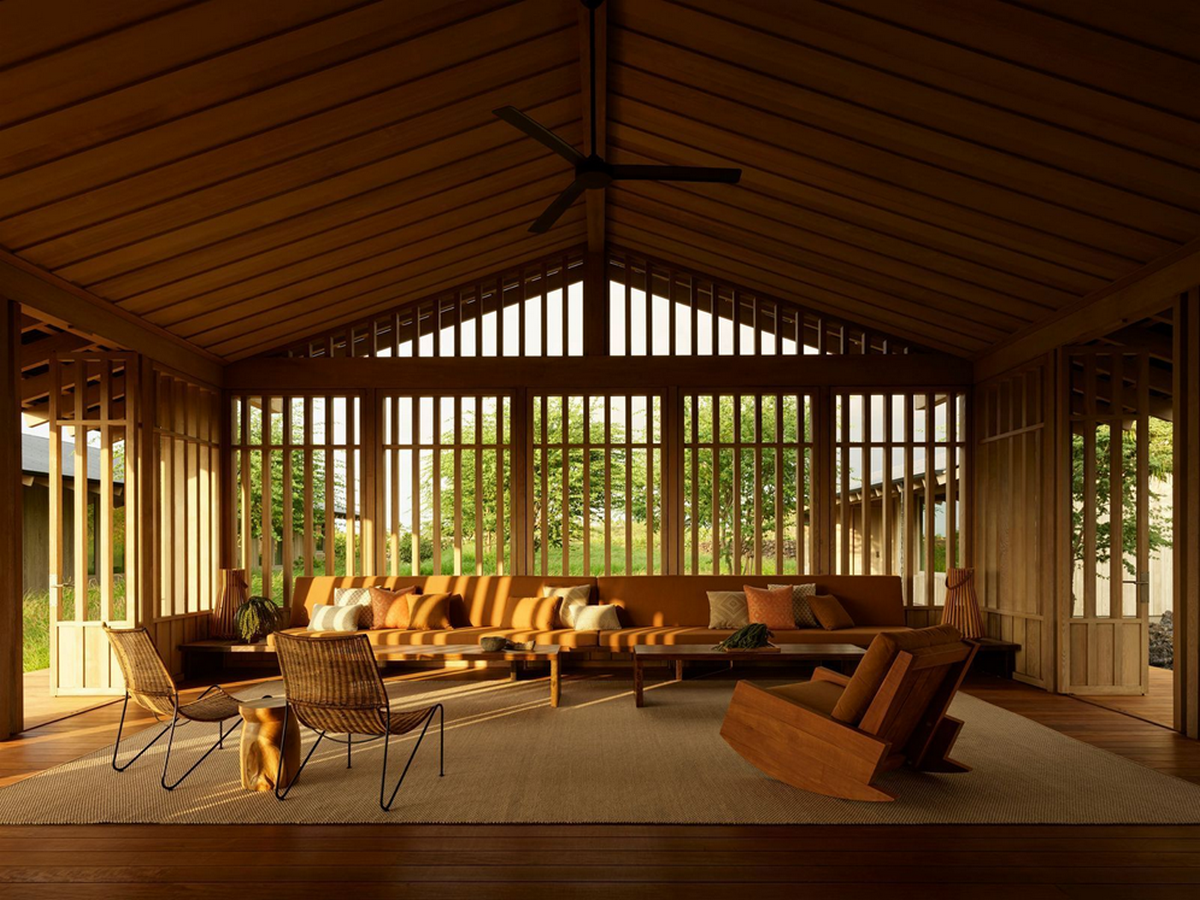
Materials very often play a bigger role in daily life than people realise. The warmth of wood, the weight of stone, or the smoothness of plaster can change the way a space feels the moment someone steps into it. These textures create a sense of familiarity, and they influence how comfortable or calm a person feels throughout the day.
Over time, these small sensations turn into memory. People remember how a floor feels under bare feet in the morning or how a certain chair sounds when it moves. These details might seem simple and insignificant, but they help shape how individuals experience their routines. Materials quietly influence comfort and habit, becoming a subtle yet important part of architecture’s influence on daily routines.
Designing for Ease and Well-Being
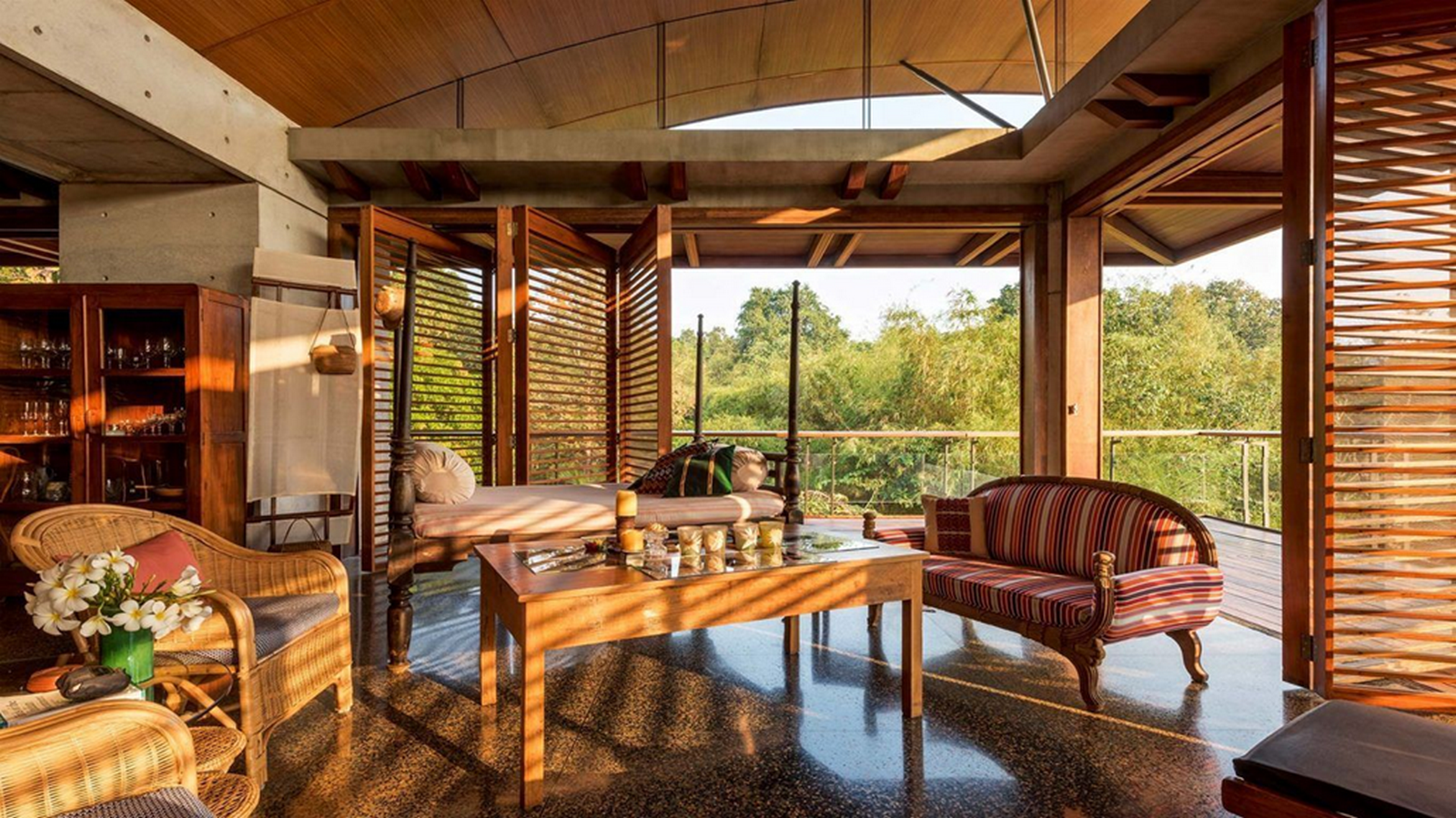
Architecture has a quiet role in supporting how people feel throughout the day. A well placed window, a comfortable chair, or a layout that allows easy movement can change how someone works or rests. When a space feels easy to use, the day tends to feel lighter and more manageable.
Small design decisions often have the biggest impact. Natural light can reduce strain, while fresh air keeps the mind clear. Even the height of a desk or the softness of a seat can influence focus and comfort. These details might seem ordinary, but they shape well-being in subtle ways. They show how architecture’s influence goes beyond appearance and becomes part of a person’s mental and physical balance.

Architecture as a Quiet Companion
In the movie Perfect Days, director Wim Wenders has brilliantly portrayed the influence of architecture in a person’s daily life. Architecture does not always stand out, but it remains present in every part of a person’s day. It shapes how they move, where they pause, and how they feel in different moments. Even the smallest design choices become part of daily life, guiding people without them even realising it.

This constant presence is what makes architecture more than just a physical structure. It becomes a quiet companion, supporting routines, moods, and habits in subtle ways. The comfort of a known corner, the soft light that arrives at the right time, or the fresh air that softens a long day shows how deeply design is connected to everyday living. These simple moments reflect architecture’s influence on daily things, reminding people that good design is often felt long before it is noticed and realised.