Listening to the old lores and tales of civilizations has led to the realization of unforgiven horrors of the partially demolished or abandoned structures caused by human race. From Nalanda to Fatehpur Sikri we all have heard about them but do we actually know them..
The cities once sung with education and engineering has seen its fall over time. Not just the cities , the communities , the culture , the lifestyle has evolved with multiple invasions
Nalanda University is one of the most iconic symbols of ancient India’s intellectual and architectural prowess. The university’s campus and architecture stand as a testament to the sophisticated engineering and design capabilities of that era. However, it began to decline after the 10th century. Political instability and reduced royal support weakened the institution. The final blow came in the 12th century. The university was destroyed during invasions led by Bakhtiyar Khilji. The libraries were burned. Many monks were killed or forced to flee. This event marked the end of Nalanda as a functioning university. However, its influence did not disappear. Scholars who survived carried its teachings to other regions. The building remind us of the fragility of knowledge and the need to preserve intellectual heritage, for wisdom lost is harder to rebuild than stone.

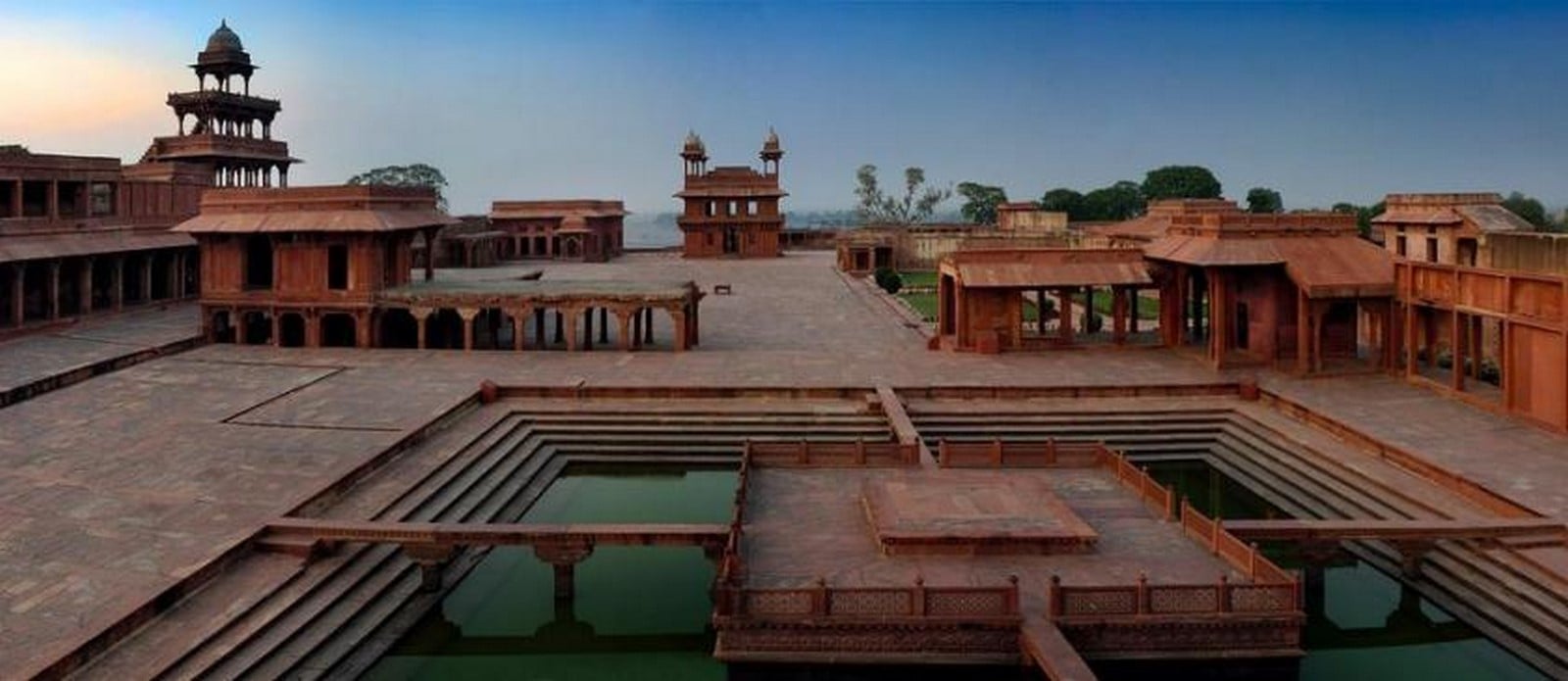
Another such example was Fatehpur Sikri. The deserted courtyards of Fatehpur Sikri in Uttar Pradesh stand as a haunting reminder of ambition undone by nature. Emperor Akbar’s Fatehpur Sikri was conceived as a grand capital in the 16th century, embodying his ideals of justice, inclusivity, and imperial authority. Its monumental structures—the towering Buland Darwaza, the airy Panch Mahal, and Jodha Bai’s palace blending Hindu and Islamic motifs—reflected a vision of cultural synthesis. Yet within decades, the city was abandoned. Built by Emperor Akbar as a magnificent capital, the city was abandoned within decades due to water scarcity and shifting political priorities. Its empty courtyards remind us that urban planning cannot be divorced from environmental realities. Today, as Indian cities like Chennai and Bengaluru grapple with droughts, and Delhi faces groundwater depletion, Fatehpur Sikri’s fate warns us that ambition without ecological foresight is unsustainable. It’s empty halls and silent palaces teach us that even the greatest visions falter when ecological realities are ignored, making it a lesson in humility and foresight.
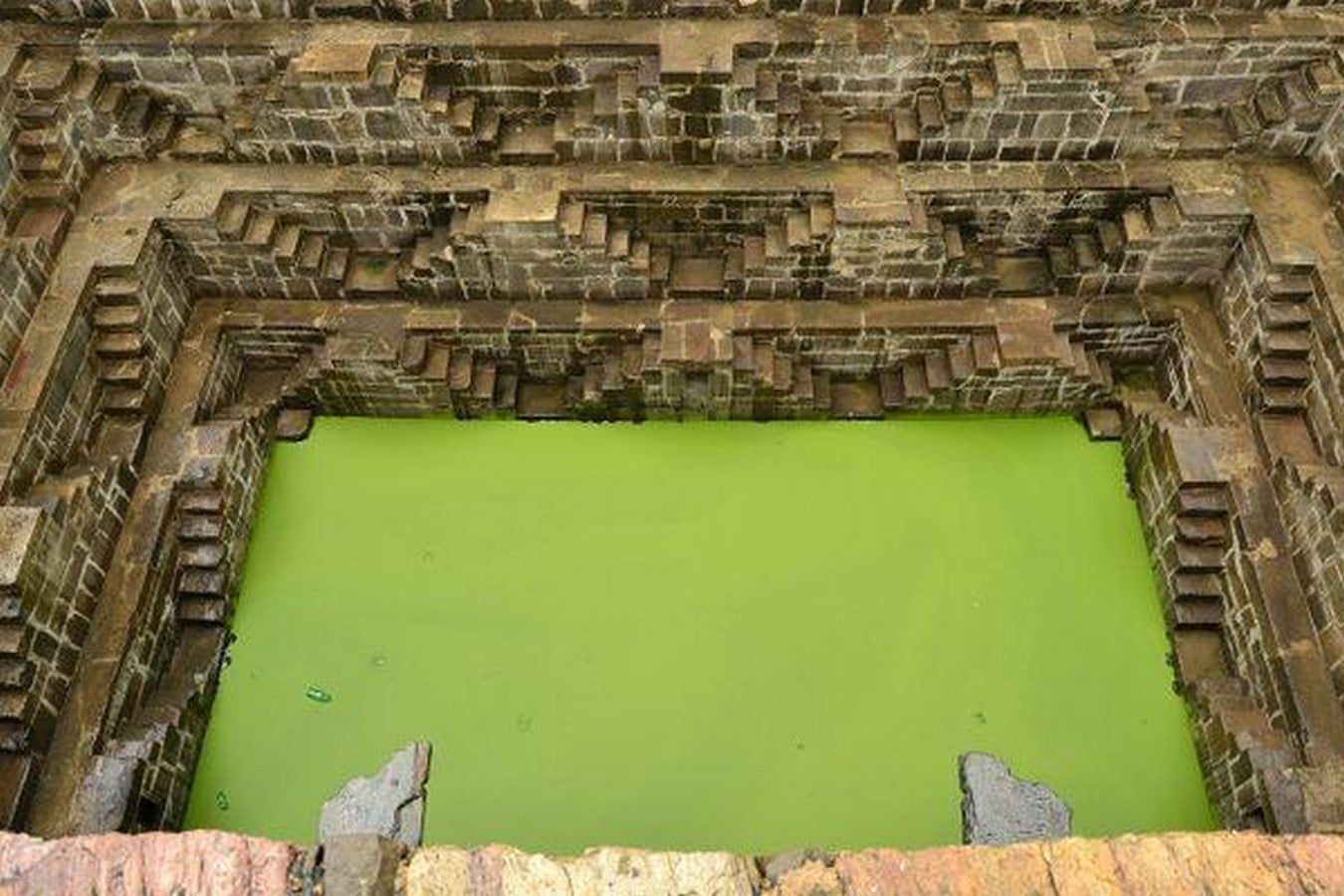
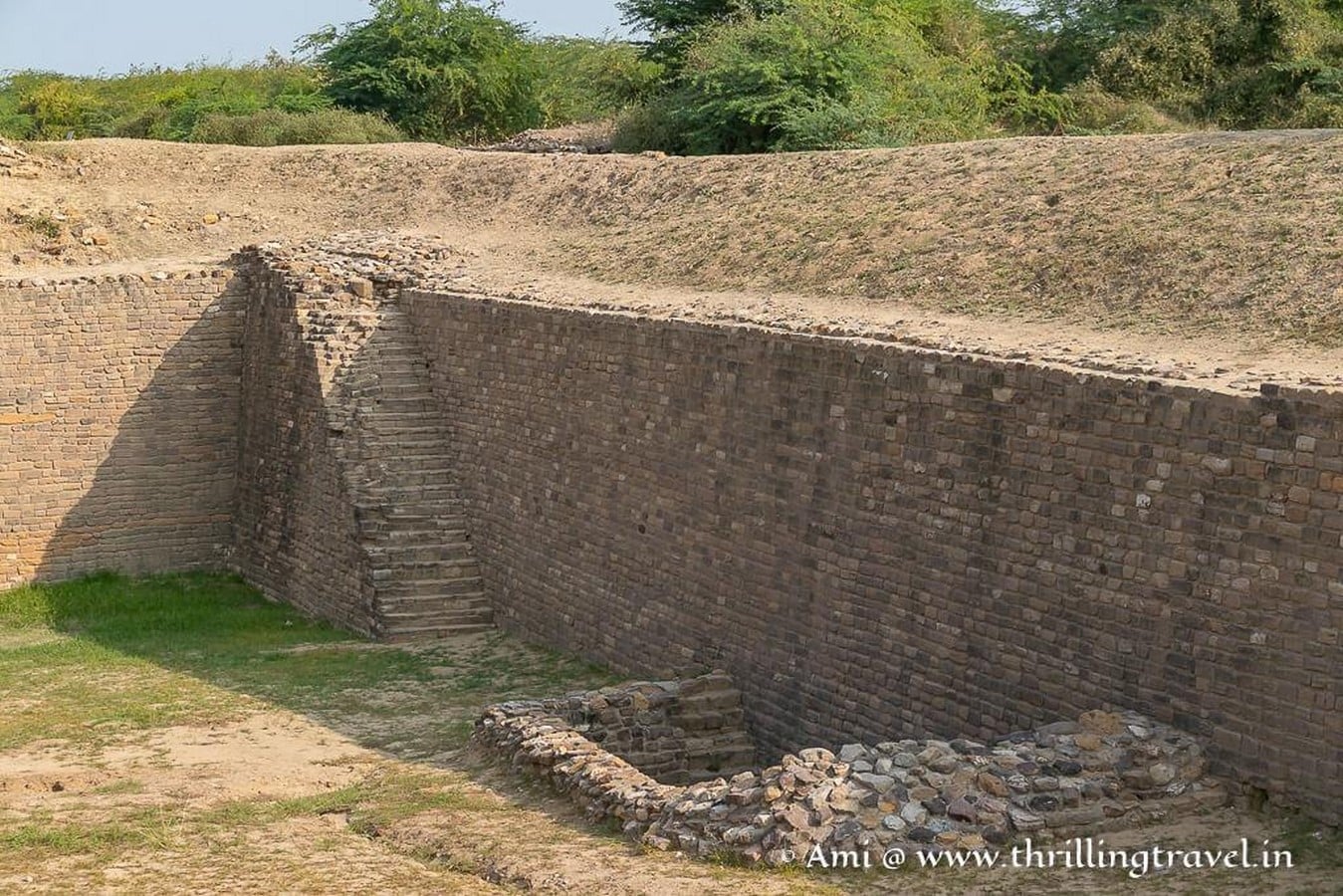
Among the ruins of India, there is a city that speaks the language of sustainability once, Dholavira. Dholavira in Gujarat stands out as a forgotten jewel of the Indus Valley Civilization. Nestled in the harsh landscape of the Rann of Kutch, this ancient city thrived nearly 4,000 years ago through remarkable ingenuity. Its vast reservoirs, stepwells, and water channels reveal a society that mastered sustainability long before the word existed. Unlike Fatehpur Sikri, Dholavira thrived for centuries in an arid landscape because its design was rooted in ecological adaptation. In contrast, many modern cities today struggle with water shortages, overconsumption, and poor planning. Dholavira’s ruins remind us that sustainable design is not a luxury—it is a survival strategy and it imparts us a lesson in resilience, reminding us that civilizations endure not by conquest, but by living in balance with nature.
Placed side by side, Fatehpur Sikri and Dholavira : one where vision faltered against nature, and another where engineering aligned with environment. Both are now ruins, but their lessons differ—one warns against neglecting ecological limits, the other inspires us with models of resilience.
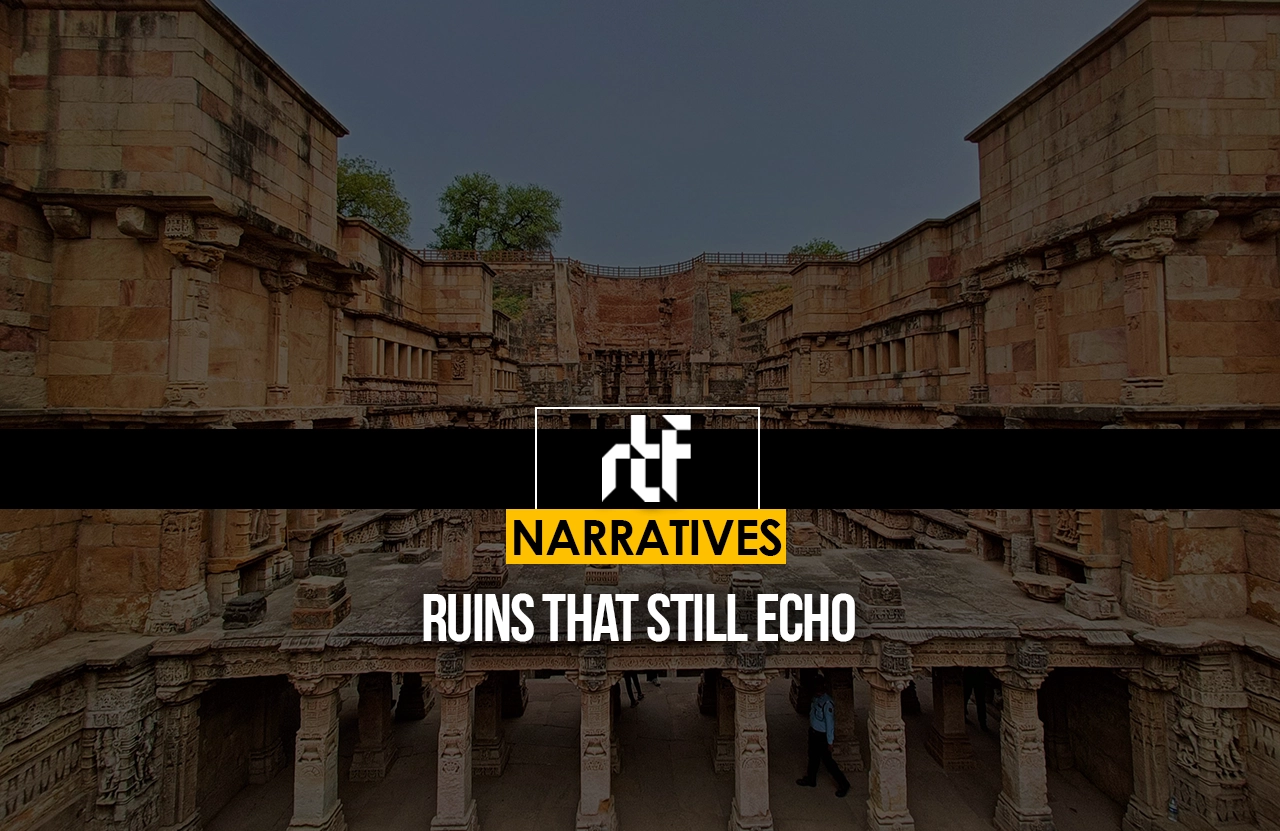
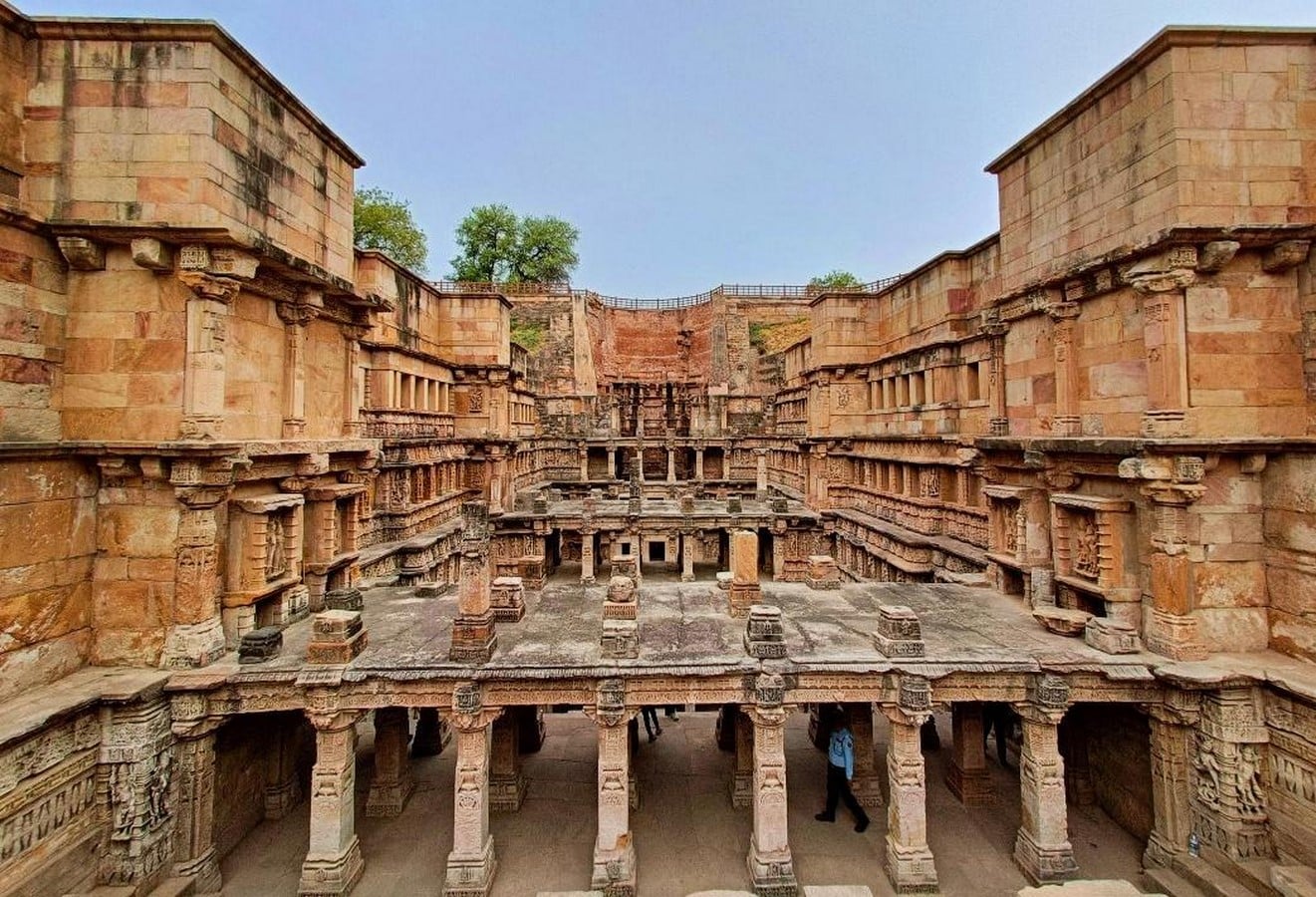
Across India, ruins like Hampi’s markets or Rani ki Vav’s stepwell add to this chorus. Hampi reveals the fragility of empires undone by war, while Rani ki Vav demonstrates how water architecture was both functional and artistic. Climate change today accelerates the decay of such heritage—floods erode stone carvings, rising temperatures crack ancient masonry, and pollution blackens monuments. Conservation is no longer just about preserving history; it is about protecting cultural identity against environmental stress.
Modern cities face the same pressures that toppled ancient ones: water scarcity, ecological imbalance, and unchecked ambition. Climate change intensifies these vulnerabilities—heat islands, flooding, and resource depletion threaten urban life. Mumbai struggles with rising sea levels, Delhi with toxic air, and Chennai with alternating floods and droughts. Just as ruins remind us of past failures, they also guide us toward solutions: sustainable water systems, climate-responsive design, and inclusive urban spaces. The question is whether today’s skylines will be remembered as resilient adaptations or as monuments to excess and fragility
Ruins are not just remnants of the past; they are mirrors reflecting the choices of civilizations. Broken walls and abandoned cities remind us that power fades, knowledge can be lost, and ambition collapses when nature is ignored. Contemporary architecture, too, will one day be read in fragments—its towers, libraries, and homes interpreted as reflections of our priorities. What we build today will become tomorrow’s ruins, judged not by their glamour or scale but by the values they embodied. If our cities embrace resilience, inclusivity, and ecological wisdom, their remains will speak of foresight and care. If they ignore sustainability and community, they may stand as monuments to excess and fragility. In this way, ruins are not only teachers of history but also guides for the present, urging us to shape architecture that endures in meaning long after its material form has faded.