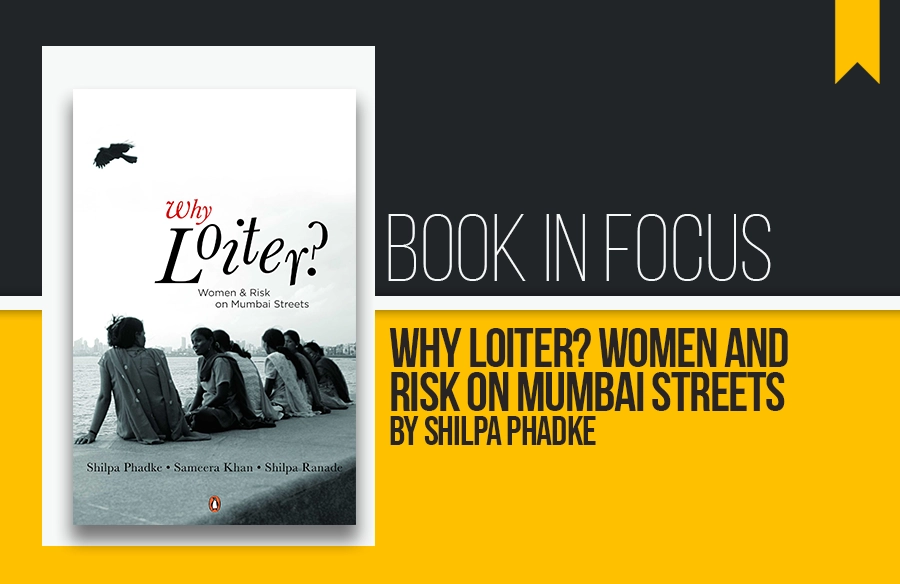
Few books sit at the intersection of two very different subjects that influence the day-to-day world on a huge scale. For all those readers with an architecture background who also carry along their interest in gender and public life, the book Why Loiter? Women and Risk on Mumbai Streets (Penguin Books, 2011) brings the exact reaction. Although this book is known for its extensive research on sociology and gender studies, it also primarily discusses how the city of Mumbai functions as a design. The book also tackles the seriousness of a space, whether or not gender was the reason they picked it up.
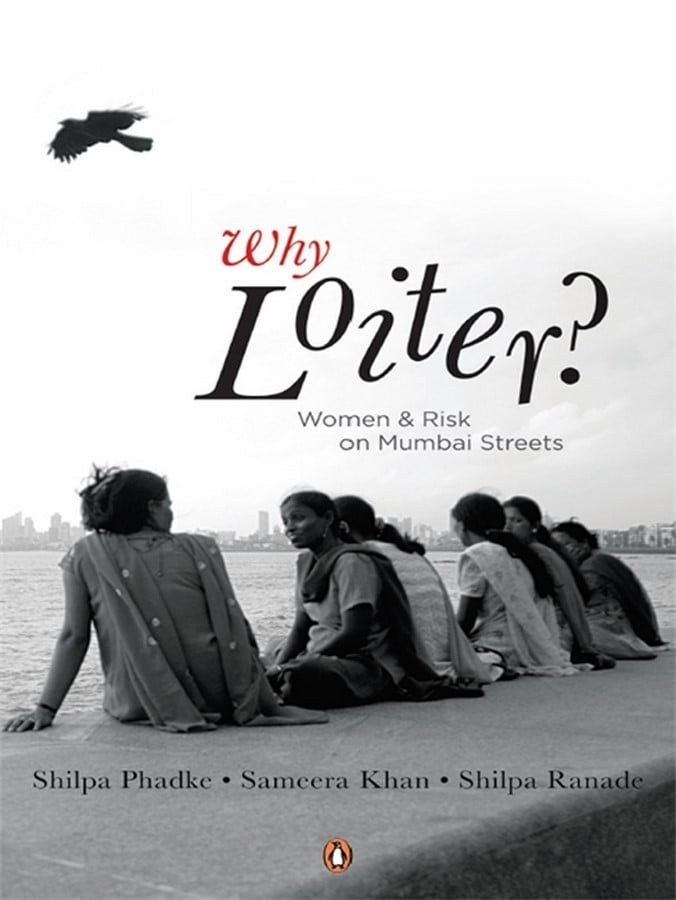
About the Book and Its Authors
Why Loiter? is co-authored by three women whose backgrounds meet in the city itself. Shilpa Phadke is a sociologist at the Tata Institute of Social Sciences, Mumbai, whose research has long focused on gender and the politics of space, middle-class sexuality, feminist politics, and urban transformation, and who, by her own admission, loves Mumbai enough to fantasise about the city one day having a very large park.
Sameera Khan is a Mumbai-based journalist, writer, and researcher, formerly an assistant editor at the Times of India, who has reported extensively on the city’s neighbourhoods and communities.
Shilpa Ranade is the book’s architect trained at CEPT University, Ahmedabad, with a master’s degree in Comparative Cultural and Literary Studies from the University of Arizona. She is a founding partner at the design collaborative DCOOP, and her professional grounding in interiors, landscape, and urban design shows up throughout the book’s attention to physical space, not just social behaviour.
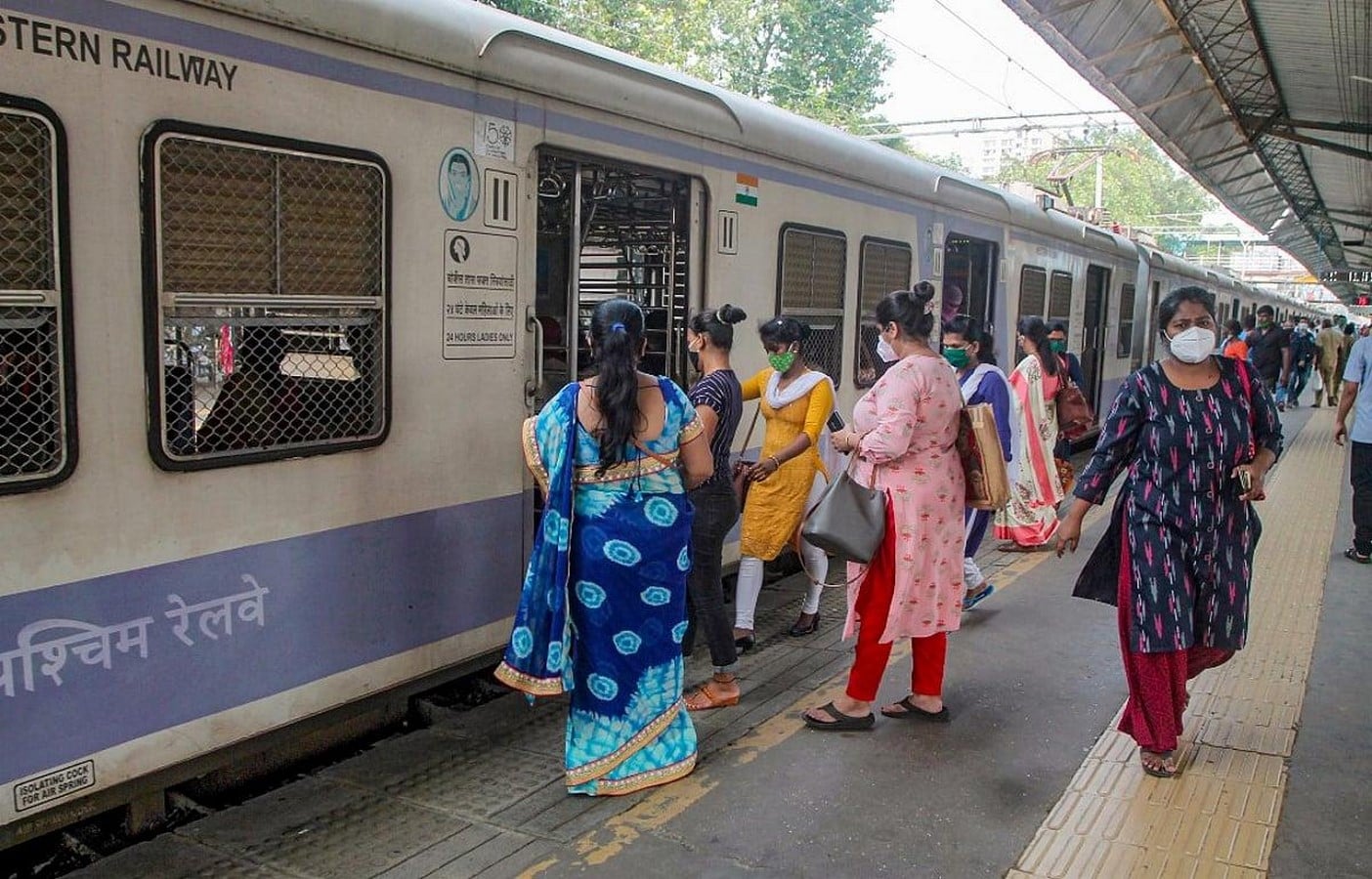
The book is based on a Gender and Space project focusing on women in the city of Mumbai, which is known for its diversity in class, religion, community, and people from different states and cultures. The observations are made through ethnographic studies via interviews, focus groups at railway stations, parks, malls, and coffee shops. The authors used architectural mapping and the literature they could find on city planning, combining it with data received from women through their workshops and documentation.
What the Book Sets Out to Do
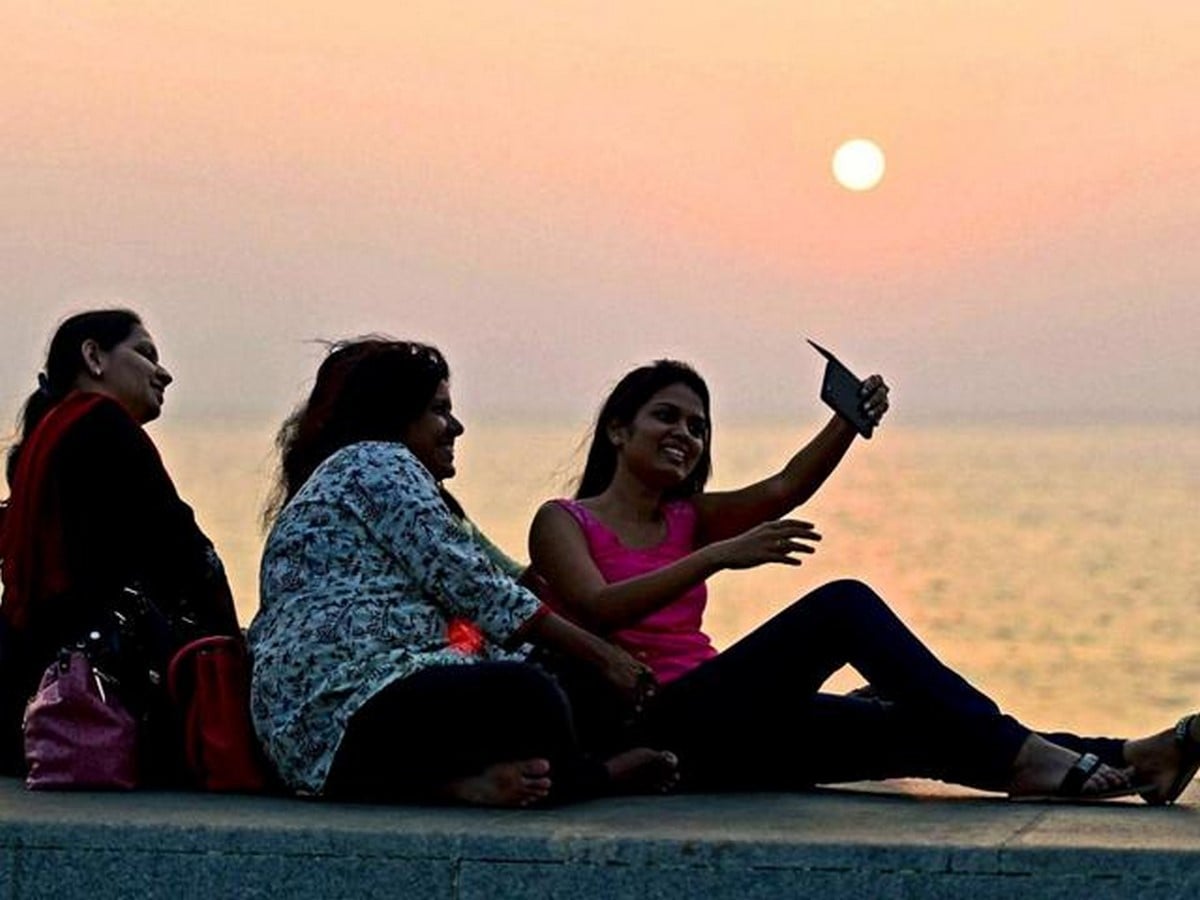
The title itself contains the keyword loiter, meaning to linger aimlessly, and the introduction discusses this exact activity. To imagine a Mumbai where women are free to linger, like sitting on a street corner, playing, talking, existing without the need for a reason to do so. The core argument was that society wants to keep a woman safe by trying to lock her up in closed spaces instead of designing public spaces that work regardless of gender and purpose.
Structure and Approach
The book unfolds across four sections. City Limits lays out the basic terms of the argument: public safety, the design failures of Mumbai’s transport and streets, and how safety and freedom differ sharply across class, caste, and religion even among women in the same city.
Everyday Spaces turns to infrastructure directly commuting, public toilets, and a chapter titled “Designed City,” which is likely to be of particular interest to readers with a design background, as it considers how the built environment itself, through lighting, layout, and planning choices, can either ease or intensify a woman’s sense of risk in a given space.
In Search of Pleasure is arguably the book’s most distinctive section, structured almost entirely as a series of pointed questions, each interrogating how class, religion, age, and marital status shape not just access, but the far less discussed question of enjoyment itself.
The closing section, Imagining Utopias, draws the previous parts together around the book’s central question, posed finally in its most direct form: not why loiter, but why not.
An Architectural Observation
One recurring thread that stands out to design-minded readers is the book’s implicit case for extending universal design thinking beyond physical accessibility. Architecture has, over recent decades, become far more attentive to barrier-free design for differently-abled users, yet the book quietly suggests that a similar design consciousness rarely extends to women’s safety, even though the everyday experience of a public space can differ as dramatically by gender as it does by physical ability. A well-lit, well-planned space is not automatically an equal one; the book’s central insight is that equal access has to be designed for as deliberately as ramps or handrails are, not assumed as an afterthought.
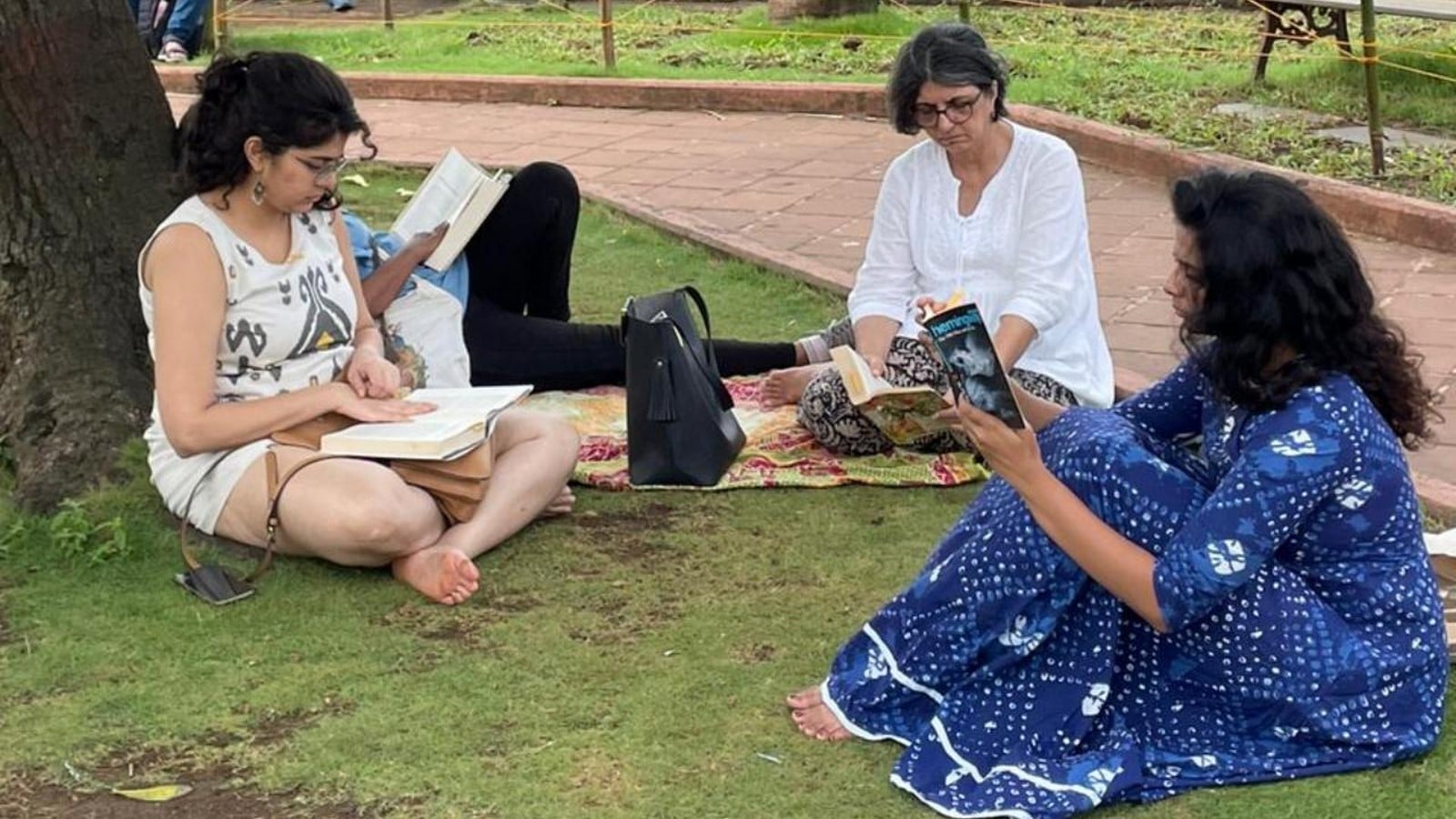
Why Loiter? is a book asking a simple, almost embarrassingly obvious question that somehow nobody had asked with this much clarity before: why should occupying public space without a purpose ever have needed defending in the first place? For architects and urban designers in particular, that question should sting a little because the answer, more often than the book is willing to say outright, lies in what gets built, lit, planned, and left unplanned. It is a book that belongs on the same shelf as any serious text on urban design, because it makes an argument that too much of architecture still avoids making: that a city is only as good as the freedom it gives its least protected citizens to do absolutely nothing in it.
“First life, then spaces, then buildings, the other way around never works.” —Ar. Jan Gehl