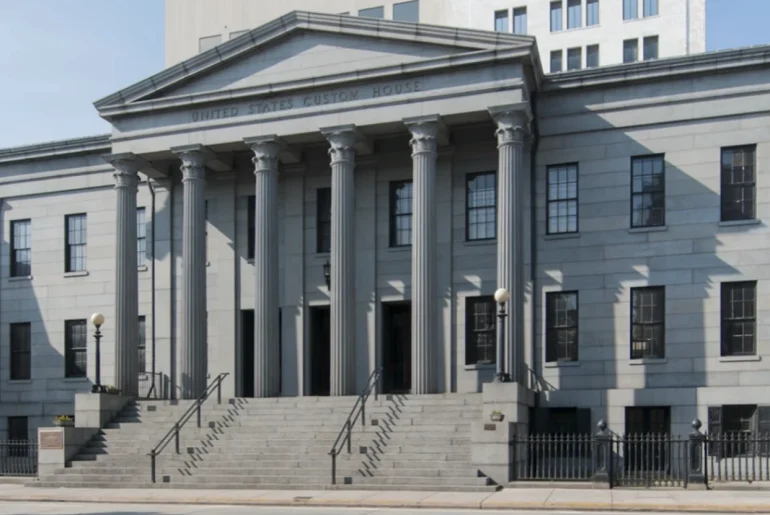
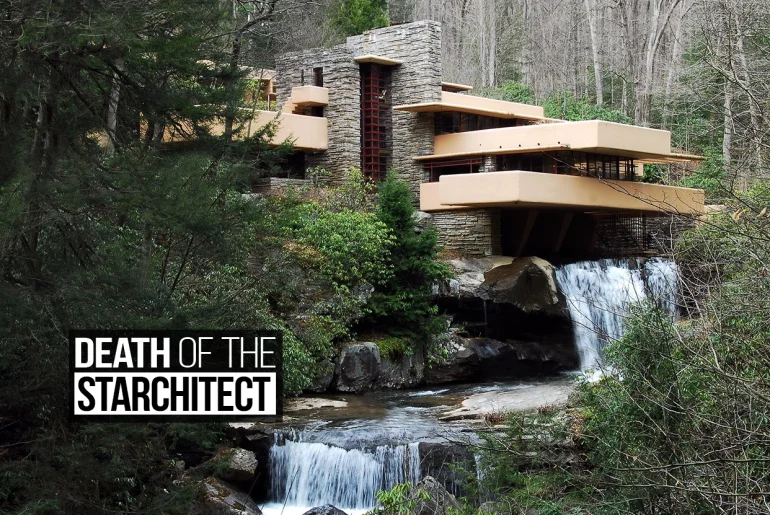
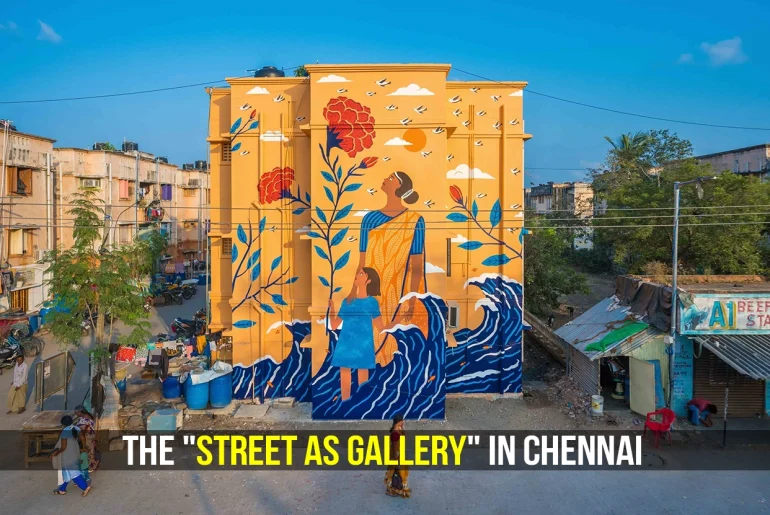
Traditionally, architecture and urban design have focused on buildings and spaces of outstanding visual, historical, or symbolic interest. Monuments, civic buildings, heritage buildings, open squares, and architecturally distinguished projects often…
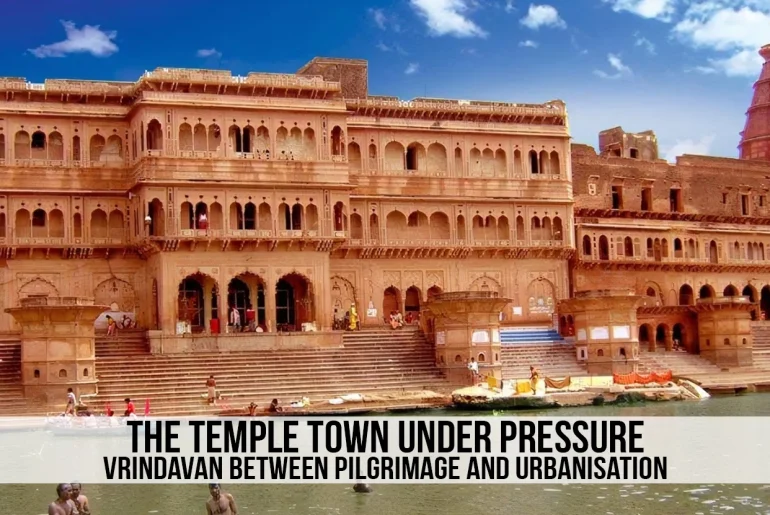
The walk can be heard well before it comes into view. It is a little after nine in the morning, and the street that takes you to the Banke Bihari…
While architecture is often defined in terms of buildings, it also includes other important components that make up the city: interstitial spaces between buildings, including streets, ramps, walls, bridges, and…
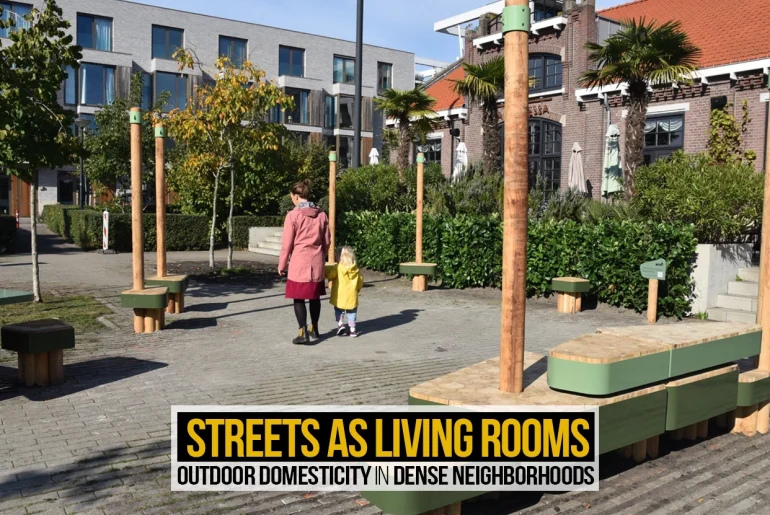
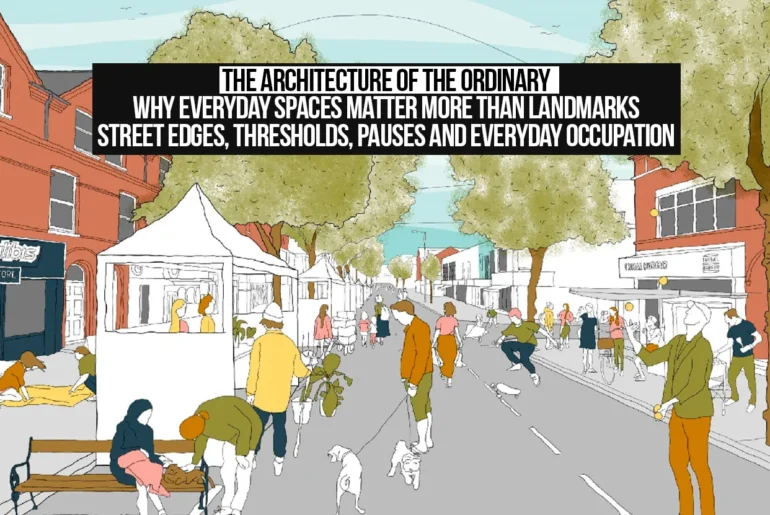
When streets become living spaces Streets don’t just transform into private property; they become a shared semi-domestic environment through increased utilisation and familiarity. Common elements such as verandas and porches…
A city’s identity is not just expressed via its architecture, but also through the spaces between its buildings. Parks, squares, streets, sidewalks, and other public areas are public spaces open…
The Starchitect The birth of the ‘starchitect’ both within and beyond the built environment is often attributed to the modern architectural movement. With the rise of both digital and print…
Architecture does not fail only due to poor design; sometimes, even with the best design possible, architecture fails its users because it assumes everyone in a city experiences it the…
Few books sit at the intersection of two very different subjects that influence the day-to-day world on a huge scale. For all those readers with an architecture background who also…
Cities are often understood through what they look like. Skylines, streetscapes, public squares and monuments dominate discussions about urban identity. Yet for most people, daily urban life is experienced just…
In developed countries, we often lament the lack of third spaces, but in India, a particular kind of third space abounds. It is free, accessible and is everywhere. Yes, they…
Waiting is one of the most recognizable spatial experiences in cities, which are not defined by buildings or streets. The queue is a vernacular kind of urban form, which scants…
Urban design used to be influenced by visible aspects. The urban imaginary is dominated by plans, sections, skylines and street grids that dominate the assessment and imagining of cities. But…