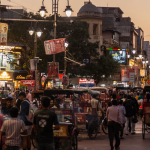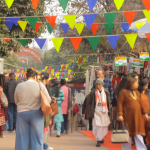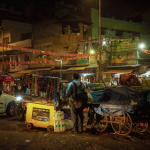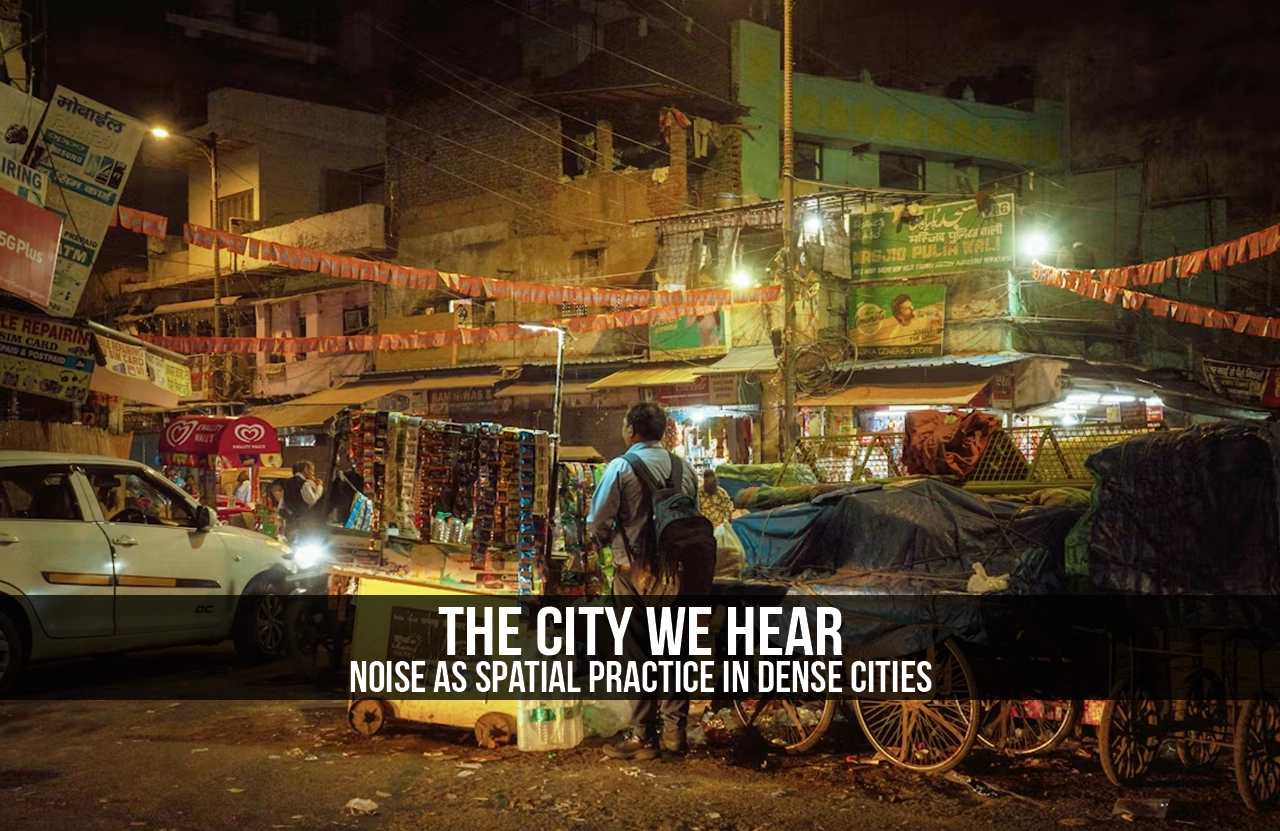
Cities are often understood through what they look like. Skylines, streetscapes, public squares and monuments dominate discussions about urban identity. Yet for most people, daily urban life is experienced just as much through sound as through sight. The vegetable vendor calling out in the morning, the distant prayer from a place of worship, the hum of traffic late at night, children playing in narrow lanes and conversations spilling from roadside tea stalls all contribute to a city’s unique Soundscape.
Through the lens of Sensory Urbanism, sound becomes more than background noise. It shapes movement, memory, comfort and belonging. In dense cities, noise is not simply something to be reduced or controlled. It is often a social practice that reveals who occupies space, who is welcomed and whose presence is considered disruptive. Listening closely to a city reveals stories that architecture alone cannot tell.
Hearing the City Beyond Its Buildings
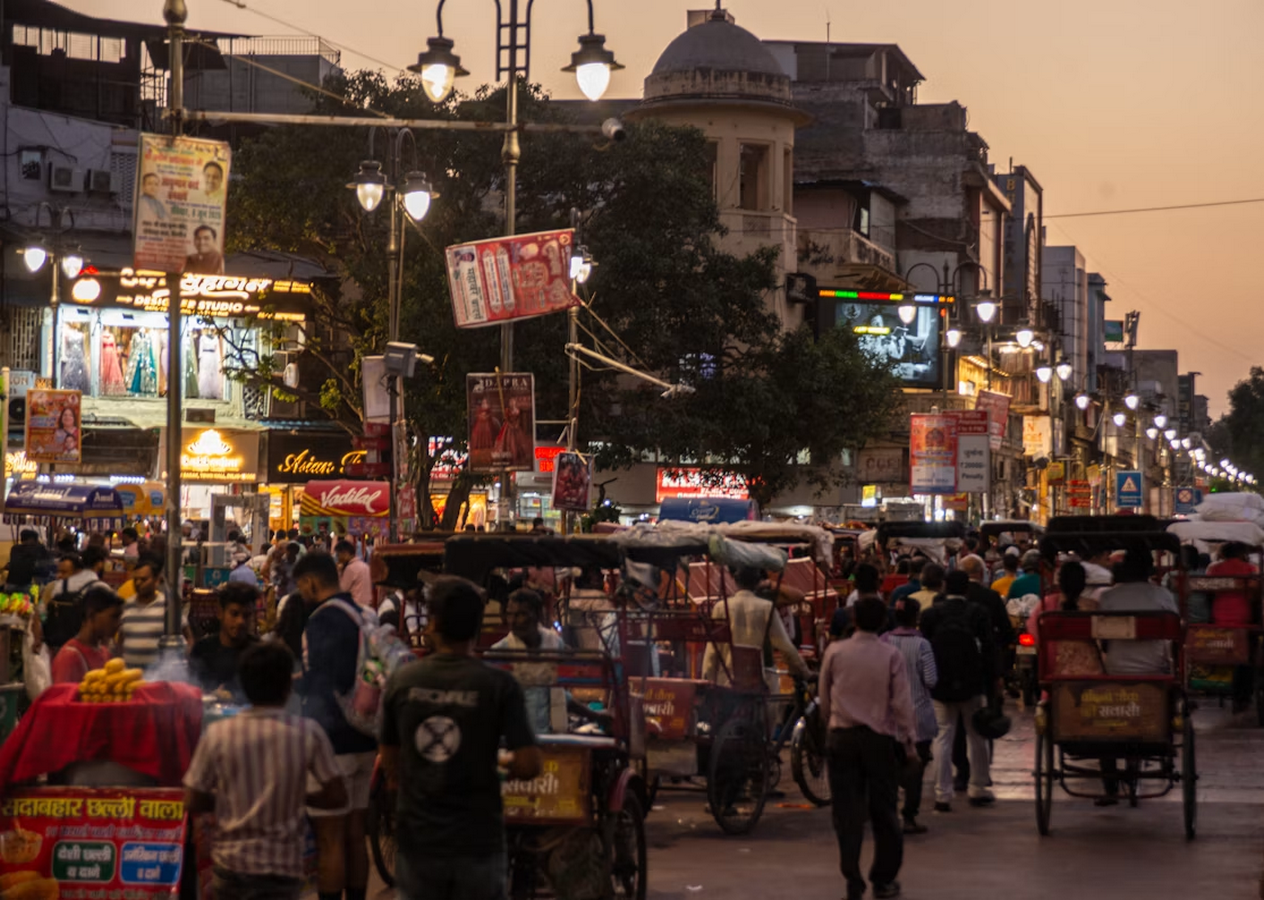
Urban environments are usually designed through visual planning. Streets are measured by width, buildings by height and public spaces by their physical dimensions. However, people rarely experience these environments silently.
Every neighbourhood develops its own Soundscape. A market street sounds different from a residential lane. A railway station creates a different atmosphere from a public park. Even within the same city, sound can define the character of a place more clearly than architecture itself.
The study of Sensory Urbanism suggests that cities should be understood through multiple senses rather than vision alone. Sounds provide information about activity, safety, culture and social life. A lively street often feels welcoming because of human voices and movement. A completely silent street may appear peaceful during the day but uncomfortable at night. Sound therefore becomes a spatial layer that exists alongside buildings and infrastructure, shaping how people emotionally experience urban environments.

The Sounds That Create Belonging
Certain sounds become deeply associated with home. For many urban residents, belonging is tied to familiar daily rhythms rather than physical landmarks.
The ringing bell of a bicycle vendor, the call of a newspaper delivery worker, evening conversations between neighbours or the distant sound of trains can all become important parts of a neighbourhood’s Soundscape. These sounds often go unnoticed until they disappear.
In dense cities, communities frequently build relationships through repeated auditory encounters. People recognise neighbours through voices heard across balconies. Shopkeepers become familiar through daily greetings. Public life extends beyond visual interaction into a shared acoustic environment.
From the perspective of Sensory Urbanism, sound helps transform anonymous urban spaces into lived places filled with memory and social connection. It creates continuity within rapidly changing cities where buildings may disappear but familiar sounds remain embedded in collective experience.
When Noise Becomes Conflict
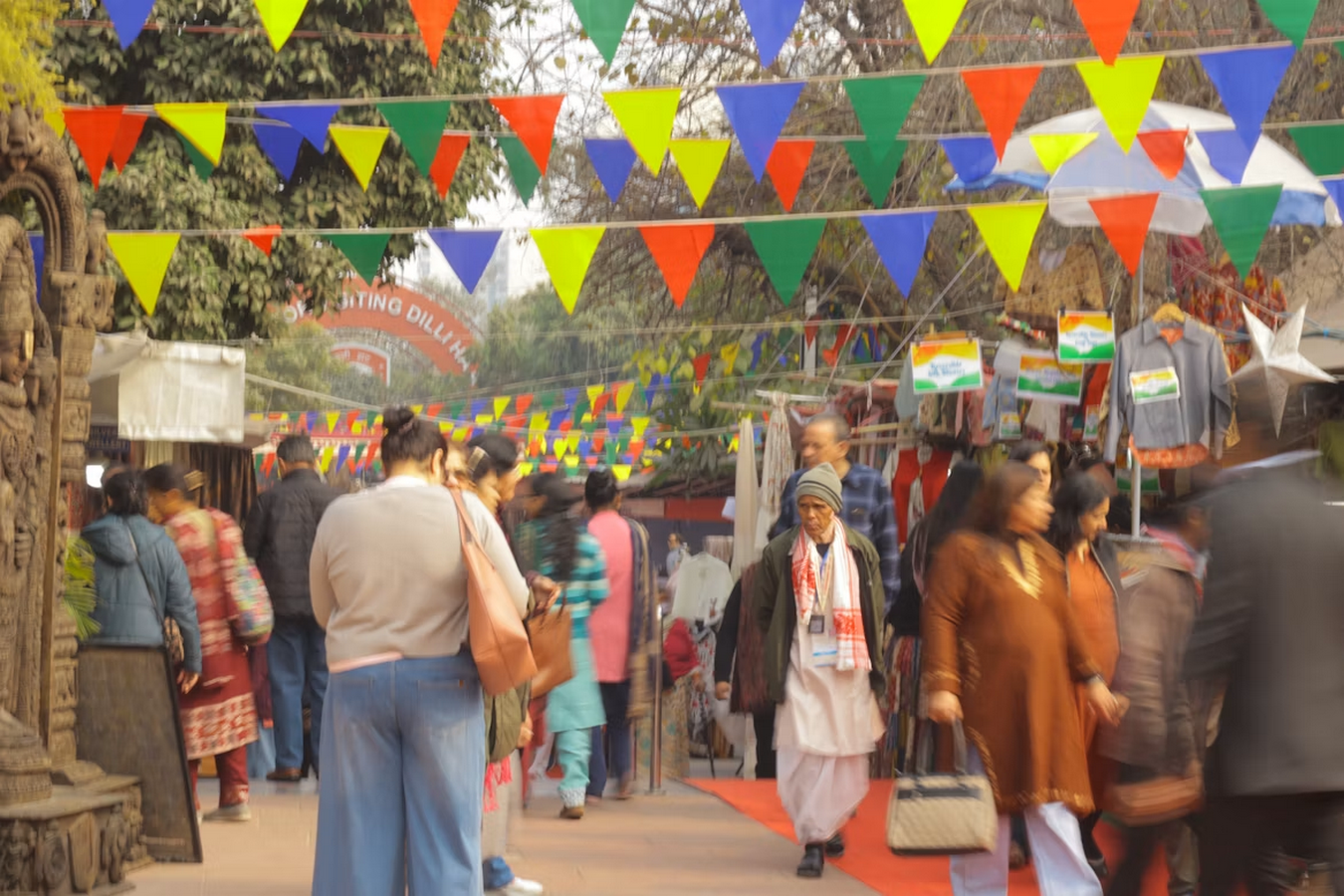
Not all sounds are received equally. In many cities, debates about noise often reveal deeper social tensions regarding class, culture and access to public space. Street vendors, musicians, religious gatherings and informal markets are frequently criticised for creating disturbance. At the same time, construction activity, traffic congestion and commercial advertising often receive greater tolerance despite producing significant levels of noise. This uneven response raises important questions about the urban Soundscape. Whose noise is considered part of city life, and whose noise is labelled a problem?
The answer is rarely neutral. Sounds associated with wealth, development or economic growth are often accepted more easily than sounds associated with informal livelihoods or marginalised communities. Through Sensory Urbanism, noise can be understood not only as an environmental issue but also as a reflection of social power. The regulation of sound frequently determines who has the right to occupy urban space and who does not.
Street Vendors and the Politics of Sound
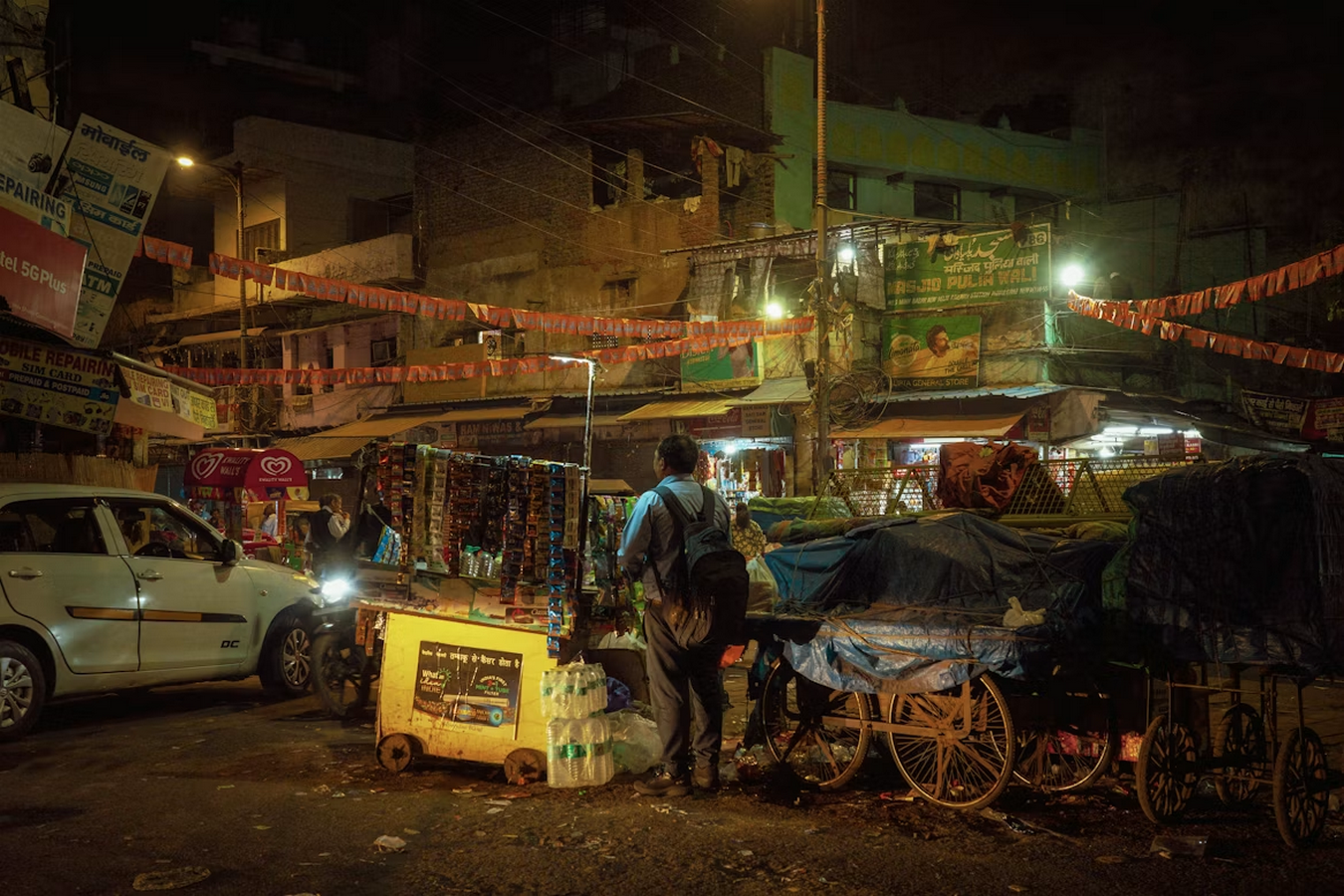
Street vendors provide one of the most visible examples of sound as spatial practice. Across dense cities, vendors use their voices as tools of communication, survival and visibility. A vendor’s call announces presence, attracts customers and establishes temporary ownership within public space. These sounds contribute significantly to the character of urban streets, creating a dynamic Soundscape that reflects local culture and economic activity.
Yet these same sounds are often targeted by regulations aimed at creating quieter and more controlled urban environments. Efforts to modernise cities sometimes prioritise visual order while overlooking the cultural value of everyday sounds.
Viewed through Sensory Urbanism, vendor calls represent more than commercial activity. They are expressions of urban life, community interaction and economic resilience. Removing them may create quieter streets, but it can also reduce the social richness that makes cities distinctive.
Designing for Sound Instead of Silence
Urban planning frequently approaches sound as a problem to be eliminated. Noise barriers, zoning regulations and acoustic controls aim to create quieter environments. While these measures are important, they often overlook the difference between unwanted noise and meaningful sound.
A healthy urban Soundscape is not necessarily silent. Instead, it contains a balance of sounds that support social interaction, orientation and cultural expression. Public squares, markets and neighbourhood streets often thrive because they allow a degree of acoustic activity. The goal should not always be silence but rather thoughtful management of sound.
The principles of Sensory Urbanism encourage designers to consider how materials, building forms and public spaces influence acoustic experience. Courtyards, shaded walkways and tree-lined streets can soften harsh noise while preserving the sounds that contribute to urban vitality. Cities should therefore be designed not only for how they look, but also for how they sound.
Listening to Urban Inequality
Sound often exposes inequalities that remain invisible in maps and plans. Wealthier neighbourhoods are typically quieter, buffered from traffic, industry and crowded public activity. Lower-income communities frequently experience higher levels of environmental noise while simultaneously facing stricter scrutiny over the sounds they produce themselves.
The urban Soundscape therefore reflects broader questions of access, privilege and spatial justice. Who has the ability to create sound without punishment? Who is expected to remain silent? Which sounds are preserved as heritage and which are erased in the name of progress? These questions sit at the heart of Sensory Urbanism, which seeks to understand how sensory experiences reveal social realities. Listening carefully to a city often reveals inequalities that visual observation alone may overlook.

At the same time, debates about noise reveal important questions about power and inclusion. The sounds that are welcomed, tolerated or controlled often reflect deeper attitudes towards the communities producing them. Perhaps understanding a city requires more than simply looking at it. It requires listening. In the overlapping sounds of markets, neighbourhoods, trains, prayers and conversations lies another map of urban life, one that reveals not just how cities are built, but how they are lived.