The Diversified Nature of a Wall
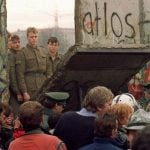
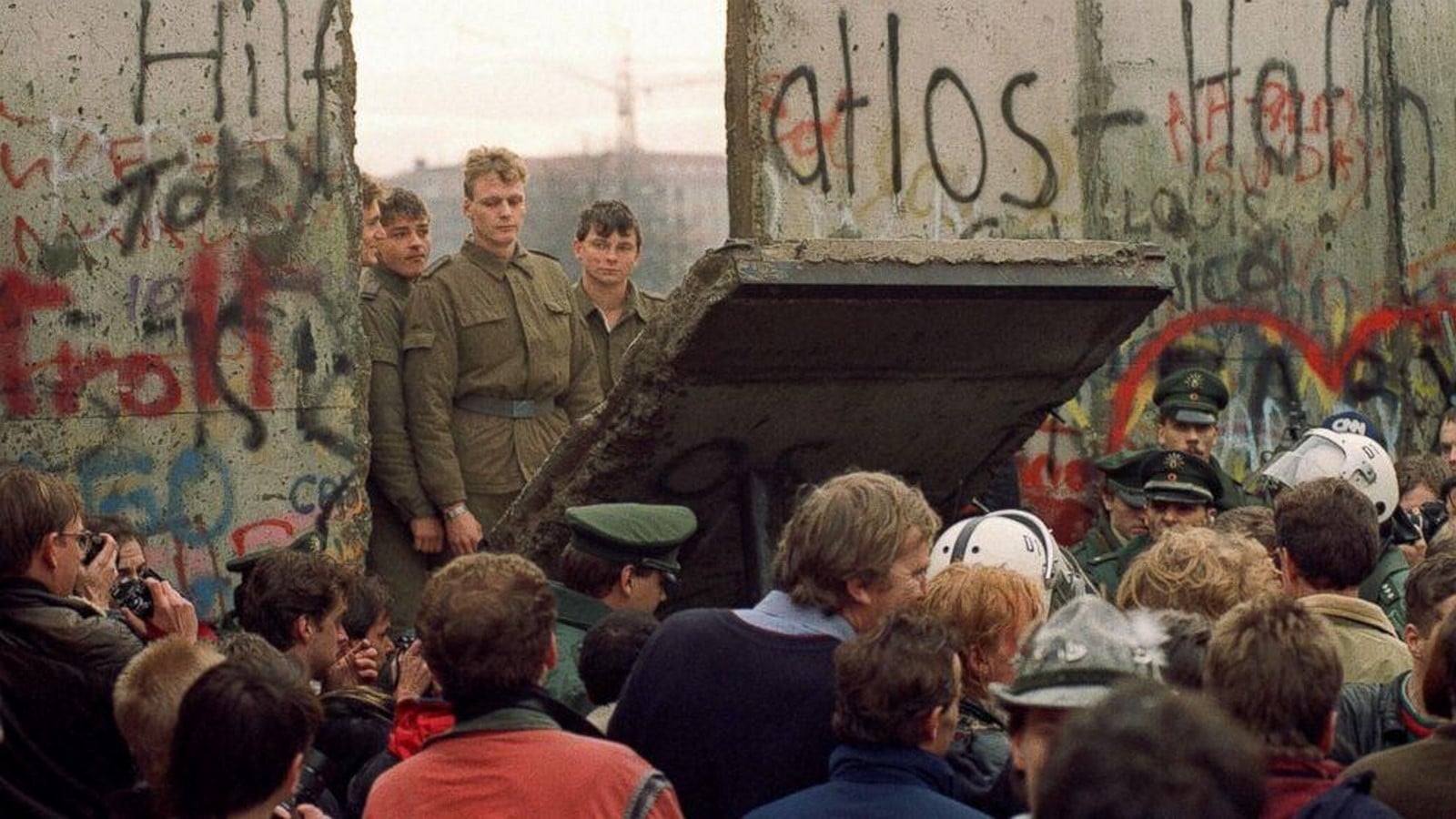
When the Berlin Wall fell in 1989, there was a ray of hope that we were entering a borderless world. Decades later, history has taken a different turn. Walls are not mere concrete structures that divide spaces and create barriers within rooms and interiors; they are active agents that shape human geography through borders and spatial segregation.
The duality of walls can be understood in some cities with a facade of concrete, towering and controlling, others create invisible effects such as prices of real estate, redlining, and infrastructure, cultures, economies, exclusion and inclusion, divide and control, adding different spatial meaning in the urban context. When a barrier is created in a breathing area, the city warps itself around it and adapts. In reality, the worlds are divided into two parts, but, sublimely, there’s a third that is created: a liminal “borderland” that breeds entirely new spatial conditions, economies, subcultures, and creative forms of resistance.
The Spaces Born in the Shadows
When authorities create borders to separate zones, the vicinity or the shadow around often transforms into a “dead zone,” creating a spatial segregation. But over time, these neglected edges and liminal zones have some counteracts, such as forms of resistance and new spatial conditions, creating a new space.
The Borderland Identity
People who live under the shadow of a wall develop what cultural theorist Homi Bhabha calls a Third Space identity. They neither belong entirely to the world inside nor the world outside, having a different linguistic blend, a sense of resilience, and solidarity that emerge in those who dwell there.
Liminal Economics
Where formal economies are shaped by concrete, informal ones violently break through. In the shadow of urban walls worldwide, black markets, bootlegging networks, and informal trading posts become essential for survival.
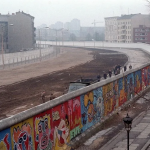
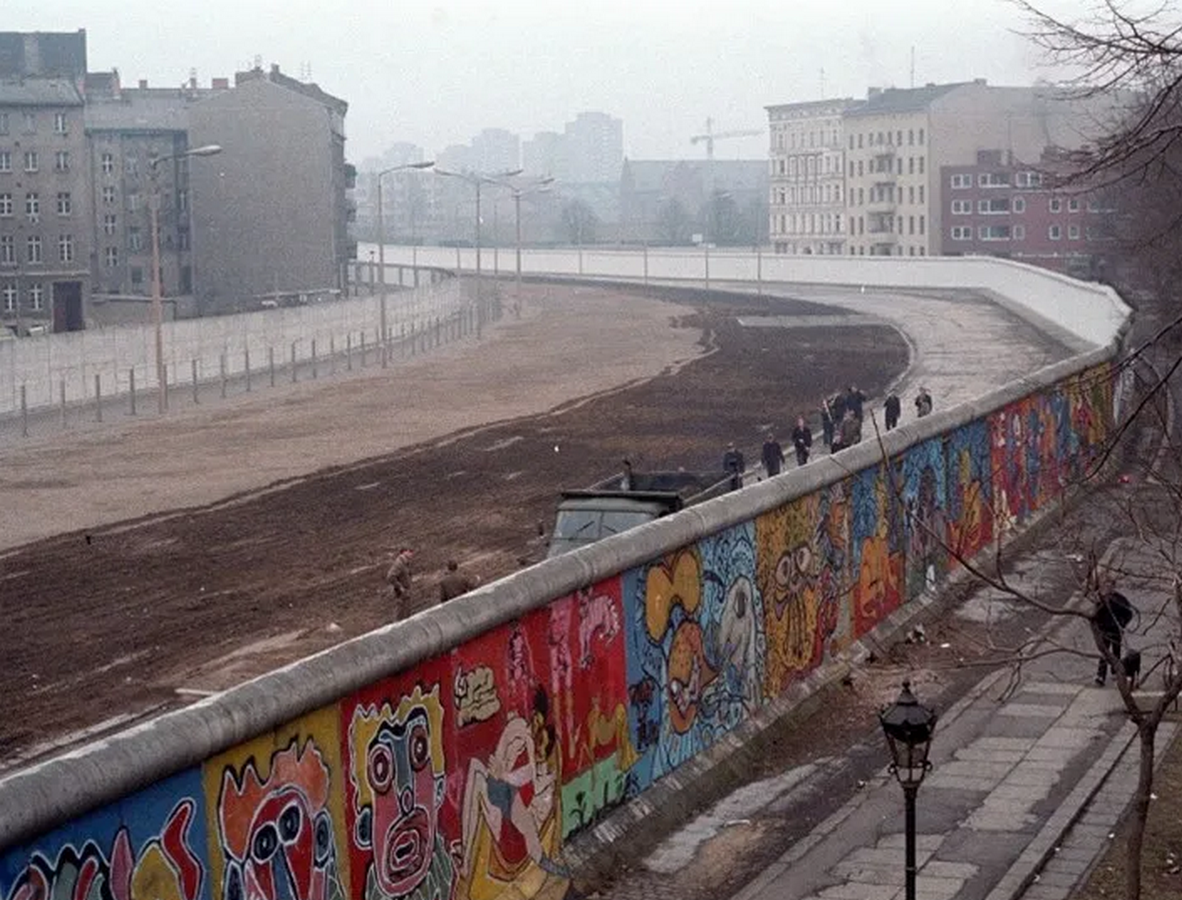
Before 1989, the “no-man ‘s-land” bordering the Berlin Wall side was neglected. Because the police rarely monitored these spatial segregations, they became the breeding ground for the city’s gangsters, squatters, and anarchist movements. Instead of containing, the border exposed the artistic counterculture of a people.
The Wall as a Canvas
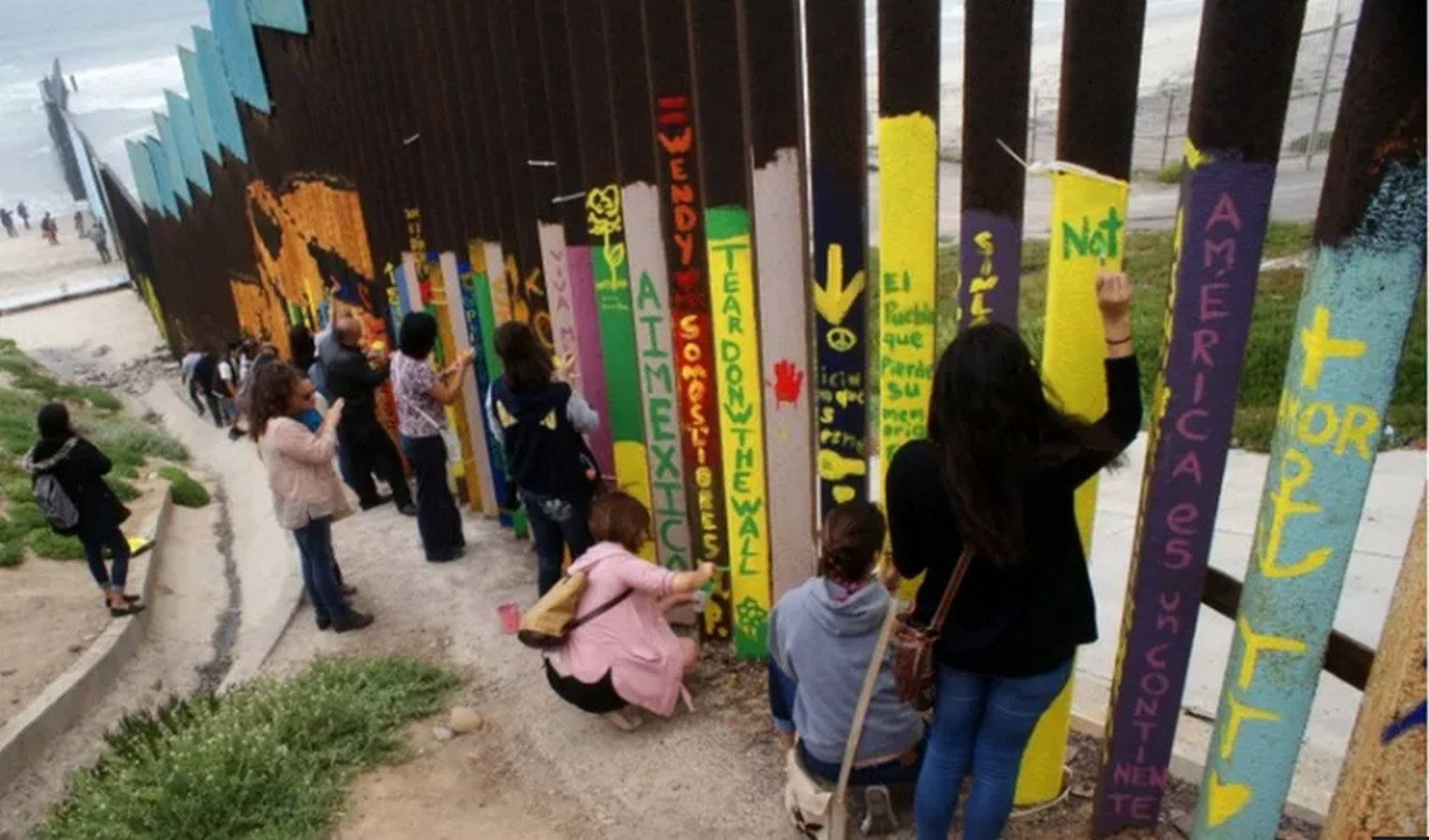
The grey of a wall invites creative forms of resistance. The sterile, controlling nature of a border becomes a surface for the public’s canvas of defiance.
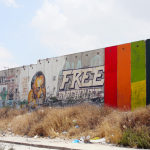
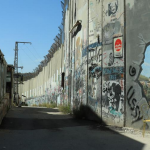
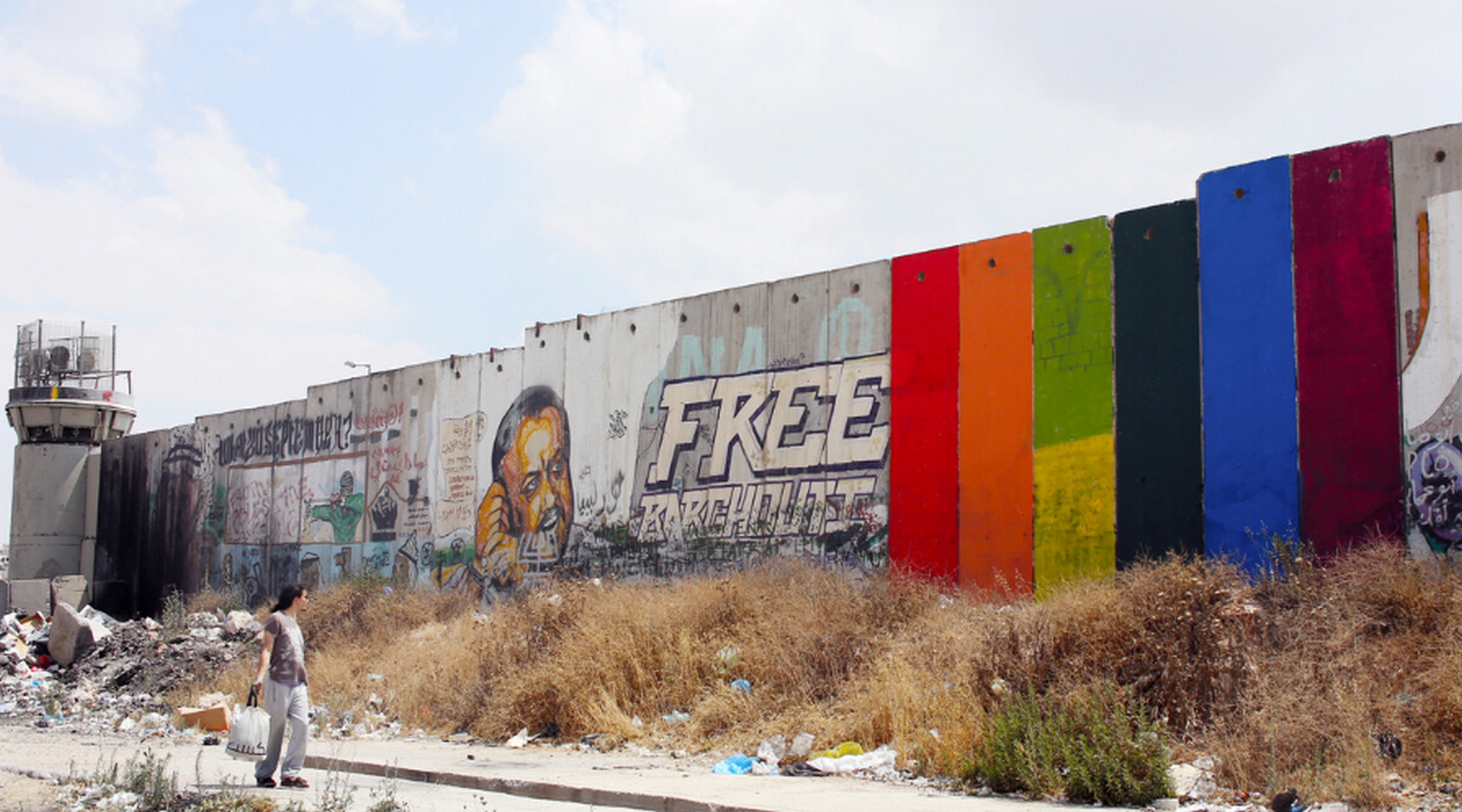
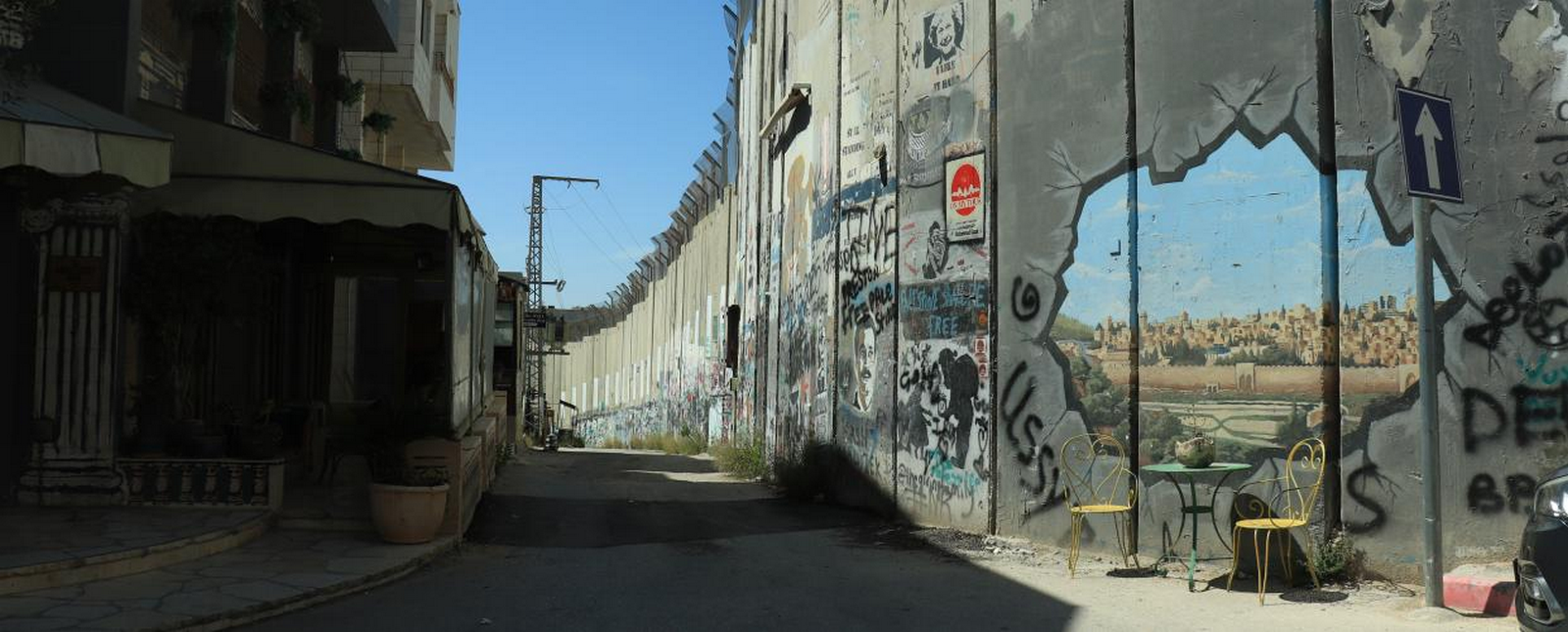
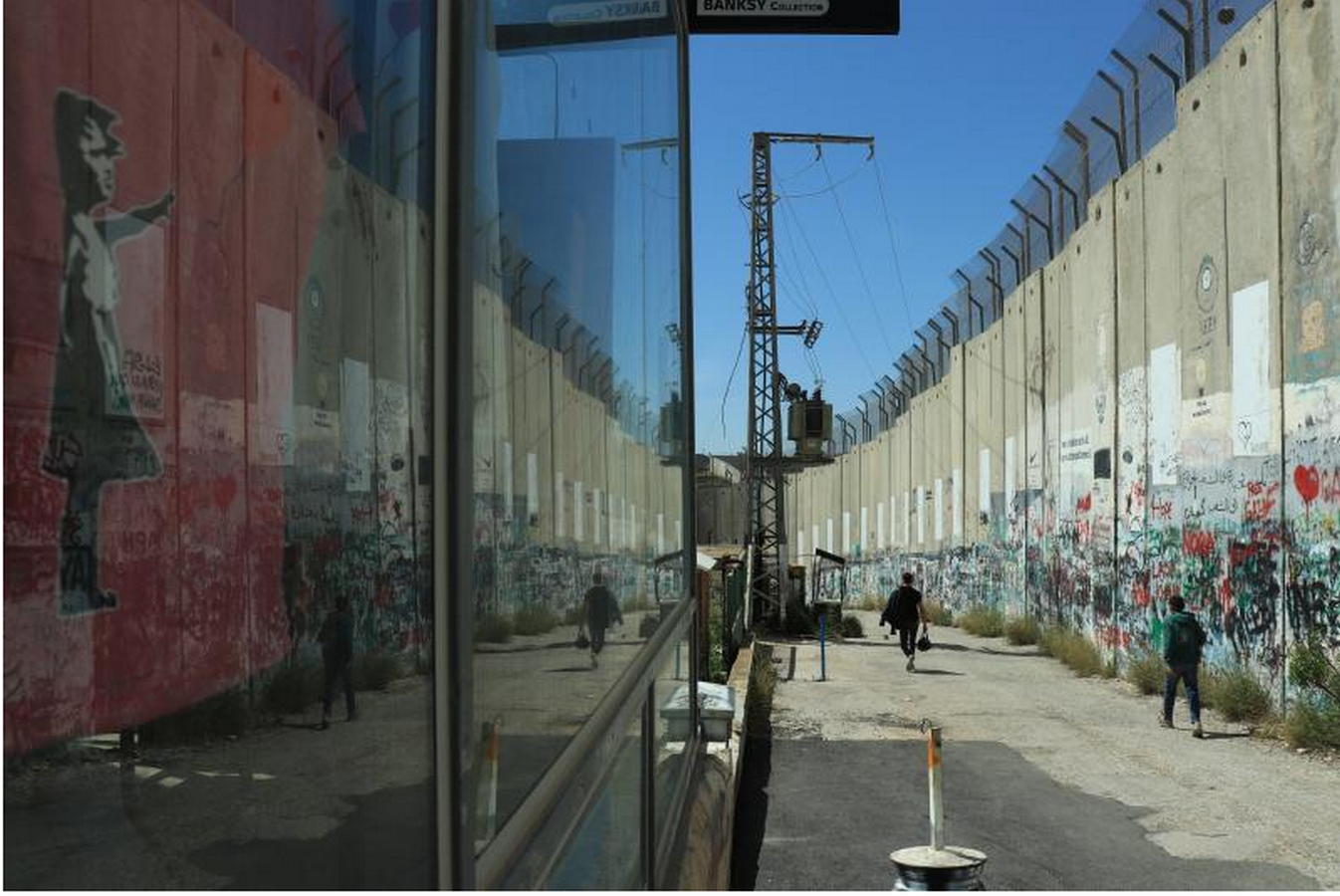
In Bethlehem, the Apartheid Wall has been transformed into one of the largest open-air protest galleries in the world. The concrete is covered with satirical, political graffiti and murals, and the names of those lost due to the occupation. International artists like Banksy have famously used the structure to paint windows opening up to tropical beaches, metaphorically defying the concrete barrier as if they are saying, “we have a beautiful way of seeing things”.
Visual Reclamation
By covering the wall in art, people living with the border strip the concrete of its psychological power. It is no longer just an intimidating military asset, but it gives them a tool of expression.
Subversive Play
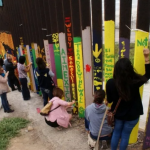
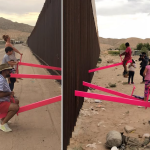
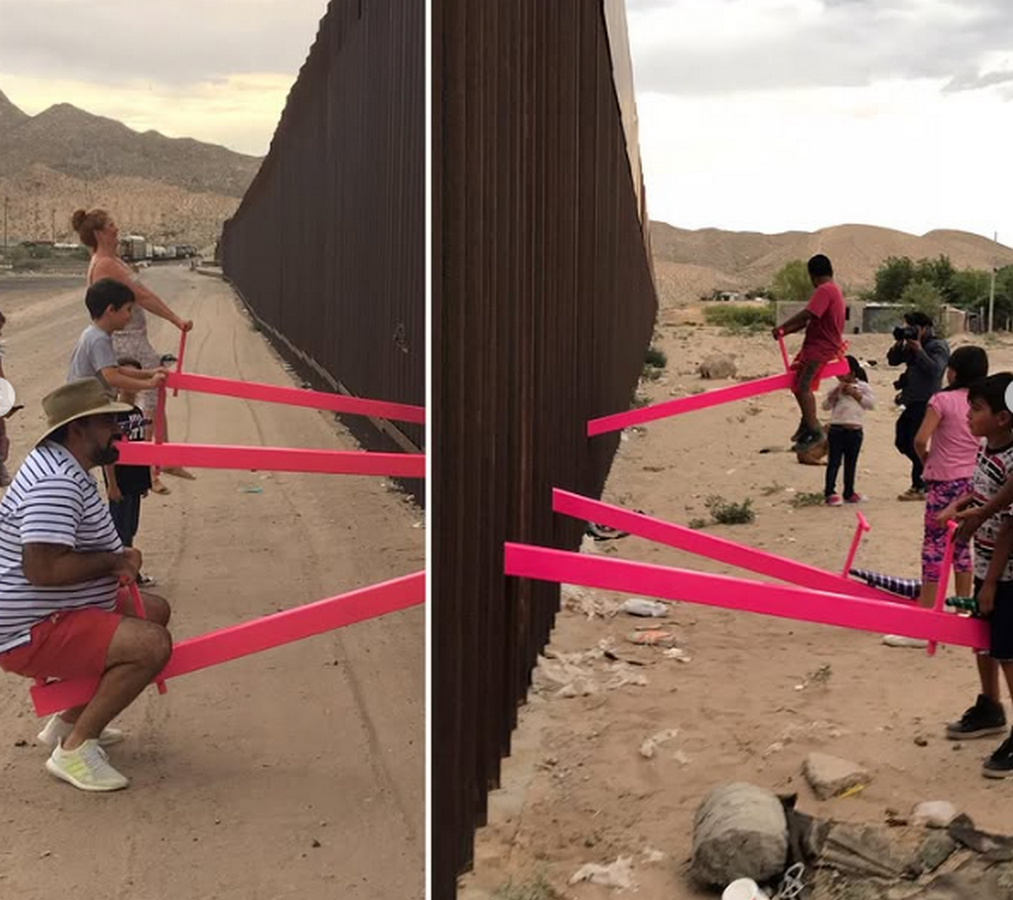
Activists and artists have long staged creative actions to directly mock the concept of total separation. In 2019, architects placed bright pink see-saws through the slats of the US-Mexico border wall, allowing children from both countries to play together. Similarly, across various urban divides, pop-up cross-border concerts and sports matches use the wall not as an endpoint, but as a net.
The Architecture of Division
The concrete borders leave a deep -seated impact on the spaces they create around. Whether looking at the checkpoints of the West Bank or the steel gates of Belfast, either the city adapts or produces a counterculture with the structured pause.
The Fragmented City: Spatial Apartheid in Palestine
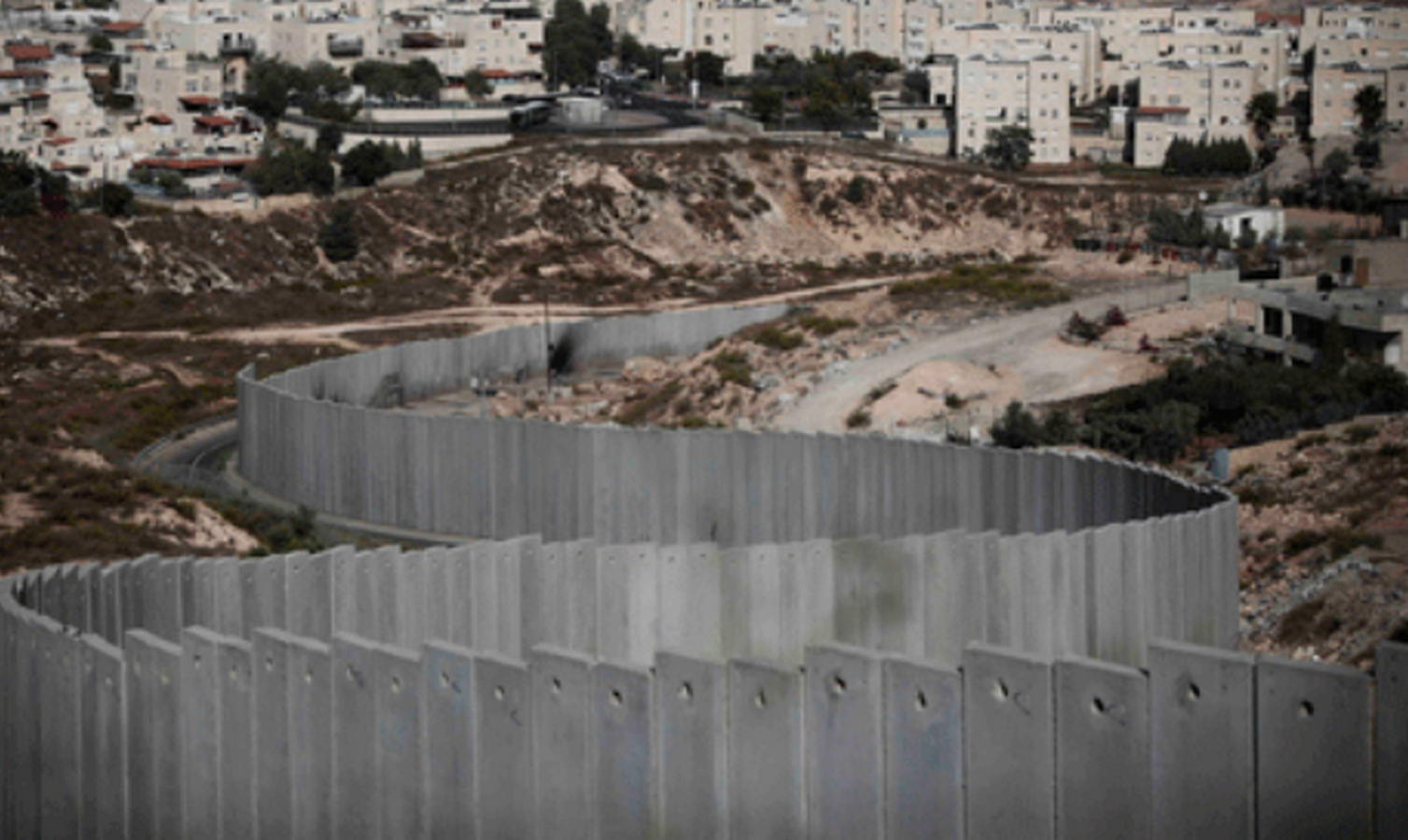
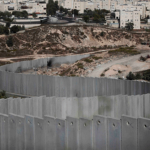
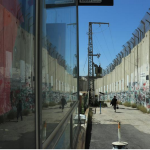
The zigzagging wall in the West Bank and around East Jerusalem is the Israeli separation barrier, known by human rights organizations and locals as the Apartheid Wall. The grey curtain is 788 kilometers long and in some densely populated urban areas stands 26 feet high. The border is punctured with sniper towers, electronic fences, and fortified military checkpoints.
The primary objective of this structure goes far beyond simple spatial segregation; it is a tool for deliberate fragmentation of a people and culture, a process urban sociologists call enclaving. Rather than following a straight border, the wall bends and loops, cutting deep into Palestinian territory to encompass illegal settlements while trapping Palestinian neighborhoods in administratively choked pockets. The border amputated the bright culture.
This architectural intervention has profoundly disrupted the rhythm of daily life by abrupting the lives of the once lively East Jerusalem. The farmers don’t have access to their own farmland and have to navigate a system of checkpoints and permits to reach their own land, as well as families that were separated due to the construction of the border.
The Normalization of the Temporary: Belfast’s Peace Lines
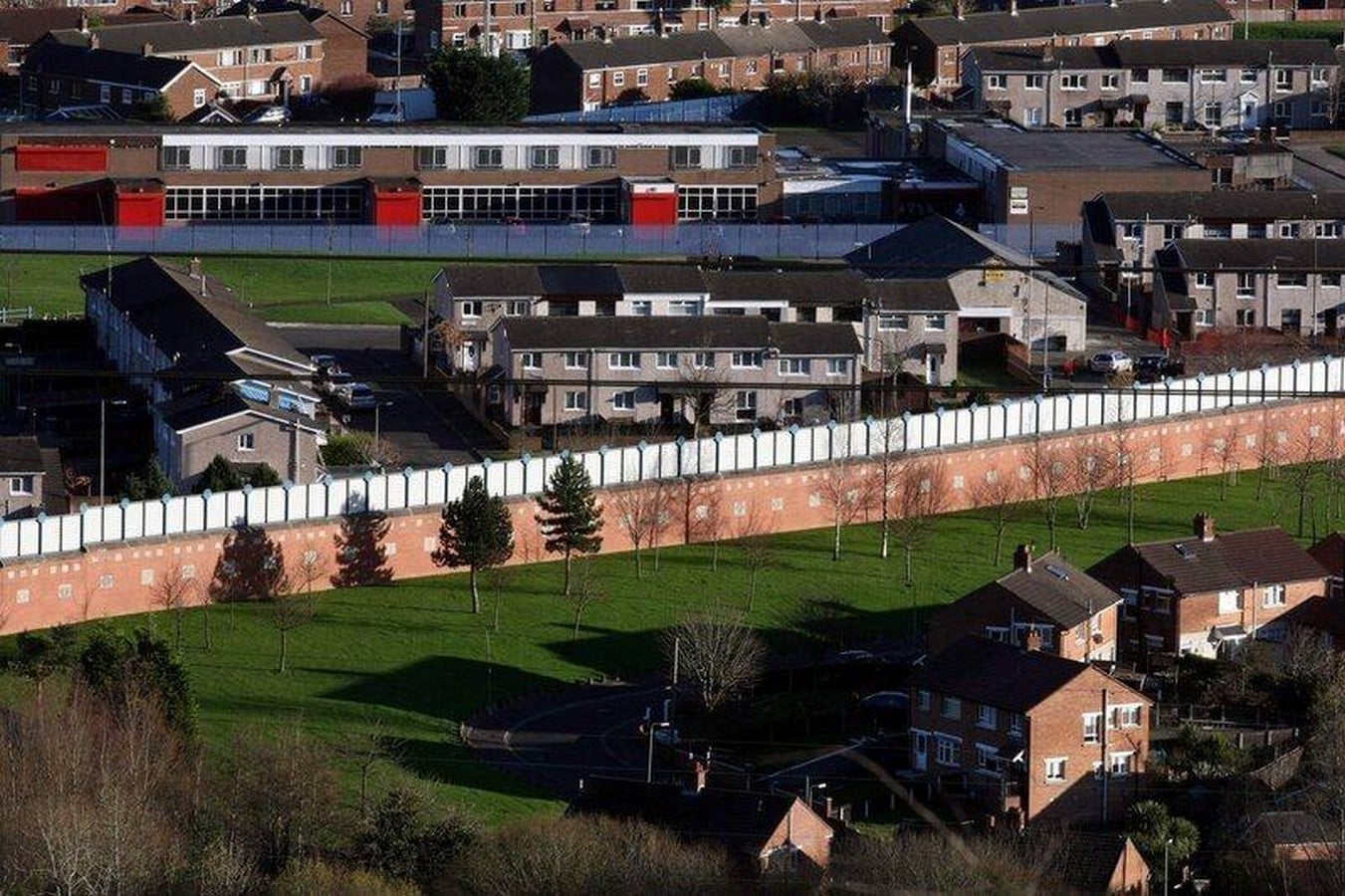
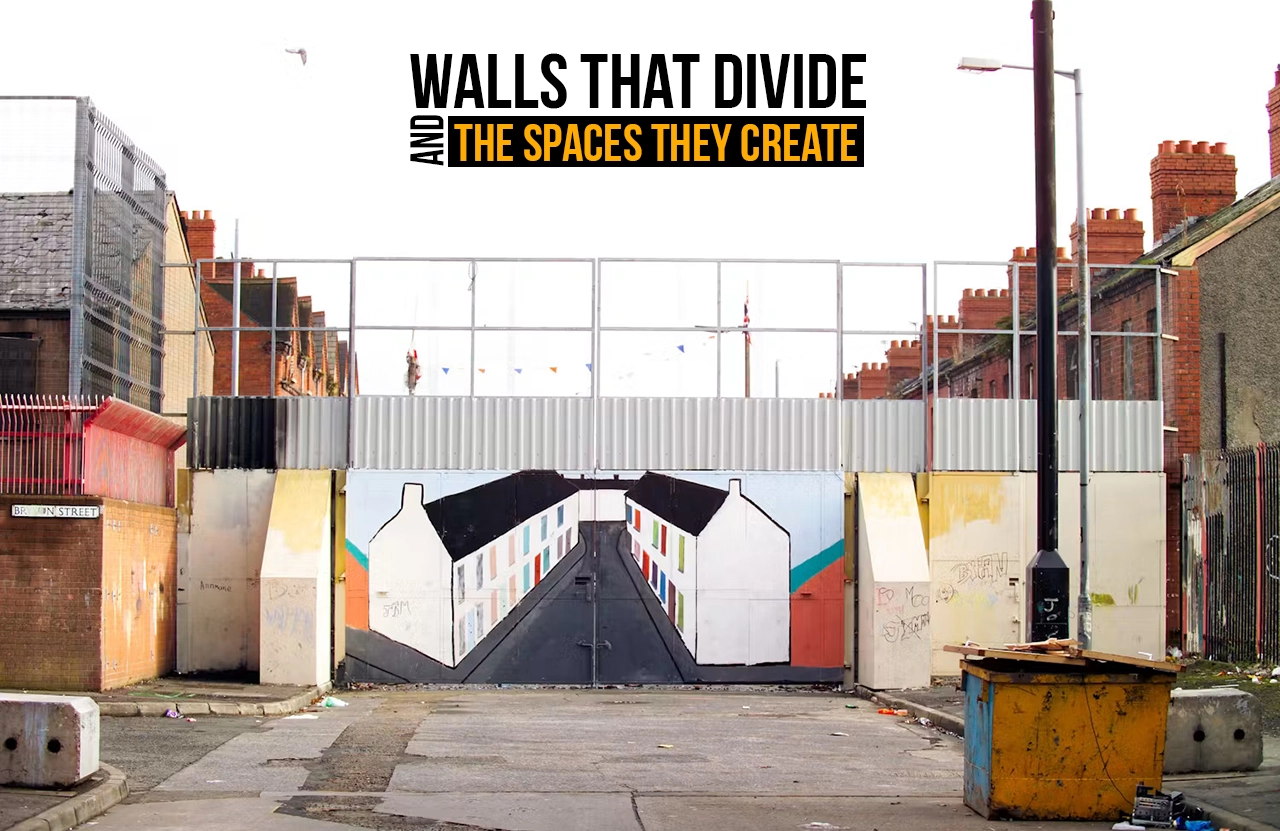
The “Peace Lines” of Belfast, Northern Ireland, show how temporary wartime architecture can slowly be normalized into a permanent urban reality, blended the borders into the scenery of the city.
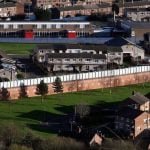
Originally, they were makeshift barriers of corrugated iron and barbed wire imposed by the British Army in 1969 to stop sectarian rioting between Catholic and Protestant neighborhoods. These walls were established for the time being. Instead, over half a century later, they have grown into massive structural fortresses of concrete, brick, and steel, towering up to 40 feet high.
Residents look out of their window, not at an open residential view but at colossal walls of steel sheets. For the movement of the residents, steel gates are installed across major roads that close at night, just like the old curfew days. The organic social activities that used to commence in the older times eroded, providing them with an isolated neighbourhood. There are projects and efforts, such as the governmental and Black Mountain Shared Space Project, to remove these walls to share spaces like normal and omit the isolation.
The Fault Lines of Concrete
From this, we can conclude that, despite the walls creating borders and dictating spatial segregation, they cannot crush human nature and a sense of resilience.
No matter how towering or imposing they are, cities are living things and go beyond our imagination. They are built out of fear or the desire for absolute control. But cities are living organisms. Human will and creativity can never stop and adapt to the changes around them. The walls dividing can also bring people together. Whether it’s the huge wall in Palestine, the old dividing lines in Belfast, or the unseen barriers that separate rich and poor neighborhoods today, walls are a reminder that we need to think of better ways to live together. They’re a reminder that fear and control aren’t the answers, and that people will always find a way to come together and make their voices heard.
References:
BADIL Resource Center, 2026. Fragmentation and Enclavement of Palestine. Working Paper No. 33. Available at: https://badil.org/cached_uploads/view/2026/03/30/wp33-fragmentation-and-enclavement-of-palestine-1774864495.pdf [Accessed 6 June 2026].
City Tours Belfast, 2023. Travel Between The Peace Walls. Available at: https://citytoursbelfast.com/peace-walls-belfast [Accessed 6 June 2026].
CNN, 2019. Pink seesaws at the US-Mexico border allow children to play together. Available at: https://edition.cnn.com/2019/07/30/us/seesaws-border-wall-us-mexico-trnd [Accessed 6 June 2026].
History Ireland, 2025. Peace walls: a temporary measure? Available at: https://historyireland.com/peace-walls-a-temporary-measure/ [Accessed 6 June 2026].
LSE British Politics Policy Blog, 2025. Belfast’s peace walls: can you remove the conflict architecture? Available at: https://blogs.lse.ac.uk/politicsandpolicy/belfasts-peace-walls-can-you-remove-the-conflict-architecture/ [Accessed 6 June 2026].
Taylor & Francis Online, 2025. The geography of urban division in Belfast. Available at: https://www.tandfonline.com/doi/full/10.1080/14650045.2025.2581657 [Accessed 6 June 2026].
UN News, 2026. UN report chronicles intensification of decades of severe racial discrimination. Available at: https://news.un.org/en/story/2026/01/1166716 [Accessed 6 June 2026].
UN Human Rights Office (OHCHR), 2026. UN report chronicles intensification of decades of severe racial discrimination. Press Release. Available at: https://www.ohchr.org/en/press-releases/2026/01/un-report-chronicles-intensification-decades-severe-racial-discrimination [Accessed 6 June 2026].
Wikipedia, 2026. West Bank barrier. Available at: https://en.wikipedia.org/wiki/West_Bank_barrier [Accessed 6 June 2026].