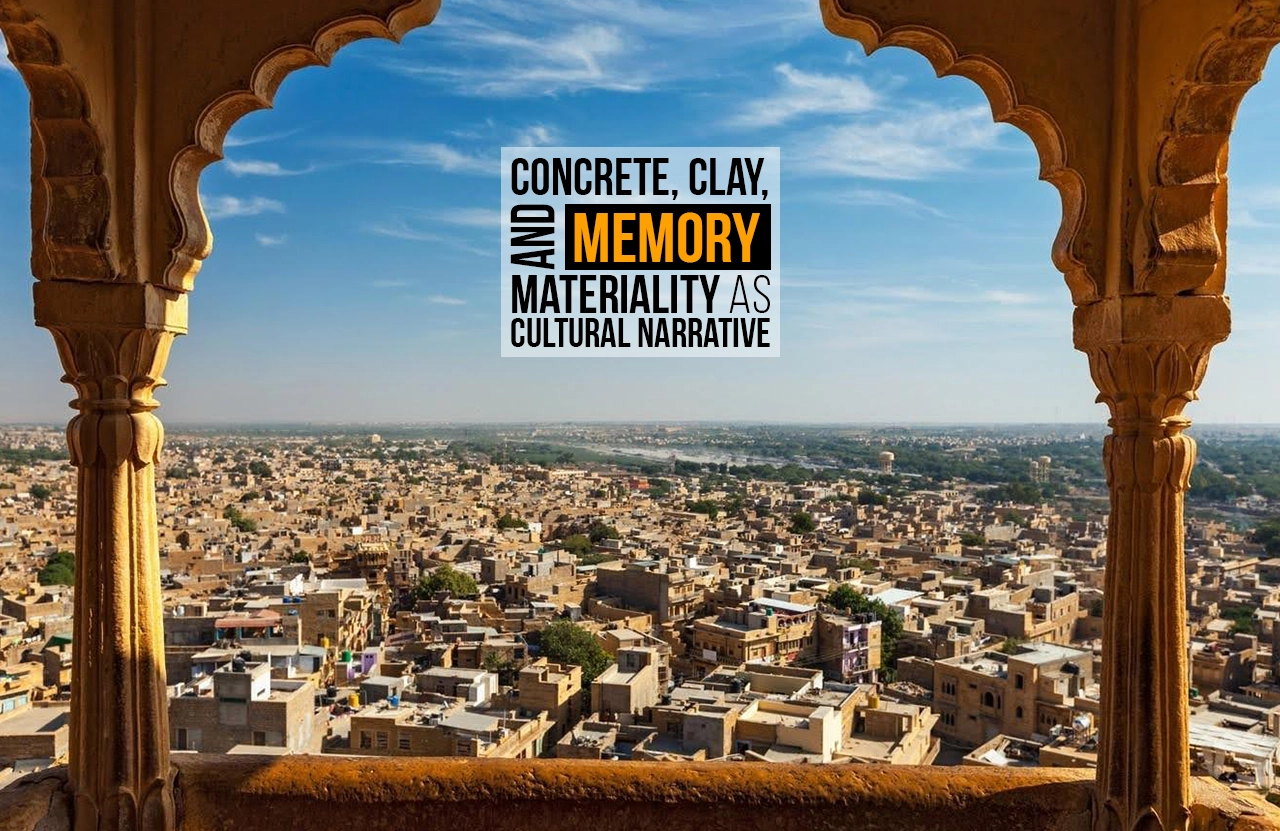
Architecture is often discussed through form, geometry, and spatial experience, yet every architectural idea ultimately finds its presence in the world through material. Walls, columns, slabs, and structural frames are not only systems of support. They are the physical substance through which architecture becomes visible, tangible, and inhabitable. Clay, brick, timber, concrete, steel, and glass have shaped not only the appearance of buildings but also the cultural narratives embedded within them.
Materials record climate, craft traditions, labour, and technological knowledge. Their surfaces reveal how they were shaped and assembled. The grain of timber, the roughness of clay, the joints of brick, or the smooth cast of concrete all carry traces of construction. Light does not simply fall on these materials. It interacts with them, absorbed, reflected, or scattered depending on their texture and density. Rough surfaces produce deep shadows. Polished ones reflect brightness. Layered construction reveals subtle rhythms across a wall. Materials also respond to touch. One can sense the cool density of stone, the warmth of timber, or the coarse grain of exposed concrete. Through these qualities of light, texture, weight, and tactility, materials communicate how they were made and the conditions to which they belong.
Even the way materials weather, deform, or crack under stress becomes part of this record. These changes reveal the forces and environments that act upon buildings over time. Architecture therefore does not remain a static object. Buildings continue to carry the memory of their making, their use, and the physical conditions they encounter. In this sense, architecture becomes a form of material memory. Surfaces, joints, and textures preserve traces of the societies that produced them.
To understand architecture through materiality is therefore to read buildings not only as spatial compositions but as cultural artifacts shaped by environment, technology, and time. The history of architecture can also be read as a history of materials. Each new material reshapes the way buildings are constructed, inhabited, and imagined.
Building from Landscape and Climate
For most of human history, architecture emerged directly from the landscapes in which it was built. Materials were not selected from global supply chains or standardized construction systems. They were gathered from the environment itself. Earth was shaped into walls. Clay was fired into bricks. Timber was assembled from nearby forests. Other locally available resources were adapted into construction techniques refined through generations of experimentation.
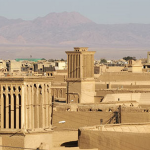
Because materials came from their immediate surroundings, architecture naturally evolved as a response to climate and terrain. In hot and dry climates, thick earthen walls absorbed heat during the day and released it slowly at night. This process stabilized interior temperatures. In humid regions, lighter structures with breathable materials and generous openings allowed air to circulate and moisture to dissipate. In regions with heavy rainfall, timber structures were often elevated above the ground and protected by steep or layered roofs made from leaves or thatch. These roofs allowed water to drain quickly while keeping interiors dry.
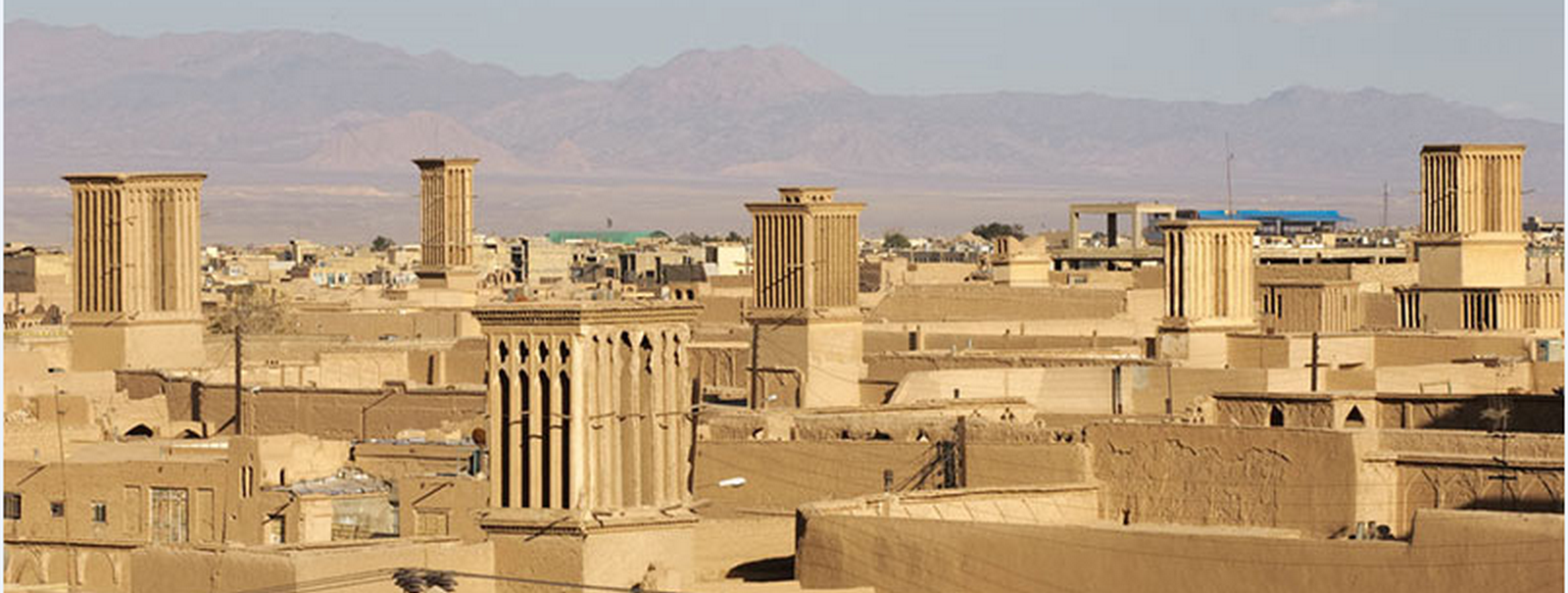
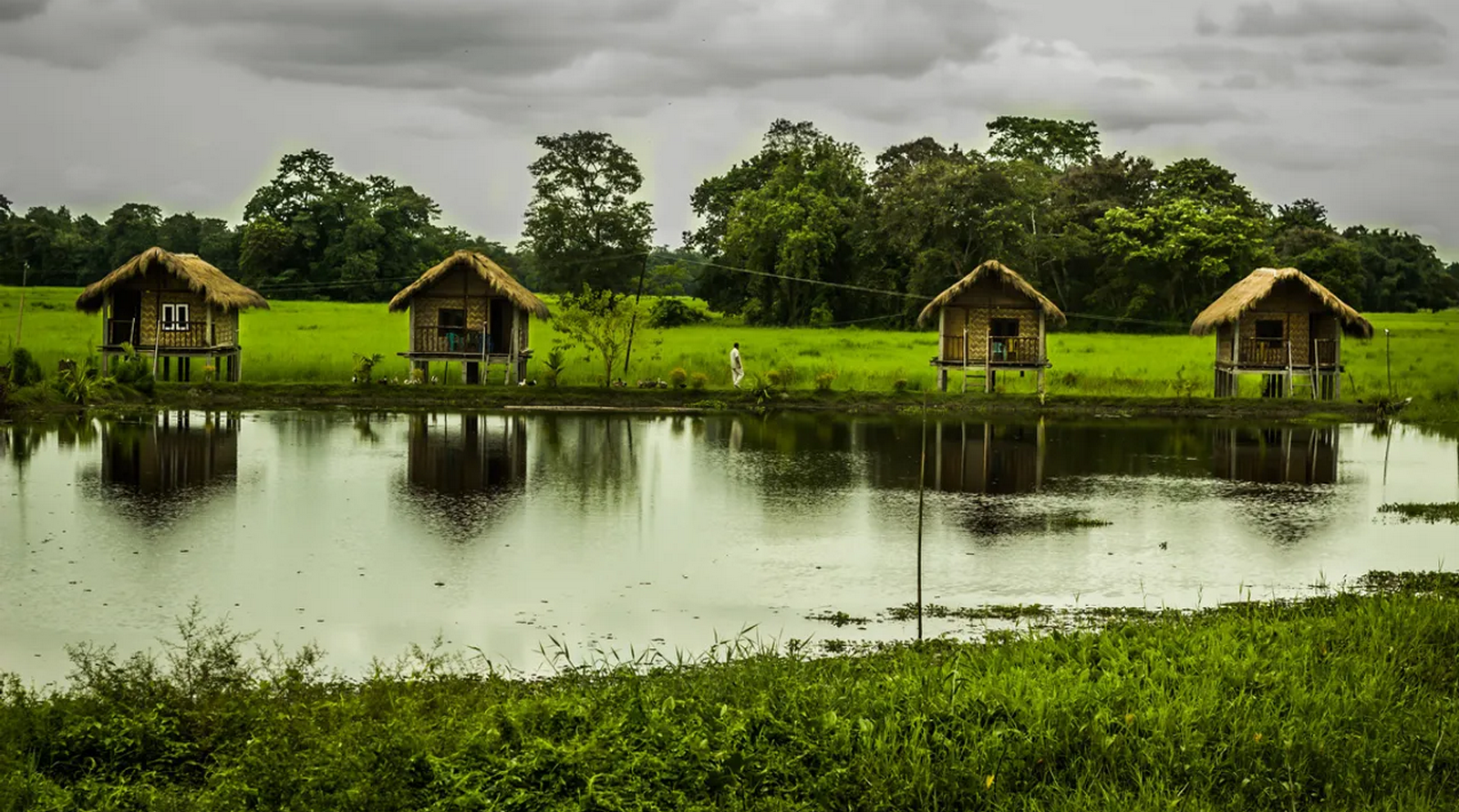
These solutions were not theoretical design strategies. They were practical knowledge developed through long periods of observation and experimentation. Builders understood materials not simply as construction resources but as environmental tools capable of regulating temperature, managing moisture, and adapting to seasonal change. Architecture therefore remained deeply rooted in place. Buildings carried the colour of local soil, the texture of regional craft, and the environmental intelligence embedded within the landscape itself.
Clay and Brick: Architecture of Compression
Among the earliest materials through which architecture emerged from the landscape was clay. Earth could be shaped directly into walls, compacted into structural masses, or layered into construction systems. In many regions this material was abundant, workable, and capable of forming thick protective enclosures. Architecture therefore began with mass. Walls define space through their weight and thickness.
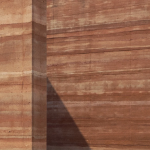
One widespread technique was rammed earth construction. Layers of soil were compacted within temporary formwork to create dense structural walls. These walls were not only structurally stable but also environmentally responsive. Their thickness allowed them to absorb heat during the day and release it slowly at night. This stabilized interior temperatures in climates with large temperature variations. Architecture in these contexts therefore functioned as environmental adaptation. The material itself regulated the conditions of inhabitation.
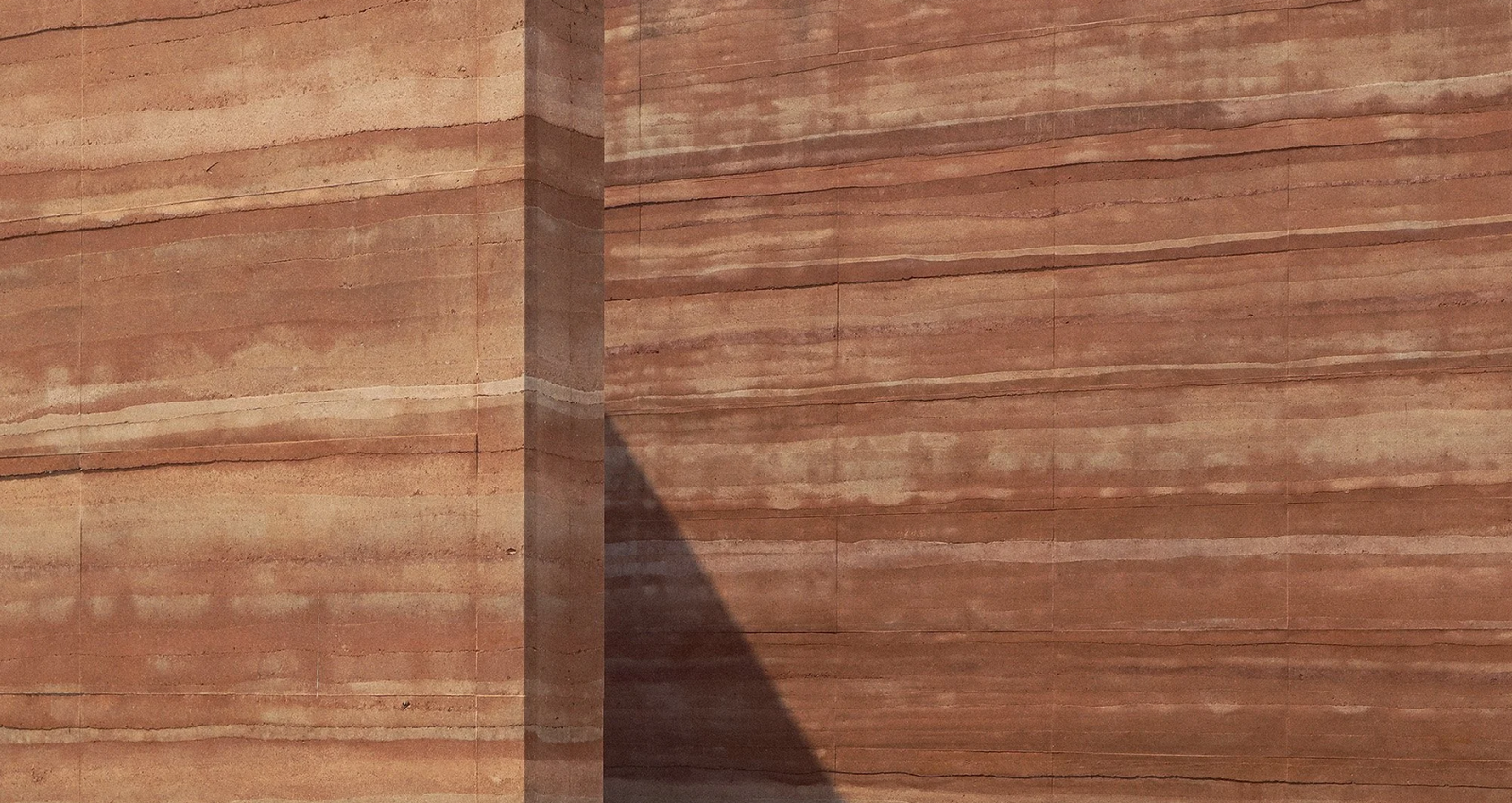
Over time the transformation of clay into fired brick introduced a new architectural possibility. Unlike monolithic earthen walls, bricks could be produced as modular units and assembled piece by piece. Construction became more precise and repeatable. Buildings could organize space through smaller structural elements rather than continuous mass.
Brick construction also introduced a structural logic based on compression. Arches, vaults, and curved masonry systems could span space by transferring loads through the weight of the material itself. Architecture was therefore shaped by gravity and thickness. Walls carried structure, and space was defined by the depth of the material.
Brick walls also developed their own vocabulary of assembly. Different brick bonds such as stretcher bond, header bond, and more complex interlocking patterns allowed walls to gain strength while creating visual rhythm across surfaces. The arrangement of bricks, the depth of mortar joints, and variations in firing created textures that responded dynamically to light and shadow.
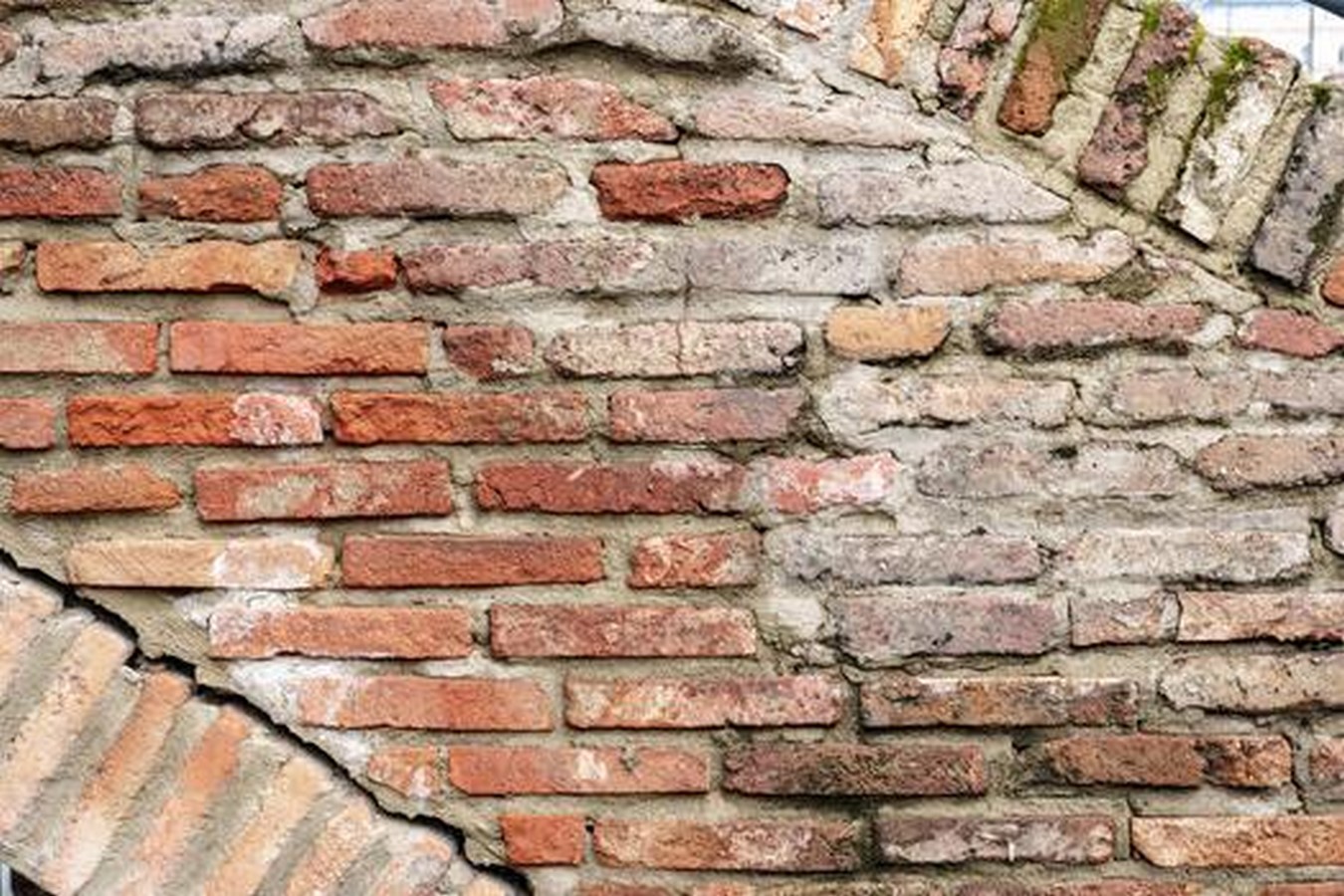
Across many cultures clay and brick also became surfaces of cultural expression. Terracotta panels, molded reliefs, and carved brick surfaces were used to depict mythological narratives, deities, and symbolic patterns. In such buildings the material itself carried stories. Architecture became a medium where craft, belief, and construction came together.
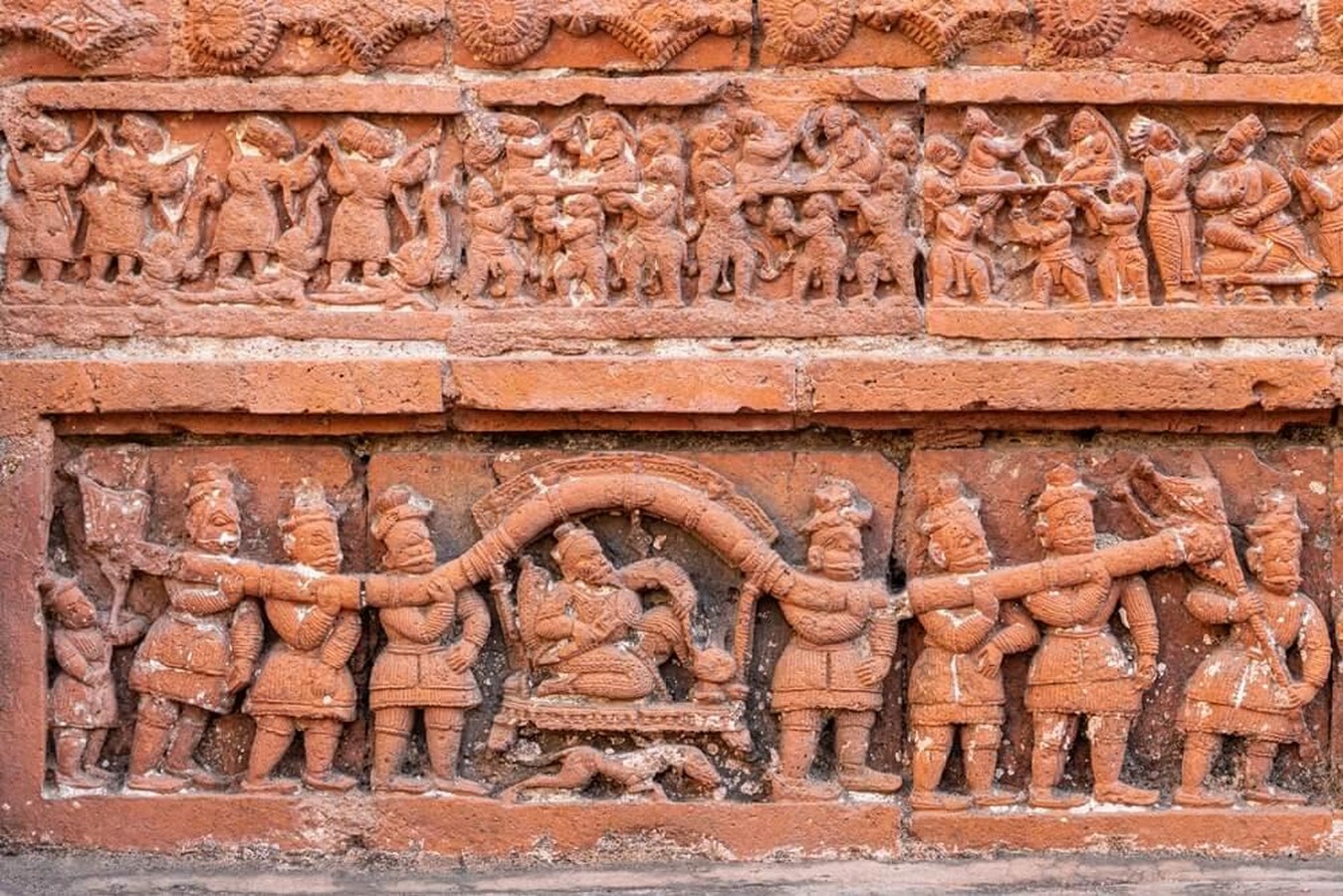
Through these practices clay and brick established an enduring architectural principle. Material does not simply construct space. It defines how space stands. For centuries buildings were shaped by the weight and compression of masonry walls. Architecture grew upward from the ground, shaped by the physical behaviour of the earth from which it was made.
This relationship between material and structure would define architecture for generations, until new technologies began to transform how buildings could stand.
Concrete: The Transformation of Structure
The introduction of concrete marked a fundamental shift in the way buildings could be constructed. Unlike masonry materials such as clay and brick, which relied on compression and thick walls to remain stable, concrete could be cast into continuous structural elements. Early concrete mixtures allowed builders to create solid masses and foundations that were stronger and more durable than traditional masonry. However, the true transformation occurred when concrete began to be combined with steel reinforcement.
Reinforced concrete introduced a structural system in which strength was distributed between concrete and steel. Concrete could resist compression, while embedded steel reinforcement resisted tension. This combination allowed structural elements such as beams, slabs, and columns to span greater distances while remaining relatively thin. Architecture was no longer limited by the thickness and weight required by masonry construction.
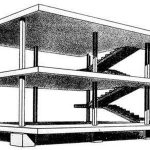
One of the clearest demonstrations of this transformation appeared in Le Corbusier’s Maison Dom-ino structural system. Instead of relying on load-bearing walls, the building was organized through a simple framework of columns and slabs. The structure and enclosure were separated. Walls no longer carried structural loads and could therefore move freely within the plan. This shift allowed architecture to develop open floor plans, flexible interiors, and large horizontal openings that were previously difficult to achieve.
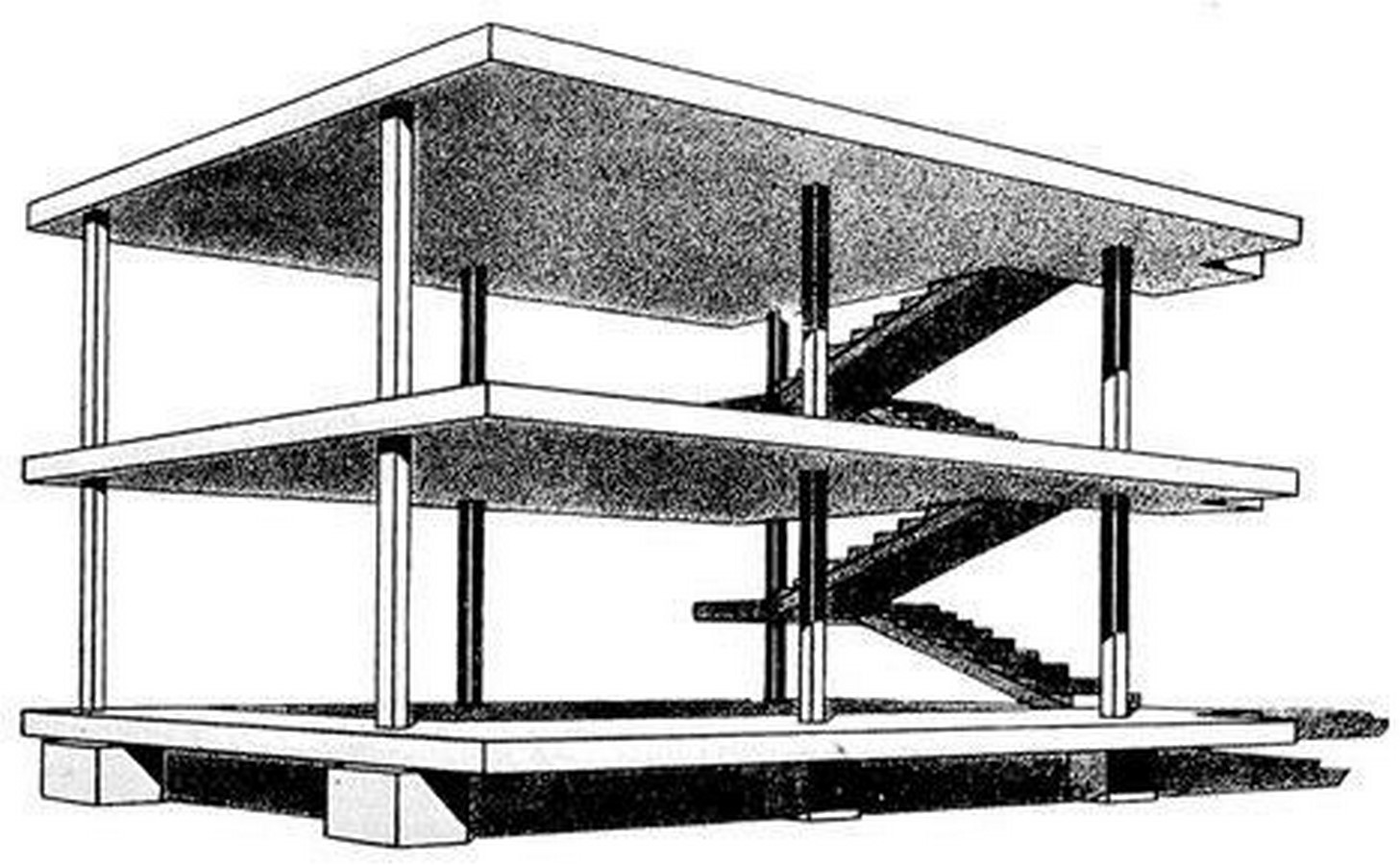
Reinforced concrete also enabled buildings to grow vertically. Because structural loads could now be transferred through a skeletal frame rather than thick supporting walls, buildings could rise to greater heights without becoming excessively massive. This structural logic contributed to the development of modern high-rise architecture, where slender structural systems made vertical cities possible.
At the same time, concrete introduced new possibilities for architectural form. Unlike masonry, which depended on assembling individual units, concrete could be poured into formwork and shaped before it hardened. Curved surfaces, cantilevers, folded slabs, and complex geometries became achievable through casting. The material therefore allowed architecture to move beyond the limits imposed by brick and stone construction.
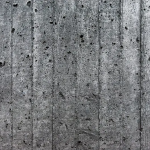
The process of casting concrete also left visible traces of construction. The grain of timber shuttering, the alignment of formwork panels, and the marks of casting ties remain imprinted on finished surfaces. These impressions record the moment of construction, allowing the building to carry the memory of how it was made. In many cases, architects began to treat these marks not as imperfections but as part of architectural expression.
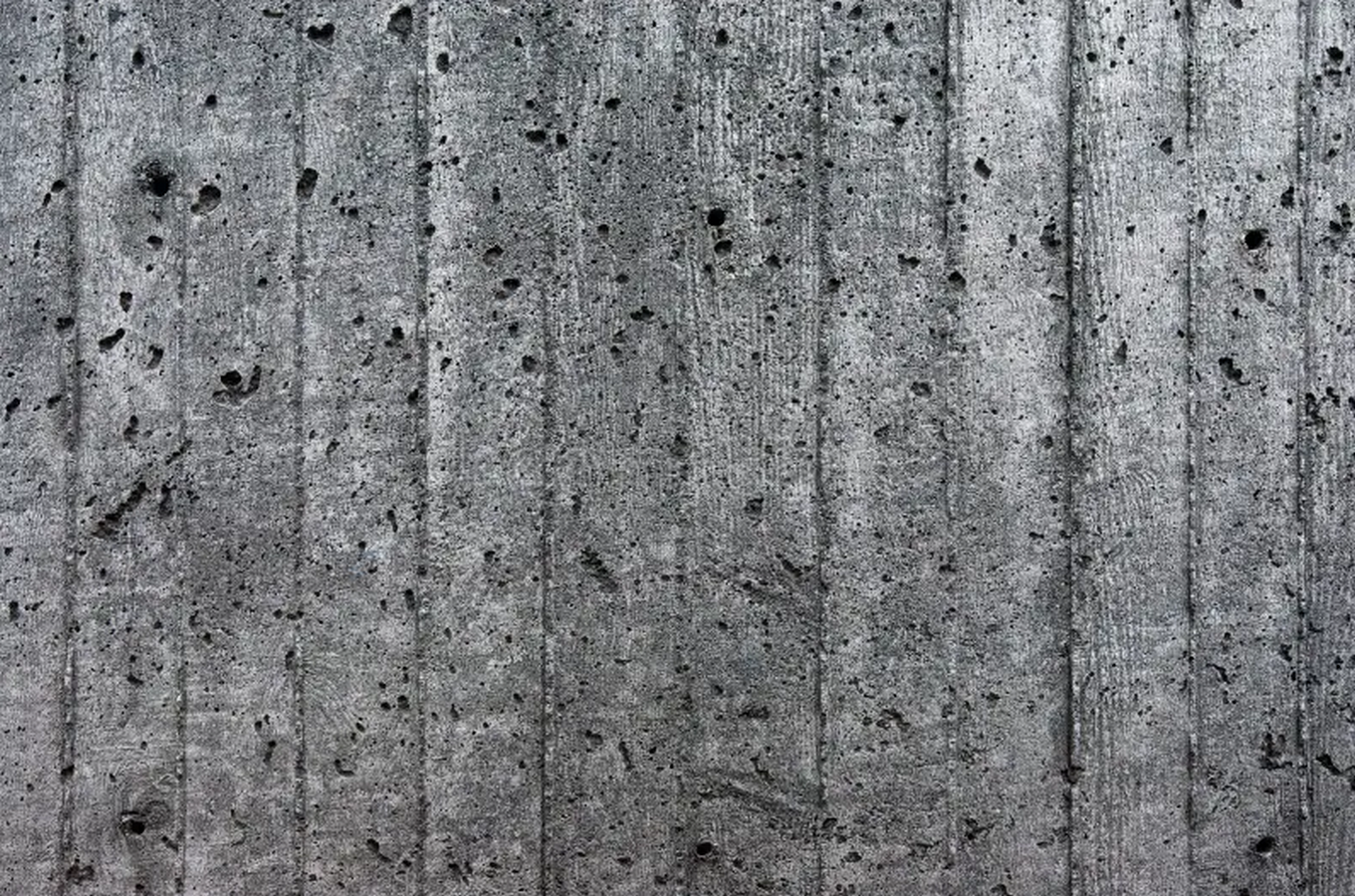
Through these qualities, concrete transformed architecture both structurally and spatially. Buildings were no longer defined solely by the mass of their walls. Structural frameworks allowed architecture to organize space more freely, extend horizontally through long spans, and rise vertically through skeletal systems. In this way, concrete reshaped not only the technique of construction but also the way architects imagined space itself.
Standardized Materials and the Loss of Place
In the contemporary world, architecture operates within a globalized network of production, technology, and construction. Materials, construction systems, and design practices now circulate across continents with remarkable speed. A building designed in one country can be constructed in another using identical materials, standardized structural systems, and prefabricated components sourced from global supply chains. Architecture is no longer bound to the immediate resources of its landscape in the way it once was.
Within this condition, materials themselves have become increasingly standardized. Reinforced concrete, structural steel, and large glass panels form the structural and visual language of much contemporary architecture. These materials are efficient, widely available, and capable of producing buildings at unprecedented scales. However, because they can be used almost anywhere, they often detach architecture from the environmental logic that once shaped it.
Earlier forms of construction emerged from the specific demands of climate and terrain. In hot climates, compact settlements with courtyards, shaded streets, and thick walls created comfortable environments through passive means. Buildings shaded one another, narrow streets reduced heat gain, and interior courtyards allowed air circulation. These spatial strategies were closely tied to the materials that made them possible.
Today, however, similar climates often witness the construction of tall glass towers and large concrete structures that rely heavily on mechanical cooling systems to maintain interior comfort. Materials that were once developed for structural efficiency or industrial production are applied uniformly across vastly different environments. The same architectural language appears in deserts, coastal cities, and mountainous regions, even where local climatic conditions suggest very different responses.
This condition is also visible in fragile landscapes where large concrete structures are introduced into environments that historically relied on lighter or more adaptive forms of construction. In mountainous terrains, for example, traditional architecture often followed the contours of the land and used locally available materials that blended with the environment. Contemporary construction, however, frequently introduces large reinforced concrete buildings that alter both the visual character and ecological balance of these regions.
As a result, cities across different continents increasingly begin to resemble one another. The same structural materials, construction systems, and façade technologies produce skylines that differ more in scale than in character. Materials that once carried regional identity now participate in a global architectural language that often overlooks local climate, culture, and landscape.

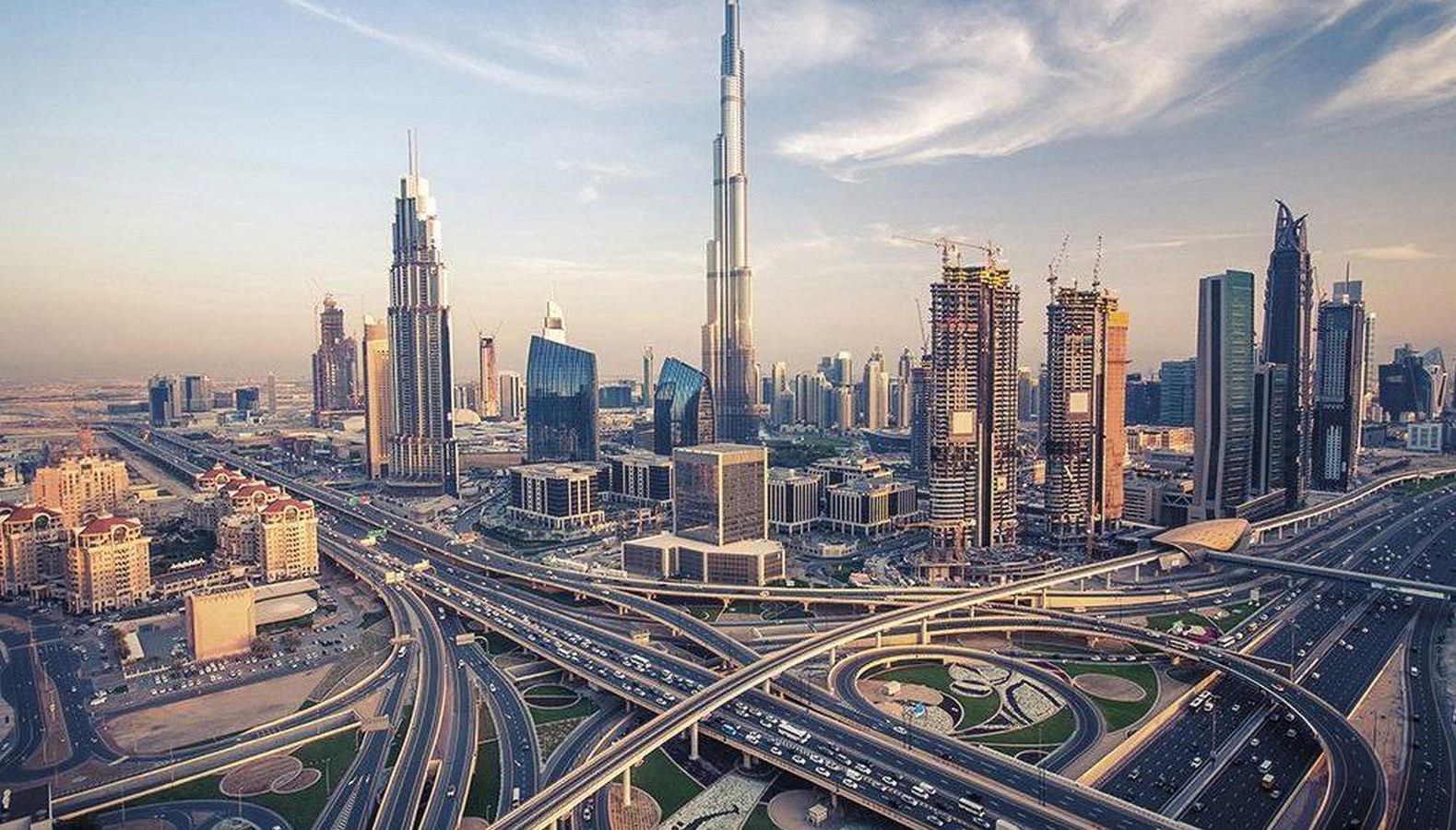
Ths does not mean that contemporary materials are inherently problematic. Concrete, steel, and glass have expanded architectural possibilities in extraordinary ways, allowing buildings to span greater distances, rise vertically, and accommodate growing urban populations. The challenge lies not in the materials themselves but in how they are used.
If earlier architecture emerged from the conditions of its environment, contemporary architecture must rediscover ways to engage with those conditions even within a globalized construction system. The question is therefore not whether modern materials should be abandoned, but how they can be used with greater sensitivity to climate, landscape, and cultural context. In a world where materials travel freely across borders, the responsibility of architecture may lie in ensuring that buildings still remain meaningfully connected to the places in which they stand.