
Amid the high-stakes world of brand evolution, few brands have shaped global culture as profoundly as Penguin Books. It is one of the most recognisable publishing brands in the world because it rewrote the rules of the book trade. Co-founded in 1935 by Allen Lane with his brothers Richard and John Lane, Penguin Books began as an imprint of The Bodley Head before becoming a separate company the following year. Its founding idea was clear: bring high-quality fiction and non-fiction to the mass market through inexpensive paperbacks.
“Penguin Books was not simply a publisher; it was a philosophy of access, intelligence, and intelligent design.” At a time when quality books were very costly, and paperbacks were always associated with trash fiction and sensational literature, it changed the book business model by making books respectable. The brand sold its books at Woolworths and other stores where ordinary books were sold for sixpence, proving that serious books could be affordable, accessible, and commercially successful for the mass market. Its motto was simple yet radical – good books should be accessible to everyone.
Since its establishment, the brand has reshaped how people perceive literature, demonstrating that books can be both affordable and culturally significant. Even today, Penguin Books stands as one of the world’s most recognisable names in the publishing industry, demonstrating how strong branding, design innovation, and cultural relevance can sustain a legacy across generations.
The Origin of the Penguin Brand
Every iconic brand begins by solving a problem, and Penguin Books was no exception. Allen Lane’s idea for Penguin Books is famous, as it was inspired by a frustrating situation at Exeter St Davids railway station, where Lane noticed a limited selection of poor-quality, expensive books for readers. He conceived a new publishing idea: creating books that would be intelligent, good-looking, cheap, and accessible to common people. He knew that people were interested in good literature but simply did not have an opportunity to buy it.
This vision became reality in 1935, when Penguin Books’ first books were published as part of The Bodley Head and were originally distributed from the crypt of Holy Trinity Church, Marylebone. Despite this rather strange beginning, the brand became immediately popular. Within ten months of the publication of its first book on 30 July 1935, Penguin Books was printing one million books, highlighting significant demand for intelligent reading material.
A Market Disruption in Sixpence
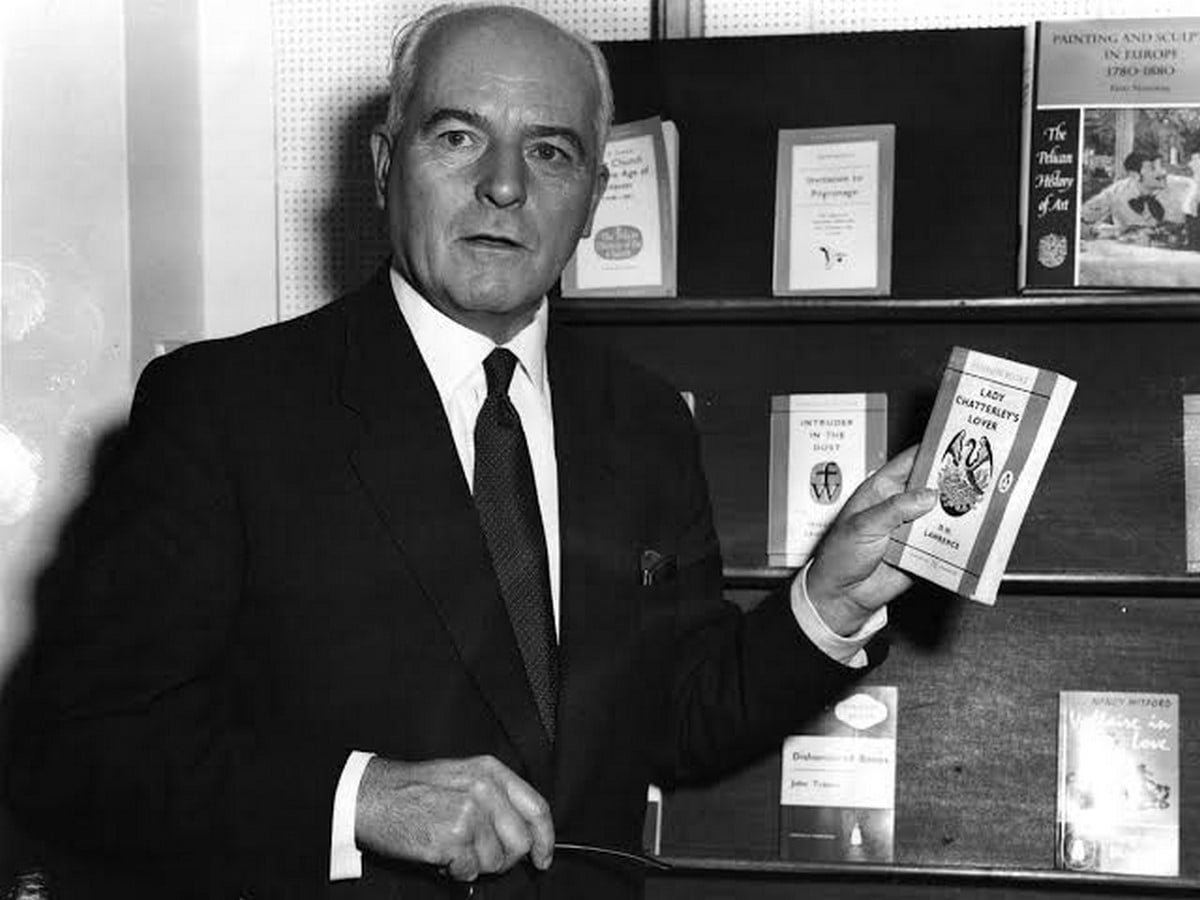
Penguin Books’ first paperbacks were sold for sixpence, which was about the same as the price for a packet of cigarettes, and made good literature affordable for a much larger number of people. A large order from Woolworths helped to confirm this business idea.
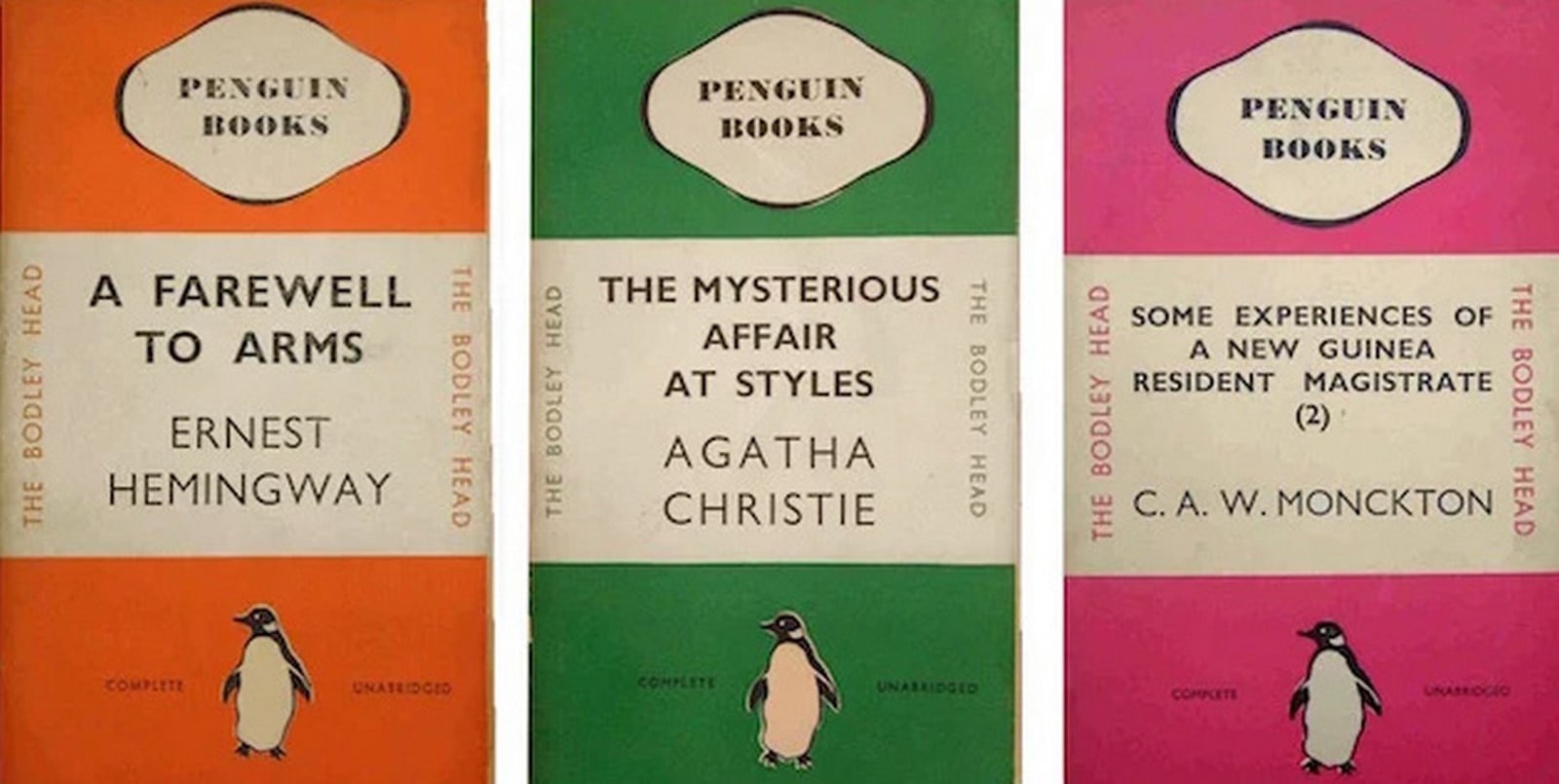
The success of Penguin Books was also guaranteed through the quality of the content contained in their catalogues. Some of the earliest books published were written by well-known authors such as Ernest Hemingway and Agatha Christie. The company managed to shed its image as a publisher of substandard paperbacks.
What truly marked the company’s breakthrough was its pricing, packaging, distribution, and visibility among ordinary readers, not just the paperback format. Through its strategy of bringing books close to people in shops and packaging them in such a way that would make them visible, they made reading an integral part of everyday life for people.
As a case study, Penguin Books remains highly significant to date. The company recognised an underserved market, addressed an important cultural grievance, and developed a business model to make books available to everyone. The success of Penguin did not lie in pricing but in trust. When readers came across the Penguin mark, they knew they were buying a carefully selected book from a publisher that cared about quality. This helped create a strong emotional bond between the company and its consumers.
The Name That Became a Symbol
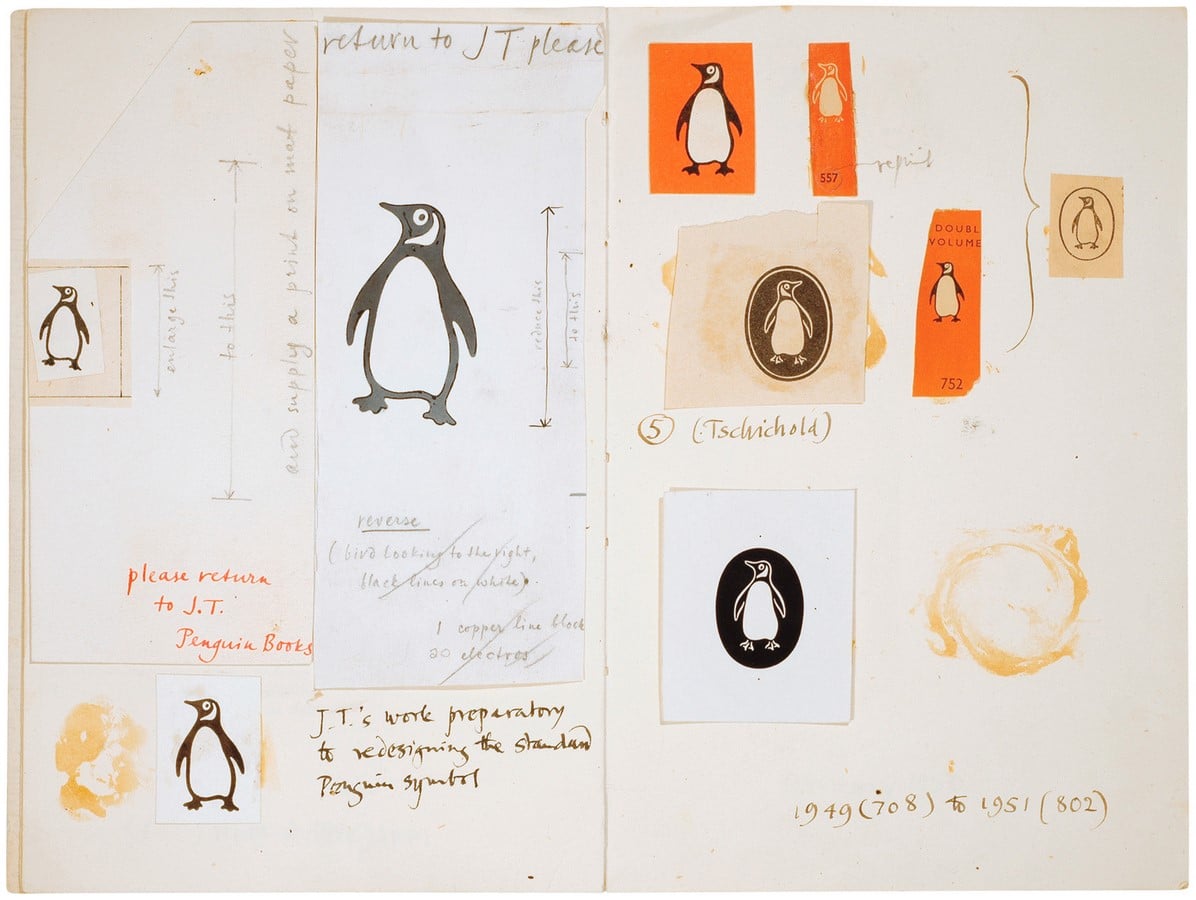
The name “Penguin” was suggested by Allen Lane’s secretary, Joan Coles, after he expressed his desire for a mascot that would be both “dignified and flippant”. Edward Young sketched the penguin at the London Zoo, thus providing the basis for one of the most memorable logos in the history of the publishing industry.
Selecting a penguin added warmth and memorability to the brand. It wasn’t menacing, institutional, or academic. Instead, this made the publishing company look warm and approachable. The brand did not look overly academic or intimidating, but it also did not appear cheap or careless. It occupied a rare middle ground: intelligent, approachable, and visually disciplined.
The logo has changed over time, but never in a way that erased its original character. Jan Tschichold refined the mark in the 1940s, and Angus Hyland at Pentagram redesigned it in 2003 to achieve stronger international consistency.
Design as the Foundation of Trust
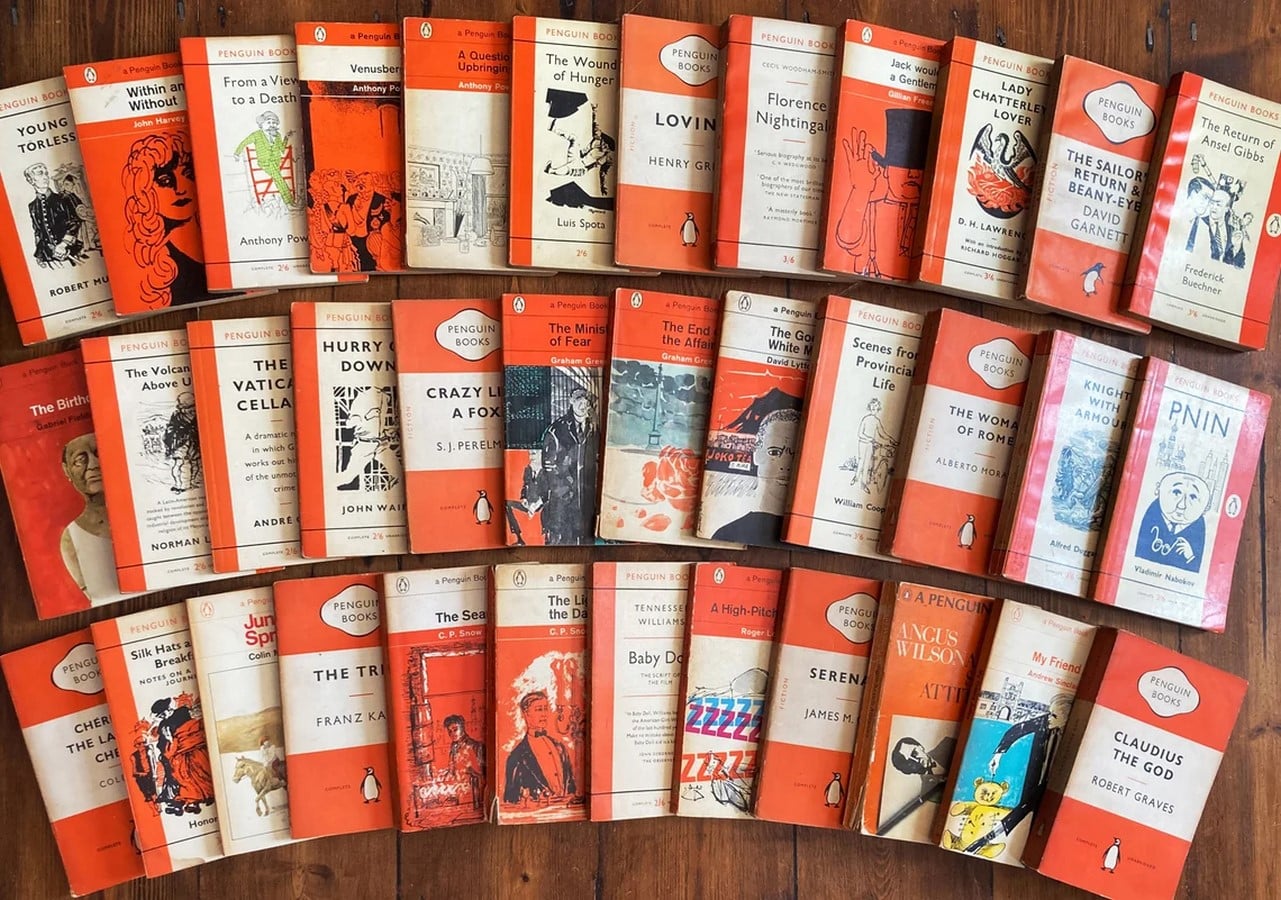
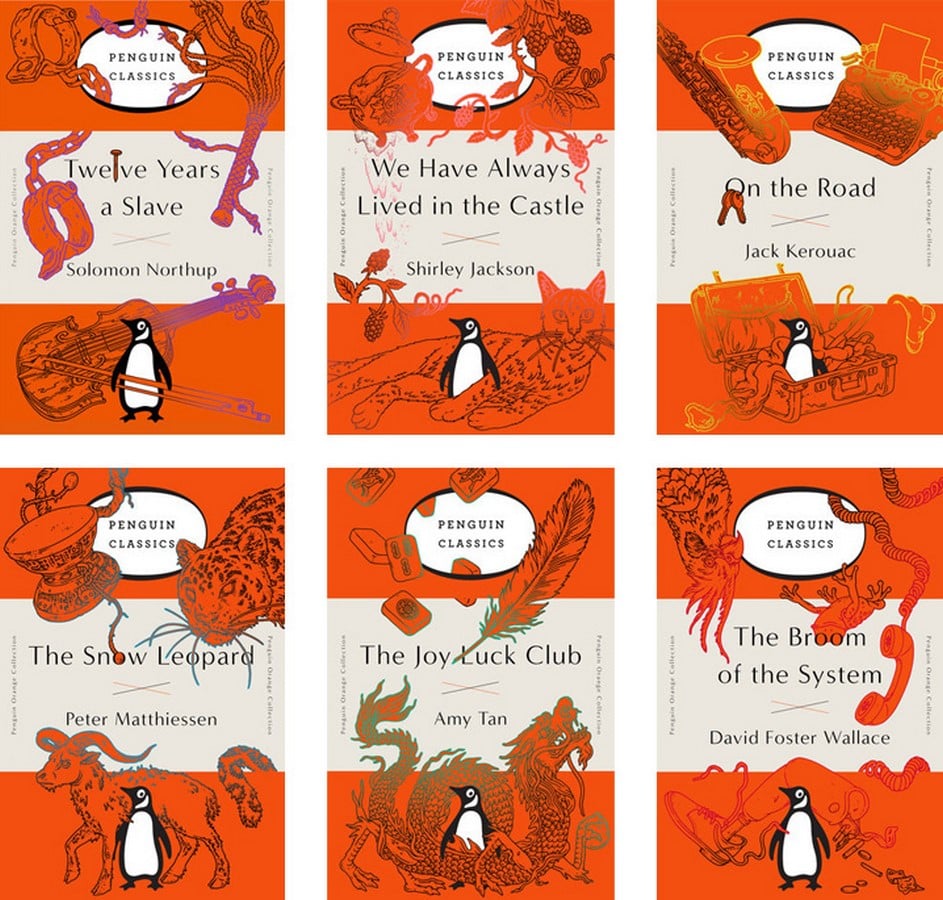
The visual identity of Penguin Books proved to be one of the most powerful drivers of brand recognition. The early paperbacks followed the three-colour-band pattern that designated genres by colour: orange for fiction, blue for biography, and green for crime.
The design intended to be minimalistic, and yet not boring. Covers featured strong topography, grid, and structural elements that made Penguin books recognisable among others. This made it easier for the customers to determine who the author is, what the genre is, and how important the book is.
With Jan Tschichold joining the team in the 1940s, Penguin’s design system became stricter. Title placement, typographic hierarchies, spacing, and interrelations among the cover, spine, and back were standardised.
Penguin’s approach to design showed that consistency can become the source of commercial success. The more people saw familiar covers, the more they recognised Penguin’s brand as high-quality.

The Expansion of a Publishing Ecosystem
Penguin did not confine itself to the first paperback series alone. The Pelican Books were published in 1937, a collection of non-fiction titles meant to educate rather than entertain. Their first publication was “The Intelligent Woman’s Guide to Socialism, Capitalism, Sovietism and Fascism” by George Bernard Shaw.
Another branch called Puffin Picture Books appeared in 1940. It was originally designed to ease the transition for city kids to life in the countryside during wartime evacuations. The success of the Puffin range contributed to Penguin’s strength in children’s publishing.
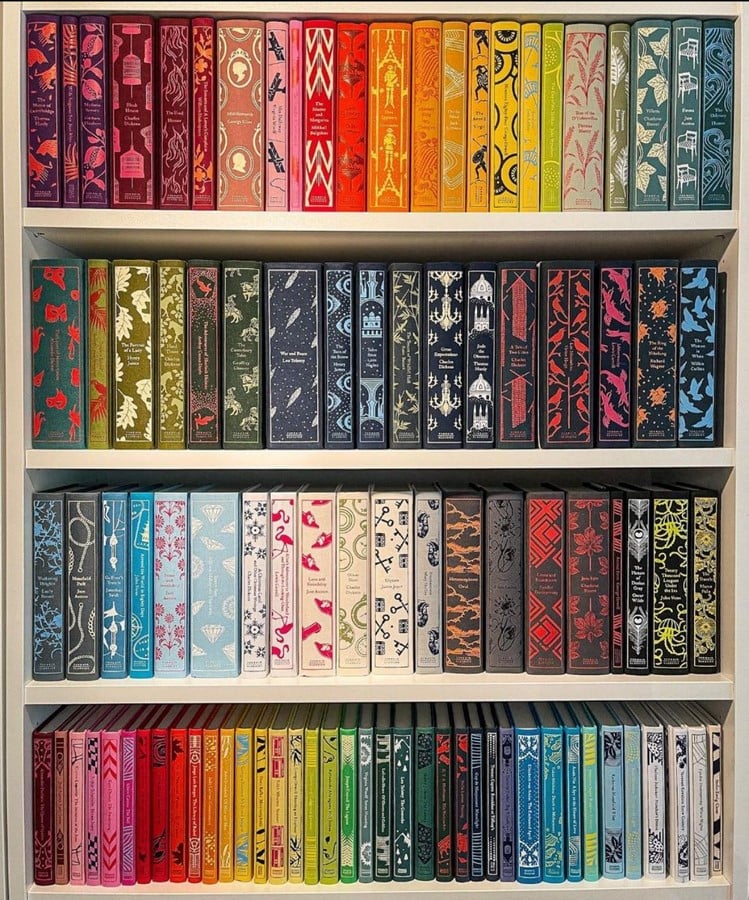
In 1946, the Penguin Classic Series began publishing books translated by E.V. Rieu, including Homer’s “The Odyssey,” and became one of the best series of classic literature published in English. Among these are many thousands of titles from different eras and cultures.
These diversifications were effective because they were not undertaken randomly but were based on the company’s original philosophy.

The War Years and the Power of Relevance
During the Second World War, Penguin became more than a commercial publisher. The company produced practical manuals, military titles, and books for service members, including those published through the Armed Forces Book Club established in 1942.
This period served as a test of the brand’s sustainability. Restrictions on paper supplies, production limitations, and shifts in social requirements called for adjustments. Adaptability to stress proved to be beneficial for the brand.
Rather than retreating into safe publishing, Penguin expanded the role of books as tools of comfort, education, morale, and public knowledge.
Global Presence and the Making of an International Brand
Penguin’s identity began in Britain, but its brand power multiplied when it expanded beyond one national market. Today, Penguin Books operates within Penguin Random House, a global publishing group that includes Penguin and Random House businesses in the United States, the United Kingdom, Australia, India, and multiple other countries.
Among the company’s most important centres are New York and London, two of the world’s most influential publishing hubs. The presence of Penguin in India has been an important factor in helping the brand establish itself in what is probably one of the largest English-speaking markets. Penguin Random House India encompasses adult publishing, children’s publishing, Penguin Swadesh, Penguin Audio, and custom publishing, thus enabling the internationally recognized name of Penguin to engage with the linguistic and reading habits of Indians.
There were three important aspects of the international scale’s impact on the Penguin brand. First, the scale extended the reach of the Penguin’s catalogue, allowing books to move from territory to territory and across formats more efficiently. Second, it enabled the company to establish local publishing lists with regional voices under the Penguin name. Finally, this scale helped the company stay competitive in a market influenced by digital technology, global retail networks, and shifting reader habits.
According to Bertelsmann, Penguin Random House is the largest trade book publisher in the world, with more than 350 imprints across six continents, releasing more than 14,500 titles per annum, and distributing over 750 million print books, eBooks, and audiobooks. The size enables the publishing firm to collaborate with numerous authors, network internationally, and maintain a wide distribution network. This increases the company’s presence in global reading cultures.
While the sixpenny paperback started as a revolution in British publishing, the internationalization process has made Penguin into a reading symbol worldwide.
Adapting to the Digital Reader
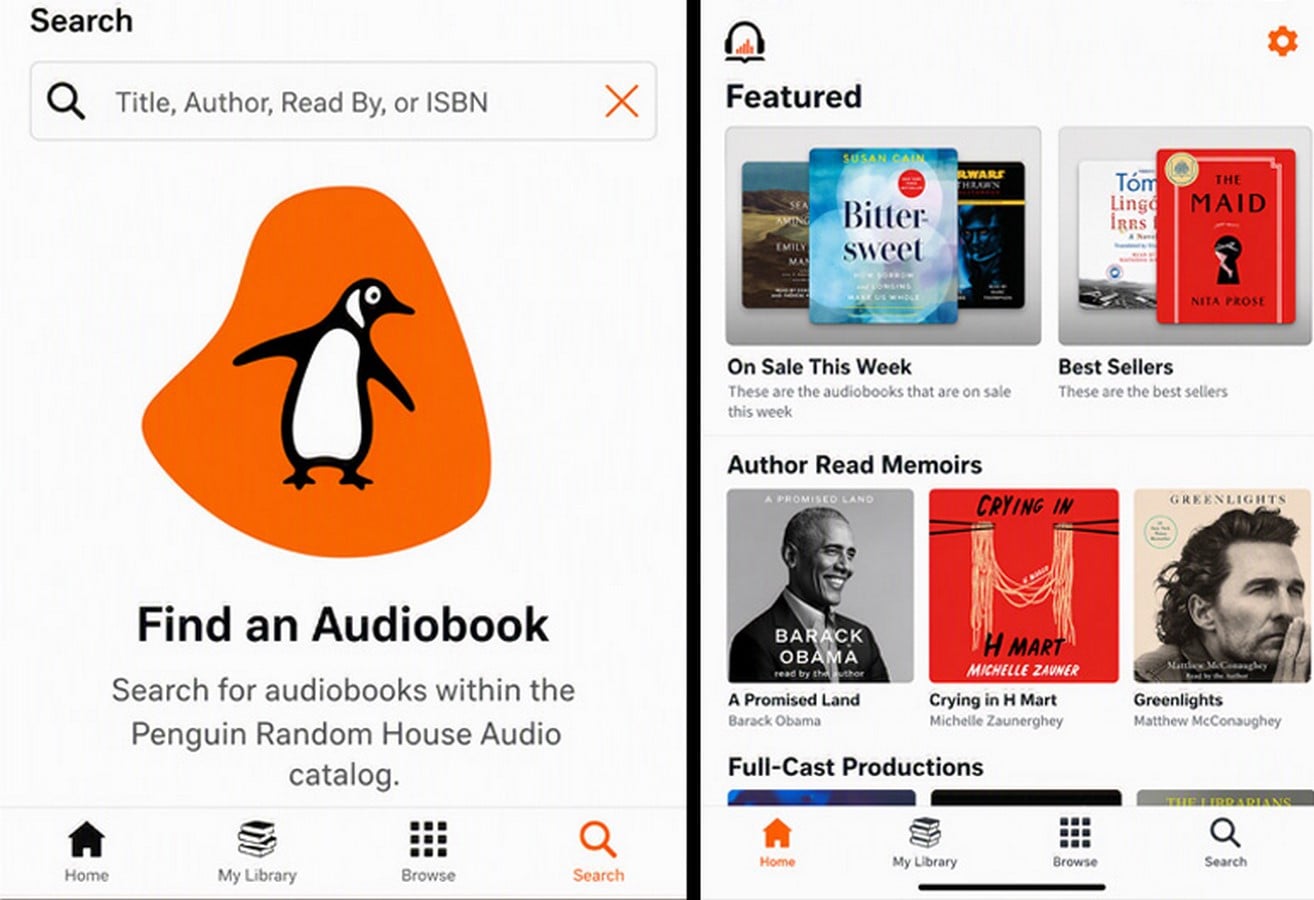
Penguin’s more successful modern pivots have come through adapting to how people discover and consume books. Audiobooks became a major growth area for Penguin Random House, with PRH Audio producing more than 1,400 titles in 2018, up from 650 in 2014.
The move into audio allowed Penguin to reinterpret what a book could be. Stories could now be consumed on smartphones, through full-cast recordings, with sound design, and during daily routines such as commuting or exercising.
Penguin also responded to social discoveries by forming partnerships. Thus, in 2022, Penguin Random House partnered with TikTok, allowing tagging of their books on videos to strengthen its relationship with the BookTok community.
This collaboration represented a major shift in readers’ power. Before, the authority of Penguin was derived from its editorials, catalogues, bookshops, and even book covers; now, readers’ power is also at play.
Sustainability as a Modern Brand Responsibility
As global brands face growing environmental expectations, Penguin Random House has also made sustainability part of its brand evolution. The company has committed to reducing greenhouse gas emissions by 50% by 2030 and has focused on sustainable sourcing, carbon measurement, local printing, and lower-carbon transport.
Penguin Random House UK states that 100% of the paper used to make its books is Forest Stewardship Council certified. The sustainability agenda connects directly to the brand’s cultural role, because a publisher that shapes public thinking must also address the environmental impact of producing books.
It worked towards being a contemporary brand, whose credibility isn’t solely associated with high product quality but also with responsible production processes and knowledge of the global environmental situation.
The Legacy of Penguin Books
Nearly ninety years after its founding, Penguin Books continues to influence publishing, branding, graphic design, and cultural production worldwide. Its legacy demonstrates that the most enduring brands are not built through marketing campaigns alone, but through a consistent commitment to purpose, accessibility, and design excellence.
In an increasingly fragmented and rapidly changing world, Penguin Books remains a compelling example of how clarity of vision, thoughtful design, and cultural relevance can create a brand that transcends generations.