Around the globe, there are several places that would be considered inhospitable for the human population to live and survive in. Yet in many parts of the world, humans have not only managed to survive but also called these places their homes for decades, if not centuries. Over the years, the human settlements have been at the mercy of Mother Nature. Yet people have time and time again lived on the edge of survival and tweaked their lifestyle to adhere to nature’s givings. Here are five such places where survival felt impossible, but miracles still exist.
Cooper Pedy
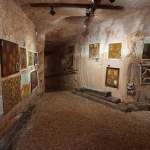
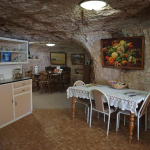
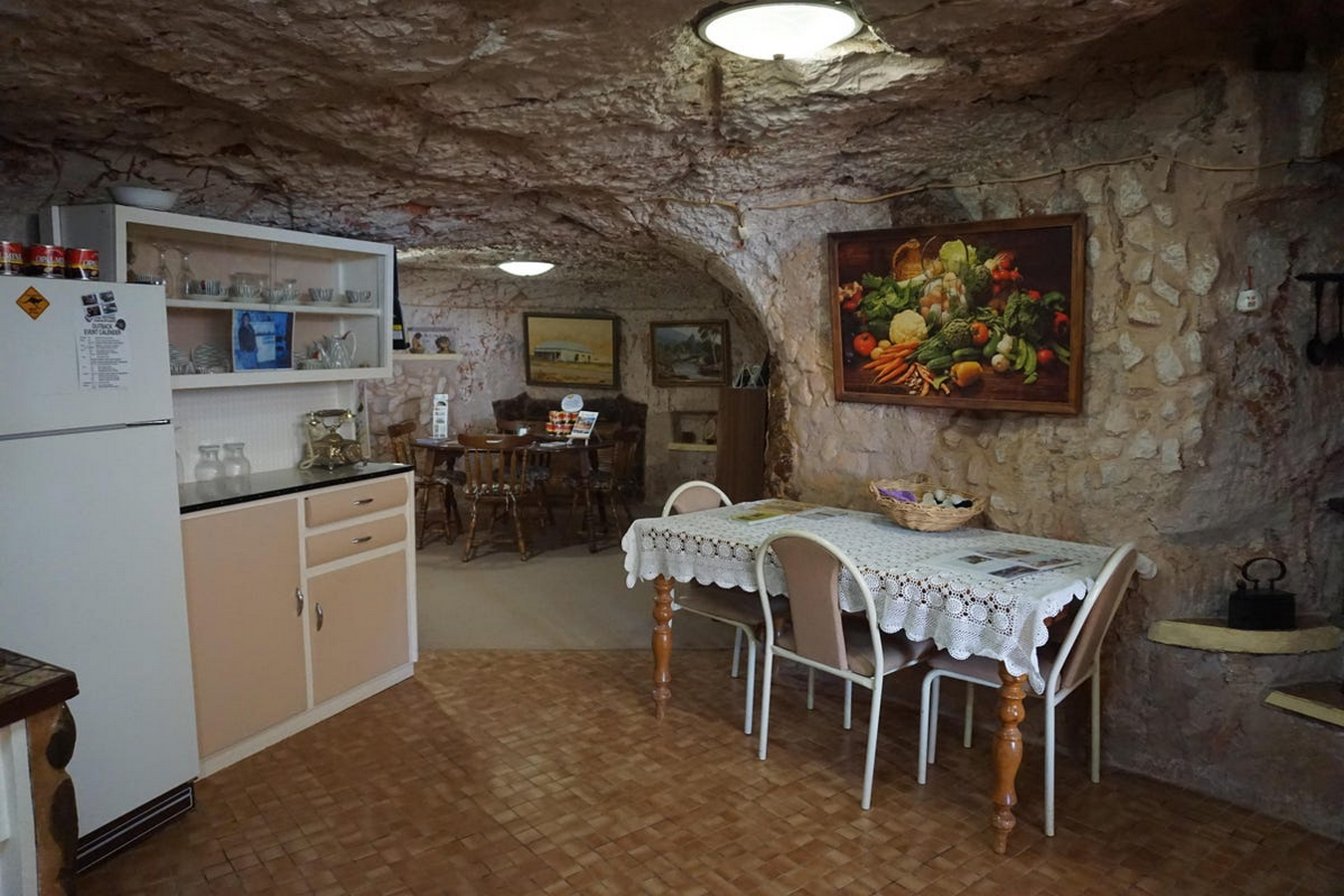
In this Australian town of Cooper Pedy, the scorching sun has forced the locals to remain underground. With temperatures rising above 50 degrees Celsius, residents escape the heat’s punishment by literally living underground in homes they call ‘dugouts’. In spite of such extreme conditons,1,500–2,500 people reside in this town located nine hours away from Adelaide. Here, homes, stores, schools, and even churches and museums are all constructed by excavating the soil underneath. Above ground, the environment is dry and offers little to no vegetation, making life below the surface essential for comfort.
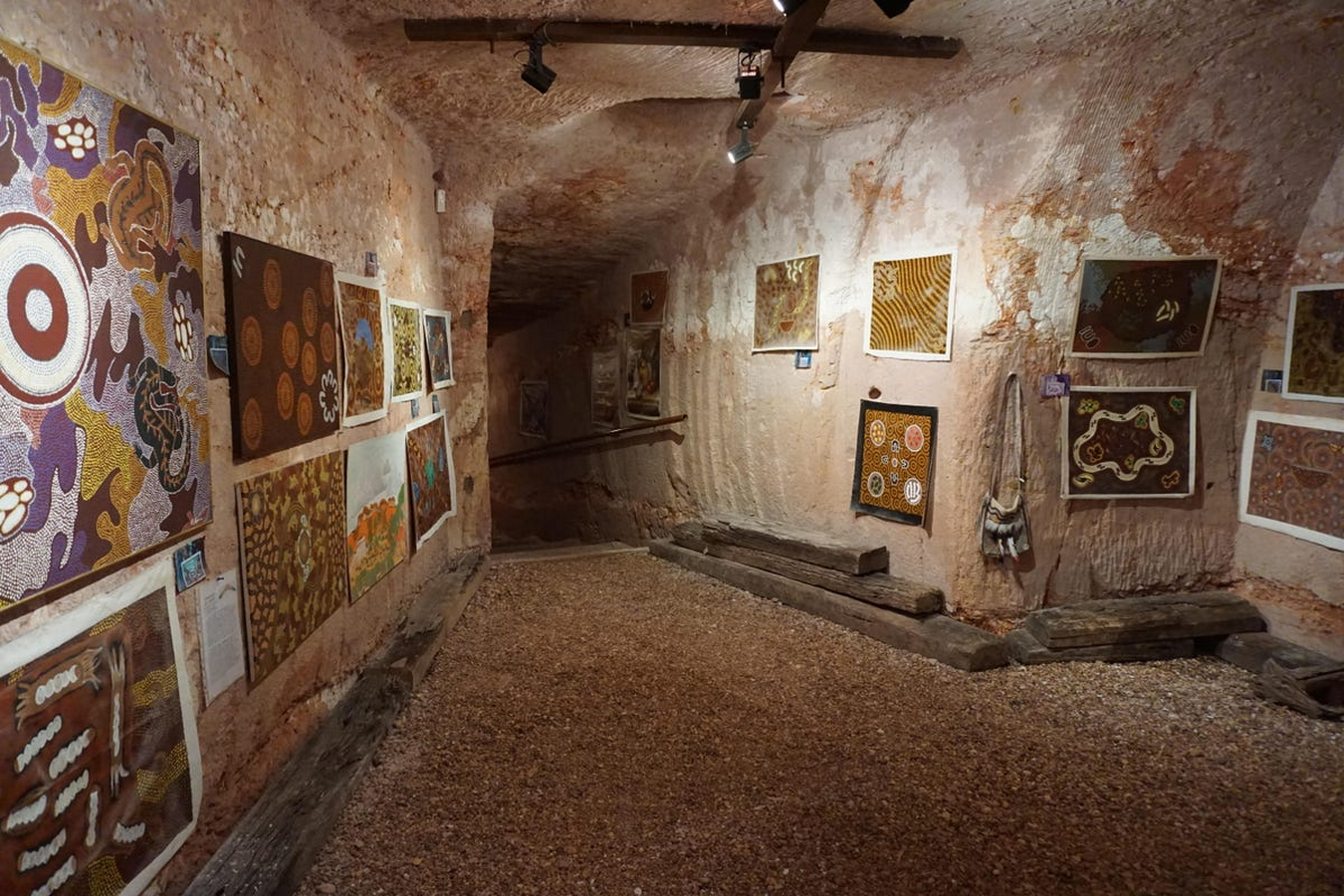
Moreover, living under the earth’s lap, this form of architecture provides the necessary insulation against heat and maintains an underground temperature of 23 degrees Celsius throughout the year. Half of the population here chooses to live in these dugouts. The ventilation inside is taken care of by shafts. Since it is an opal mining area, the soil here is stable enough to form larger dugouts where certain families also opt to live in larger mansions with multiple bedrooms, going up to 450 square meters.
Castellfollit de la Roca
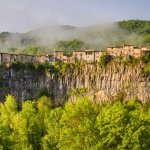
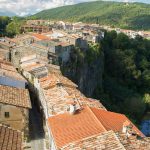
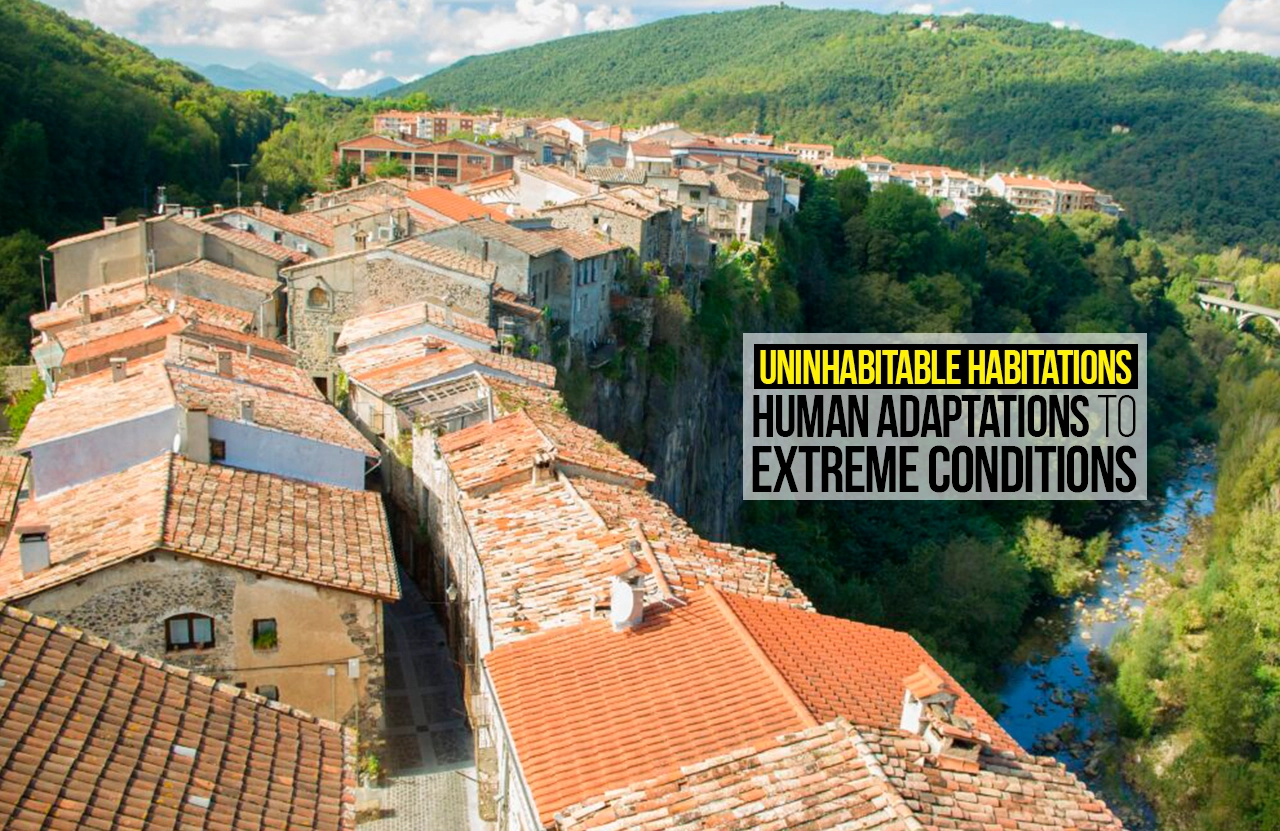
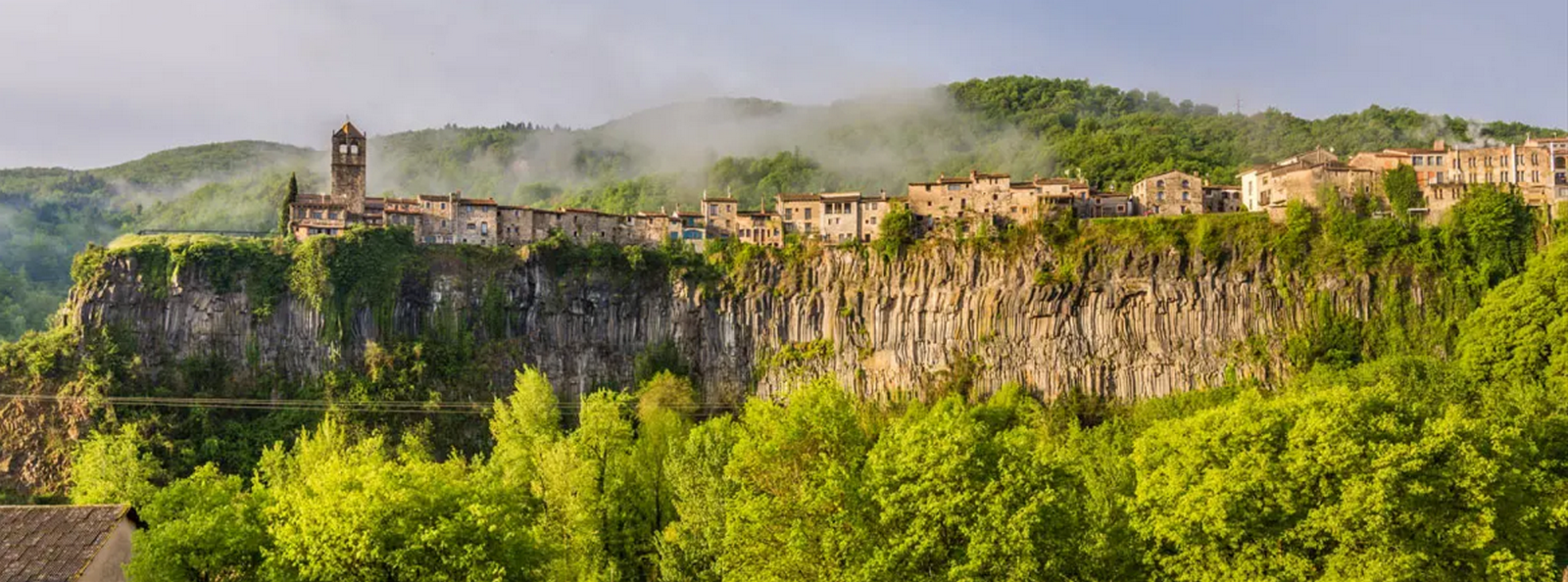
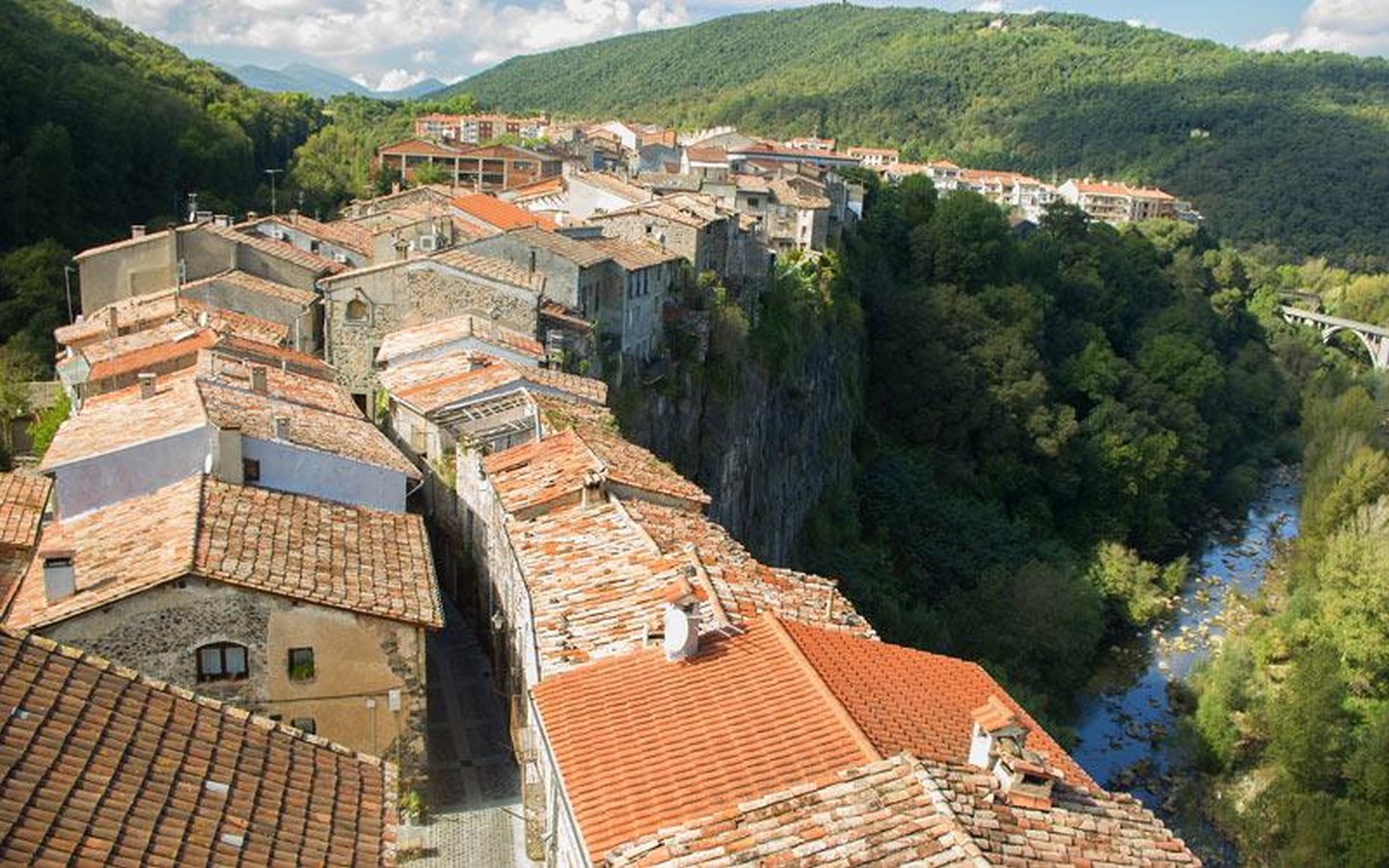
This Spanish town is located inside La Garrotxa Volcanic Zone Natural Park, the only active basalt quarry in Spain. The natural beauty of the town remains uncompromised in such extreme conditions. It is formed on a 1 km long basalt formation underneath which exists in two layers as a result of two lava flows, each being approximately 217000 years old and 192000 years old, respectively. This lava cliff has a 50 m high cliff drop, creating an edge where the houses are constructed. Some of these medieval houses here are built with the same volcanic rocks they stand so precariously on. For around a thousand years, a single street runs through the entire town, segregating the habitation into two parts from the centre. The cliffs being illuminated for 6 months of the year adds to the beauty of the views generated due to the location of these homes.
Uros
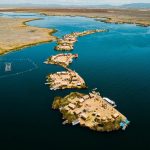
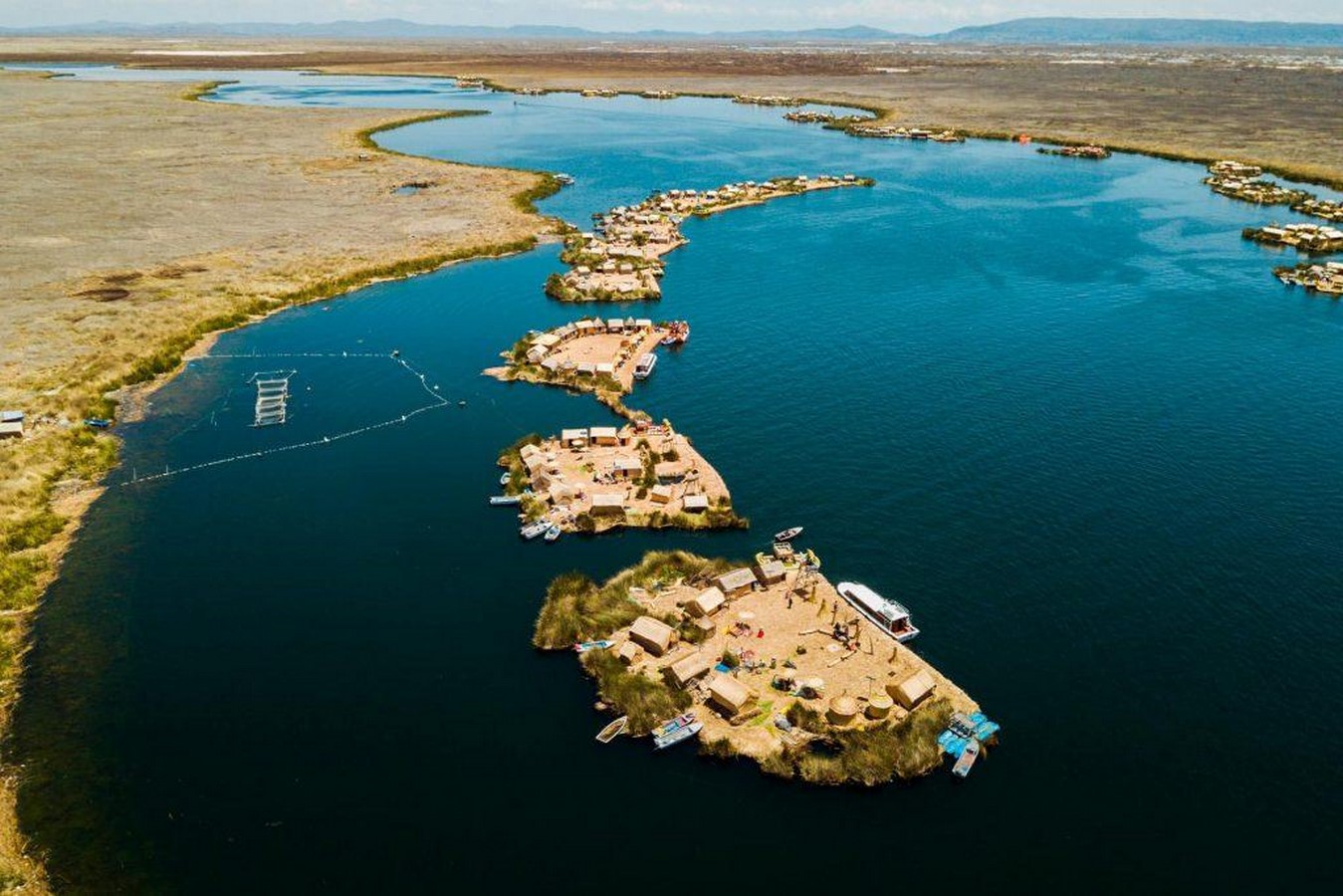
Uros are a group of live floating islands located on Lake Titicaca between Peru and Bolivia. What makes them different from other floating islands is not the water, weather, or environment, but the fact that the indigenous people from Uros have created a whole human settlement on floating grass without any conventional structural help. The islands are created from totora reeds and have to be replaced every couple of weeks to avoid rotting of the reeds. This unique architectural style is seen in all aspects of the settlement. Homes, schools, water tanks, toilets, etc. Under such extreme conditions, 60 to 70 islands are floating through Lake Titicaca, with each island housing 5 to 10 families. Boats are their primary source of travel, with traditional reed boats still in use. Tourism has seen a hike in these islands, with more people relying on boat rides or Airbnb for an income source.
Huacachina
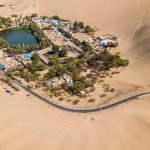
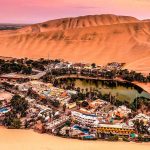
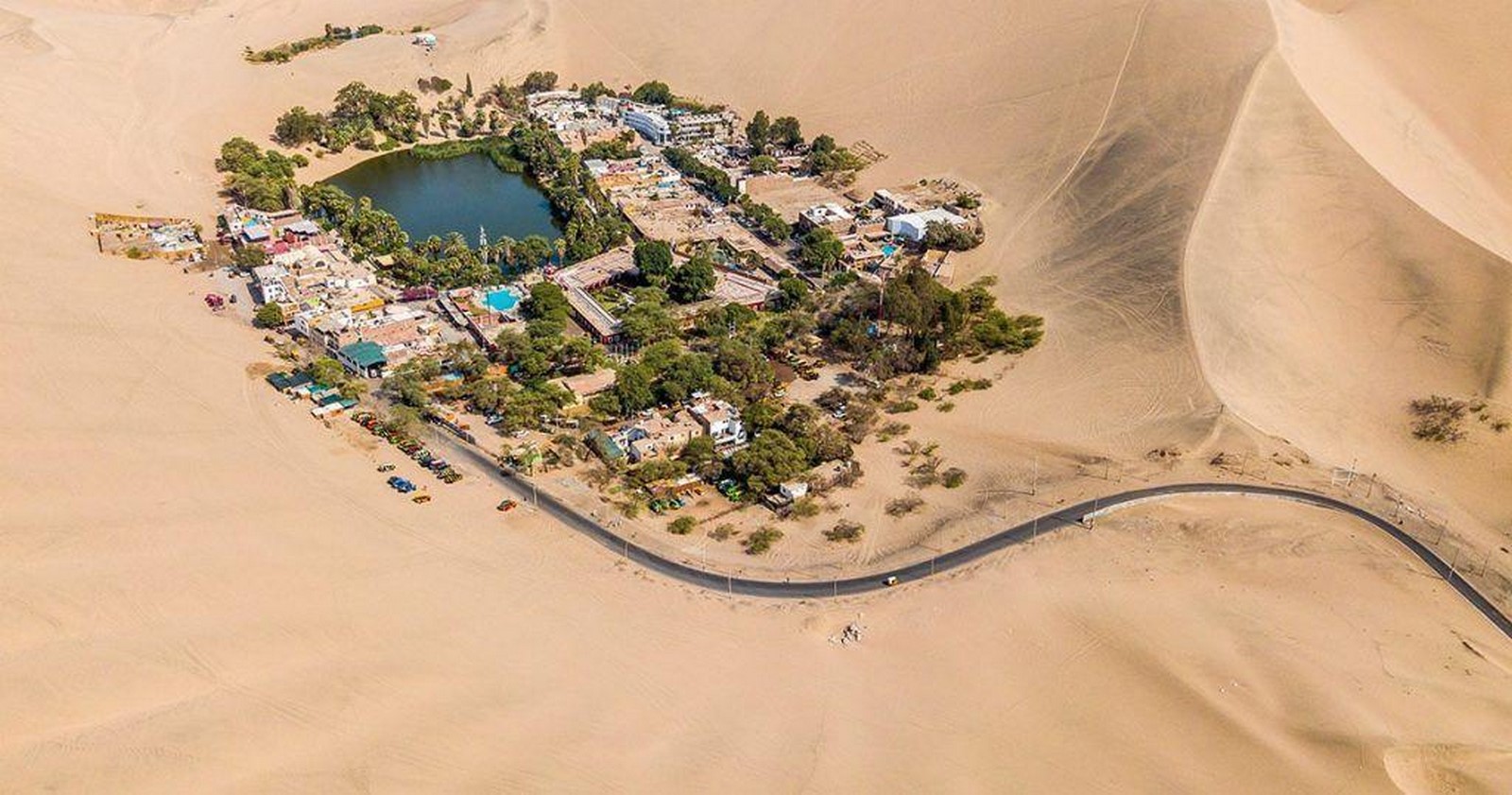
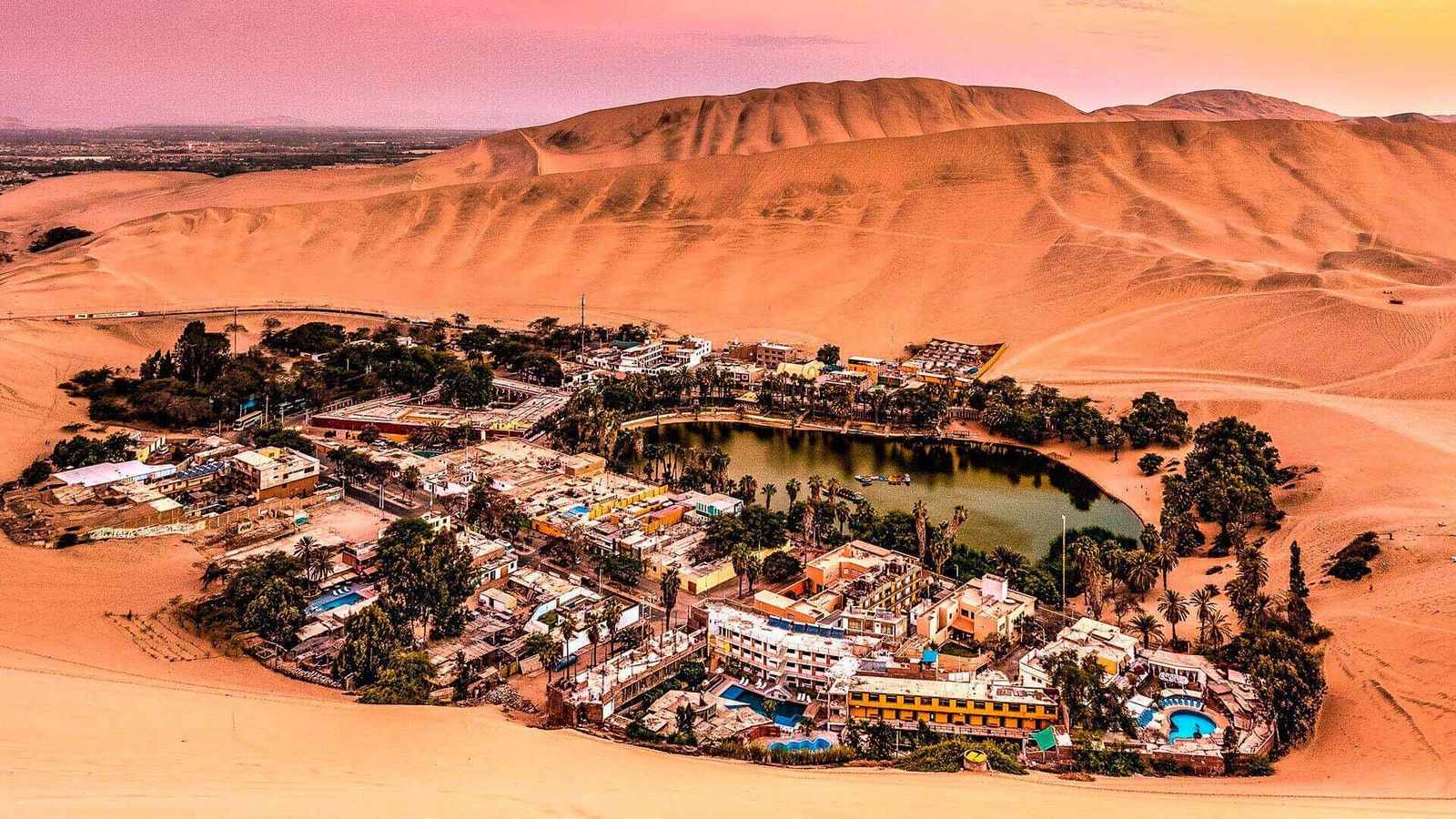
Huacachina is an oasis located right at the centre of the Peruvian desert, 5 hours from Lima and 15 minutes from Ica City in southern Peru. Huacachina translates to ‘crying woman’ in Quechua, which originated from a folklore that says that the lake came into existence through the tears of a princess named Huacca China. As opposed to a mirage, this water body is an actual oasis formed due to the availability of water underneath the ground at that location. The water helped in the formation of lush vegetation around it. The vegetation gave rise to a whole settlement consisting of resorts, homes, and hotels despite the extreme conditions. The buildings here cater to the Spanish Revival style of architecture from the bygone era. The lagoon has served as a popular tourist destination for several decades. Housing the biggest sand dunes on the continent, along with the only oasis in South America, this location is considered to be one of nature’s precious miracles, and efforts are being taken to preserve and protect it from the heat damage, environmental weathering conditions, and loss of water.
Shibam
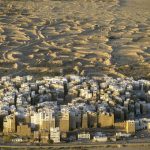
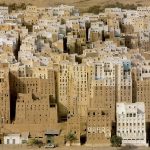
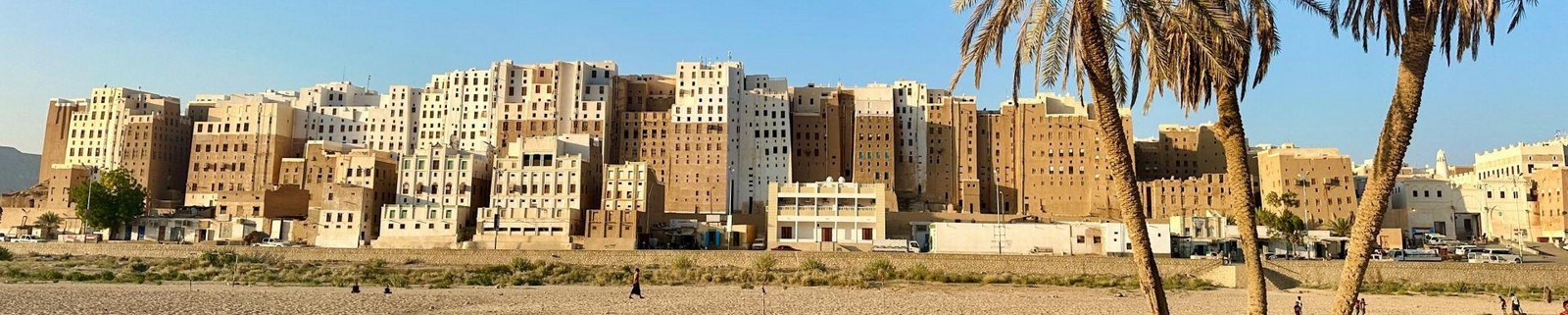
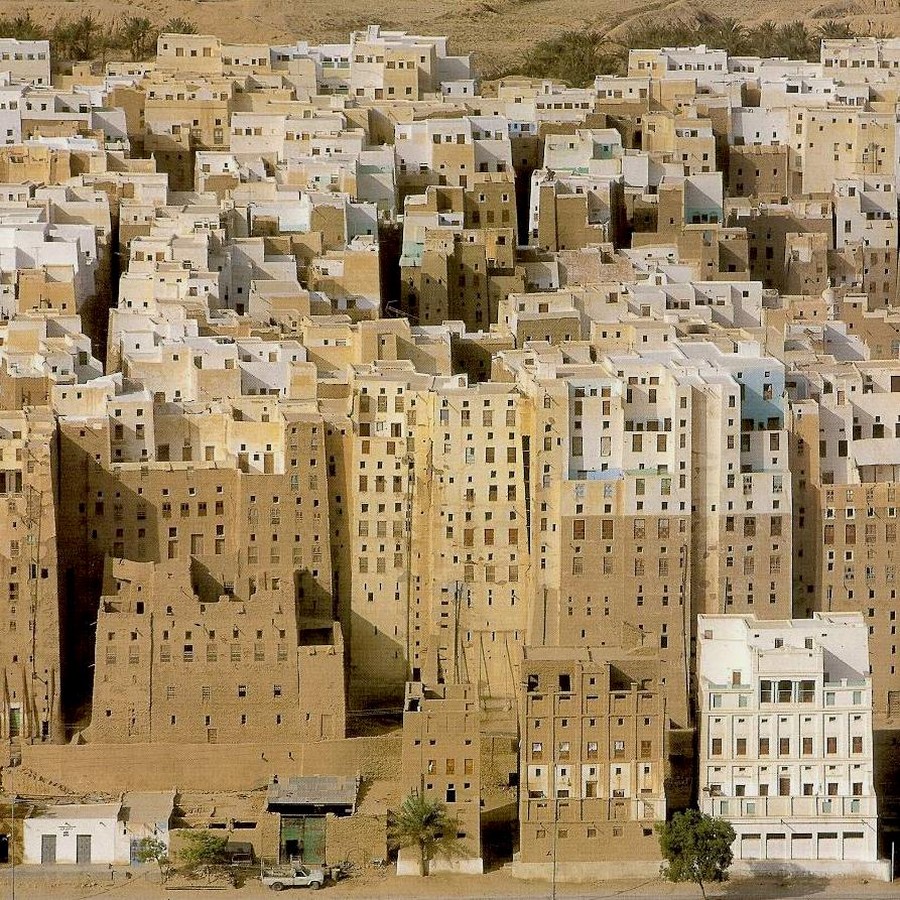
Located in the Southern Arabian desert, this Yemenese walled city of Shibam originated in the 3rd century and was the capital of the Kingdom of Hadhramaut after the original capital, Shabwa, was destroyed by floods in 300 AD. It was strategically placed along the spice and incense route to boost trade and economic prosperity. The fortified architecture was constructed by brick mud, and sun-dried in the 16th century, is one of the oldest examples of urban planning, having up to 11-storey high buildings placed on a grid with streets and squares. Some of these buildings also go up to 30 m in height, making them the oldest mud skyscrapers in the world. This city is called ‘Manhattan of the desert’ because of the tall tower-like mud structures replicating the buildings in Manhattan.
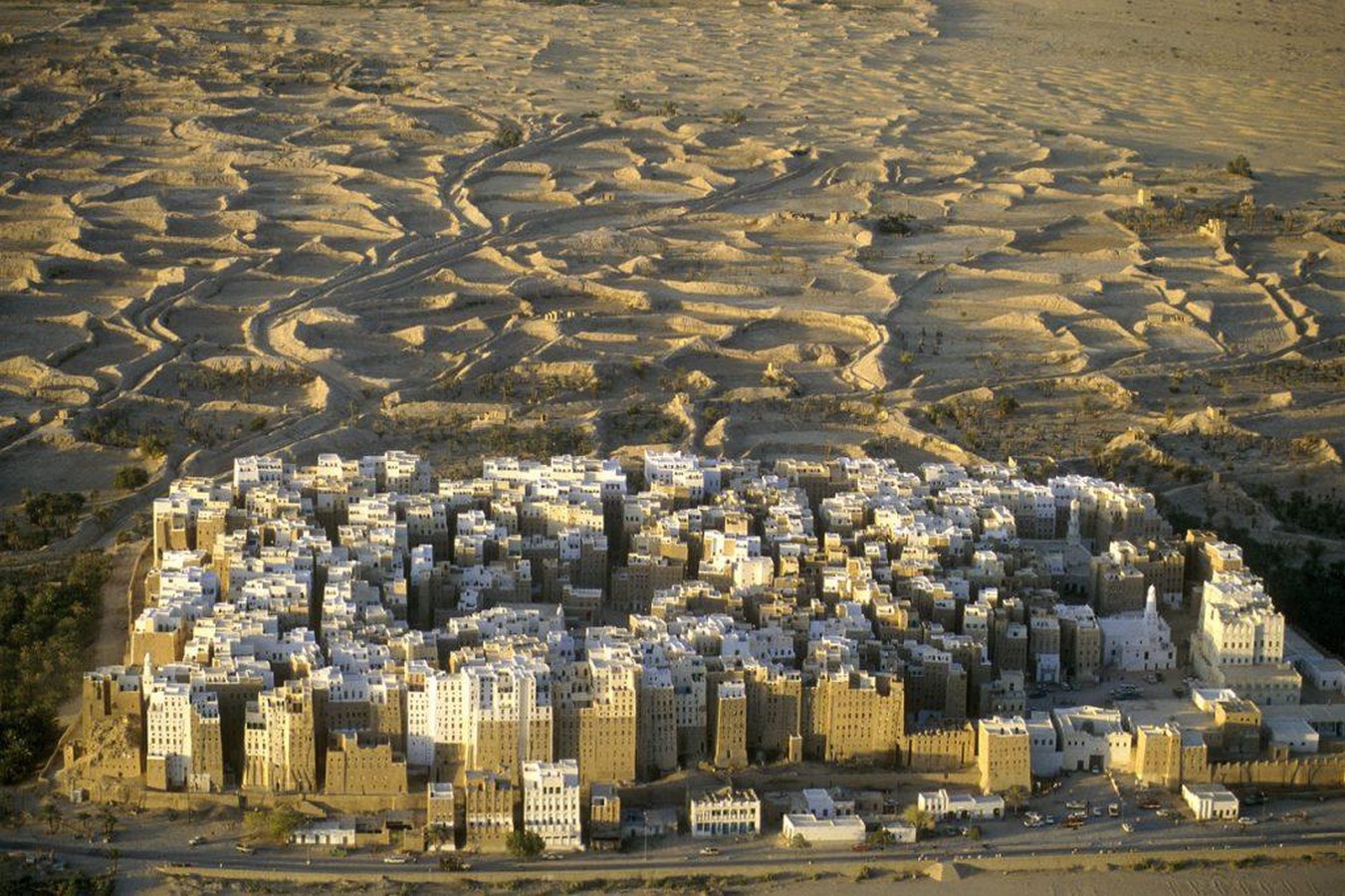
The visual impact expresses Islamic tradition and culture, while the primary point of this construction was the safety of residents from attacks. To deal with constant weathering from wind, rain, and heat, new layers of mud are added at frequent intervals to prevent erosion and decay. Despite the extreme conditions, the city has managed to survive and be habitable for several centuries. Due to abandoning the traditional water supply, drainage systems, and livestock management, the city has started to see a decline in systems and maintenance, as a result of which, it was added to the list of world heritage in danger in 2015 by the World Heritage Committee.
References List:
https://www.youtube.com/watch?v=qamu6wg0eDQ
https://www.cooberpedy.com/underground-living-dugouts/
https://www.cnet.com/pictures/the-strange-underground-homes-in-the-coober-pedy-desert-australia/
https://www.fascinatingspain.com/articulo/what-to-see-in-catalonia/castellfollit-de-la-roca-gazing-into-the-abyss/20240408123811066800.html
https://www.atlasobscura.com/places/castellfollit-de-la-roca
https://fieldstudyoftheworld.com/uros-floating-islands-of-lake-titicaca/
https://www.peru.travel/attractions/uros-islands
https://thursd.com/articles/huacachina-peru-natural-desert-oasis
https://science.nasa.gov/earth/earth-observatory/a-lagoon-in-the-desert-147668/
https://whc.unesco.org/en/list/192/
https://en.wikipedia.org/wiki/Shibam
https://www.youngpioneertours.com/a-complete-guide-to-shibam-the-manhattan-of-the-desert/