Cities worldwide are facing a critical challenge in the form of streets that have been designed to serve vehicles instead of people. Traffic congestion, environmental degradation, and fractured social spaces have become the hallmark of modern cities. However, long before the advent of motorized transport, cities in India had showcased a highly evolved and instinctive approach to urban design that placed considerable emphasis on pedestrians, climate, and social spaces.
Traditional Indian streets were not just corridors of movement; they were vibrant spaces that had witnessed the confluence of commerce, religion, and daily life. From the highly planned bazaars in Jaipur to the temple-based street networks in Madurai, and the tree-lined streets in the French Quarter of Pondicherry, traditional Indian street networks have showcased a highly evolved and sophisticated approach to street design and walkability.
As modern cities struggle to develop sustainable and people-friendly approaches to urban design, traditional Indian street networks can offer valuable insights into the importance of designing spaces that can harmoniously integrate movement, culture, and community.
Streets as Social Infrastructure
In contemporary planning literature, the street is conceptualized as a transport corridor. But in the traditional Indian city, the street served as social infrastructure—spaces where life was lived in common.
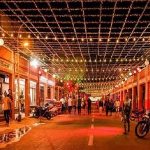
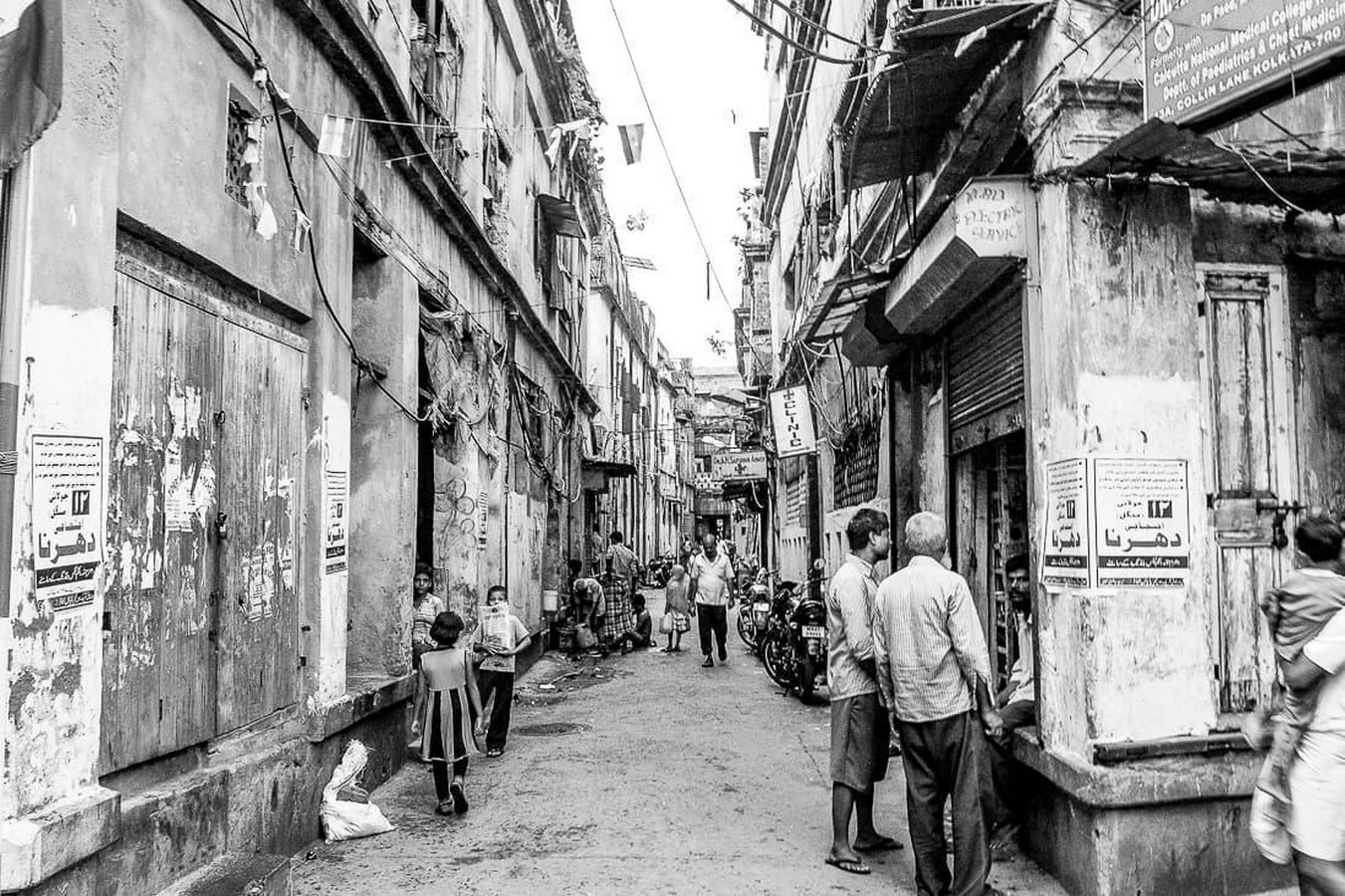
Markets, festivals, and processions enlivened the streets all year round. Vendors expanded their businesses into arcaded sidewalks, neighbors congregated at doorways, and children played in secure, slow-moving spaces. The street was a communal living room.
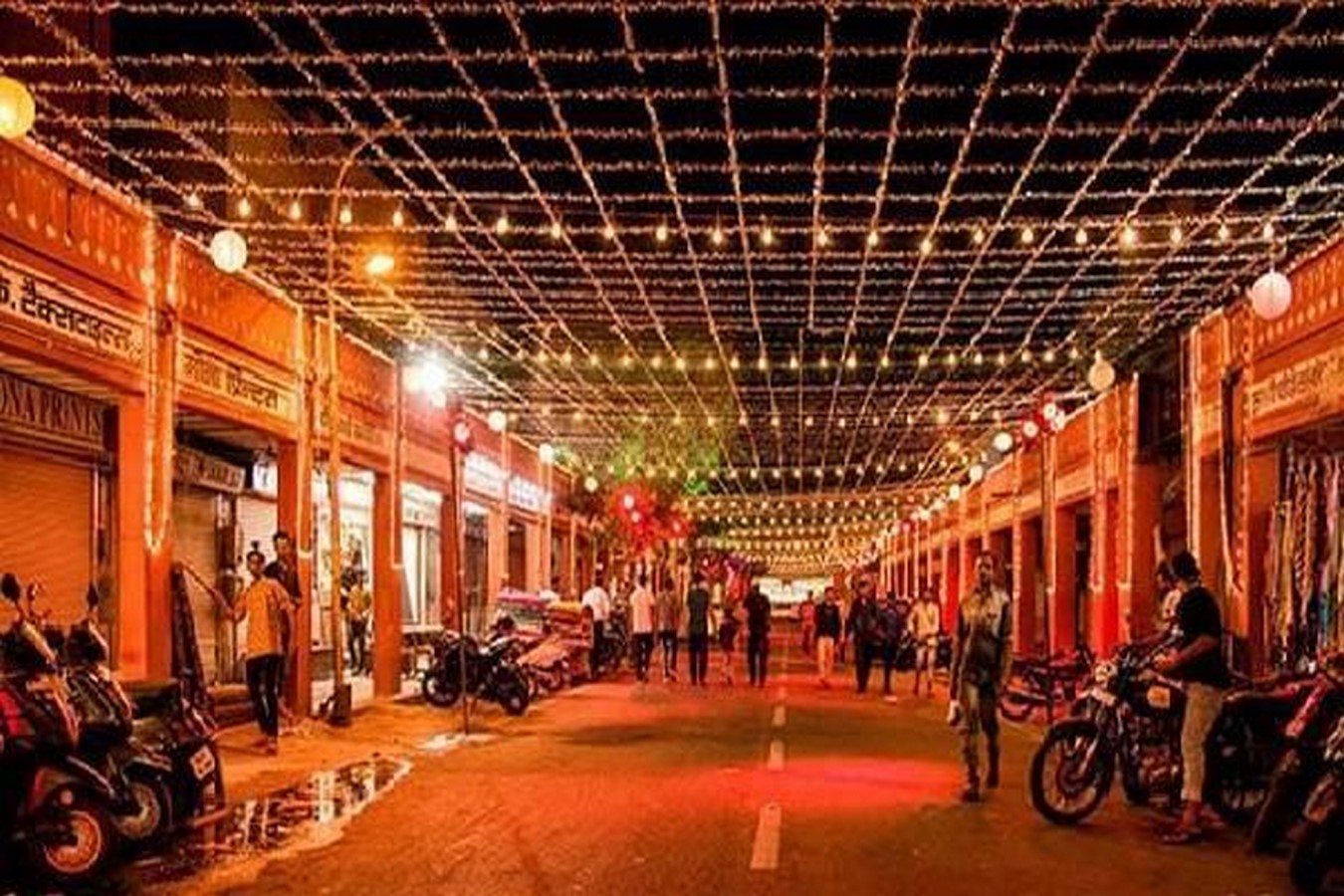
This integration of social life into the street pattern was achieved through sophisticated spatial planning. Narrow roadways reduced traffic speed, shaded verandahs shielded pedestrians from direct sunlight, and mixed-use buildings ensured activity levels were high throughout the day.
These spaces encouraged what contemporary urban theorists have termed “eyes on the street,” a condition in which the presence of people enhances safety and livability. The traditional Indian city organically created this condition long before it was codified in modern planning literature.
Climate-Responsive Urban Form
Diversity in climate has always been a significant factor in shaping the spatial structure of cities in India. In areas with high temperatures and semi-arid conditions, urban design has always been tailored to ensure minimal absorption of heat and maximum comfort for pedestrians.
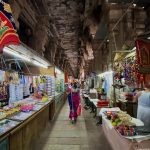
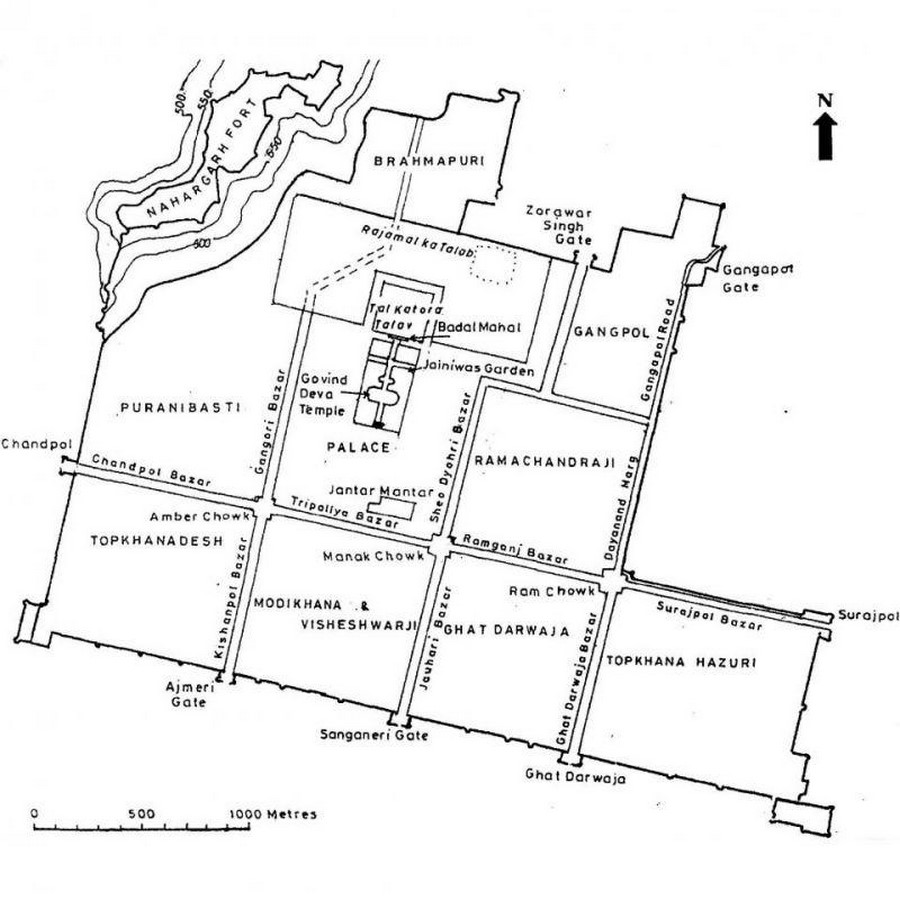
A good example is the historic bazaars in Jaipur. These were planned in the 18th century with the patronage of Maharaja Sawai Jai Singh II. The grid structure in Jaipur had wide streets for markets with arcades. These arcades provided shade for pedestrians to move about comfortably even in extreme conditions of summer.
In addition, the relationship between the height of buildings and street widths also played a significant role in creating microclimates. Tall buildings minimized exposure to sunlight and enabled wind to pass through the urban street.
Similarly, dense clusters of buildings in traditional areas minimized exposure to heat and provided a cool microclimate compared to streets with asphalt surfaces in many new cities.
This focus on environmental conditions is a good example of how environmental considerations were seamlessly integrated in the spatial structure of cities in the past.
The Sacred Geometry of Temple Streets
In many South Indian cities, there was a significant relationship between urban design and religious and cultural practices. The streets were designed in relation to temples and were organized in such a manner that they could be considered concentric circles of public space.
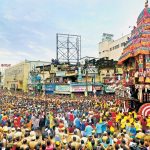
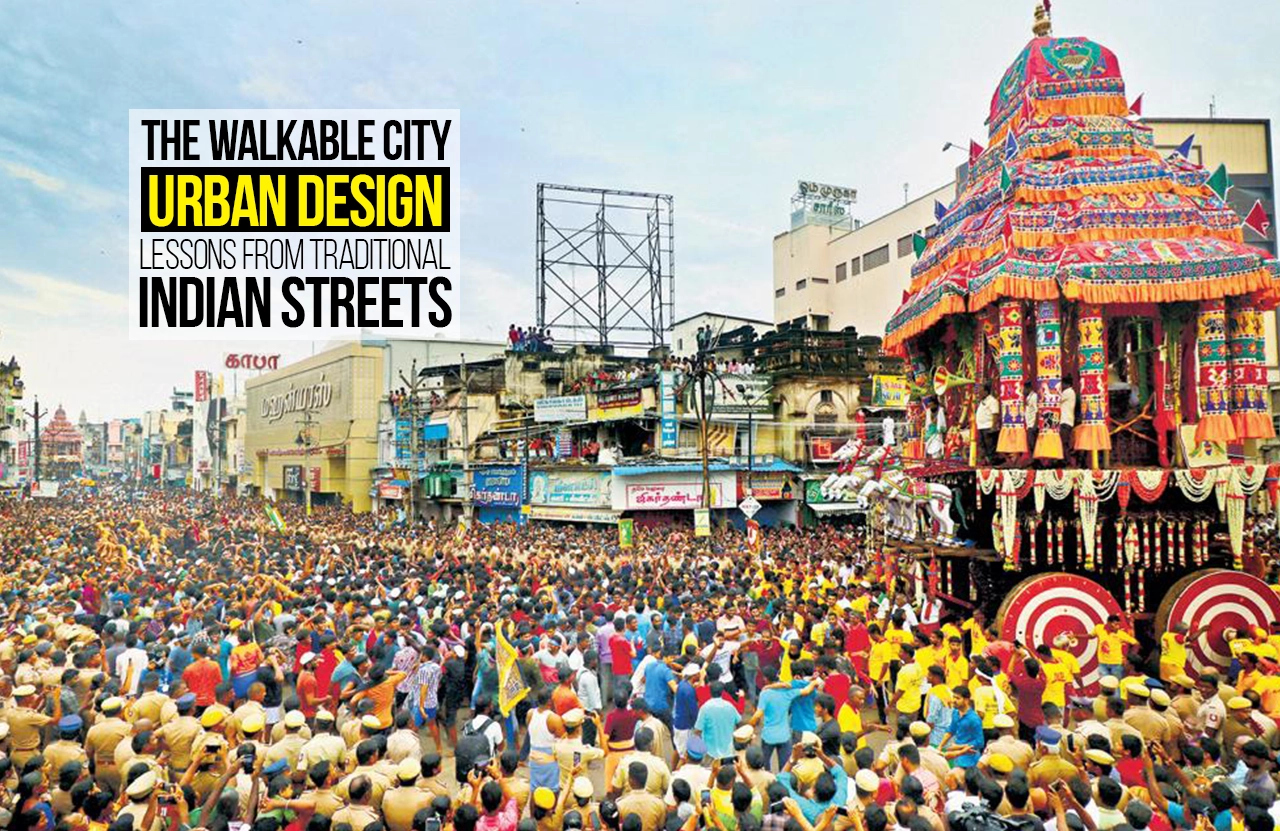
One of the most significant instances of this concept of street design is found in the temple city of Madurai in southern India. The street network in relation to the Meenakshi Amman Temple is designed in such a manner that it consists of a number of rectangular loops, similar to those used in temple rituals during temple festivals.
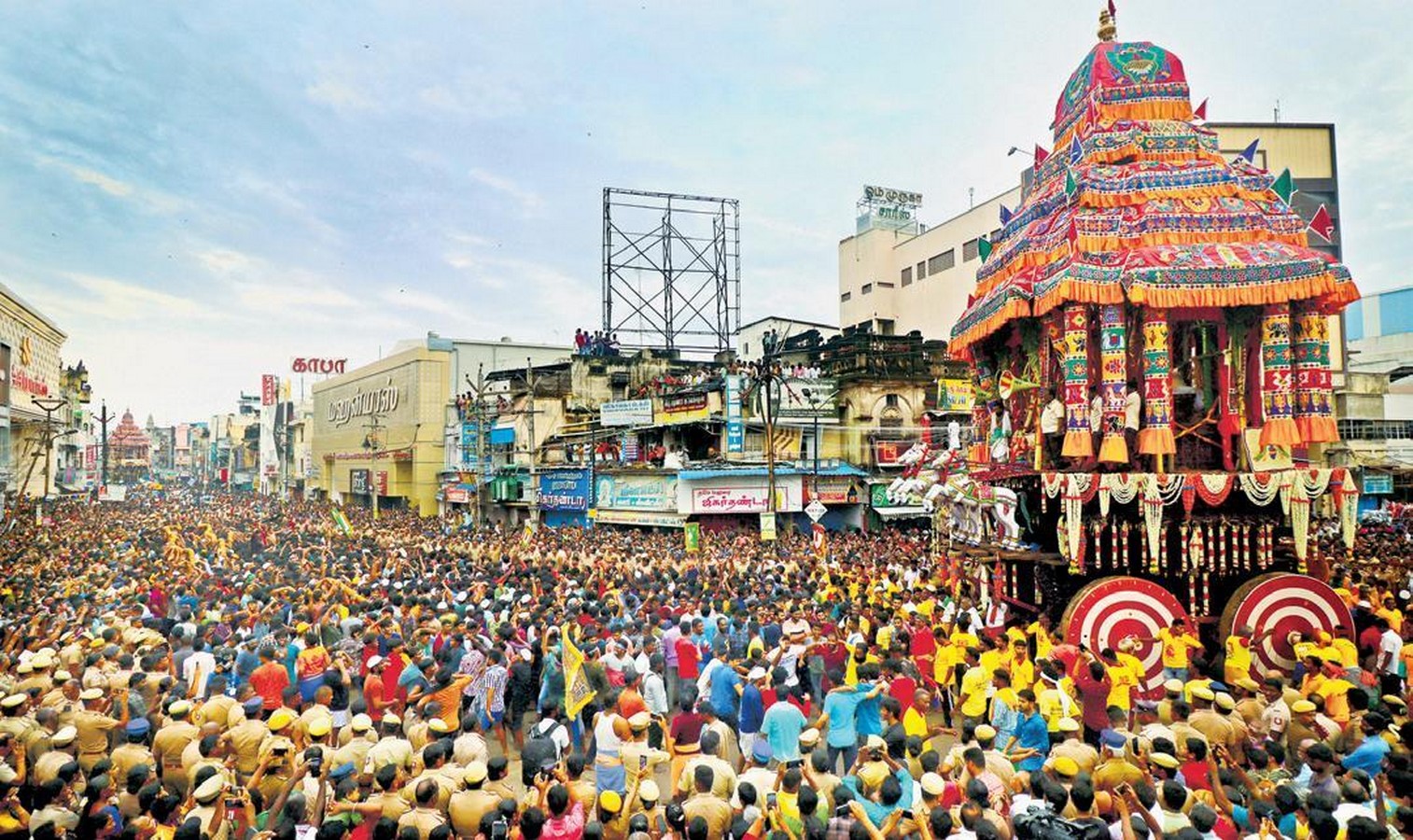
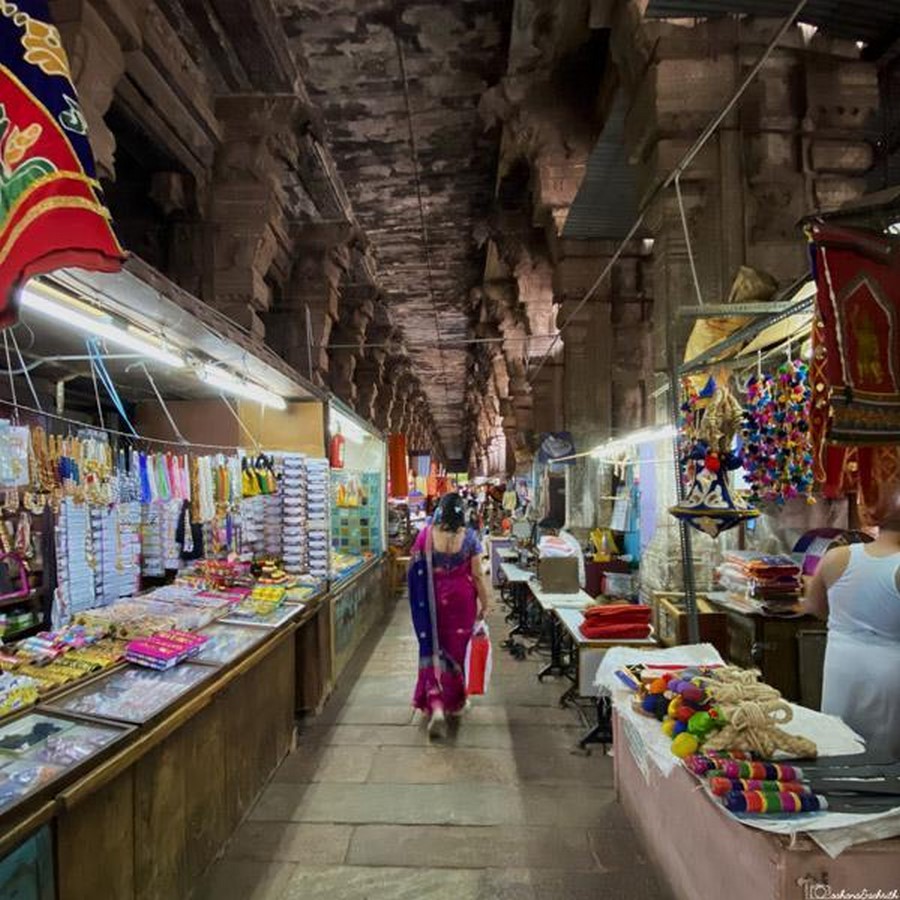
One of the significant characteristics of these streets in Madurai is that they have multiple uses and functions. These streets are used for market activities during normal days and for temple rituals during religious festivals.
It can thus be said that the concept of street design in temple cities reflects a deep understanding of the impact of religious and cultural rituals on urbanization and urban space. In this particular concept of street design, it can thus be said that urban design is used as a tool to express religious and spiritual traditions.
Colonial Grids and Walkable Boulevards
Though indigenous urban patterns were prevalent in the Indian landscape, colonial urban planning brought street patterns that inadvertently facilitated walkability.
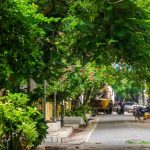
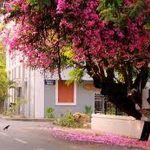
The French Quarter in Pondicherry is an interesting case study. With its grid pattern of streets, pastel-colored villas, and tree-lined roads, the area is pedestrian-friendly.
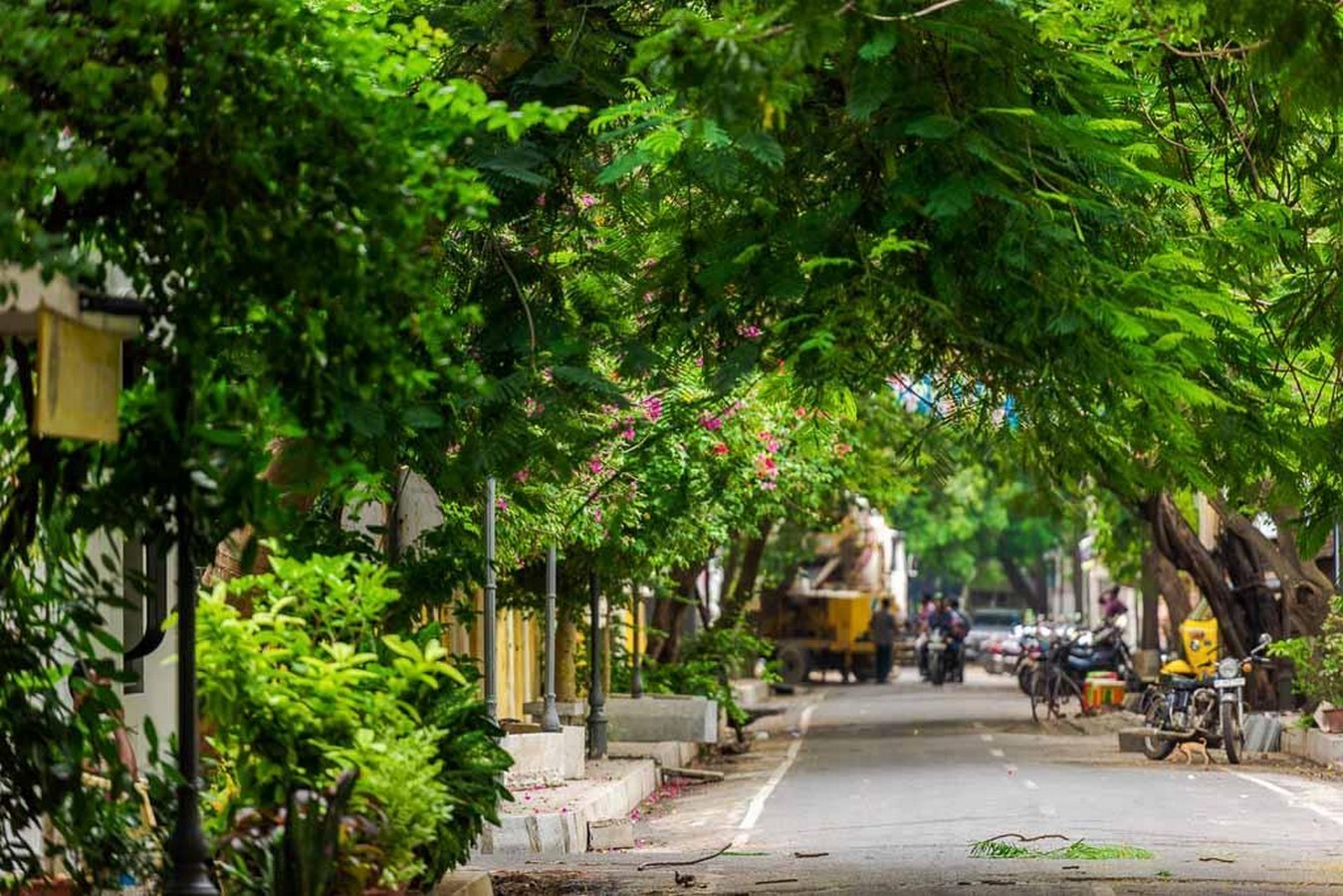
The broad sidewalks with bougainvillea-lined walls and large street trees make for pleasant walking spaces. Mixed-use development allows for the coexistence of art galleries, cafes, and boutique hotels, ensuring that the area is alive and buzzing throughout the day.
Unlike contemporary urban developments, which are designed with vehicular traffic in mind, the street scale in Pondicherry is designed to promote slower mobility. Cyclists, pedestrians, and vendors share the space in a harmonious and dynamic environment.
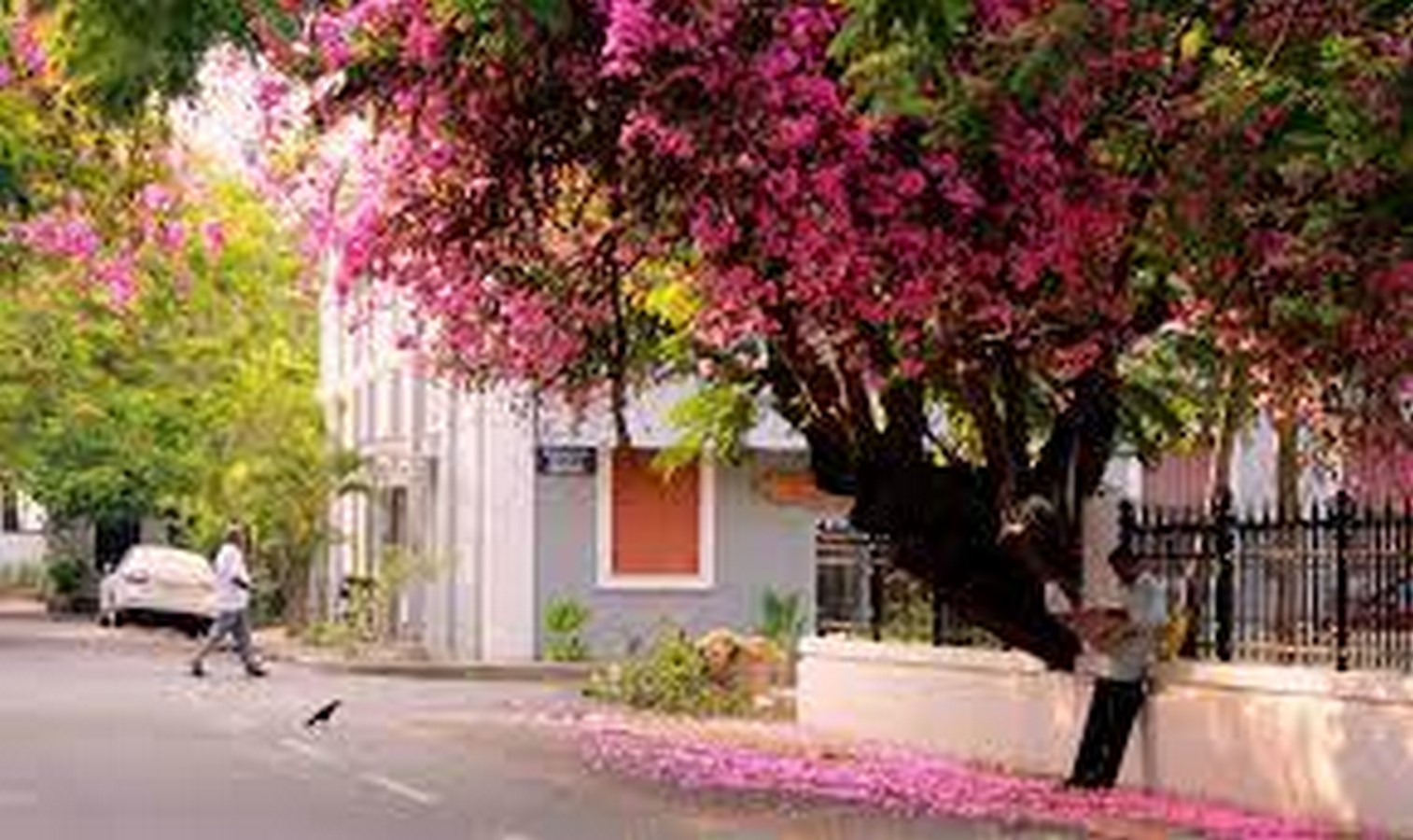
The French Quarter in Pondicherry is a testament to the fact that even in a colonial pattern of urban planning, the streets can remain walkable and alive with social activity for centuries to come.
Mixed-Use Density and Economic Vitality
Another characteristic of traditional Indian streets is their mixed-use nature. Residential, commercial, and craft activities are often combined in the same building or block.
In the bazaars of Jaipur and the temple streets of Madurai, the ground floor is usually reserved for shops, while the upper floors are used for residential or storage purposes. This functional division of space ensures that the street is active all day and all night.
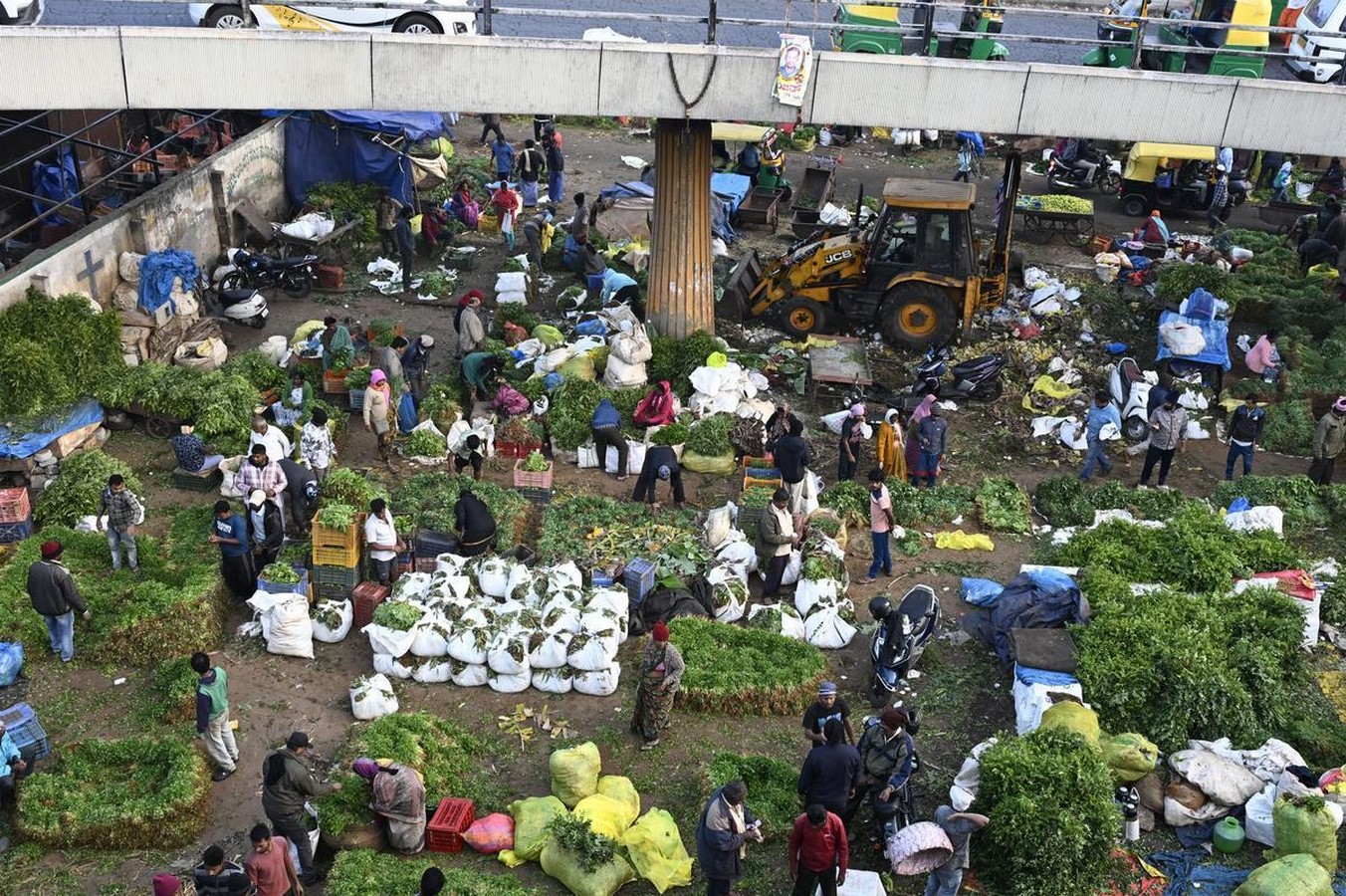
This density of population creates economic activity while also making the streets pedestrian-friendly. Citizens can easily access markets, workplaces, and places of worship without having to travel long distances.
This is in contrast to the modern zoning regulations that separate residential and commercial areas, resulting in car-friendly cities.
The traditional Indian city shows that proximity and diversity of use are essential ingredients of a lively and pedestrian-friendly city.
Lessons for Contemporary Cities
As the population of cities continues to rise, cities in India are also facing issues of traffic congestion, environmental degradation, and the quality of public space. The traditional layout of streets offers valuable lessons for modern cities.
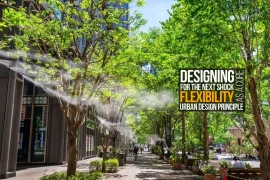
Firstly, the comfort of pedestrians needs to be at the core of new design strategies. The use of trees, narrower streets, and human-scale buildings will greatly enhance the walking experience.
Secondly, mixed-use development needs to be encouraged to support the vitality of streets and to reduce the use of personal vehicles. The compactness of cities will greatly contribute to economic and environmental sustainability.
Thirdly, cultural traditions and rituals need to be considered when designing public space. Streets that support these activities will greatly enrich the city’s identity.
Lastly, climate-resilient design, which was an inherent element of traditional cities in India, needs to be incorporated into new design strategies. The use of trees, shaded walkways, and permeable surfaces will greatly enhance the comfort of pedestrians.
Rediscovering the Human-Scaled City
The traditional Indian streets hold the key to an important truth about cities, namely, that successful cities are not marked by grand buildings or wide roads, but by the quality of the spaces that we experience every day.
The bazaars of Jaipur, the temple streets of Madurai, and the boulevards of Pondicherry show us the power of design to shape cities that are not only vibrant and pleasant, but also deeply embedded in the culture of the city.
In an age that is increasingly marked by automobile and infrastructure-driven growth, the traditional Indian city reminds us that cities have, until very recently, been built around the needs of human beings.
Reinventing the walkable city does not demand that we think of anything new, only that we rediscover principles that have been around for centuries, namely, human scale, climate sensitivity, vitality, and the seamless integration of social life within the city.
By learning from traditional Indian cities, we can reinvent cities that are not only efficient, but also humane, resilient, and profoundly connected to the rhythms of life itself.