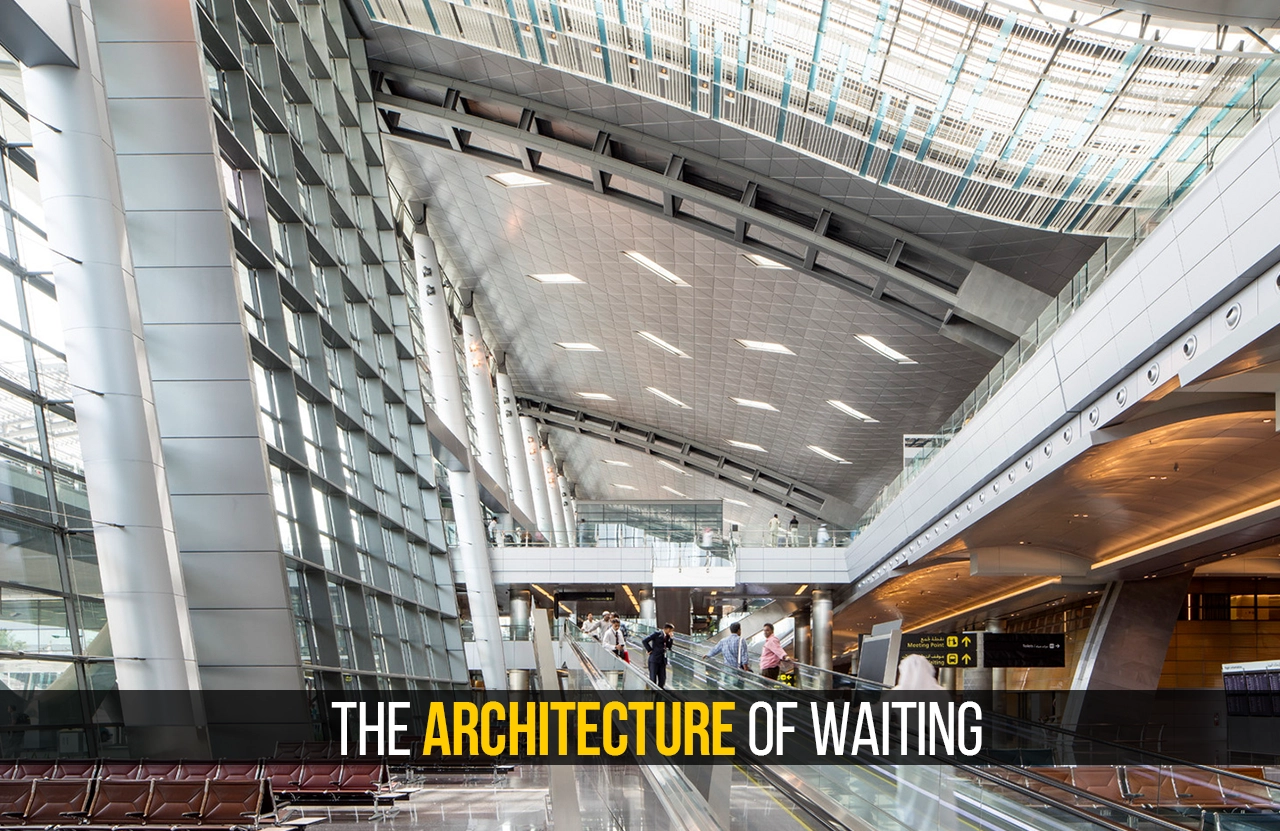
Between the ticket counter and the boarding gate, between a diagnosis and a doctor’s call, between one bus and the next, lies a category of space that architecture rarely names: the architecture of waiting. These are the corridors, benches, lounges and queues where nothing is meant to happen — yet everything about how a person feels there is quietly decided by walls, light and distance. This essay considers why waiting spaces deserve as much design attention as grand civic halls, and how a more thoughtful architecture of waiting could soften some of life’s hardest moments.
The Architecture of Waiting as an Overlooked Discipline
Architectural history tends to celebrate monuments, museums and skyscrapers, while the spaces where people spend disproportionate hours of their lives — waiting rooms, transit halls, immigration queues — receive comparatively little design attention. The French anthropologist Marc Augé wrote about such settings as “non-places”: locations defined by transience rather than identity, where nobody truly belongs. The architecture of waiting has inherited this reputation. It is treated as functional overflow, something to be endured rather than experienced. Yet a growing body of research into environmental psychology suggests that the design of these spaces has a measurable effect on stress, patience and even physical recovery, which makes it worth taking seriously rather than leaving to leftover square footage.
Why the Architecture of Waiting Matters Psychologically
Waiting compresses time unusually: minutes feel longer when a person has no control over their duration or outcome. Behavioural researchers have long noted that uncertainty, rather than delay itself, is what makes waiting difficult to bear. A well-considered architecture of waiting cannot remove uncertainty, but it can offer small compensations — a view of the sky, a sense of progress, a place to sit without feeling exposed. These compensations matter most where people are already vulnerable, such as hospitals, asylum offices and emergency shelters, where the built environment either adds to distress or quietly absorbs it.
Airports and the Choreography of Suspended Time
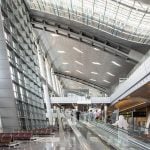
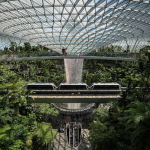
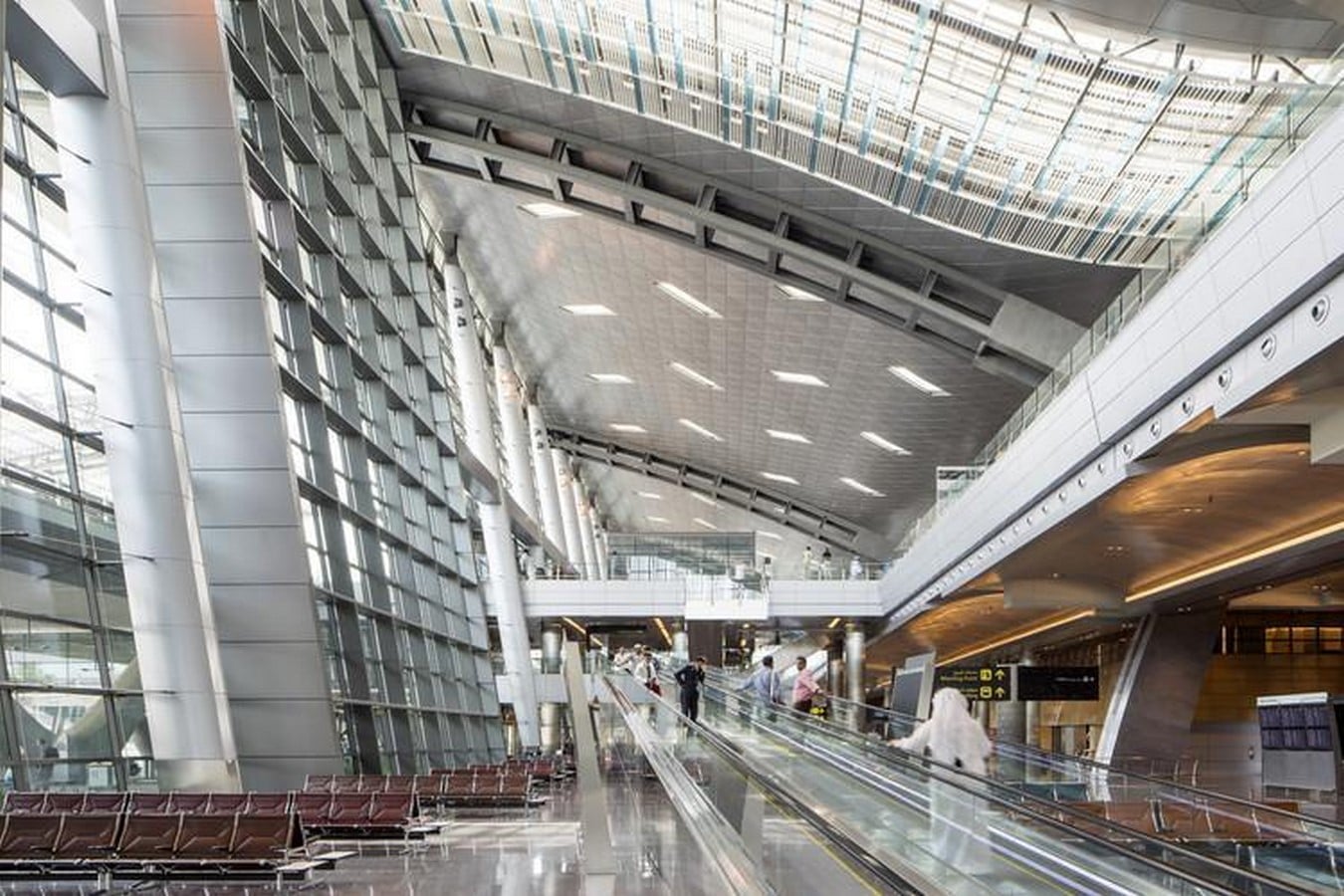
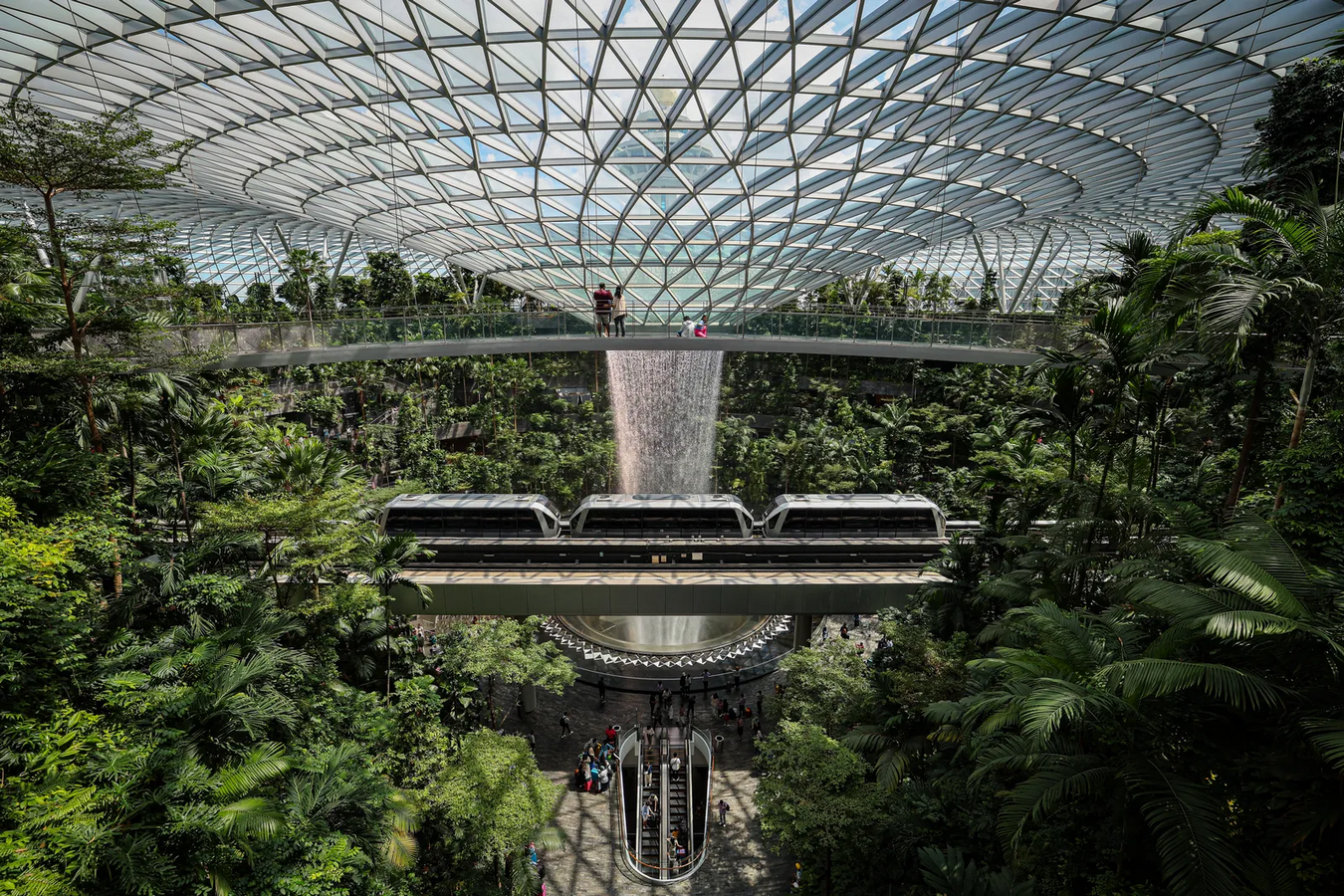
Airports may be the most deliberately engineered waiting spaces on Earth, and also the most conflicted. Terminal architecture often stretches passengers through retail concourses before delivering them to a gate, extending waiting time under the guise of convenience. Yet the best airport design treats waiting as choreography rather than a queue: soaring roof structures, generous daylight and legible sightlines toward the runway can turn dead time into something closer to calm. Singapore‘s Changi Airport, with its indoor waterfall and gardens, and Beijing Capital Airport’s Terminal 3, with its cathedral-like span of light, demonstrate how the architecture of waiting can become genuinely restorative rather than merely tolerable. The difference lies less in the size of a building than in whether its design gives passengers a sense of orientation and quiet agency while they wait.
The Departure Lounge as Threshold
The departure lounge occupies a peculiar psychological position: travellers have left one life behind but not yet entered another. Seating arranged in rigid rows facing a screen tends to heighten restlessness, while clustered seating with sightlines to windows allows small, self-directed rituals — reading, people-watching, resting — to unfold naturally. This threshold condition, repeated in visa offices and ferry terminals worldwide, shows that the architecture of waiting is rarely just about seats and signage; it is about returning to people a small measure of control over an experience they cannot otherwise influence.
Hospitals and the Weight of Uncertain Time
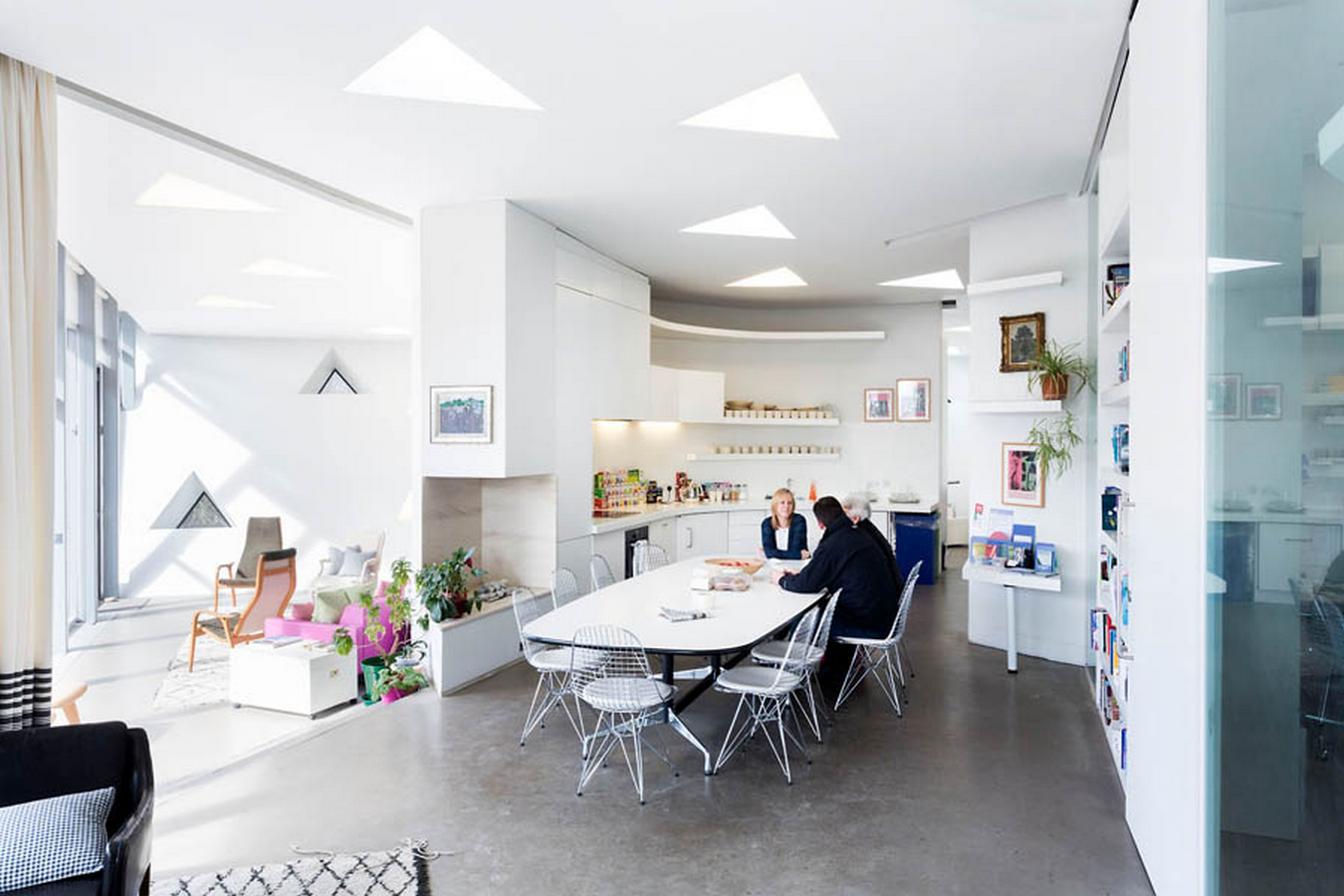
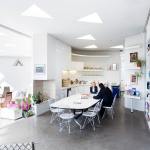
Nowhere is the architecture of waiting more consequential than in healthcare. A well-known 1984 study found that hospital patients recovering from surgery needed less pain medication and were discharged sooner when their rooms overlooked trees rather than a brick wall, early evidence that the visual environment of waiting and recovery carries measurable physiological effects. Maggie’s Centres, the network of cancer support buildings across the United Kingdom, were founded on precisely this idea: architects including Zaha Hadid, Frank Gehry and Norman Foster have each designed a Maggie’s Centre around light-filled, domestic-scaled rooms rather than clinical corridors. These buildings suggest that when illness already strips away a sense of control, an architecture of waiting built around daylight, greenery and human scale can offer something clinical efficiency alone cannot: dignity.
Queues, Benches and the Politics of Public Patience
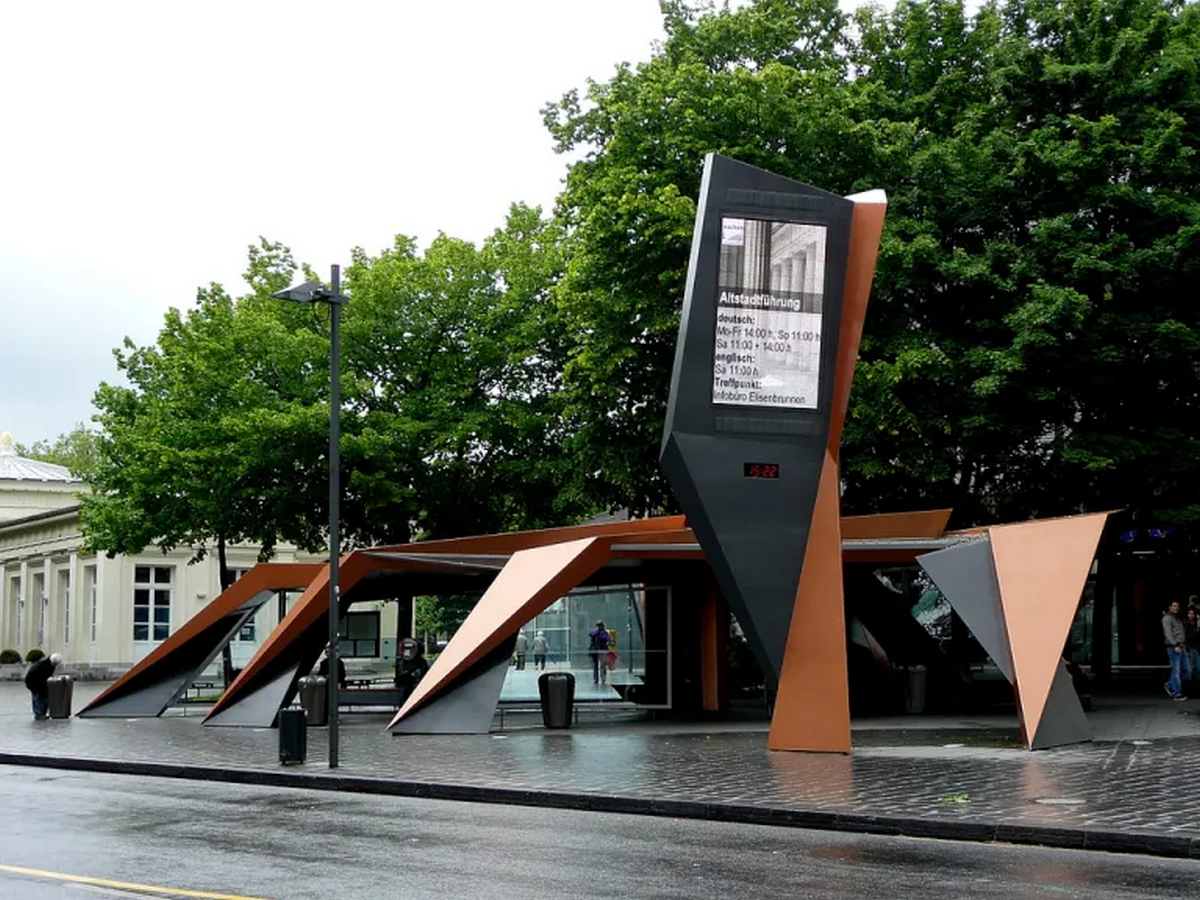
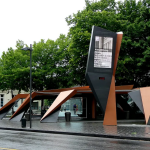
Waiting is not confined to grand buildings; it happens on pavements, at bus shelters and in the queues outside food banks and consulates. Here, the architecture of waiting reveals its political dimension. Anti-homeless spikes, armrests that prevent lying down, and bus shelters with no seating at all are forms of so-called hostile architecture that punish the act of waiting itself. By contrast, cities that invest in shaded, seated, well-lit waiting infrastructure — Copenhagen’s heated bus stops or Tokyo’s carefully organised platform queues — treat public patience as something worth respecting rather than discouraging. The architecture of waiting, in this sense, is never neutral: every bench included or removed communicates who a city believes deserves comfort while they wait.
Toward a More Humane Architecture of Waiting
Designing waiting spaces well does not require grand gestures. Daylight, greenery, legible information about how long a wait will last, and seating that allows people to face away from strangers if they choose can all reduce perceived waiting time significantly. Flexibility matters too: spaces that let a person stand, pace or sit as their anxiety demands tend to feel less punitive than fixed rows of chairs bolted to the floor. As cities grow denser and healthcare systems become more stretched, the moments people spend waiting are unlikely to disappear. What can change is whether architecture treats that time as wasted, or as a space worth designing with the same care given to a monument. The architecture of waiting, quietly practised, is ultimately an architecture of empathy.
Every departure lounge, hospital corridor and bus shelter is evidence of how a society treats its most powerless moments. The architecture of waiting rarely earns headlines or awards, yet it shapes daily life more consistently than any landmark. As designers begin to study it seriously, waiting rooms and queues may finally receive the attention long reserved for grand entrances — proof that even in the pause between two places, architecture has the power to make people feel considered rather than merely processed.
References:
- Augé, M. (1995). Non-Places: Introduction to an Anthropology of Supermodernity. London: Verso.
- Pallasmaa, J. (2005). The Eyes of the Skin: Architecture and the Senses. Chichester: Wiley-Academy.
- Ulrich, R.S. (1984). View through a window may influence recovery from surgery. Science, 224(4647), pp. 420–421.
- Maggie’s Centres (2024). About Maggie’s. [online]. Available at: www.maggies.org [Accessed: 14 July 2026].
- Changi Airport Group (2024). Jewel Changi Airport. [online]. Available at: www.jewelchangiairport.com [Accessed: 14 July 2026].
- Foster + Partners (2024). Beijing Capital International Airport Terminal 3. [online]. Available at: www.fosterandpartners.com [Accessed: 14 July 2026].