Who was Frank Gehry? Frank Gehry (28 February 1929 – 5 December 2025) was a Canadian-American architect and the defining figure of deconstructivist architecture. The 1989 Pritzker Prize laureate died in Santa Monica, California, at the age of 96, leaving a built legacy that runs from the Guggenheim Museum Bilbao and the Walt Disney Concert Hall to the Fondation Louis Vuitton — and a firm, Gehry Partners, that continues his unfinished work, including the Guggenheim Abu Dhabi.
| Quick facts | Frank Gehry |
|---|---|
| Born / Died | 28 February 1929, Toronto, Canada / 5 December 2025, Santa Monica, California (aged 96) |
| Education | University of Southern California (B.Arch, 1954); Harvard Graduate School of Design (city planning) |
| Major awards | Pritzker Prize 1989 · Praemium Imperiale 1992 · National Medal of Arts 1998 · AIA Gold Medal 1999 · Presidential Medal of Freedom 2016 |
| Signature works | Guggenheim Bilbao (1997) · Dancing House, Prague (1996) · Walt Disney Concert Hall (2003) · 8 Spruce Street (2011) · Fondation Louis Vuitton (2014) · LUMA Arles (2021) |
| Style | Deconstructivism: sculptural, fragmented forms in titanium and steel; pioneer of aerospace software (CATIA) in architecture |
| Legacy | Gehry Partners continues; Guggenheim Abu Dhabi and Forma Toronto towers in progress at his death |
Frank Gehry (1929–2025) was a Toronto-born Canadian-American architect and 1989 Pritzker Prize laureate whose billowing titanium and steel forms made him the most famous architect of the deconstructivist era. The Guggenheim Museum Bilbao — credited with an entire “Bilbao effect” of culture-led urban revival — the Walt Disney Concert Hall, and the Dancing House in Prague reshaped what the public expects architecture to be. The 15 projects below follow the trajectory from his experimental Santa Monica house to global icons.
Frank Gehry’s Famous Works at a Glance
| Project | Location | Year |
|---|---|---|
| Vitra Design Museum | Weil am Rhein, Germany | 1989 |
| Cinémathèque Française | Paris | 1994 |
| Fondation Louis Vuitton | Paris | 2014 |
| Walt Disney Concert Hall | Los Angeles | 2003 |
| Dancing House | Prague | 1996 |
| Guggenheim Museum Bilbao | Bilbao, Spain | 1997 |
| Peter B. Lewis Building | Cleveland, USA | 2002 |
| Lou Ruvo Center for Brain Health | Las Vegas | 2010 |
| Biomuseo | Panama City | 2014 |
| Hotel Marqués de Riscal | Elciego, Spain | 2006 |
| Gehry Tower | Hannover, Germany | 2001 |
| New York by Gehry (8 Spruce Street) | New York | 2011 |
| Weisman Art Museum | Minneapolis | 1993 |
| Ray and Maria Stata Center | Cambridge, USA | 2004 |
| Museum of Pop Culture | Seattle | 2000 |
Frank Gehry was an architect who spent more than six decades, creating the most remarkable structures with his unconventional and dynamic use of forms, colors, and shapes. His Innovative use of different materials and iconic deconstructivist style has garnered him numerous awards, including the Pritzker Architecture Prize in 1989.
Frank Gehry’s approach to creating facades that seemed to seamlessly flow with its surrounding structures while at the same time standing out as a work of its own revolutionized this era’s way of designing buildings. His signature metallic finishes and fluidity of the material forever changed its use in the world of architecture.
1. Vitra Design Museum (Weil am Rhein, Germany) | Frank Gehry
This 8,000-square-foot museum was Gehry’s first work in Europe, made from white plaster and titanium-zinc alloy. Present was his signature angular shape that contrasted with the different curved forms that were a collage of towers, ramps, and cubes.


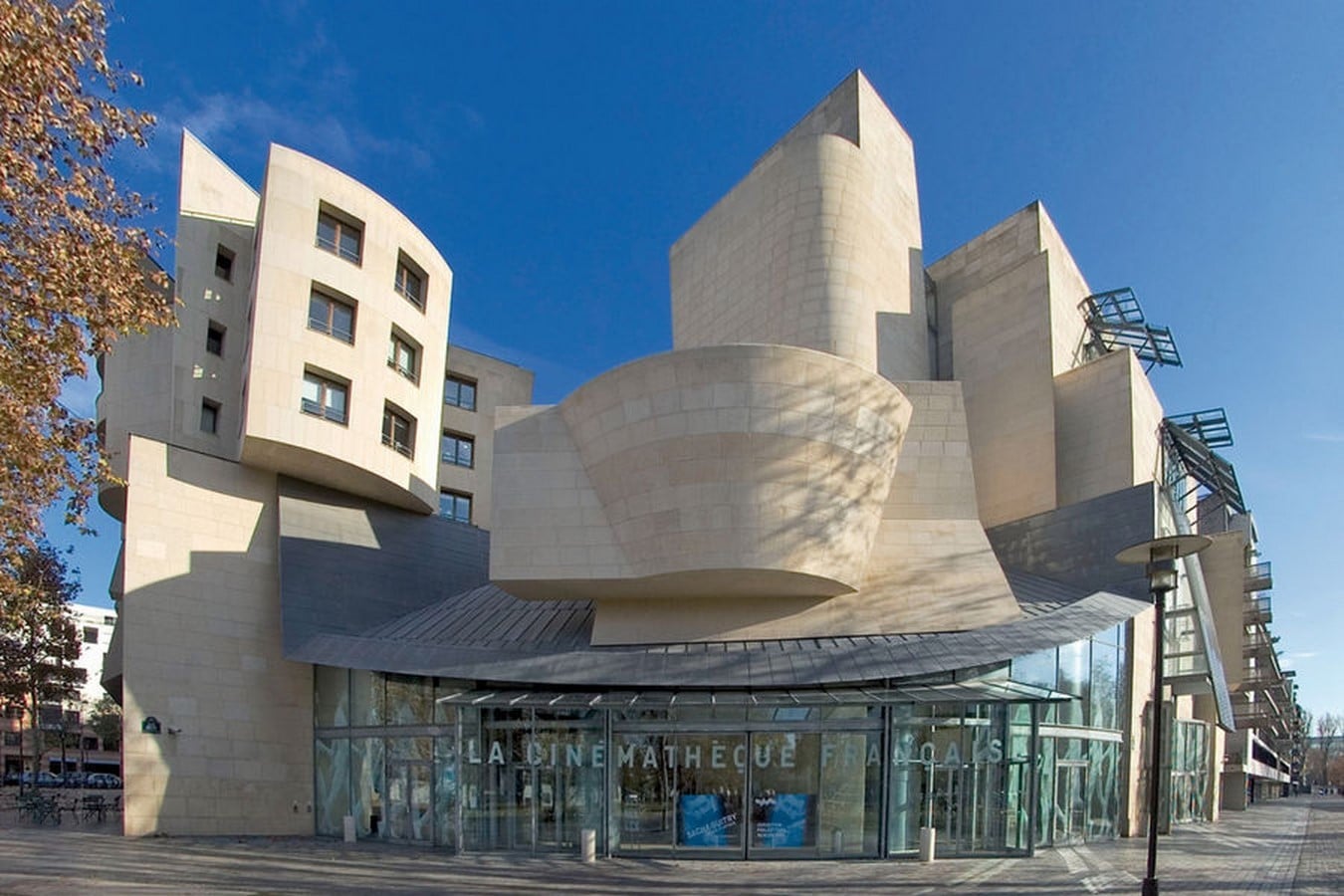
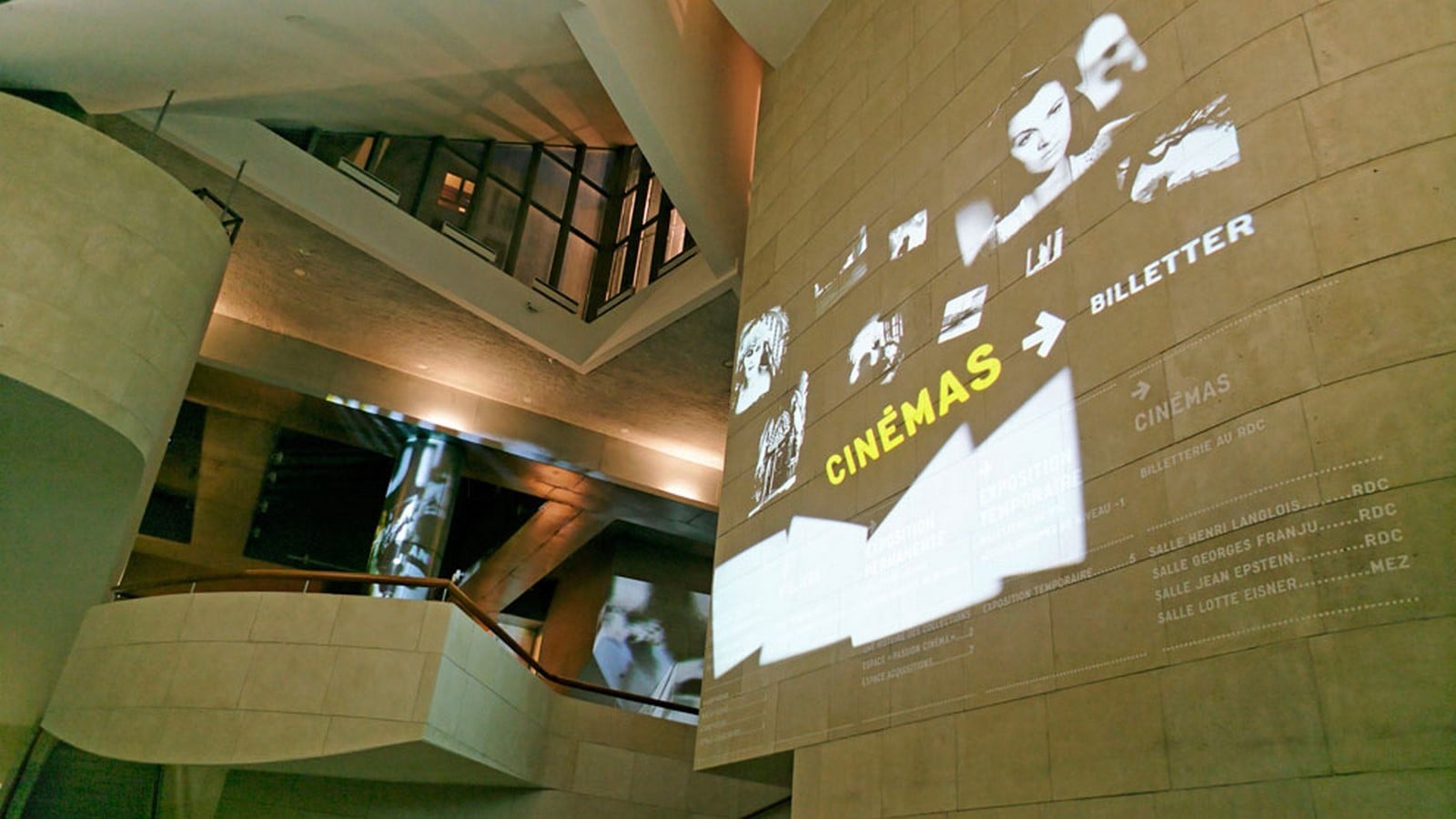
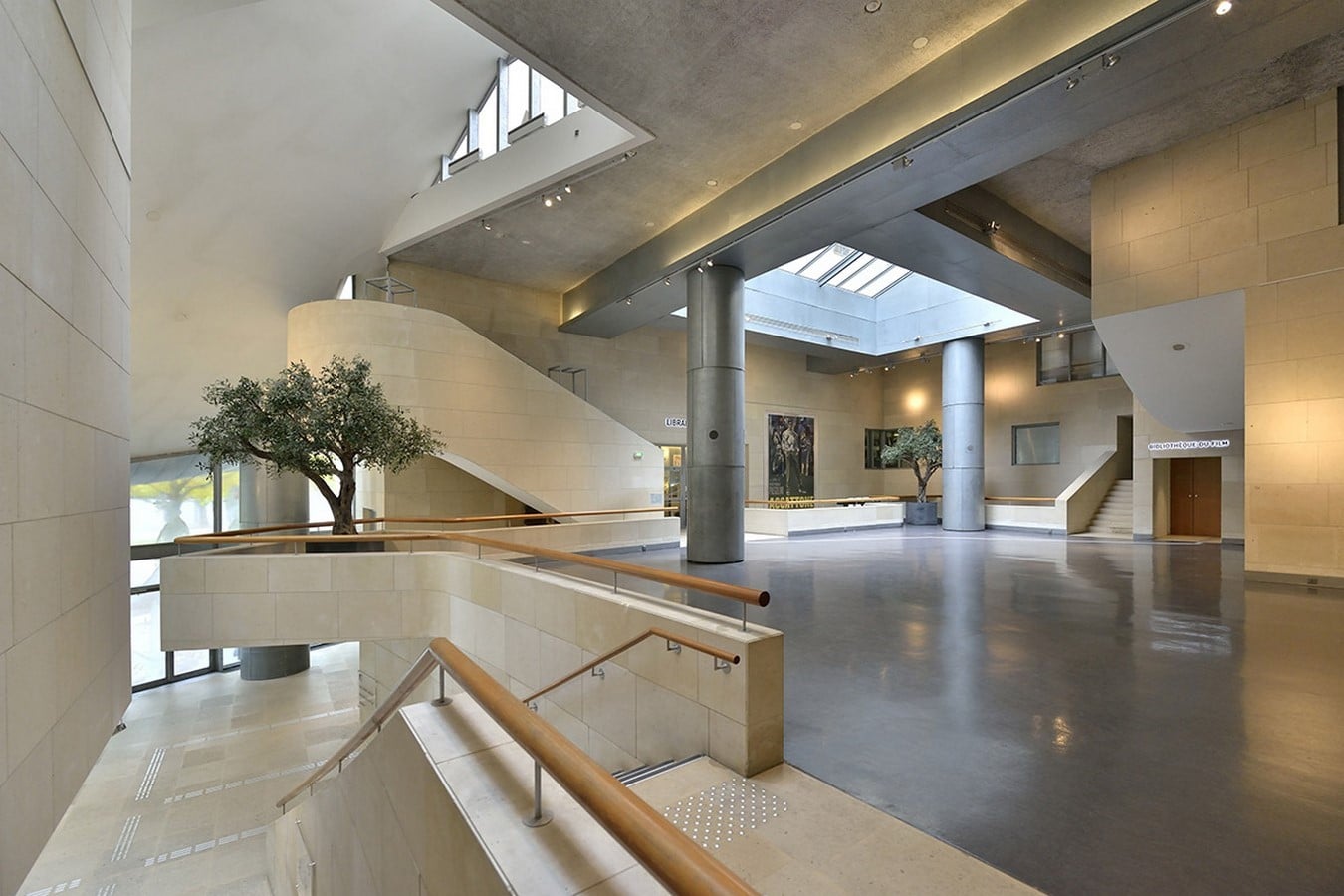
2. Cinémathèque Française (Paris,France)
Originally intended to be the headquarters of the American Center for Paris and later revived by the French Government in 2005, the Cinémathèque Française is a film organization that had repurposed the building’s interior into additional movie theatres and France’s Film Library.
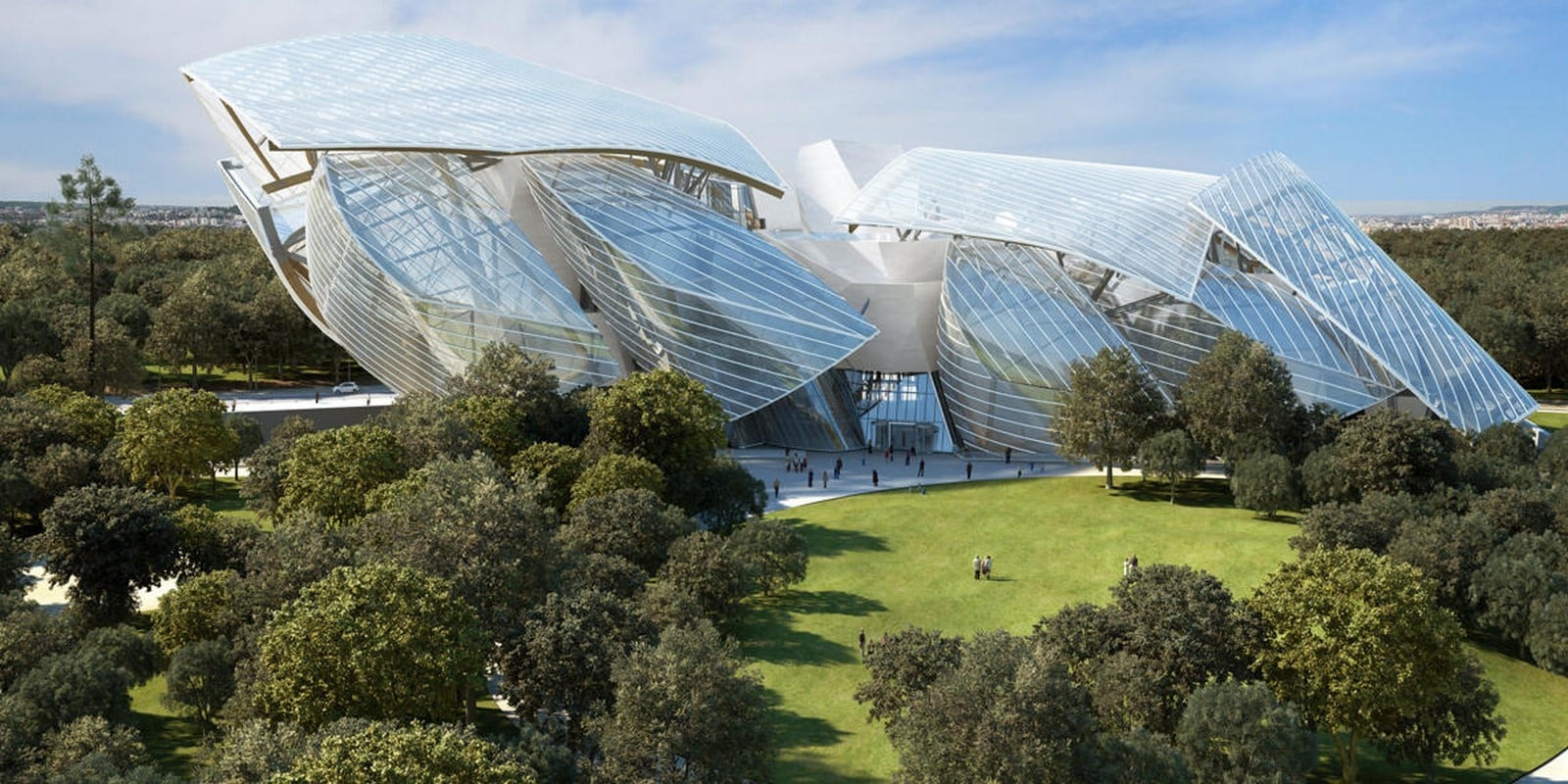
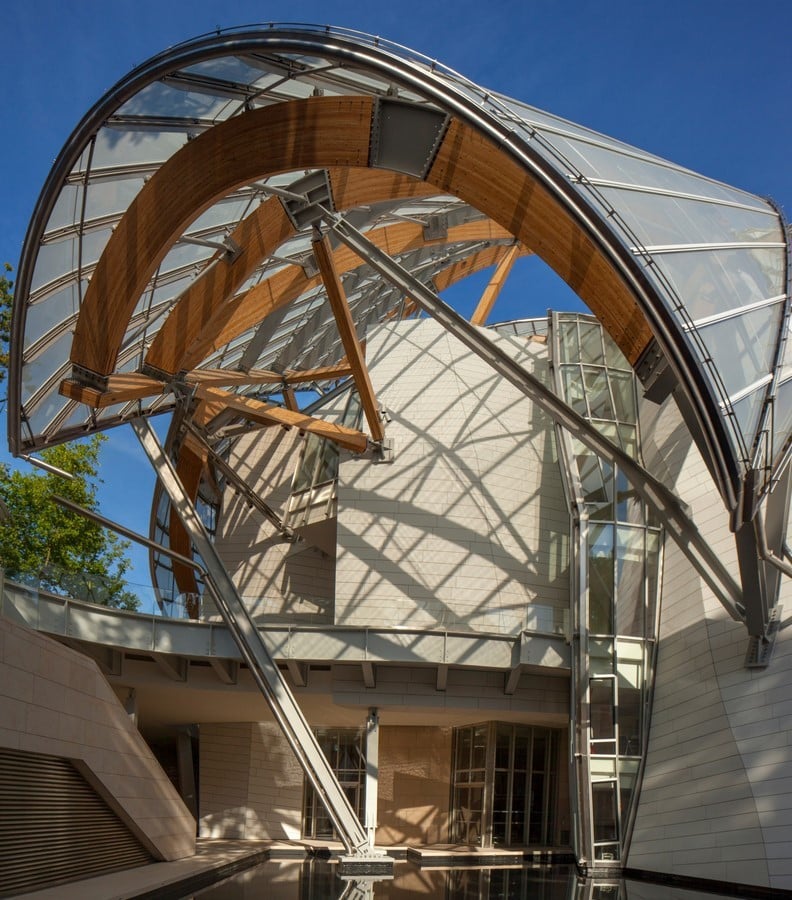
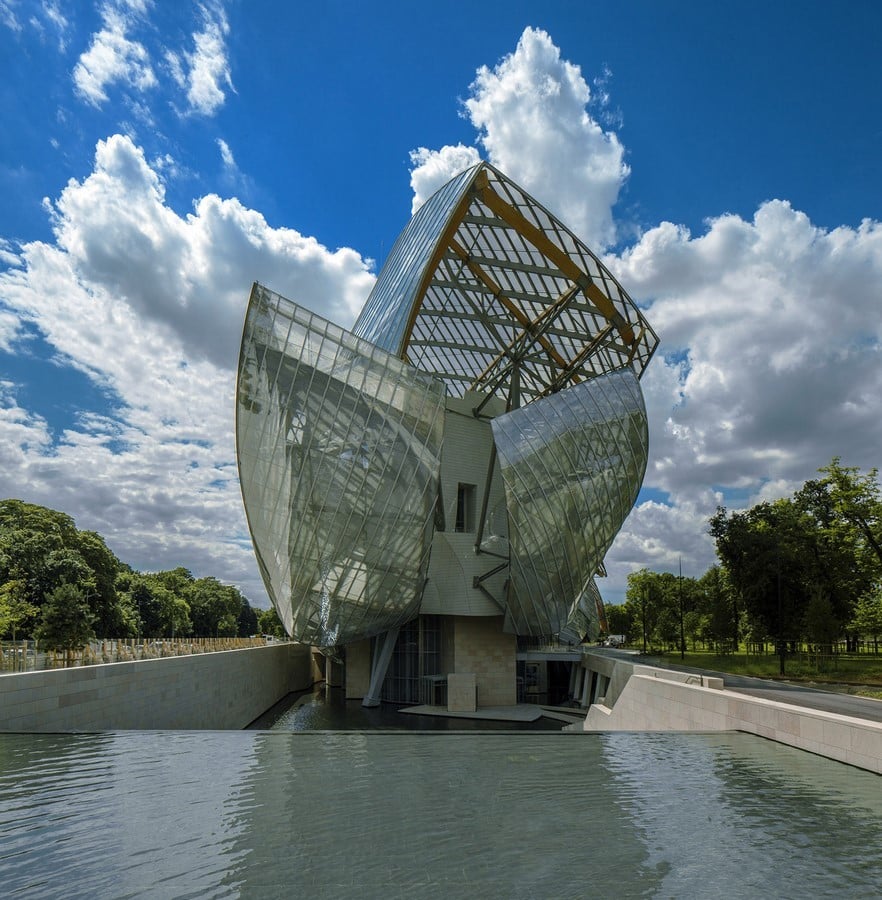
3. Foundation Louis Vuitton (Paris, France)
Set in Paris’ Bois de Boulogne Park, the building’s exterior consists of white blocks known as “the icebergs”, made from panels of fiber-reinforced concrete. These are covered by glass “sails” that are supported by wooden beams and built on the edge of a water garden created specifically for this project, complementing the shiplike design of the building.
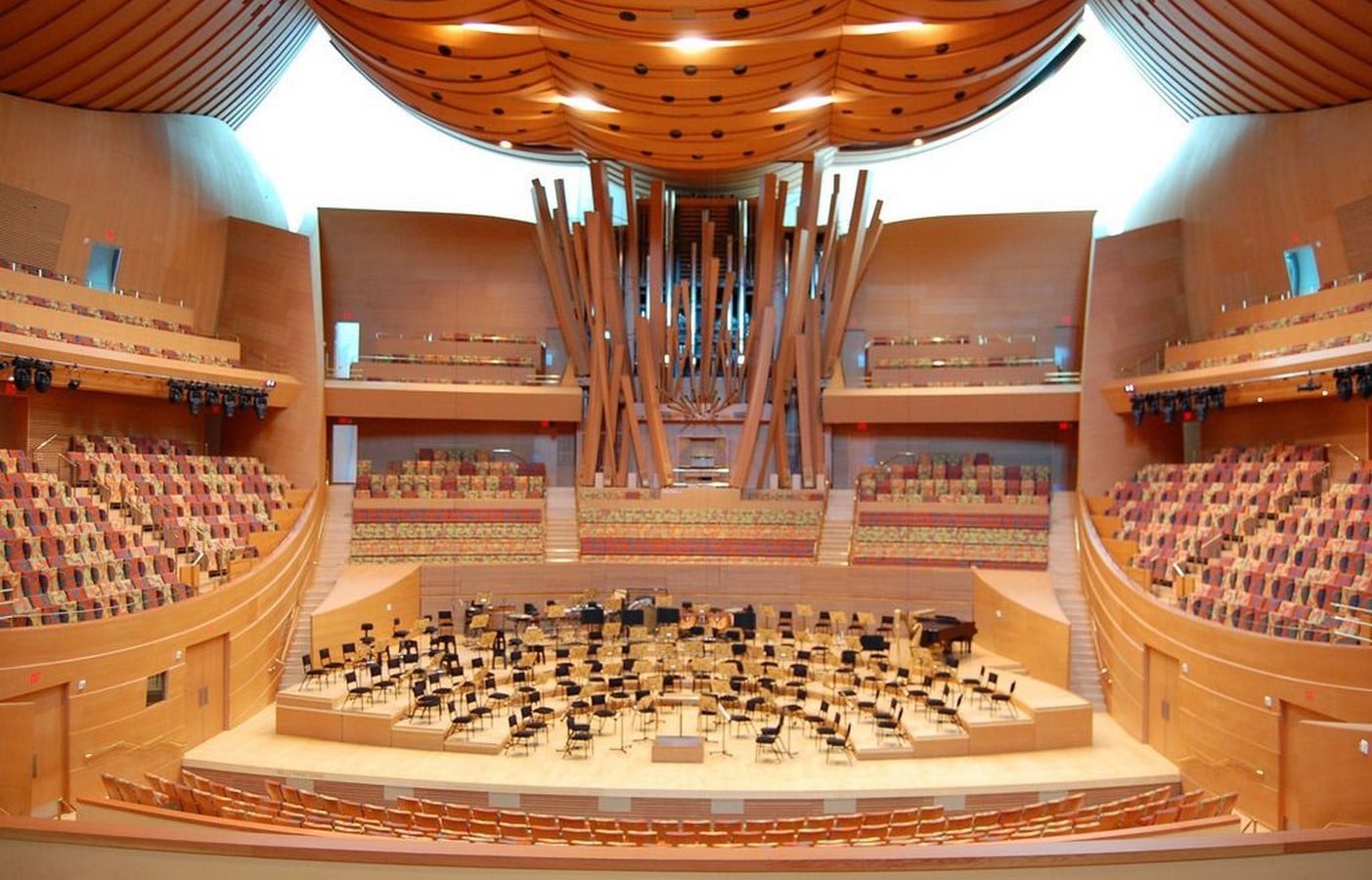
4. Walt Disney Concert Hall (Los Angeles, California)
The Walt Disney Concert Hall, inspired by Gehry’s passion for sailing, looks as if its sweeping metallic surfaces were in motion — as if being blown by the wind. The iconic building has become an essential part of Los Angeles, making it a premier cultural destination.

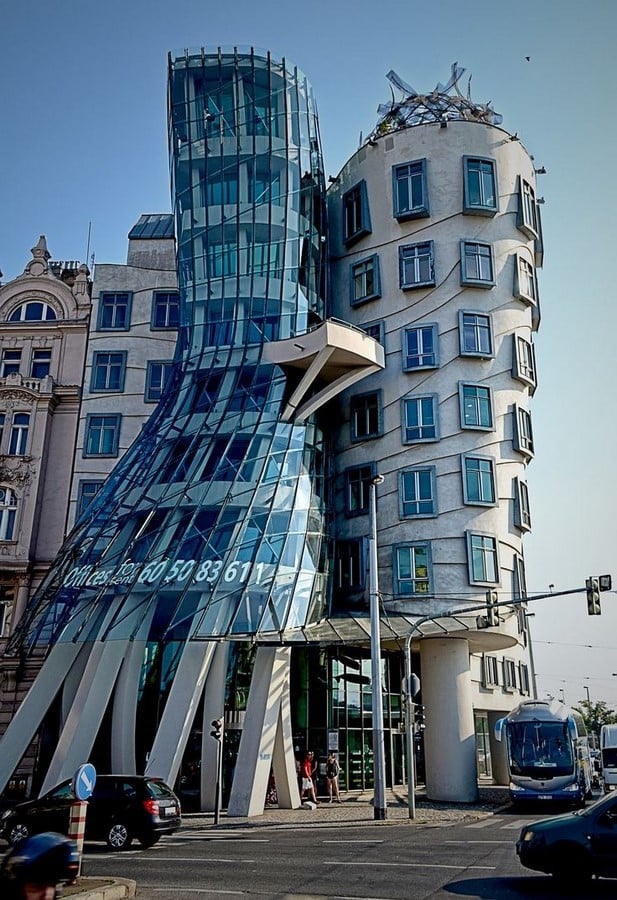
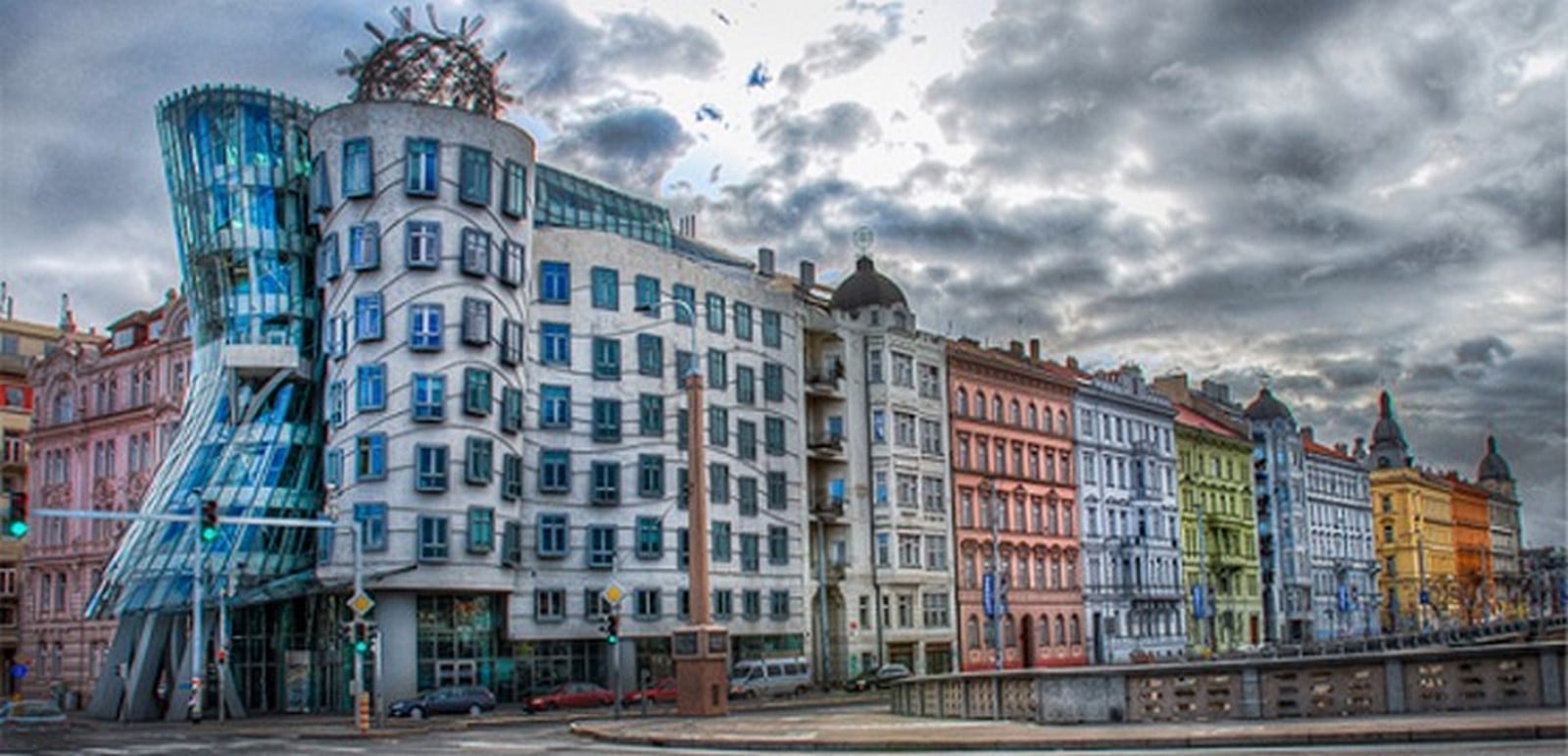
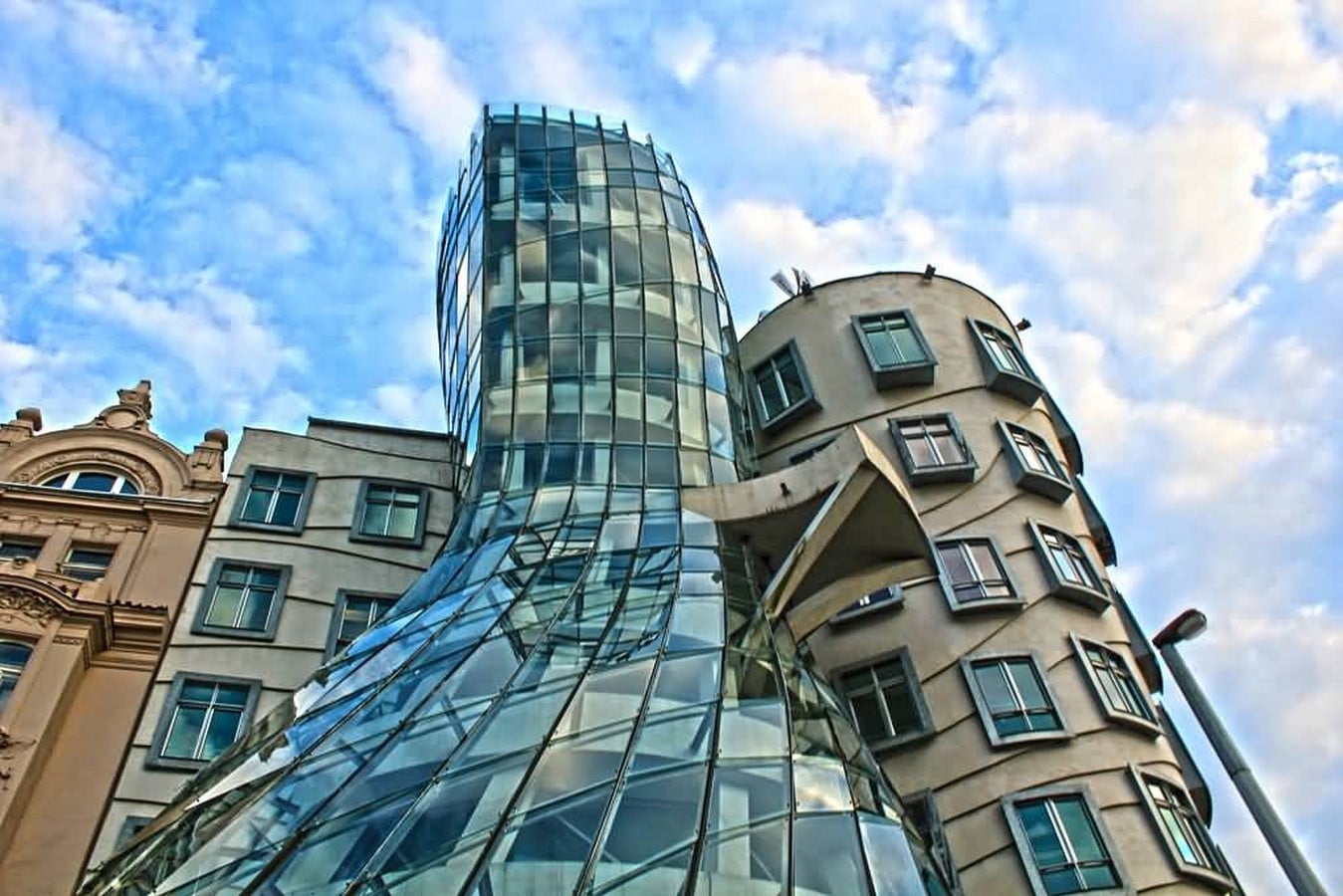
5. Dancing House (Prague, Czech Republic) | Frank Gehry
Gehry’s non-traditional design of the Dancing House was controversial at the time as it stood out amongst the Baroque, Gothic, and Art Nouveau buildings, which were what Prague was then known for. The structure, whose facade resembles a couple of dancing, is also known as Fred and Ginger, a nod to Hollywood icons Fred Astaire and Ginger Rogers. Its design consists of metal mesh and glass cinched together along with 99 concrete panels.
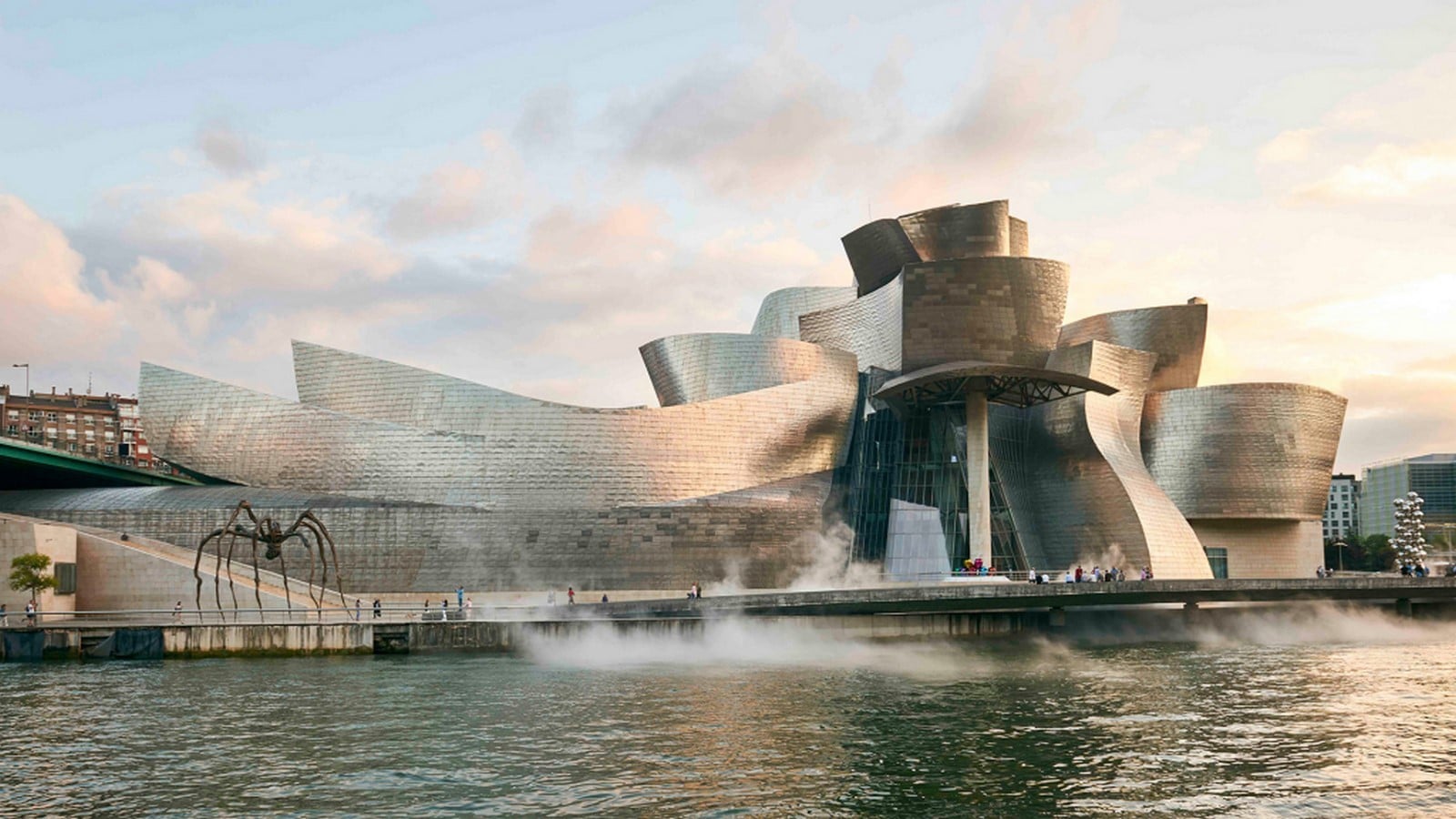
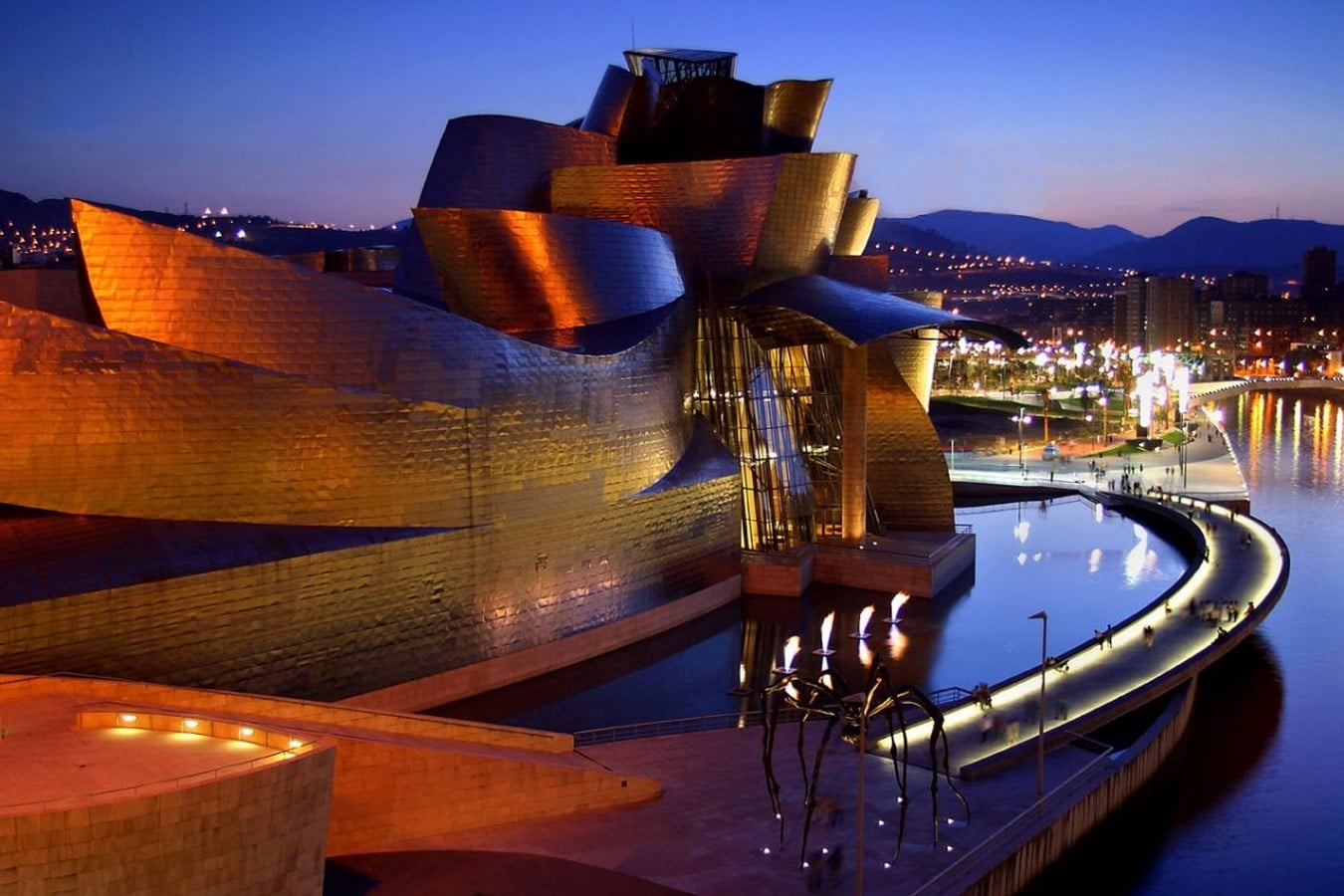
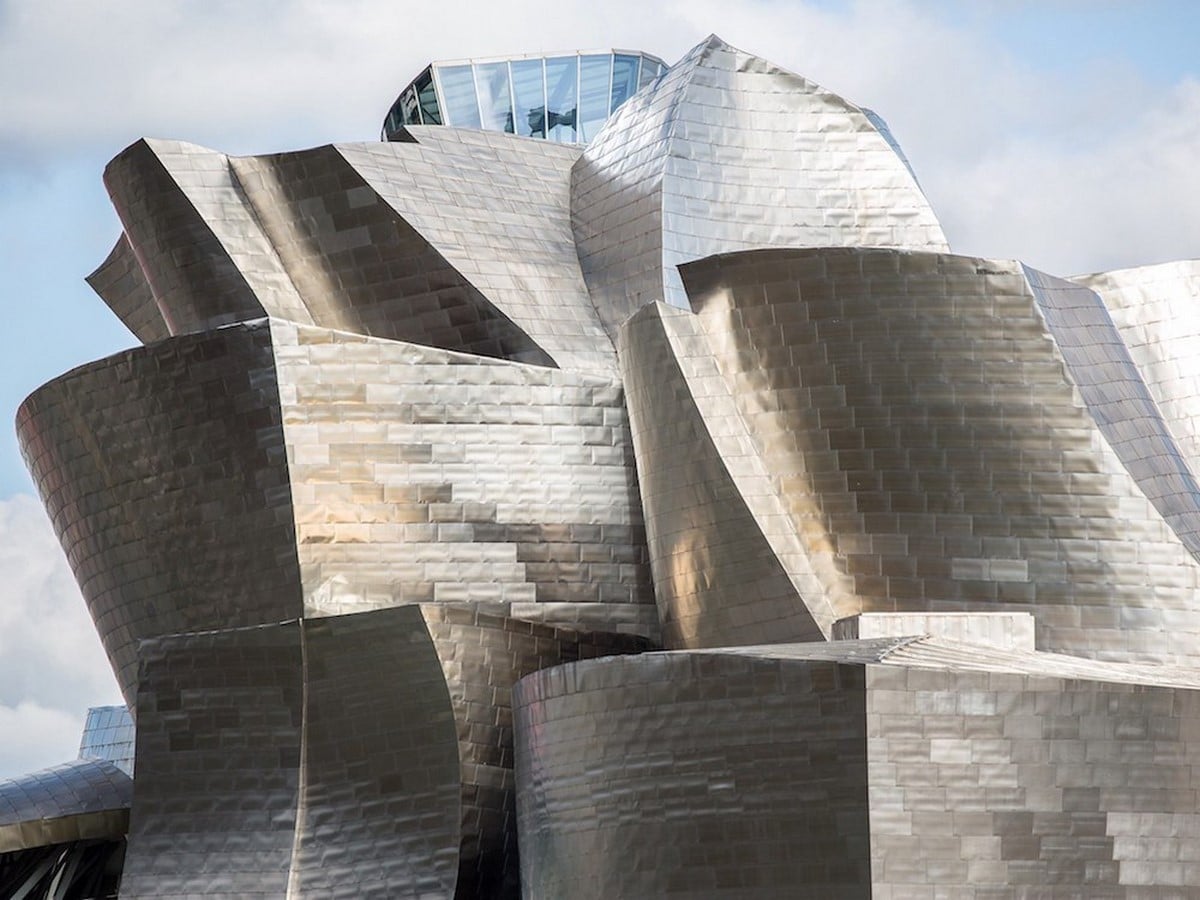
6. Guggenheim Bilbao (Bilbao, Spain)
The combination of the building’s complexity and captivating materiality brought forth one of Gehry’s most iconic buildings. The museum was so successful it drew in numerous tourists from all over the world, dramatically boosting Bilbao’s economy. This resulted in the term “Bilbao effect,” wherein a town is transformed after the construction of a building.
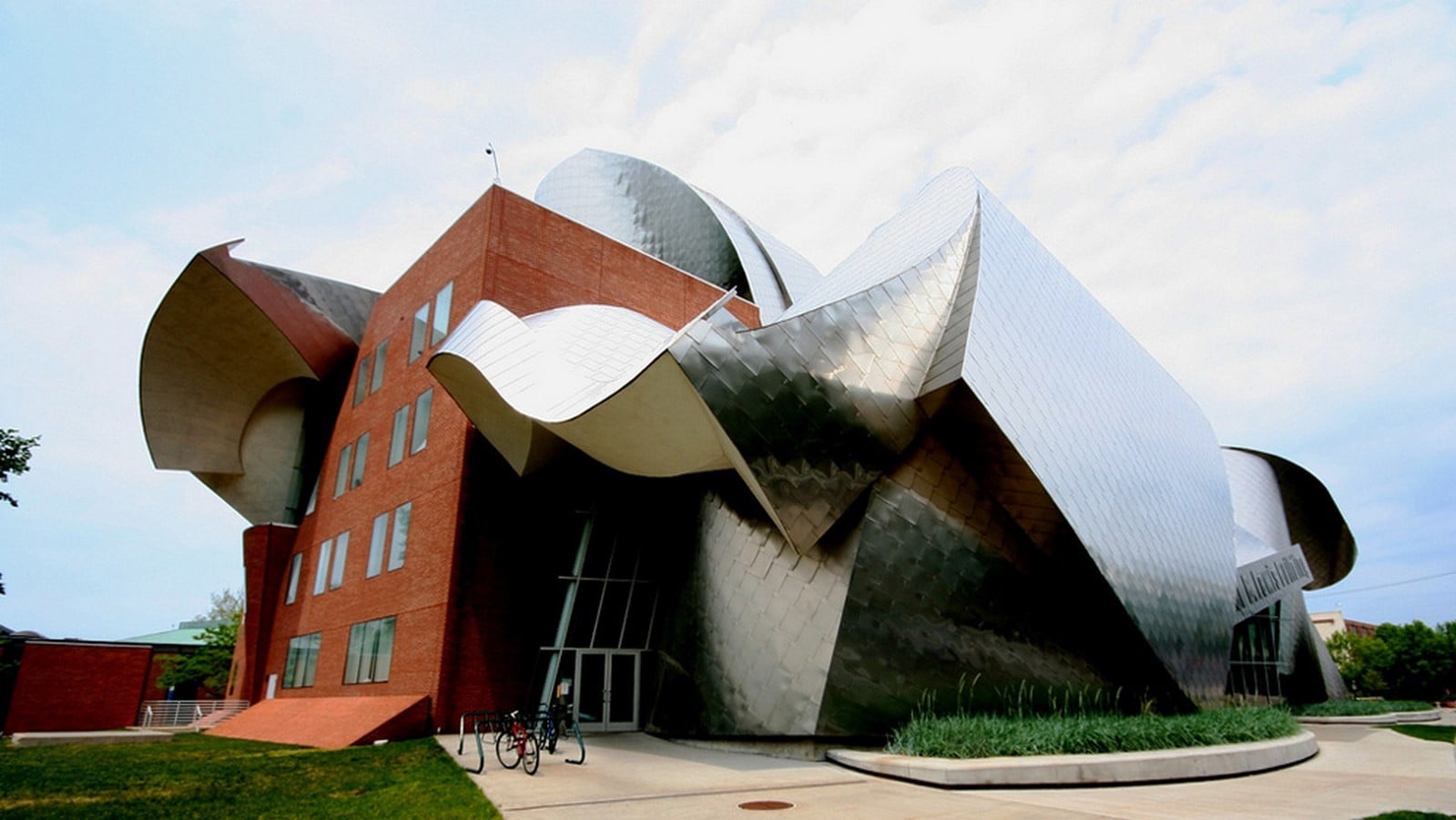
7. Peter B. Lewis Building (Cleveland, Ohio)
The 152,000-square-foot building is a signature Gehry with its flowing ribbons of stainless steel atop a brick base. Its open interior was designed to allow greater socialization and interaction between different departments.
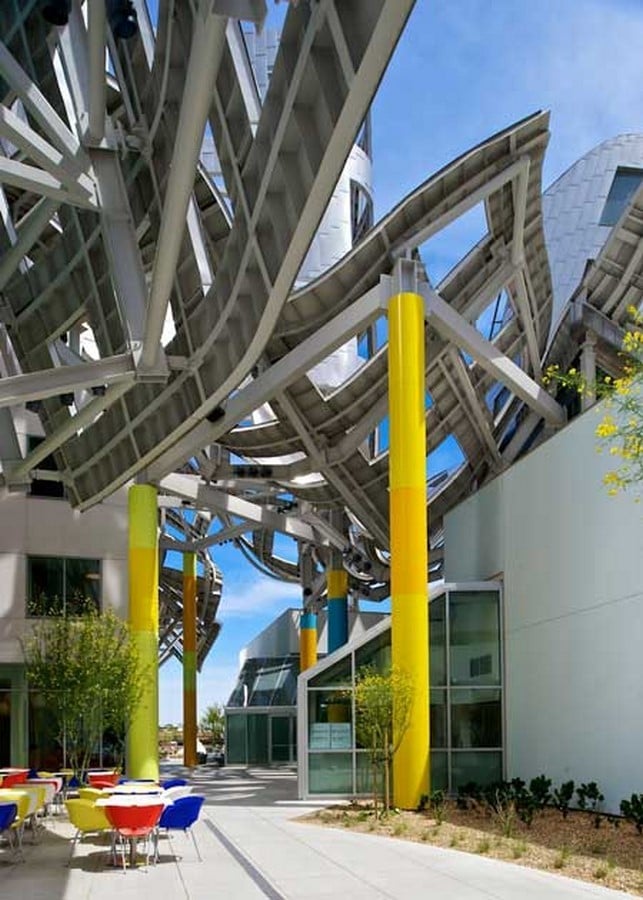
8. Lou Ruvo Center (Las Vegas, Nevada)
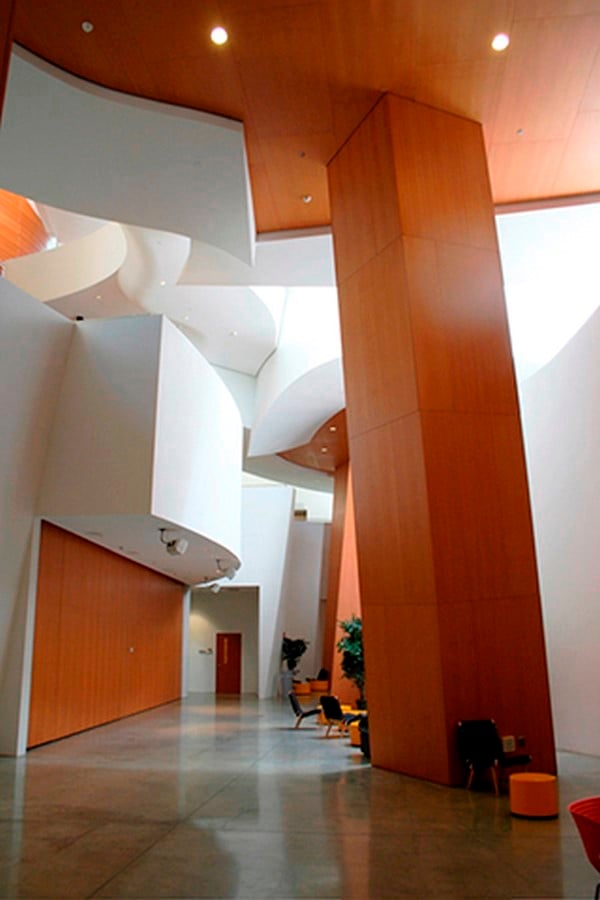
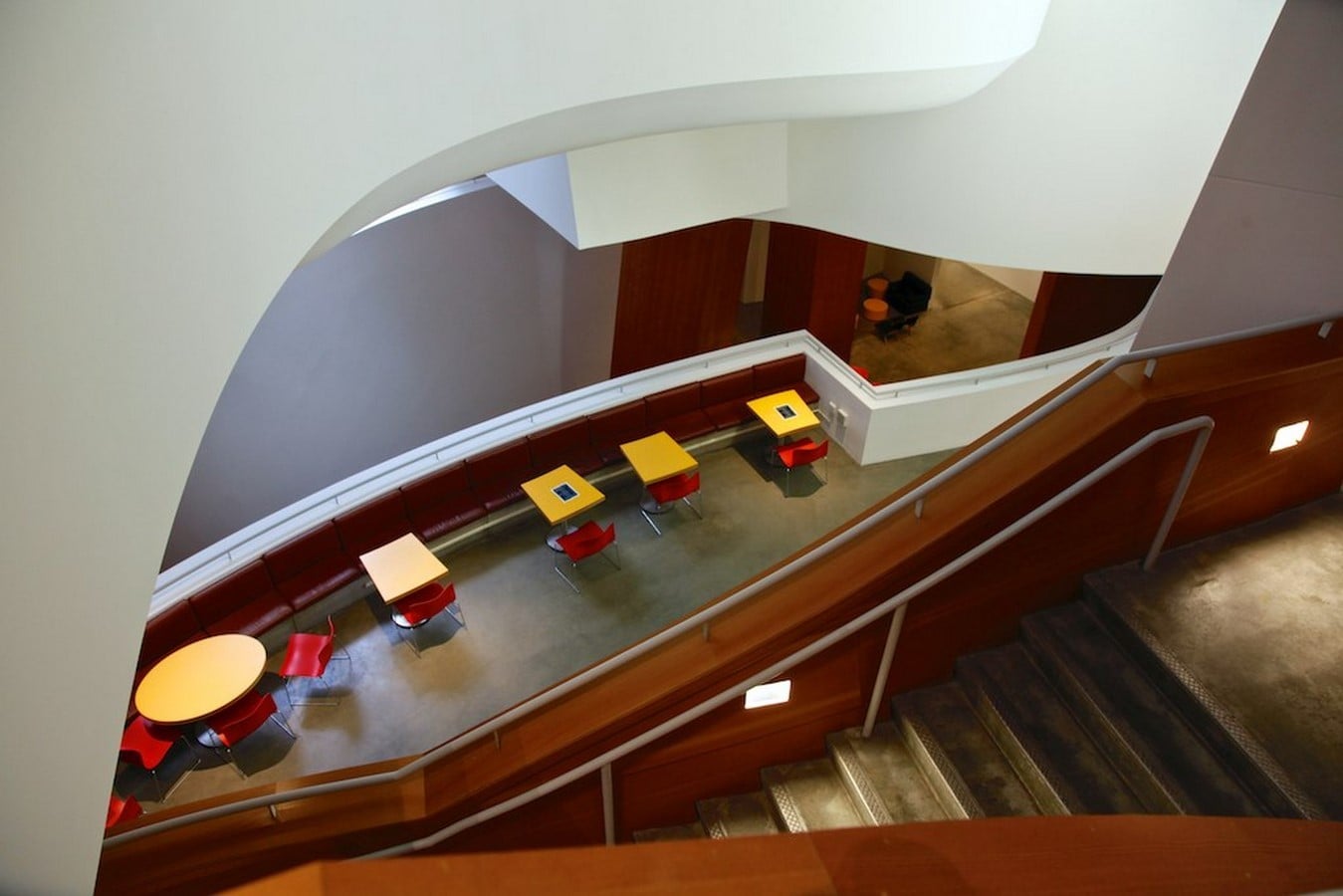
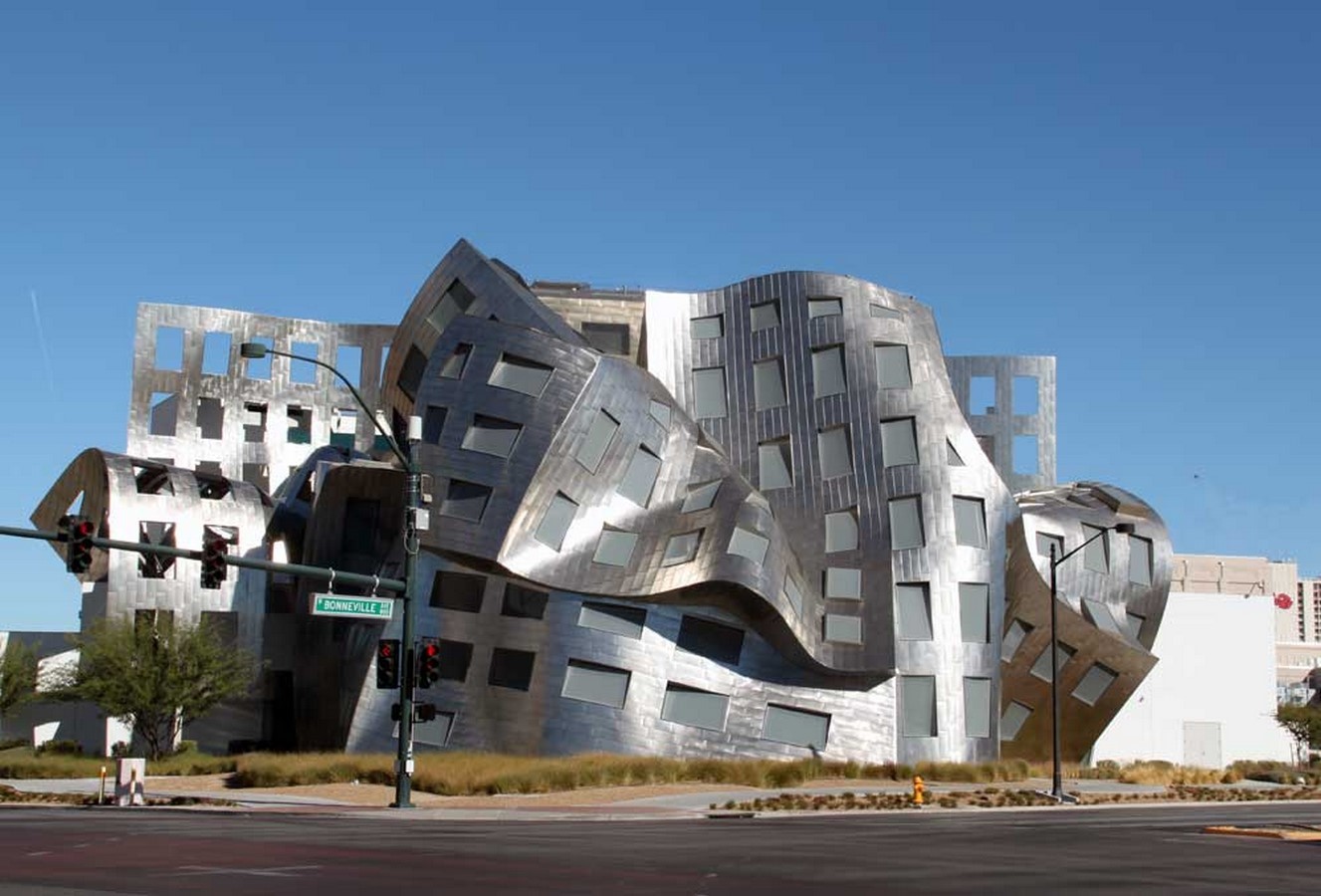
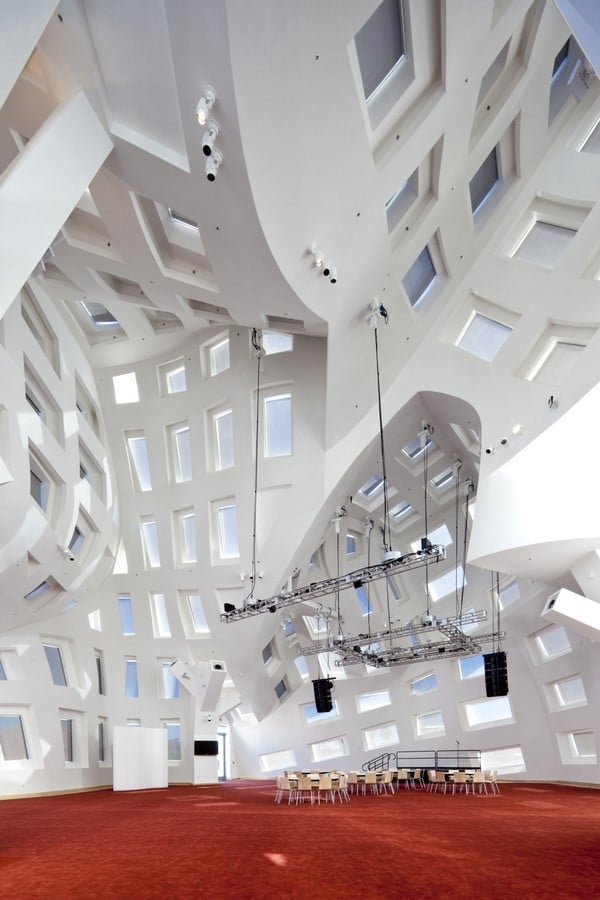
The building, which Gehry built on the mantra “Keep Memory Alive” features a 65,000 square-feet steel-clad building that serves as an outpatient treatment and research facility in downtown Las Vegas. Its facilities were created to bring people together, remember the place, and eventually partner with the Center to aid in its research to cure neurodegenerative diseases.
9. Biomuseo (Panama City, Panama)
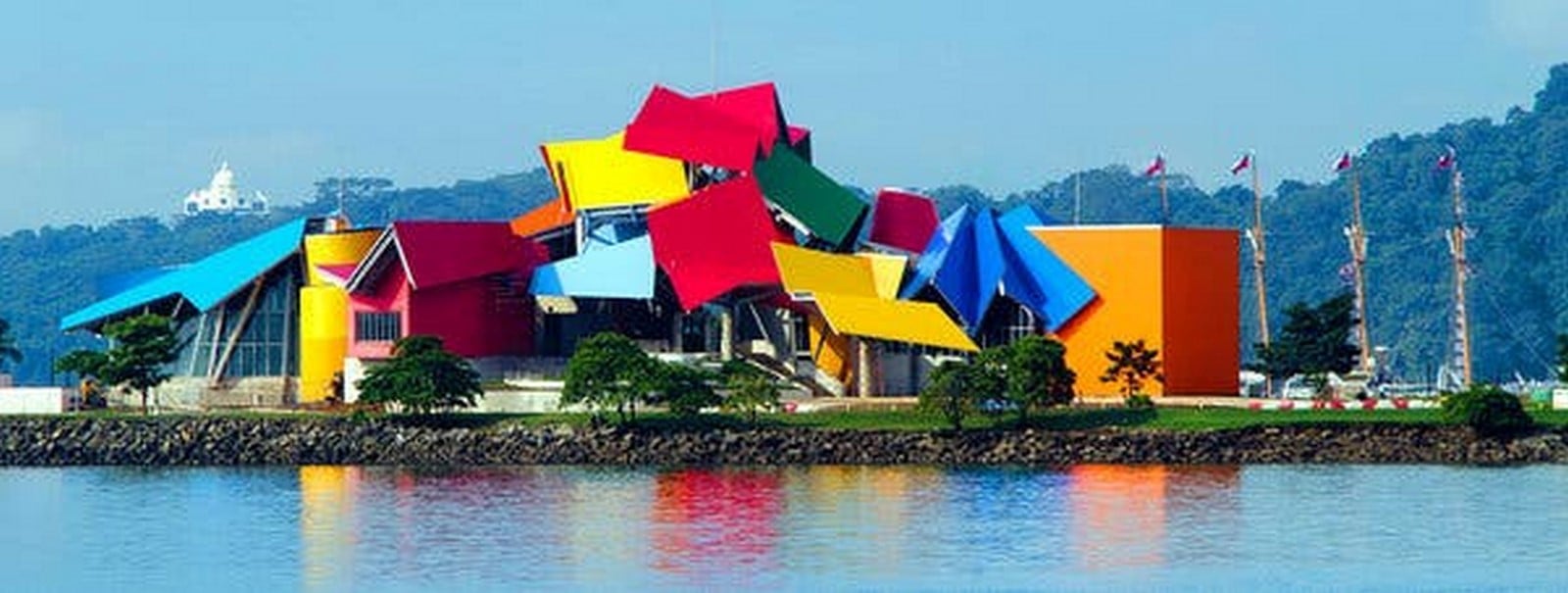
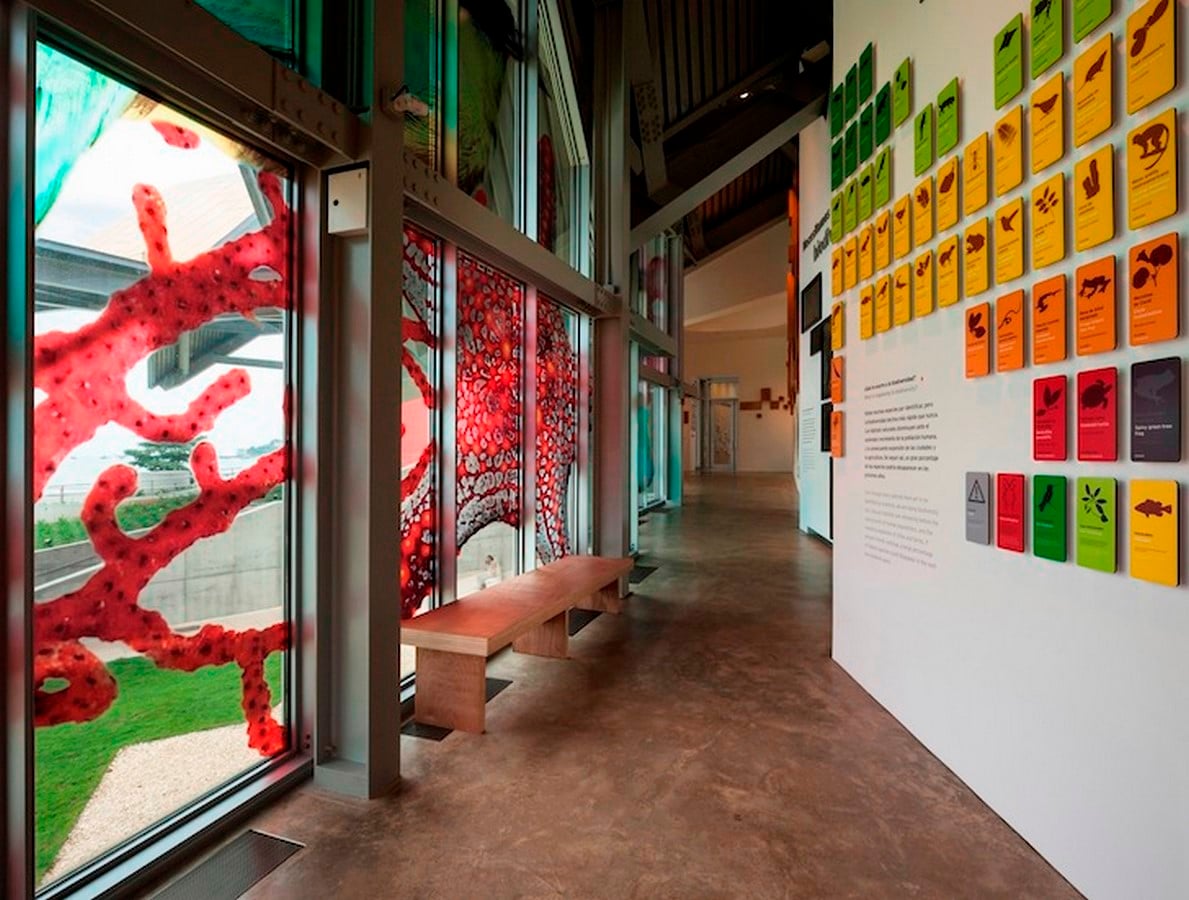
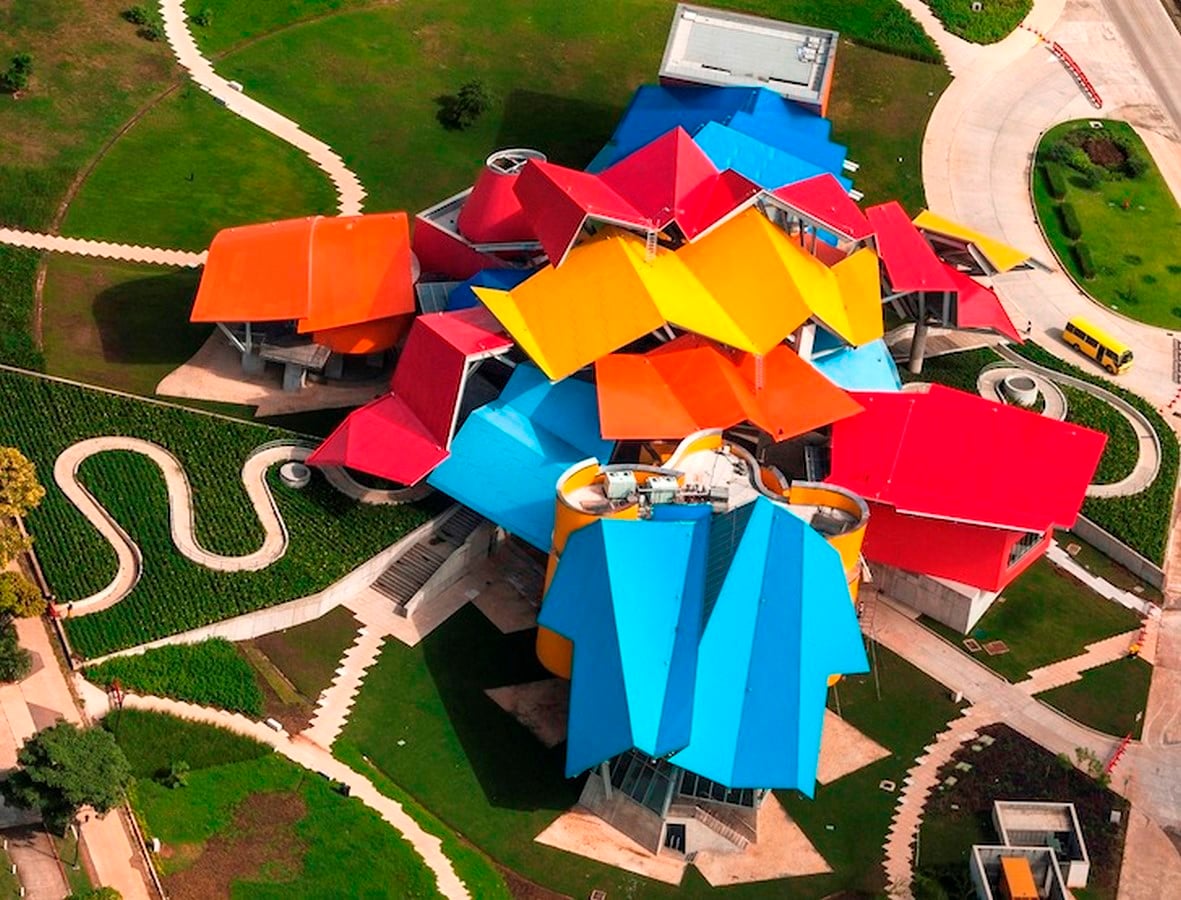
As Gehry’s first project in Latin America, the Biomuseo is a 43,000 square-foot ecology museum that features his signature style with its crumpled roofline. The use of reds, greens, and other bold hues was chosen to represent the city of Panama’s diverse flora and fauna.
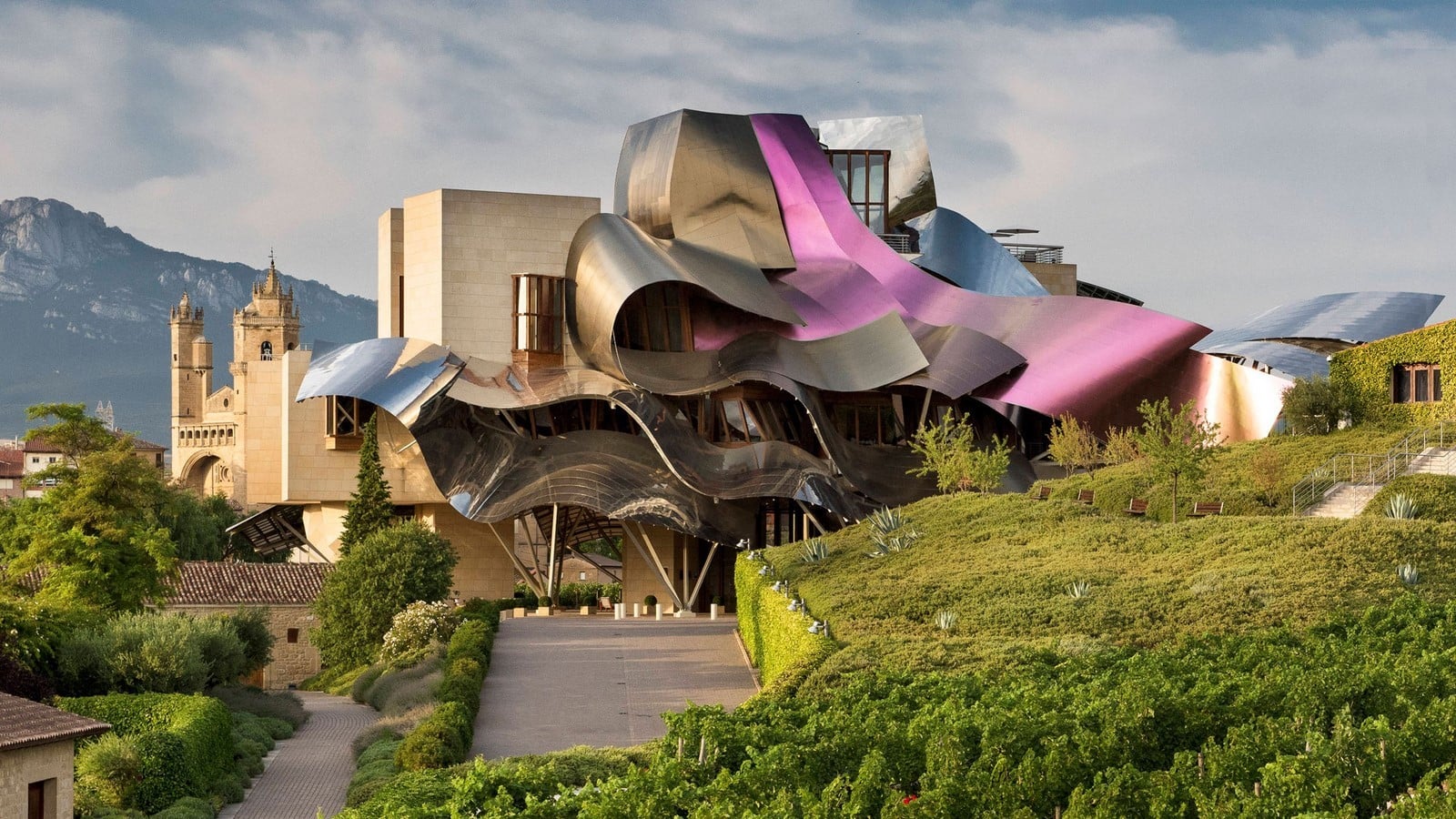
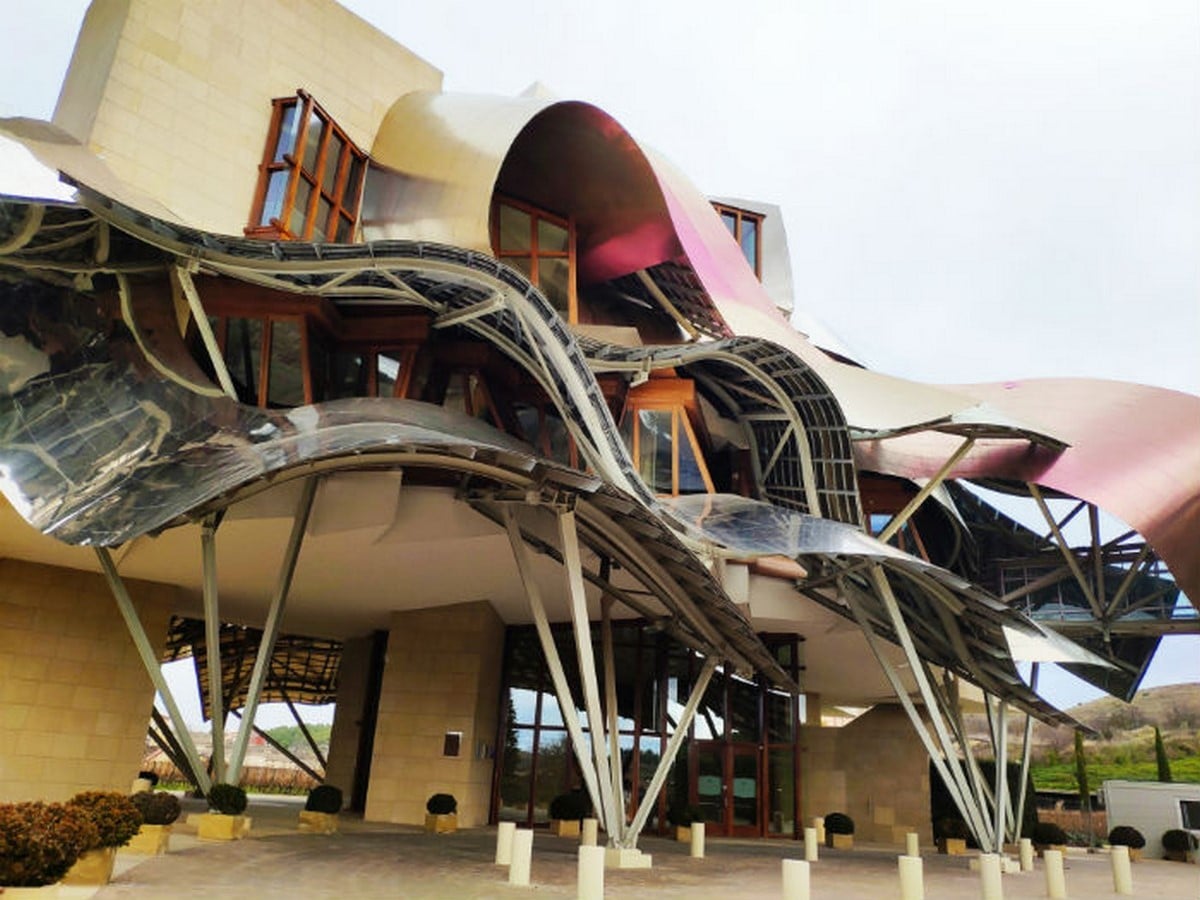
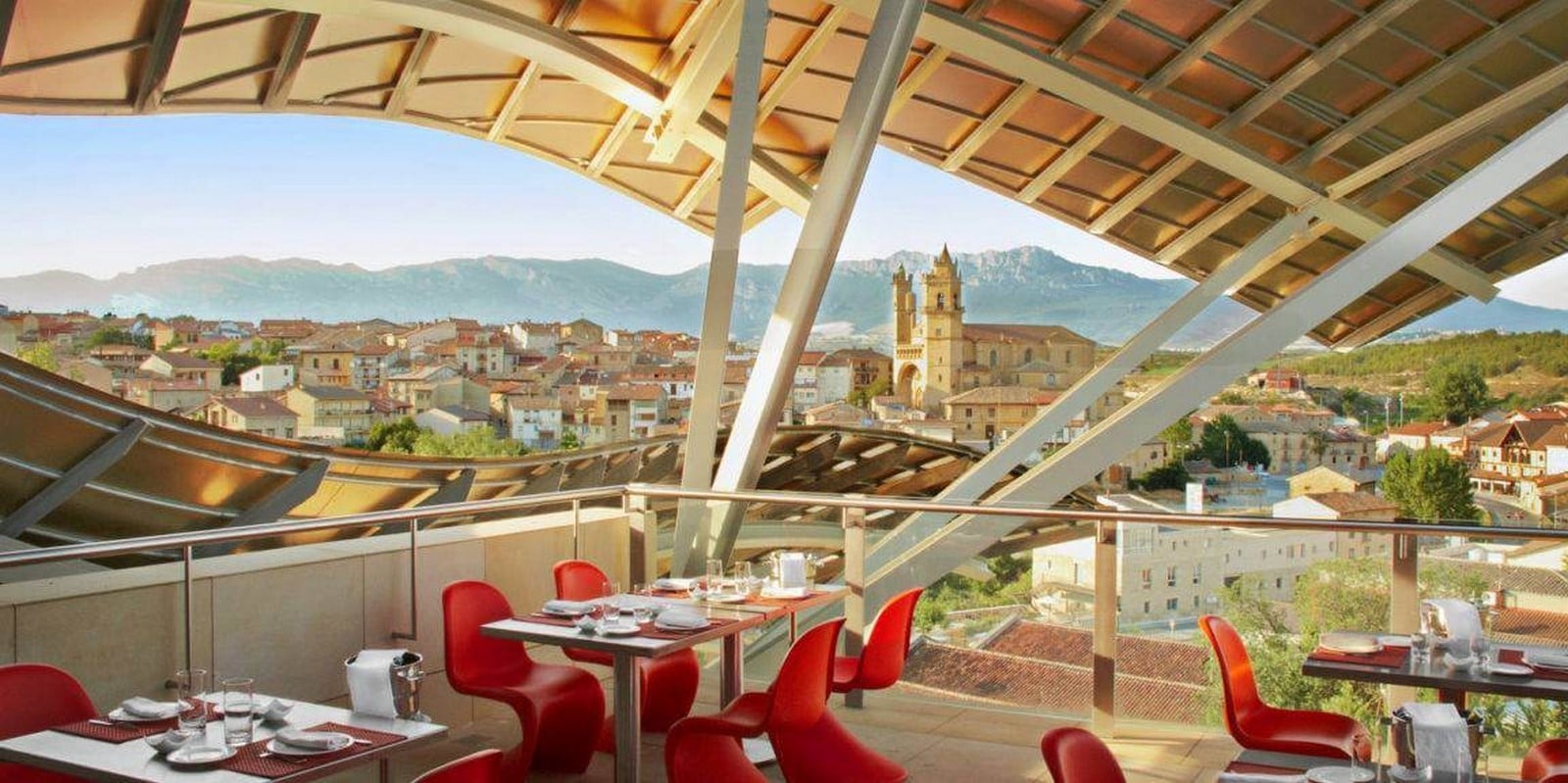
10. Marqués de Riscal (Elciego, Spain) | Frank Gehry
Built in 2006, the Marqués de Riscal is located in a small town famous for its vineyard and wineries. Its exterior, according to Gehry, reflects the colours of wine, the titanium and stainless steel panels with hues of pink to represent the burgundy colour of rioja, the silver as the foil covering the cork, and the gold as the zig-zag mesh that covers all Marqués de Riscal bottles.
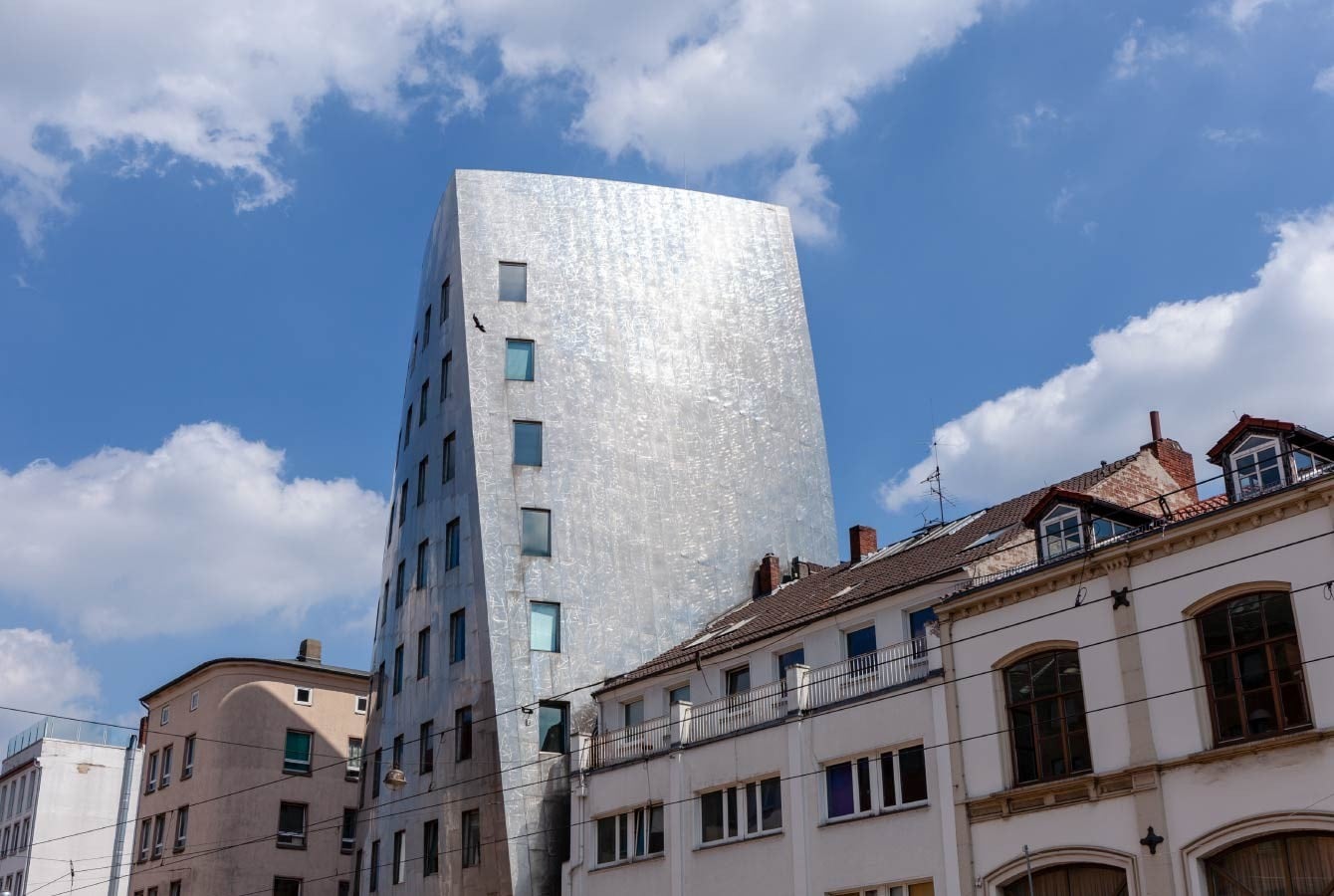
11. Gehry Tower (Hanover, Germany)
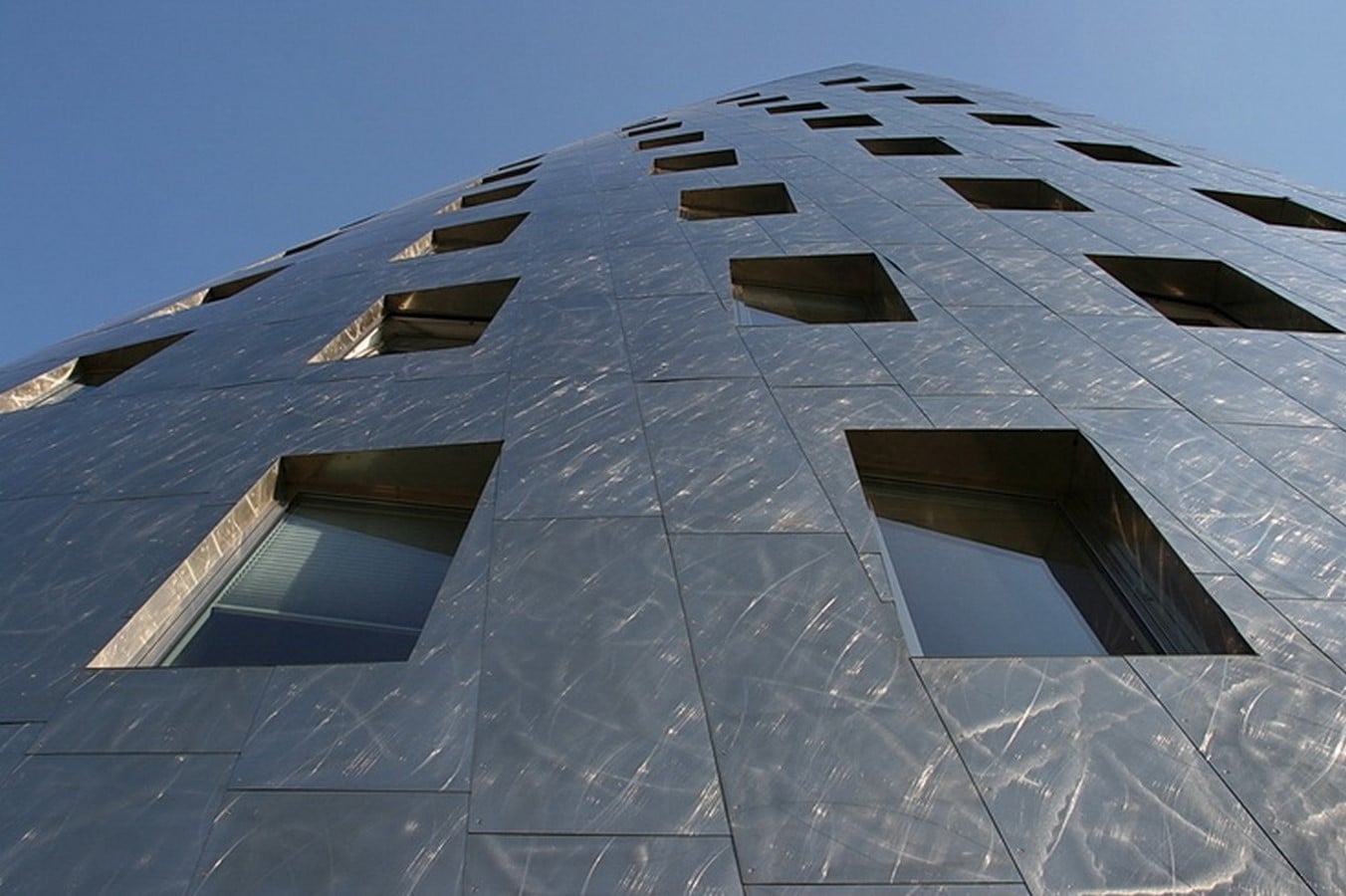
The Gehry Tower is constructed from stainless steel with an impressive twisted facade. This design allowed the office space to be maximized as the nine-story building was erected in a relatively small area. The tower was constructed within two years, officially commissioned by June 2001.

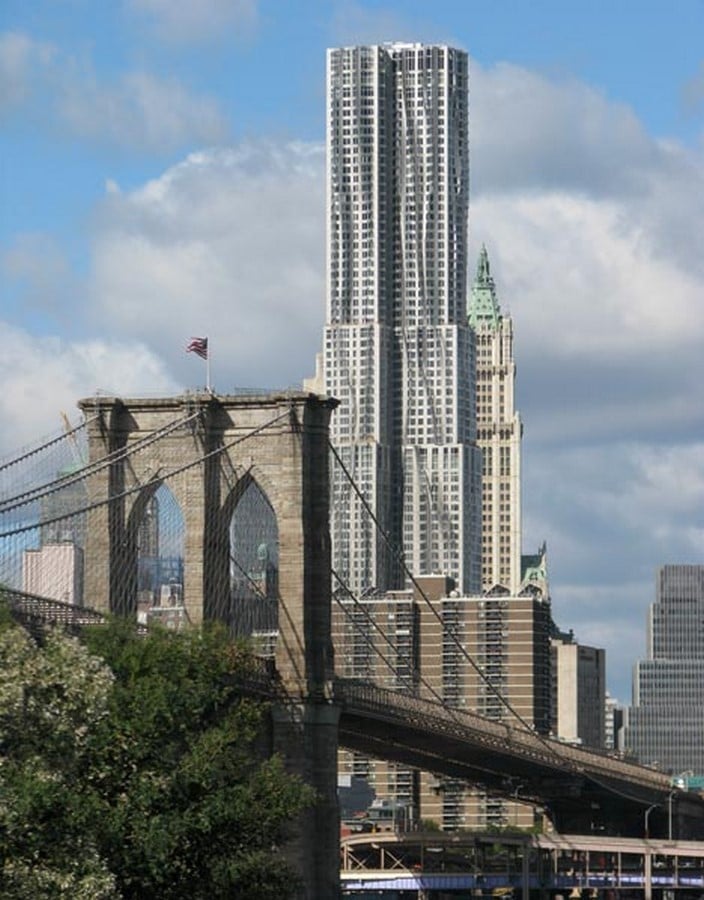
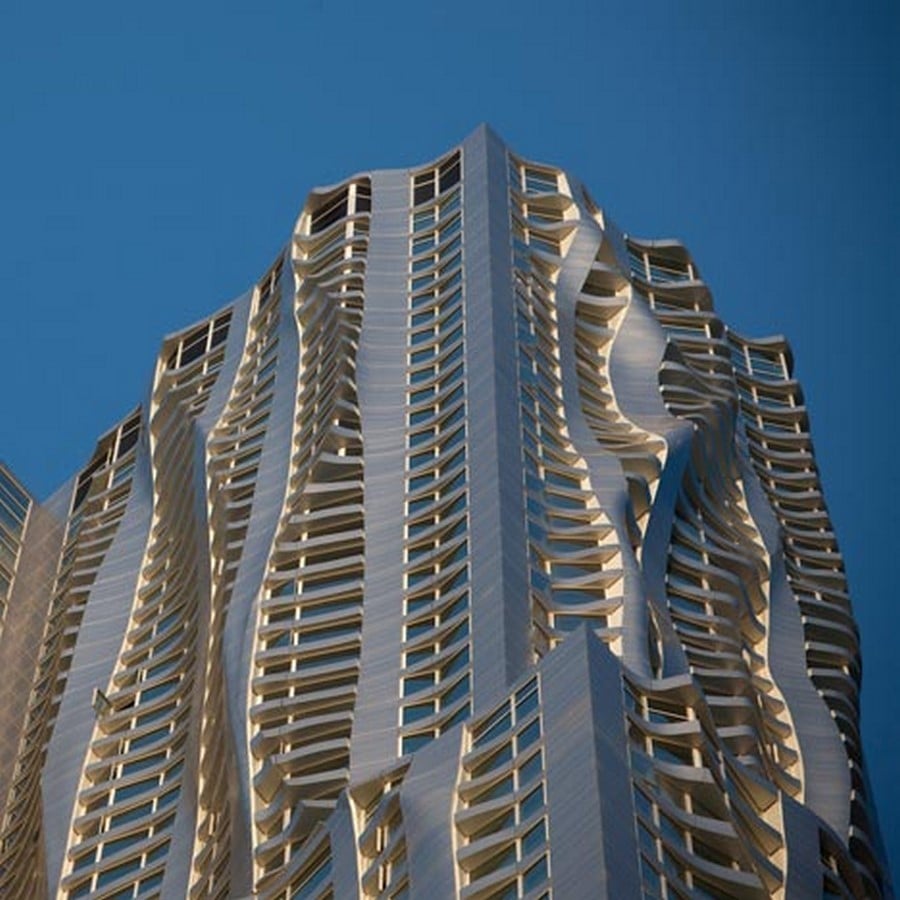
12. New York by Gehry (New York City, New York)
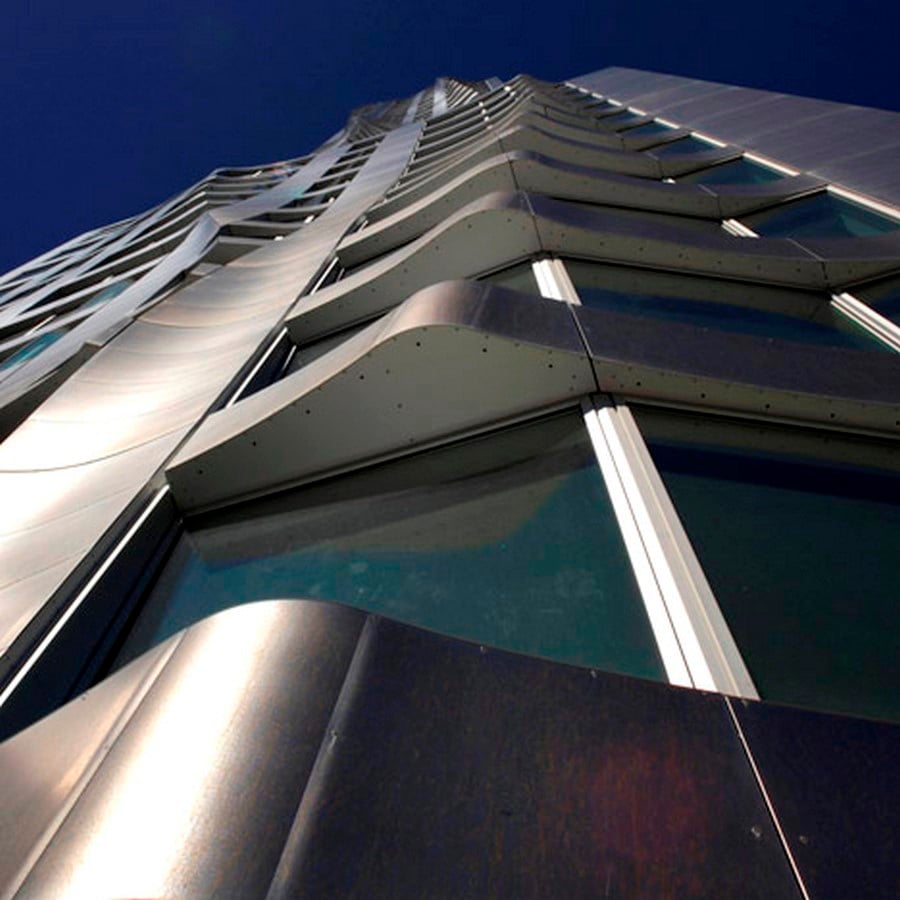
Gehry’s first skyscraper, located in Lower Manhattan, has received global acclaim due to its being the tallest residential building in North America during its time. The 76-story building is 870 feet tall and was constructed from 10,500 steel panels, each having a different shape, which led to its overall design. The form of the building seems to change depending on where you stand, similar to the ripples of a mirage.
The exterior of the building in Lower Manhattan Source:©https://www.dezeen.com/
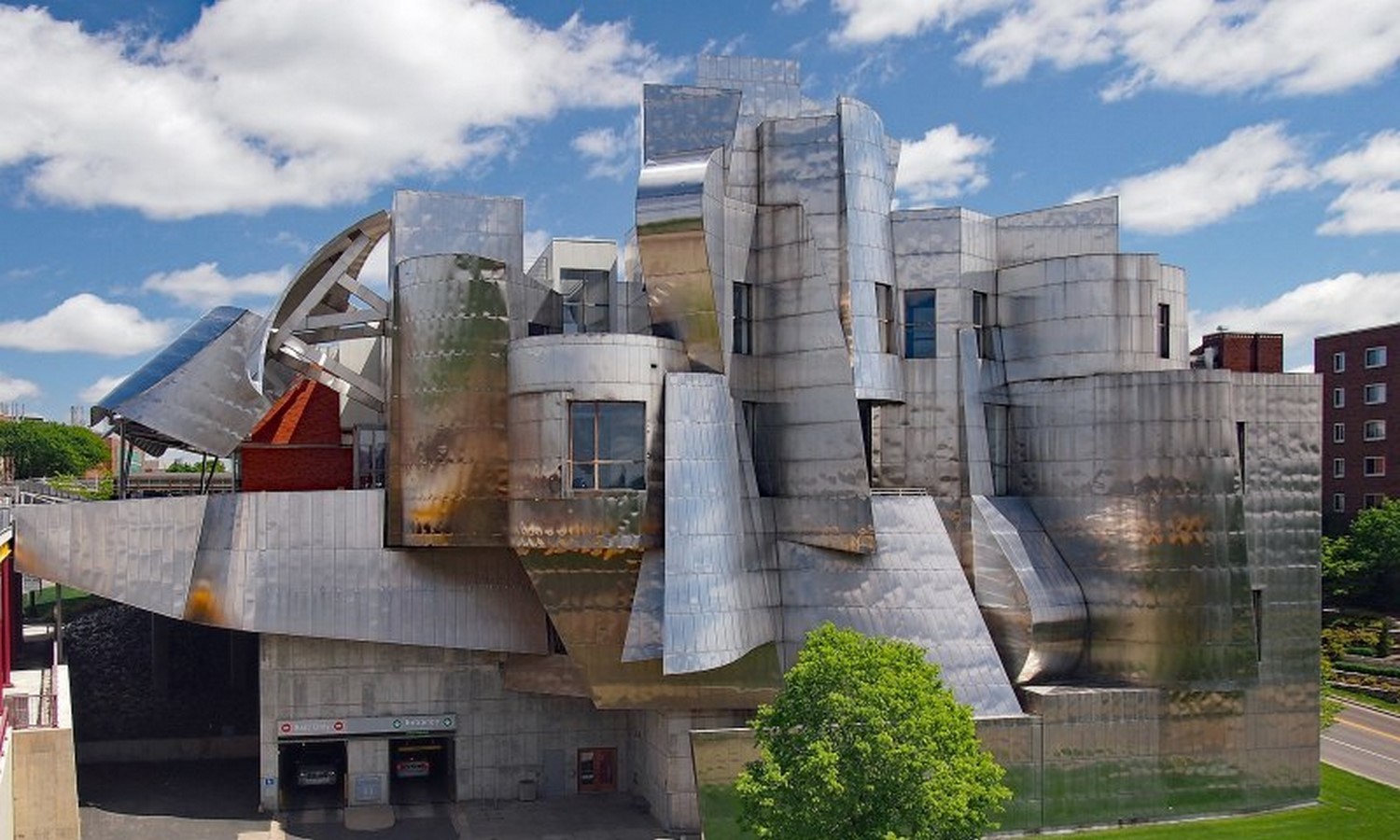
13. Weisman Art Museum (Minneapolis, Minnesota) | Frank Gehry
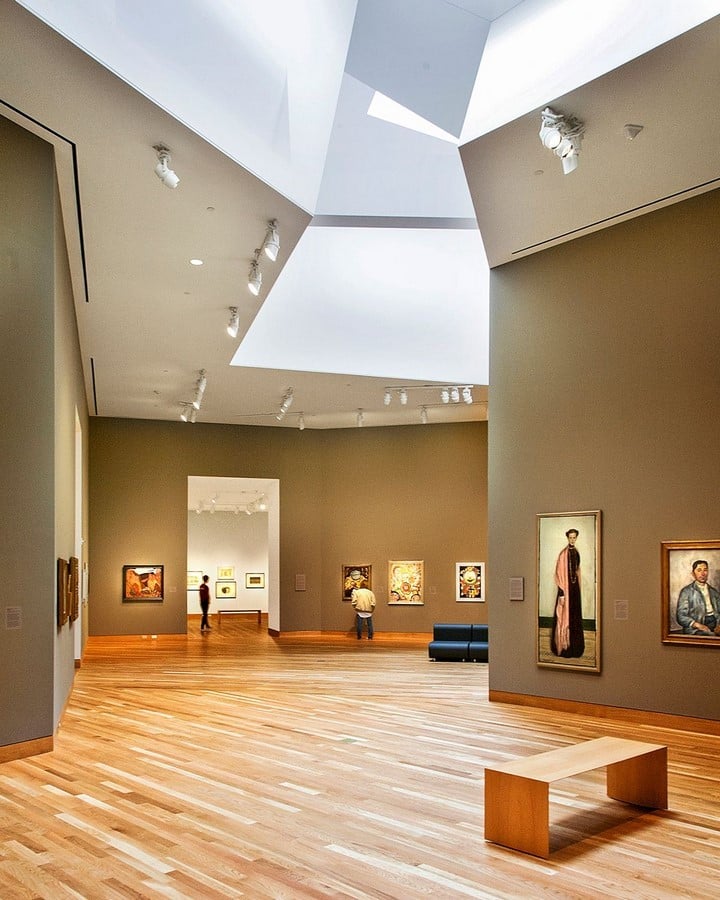
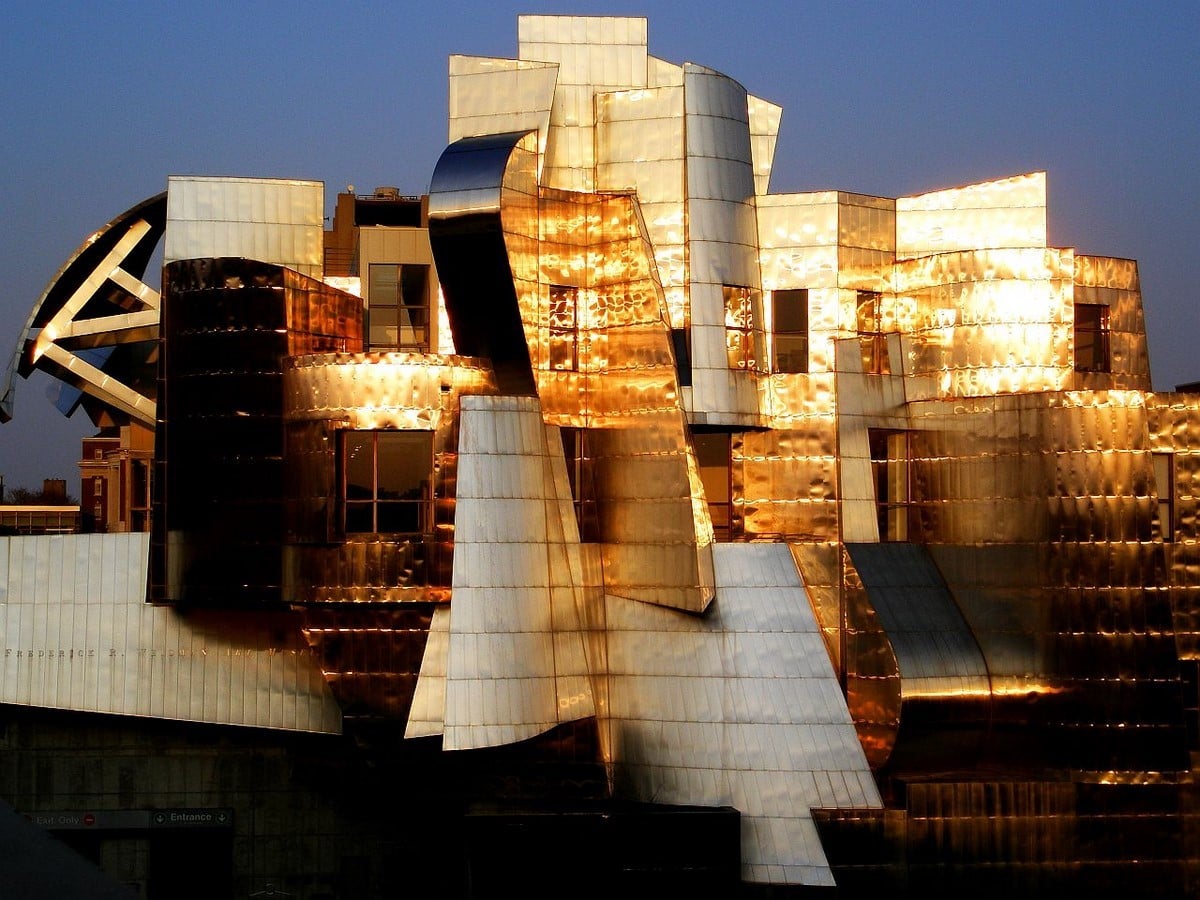
The Weisman Art Museum was one of Gehry’s first museums built from the ground up. Its exterior of steel-clad curves was all designed without the use of any computer software. It was later expanded in 2011, still designed by Gehry, and allowed a seamless and fluid experience for every visitor.
14. Stata Center (Cambridge, Massachusetts)
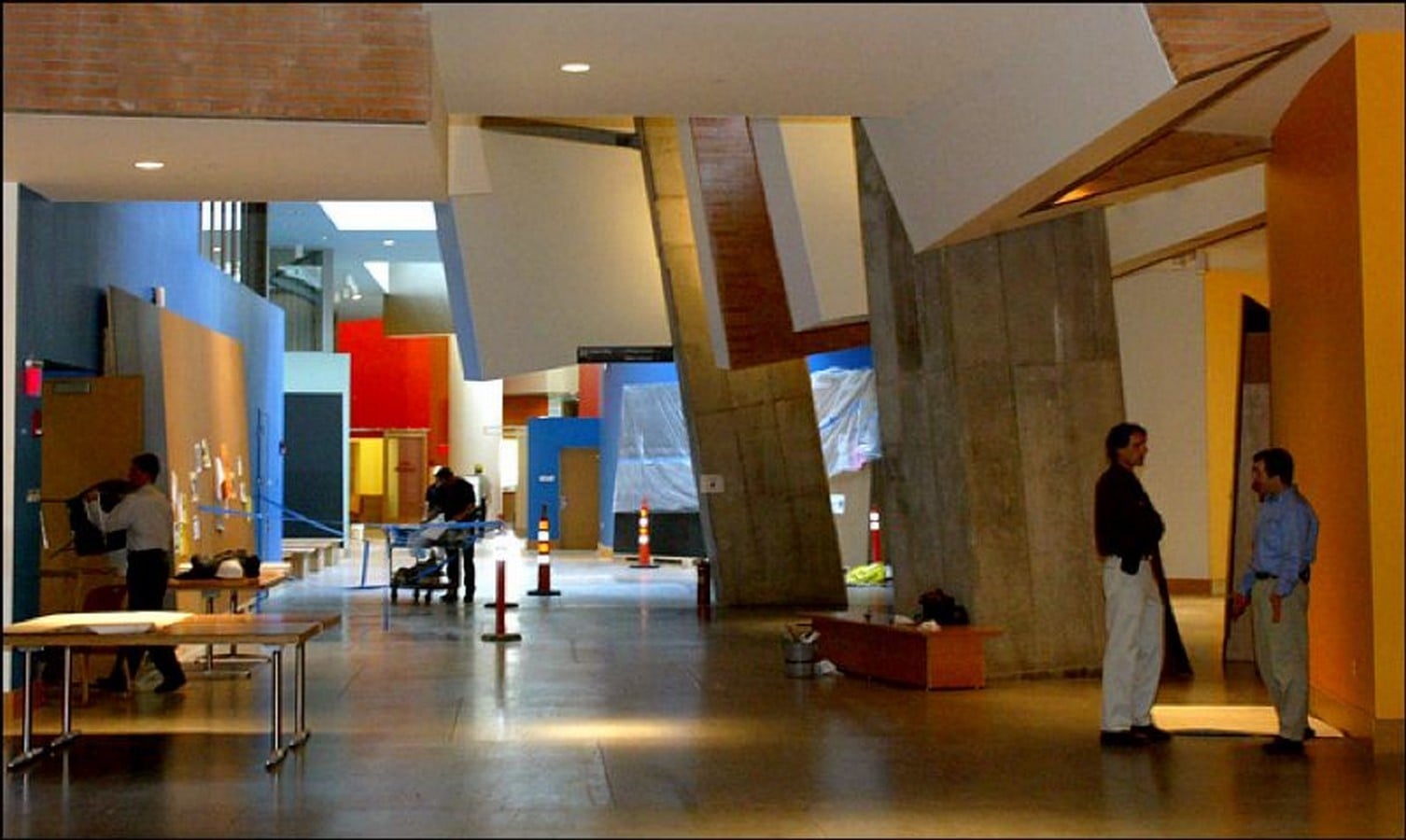
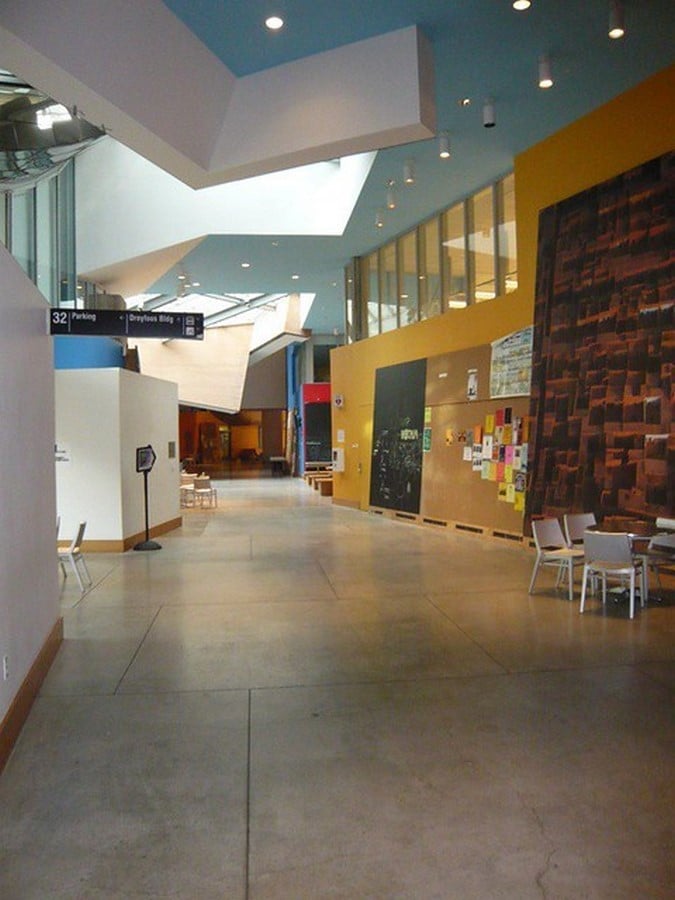
Its design, looking as if it is on the verge of collapsing with the tilted columns, walls swerving and colliding at random curves. Its interior shows materials changing from brick to brushed aluminum to corrugated metal to brightly colored paint. It’s designed as if everything was improvised and thrown into at the last minute, which was what the structure was meant to convey.

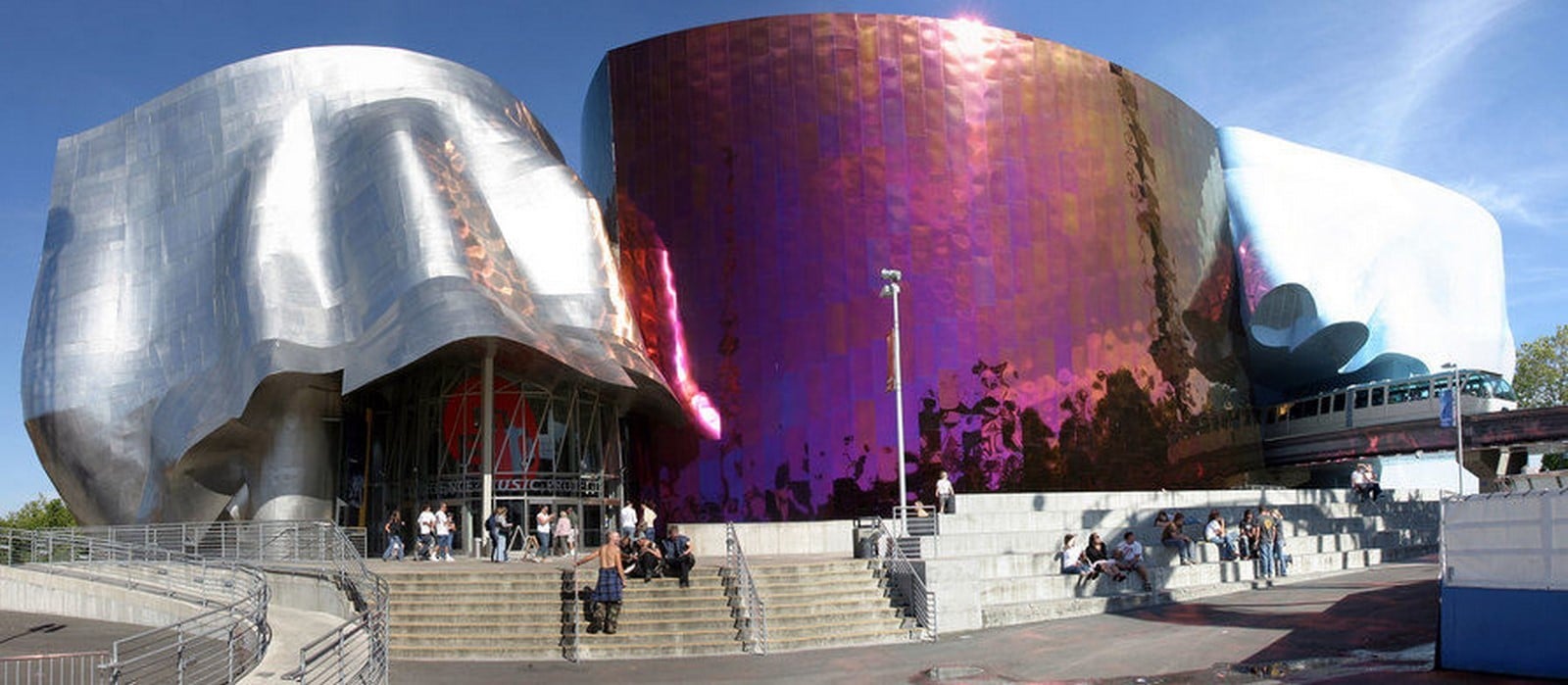
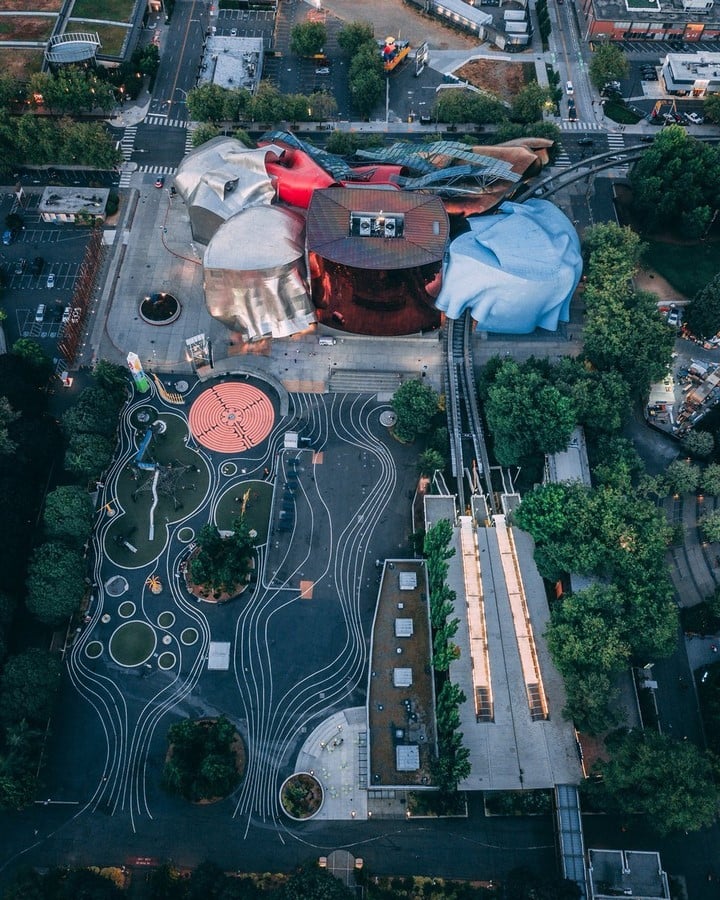
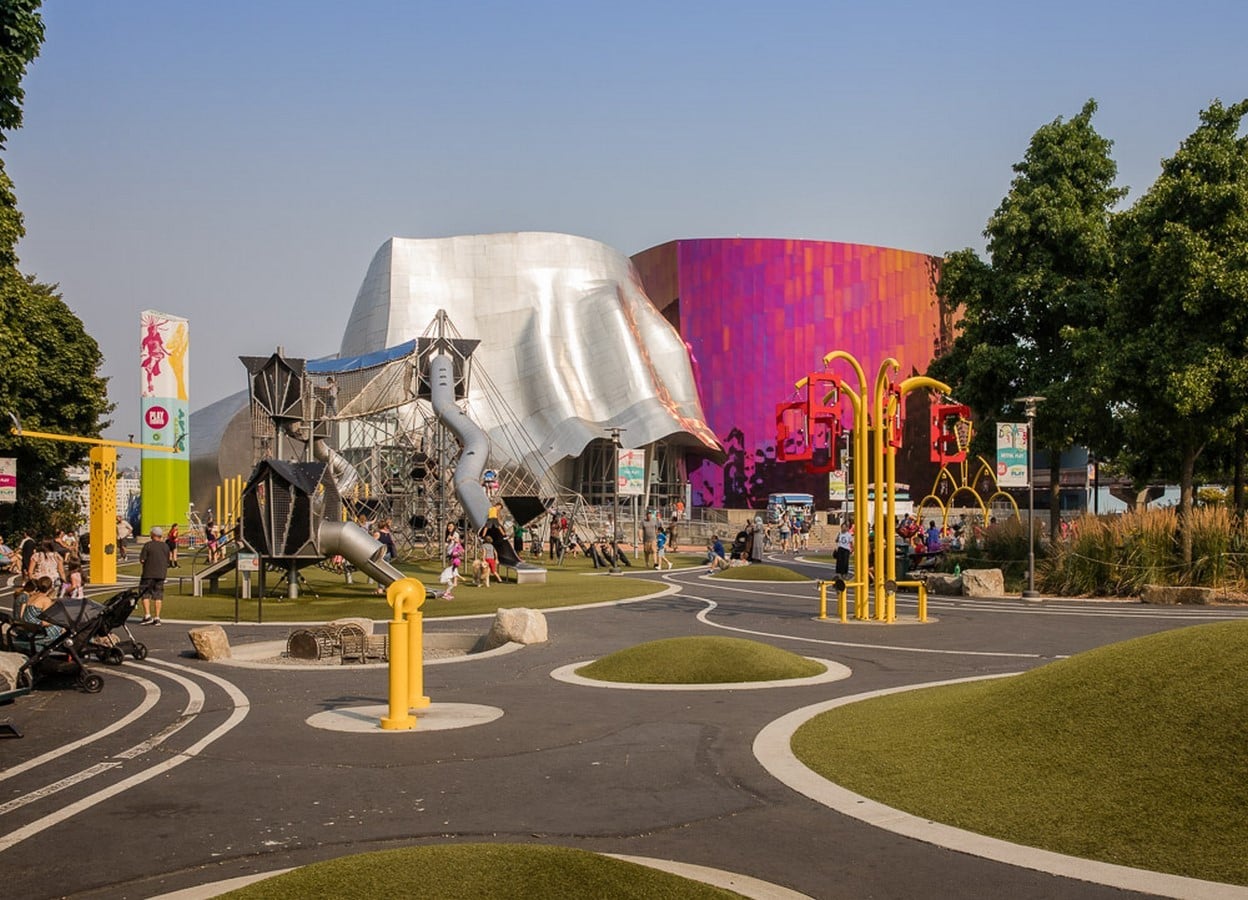
15. Museum of Pop Culture (Seattle, Washington) | Frank Gehry
Built from over 21,000 aluminum and stainless steel shingles, the MoPOP is home to more than 100 arts and cultural events each year. Its prismatic wave was inspired by rock music and the energy it has. During the initial design stages, Gehry used sliced-up electric guitars as the building blocks for his model. The structure was built in collaboration with Microsoft co-founder Paul Allen and was completed in 2000.
Frank Gehry, 1929–2025: Death and Legacy
Frank Gehry died on 5 December 2025 at his home city’s heart of six decades, Santa Monica, California, at the age of 96, following a respiratory illness. Tributes recognised him as the architect who, more than any other, made the late-20th-century building a cultural event: the Guggenheim Museum Bilbao (1997) gave its name to the “Bilbao effect” of culture-led urban renewal, and the Walt Disney Concert Hall (2003) remade downtown Los Angeles. He worked until the end of his life, and his practice, Gehry Partners, carries several major projects forward — most prominently the long-gestating Guggenheim Abu Dhabi on Saadiyat Island and the Forma residential towers in his native Toronto.
Frequently Asked Questions About Frank Gehry
When did Frank Gehry die?
Frank Gehry died on 5 December 2025 in Santa Monica, California, at the age of 96, following a respiratory illness. He had continued working into his tenth decade.
What is Frank Gehry’s most famous building?
The Guggenheim Museum Bilbao (1997) is his most celebrated work — its titanium curves are credited with the “Bilbao effect,” in which a single landmark revives a city’s fortunes. The Walt Disney Concert Hall in Los Angeles (2003) and the Dancing House in Prague (1996) are close behind.
What style of architecture is Frank Gehry known for?
Deconstructivism: fragmented, sculptural compositions in titanium, steel and glass that seem to be in motion. Gehry was also a pioneer of using aerospace design software (CATIA) to make such forms buildable.
What awards did Frank Gehry win?
The Pritzker Architecture Prize (1989), the Praemium Imperiale (1992), the US National Medal of Arts (1998), the AIA Gold Medal (1999) and the Presidential Medal of Freedom (2016), among many others.
What happens to Frank Gehry’s unfinished projects?
Gehry Partners, the firm he led, continues his work — including the Guggenheim Abu Dhabi and the Forma towers in Toronto. See where Gehry stands among the 50 most famous architects and their works, or browse the 20 greatest architects in the world.
Sources for the 2026 update
The Washington Post, “Frank Gehry, who stretched architecture’s boundaries, dies at 96” (5 December 2025). Designboom, “Frank Gehry dies at 96” (5 December 2025). Wikipedia, “Frank Gehry” (2026).