Not all locations have to be experienced.
Sometimes locations are learned through stories first.
A hill is considered sacred even before it’s climbed. A forest is seen as scary even before it’s entered. A neighbourhood is made dangerous even before it’s explored. A building is made haunted even before it’s entered. Before experiencing these places, people have already formed their ideas about them.
When people talk about architecture, they often focus on materials, shapes, and how buildings are put together. We look at walls, roofs, and floor plans, thinking that only the physical parts shape our feelings about a place. But often, our connection to spaces begins long before we see them in person. Stories, rumours, beliefs, memories, and shared tales all play a big role in how we relate to places.
A question arises: Can stories influence the experience of space the same way architecture does?
The answer appears to be yes.
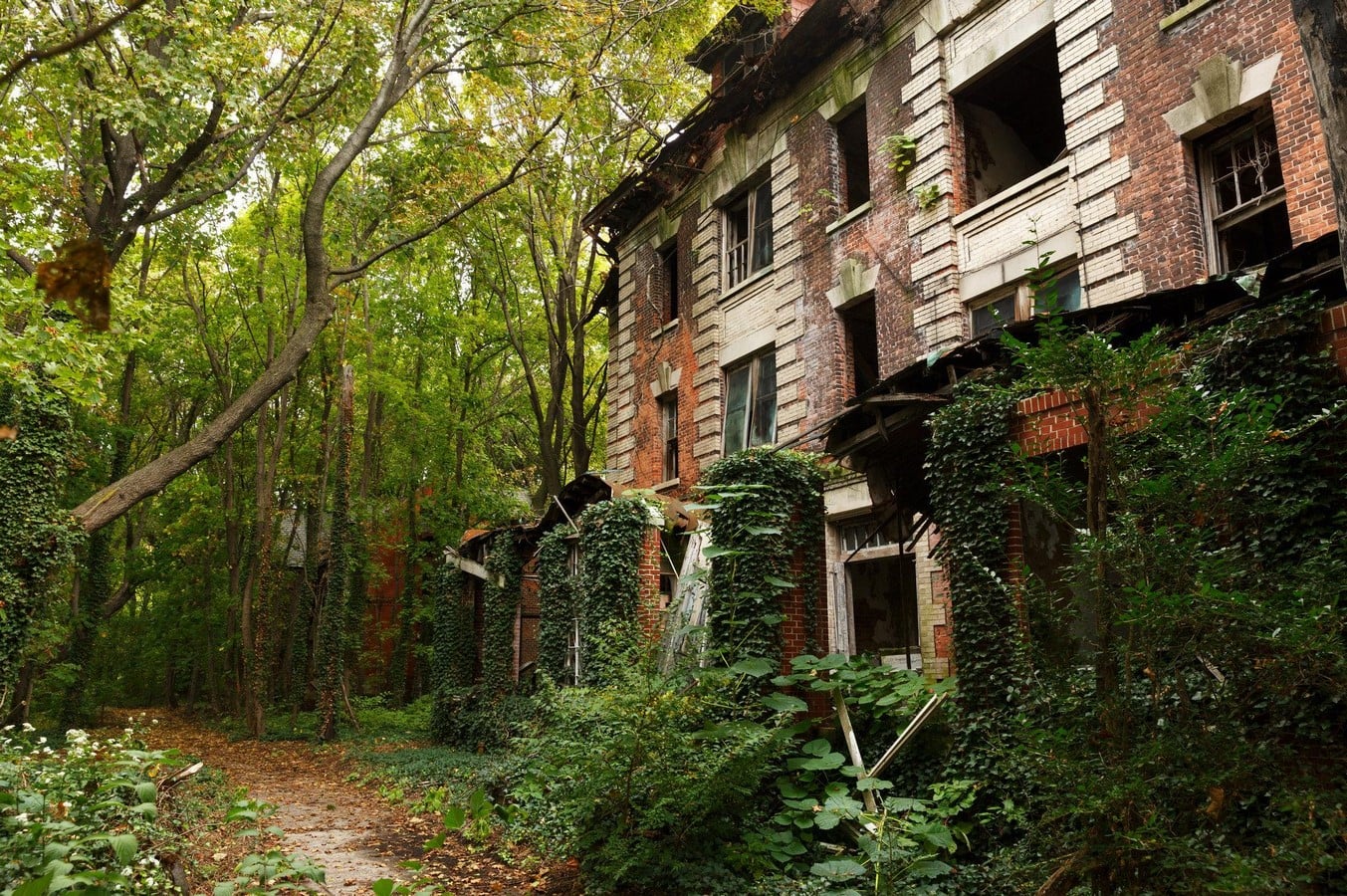
Some landscapes develop reputations that become a key part of what they are. Over time, these reputations shape how people treat these places. People might use them, protect them, fear them, enjoy them, or avoid them. In the end, these reputations become part of the place itself.
Evidently, architecture involves more than just the physical structure. It includes even the belief in it.
Before We Arrive, the Story Does
Most places are understood slowly. They are visited by people who pass through them and have their own views based on personal experience.
But there exist places that function in a different way.
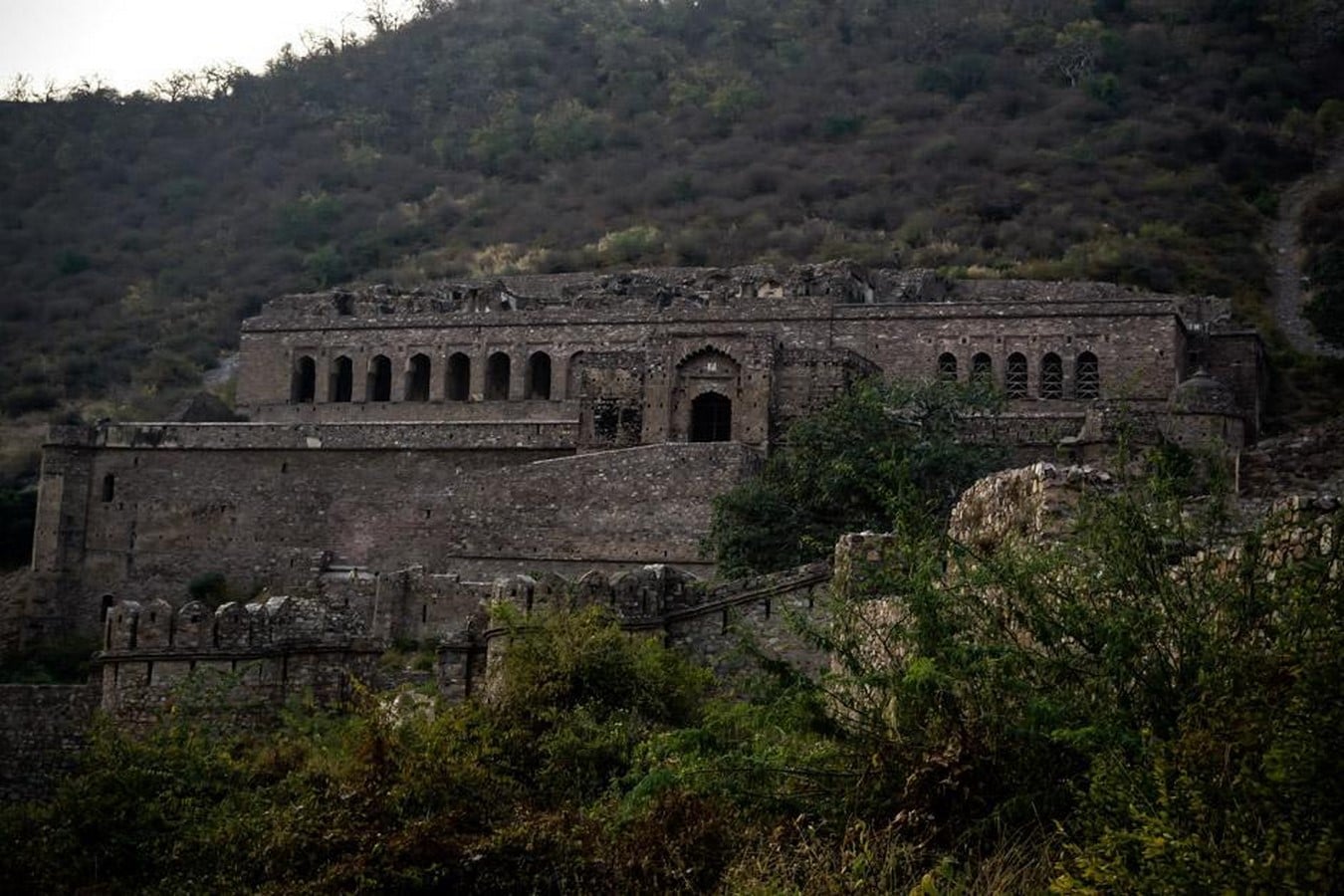
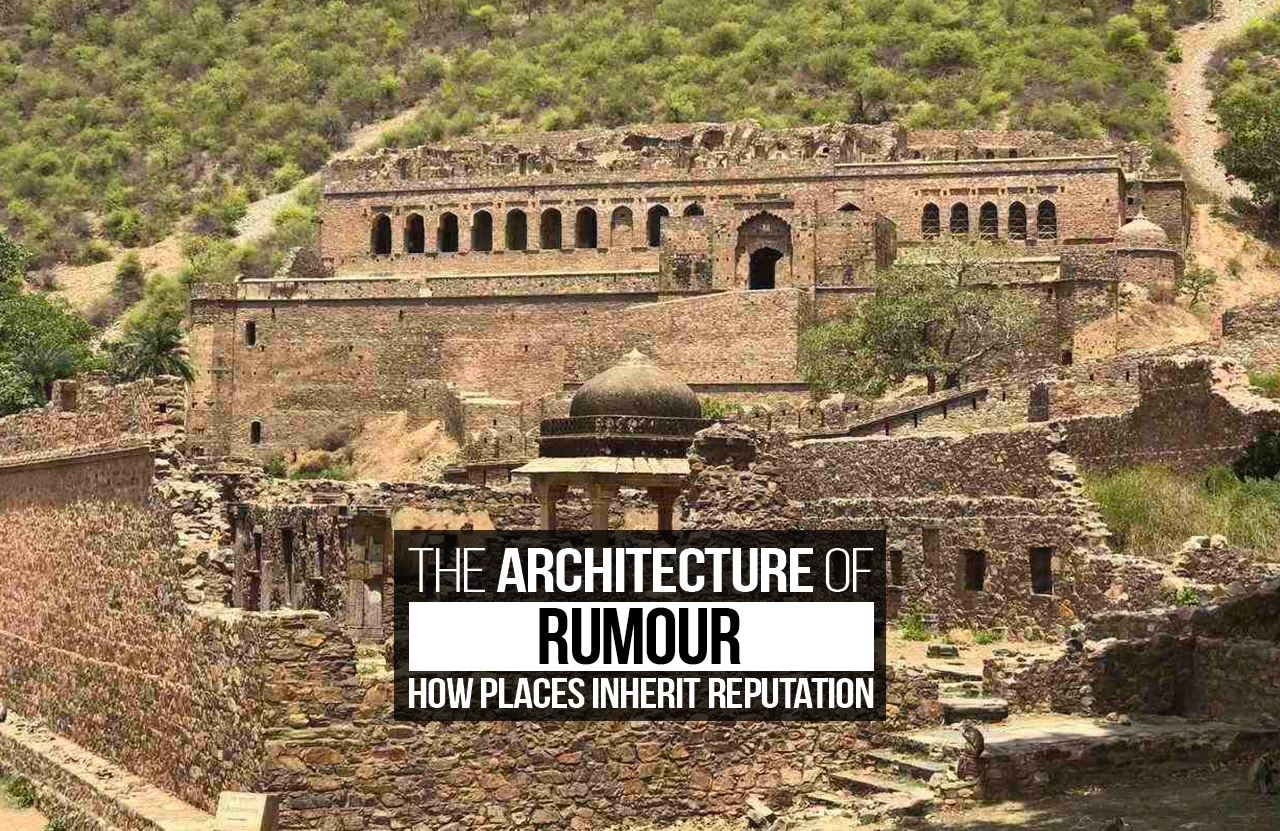
For example, Bhangarh Fort in Rajasthan can be considered one of the most recognizable places in India. Although there is a high importance of this place architecturally and historically, a lot of its modern character is connected with its fame as a haunted place. In many cases, the tale comes before architecture for visitors.
This kind of storytelling happens all over the world. In Japan, Aokigahara Forest became famous due to tales of isolation and death. Many abandoned hospitals have stories of supernatural events. Former prisons also get their fame due to stories rather than architecture.
It does not really matter whether the tales are true or not.
What really counts is that they affect people’s behaviour.
The routes are changed, areas are avoided, specific journeys are undertaken to visit particular places, or the spaces are approached with great anticipation on account of what has been heard. Though the place may not physically have changed, its encounter has definitely become different.
This implies that places are seldom encountered without any preconceptions. They are loaded with expectations.
The Places We Leave at the Edge
This is one aspect that can hardly be missed when it comes to how some landscapes are situated in relation to settlements.
In different societies and across different time periods, there are spaces related to death, disease, pollution, banishment, or transitions that tend to be located away from normal life. These include cemeteries, crematoria, quarantine camps, leper colonies, and towers of silence, which have their locations outside the central areas where people usually live.
There may be many explanations for such situations, but the fact remains consistent.
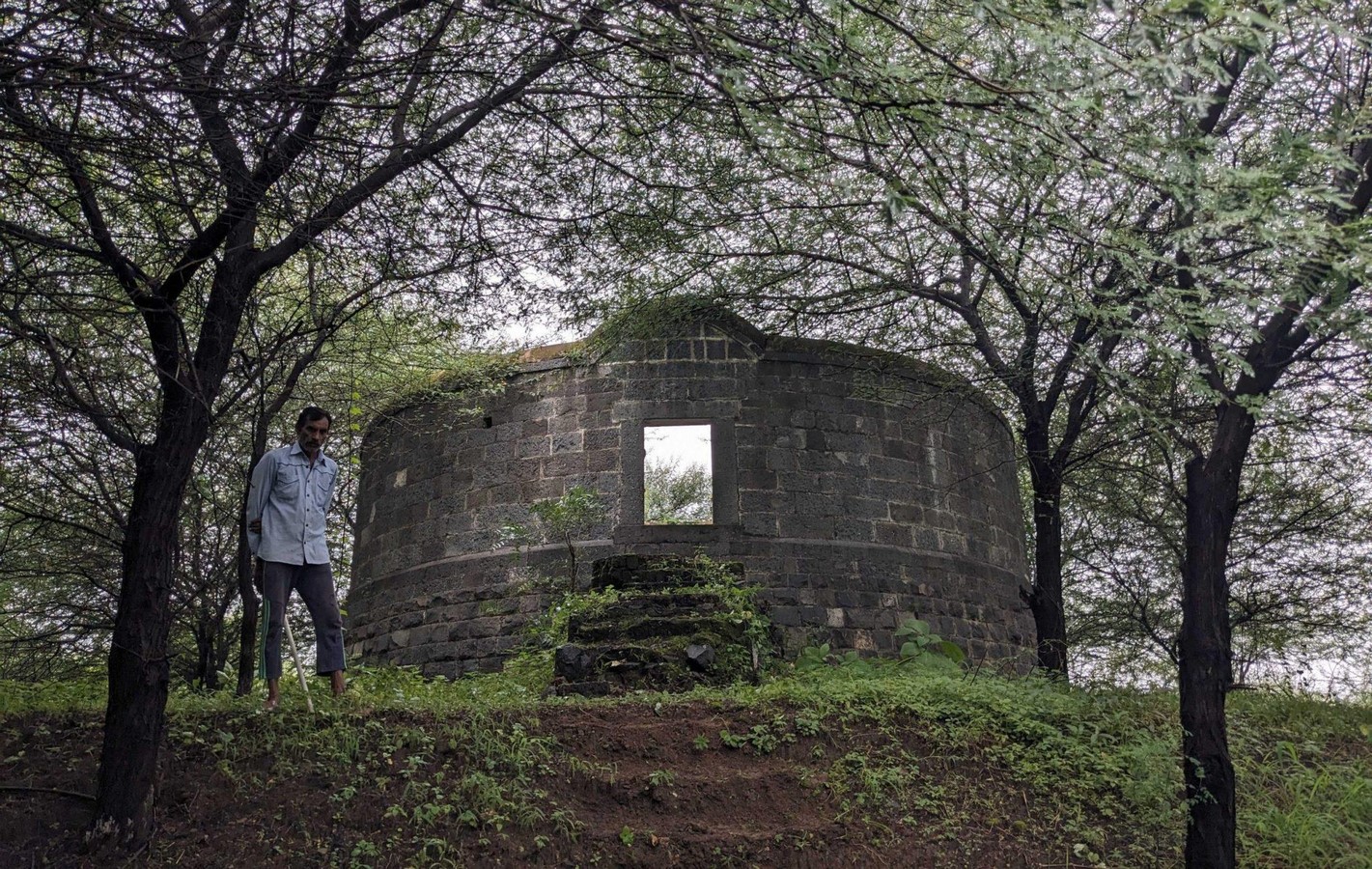
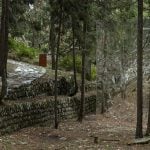
Towers of silence represent one unique case in point here. Constructed based on particular cosmological ideas in relation to death and purity, these round buildings had to be separated from normal life by their nature. And yet, such a separation made them mysterious places. Not accessible to everyone and misunderstood by those who do not know anything about them, towers of silence remain peculiar landmarks of the public consciousness.
And the connection between distance and reputation recurs throughout history.
The further away a site is from daily experience, the less it is known. The less it is known, the more stories there are about the mystery. Stories build upon each other until a reputation is established, one that goes beyond the initial reason for the site.
It starts as an everyday decision, but it builds into a cultural story.
The perimeter establishes its own reputation.
Reputation as a Spatial Force
Designers often talk about materials, light, scale, and spatiality. However, reputation can act very similarly to a material.
It is not tangible, but it possesses the ability to affect actions in an extremely tangible manner.
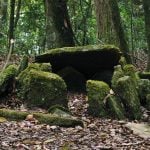
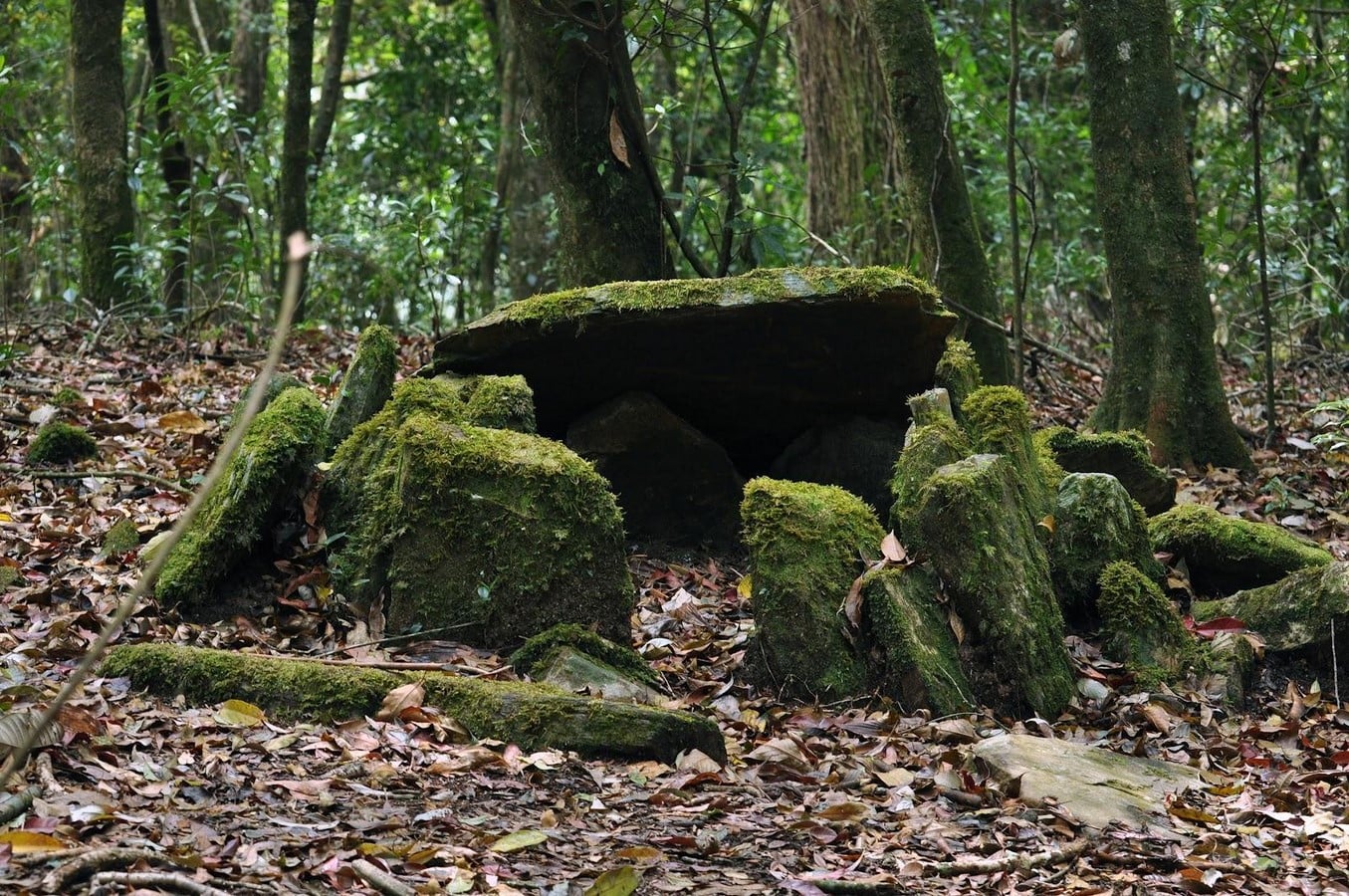
There is a good way to explain this phenomenon. Often, there are no major differences between a sacred grove and the neighbouring forests except for one thing – the legends about the grove. Over time, these legends become so strong and so ingrained that they turn the place into a kind of safe environment.
This phenomenon might happen in the other direction as well.
If a neighbourhood was once considered dangerous, it is likely to remain dangerous in the minds of people regardless of the current reality. Industrial districts, informal settlements, and places of crime will never shake off the stigma of being dangerous and unsafe.
In both cases, reputation creates spatial effects.
It dictates who comes in, who stays out, who belongs, and who is left out.
Architecture is no longer functioning only through walls, streets, and buildings; it is functioning through perception.
Who Benefits from the Story?
Reputations do not always arise spontaneously.
Sometimes, they arise due to folklore. At other times, they are created, enhanced, and sustained to fulfil certain social functions.
Narratives are used for defence.
It is due to the belief of people living within these regions that certain groves remain sacred. Certain practices exist owing to the importance accorded to these through the medium of cultural narrative.
Narratives may result in discrimination.
Through time, places relating to certain communities, occupations, diseases, and social groupings have developed negative reputations, leading to segregation. A town becomes dangerous. A community becomes undesirable. A landscape becomes taboo.
With time, these tags start defining reality.
No one ventures into that region. Investment is low. It becomes more isolated. It is a self-reinforcing tale.
This may be the point at which the power of reputation reaches its greatest strength. It does not simply tell the tale of a place. It helps create the tale.
It shapes the physical situation.
And the physical situation confirms the narrative.
The Architecture We Carry in Our Heads
Architecture is typically seen as an external thing.
A building, a street, a monument, a landscape.
There are many examples where one’s experience of place is influenced by what lies within.
Memory, belief, fear, reverence, expectation.
Two individuals can be standing in the same place but experience two completely different architectures based on the stories they bring with them.
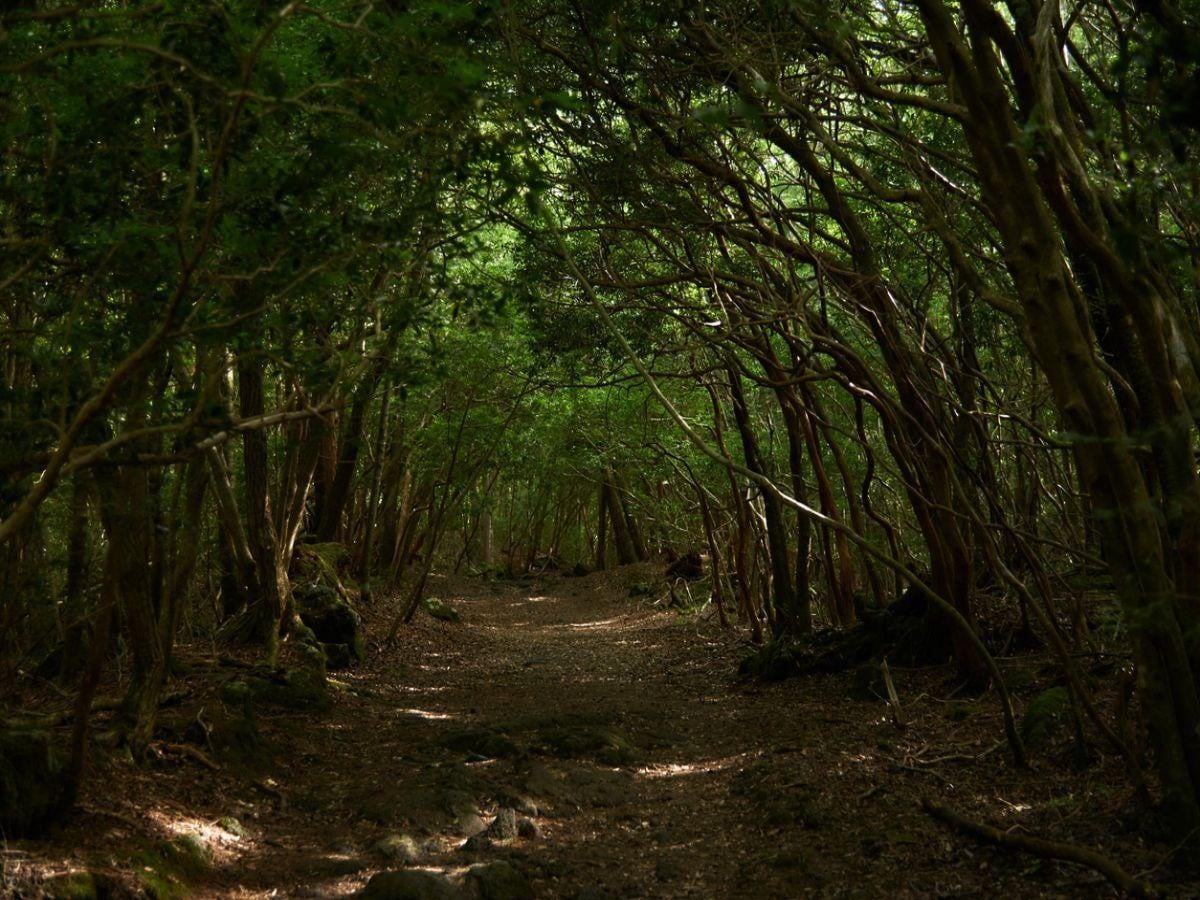
One individual sees a forest. The other individual sees a sacred grove.
One sees a hill. The other sees a place of pilgrimage.
One sees a ruin. The other sees a haunted place.
The physical world stays the same, but the structure of meaning changes.
While the physical landscape remains unchanged, the architecture of meaning changes.
This could be the reason why some places continue to be culturally significant despite having no relevance anymore due to loss of their original meaning and purpose. The structures deteriorate. The people leave. But the stories continue. Through stories, places gain a new life after death.
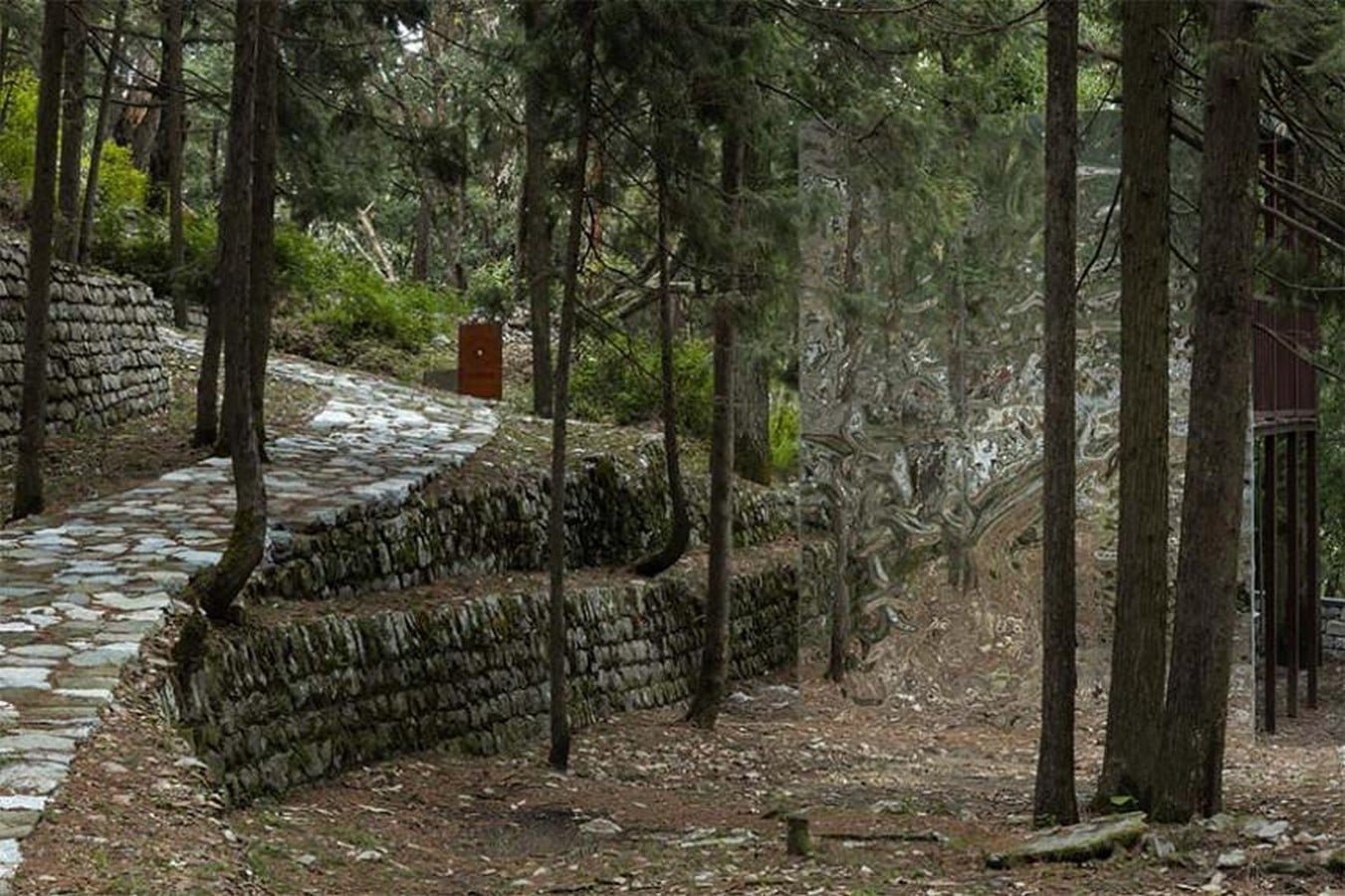
Architecture can be understood as the art of designing spaces.
Many factors influence people’s perception of a space, and some of them are not even expressed through designs, plans, or sections.
These factors emerge in stories.
People could perceive a space not only based on its features but also on what they believe it to be, based on the history of generations who came before them. Beliefs turn into an important part of the very landscape and affect human behaviour no less than boundaries.
Maybe this is the reason for such power in collective memories that some places carry. Architecture does not limit itself to physical structures but becomes more than it is – a narrative.
Every architectural structure does not have to be made of materials like stone, wood, or concrete.
Some are made of stories.
And these stories last much longer than the structures themselves.
References:
- Augé, M. (1995) Non-Places: Introduction to an Anthropology of Supermodernity. London: Verso.
- Cosgrove, D. (1998) Social Formation and Symbolic Landscape. Madison: University of Wisconsin Press.
- Ingold, T. (2000) The Perception of the Environment: Essays on Livelihood, Dwelling and Skill. London: Routledge.
- Nora, P. (1989) ‘Between Memory and History: Les Lieux de Mémoire’, Representations, 26, pp. 7–24.
- Schama, S. (1995) Landscape and Memory. London: HarperCollins.
- Japan National Tourism Organization (n.d.) Aokigahara Forest. Available at: https://www.japan.travel/en/spot/1335/ (Accessed: 16 July 2026).
- Madan, L. (2024) ‘Towers of Silence’. International Women’s Media Foundation. Available at: https://www.iwmf.org/reporting/towers-of-silence/ (Accessed: 16 July 2026).
- Foderaro, L. (2014) ‘On an Island Under Vines, New York City Officials See a Future Park’. The New York Times. Available at: https://www.nytimes.com/2014/10/16/nyregion/on-an-island-under-vines-officials-see-a-future-park.html
- Meghalaya Tourism (n.d.) Mawphlang Sacred Grove. Available at: https://www.meghalayatourism.in/experiences/nature-&-wildlife/biodiversity-&-nature-trails/mawphlang-sacred-groves/
- Compartment S4 (n.d.) Sensorium Park. Available at: https://compartments4.com/component/sensorium