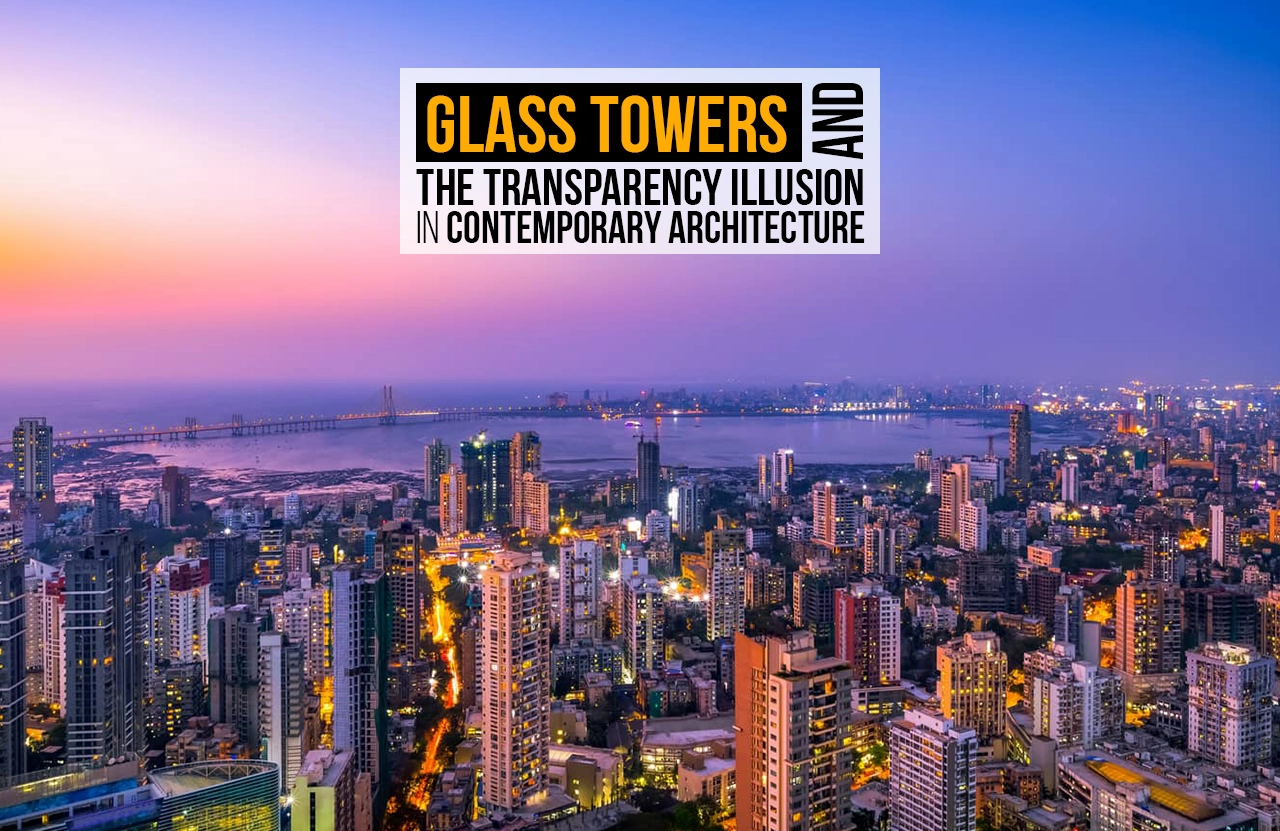
For decades, glass-clad skyscrapers have symbolized progress, innovation and modernity. Across major cities, reflective towers dominate skylines, presenting an image of openness and technological advancement. Their sleek facades promise transparency, efficiency and a seamless connection between indoor and outdoor environments. However, beneath this polished image lies a growing debate about whether these buildings truly embody the values they appear to represent. As cities continue to embrace glass towers as markers of development, architects and urban theorists are increasingly questioning the social, environmental and psychological implications of this design trend. The conversation surrounding contemporary architecture is therefore shifting from aesthetics alone toward a deeper examination of performance, sustainability and human experience.
The Rise of Glass as an Architectural Symbol
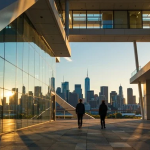
The widespread adoption of glass in tall buildings can be traced to advancements in engineering and material technology during the twentieth century. Innovations in structural systems allowed architects to free building facades from their load bearing roles, creating opportunities for expansive curtain walls and transparent exteriors. Glass became synonymous with progress, enabling designers to express efficiency, corporate power and global connectivity. Many iconic buildings embraced this material to communicate openness and sophistication, influencing urban landscapes worldwide.
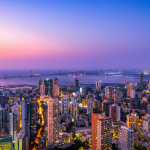
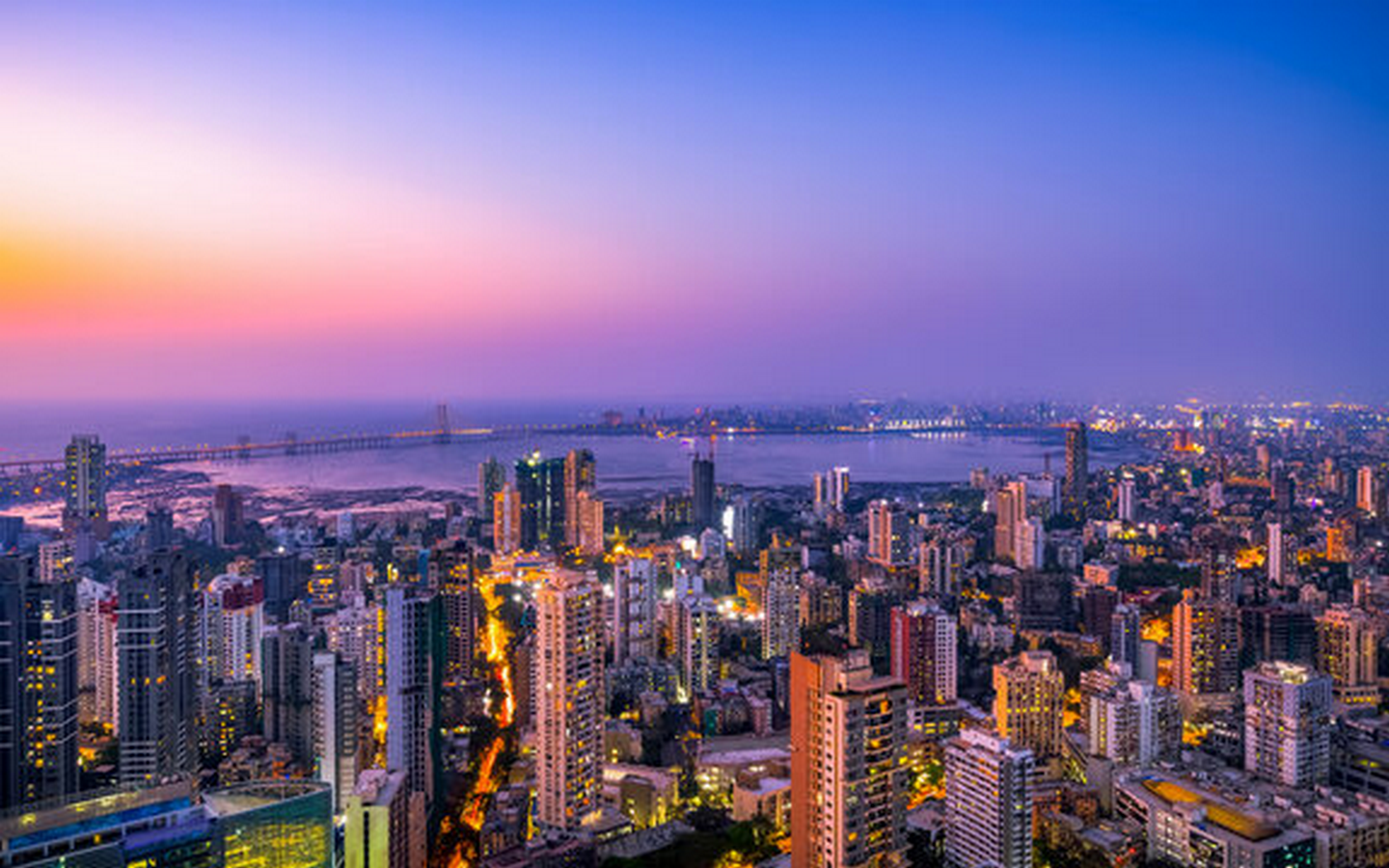
In the context of contemporary architecture, glass remains one of the most recognizable materials. Developers often favour it because of its ability to create visually striking structures that appeal to investors and multinational corporations. The reflective surfaces of glass towers project an image of economic prosperity while simultaneously contributing to a standardized architectural language that can be found in cities from New York to Dubai, Singapore and Mumbai.
Transparency as an Architectural Promise
Transparency is one of the most celebrated qualities associated with glass buildings. Architecturally, transparency suggests openness, accessibility and honesty. The ability to visually connect interior spaces with the outside world creates a perception of inclusiveness and democratic design. Corporate headquarters, government buildings and cultural institutions frequently employ extensive glazing to communicate these values to the public.
Yet transparency in contemporary architecture often functions more as a symbolic gesture than a lived reality. While occupants can see outward through expansive windows, many interiors remain inaccessible to the general public. Security systems, controlled access points and privatized spaces limit meaningful engagement despite the building’s transparent appearance. This contradiction has led critics to describe many glass towers as embodiments of a “transparency illusion”, where visual openness masks social and spatial exclusivity.
Environmental Challenges Behind the Glass Facade
Despite technological improvements, extensive glass facades present significant environmental challenges. Large glazed surfaces can contribute to excessive heat gain in warm climates and heat loss in colder regions. To maintain comfortable indoor temperatures, buildings often rely heavily on mechanical cooling and heating systems, increasing energy consumption. This dependence can undermine sustainability goals, particularly in regions experiencing extreme weather conditions.
The environmental concerns surrounding glass towers have become increasingly relevant within discussions of contemporary architecture. While advanced glazing technologies, double skin facades and shading systems help improve performance, they often add complexity and cost to construction. Furthermore, the production and transportation of high-performance glass involve considerable embodied energy. As architects strive to reduce carbon emissions, the continued reliance on fully glazed towers is being re-evaluated in favor of more climate-responsive design strategies.
Human Experience and Urban Comfort
Beyond environmental considerations, glass towers influence how people experience urban environments. At street level, highly reflective facades can create glare, increase surrounding temperatures and diminish visual diversity. Many glass buildings present uniform surfaces that contribute little to pedestrian engagement, resulting in streetscapes that feel detached and impersonal. The emphasis on visual spectacle can sometimes overshadow the need for vibrant, human-centered public spaces.
Within contemporary architecture, there is a growing recognition that successful buildings must balance aesthetic ambition with user well-being. Occupants of glass towers may experience issues such as glare, thermal discomfort and reduced privacy despite the abundance of natural light. Consequently, architects are increasingly exploring alternative facade systems that prioritize occupant comfort while maintaining visual connectivity and architectural elegance.
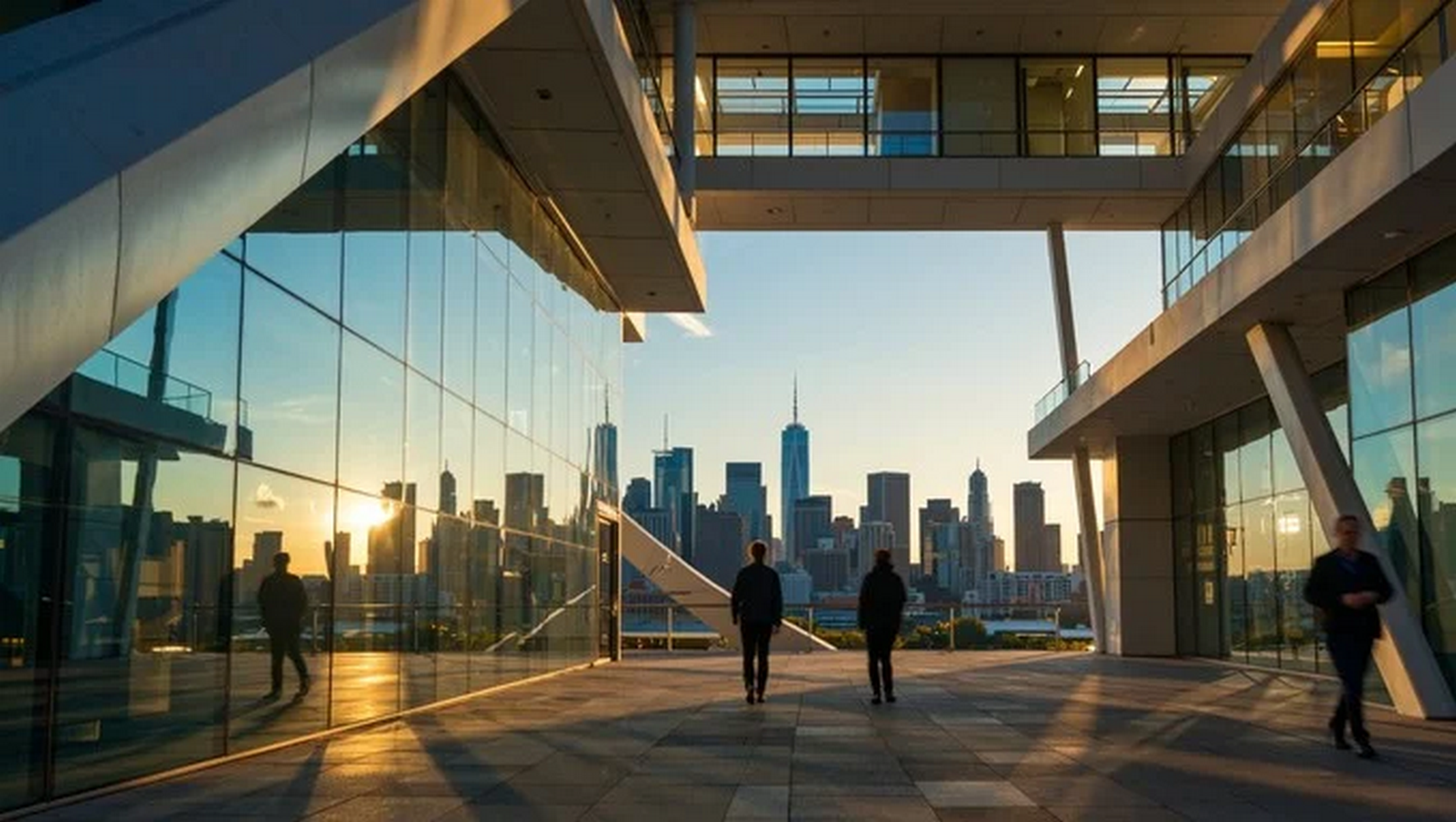
The Globalization of Architectural Identity
One of the defining characteristics of glass towers is their global appeal. Similar forms and materials appear in cities across continents, creating a recognizable architectural language associated with economic growth and international business. While this consistency can foster a sense of modernity, it can also contribute to the erosion of local identity and cultural expression.
Critics argue that contemporary architecture should respond more thoughtfully to regional climates, traditions and social contexts. Buildings that rely heavily on glass often overlook vernacular design principles developed over centuries to address local environmental conditions. As a result, many cities risk becoming visually standardized, with skylines that differ little from one another despite their unique cultural histories and geographic settings.
Reimagining Transparency for the Future
The future of transparency in architecture may not depend on increasing the amount of glass used in buildings. Instead, architects are exploring new ways to create openness through spatial organization, public accessibility and environmental responsiveness. Transparency can be achieved through thoughtful design that encourages interaction, visibility and inclusivity without relying solely on transparent materials.
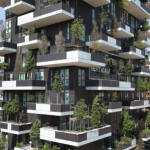
Emerging approaches within contemporary architecture emphasize adaptive facades, mixed material envelopes and bioclimatic design principles. These strategies seek to balance visual appeal with environmental responsibility and social relevance. By moving beyond the simplistic equation of glass with openness, designers can develop buildings that genuinely embody transparency in both form and function.
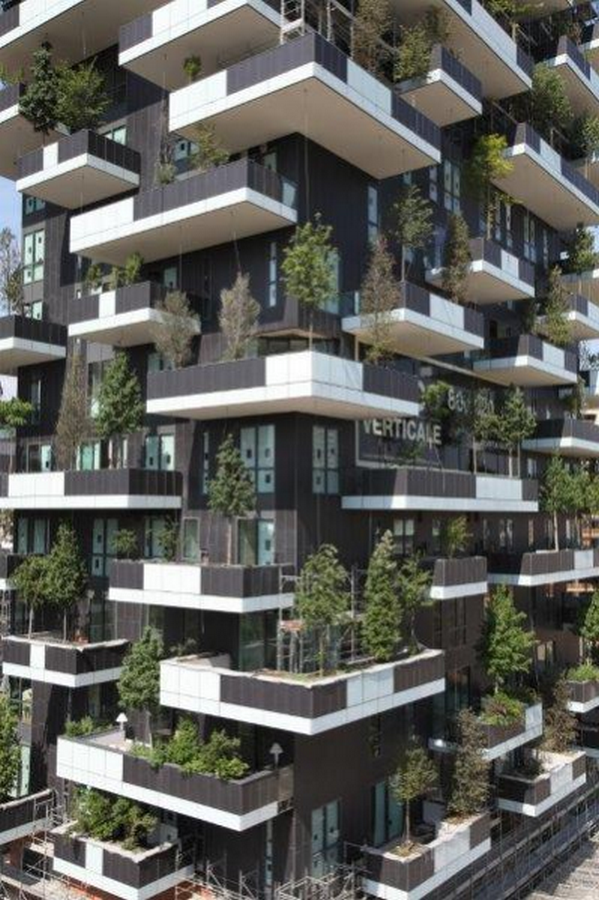
Glass towers have become defining symbols of modern urban development, representing technological advancement and architectural ambition. However, their association with transparency often conceals deeper questions regarding sustainability, accessibility and human experience. The transparency illusion reveals that visual openness alone cannot guarantee meaningful social or environmental performance.
As contemporary architecture continues to evolve, the challenge lies in creating buildings that genuinely reflect the values they claim to embody. Future designs must move beyond surface appearances and embrace approaches that prioritize climate responsiveness, cultural identity and human well-being. In doing so, architects can redefine transparency not as an aesthetic effect but as a comprehensive principle guiding the relationship between people, buildings and cities.
References:
Banham, R. (1984) The Architecture of the Well-Tempered Environment. 2nd edn. Chicago: University of Chicago Press.
Frampton, K. (2020) Modern Architecture: A Critical History. 5th edn. London: Thames & Hudson.
Gehl, J. (2011) Life Between Buildings: Using Public Space. 6th edn. Washington, DC: Island Press.
Jencks, C. (2011) The Story of Post-Modernism: Five Decades of the Ironic, Iconic and Critical in Architecture. Chichester: Wiley.
Kolarevic, B. and Malkawi, A. (eds.) (2005) Performative Architecture: Beyond Instrumentality. New York: Spon Press.
Le Corbusier (1986) Towards a New Architecture. New York: Dover Publications.
Lynn, G. (2004) Animate Form. New York: Princeton Architectural Press.
Mostafavi, M. and Doherty, G. (eds.) (2016) Ecological Urbanism. Revised edn. Baden: Lars Müller Publishers.
Pallasmaa, J. (2012) The Eyes of the Skin: Architecture and the Senses. 3rd edn. Chichester: Wiley.
Sassen, S. (2001) The Global City: New York, London, Tokyo. 2nd edn. Princeton: Princeton University Press.
Speck, J. (2018) Walkable City Rules: 101 Steps to Making Better Places. Washington, DC: Island Press.
Sudjic, D. (2011) The Language of Cities. London: Penguin Books.
Vale, B. and Vale, R. (2009) Time to Eat the Dog? The Real Guide to Sustainable Living. London: Thames & Hudson.
Yeang, K. (1999) The Green Skyscraper: The Basis for Designing Sustainable Intensive Buildings. Munich: Prestel.
Bednar, M.J. (2014) ‘Glass façades and energy performance in high-rise buildings’, Journal of Green Building, 9(3), pp. 105–121.
Compagno, A. (2002) ‘Intelligent glass façades: Material, practice and design’, Architectural Research Quarterly, 6(4), pp. 337–346.
Ghosh, S. and Vale, B. (2006) ‘Local climatic responsiveness and sustainable architecture’, Building Research & Information, 34(3), pp. 223–235.
Knaack, U., Klein, T., Bilow, M. and Auer, T. (2014) ‘Façades as active environmental filters’, Journal of Facade Design and Engineering, 2(1), pp. 27–41.
Ochoa, C.E. and Capeluto, I.G. (2009) ‘Advice for early design stages of intelligent façades based on energy and visual comfort approaches’, Energy and Buildings, 41(5), pp. 480–488.
Oldfield, P., Trabucco, D. and Wood, A. (2009) ‘Five energy generations of tall buildings: An historical analysis of energy consumption in high-rise buildings’, The Structural Design of Tall and Special Buildings, 18(5), pp. 591–613.
Yeomans, S.G. (2003) ‘The role of glass in contemporary architecture’, Architectural Design, 73(3), pp. 42–47.