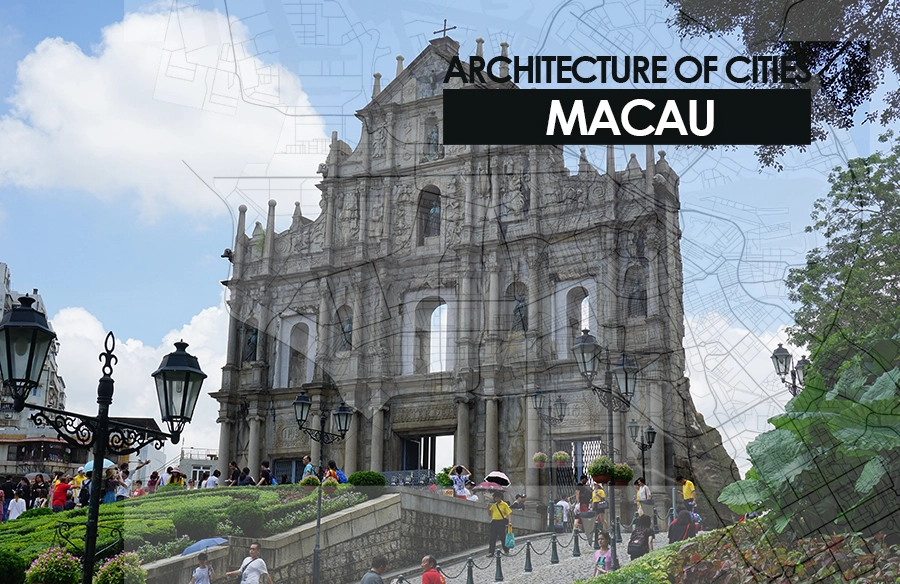
Macau is a city located on the southern coast of China on the Pearl River Delta. It functions as a Special Administrative Region of the People’s Republic of China and includes the Macau Peninsula and the two islands, Coloane and Taipa. It was used as a port even before the Portuguese settlement (16th century) due to its location, which offered shelter from harsh storms. The Portuguese population in Macau consists of Chinese, Portuguese, and a mix of the two called Macanese.
The Anomalous Architecture of Macau
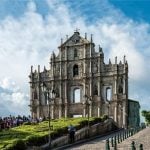
In Macau, the most prominent feature one would observe is the ancient buildings that have withstood centuries of destruction. Luckily, some of the structures have been conserved well and still serve their purpose. Both Chinese and Western architecture are visible in the vicinity, along with the architecture that is a combination of the two. A striking amalgamation of these architectural styles is visible in the ruins of the entrance wall of the Mater Dei church, known as St Paul’s. The façade is made of granite and goes high with five floors, each floor showcasing a distinct architectural element. The ground floor of the archway consists of the main entrance doorway and is adorned by ten Ionic columns, a classic feature of Greek architecture. The first floor consists of ten Corinthian columns punctuated by three arched openings and four arched niches exhibiting reliefs.
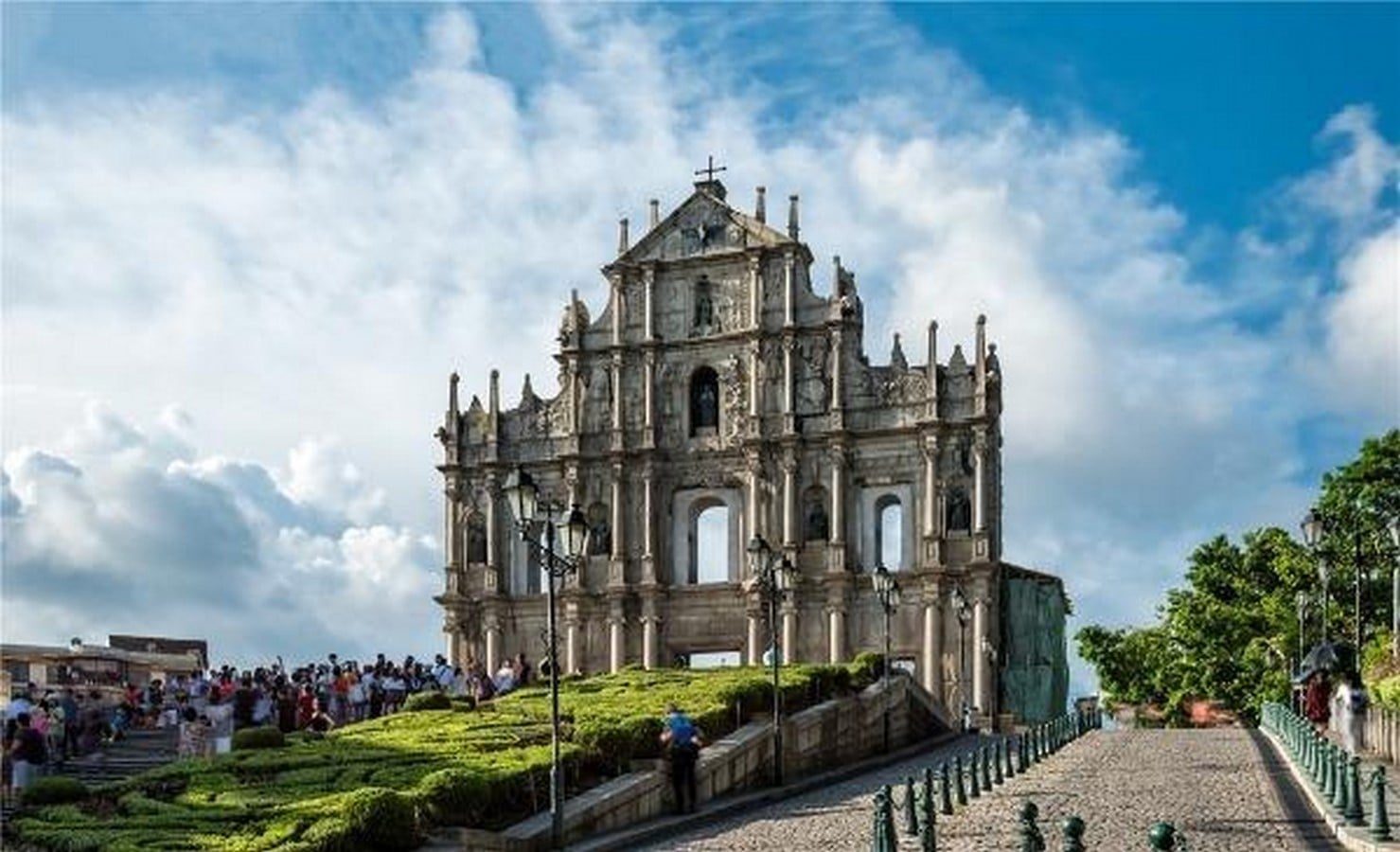
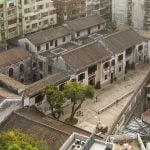
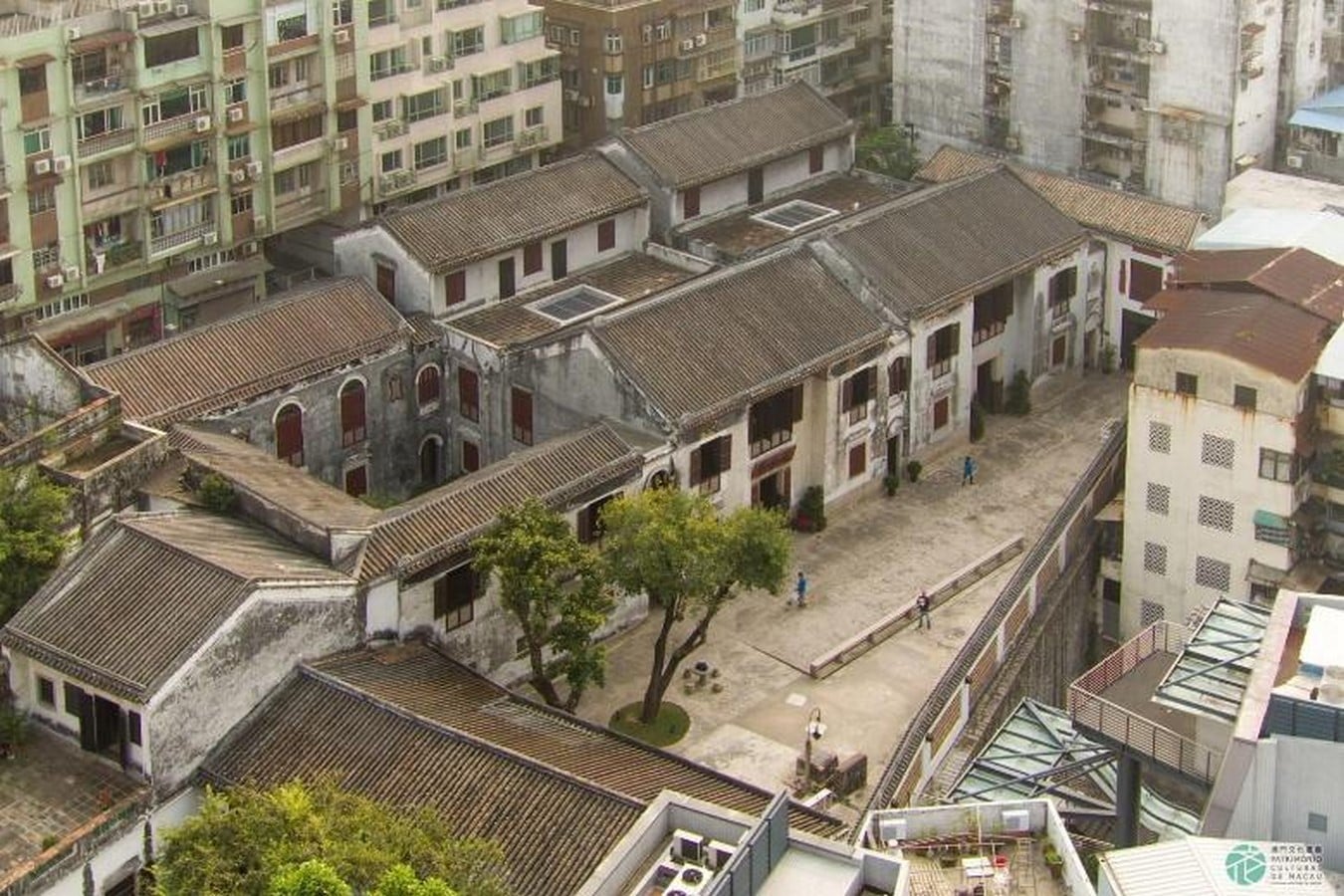
The successive levels consist of similar features and taper to end in a pediment. The façade is decorated with motifs displaying biblical images, Chinese mythological characters, and Portuguese ships. The church during its time in glory had a Latin cross-shaped floor plan with transepts on either side, and wooden columns framed the three aisles, similar to the columns prevalent in traditional Chinese temples. Another prominent building in Macau is the Chinese residence of a famous litterateur known as the Mandarin’s house, located next to one of the first Portuguese piazzas – Lilau Square. The residence portrays an authentic Chinese architectural style mixed with minute Western design elements through motifs. The location of this residence establishes Macau’s diverse architectural background.
The Heterogeneous Culture of Macau
Macau maintained and maintains a unique culture, and with the Portuguese occupation came the introduction of Christian beliefs by the missionaries. The rise of these extraneous concepts did not put an end to the Chinese indigenous beliefs; instead, both prevailed over time. Due to its location and history, Macau has a global population speaking in varied languages. Most of them communicate in Cantonese, while a few living by the sea invented a distinct maritime dialect. The natives can converse in Portuguese, which was made a mandatory subject in schools, even after the Portuguese left Macau; the language and knowledge persisted and developed. Moreover, the fusion of the two languages gave rise to a new Macanese Portuguese. Mandarin was further promoted and became one of the official languages, along with Cantonese, Portuguese, and English. Altogether, these recognitions gave rise to a harmonious environment.
The Flourish of Tourism and Gambling
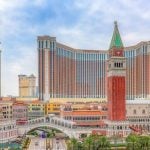
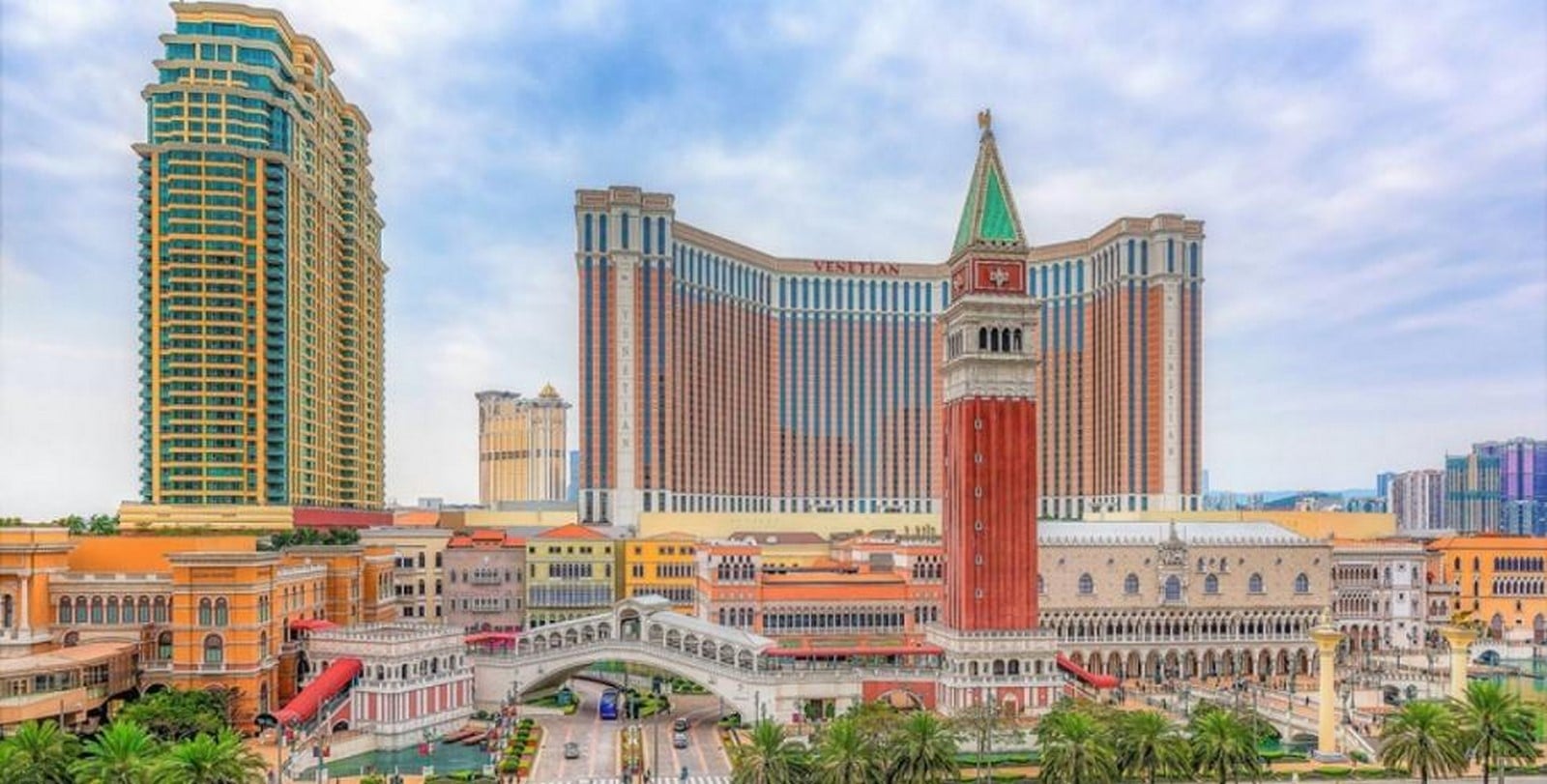
The economic development of Macao heavily depends on gambling and tourism. The exuberant culture and time-defining architecture attract travelers from around the world to experience the eastern and western architecture at play with each other, in appearance and construction. The well-preserved artifacts, like sculptures and paintings, provide visitors with a view into the past and help them understand Macau’s history. Along with its rich heritage, the gambling industry has additionally promoted tourism in the city. Most often, casinos are combined with recreation and relaxation. These casinos are designed in a Western style, incorporating Chinese symbols with gold as the dominant color to give it a luxurious appearance. A few famous Casinos include the Galaxy Macau and the Venetian Macao.
Goa and Macau
Owing to the geographic location, trade, Churches and Convents, and occupation by the Portuguese, Goa and Macau can be compared. Both Goa and Macau saw the consolidation of the missionaries and a new religion, though Goa had a stronger missionary base, which was founded about sixty years earlier. This evolved culture then progressed towards Macau because of the trade links – a trading triangle that included the import of silver from Japan, silk from China, and spices from India. The strong Catholic base in Goa propelled the spread of the mission to the east, giving way to the western architecture in the city of Macau.
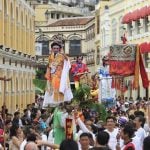
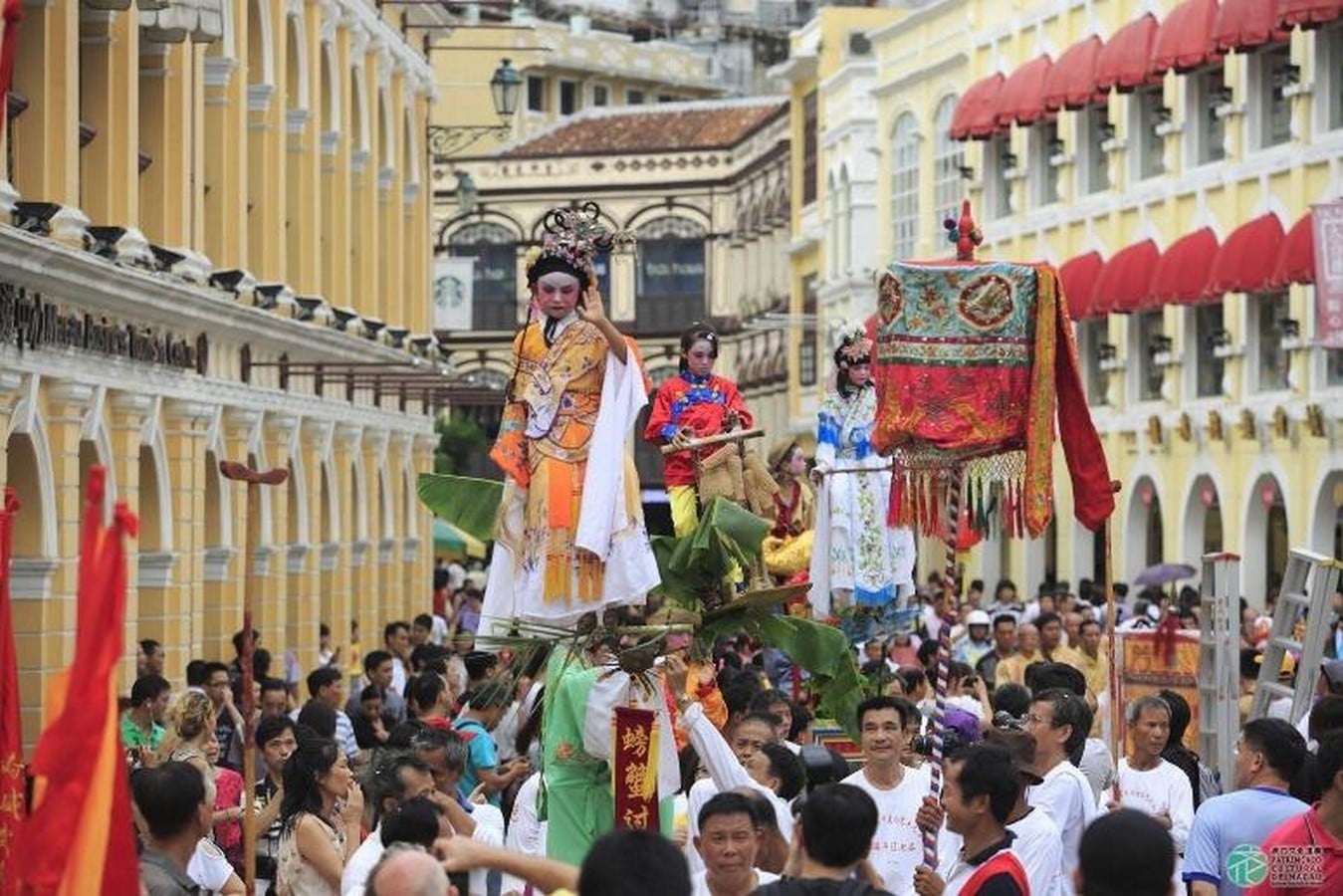
The exceptional city of Macau holds a position in the list of UNESCO World Heritage; the buildings have become immersed in the daily lives of the citizens, peace, quiet, and incense still burn in the temples, churches are not just holy institutes for worshippers but a place of gathering and entertainment, and a venue that hosts festivals and parades. With the support of the natives and government policies that preserve and maintain the ancient structures and the cosmopolitan culture, the city remains protected and continues to expand its heritage.
References:
- Studio City (2025). Macau, a one-of-a-kind tourist destination. [online]. (Last updated 2025). Available at: www.healthtipsarticles.com/superfoodsandwheretofindthem [Accessed 3 June 2026].
- Britannica (2026). Macau. [online]. (Last updated 11 May 2026). Available at: https://www.britannica.com/place/Macau-administrative-region-China [Accessed 3 June 2026].
- Oriental Architecture (2026). Asian Historical Architecture. [online]. (Last updated 2026). Available at: https://www.orientalarchitecture.com/cid/20/china/macau [Accessed 3 June 2026].
- UNESCO World Heritage Conservation (2005). Historic Centre of Macao [online]. (Last updated 15 July 2005). Available at: https://whc.unesco.org/en/list/1110/ [Accessed 3 June 2026].
- Wong Shiu Kwan (1998). Macao Architecture an Integrate of Chinese and Portuguese Influences [online]. (Last updated 1998). Available at: https://www.icm.gov.mo/rc/viewer/20036/1334 [Accessed 3 June 2026].
- Chen, Y, Ma, Y. (2023). The Inspiration of the Fusion of Chinese and Western Cultures for the Development of Macau City. Journal of Sociology and Ethnology, Volume 5 (11), pp. 162-166. Available from: https://www.clausiuspress.com/assets/default/article/2024/01/13/article_1705162289.pdf . [Accessed: 3 June 2026].