Every city in the world has its own character, uniqueness and specialities. Architecture is one of the main elements that shape it. Let’s explore this in detail with Hong Kong as an example.
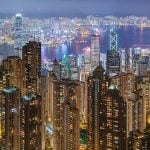
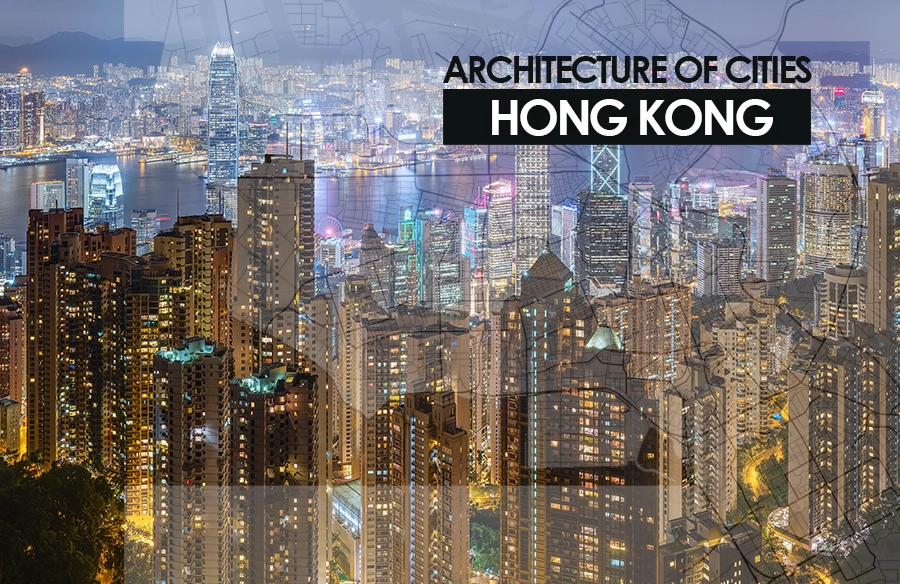
Think about Hong Kong: the first thing that comes to one’s mind is the city’s skyline, filled with tall, magnificent buildings standing close together. However, Hong Kong’s architecture is much more than just skyscrapers and modern buildings. Its buildings tell the history of how Hong Kong grew from a small trading port into one of the world’s busiest and most modern cities. What makes Hong Kong especially interesting is the way it has grown and adapted to limited land, a large population, and a unique landscape.
Geography and Its Influence on Design
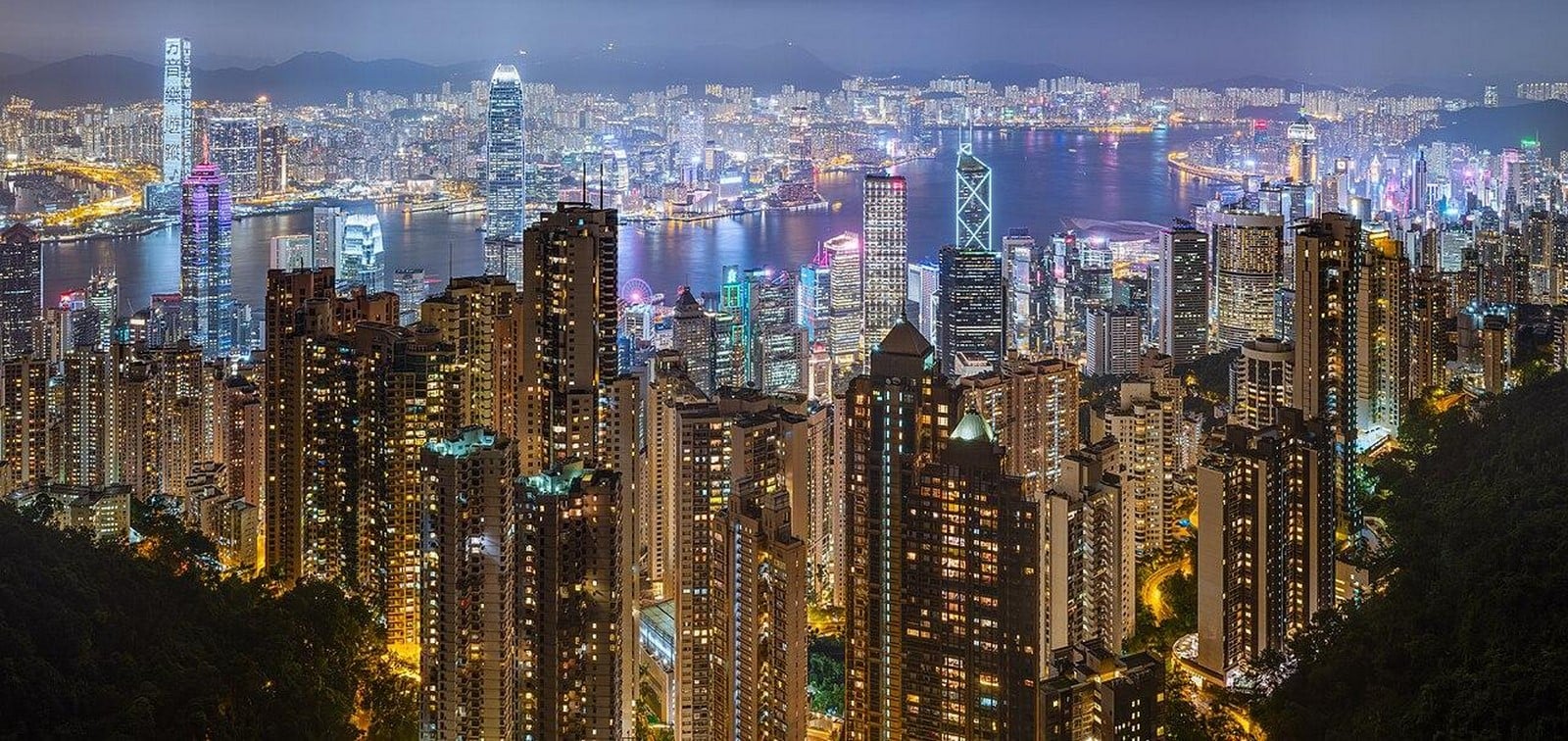
Unlike many cities with plenty of flat land to spread out into, Hong Kong has always had to cope with geographical limitations. The region is mostly mountainous and the urban area is mostly surrounded by sea. Apart from these, the population here is one of the highest in the world. Because of these constraints, architects and planners could not design this city as any other. Instead of planning horizontally on the ground, they had to look upwards and develop towards the sky.
In a few areas, the land has been reclaimed and is being developed to support the need. This challenge can be seen around Victoria Harbour, where reclaimed land has been used to create new spaces for development. Most spaces near this area were under the sea – it’s waterfront walkways and also the harbour.
A City That Grew Vertically
One of the most striking aspects of Hong Kong is its vertical growth. In many cities, tall buildings are concentrated only in business districts and capitals, but this is not the case in Hong Kong, making it one of the most vertically developed cities in the world. Here, high-rise buildings are found almost everywhere – in residential, commercial and mixed-use areas. Most buildings, such as the Bank of China Tower, the Central Plaza, and the summit, are multi-storeyed and serve a large number of people due to the limited availability of land. Due to their unique geometric features, these buildings stand out as landmarks.
Living in High Density
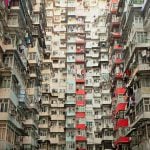
Hong Kong is often described as one of the most densely populated places in the world. The limited availability of land and its growing population have resulted in a dense, high-rise architectural solution. This may sound uncomfortable, and people can imagine a congested, crowded place, but that is not the case in Hong Kong. The city has developed ways, laws and rules to make the high-density living feasible and comfortable.
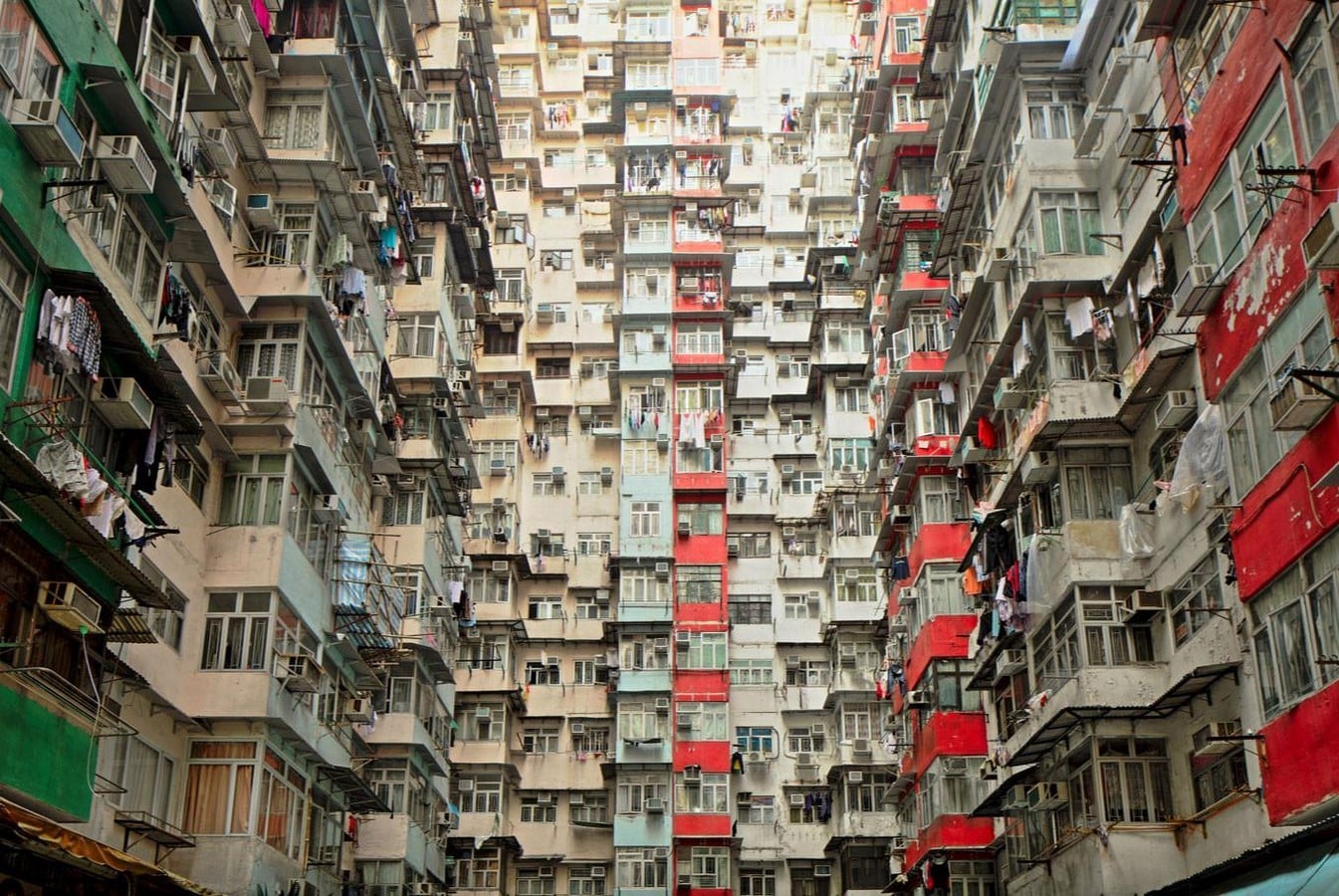
The residential towers here show how planning can support large populations while still providing access to everyday needs. Rather than being a simple group of apartment towers, the buildings here function as complete communities. They include parks, schools, shops, and community facilities within walking distance. Open, green spaces integrated into the buildings make it more open and comfortable.
Tradition Among Modern Towers
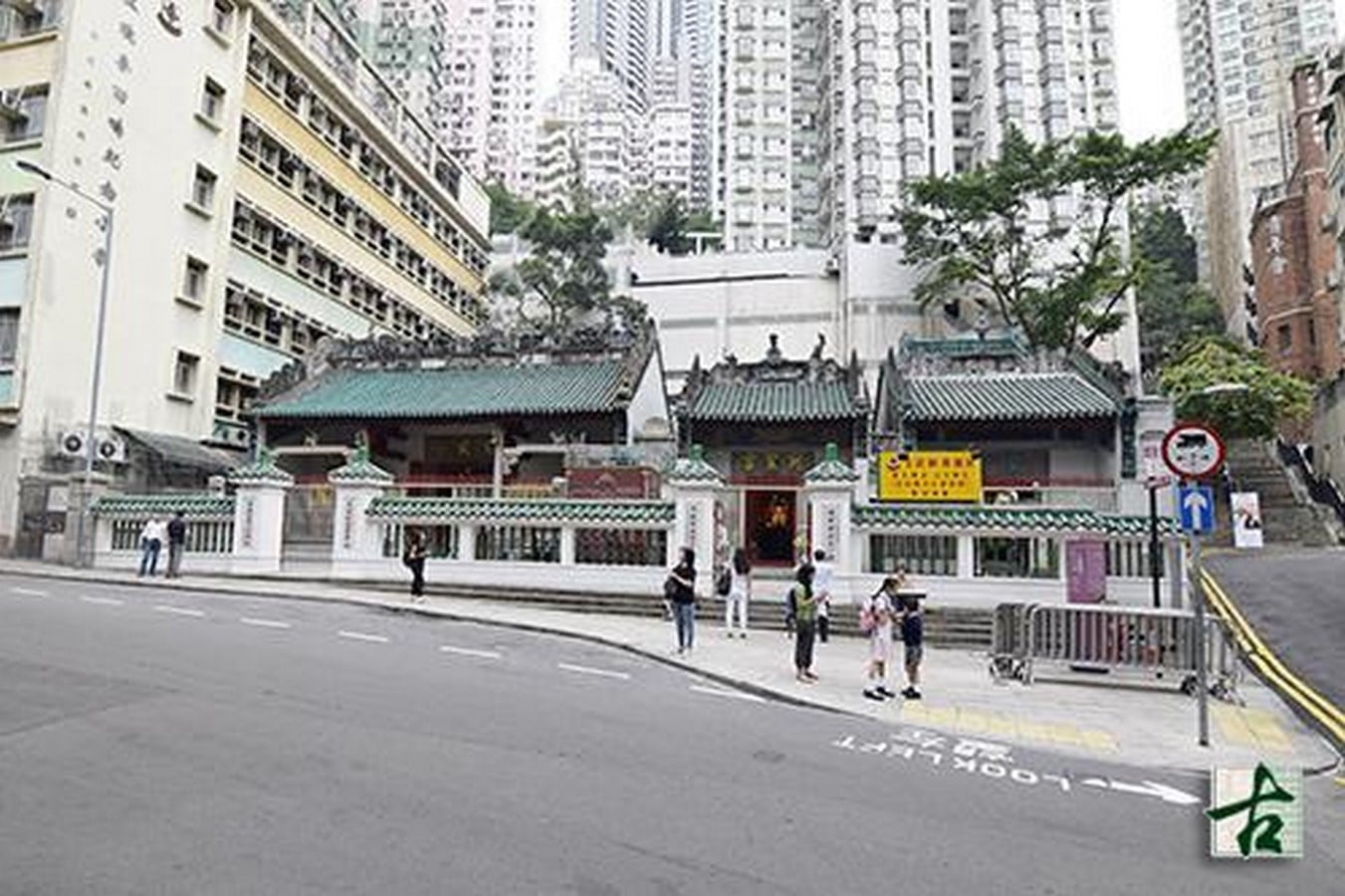
Hong Kong hasn’t completely left its past behind despite the modern architectural style and contemporary buildings. The city is still packed with traditional temples, historic streets and colonial era buildings. These structures are a memento of the past and a moment of contrast in the urban landscape.
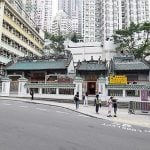
A good example is the Man Mo Temple. Even though it’s surrounded by modern towers now, the temple still has traditional Chinese architecture and cultural practices. This blend of old and new is part of what makes Hong Kong unique.
Public Spaces and Urban Life
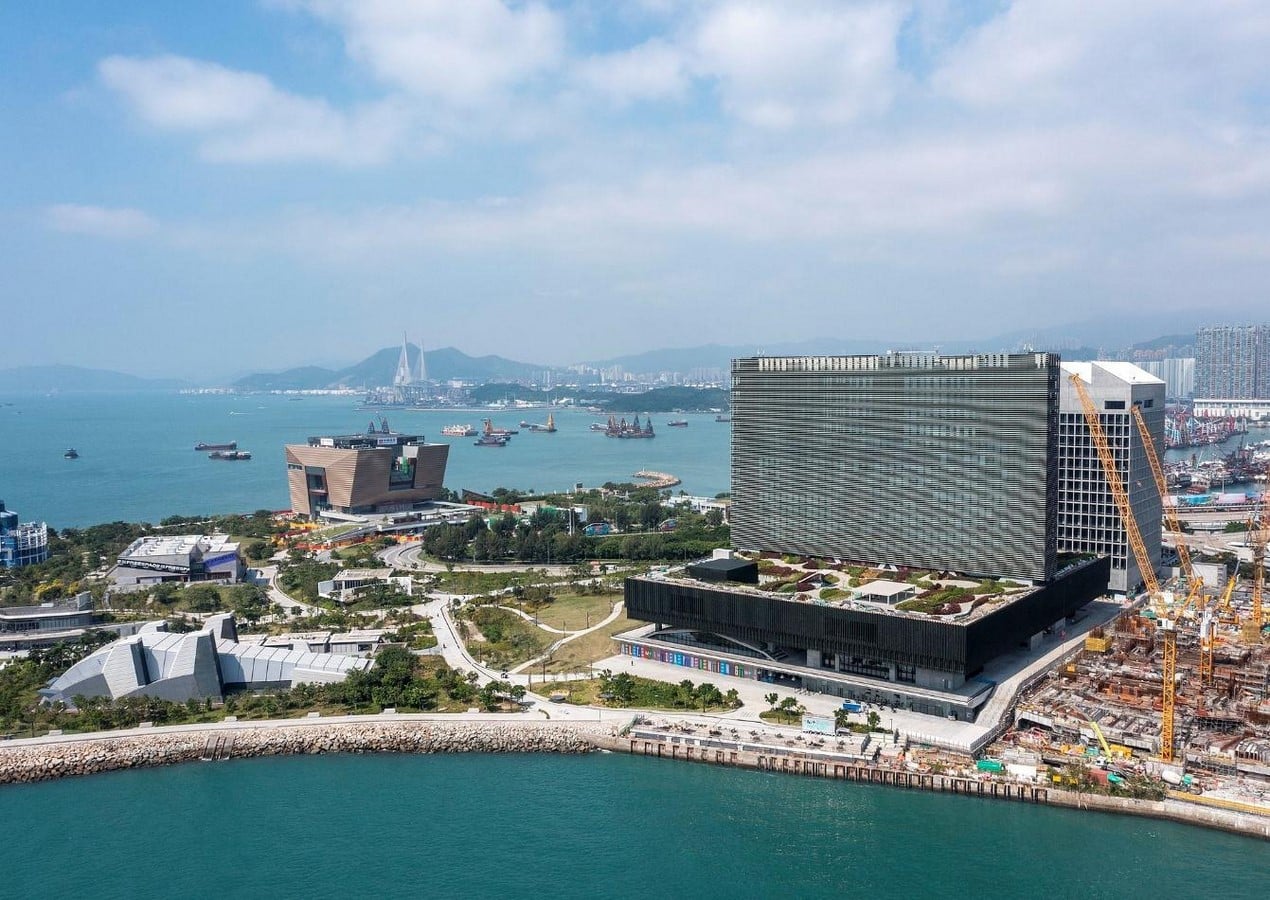
With the city’s limited land, public space becomes more important for social life. Parks, waterfront promenades and plazas are places where people can relax and escape the intensity of the surrounding urban environment.
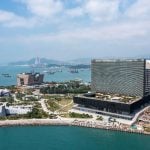
The West Kowloon Cultural District has become one of the city’s key public spaces. It mixes cultural institutions with green open spaces and harbor views, giving residents a different experience than the dense commercial districts around it.
The Future
Sustainability has become a key issue in Hong Kong as people become more aware of the environment. Today, like any other city, Hong Kong is also looking to sustainability. Buildings are being designed with an increased focus on energy efficiency, green space and environmental performance. Projects like the Zero Carbon Building show how future developments can be built to be less damaging to the environment while still serving a growing city.
The tall buildings and modern architecture are not only interesting and special, but also the way the city responded to challenges and turned limitations into opportunities. It is shaped by the historic temples, the housing and the reclaimed waterfronts. Its built environment is a reflection of context, need, creativity and ability to adapt, making it one of the most remarkable urban landscapes in the world. And in this way, with these unique features, Hong Kong shows us how architecture can shape the identity of a city.