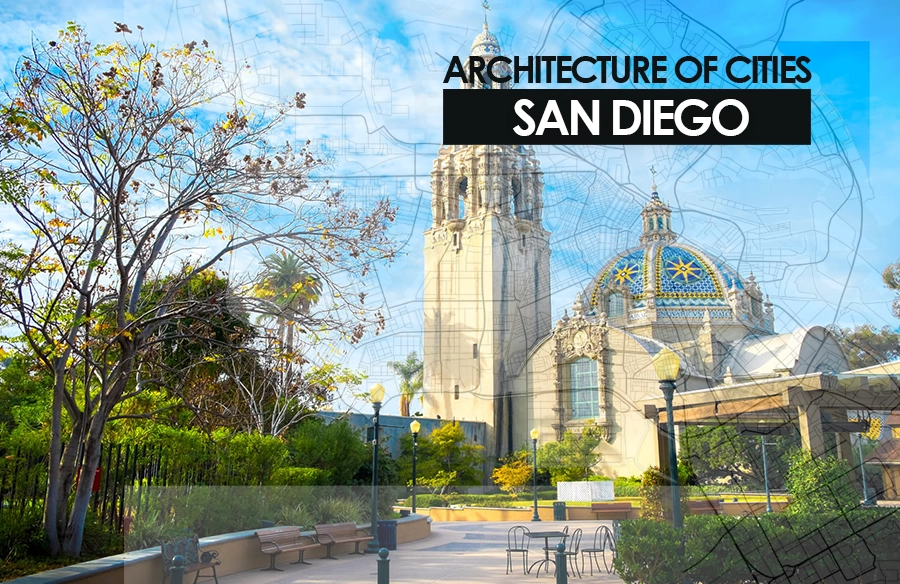
Walking through the city of San Diego, I noticed that the city refuses to be defined by one architectural language. Spanish colonial facades stand beside modern research laboratories, military infrastructure exists near luxury coastal homes, and vibrant Mexican-American neighbourhoods polish the tourist imagery. The architecture of San Diego is not simply about buildings; it reflects the city’s cultural identity, political history, social diversity, and constant negotiation between heritage and modernization.
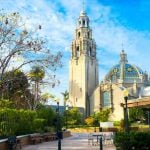
One of the first places that shaped my understanding of San Diego’s architecture was Balboa Park. Its ornate facades, arches, domes, courtyards, and decorative towers communicate a strong sense of Spanish colonial identity. Designed largely for the 1915 Panama–California Exposition, the park was intended to create an image of California connected to Spanish heritage. Walking through the complex, I realized that architecture here is also a political narrative. The style was not chosen randomly but was deliberately promoted to attract regional identity and attract tourism and investment.
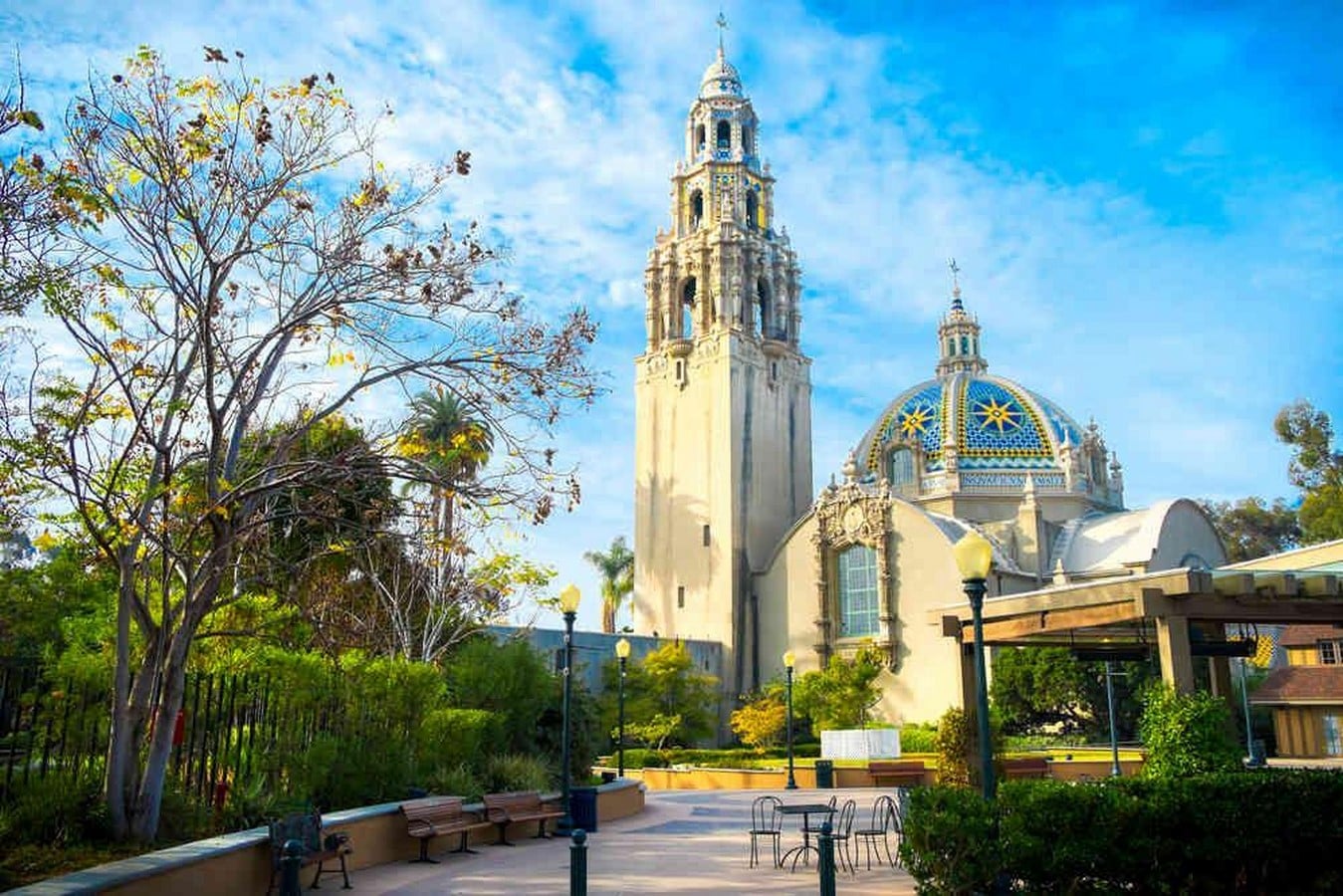
Buildings such as the California Building and the Museum of Us demonstrate how architecture in San Diego preserves cultural storytelling. The heavy stucco walls, red clay roof tiles, and ornamental detailing respond not only to aesthetics but also make it suitable for the local climate. Courtyards, shaded pathways, and thick walls work well with South California’s warm environment. This relationship between architecture and climate remains visible throughout the city making it unique on its own.
However, San Diego’s architectural identity extends far beyond colonial imagery. The city’s location beside the United States-Mexico border creates a distinct city condition. Walking through Barrio Logan, I experienced a completely different architectural atmosphere from the carefully curated tourist zones. Murals, modest residential buildings, industrial landscapes, and freeway structures overlap to create a layered urban environment shaped by migration, labour, and political struggle.

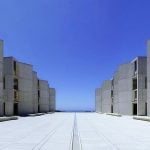
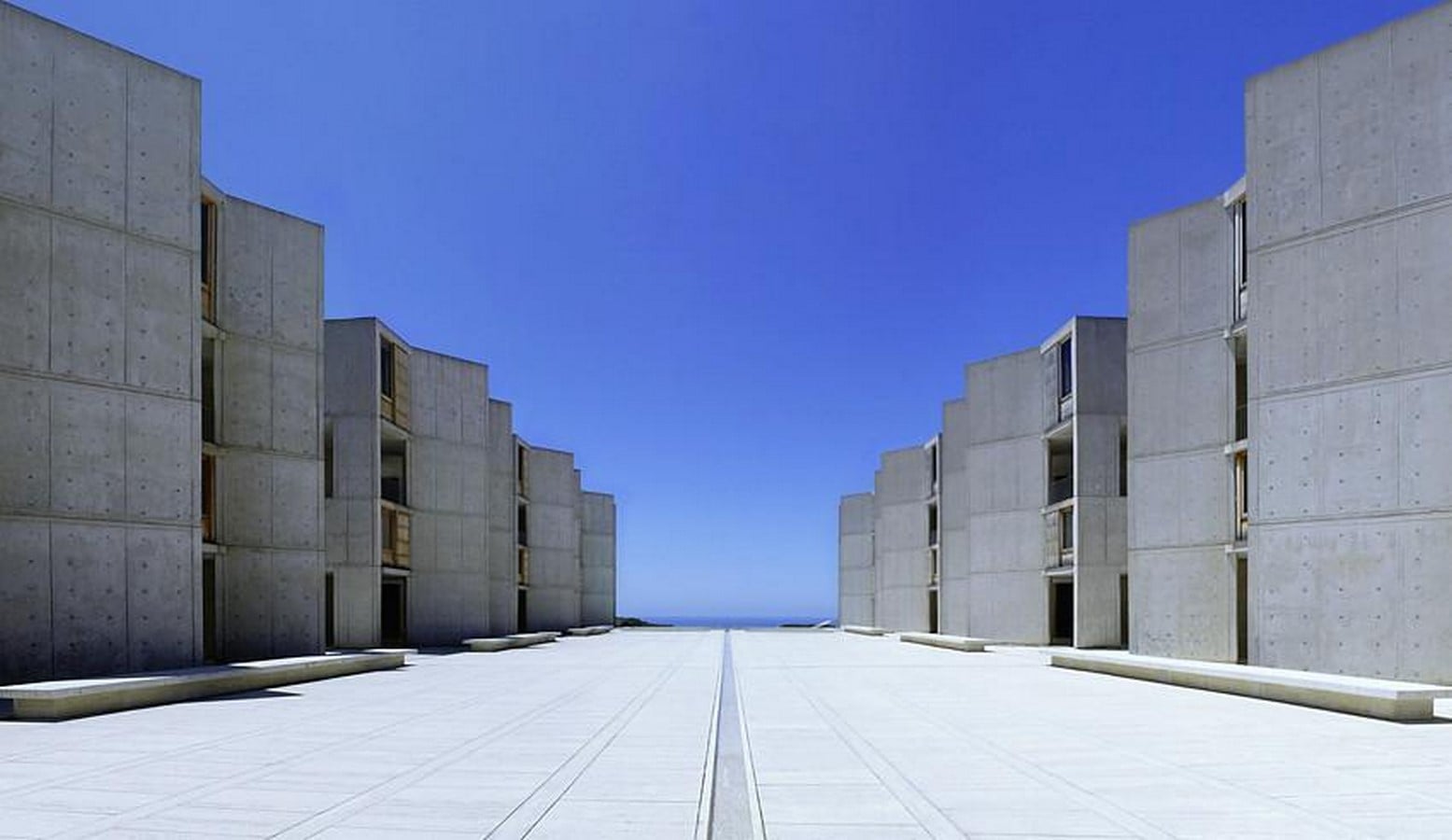
Social and demographic dynamics also strongly influence San Diego’s architecture. The city contains wealthy coastal districts, dense urban neighbourhoods, immigrant communities, student populations, and military families, each producing different architectural realities. In affluent areas such as La Jolla, architecture often reflects environmental privilege. Luxury residences prioritize ocean views, privacy, minimalist aesthetics, and expensive materials. Glass walls, cantilevered terraces, and open-plan interiors dominate contemporary designs. A striking example of San Diego’s modern architectural ambition is the Salk Institute for Biological Studies, designed by architect Louis Kahn. Visiting the site through photographs and architectural studies, I was fascinated by its monumental simplicity. The exposed concrete laboratories frame a central courtyard that directs the eye toward the Pacific Ocean. The narrow water channel running through the plaza creates a powerful dialogue between geometry, landscape, and silence. The building demonstrates how modernism can remain deeply connected to a place rather than appearing detached from its surroundings.
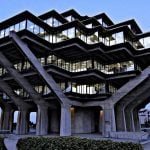
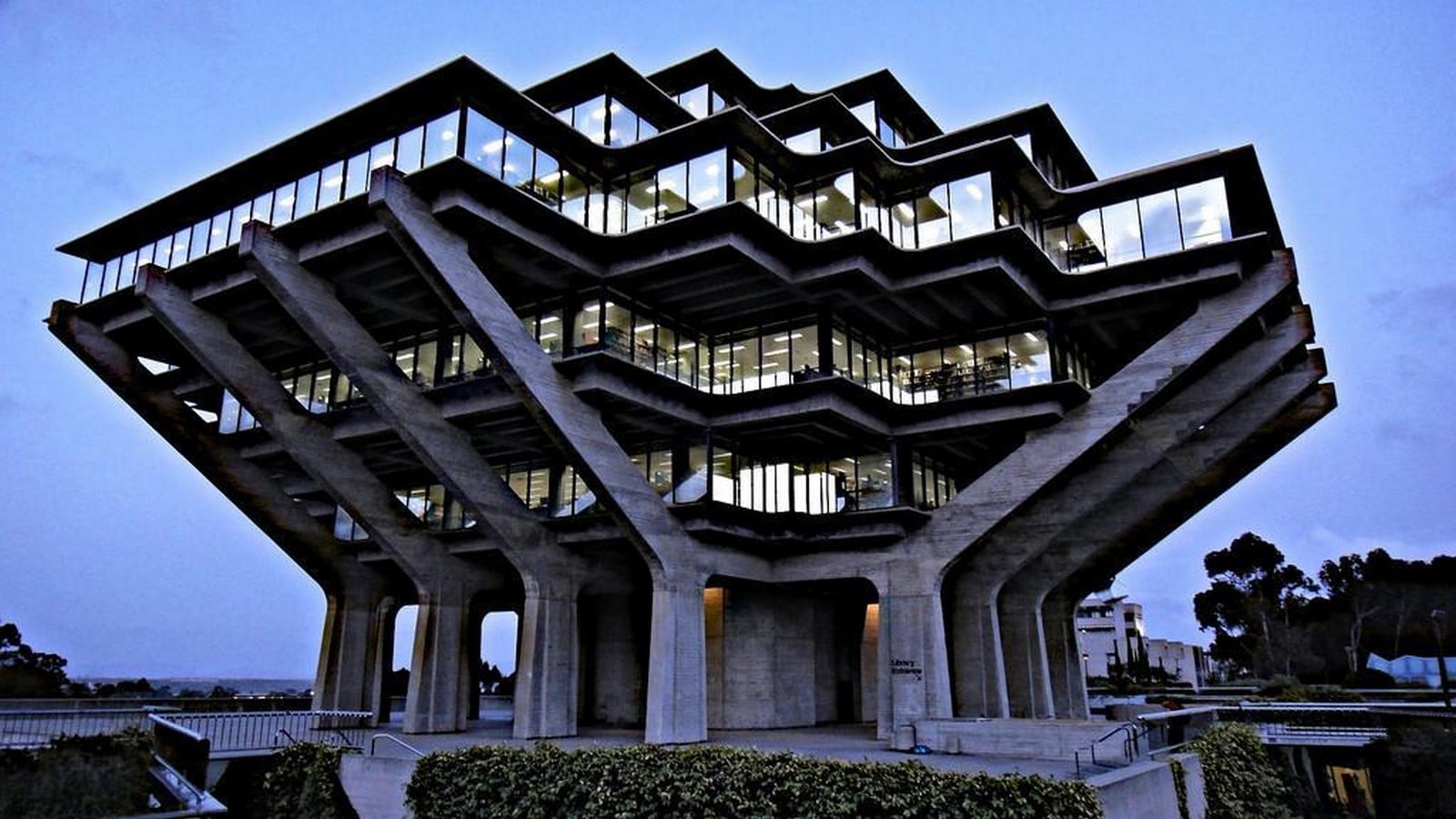
Moving further, San Diego’s educational architecture further reveals the city’s experimentation with form and identity. The Geisel Library at the University of California, San Diego, designed by William Pereira, stands dramatically apart from traditional architectural expectations. Its futuristic concrete structure resembles a spacecraft or sculptural machine. Walking mentally through images of the building, I found it symbolic of San Diego’s technological and intellectual aspirations. Unlike Balboa Park’s historical nostalgia, Geisel Library represents a forward-looking vision linked to innovation, research, and higher education.
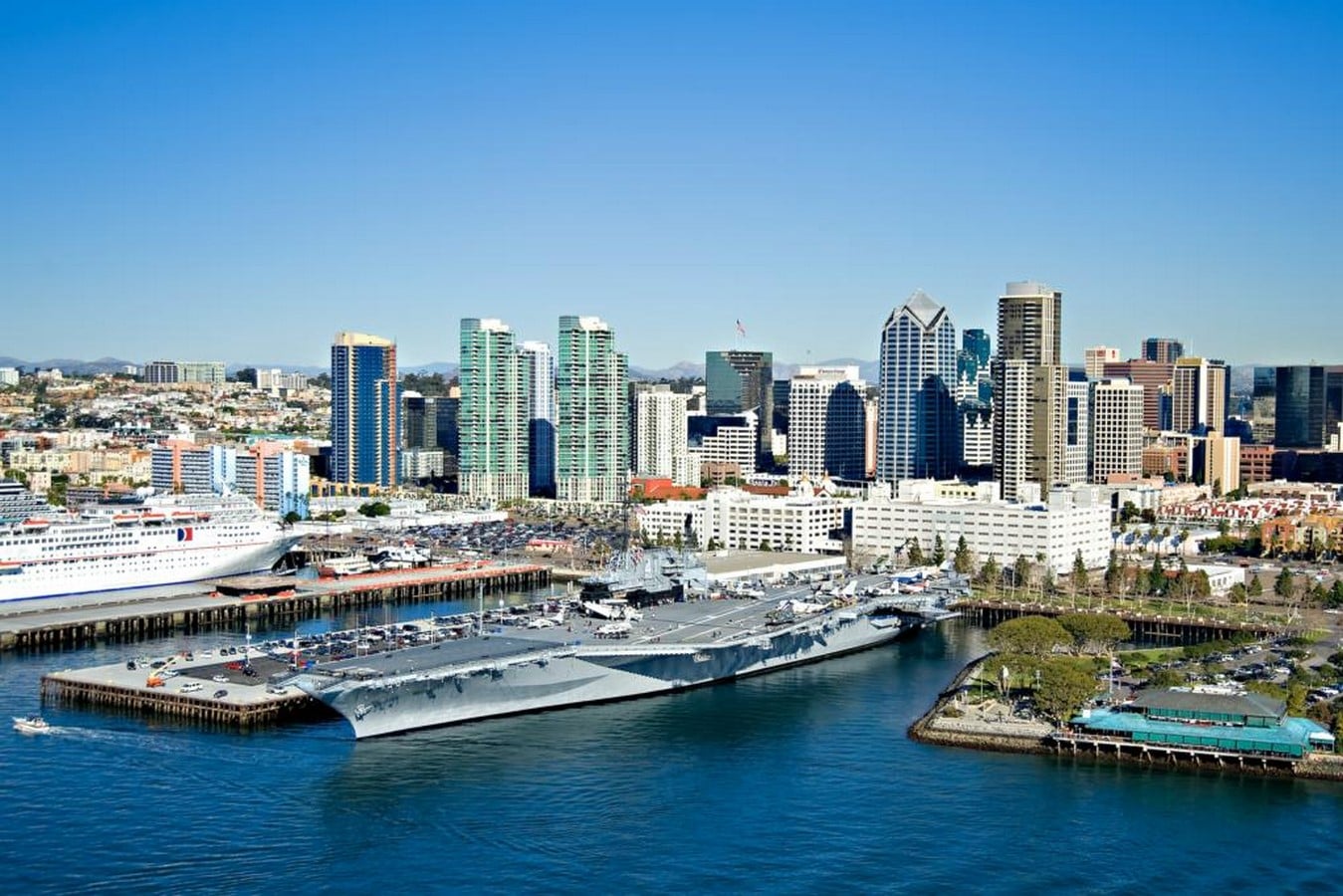
Modernization continues to reshape San Diego’s urban architecture, particularly in the downtown core. Glass towers, mixed-use developments, and commercial high-rises increasingly define the skyline. Yet compared with cities like New York or Hong Kong, San Diego’s skyline remains relatively controlled. Military flight regulations and planning restrictions influence building heights and urban density (City of San Diego, 2025). This creates a unique balance between modernization and environmental openness.
Walking through the Gaslamp Quarter, I noticed another dimension of San Diego’s architectural evolution. Victorian commercial buildings coexist with restaurants, hotels, nightlife venues, and contemporary redevelopment. Rather than demolishing historic structures entirely, the district demonstrates adaptive reuse — a process where heritage buildings are reinterpreted for contemporary urban life. This approach reflects growing awareness that modernization does not necessarily require erasing architectural memory.
Politics deeply shapes San Diego’s architecture as well. Housing affordability debates, zoning regulations, border policies, environmental planning, and military land allocation all influence what gets built and who benefits from development. Rising housing costs have intensified discussions around density, homelessness, and urban equity. Architecture becomes more than design; it becomes a visible expression of social priorities and political choices.
The city’s climate also plays an important role in shaping architectural decisions. Unlike colder cities where buildings often isolate occupants from the outdoors, San Diego architecture frequently embraces openness. Indoor and outdoor spaces blend seamlessly through terraces, courtyards, shaded walkways, operable glass systems, and landscaped transitions. Even historic examples such as the Hotel del Coronado demonstrate this climate-responsive approach through verandas, open circulation spaces, and coastal orientation.
Ultimately, what fascinates me about San Diego is its refusal to remain static. Walking through the city — from Balboa Park’s colonial revival imagery to Chicano Park’s political murals, from the monumental modernism of the Salk Institute to the futuristic Geisel Library — I understood that architecture here reflects ongoing negotiation. Cultural heritage meets scientific innovation; demographic diversity intersects with economic inequality; modernization interacts with memory and climate.
San Diego’s architecture tells the story of a city continuously redefining itself. Its buildings and public spaces reveal that architecture is not merely about construction or visual beauty. It is about identity, power, belonging, and adaptation. Through its varied architectural landscape, San Diego demonstrates how cities become living records of cultural, social, and political transformation.
REFERENCES:
- Visit California (2026) Balboa Park: History and Architecture. Available at: https://www.visitcalifornia.com (Accessed: 30 May 2026).
- University of California San Diego (2026) Geisel Library History and Architecture. Available at: https://library.ucsd.edu (Accessed: 30 May 2026).
- The Salk Institute (2026) Architecture of the Salk Institute. Available at: https://www.salk.edu (Accessed: 30 May 2026).
- City of San Diego (2025) Planning Department: Urban Design and Development. Available at: https://www.sandiego.gov/planning (Accessed: 30 May 2026).
- Gebhard, D. and Winter, R. (2007) Architecture in San Diego: From Missions to Modernism. Salt Lake City: Gibbs Smith.