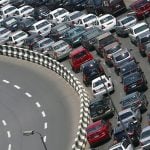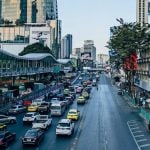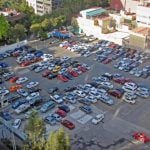
Among the most pervasive and underappreciated aspects of the modern urban landscape is the presence of parking lots. Created through planning practices established during the twentieth century, which focused primarily on automotive transportation, the large tracts of pavement have had a tremendous impact on land use, urban form, the environment, and social life. Although cars have increased mobility and contributed to development, the preponderance of automotive infrastructure, such as parking lots, has come at the cost of using much of our precious urban land for purposes of storing vehicles and not for living. This paper discusses ways in which cars and car-based planning have diminished urban life, particularly through fostering sprawl, harming the urban environment, undermining public spaces, and reducing social interaction. Based on urban planning and environmental principles as well as real-life examples, the author explains why parking lots symbolises the failure of the imagination and demonstrates the prioritisation of planning for automobiles instead of planning for people. Finally, the article considers various alternatives for the future uses of parking lot sites, including residential and commercial development, public places, environmental improvements, food production, and transit-oriented development.
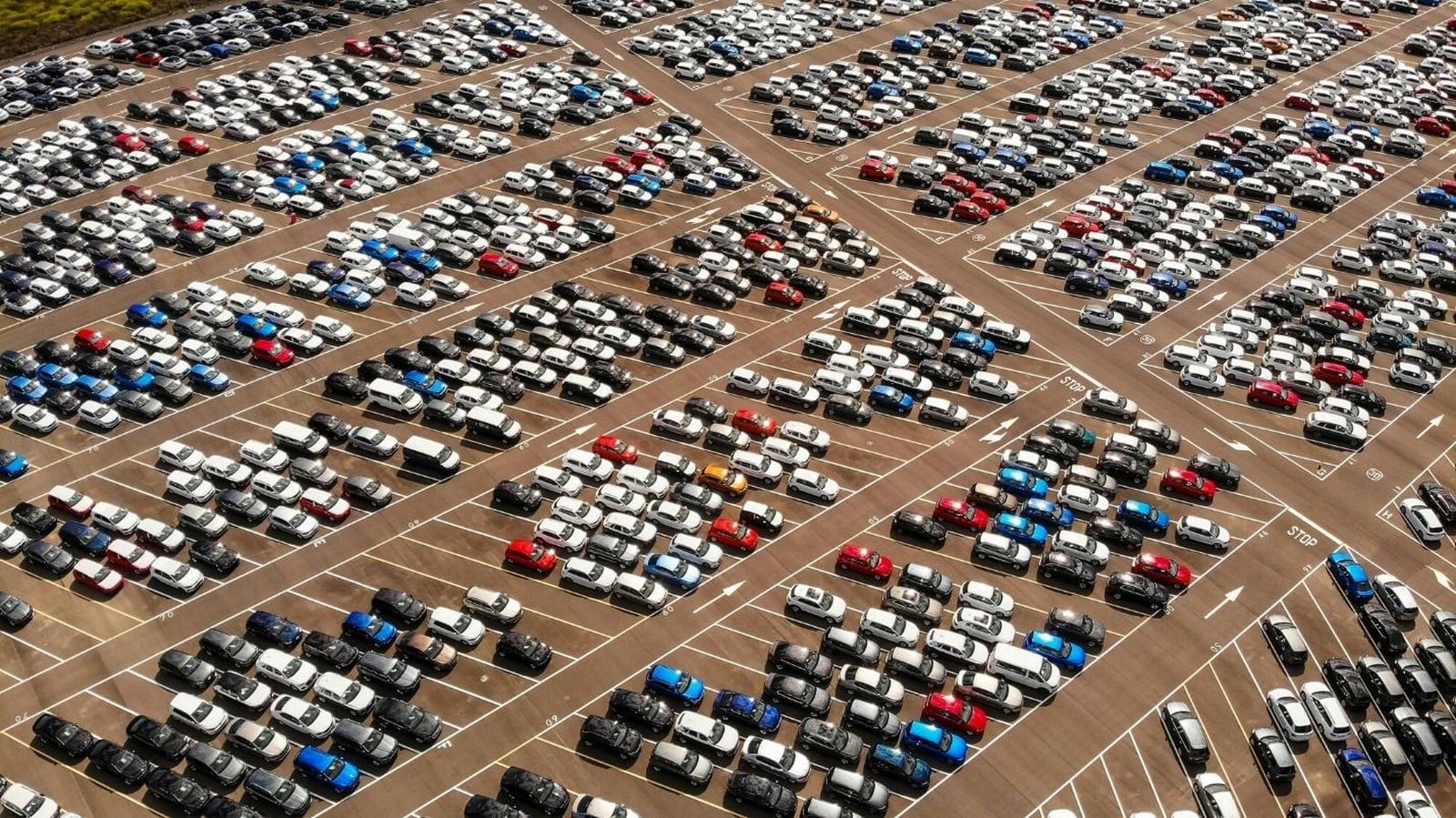
The city in its current form owes much of its existence to the advent of the automobile. The emphasis placed on the automobile as the primary means of transport began from the beginning of the twentieth century through urban planning and urban development policies. Road networks have been modified and extended to meet an increasing number of cars on the road. One of the most important but unnoticed changes that has taken place due to this phenomenon is the construction of parking lots. (Yakubu, 2024)
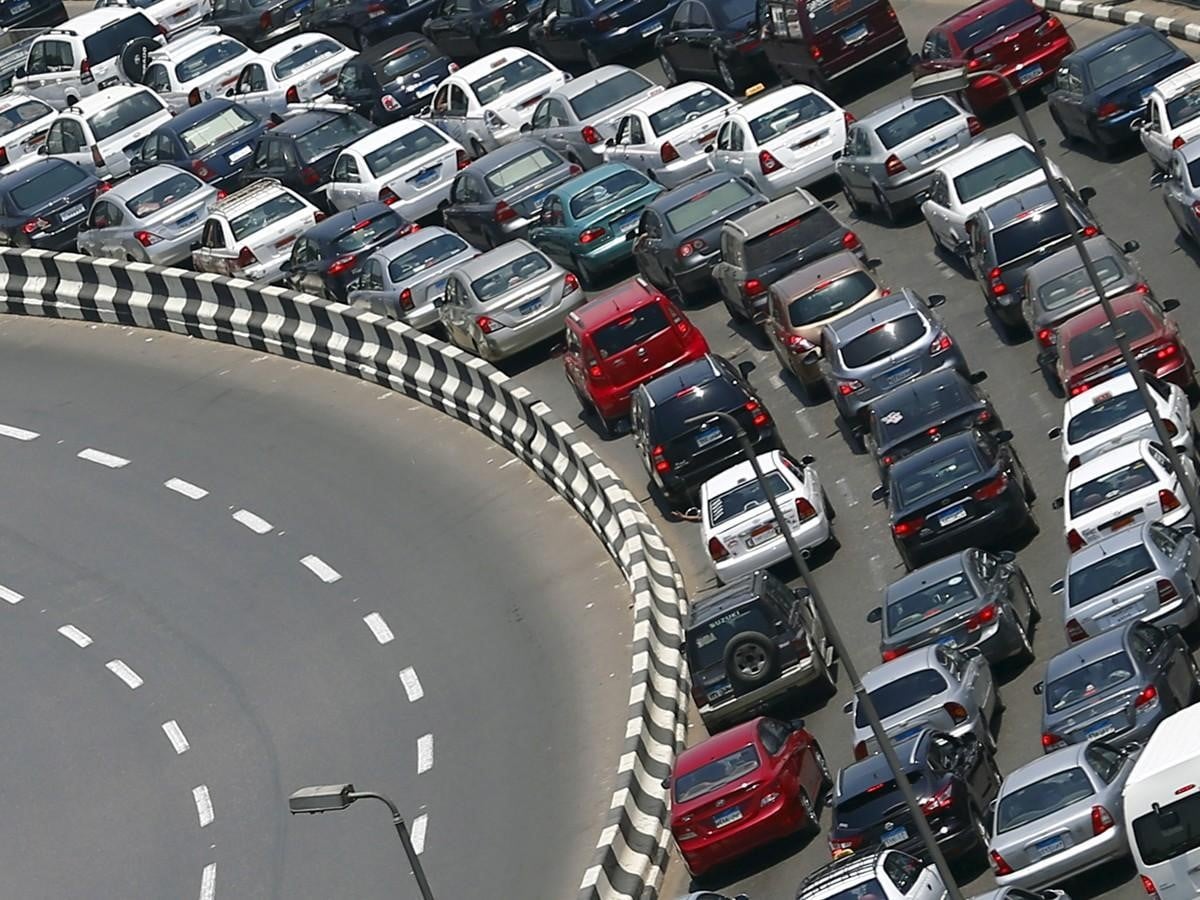
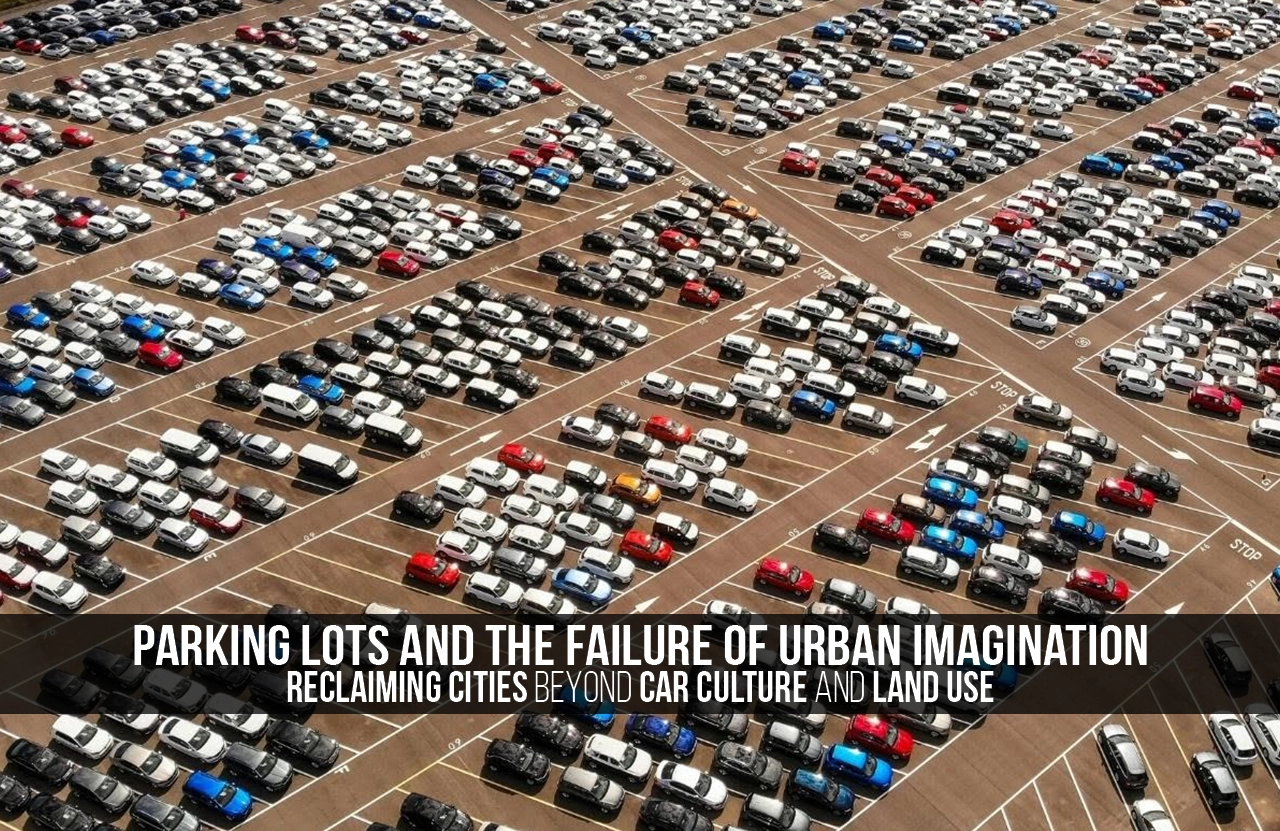
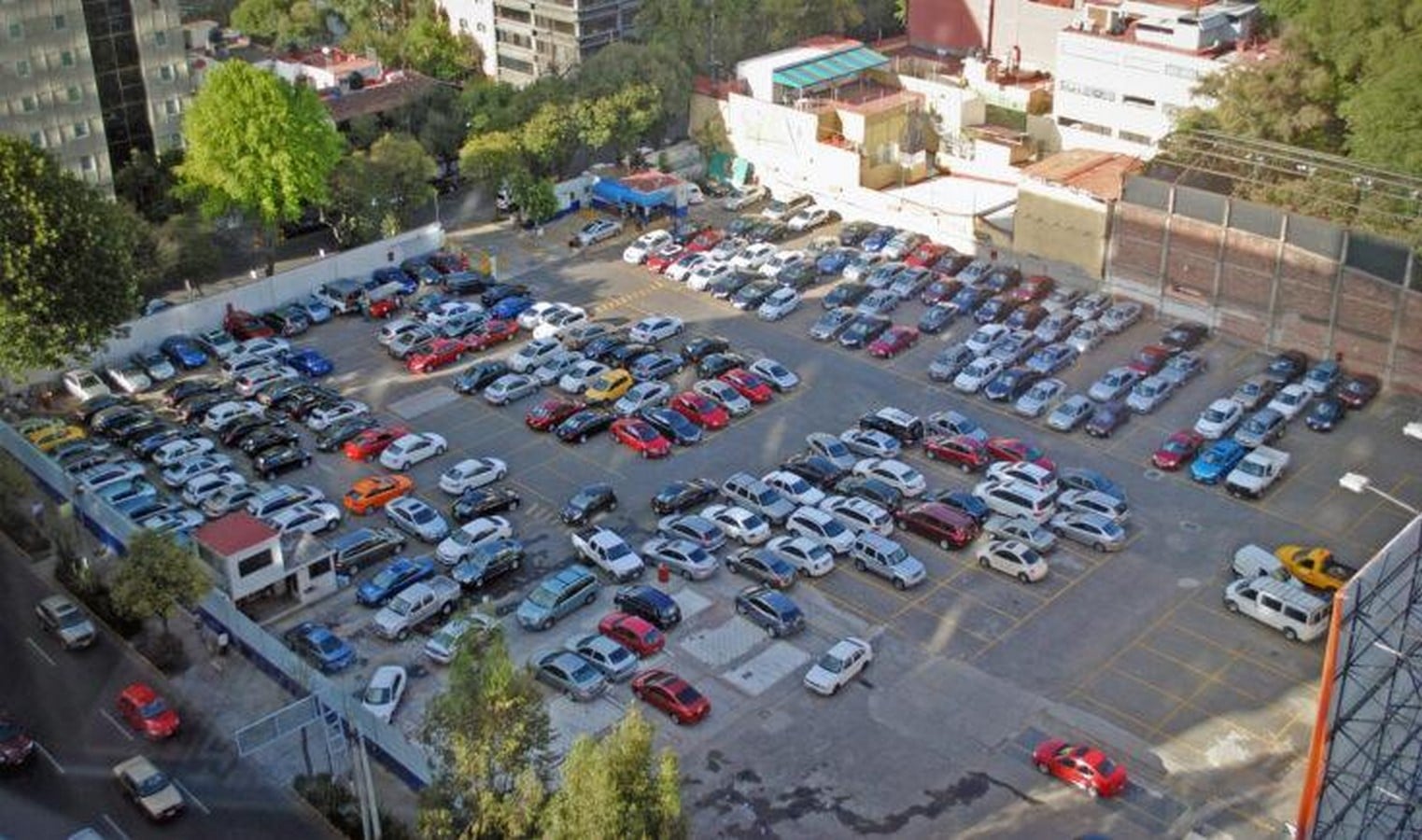
Parking lots consume vast areas of urban land around the world. They have usually been perceived as necessary inconveniences instead of being essential aspects of urban design. But the very fact that such vast swathes of urban land are dedicated to parking of vehicles that stand motionless for the majority of the time indicates several things about the city and its functioning. Housing, space, environmental pollution, and loss of social interaction have always been major problems in many cities (Shoup, 2005).
The ubiquity of parking infrastructure is symptomatic of a failure of urban imagination in which urban space has been conceptualized not as a place where people interact, culture thrives, and nature exists but rather as a means for making automobiles move around easily. These urban spaces are riddled with fractured neighborhoods, lifeless public squares, and vast expanses of blacktop with little to do to enrich urban life.
This essay investigates the linkages between the culture of the car and urban land use in relation to parking infrastructure. It begins by exploring the rise of automobile-focused urban planning and then delves into the effects of providing too much parking on society, the environment, and the economy. The essay concludes by considering possibilities for the future of these vacant expanses of urban land.
The Rise of Car Culture and the Transformation of Urban Land Use
The advent of an automobile culture affected cities in ways far beyond any other technological breakthrough of the twentieth century. In the absence of cars, urban layout was organized mainly around walking, cycling, and public transport networks. The city centers tended to be relatively compact and walkable in their design. Housing estates, places of work, markets, schools, and civic structures were situated not very far from each other (Jacobs, 1961).
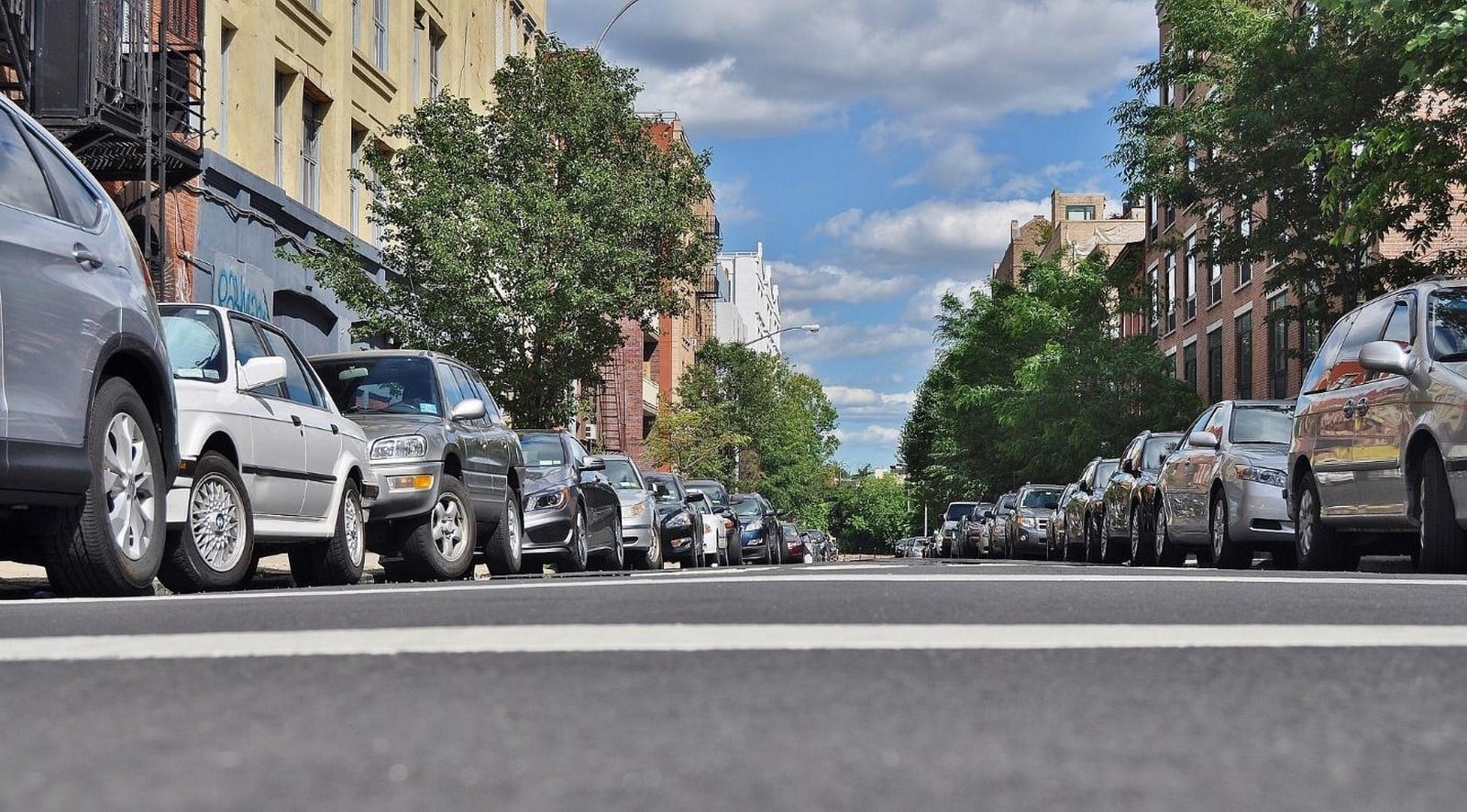
The availability of affordable cars changed the way the distance affected the convenience of moving around. With the help of inexpensive means of transportation, people started traveling much longer distances which stimulated urban sprawl and rethinking of city planning. Planning strategies adopted in the US and many other nations after World War II focused on encouraging car use by developing highways and suburban housing, and zoning land uses apart (Jackson, 1985).
In addition, the rise of suburbs was associated with the assumption that people used cars to travel to and from workplaces. Shopping complexes were built with huge parking lots surrounding them, while office buildings provided ample parking spaces. Local authorities established minimum requirements for the amount of parking space to be provided by builders of commercial structures (Shoup, 2005).
The impact on the structure of urban areas was considerable. Good quality land that otherwise would have been occupied by residential properties, businesses, facilities, parks, etc., were put aside in the development of car parks. In some cities, there are now car parks that define the landscape of the business area and downtown city core. This has resulted in the evolution of cities into places where cars rule, not people.
As Lewis Mumford (1961) observed, this has meant that cities now serve cars rather than cars serving cities. Such an observation is still true today, especially when taking into consideration the amount of land set aside for parking.
Parking Lots as Urban Land Use
Parking lots stand out in the context of cities because of the type of usage they serve: land uses associated with inactivity. Compared to parks, streets, plazas, residential and commercial developments, parking lots are meant only to contain vehicles. Even though they require large expanses of land, very little economic and social activity goes on in these spaces.
Studies reveal that there are many more parking spaces than vehicles for most of the cities in North America, a situation that is attributed to decades of parking lot development policies (Chester et al., 2015). There is a tendency towards having huge expanses of parking spaces that go underutilized for long periods of time in a typical city.
In terms of physicality, these land uses are also problematic due to the expansive areas of asphalt used. They create an environment that is boring, non-pedestrian-friendly, and not supportive of any kind of activity on the streets. Parking lots hinder connectivity by creating gaps between buildings and other land uses.
Opportunity cost plays a central role here. Land allocated for car storage is lost to other uses. It is especially significant when cities face shortages of housing, economic disparity, and environmental concerns. The use of prime land for car parking raises serious questions about planning and values in society.
Planning theorists now see parking facilities as not just functional transport infrastructure but also as indicators of an ideology that influences transport and planning decisions (Vale & Shoup, 2021). Thus, parking lots are not just places; they are also cultural symbols of the underlying planning philosophy.
The Social Consequences of Car-Dominated Urbanism
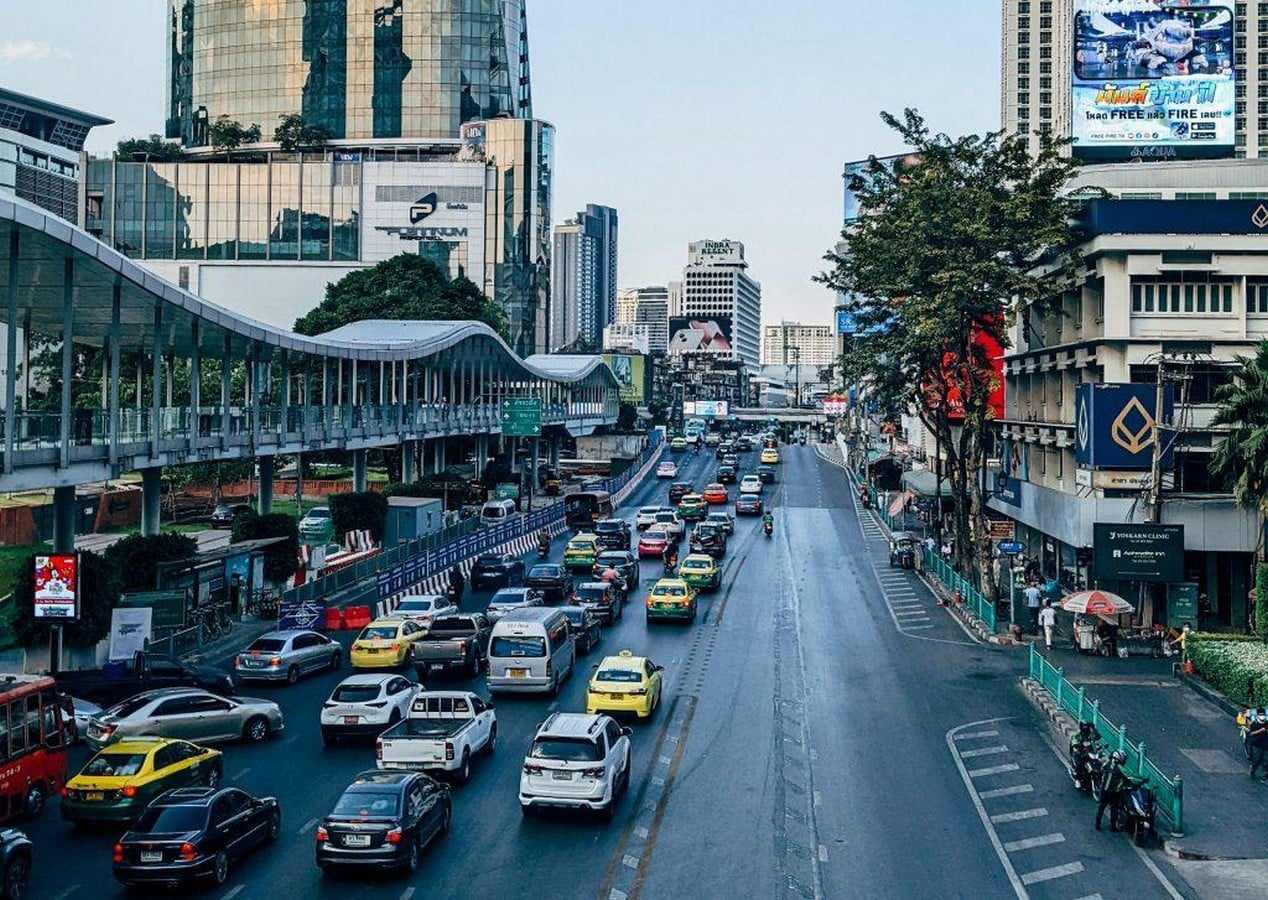
Another major effect resulting from the car-oriented planning of land usage is the changing character of the social life in cities. Cities flourish because they provide space for human interactions, diversity, and involvement in city affairs. However, large parking areas can destroy all these elements.
Jacobs claims that vital cities have lively streets and pedestrian activities (1961). The sidewalks, public areas, and mixed uses ensure that people meet each other, thus increasing social bonds. Parking areas hinder the development of these contacts since they create distances among places and diminish the intensity of human actions in an urban environment.
With the spread of parking lots, walking is discouraged. People need to go across the vast asphalt areas, cross busy streets and travel in unfavorable conditions. These activities do not encourage pedestrians. Instead, they increase the dependence on motorized transport and diminish spontaneous social meetings.
Car-oriented urban planning has negative social effects beyond pedestrian life. One of them is the destruction of communities due to urban separation created by streets, parking lots, and automobile infrastructures. Social life moves out of urban public spaces into automobiles and isolated places.
Jan Gehl (2011) stresses that good city design is always on a human scale, placing more attention on pedestrians than on cars. Car-oriented spaces are often created in order to produce the contrary effect, resulting in the creation of inconvenient, unattractive, and socially sterile public areas.
It can even worsen social inequality in the area because people who cannot afford their own vehicles will be deprived of mobility options and access to employment and educational opportunities.
Environmental Consequences of Parking Lots
The effects of parking lots on the environment go beyond what is evident within the physical space they occupy. They play an important role in the many environmental problems associated with them, which include urban heat islands, storm water pollution, loss of natural habitat, and increased levels of carbon emissions.
The most common impact is the effect of urban heat islands. The combination of asphalt and concrete can lead to an accumulation of solar energy, causing urban areas to have a temperature much higher than the temperatures of neighboring rural areas. These parking areas, without the presence of trees or any shading, act as a heat sink that raises temperatures and leads to decreased comfort for pedestrians (United States Environmental Protection Agency [EPA], 2023). With the rising temperatures caused by climate change, these surfaces will become even more problematic in terms of public health, especially for children and seniors.
Another important problem is stormwater management. In natural environments, rain infiltrates into the soil and helps recharge the groundwater, while the amount of surface runoff is minimal. On the contrary, most of the surfaces in parking lots are impermeable, which does not allow water to soak into the ground. As soon as it rains, the water collects on the parking lot and starts running off, picking up pollutants like oil, heavy metals, particles from tyres, and chemical substances from there (EPA, 2023).
The creation of parking infrastructure is an indirect cause of greenhouse gas emissions as well. The abundance of parking spaces makes people opt for cars, since the associated costs become lower compared to public transportation options. There are plenty of examples proving that transport choice depends significantly on parking infrastructure and its pricing (Shoup, 2005).
As mentioned by the Intergovernmental Panel on Climate Change (IPCC, 2023), transport accounts for one of the largest sources of greenhouse gas emissions worldwide. Thus, policies promoting car travel at the expense of alternative modes of transport pose serious implications in terms of combating climate change.
Beyond the ecological implications, the environmental implications are even more far-reaching in that biodiversity is affected negatively. Parking facilities, which take up land that would otherwise be occupied by natural habitats, flora, and fauna, reduce the urban environment’s biodiversity and associated ecosystem services. These include carbon sequestration, air purification, heat regulation, and wildlife habitation.
Economic Costs of Excessive Parking Provision
Although parking can often be perceived as a public facility, its economic considerations cannot be overlooked. The cost of building parking infrastructure is high, including the purchase price of the land, construction, maintenance, and opportunity cost.
Local governments have minimum standards that force developers to build parking irrespective of actual needs. These minimum standards increase costs, which are then borne by the people who will pay for it in higher housing costs, rents, and service charges (Shoup, 2005). In effect, individuals who do not own cars end up subsidizing parking through higher costs of living.
Opportunity costs related to parking should also not be disregarded. Urban land is limited, especially in urban centers where demand is higher. This means that while land can be used for other purposes such as housing, business, education, recreation, and other amenities, the same land cannot be used for both. Often, the economic gain from surface parking is lower than other forms of land use.
Research shows that smaller and mixed-use developments are more productive economically per hectare than surface parking spaces (Litman, 2020). Urban areas tend to host commercial activities that create employment opportunities and yield high taxable income. Excessive parking capacity therefore hinders economic prosperity because it prevents more productive uses of space.
Downtown areas offer the perfect illustration. Many downtowns have ample parking capacity despite having a lack of housing units and struggling with economic development. Even partially converting these parking areas would allow for significant expansion of residential and commercial developments that enhance economic prosperity.
Another indirect effect is that parking spaces create a bad visual impact that discourages the urbanization process. Parking areas covered by asphalt tend to depress housing prices and inhibit pedestrian movement.
Parking Lots and the Failure of Urban Imagination
Urban imagination may be defined as the ability of a society to think of its urban environments differently. Cities are more than just concrete jungles – they represent the value system of the people who inhabit them. The fact that parking lots are considered as integral parts of urban environments indicates the poverty of imagination of society.
Planning practice throughout much of the twentieth century focused on accommodating cars as a technical task, without ever considering the possibility that automobile accommodations should have been seen in terms of politics and culture. Planning documents were filled with provisions about parking without even debating its consequences.
In essence, urban spaces were converted into parking lots due to the fact that planners thought that this should necessarily happen in the city. However, one must remember that every parking lot is an area that could have been used differently.
It is an accepted fact among urban planners that the city succeeds by putting people first and not cars. Jacobs, in her book, explains the importance of density, diversity, and streets in making a successful city. Similar views are also held by Gehl who speaks about human-oriented design which can encourage human interaction.
Landscapes dominated by parking do precisely the opposite. They reduce density, divide destinations, and generate spaces that have no positive impact on well-being at all. This approach is due to the prevailing philosophy in city planning where vehicles are given importance over humans.
The idea of the failure of urban imagination means much more than poor design. In many instances, even where cities face issues of housing crisis, climate change, and social problems, they continue to allocate large areas of their lands for parking, rather than opting for alternatives.
Emerging Challenges to Car Culture
There are some emerging trends today which are starting to question the reliance on automobile planning and the underlying assumptions for provision of parking facilities.
One trend in particular involves the relationship with younger generations and their association with owning cars. According to Newman and Kenworthy (2015), young individuals residing within urban areas tend to find more value in being mobile as opposed to being dependent on cars. Public transport, cycling paths, and shared transportation options have improved transportation in many urban environments.
Another factor influencing urban transportation trends involves changes to workplace dynamics with an increasing number of jobs offering remote work. Office car parks designed to cater to commuters every day tend to be utilized only for shorter periods of time during the week, leaving many wondering about the need for parking facilities moving forward.Another trend involving climate change has resulted in efforts to reduce carbon emissions within cities by making sustainable transport an integral part of urban planning.
Affordability issues around housing serve as another motivation to rethink the current parking requirements. In most urban areas, there is surface parking lot land available on prime real estate which can be used to construct significant numbers of residential properties. With rising demand for affordable housing, this becomes more appealing. Both factors point towards the end of an era of unfettered growth in parking lots. The remaining task is to figure out how underused land could be better utilized.
Alternative Futures for Underutilised Urban Surfaces
Housing and Mixed-Use Development
One such approach that looks quite promising is residential construction. Parking spaces are generally in good locations with proper infrastructure and facilities nearby. This approach helps in developing housing stock, as well as encouraging compact urban development. Mixed-use development is one such method, which includes residential, business, leisure, and civic activities together in one place. It is more land-efficient and results in lively cities with activity all through the day.
Public Parks and Civic Spaces
Parking lots can also be converted into public parks and plazas. This improves the liveability of the city through recreational activities and culture.
Public spaces make an immense contribution to people’s physical and psychological well-being. Green open spaces have been linked with positive health outcomes, lower levels of stress, and stronger communities. Hence, the creation of a public space from parking spaces results in many social gains.
Green Infrastructure and Climate Adaptation
It is evident that climate change mitigation plans today are taking note of the benefits of converting parking lots into green infrastructures. The use of permeable pavement, bioswales, rain gardens, urban forests, and wetlands will help achieve the goal without using asphalt.
These measures are helpful in addressing issues such as reducing stormwater runoff, alleviating the problem of urban heat islands, improving air quality, and promoting biodiversity, all of which contribute to building urban resilience.
Urban Agriculture
Urban agriculture is yet another innovation that may be used to transform parking lots. The establishment of community gardens, roof top farming, and food production systems on such land will make use of unused space in an effective way.
Such projects will not only improve food security but will also promote environmental awareness and community involvement in other areas.
Transit-Oriented Development
The concept of TOD is an approach through which the dependency on cars can be minimized and sustainability achieved. According to Calthorpe (1993), developments should be clustered around transit nodes, in order to optimize access and minimize car dependency.
A very appropriate location for redevelopment is the area where parking exists adjacent to the transit station, because it is here where housing, jobs, and other amenities could be developed.
International Examples of Reclaiming Parking Space
There are many instances around the world where cities showcase alternative models of parking infrastructure development.
First of all, Copenhagen has been actively promoting cycling and walking in the city with the creation of infrastructure designed for both pedestrians and bicycles. As a result, there is less reliance on cars and the quality of urban life has been significantly increased (Gehl, 2011). In fact, Copenhagen shows how a human-centred approach to infrastructure development can be applied in practice.
Another example is Amsterdam where city authorities strive to limit parking and promote cycling, walking and using public transport. All these measures lead to a better performance of the city from an ecological point of view and increase the quality of its public spaces.
In Paris, various programs have been carried out to decrease the amount of on-street parking and create more pedestrian zones. As a result, parking places previously underutilized by vehicles have been redesigned as parks and pedestrian zones, contributing to overall environmental performance and quality of urban public spaces.
In Melbourne, the example of laneways’ redevelopment demonstrates how spaces intended for parking could be used effectively in pursuit of cultural, economic and environmental goals.
Car culture from the twentieth century is perhaps best exemplified by the proliferation of parking lots and their effects on urban landscapes. Despite having been created with intentions of supporting economic growth and mobility, the phenomenon of allocating land in cities for parking spaces has had social, environmental, and economic impacts.
The prevalence of parking spaces has led to the segmentation of urban areas, lack of social activity, pollution of the environment, and inefficient use of land. Huge amounts of asphalt take up valuable real estate with minimal economic and social benefits. There are plenty of underused parking lots, yet the need for urban housing, parks, and amenities is more urgent than ever.
The existence of such urban landscapes is indicative of a much bigger failure of urban planning. Cities used to give priority to automobiles over people, believing that providing parking spaces was the right thing to do without realizing the implications of this decision. Modern issues related to climate change, affordable housing, health problems, and socio-economic disparities call for a different way of thinking.
New trends like the shift towards new mobility, telecommuting, climate change policy, and transit-oriented development provide avenues for thinking about the possibilities of repurposing parking infrastructure. Around the globe, cities are finding ways to convert their parking spaces into homes, parks, green spaces, community spaces, and mixed-use facilities.
The future of urban land use relies on being able to imagine a different approach from a car-based approach. Reusing the parking lots would make it possible to create a sustainable, equitable, resilient, and vibrant city. This is because by converting a space meant for static automobiles to dynamic human spaces, a new urban imagination could be achieved.
References:
Calthorpe, P. (1993). The next American metropolis: Ecology, community, and the American dream. Princeton Architectural Press.
Chester, M., Fraser, A., Matute, J., Flower, C., & Pendyala, R. (2015). Parking infrastructure: A constraint on or opportunity for urban redevelopment? Journal of the American Planning Association, 81(4), 268–286. https://doi.org/10.1080/01944363.2015.1092879
Gehl, J. (2011). Life between buildings: Using public space (6th ed.). Island Press.
Intergovernmental Panel on Climate Change. (2023). Climate change 2023: Synthesis report. IPCC.
Jackson, K. T. (1985). Crabgrass frontier: The suburbanization of the United States. Oxford University Press.
Jacobs, J. (1961). The death and life of great American cities. Random House.
Litman, T. (2020). Parking management: Comprehensive implementation guide. Victoria Transport Policy Institute.
Manville, M., & Shoup, D. (2005). Parking, people, and cities. Journal of Urban Planning and Development, 131(4), 233–245. https://doi.org/10.1061/(ASCE)0733-9488(20
Mumford, L. (1961). The city in history: Its origins, its transformations, and its prospects. Harcourt, Brace & World.
Newman, P., & Kenworthy, J. (2015). The end of automobile dependence: How cities are moving beyond car-based planning. Island Press.
Shoup, D. C. (2005). The high cost of free parking. Planners Press.
United States Environmental Protection Agency. (2023). Reducing urban heat islands: Compendium of strategies. U.S. Environmental Protection Agency.
Vale, L. J., & Shoup, D. C. (Eds.). (2021). Parking and the city. Routledge.
Whyte, W. H. (1980). The social life of small urban spaces. Project for Public Spaces.
Yakubu, P. (2024, November 20). How Can Cities Cool down Large Urban Car Parks? ArchDaily. https://www.archdaily.com/1013579/how-can-cities-cool-down-large-urban-car-parks
Wayner, P. (2016, June 23). How driverless cabs could reduce urban traffic. The Atlantic. https://www.theatlantic.com/technology/archive/2015/08/driverless-cars-robot-cabs-parking-traffic/400526/
Frontwave Media. (2024, November 19). Reducing parking can transform urban life. Cities of the Future. https://citiesofthefuture.eu/reducing-parking-can-transform-urban-life/
Tam, A., & Tam, A. (2023, November 16). Reforming Off-Street Parking is the Key to Fewer Emissions and More Livable Cities – Institute for Transportation and Development Policy. Institute for Transportation and Development Policy – Promoting sustainable and equitable transportation worldwide. https://itdp.org/2023/09/12/reforming-off-street-parking-fewer-emissions-livable-cities/