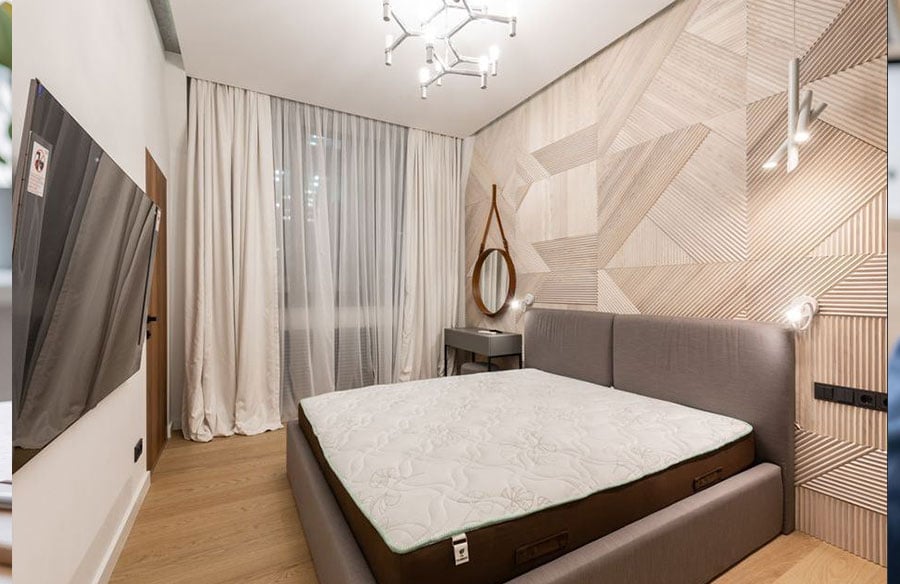
Your mattress does more than hold you up at night. It shapes how you wake up, how your room feels, and sometimes even how patient you are before coffee. A great bed can make your bedroom feel like a proper retreat, while the wrong one can turn sleep into a nightly wrestling match. If you’re thinking about upgrading, it helps to look at comfort, style, and everyday use together instead of treating your mattress like just another thing on a shopping list.
Sleep meets space
When you choose a mattress, you’re not only picking a place to sleep. You’re also shaping the mood of your bedroom and the way you move through your day. A supportive bed can make your whole home life feel smoother, from calmer mornings to less grumbling by bedtime.
If you want to test a luxury mattress before making a big decision, that’s a smart move. Visit a SleePare showroom to find out more about different types of mattresses. Premium comfort sounds nice in theory, but your back, shoulders, and sleeping habits get the final vote. What feels dreamy to one person might feel like a giant marshmallow trap to another.
Think of your mattress as part comfort tool and part home feature. It affects how your bed looks, how your room functions, and how well you recharge. When you start viewing it this way, the decision becomes less about labels and more about how you actually live.
Know your sleep style
Your sleep position can tell you a lot about what kind of mattress may suit you. If you sleep on your side, you usually need enough cushioning around your shoulders and hips. If you sleep on your back, balanced support often matters more. Stomach sleepers tend to do better when the mattress doesn’t let them sink too far.
You don’t need a sleep scientist hiding in your closet to figure this out. Just notice what your body tells you. If you wake up with sore shoulders, lower back aches, or a stiff neck, your current setup may be missing the mark. If you feel hot and cranky by 3 a.m., breathability might be part of the problem too.
Also, think about how much you move at night. Some people sleep like neat little statues. Others spin like rotisserie chickens. If that’s you, a mattress with steady support across the surface can help you stay comfortable no matter where you land.
Match your room’s mood
A mattress changes the look of your room more than people expect. A tall mattress can make a bed feel grand and hotel-like, while a lower profile can create a cleaner, more modern vibe. Neither is better by default. It depends on the space you have and the mood you want.
Look at your bed frame, headboard, and bedding before you buy. A thick mattress on a bulky frame can overwhelm a small room. A slim mattress on a large statement bed might look a little underdressed, like it forgot its jacket. Proportion matters.
Your room layout counts too. If your bedroom is compact, leaving enough space to move around the bed comfortably makes a big difference. You’ll also want to think about sheets, duvets, and whether your favorite bedding works with the mattress height. The goal is simple: a bed that feels good to sleep on and looks like it belongs in the room, not like it crash-landed there.
Try before you commit
Testing a mattress in person can save you from expensive regret. A quick sit on the edge is not enough. You should lie down in your usual sleep position and stay there for a few minutes. Yes, it may feel slightly awkward at first, but not as awkward as hating your mattress for the next seven years.
Pay attention to firmness, but don’t stop there. Notice whether your hips dip too much, whether your shoulders feel cramped, and whether the surface feels steady when you move. If you share a bed, motion transfer matters too. A mattress that absorbs movement well can be a peace treaty for couples with different sleep habits.
Edge support is another small thing that feels very big in real life. If you sit on the side to put on socks or tend to spread out while sleeping, a stronger edge can make the bed feel more usable. Little tests like these tell you more than fancy buzzwords ever will.
Think beyond the price
It’s easy to focus on the price tag because mattresses aren’t exactly pocket change. Still, the cheapest option can cost more in the long run if it wears out fast or never feels right. Value is a better question than cost alone.
A mattress that lasts well, supports your body properly, and helps you sleep more comfortably may improve your day in ways that don’t show up on a receipt. Better sleep can mean less irritation, more energy, and fewer mornings where you rise like a confused zombie.
Check the basics before you buy:
- How long the mattress is expected to last
- What the warranty covers
- Whether the materials fit your comfort needs
- If there’s a trial or return window
You don’t need the most expensive model in the showroom. You just need one that feels worth living with every day. A good mattress should earn its place in your home, not just look impressive for five minutes.
Small details matter
The final steps of mattress shopping are the ones people often rush, and those details can trip you up. Measure your room, your bed frame, and even your doorway or stairwell if delivery might be tight. A perfect mattress is not so perfect if it can’t make it past the hallway corner.
Read the return policy carefully. Some stores offer trials with easy returns, while others have stricter conditions. It’s also worth checking delivery timing, setup options, and whether your old mattress can be removed. These practical parts may not be glamorous, but they can make the whole process far less stressful.
Try to picture your normal life with the mattress, not just the first night. Will it suit your sleep habits, your room design, and your routine a year from now? That’s the sweet spot. When comfort, style, and function line up, your bedroom becomes more than a place to sleep. It becomes a place that truly works for you.