The bathroom has quietly become one of the most important rooms in the modern home. Once a purely functional space, it is now treated as a private retreat, a wellness zone, and a showcase for thoughtful design. Architects are leading this shift, blending technology, natural materials, and smart spatial planning to create bathrooms that feel calm, personal, and built to last. Here are the trends shaping the most admired bathroom renovations today.
1. The Spa-Inspired Retreat
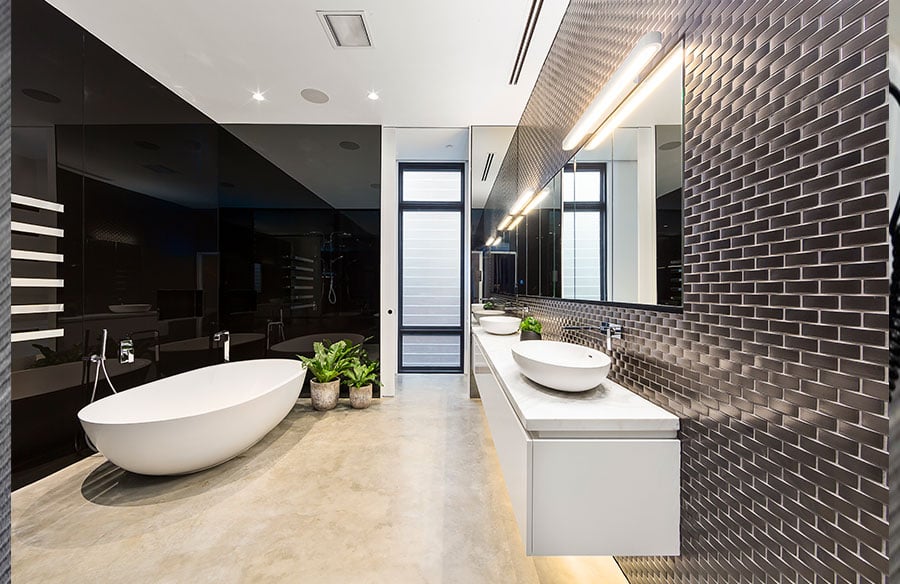
Architects increasingly design bathrooms as miniature wellness sanctuaries. This means freestanding soaking tubs positioned as sculptural focal points, rain showerheads paired with handheld sprayers, and steam showers that turn a daily routine into a ritual. Lighting is layered and dimmable, so the room can shift from bright and practical in the morning to soft and relaxing at night.
Homeowners planning this kind of transformation often look for experienced local professionals. If you’re exploring bathroom renovation services in Vancouver, look for teams that can translate an architect’s vision into precise, well-executed work, especially in moisture-heavy spaces where waterproofing and ventilation matter as much as aesthetics.
2. Natural Materials and Biophilic Design
Biophilic design, which brings nature into the built environment, is one of the strongest influences on modern bathrooms. Architects favor stone, timber, and clay-based finishes that add warmth and texture. Think honed limestone floors, teak shower benches, and wall surfaces with subtle, organic variation.
Plants are also making a comeback. Humidity-loving species such as ferns, orchids, and pothos thrive in bathrooms, and architects often plan dedicated niches or skylights to support them. Large windows or frosted glazing let in daylight while preserving privacy, connecting the room to the outdoors.
3. Warm, Earthy Color Palettes
The all-white bathroom is giving way to richer, more grounded palettes. Terracotta, sand, soft olive, mushroom, and deep charcoal are appearing in tiles, vanities, and paint. These tones create a cocoon-like feel that suits the bathroom’s role as a place to unwind.
Architects often use a restrained palette of two or three related colors, then add depth through texture rather than contrast. A matte plaster-look wall beside a glossy handmade tile, for example, creates visual interest without overwhelming the space.
4. Large-Format Tiles and Seamless Surfaces
Fewer grout lines mean a cleaner look and easier maintenance. Large-format porcelain and sintered stone slabs are being used on floors, walls, and even vanity tops, producing a continuous, almost monolithic effect. This approach makes small bathrooms appear larger and gives larger ones a gallery-like calm.
Microcement and tadelakt-style finishes are also popular for their seamless, waterproof qualities. When installed correctly, they flow from floor to wall to shower without interruption, which is both a visual and practical advantage.
5. Curbless Showers and Universal Design
Architects are designing with longevity in mind, and that means accessibility. The curbless, walk-in shower has become a signature of modern bathrooms because it looks sleek and also removes barriers for people of all ages and abilities. Paired with slip-resistant flooring, built-in benches, strategically placed grab bars disguised as design elements, and wider doorways, these features let a home adapt as its occupants’ needs change.
This “age-in-place” thinking is no longer seen as clinical. Today it is simply good design, and it protects the long-term value of the property.
6. Smart Technology, Quietly Integrated
Technology in the modern bathroom is most successful when it stays out of sight. Architects are specifying digital shower controls that remember preferred temperatures, heated floors that warm up before you wake, anti-fog mirrors with built-in lighting, and smart toilets with bidet functions. Motion-activated night lights guide the way without harsh glare.
Water efficiency is another quiet priority. Low-flow fixtures, dual-flush systems, and leak sensors reduce waste and help homeowners manage utility costs without compromising comfort.
7. Statement Fixtures and Mixed Metals
Where earlier bathrooms matched every finish, today’s designs embrace contrast. Architects pair matte black faucets with brushed brass accents, or warm bronze with polished nickel, to give the room character. Wall-mounted faucets, sculptural basins, and oversized round mirrors act as focal points and free up counter space.
Lighting itself is treated as décor. Pendant lights, backlit mirrors, and sculptural sconces add personality while providing flattering, functional illumination.
8. Smarter Storage and Clutter-Free Design
A calm bathroom is an organized one. Architects integrate recessed shower niches, floating vanities with concealed drawers, tall linen cabinets, and mirrored medicine cabinets that disappear into the wall. Floating vanities have the added benefit of exposing floor space, which makes the room feel lighter and easier to clean.
9. Sustainability and Durable Choices
Sustainability now guides material selection. Recycled glass tiles, reclaimed wood, low-VOC paints, and locally sourced stone reduce environmental impact. Architects also emphasize durability, choosing finishes that resist moisture, mold, and wear so they don’t need frequent replacement. A bathroom built to last is often the most sustainable one.
Bringing the Trends Home
You don’t need to adopt every trend to benefit from architectural thinking. Start with how you want the room to feel, whether that is serene, energizing, or simply efficient, and let that goal shape decisions about layout, materials, and lighting. Prioritize the elements that are hardest to change later, such as plumbing placement, waterproofing, ventilation, and structural adjustments, then layer in finishes and fixtures that reflect your style.
Working with experienced professionals makes all the difference. A skilled renovation team will coordinate trades, manage permits, and anticipate issues behind the walls, so the finished space matches the design intent.
The modern bathroom is no longer an afterthought. With natural materials, thoughtful technology, accessible design, and a focus on wellbeing, it has become one of the most rewarding rooms to renovate. Whether you’re planning a full overhaul or a targeted update, these architect-approved trends offer a roadmap to a bathroom that looks beautiful today and works well for years to come.