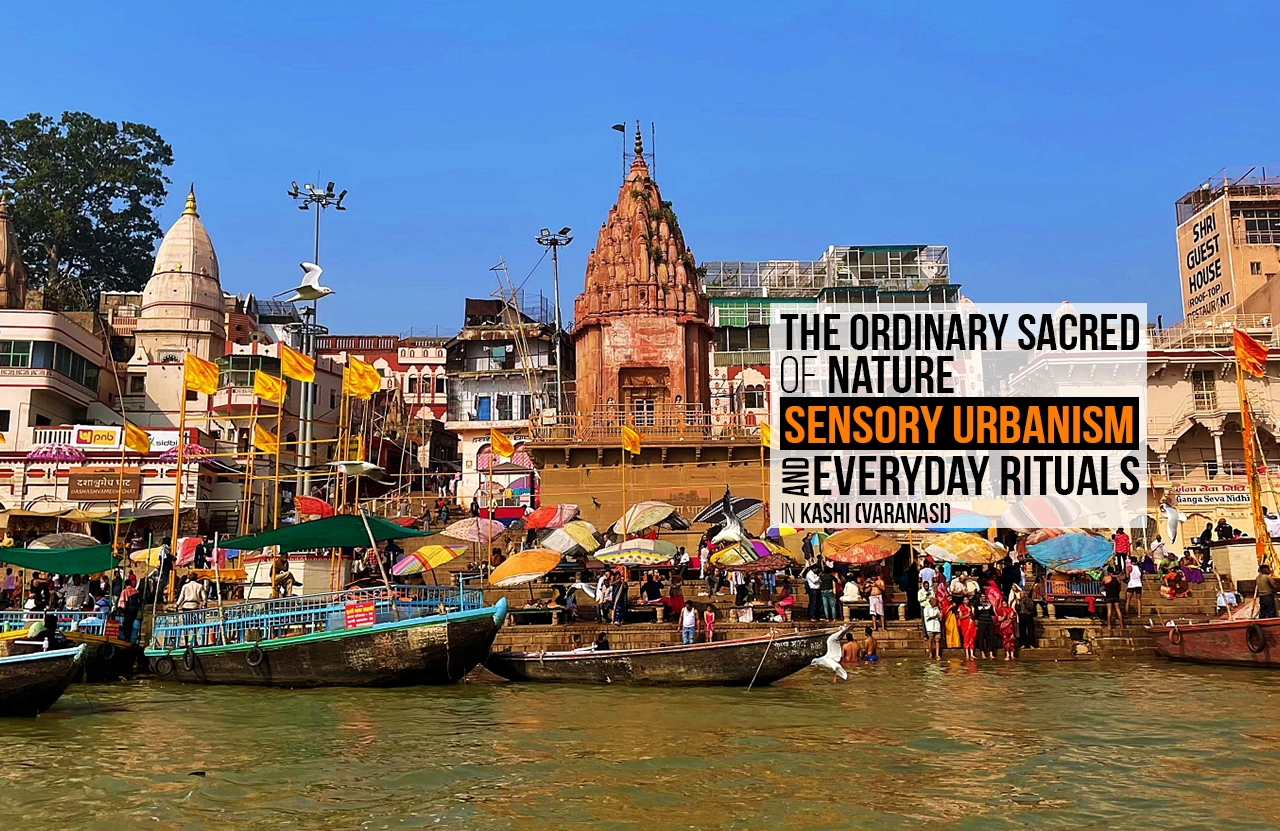
Kashi is one of the oldest continuously inhabited cities in the world and encompasses a unique conjunction of nature, ritual, and urban form. Here, the sacred is not relegated to monumental temples; instead, it is embedded in the routine encounters with natural elements like river water, stone steps, trees, wind, sound, smell, and light. This article explores Kashi through the prism of sensory urbanism, arguing that nature-based everyday rituals along the Ganga and within the dense fabric of the city create an ‘ordinary sacred’ which sustains cultural continuity and spatial identity. Moving beyond visual-centric heritage narratives, the paper foregrounds multisensory experience-smellscapes of incense and wet stone, soundscapes of bells and water flow, tactile encounters with steps and thresholds, and seasonal rhythms of light, heat, and monsoon-as critical architectural and urban forces. Based on an interdisciplinary literature yet grounded in the spatial morphology of Kashi, the paper shows how natural elements act as ordinary infrastructures of belief, memory, and social life. We conclude with a reflection on the recent riverfront interventions and urban transformations and argue for a nature-sensitive, ritual-aware conservation and design approach to historic, sacred cities.
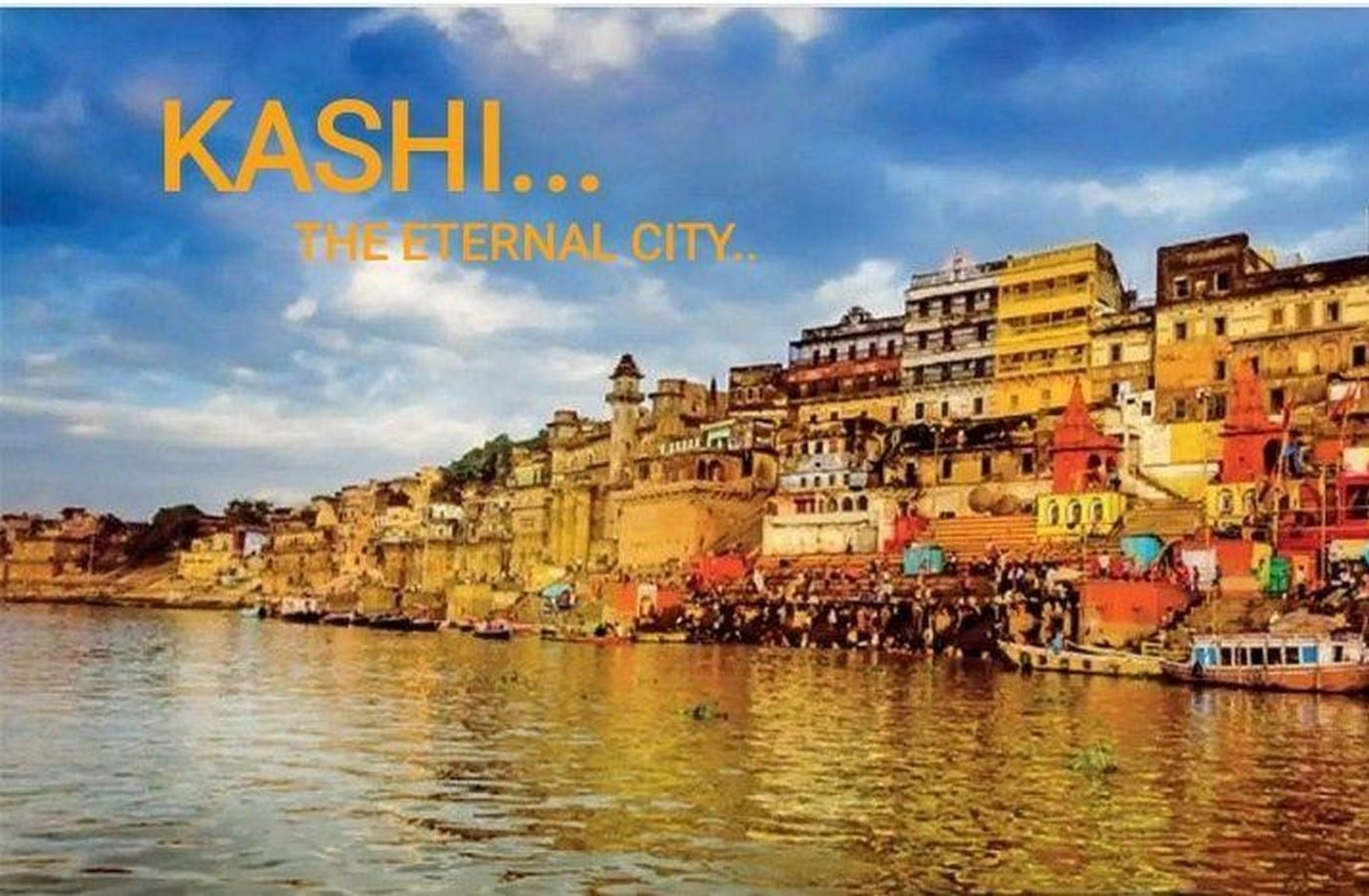
Kashi, also referred to as Varanasi or Benaras, sometimes acquires the connotation of a sacred city, wherein, however, sacredness is not necessarily rooted only within temples, pilgrim routes, and monumental ghats. Instead, what reflects sacred quality is the sheer interface with individuals, nature, and built form. Kashi’s association with the River Gangan, ghats, गलियाँ (lanes), courtyards, trees, and thresholds reflect urban form resulting from the constant ritualisation of nature. The norm – taking morning dips, rinsing clothes, offering water to the setting sun, lighting diyas in the evening, and sprinkling ashes – is not unusual; rather, it is part of the everyday.
This article contends that the city of Kashi embodies the spirit of the ‘Ordinary Sacred,’ wherein the existing rhythms of everyday life, centred on natural elements, transform the mundane urban landscape to create spaces of significant cultural value. Unlike most other urban planning endeavours wherein natural elements are incorporated merely as the landscape of the city or the infrastructure of the city itself, Kashi entails the integration of water, natural stone, wind, illumination, and vegetation into the urban landscape. Thereby, spatial morphology and cultural meanings of the city are addressed from the perspective of ‘sensory urbanism.’
From Sacred Nature to Sensory Urbanism
Nature as a Living Urban Agent
In Indian cosmography, nature is inanimate but alive and relational. Rivers, trees, soil, and light are invested with agency and moral importance (Rapoport, 1982). The Ganga in Kashi is much more than a body of water; it is a goddess, a purifier, and a witness to life and death. It is a worldview that contests the modernist planning paradigm, which views nature as something to be harnessed or aesthetically pleasing.
Urban theorists have argued with growing insistence for the recognition of natural elements as agents in, rather than passive backdrops to, urban life. In Kashi, such participation is sensorial: in changes in temperature with proximity to water, the odours of algae and incense, and acoustic softening from the river’s edge.
Sensory Urbanism and Embodied Experience
Sensory urbanism scales up phenomenological thinking to the size of the city, emphasising embodied perception over visual abstraction (Pallasmaa 2012). The sensory experience in cities like Kashi is not incidental but foundational. The uneven texture of stone steps under bare feet, the echo of chants between closely spaced buildings, and the shifting light reflected off water surfaces create a spatial intelligence learned through the body rather than maps and plans (Merleau-Ponty 1962).
The Ganga Ghats: Nature, Ritual, and Spatial Form
Stone, Water, and Repetition
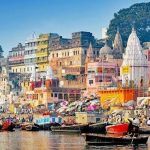
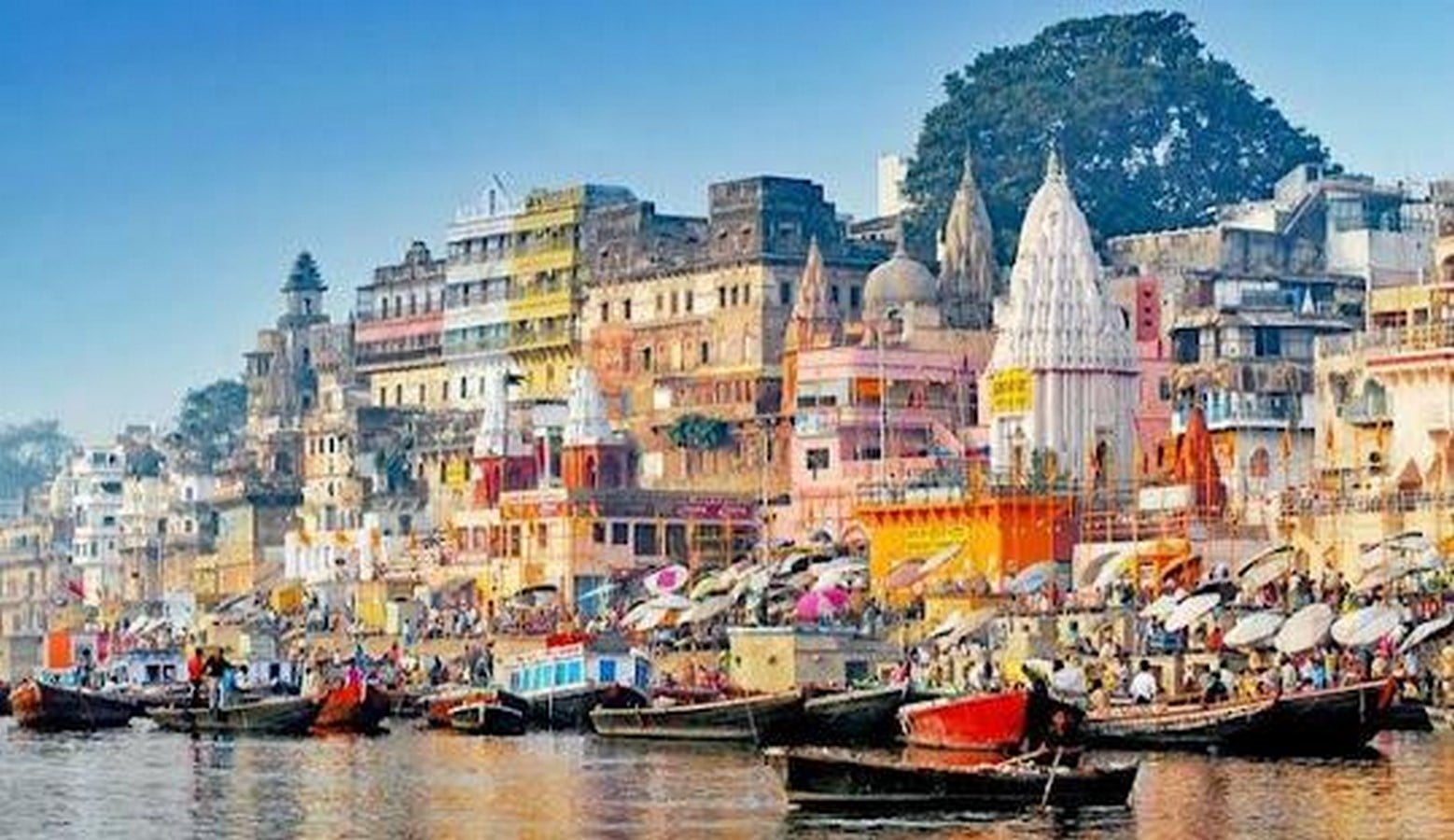
Perhaps one of the most powerful examples of nature-based everyday urbanism is the ghats of Kashi. From an architectural point of view, ghats are simple structures of steps, platforms, and retaining walls, with their spatial significance being determined by repeated use of ritual activities. Activities like bathing, sitting, praying, cleaning, cremation, and socialising take place along the edge.
The tactile experience with stone and water creates deep bodily memory. Researchers agree that this repetitive sensory experience is significant in terms of place attachment and collective identity (Relph, 1976; Tuan, 1977). The ghats, therefore, become the sacred landscape where there is an inseparable relationship between nature and architecture.
Soundscapes and Temporal Layers
The ghats of Kashi have rich acoustic ecologies. Morning times are filled with the rumbling of the water, birds chirping, and low chants, while evenings reverberate with bells, conch shells, and the murmurs of collective prayer. Sound here works as a temporal organiser, which signals passages into the sacred moments of the day (Hall, 1966).
These soundscapes are not designed through formal acoustic strategies but emerge organically from spatial enclosure, materiality, and ritual density. Urban interventions that prioritise visual cleanliness risk disrupting these fragile sensory ecologies.
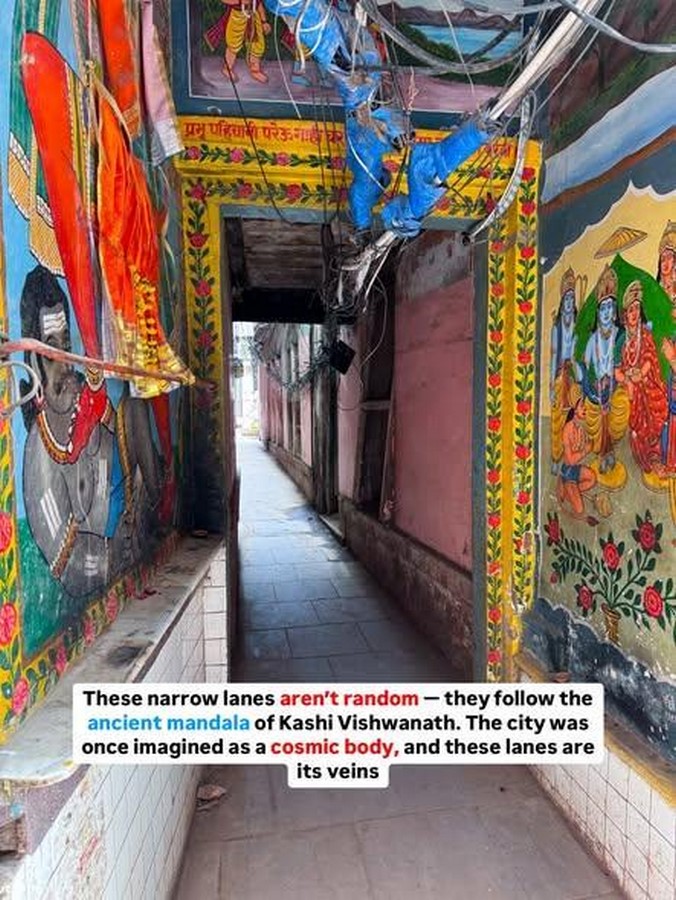
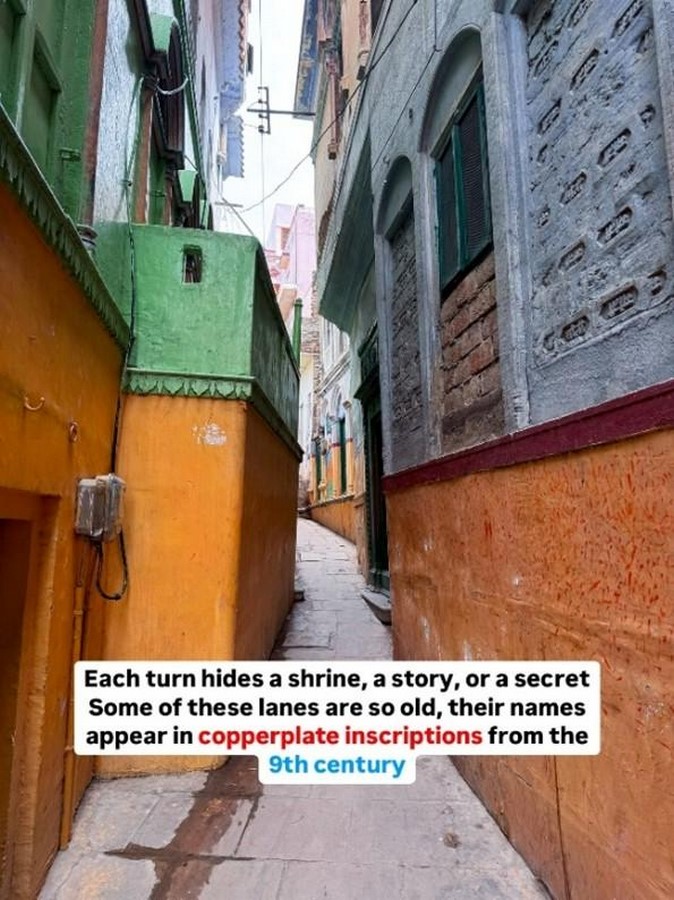
Lanes, Courtyards, and Micro-Natures
Narrow Streets as Climatic and Ritual Devices
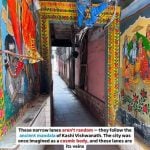
The densely packed गलियाँ of Kashi provide shaded spaces that respond to the extremes of heat and the seasons. Shrines, sacred trees, and water marks along the lanes create ritualised movement. Visiting a shrine, lighting a lamp, or touching sacred trees is part of the movement through the lanes.
“These types of practice are an example of what de Certeau calls ‘the ritualisation of everyday movement,’ where walking as such is a cultural activity shaped by belief and memory.”
Courtyards, Trees, and Domestic Rituals
Within residential clusters, courtyards, and trees play a significant role in the mediation of light, rain, and sociality. Sweeping the streets in the morning, sprinkling water, and caring for the plants have the power to sanctify space and thus create feelings of belonging (Appadurai, 1996).
Threats to Kashi’s Nature–Ritual Urbanism
Riverfront ‘Beautification’ and Sensory Loss
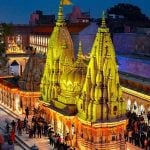
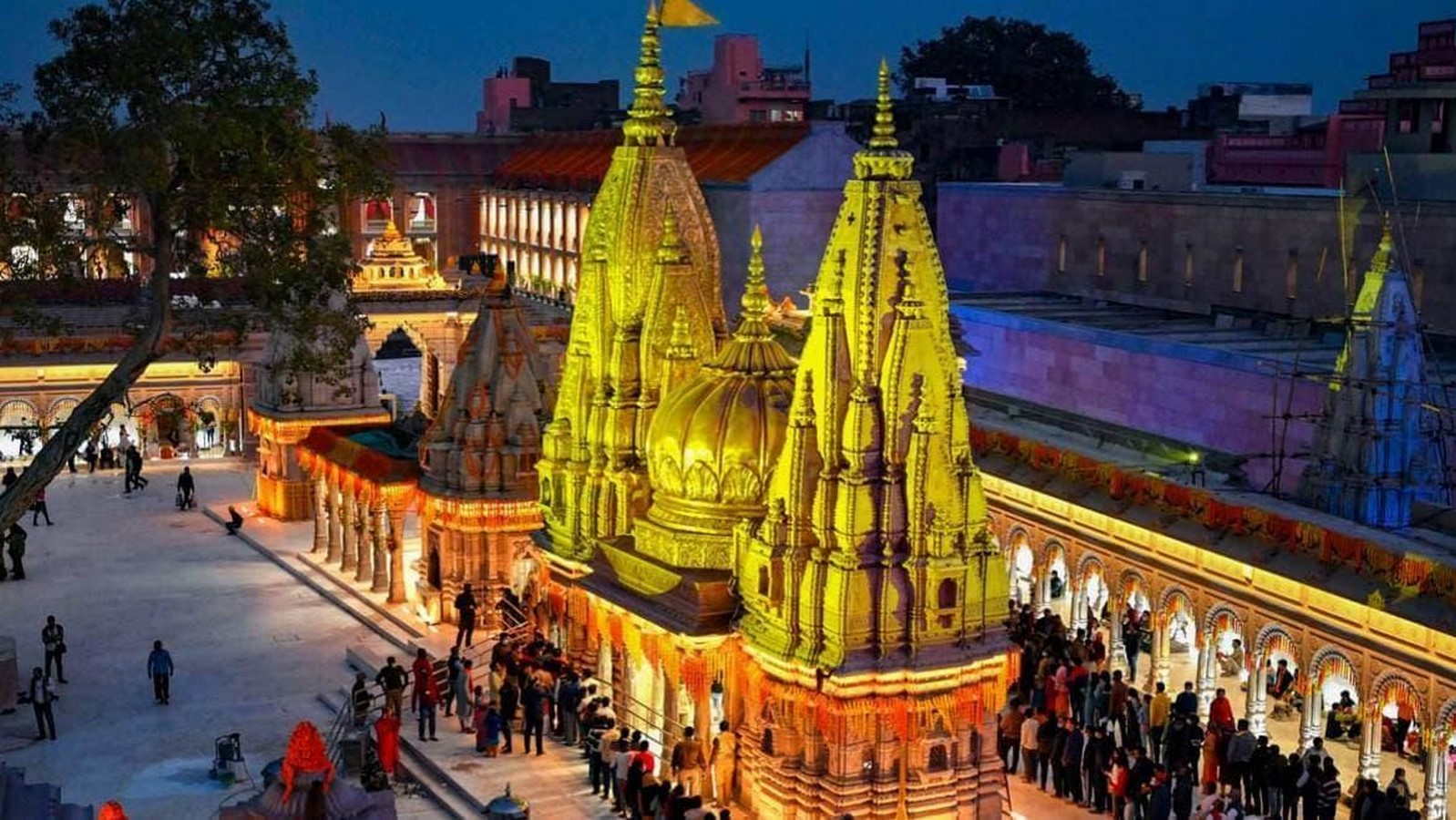
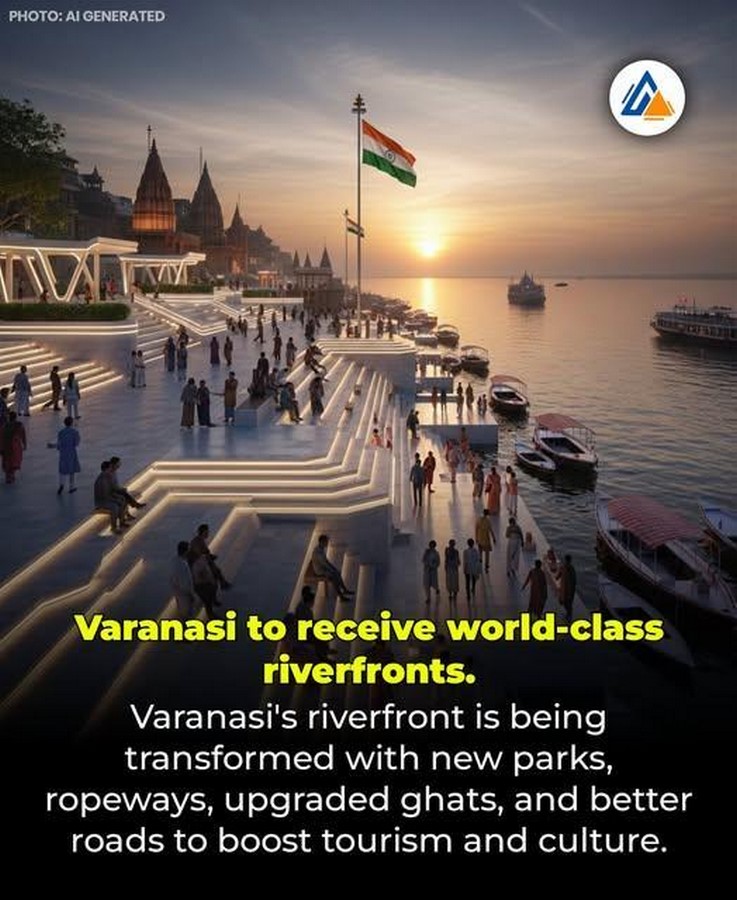
Most of the recent riverfront development projects, especially the Kashi Vishwanath Corridor, have been about visual uniformity, lighting, and tourist facilities. While these interventions ease access, they also flatten out the tactile and generally informal qualities of the ghats. Smooth surfaces, restricted access zones, and controlled activities may thus disconnect everyday users from the river’s sensory presence.
Regulation versus Ritual
While necessary, environmental regulations at times conflict with long-standing ritual practices. In instances where policy frameworks do not recognise the cultural logic of everyday rituals, they inadvertently erode the city’s living relationship with nature.
Design and Conservation Implications
Preserving Ritual, Not Just Form
It argues that in Kashi, conserving architecture without conserving ritual results in hollow preservation. The conservation frameworks must document and support the everyday nature-based practices in common use: bathing rhythms, seasonal use of steps, informal seating, and sensory conditions.
Designing with Natural Sensory Systems
Design in sacred cities should not override the extant sensory systems but work with them. Material choices, edge conditions, vegetation, and water interfaces should be leveraged to emphasise and deftly articulate the tactile, acoustic, and microclimatic experiences.
Learning from Kashi
Kashi has some lessons to teach the modern city struggling to cope with ecological disconnection. As cities embed natural spaces into their everyday routines, environmental consciousness can become available through living rather than signage or spectacle.
Kashi illustrates how nature, ritual, and urban form do not necessarily segregate into separate realms. In its everyday use, sensing water, rock, air, and light, the city nurtures the ordinary, sacred, both resilient and variable. To identify this state pushes architects and urban planners into thinking about how nature can participate more actively within the city, rather than viewing it as an object to be controlled.
As modernisation pressures affect historic cities globally, the city of Kashi serves as a reminder that the most enduring environments are those where nature, ritualised, sensed, and lived, is ever-present.
References:
Appadurai, A. (1996). Modernity at large: Cultural dimensions of globalisation. University of Minnesota Press.
Certeau, M. de. (1984). The practice of everyday life. University of California Press.
Hall, E. T. (1966). The hidden dimension. Anchor Books.
Lefebvre, H. (1991). The production of space.
Merleau-Ponty, M. (1962). Phen
Pallasmaa, J. (2012). The eyes of the skin: Architecture and the senses (3rd ed.). Wiley.
Rapoport, A. (1982). The meaning of the built environment: A nonverbal communication approach. University of Arizona Press.
Relph, E. (1976). Place and placelessness.
Tuan, Y.-F. (1977). Space and place: The perspective of experience. University of Minnesota Press.
Pandit, K. (n.d.). KASHI. . .. THE ETERNAL CITY. Tripoto. https://www.tripoto.com/india/trips/kashi-the-eternal-city-61ebd0626b5af
İ love my Bharat. (n.d.). https://www.facebook.com/TheRadhaLove/posts/secrets-in-the-lanes-of-kashiyou-dont-walk-through-kashi-kashi-walks-throughyoui/1266410088844803/
(10) Eastlyn Hub – 🌆 Varanasi’s Grand Riverfront transformation! 🇮🇳. . . | Facebook. (n.d.). https://www.facebook.com/100090345642270/posts/-varanasis-grand-riverfront-transformation-india-is-giving-varanasi-a-stunning-n/807646552256859/
VARANASI – Google Search. (n.d.). https://www.google.com/search?q=VARANASI&rlz=1C1GCEA_enIN1166IN1167&oq=VARANASI&gs_lcrp=EgZjaHJvbWUqDwgAEEUYOxjjAhixAxiABDIPCAAQRRg7GOMCGLEDGIAEMgoIARAuGLEDGIAEMgYIAhBFGEAyDAgDEAAYQxiABBiKBTIMCAQQABhDGIAEGIoFMgoIBRAAGLEDGIAEMgwIBhAAGEMYgAQYigUyCggHEC4YsQMYgATSAQwxMjMzOTA4ajBqMTWoAgCwAgA&sourceid=chrome&ie=UTF-8
Shri Kashi Vishwanath Temple Varanasi | Experience Divine Spirituality. (n.d.). https://www.amritara.co.in/blog/shri-kashi-vishwanath-temple-varansi