Adaptive reuse projects have become a defining strategy in contemporary European architecture, particularly focusing on transformation of post-industrial sites. As cities are dealing with climatic changes, resource scarcity, reduced land area and cultural preservation, architects are increasingly choosing to repurpose existing industrial sites rather than demolishing them. This approach of redevelopment ensures that it reduces construction waste and embodied carbon but also preserves the historical identity of urban landscapes.
In recent years, several adaptive reuse projects have been developed across Europe, demonstrating innovative ways to transform factories, warehouses and industrial complexes into vibrant cultural , residential and commercial spaces. By transforming the industrial sites into functional spaces, these projects challenge the conventional notion of the term “newness” in architecture and instead celebrate continuity, memory, and reinvention.These projects not only breathe new life into industrial relics but also redefine how cities grow and evolve.
Wroclaw Brewery Redevelopment, Poland (2023)
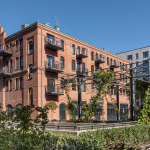
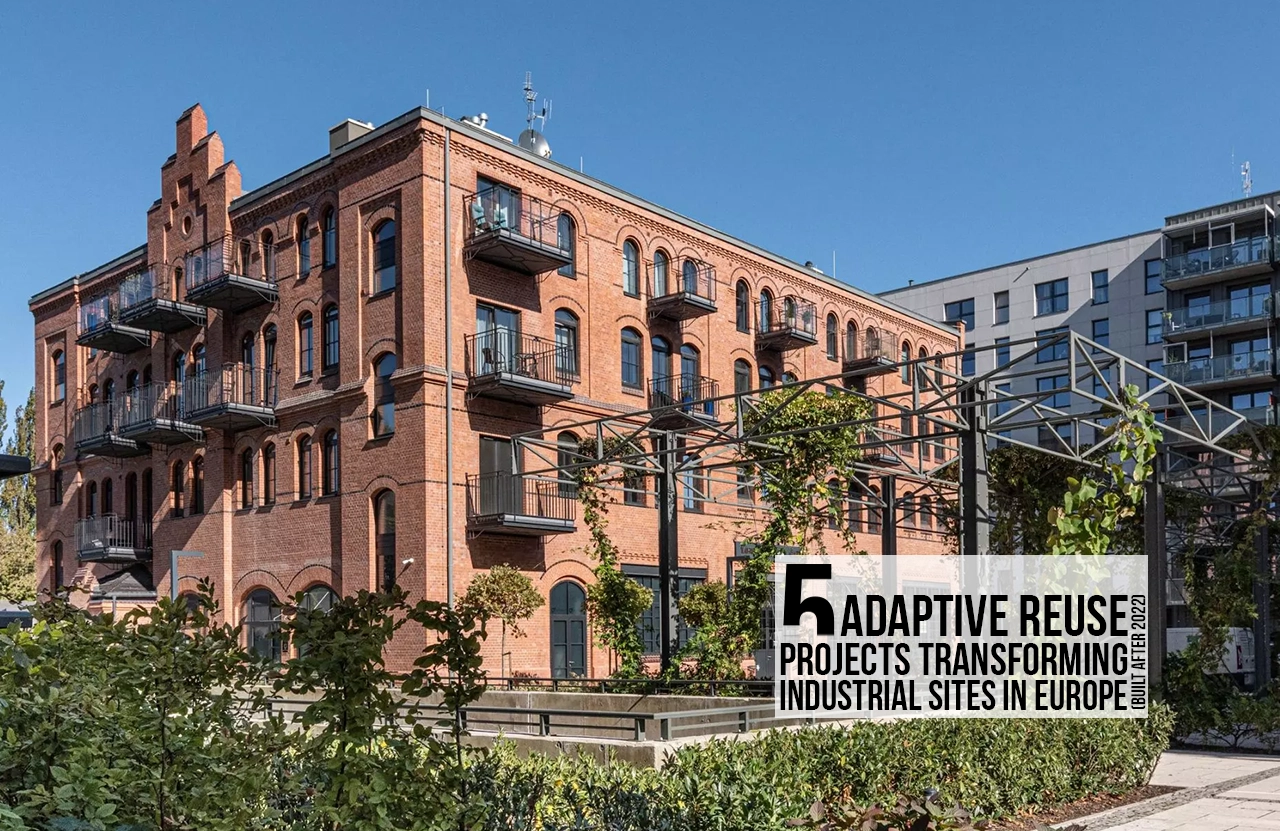
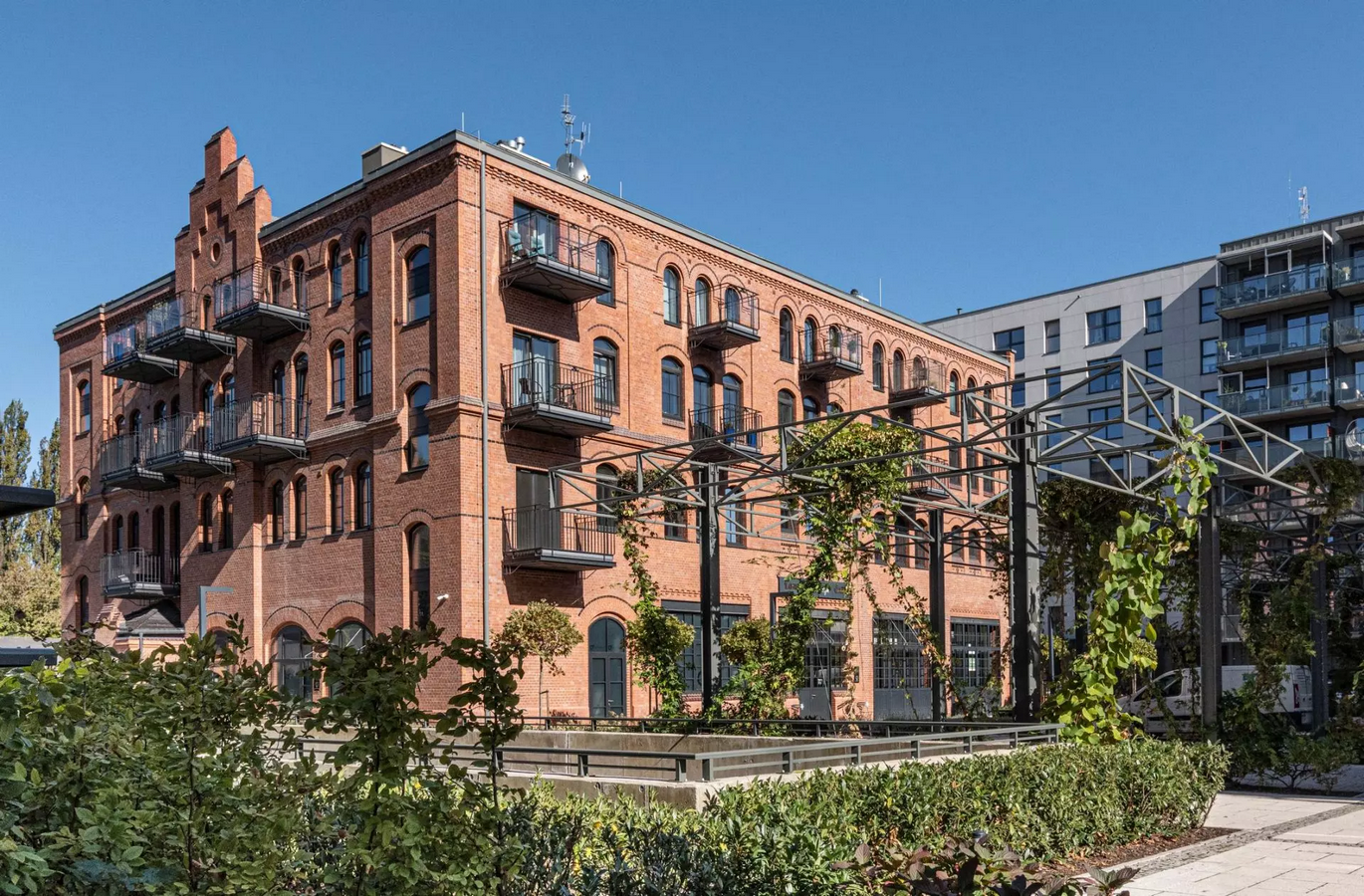
The Wroclaw brewery redevelopment is a landmark adaptive reuse project that transforms a historic brewing complex into a vibrant mixed-use district. The original 19th century industrial buildings , characterized by brick facades and repetitive structural grids, have been carefully preserved and integrated into contemporary urban framework.
The SRDK studio has adopted a strategy of selective preservation and modern insertions, retaining load-bearing masonry walls while introducing steel and glass volumes. While the dominant features like the brick chimney have been preserved.The spatial program includes residential lofts, office spaces, retail outlets, and public courtyards, creating a multifunctional urban hub.
Sustainability plays a key role, with the reuse of materials and passive design strategies reducing the project’s environmental footprint. This project demonstrates how adaptive reuse projects can balance heritage conservation with economic viability and modern living.
ZIN (WTC Brussels Redevelopment), Belgium (2023)
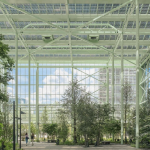
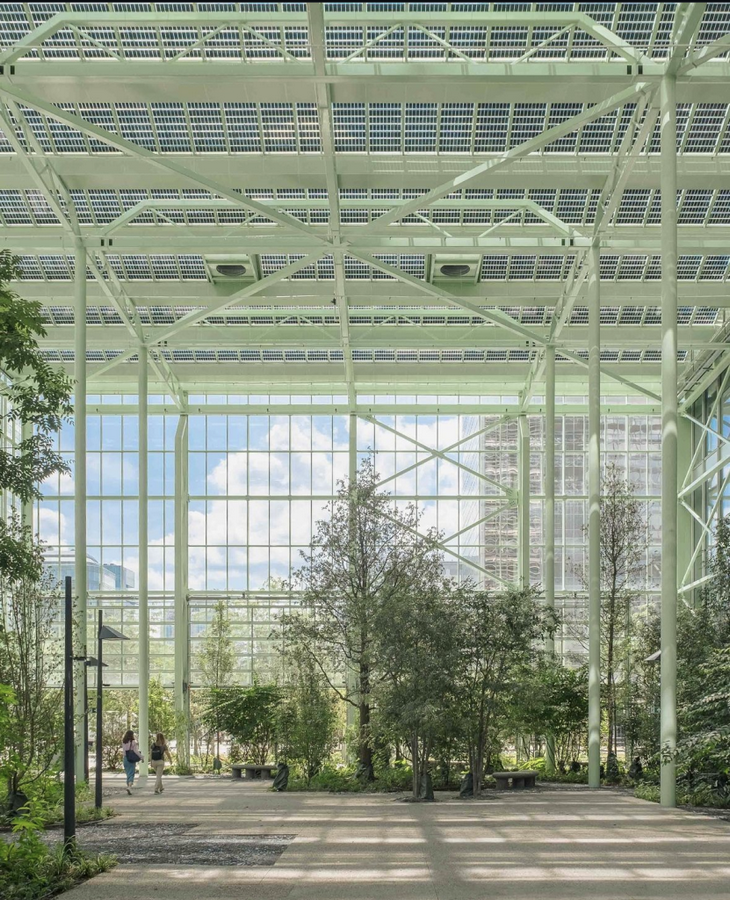
The ZIN project is a transformative adaptive reuse intervention of the former World Trade Center towers in the city of Brussels, Belgium. Originally designed as mono-functional office buildings, the complex has been reimagined into a mixed-use vertical city.
The project retains the existing structural framework while introducing new programmatic layers, including housing, offices, hospitality, and public spaces. One of the key design strategies is the opening up of the ground plane, making the building more accessible and integrated with the city.
Circular construction principles were central to the project, with materials from the original towers reused wherever possible. Green terraces, energy-efficient systems, and flexible interiors ensure long-term adaptability. ZIN stands as a leading example of how adaptive reuse projects can redefine large-scale urban infrastructure.
Gasometer Oberhausen Transformation, Germany (Post 2022)
The Gasometer Oberhausen, originally an industrial gas storage tank, has been transformed into one of Europe’s most iconic cultural venues. While the initial conversion predates 2022, recent upgrades and exhibitions have reactivated the structure as a contemporary experiential space.
The adaptive reuse strategy is intentionally minimal, preserving the massive cylindrical steel structure and its monumental scale. The interior is used for immersive exhibitions, where temporary installations interact with the vast volume of the space.
Technological interventions, including advanced lighting and projection systems, enhance the spatial experience without altering the original structure. This project highlights how adaptive reuse projects can prioritize experience and cultural value, turning industrial relics into public landmarks.
Battersea Power Station Redevelopment, London, UK (2022)
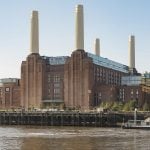
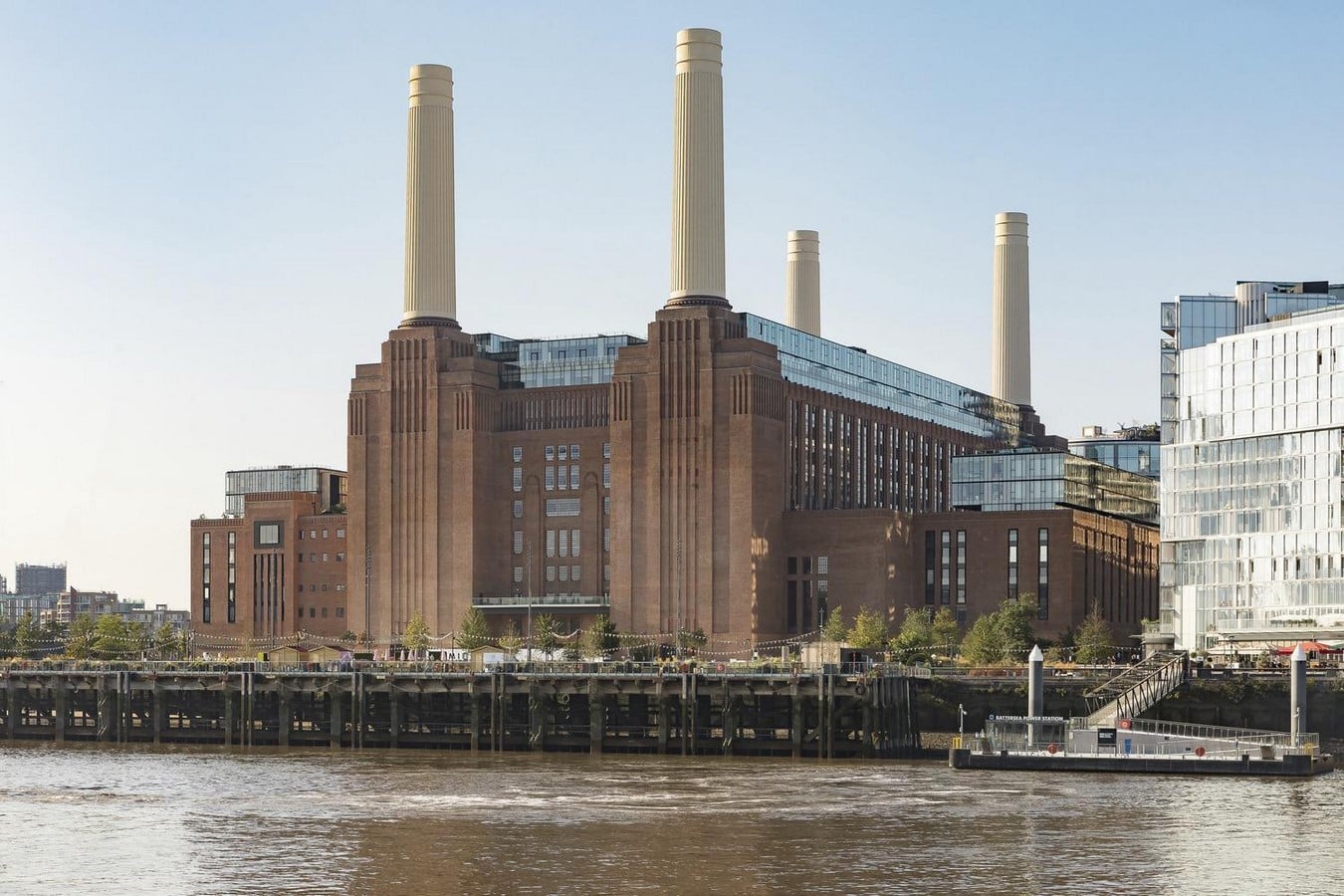
The Battersea Power Station is one of the most ambitious adaptive reuse projects in Europe by WilkinsonEyre and Foster + Patners , transforming a decommissioned coal-fired power station into a mixed-use urban destination. The project retains the iconic brick facade and chimneys while inserting new structural and spatial elements within.
The vast turbine halls have been converted into retail and public spaces, while new residential and office components have been integrated into the site. A key design feature is the respect for industrial scale, maintaining the dramatic interior volumes while adapting them for new uses.
Sustainability strategies include energy-efficient systems and the reuse of existing structural elements, significantly reducing embodied carbon. This project exemplifies how adaptive reuse projects can operate at a metropolitan scale, becoming catalysts for urban regeneration.
Fenix I Warehouse Redevelopment, Rotterdam, Netherlands (2023)
The Fenix I warehouse redevelopment by MAD architects transforms a historic port warehouse into a cultural and residential complex. Located in Rotterdam’s harbor district, the project reflects the city’s industrial heritage while introducing contemporary architectural expression.
The design retains the original warehouse structure and introduces a dramatic new addition: a twisting, sculptural staircase that rises above the building, symbolizing movement and migration. The interior accommodates cultural spaces, exhibition areas, and residential units.
Material reuse, structural preservation, and innovative design interventions define the project. It demonstrates how adaptive reuse projects can combine heritage, narrative, and bold architectural identity to create globally significant landmarks.
These five adaptive reuse projects illustrate the evolving role of architecture in addressing environmental and cultural challenges. From the industrial textures of Wroclaw Brewery to the urban reinvention of ZIN Brussels and the monumental presence of Battersea Power Station, each project reflects a unique approach to reuse. All these adaptive reuse projects commonly integrate sustainability, flexibility, and heritage preservation. Architects are no longer treating existing buildings as constraints but as opportunities , frameworks within which new ideas can emerge.
Adaptive reuse projects not only reduce environmental impact but also enrich urban identity by preserving layers of history. As Europe continues to lead in sustainable architectural practices, these projects set a precedent for future developments worldwide. They demonstrate that the most innovative architecture is not always about building anew, but about reimagining what already exists with intelligence, sensitivity, and creativity.
REFERENCES:
- Wroclaw Brewery Redevelopment, Poland by SRKD Studios – Available at: https://srdkstudio.com/en/project/browary-wroclawskie
- ZIN (WTC Brussels Redevelopment) – Available at: https://51n4e.com/projects/zin/
- Battersea Power Station Redevelopment – Curated by:Paula Pintos Available at: https://www.archdaily.com/990615/battersea-power-station-wilkinsoneyre
- Gasometer Oberhausen Transformation, Germany – Available at: https://www.gasometer.de/en/the-gasometer/sanierung-2019-2021
- ResearchGate (2020) Industrial adaptive reuse case studies (Gasometer conversion). Available at: https://www.researchgate.net/publication/336917523