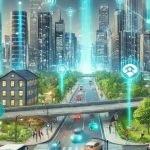
Indeed, the twenty-first century is gradually becoming the era of Smart Cities. Currently, more than half of the world’s population resides in cities. Moreover, by the end of the current decade, the proportion will likely increase significantly due to accelerated urbanisation in Asian, African, and Latin American countries. This means that the problems cities face in providing housing, transport, infrastructure, climate adaptation, public health, resource allocation, social inequality, and productivity will also become more pressing than ever before. Against this backdrop, the concept of Smart Cities appeared as one of the most prominent urban development models in recent decades.
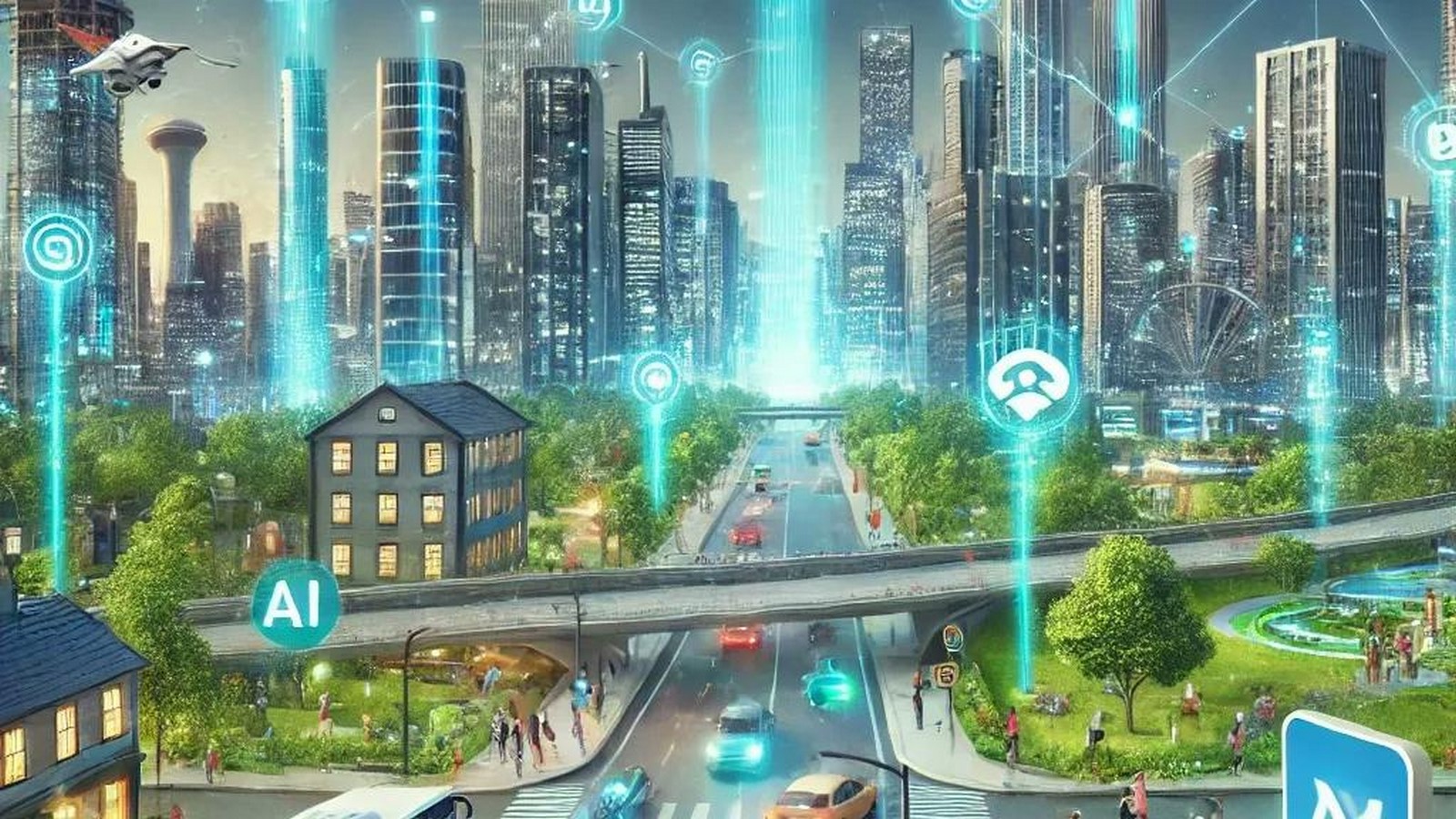
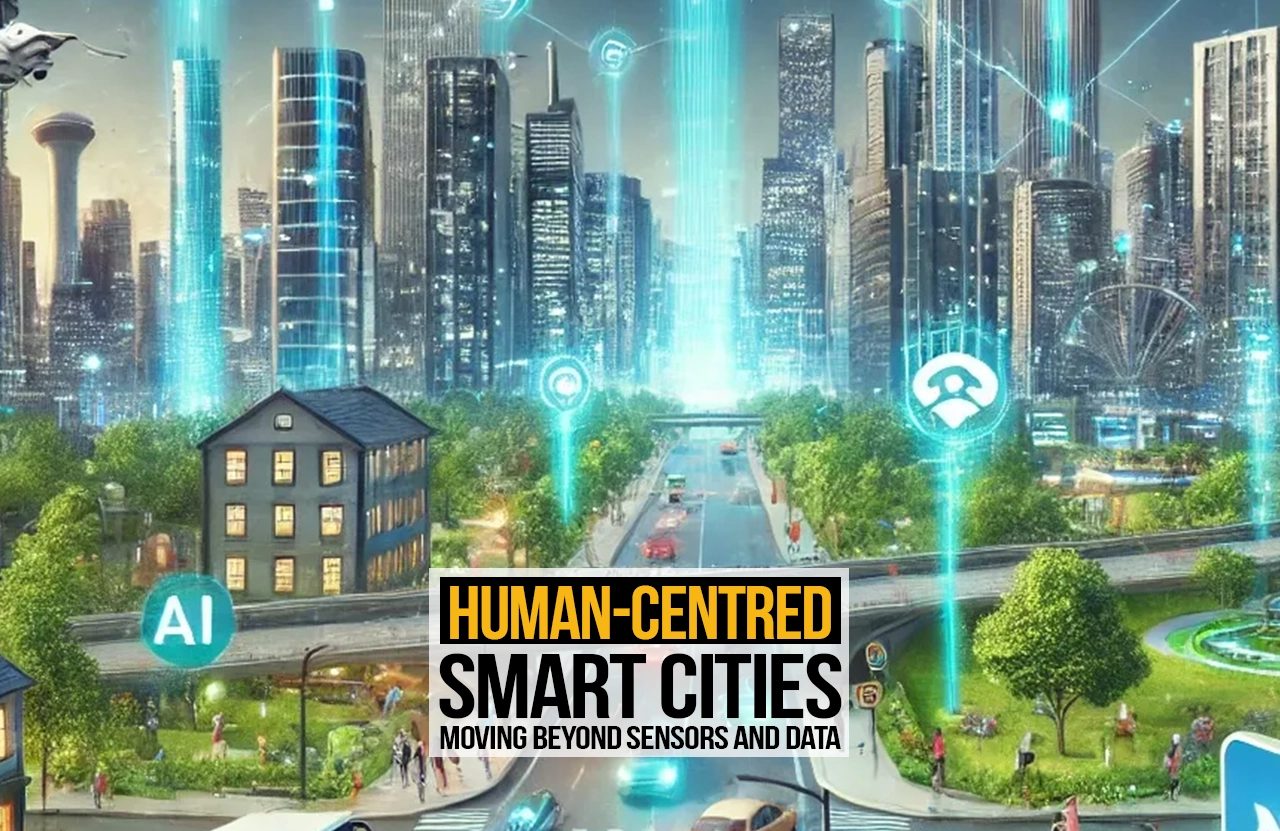
In the early stages of the evolution of Smart Cities, the concept was considered almost entirely from a technological perspective. Accordingly, a smart city was defined as an urban area that possessed various technological innovations, such as sensors, cameras, the Internet of Things (IoT), big data tools, digital twins, and artificial intelligence, which enabled the enhancement of efficiency and the optimisation of urban activities. Traffic lights could communicate with cars, garbage cans could signal their fullness to the corresponding service, energy distribution networks could manage demand automatically, and surveillance systems could detect security threats in real-time.
Certainly, all the above-described technological advances bring many benefits to cities, yet increasingly, scholars and practitioners recognise that technologies alone cannot build better cities. Cities are socio-cultural phenomena, not technological. It does not mean that cities become smart because they have thousands of sensors and produce loads of data. A city becomes smart when technologies improve people’s well-being, facilitate social inclusion and community strengthening, and enhance citizens’ daily lives.
It represents a move from technology-driven to human-driven smart urbanism. In human-centric smart urbanism, people, not technology, become the core of urban planning and design. Technologies become tools, not goals. Success is not about the amount of technology applied to the city but rather about improving quality of life, accessibility, engagement, resilience, and equity. Therefore, the future of Smart Cities will be more than just about sensors and data. It is about building smart cities that are not only connected but also compassionate, adaptive, and responsive to human needs.
The Evolution of the Smart City Concept
The idea of Smart Cities emerged in the late 1990s and early 2000s as information and communication technologies advanced rapidly. The earliest ideas about Smart Cities were based mostly on technologies and the connections among different components of a city. The first generation of Smart Cities can be referred to as technology-based cities. The intelligence of cities was associated with computing, connectivity, and automation. Cities developed intelligent transport systems, sensors, smart grids, surveillance systems, and digital governance platforms.
Even though these technologies provided efficient results, criticisms quickly followed from urbanists, sociologists, planners, and citizens. Some of them are the following:
- Technology was used without considering context.
- Urban challenges were perceived as engineering challenges, not social ones.
- The citizens were treated as sources of information, not as actors in the urban processes.
- Marginal groups did not have access to digital services.
- The data gathering posed significant privacy and ethical issues.
- The governance of the cities grew technocratic.
The concept of the smart city was critiqued for prioritising efficiency and optimisation over human experience and democratic processes. Perfectly coordinated traffic lights without affordable housing or social inclusion cannot be called smart.
Therefore, there has been a call for ideas like “human smart cities”, “people-centred smart cities” and “smart cities for public value”. In these models, it was acknowledged that technology would have to facilitate societal objectives and not the other way round (McBride et al., 2022). There was more focus on participation, well-being, digital rights, inclusiveness, and empowerment of citizens.
This is because of the realisation that cities are socio-technical systems where human behaviour and community interaction are just as crucial as technology.
Why Technology Alone Cannot Build Better Cities
Technologies may appeal to people since they promise tangible results and innovative solutions. Various sensors can measure indicators such as traffic density, energy usage, and even air pollution with high accuracy. Nevertheless, many aspects of city life are not easy to measure.
While the sensor can measure noise, it cannot distinguish between noise associated with a busy, lively atmosphere and noise that is a social nuisance. While cameras can measure pedestrian flow, they cannot assess people’s sense of security. Optimisation algorithms could be used to improve public transportation, but not to substitute for social interaction in public areas. Human experience is too complex to be completely described by data.
Perhaps one of the best-known examples of technological limits in urban planning was the attempt to develop the Sidewalk Toronto project. Even though this project aimed to create an ideal smart city through extensive data collection and automation, various issues raised by people regarding privacy, governance, and control led to its cancellation.
In addition, several technologically savvy city developments have found it difficult to foster community, even though they have all the modern technology available. Public spaces without life, poor social cohesion, and a lack of culture have shown that urban intelligence cannot be created by technology alone. It is because cities thrive on people, interactions, cultures, and experiences and not just on computation.
Human-Centred Design Principles in Smart Cities
The Human-Centered Smart Cities embrace the principles of human-centred design, participatory planning, and urban sociology, which put humans’ needs, ambitions, and actions at the heart of the decision-making process.
Empathy Before Technology
People-centric design starts with people and not technology. In designing cities, urban planners and policy makers should begin by asking:
- What are the difficulties that citizens face?
- Who are the underserved communities?
- How do people access different spaces?
- Where are the challenges to accessibility and inclusiveness?
Only after addressing such questions can technology be introduced into the process. For instance, elderly citizens are likely to find inaccessible transport systems a greater issue than smartphone applications. Children will also gain more from safe streets than from sophisticated surveillance systems.
Co-Design and Participation
Citizens need to be more than consumers of urban services; they need to be makers of them. Participatory governance gives communities an opportunity to participate in urban decision-making processes through workshops, digital interfaces, consultations, and design activities. Co-design produces solutions informed by local knowledge and experience. Scholars have now begun to demonstrate how participatory processes increase legitimacy and efficacy (Das, 2024). Through participation, citizens become makers rather than mere consumers of their cities.
Inclusivity and Accessibility
Smart Cities that are Human-Centred understand that technology is a double-edged sword when it comes to inequality. Digital exclusion remains a major problem today. The elderly, the poor, immigrants, and people with disabilities find it difficult to access digital services.
A truly smart city makes sure that there is:
- Universal access to the internet.
- Affordable digital infrastructure.
- Multilingual user interface.
- Accessible applications.
Technological progress without social progress simply produces greater inequality.
Wellbeing as the Primary Metric
Classical smart cities have used metrics like energy savings, response times, and efficiency as measures of success.
However, Human-centric smart cities focus on wider aspects like:
– Mental well-being
– Community cohesion
– Happiness of citizens
– Belongingness
– Accessibility
– Environmental quality
– Social trust
The goal is not only to make cities efficient but also livable.
The Importance of Public Spaces
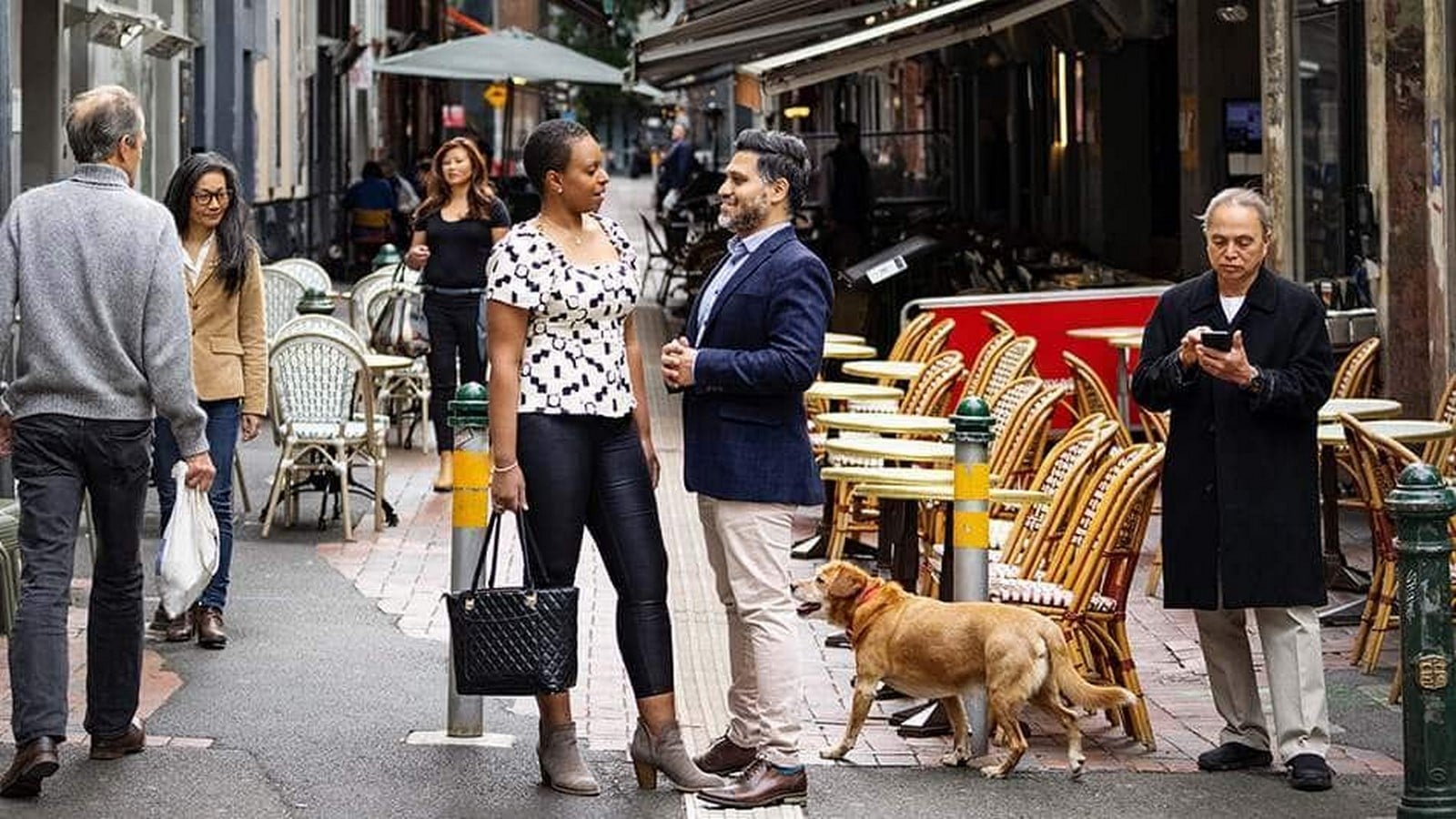
Public spaces continue to be among the most significant factors of good urbanity. Human-oriented Smart Cities understand that public areas such as streets, parks, squares, markets, and waterfronts are not simply spaces for moving through the city, but rather places of interaction, democracy, and identity.
Here is how technology can enhance public spaces:
- Smart lighting can increase the safety of public places.
- Environmental sensors can check the comfort of the environment.
- Information systems can facilitate navigation in space.
- Adaptable infrastructure can assist in organising events and other activities.
But these technologies should remain invisible servants rather than dominant ones. The success of a public square lies not in the number of sensors installed there but in people choosing to spend their time there. According to urbanist Jan Gehl, cities should be planned at eye level and at walking pace.
Mobility Beyond Autonomous Vehicles
Transport has emerged as one of the defining elements of Smart Cities.
Initial ideas frequently placed heavy emphasis on autonomous cars, intelligent roads, and traffic management systems. But human-centred mobility has a more comprehensive outlook.
The smartest transport system is not always the speediest; it is the most sustainable, equitable, and accessible one.
The key elements of human-centred mobility include:
- Pedestrian mobility;
- Cycling;
- Public transport;
- Accessibility for all;
- Safe streets;
- Lower carbon footprint.
Technology supports these goals through real-time transit information, integrated ticketing systems, adaptive traffic management, and mobility-as-a-service platforms. The objective is not merely to move vehicles efficiently but to enable people to access opportunities, services, and social connections.

Digital Rights and Data Ethics
Data is at the core of today’s Smart Cities. Continuous data are collected on movements, consumption patterns, the environment, and other aspects of urban life. There are significant opportunities for the optimisation of urban governance that arise from those datasets. At the same time, there are serious ethical considerations associated with such practice.
Whose property is urban data?
Who controls access to urban data?
What about privacy?
Who regulates the use of algorithms?
Human-centric Smart Cities make digital rights a cornerstone of urban governance. The citizens must have:
- Transparency in collecting data;
- Control over personal information;
- Protection from misuse of data;
- Accountability;
- Fairness in algorithms.
The issue of digital rights has become more topical as urban rights in the twenty-first century (Calzada et al., 2021). Without trust, smart technologies risk becoming instruments of surveillance rather than empowerment.
Smart Governance and Citizen Participation
Governance is arguably the most crucial aspect of human-centred Smart Cities.
How technology could enhance governance include:
- Open data portals.
- Digital consultation.
- Participatory budgeting.
- Service feedback in real-time.
- Online citizen engagement.
But online participation alone will not be enough. The city must guarantee that the citizen involvement is authentic and not tokenistic. Citizens must have influence on the priorities of the cities and their investments.
There is evidence that the success of human-centred Smart Cities lies in good governance, institutional capabilities, and trust more than in technology alone (Bernardo, 2026). Technology can support democracy but cannot replace it.
Social Equity in Smart Cities
Inequality was one of the major shortcomings of Smart Cities initially. Smart cities were built in wealthier areas, whereas poorer regions were left with problems such as a shortage of adequate housing, unsatisfactory sanitation, and a lack of essential services.
The idea behind Human-centric Smart Cities is to address this issue. Technological solutions must concentrate on the needs of those who need them most, not on where they can make the most profit.
Such examples include:
- Digital healthcare services for those at risk.
- Internet access for poor people.
- Water services for the inhabitants of informal settlements.
- Educational technologies for poor regions.
- Transportation for people with disabilities.
If a part of the population is excluded from technological benefits, the city cannot be considered intelligent. Equity must become a central indicator of smartness.
Climate Resilience and Human Wellbeing
Climate change is one of the major problems facing cities in the 21st century. Heat waves, floods, water shortages and air pollution affect the most vulnerable groups of people. Technologies of the Smart City provide the means to adapt to climate change:
- flood prediction system.
- systems of heat control.
- water management system.
- Integration of renewable energy sources.
- early warnings.
Nevertheless, human-oriented Smart Cities ensure that technology is designed for human resilience, not just technological resilience. It might be even better to have cooling centres for elderly people during heat waves, rather than high-tech solutions that go unimplemented. Social resilience is as important as infrastructural resilience.
The Role of Artificial Intelligence
The advent of artificial intelligence is impacting city management and governance.
Applications for AI include:
- Traffic management.
- Energy optimisation.
- Safety measures.
- Allocation of resources.
- Maintenance of infrastructure.
Although these applications have their advantages, certain issues have been raised, including bias, ethical concerns, and transparency. For creating human-centred smart cities, it becomes necessary to have:
- Explainable AI.
- Ethics of governance.
- Human involvement.
- Transparency.
- Accountability.
AI must support human decisions, not replace them. Artificial intelligence should augment human decision-making rather than replace it (Ahmad et al., 2020).
Case Studies of Human-Centred Smart Cities
Barcelona
Barcelona is one of the best instances of human-centric smart urbanism. The city went past technology-centric strategies and focused on digital democracy, civic engagement, and digital rights. Examples were the development of digital civic engagement platforms and citizens owning urban data. The strategy used by Barcelona proves that technological innovation and democracy can thrive together.
Copenhagen
Digital innovation is combined with sustainability and liveability in Copenhagen. Health, sustainability, and liveability are more significant than technology itself in Copenhagen. Technology is utilised not just for its own sake, but to fulfil higher purposes including health, sustainability, and liveability.
Singapore
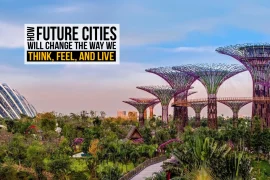
Singapore is an example of a very technologically sophisticated city. Yet new ventures increasingly revolve around ageing, accessibility, healthcare, and citizens’ well-being. It is a response to the worldwide trend of transitioning from technological optimisation into citizen-oriented urban intelligence.
Fujisawa Sustainable Smart Town
The case study of Fujisawa, Japan, demonstrates the connection among energy systems, community engagement, and resilience within a human-centred approach. The citizens engaged in defining their priorities and sustainability plans (Bernardo, 2026).
The Indian Context
India is home to some of the world’s most audacious smart city labs. The Smart Cities Mission, initiated in 2015, aimed to improve infrastructure, governance, and services across multiple cities in the country. Significant advancements have been made in:
- Integrated command centres.
- Advanced transport systems.
- Digital governance.
- Service delivery.
Nonetheless, the reality of Indian urban spaces necessitates a highly human-centred strategy. Indian cities include:
- Informal economies.
- Cultural diversity.
- Social inequalities.
- Urban growth.
- Historically rich cities.
A human-centred approach is required to address these challenges, as technological solutions may not work well here. Human-centred Smart Cities in India will need to focus on:
- Affordable housing.
- Public health.
- Walkable streets.
- Heritage preservation.
- Informal employment opportunities.
- Community participation.
The real intelligence of Indian cities lies in the social and cultural richness of their communities.
Measuring Human-Centred Smart Cities
The usual criteria, such as bandwidth, sensor density, or degree of automation, are inadequate. Human-centred Smart Cities need broader assessment criteria. Some possible criteria could be:
-
Social Indicators
- Community trust.
- Participation rates.
- Inclusivity measures.
- Social cohesion.
-
Health Indicators
- Mental wellbeing.
- Physical activity.
- Access to healthcare.
-
Environmental Indicators
- Air quality.
- Green space accessibility.
- Climate resilience.
-
Economic Indicators
- Employment accessibility.
- Digital inclusion.
- Local entrepreneurship.
-
Governance Indicators
- Transparency.
- Citizen participation.
- Institutional accountability.
Smartness should ultimately be measured by human flourishing.
Challenges to Human-Centred Smart Cities
Despite growing support, several barriers remain.
- Institutional Silos: Government departments often operate independently, limiting collaboration and integrated planning.
- Digital Divide: Unequal access to digital technologies continues to exclude vulnerable populations.
- Data Governance Challenges: Questions surrounding privacy, ownership, and ethics remain unresolved.
- Financial Constraints: Human-centred approaches often require long-term investment and community engagement processes.
- Technological Determinism: Many stakeholders continue to believe that technology alone can solve urban problems.
Overcoming these challenges requires political commitment and interdisciplinary collaboration.
Towards Wise Cities Rather Than Merely Smart Cities
There is a growing debate among some experts that the concept of Smart Cities should be abandoned in favour of a more philosophical approach to “wise cities”. There is a difference between wisdom and intelligence. Intelligence centres on efficiency and optimisation. Wisdom stresses judgement, morality, compassion and foresight. A wise city questions not just the possibility but the desirability of doing something. This might be the future path for urban development. Values need to go along with algorithms.
The development of Smart Cities is an integral part of the change in urban philosophy. First-generation smart urbanism has been preoccupied with technologies, sensors, algorithms and optimisation through data analysis. These approaches have yielded impressive results in performance and efficient delivery service, yet they have failed to recognise that cities are for people, not for machines. Human-centric Smart Cities are the paradigm of tomorrow.
In such cities, technology serves people rather than vice versa. Sensors help enhance well-being, not reveal people. Data gives power to communities, not only to governments. Artificial intelligence is there to support human intelligence, not to replace it. Participation matters as much as automation; trust is as crucial as connectivity.
Urban intelligence of the future won’t be assessed by the number of gadgets installed and data collected. It will be about making our cities more equitable, inclusive, resilient, healthy and liveable. The smartest city is not the one that knows the most about its citizens. It is the one that cares the most about them.
References:
Ahmad, K., Maabreh, M., Ghaly, M., Khan, K., Qadir, J., & Al-Fuqaha, A. (2020). Developing future human-centred smart cities: Critical analysis of smart city security, interpretability, and ethical challenges. arXiv. https://arxiv.org/abs/2012.09110
Calzada, I., Pérez-Batlle, M., & Batlle-Montserrat, J. (2021). People-centred smart cities: Exploratory action research on the Cities’ Coalition for Digital Rights. Journal of Urban Technology, 29(4), 1537–1562.
Das, D. K. (2024). Exploring an ICT-enabled participative smart city governance system: An Indian context. International Journal of Urban Sustainable Development, 17(3), 440–458.
Effing, R., & Groot, B. P. (2016). Social smart city: Introducing digital and social strategies for participatory governance in smart cities. In Conference Proceedings on Smart Cities and Governance.
Gehl, J. (2010). Cities for people. Island Press.
Giffinger, R., Fertner, C., Kramar, H., Kalasek, R., Pichler-Milanovic, N., & Meijers, E. (2007). Smart cities: Ranking of European medium-sized cities. Centre of Regional Science, Vienna University of Technology.
McBride, K., Cingolani, L., & Hammerschmid, G. (2022). Human-centric smart cities: Redefining the smart city. Centre for Digital Governance Policy Brief.
Tan, S. Y., & Taeihagh, A. (2020). Smart city governance in developing countries: A systematic literature review. Sustainability and Governance Review, 12(3), 1–23.
Townsend, A. M. (2013). Smart cities: big data, civic hackers, and the quest for a new utopia. W. W. Norton & Company.
United Nations. (2019). 2018 highlights the world’s urbanisation prospects. United Nations Department of Economic and Social Affairs.
United Nations Human Settlements Programme. (2020). People-centred smart cities. UN-Habitat.
Wiig, A. (2016). The empty rhetoric of the smart city: From digital inclusion to economic promotion in Philadelphia. Urban Geography, 37(4), 535–553.
(8) Beyond Technology: The Human-Centric Approach to Smart Cities | LinkedIn. (2025, February 18). https://www.linkedin.com/pulse/beyond-technology-human-centric-approach-smart-cities-dr-ahmad-afaneh-8bbve/
The human-centric city is making a comeback. (n.d.). KONE Distributors. https://distributors.kone.com/en/stories-and-references/stories/human-centric-city-is-making-a-comeback.aspx