Every Wall Has Chosen a Side
History is often described as a collection of facts, dates, victories and revolutions. Yet every historian understands that history is also a matter of selection. Some events become monuments while others become footnotes. The same principle governs architecture. Buildings are frequently presented as silent witnesses to history, but they are far from neutral observers. They decide what is remembered, celebrated, concealed or forgotten. Every palace restored, every monument erected, every neighbourhood demolished, and every memorial neglected reflects a choice about collective memory. The streets we walk through are therefore not merely physical landscapes; they are carefully edited historical narratives. Architecture transforms political ideologies, economic priorities and cultural values into permanent physical form, influencing how future generations understand the past long after the original events have faded from memory.
Architecture as a Tool of Memory
Unlike books that can be rewritten, buildings continuously shape public memory simply by occupying space. A monument standing in a city square becomes part of everyday life, gradually turning one interpretation of history into accepted truth. Governments throughout history have understood this power. Victorious empires built triumphal arches, kings commissioned grand palaces, and modern states continue to construct museums and memorials to reinforce national identity. These structures do more than commemorate events; they establish official narratives. Through architecture, societies decide whose achievements deserve permanence and whose stories remain invisible. Even the absence of a building carries meaning. When a cultural landmark is destroyed or intentionally neglected, it erases more than bricks and stone; it removes evidence of an entire community’s existence, making historical forgetting an architectural act.
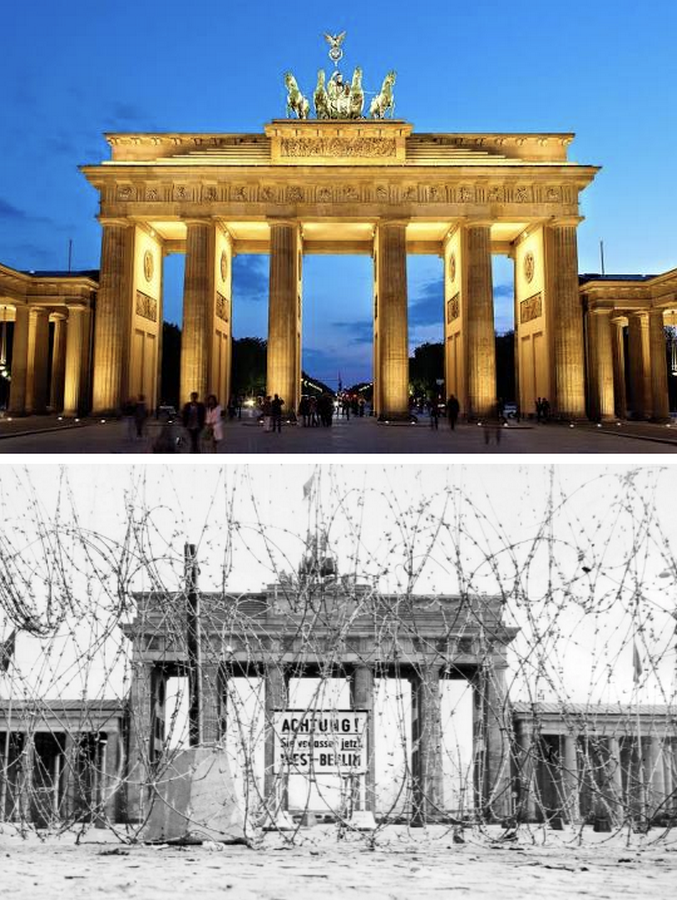
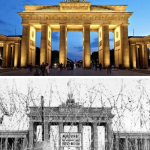
Brandenburg Gate – Wikipedia
The Politics Hidden in Buildings
Political power has always relied on architecture because physical environments influence human perception more effectively than speeches. Monumental government complexes with towering columns, expansive plazas and symmetrical layouts communicate authority before a single law is spoken. Colonial administrations imposed unfamiliar architectural styles across occupied territories to visually reinforce foreign dominance, while indigenous building traditions were frequently dismissed as inferior. After independence, many nations faced a difficult question: Should colonial buildings be demolished, preserved or reinterpreted? Every answer carried political consequences. The debate demonstrates that architecture is never simply about aesthetics or engineering. It becomes a visible negotiation between painful histories and contemporary identities, forcing societies to confront the complex relationship between preservation and justice.
Cities Remember Differently
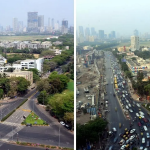
Not every city tells the same story about its past because architecture reflects different cultural priorities. Some cities preserve entire historic districts, allowing generations to physically experience centuries of urban evolution. Others prioritise redevelopment, replacing older neighbourhoods with modern infrastructure in pursuit of economic growth. While redevelopment often improves living conditions, it can also erase intangible cultural heritage embedded within streets, courtyards and marketplaces. The demolition of traditional settlements frequently removes memories that were never formally documented. In this sense, urban planning becomes an act of historical editing. Every redevelopment project asks an uncomfortable question: whose memories deserve valuable urban land? The answer often reveals more about present-day political and economic priorities than about the historical significance of the place itself.
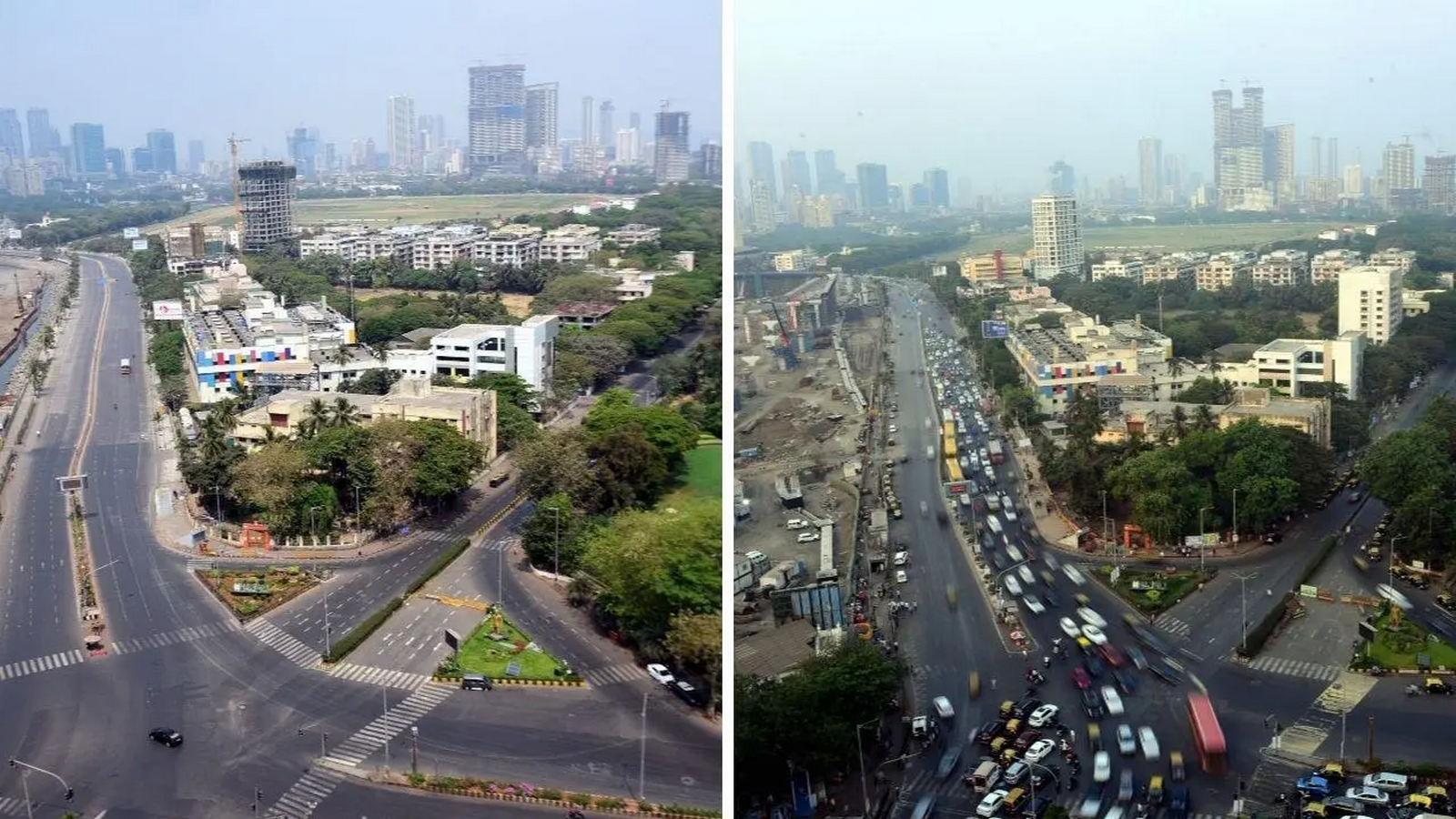
Architecture and the Stories Left Untold
Many communities have contributed significantly to history without receiving equal representation in the built environment. Women, indigenous populations, migrant workers, enslaved communities and marginalised social groups often remain underrepresented in monuments and museums despite their historical importance. Instead, public architecture has traditionally celebrated military victories, political leaders and economic elites. Recent architectural practices increasingly challenge this imbalance by creating memorials dedicated to overlooked histories and designing museums that include multiple perspectives rather than a single official narrative. These projects demonstrate that architecture can become a tool for historical correction rather than historical omission. Instead of reinforcing dominant narratives, contemporary designers increasingly recognise the ethical responsibility to create inclusive spaces that acknowledge diverse experiences and collective trauma.
When Buildings Become Evidence
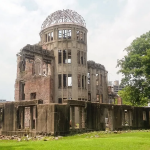
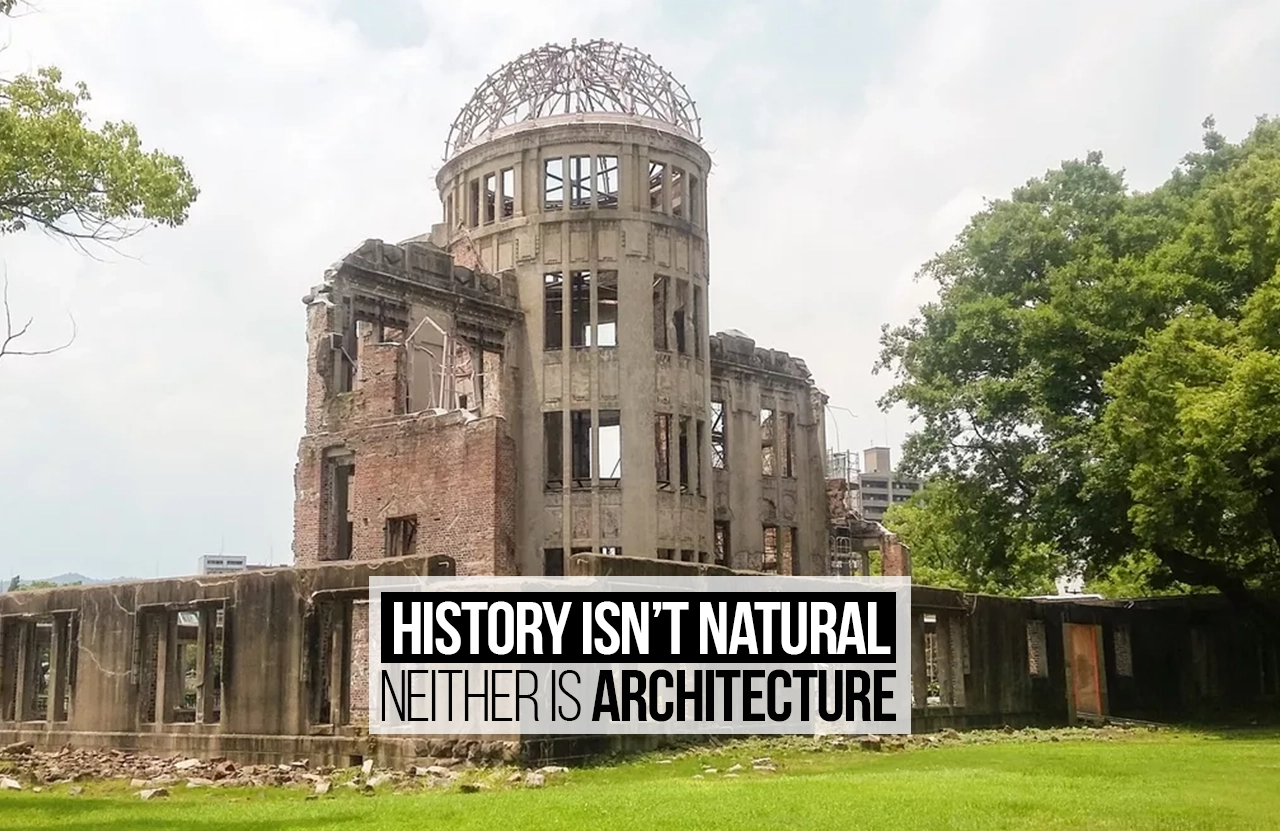
Sometimes buildings themselves become historical documents. War-damaged churches, abandoned industrial factories, and preserved prisons contain physical evidence that no written archive can fully replicate. Their cracked walls, repaired facades and altered interiors reveal layers of occupation, conflict, resilience and adaptation accumulated over decades or centuries. Conservation professionals increasingly value these imperfections because they communicate authentic historical experiences. Restoring every structure to appear brand new risks erasing precisely the evidence that makes it historically meaningful. Here, architecture functions less as an object of beauty and more as an archive, recording human actions in materials, craftsmanship and spatial organisation. Every restoration therefore, raises ethical questions about how much intervention is appropriate before authenticity begins to disappear.
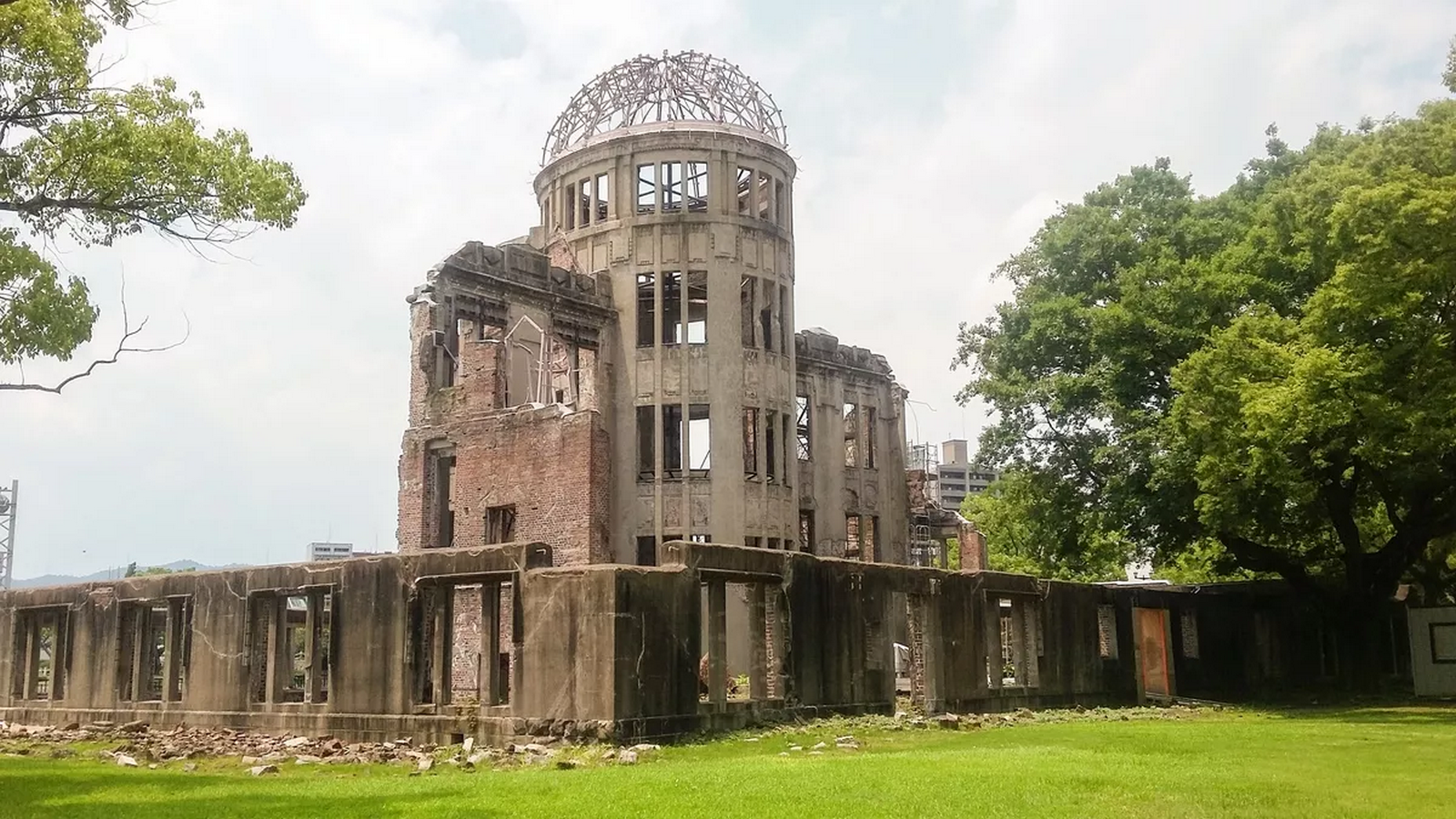
Designing the History of Tomorrow
Architects often imagine themselves designing for the future, yet every contemporary building eventually becomes part of tomorrow’s historical record. Decisions made today regarding sustainability, inclusivity, accessibility and cultural representation will shape how future generations understand the twenty-first century. This responsibility extends beyond structural performance or visual appeal. Every public building communicates values about who belongs, whose identities matter and what society chooses to preserve. Consequently, architecture is not only about constructing spaces but also about constructing historical narratives that may endure for centuries. Designers therefore inherit a profound ethical obligation to ensure that future cities reflect diverse voices rather than repeat historical exclusions embedded within earlier built environments.
History has never been neutral because every generation decides which stories deserve permanence. Architecture gives those decisions physical form, transforming ideas into landscapes that influence millions of people every day. Buildings preserve memory, legitimise political authority, celebrate cultural identity and sometimes erase uncomfortable truths through demolition or neglect. Recognising this reality changes how we experience the built environment. Streets become archives, monuments become arguments, and public spaces become conversations between the past and the future. As architects, planners and citizens, acknowledging that architecture is never neutral encourages more responsible design choices, ones that preserve complexity instead of simplifying history, amplify forgotten voices instead of silencing them and ensure that the cities we leave behind tell richer, more inclusive stories than the ones we inherited.
References:
Ashworth, G.J., Graham, B. and Tunbridge, J.E. (2007) Pluralising Pasts: Heritage, Identity and Place in Multicultural Societies. London: Pluto Press.
Choay, F. (2001) The Invention of the Historic Monument. Cambridge: Cambridge University Press.
Getty Conservation Institute (n.d.) Conservation. Available at: https://www.getty.edu/conservation/ (Accessed: 3 July 2026).
Historic England (n.d.) Conservation and Heritage. Available at: https://historicengland.org.uk/ (Accessed: 3 July 2026).
ICOMOS (1964) International Charter for the Conservation and Restoration of Monuments and Sites (The Venice Charter). Available at: https://www.icomos.org/charters/venice_e.pdf (Accessed: 3 July 2026).
ICOMOS Australia (2013) The Burra Charter: The Australia ICOMOS Charter for Places of Cultural Significance. Available at: https://australia.icomos.org/publications/burra-charter-practice-notes/ (Accessed: 3 July 2026).
Jones, P. (2011) The Sociology of Architecture: Constructing Identities. Liverpool: Liverpool University Press.
Pendlebury, J. (2013) Conservation in the Age of Consensus. London: Routledge.
Rossi, A. (1982) The Architecture of the City. Cambridge, MA: MIT Press.
UNESCO (1972) Convention Concerning the Protection of the World Cultural and Natural Heritage. Available at: https://whc.unesco.org/en/convention/ (Accessed: 3 July 2026).
UNESCO (2011) Recommendation on the Historic Urban Landscape. Available at: https://whc.unesco.org/en/hul/ (Accessed: 3 July 2026).
UNESCO World Heritage Centre (n.d.) World Heritage List. Available at: https://whc.unesco.org/en/list/ (Accessed: 3 July 2026).
Vale, L.J. (2008) Architecture, Power and National Identity. 2nd edn. London: Routledge.
Logan, W. and Reeves, K. (2009) Places of Pain and Shame: Dealing with Difficult Heritage. London: Routledge.
Lowenthal, D. (1985) The Past Is a Foreign Country. Cambridge: Cambridge University Press.
Tunbridge, J.E. and Ashworth, G.J. (1996) Dissonant Heritage: The Management of the Past as a Resource in Conflict. Chichester: John Wiley & Sons.