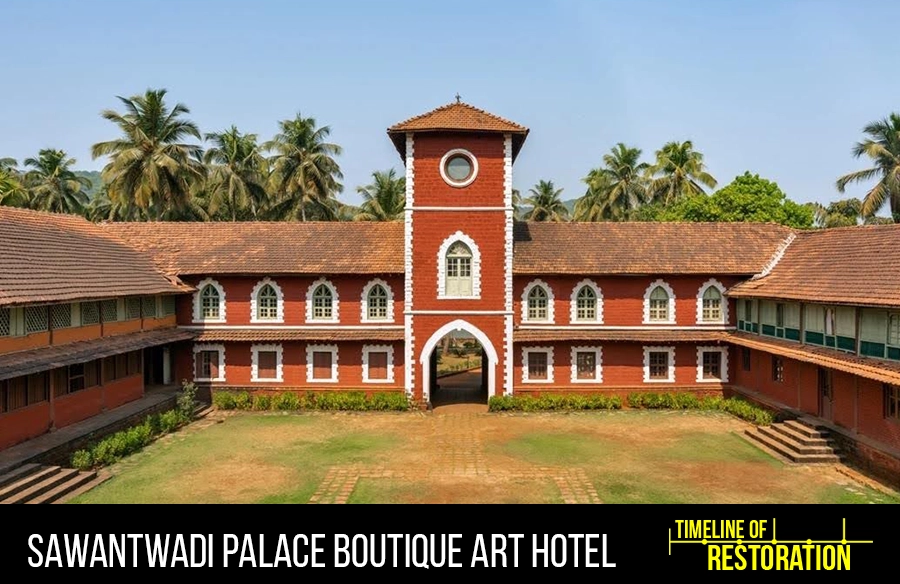
People have seen many palaces, museum, heritage from the perspective of a perceived. Have people ever thought how does it feel as an user of the heritage? How does it feel going back to the time, live the life of palace users, experience their lifestyle. Sawantwadi Palace Boutique Art Hotel is exactly offering the same experience.
A Journey Begins in Sawantwadi: The Land of Artists
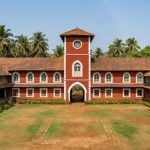
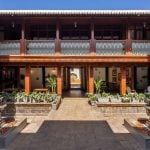
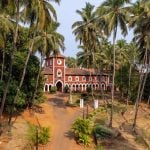
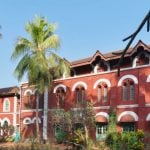
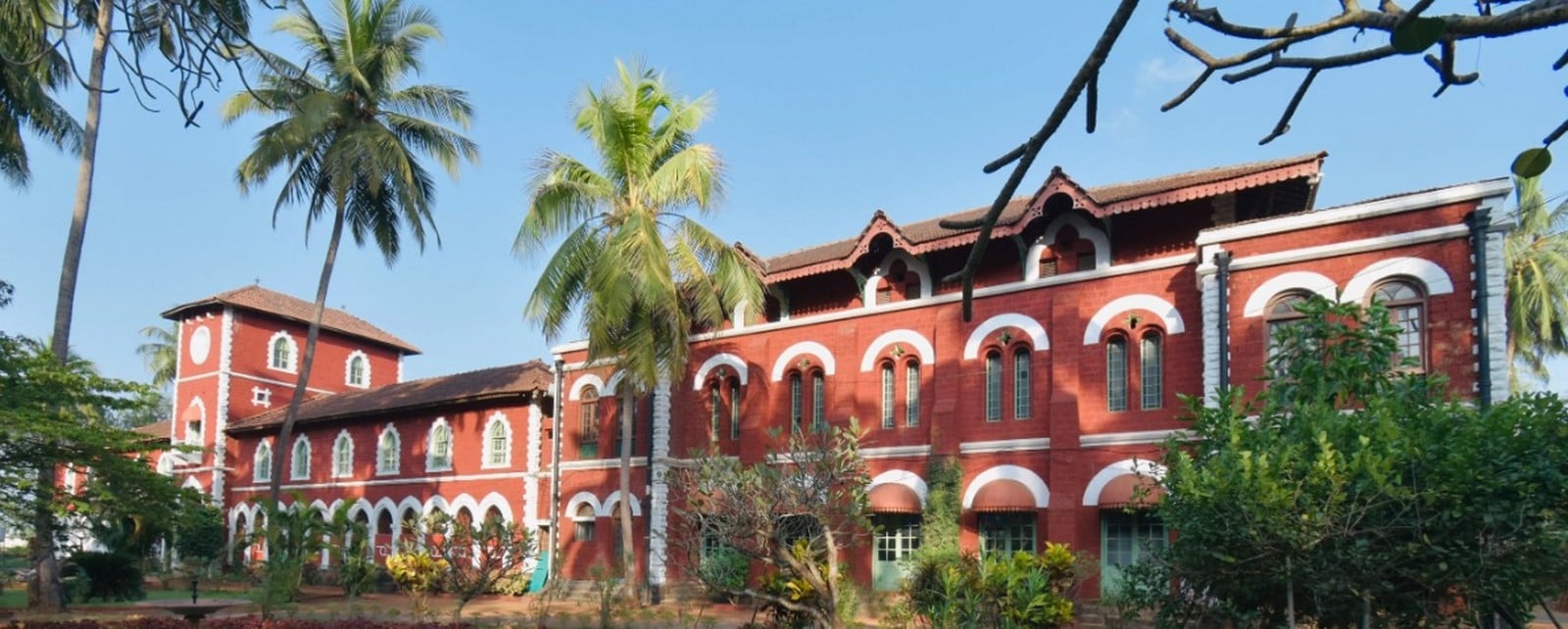
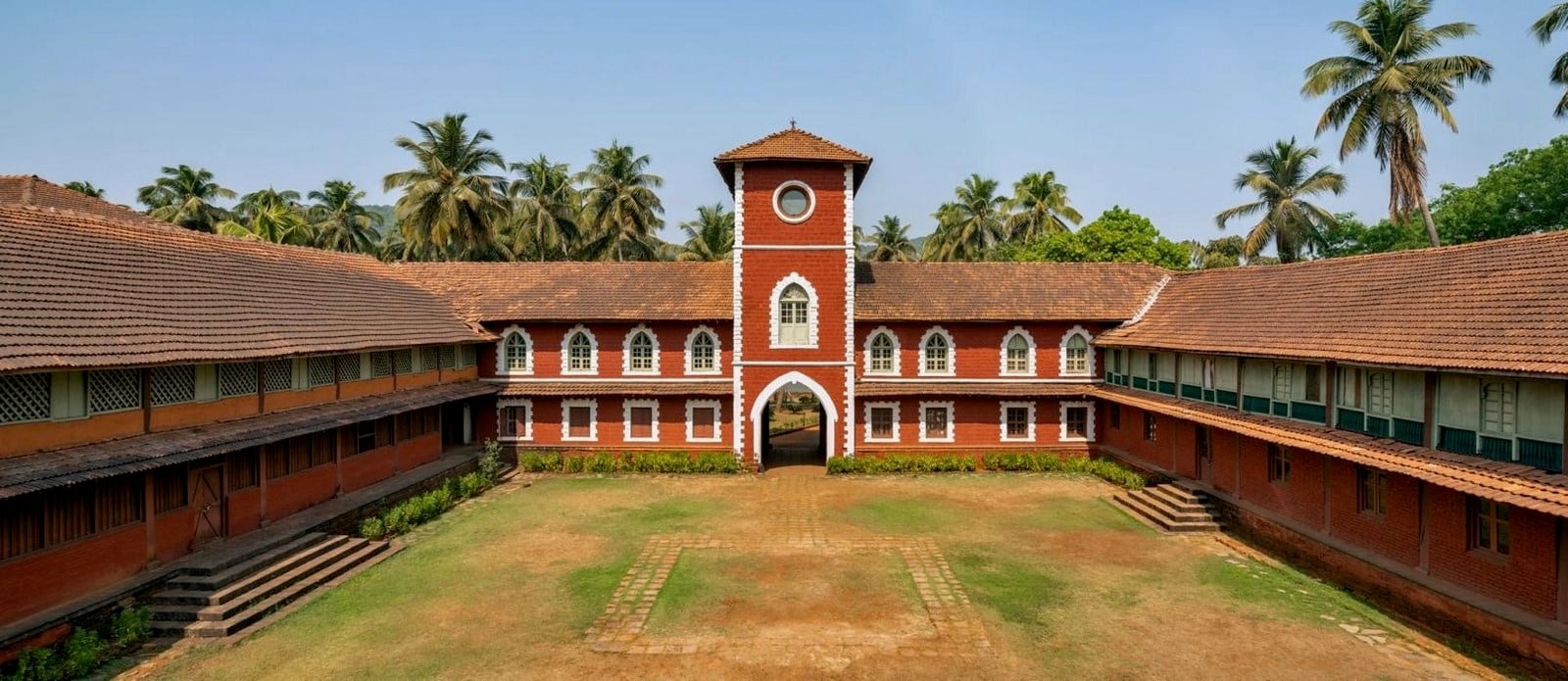
Sawantwadi is a picturesque town located in the Sindhudurg district of Maharashtra, India. Along with the surrounding sea, hills, and lush greenery, the area preserves creative practices and craftsmanship. Sawantwadi is referred to as the “Land of Artists” for its Ganjifa art style, traditional painting, and woodcarving. The town has been able to preserve its distinctive personality over time. The Sawantwadi Palace is located in the center of this town which is now the Sawantwadi Palace Boutique Art Hotel. It is evident to anybody who sees this palace that its walls have witnessed the daily activities of the royal family, the magnificence of festivals, and the migration of people throughout history. It was a living, breathing palace before becoming a boutique art hotel. The beauty of Sawantwadi Palace comes from the way different styles come together. This palace is made of textured red laterite stone, which is a local material of this region, along with traditional local workmanship and English-style arches. Its massive red laterite stone walls, sloping roofs, old teakwood pillars, and open courtyard all blend in perfectly with the surroundings.
The Story Behind Sawantwadi Palace
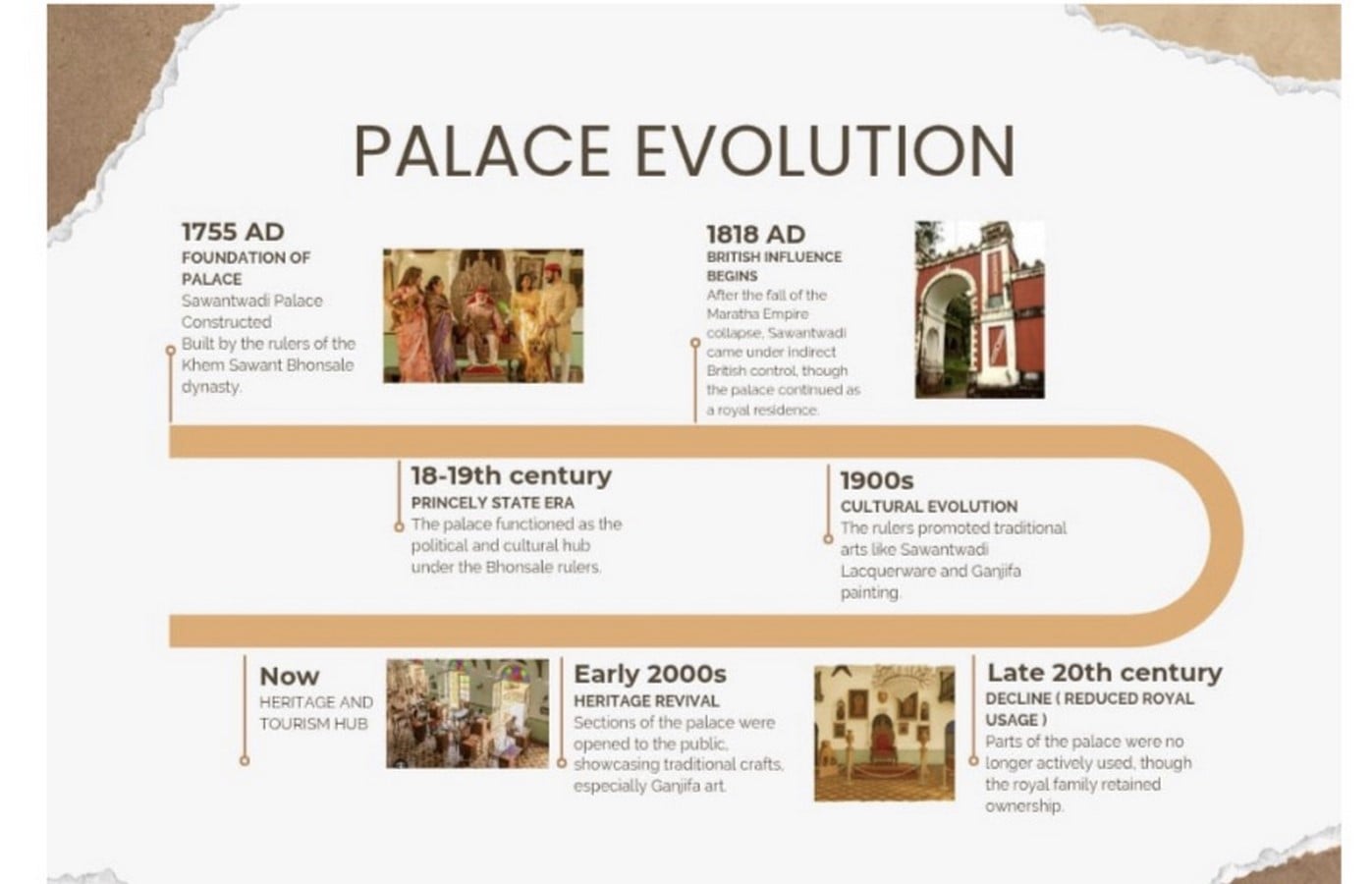
Before it became Sawantwadi Palace Boutique Art Hotel, Sawantwadi Palace was a representation of the royal family. This palace’s history dates back 250 years. It was constructed in the eighteenth century, during the reign of the Sawant-Bhonsle royal dynasty. The palace functioned as a house during the reign of Khem Sawant III. These rooms were once part of the daily life of the royal court. Historical accounts mention that ministers and court officials lived in these spaces during the reign of the Sawant-Bhonsle family. and artisans labored. However, people and behaviors evolve with time. The crowds of people eventually departed from the palace. The palace was not only a royal residence but also a place where administration and court life took place. The royals used to celebrate in this courtyard, where people sat on the verandas to watch the last of the day’s light fade.
When the Palace Lost Its Life
As the lives of the royal family changed throughout time, the story of this palace, like many others, came to an end. The palace was no longer used in the same manner. For almost thirty years, a large portion of the complex known as the “Taisaheb Wada” was shuttered and unutilized. The wada was built in the late 1800s by Raghunath Sawant for the queens of Sawantwadi. While subsequent royals converted the wada into a studio space and also into woodworking workshops, it was largely shut off for the past few decades. There were more than a hundred medieval temple idols, bat colonies in this palace, and halls filled with coconuts.
Restoring Without Erasing: The Philosophy Behind Conservation
Time travel devastated many old buildings, but Sawantwadi Palace’s story stands out. The younger members of the Sawant-Bhonsle family decided to bring it back to life. Sawantwadi Palace started a new chapter as the Sawantwadi Palace Boutique Art Hotel following nearly two years of restoration work, including challenges brought on by the epidemic. red laterite structure has been meticulously restored into a boutique art hotel with restoration beginning in 2019 and opening in 2023.
Reviving the palace while maintaining its distinctive qualities was the aim of Yuvraj Lakham Khem Sawant-Bhonsle and Yuvrani Shraddha Sawant-Bhonsle. Structural Architect Vijay Gajbar and restoration architect Abhishek Bhatnagar transformed the princely Sawantwadi Palace into the Sawantwadi Palace Boutique Art Hotel. Their idea for this restoration was to revitalize history with adaptive elements and art which provides a historic building with a new use while respecting its Image 4_©history. Every effort was made to preserve traditional workmanship, brickwork, and old wood. Every attempt was made to preserve the palace’s original character. Although it was previously the royal family’s residence, it is still connected to the family and is open to visitors.
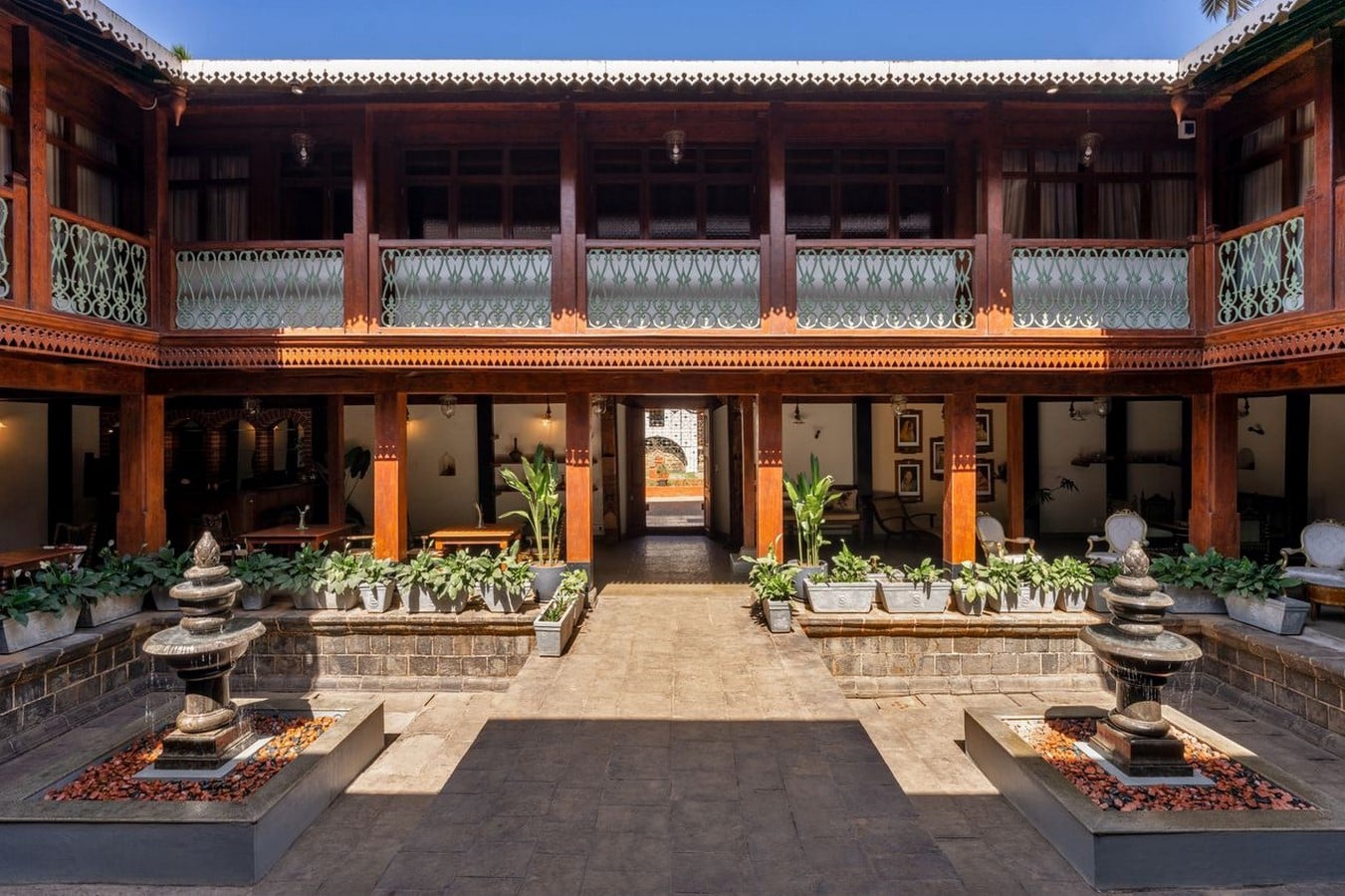
Giving the Past a Second Life: Reuse of Original Elements
The repair process was challenging. It is not possible to just dismantle and reconstruct historic structures. Every area of the palace had to be carefully inspected before any work could begin. Strengthening the structure was the main objective. Parts of the roof and building structure had deteriorated as a result of years of neglect and exposure to different weather conditions. The roofing system was rectified, and the old packed-earth flooring on the upper floor was replaced with pastel-hued IPS flooring to improve stability. sOne of the palace’s most significant characteristics was its wooden columns. They enhanced the rooms’ aesthetic appeal in addition to providing structural support. Steel casing was applied to these columns to reinforce and protect them after they had been meticulously repaired.
Another difficulty in converting the palace into a Boutique Art Hotel was figuring out how to add contemporary comforts to a historically significant royal setting without sacrificing its historic appeal. Six roomy apartments were created by redesigning and combining smaller portions. A number of windows were enlarged, and the layouts of the verandahs were changed to facilitate visitors’ appreciation of the palace’s grandeur.
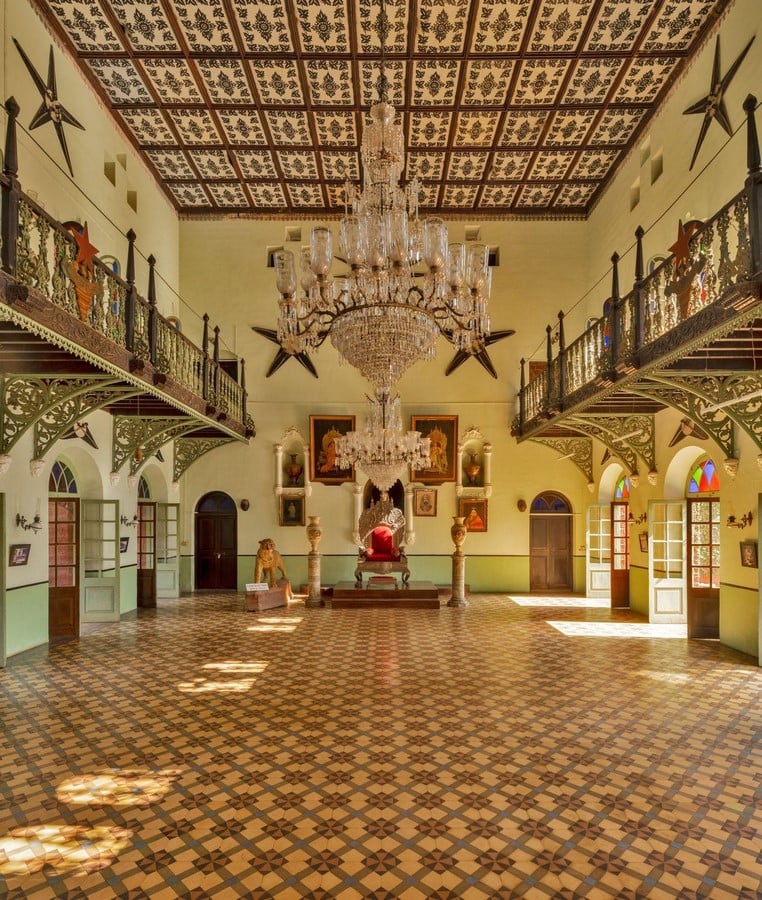
Transforming Royal Spaces into a Boutique Art Hotel
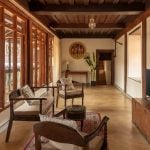
The preservation of the palace’s previous uniqueness is what sets this makeover apart. The interior, characterised by vivid colours, floral motifs, and mythological scenes, features hand-painted ganjifa art was first used for making playing cards, with the dashavatar (ten incarnations) of Lord Vishnu being the most popular theme. They used handcrafted artwork, vintage furniture, marked wooden pillars, and old teakwood features to revive the history. The stories and experiences that have existed here for ages are made more relatable to tourists because of these elements. The charm of Sawantwadi Palace boutique art hotel is also connected to its surroundings. This palace beautifully merges with landscaped gardens that are filled with trees. At the center of the palace is a beautiful square courtyard with a green lawn, surrounded by rooms on all four sides, which now houses a museum.
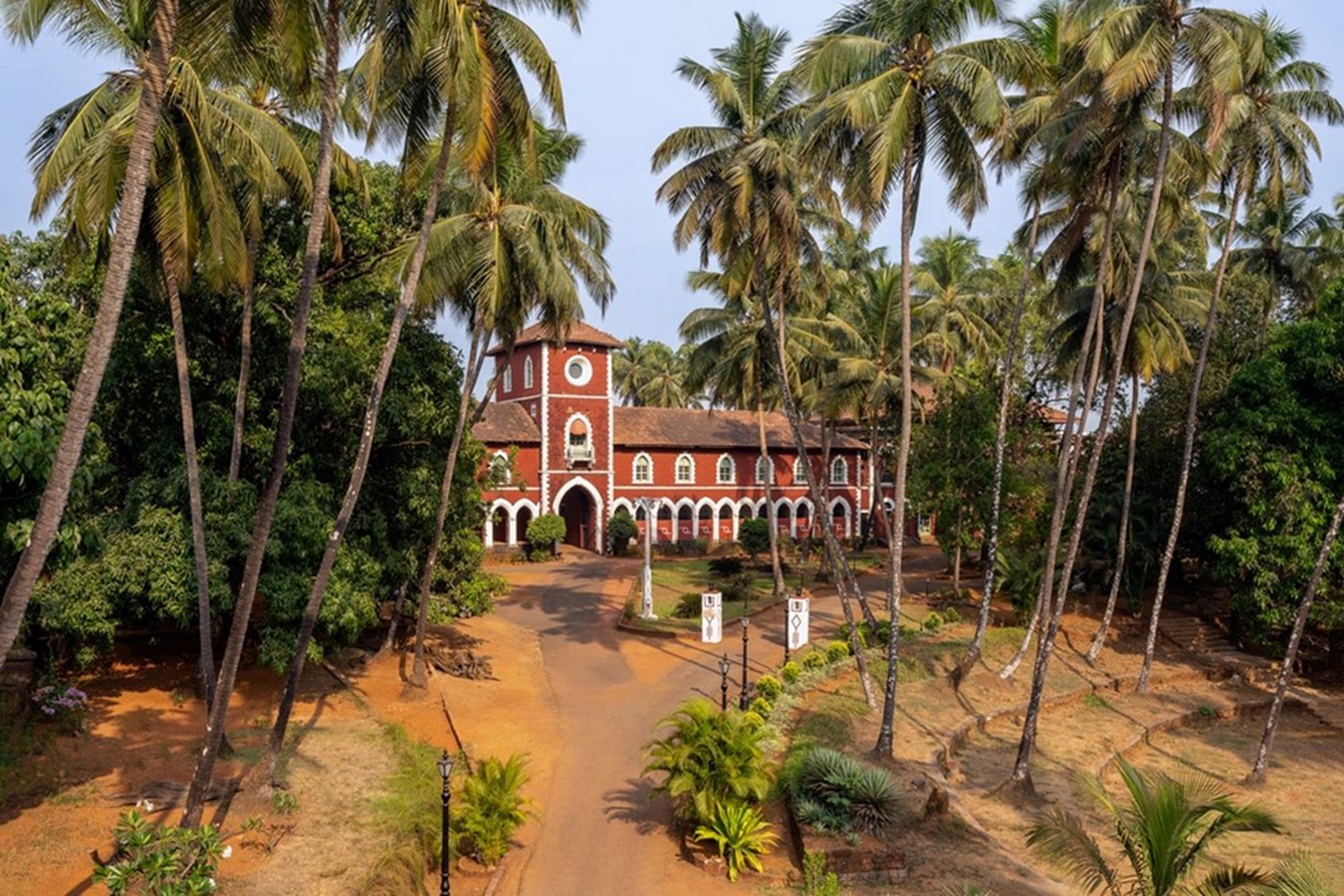
Where Architecture Meets Art: The Revival of Ganjifa Tradition
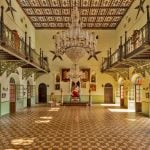
No doubt the palace’s architecture is beyond Words. Additionally, it is closely linked to the cultural legacy of Sawantwadi, particularly the Ganjifa art form. Ganjifa is a Persian-inspired traditional hand-painted card art. It was introduced to India by the Mughals, the art form thrived in Sawantwadi in the 18th and 19th centuries before dwindling to near disappearance around independence time. The palace’s halls provide a place where art and history collide by fusing traditional craftsmanship, local artwork, and Indian mythology. The darbar hall and other areas of the palace are used for workshops, where guests can learn to paint intricate cards, which are also used to decorate furniture and coasters.
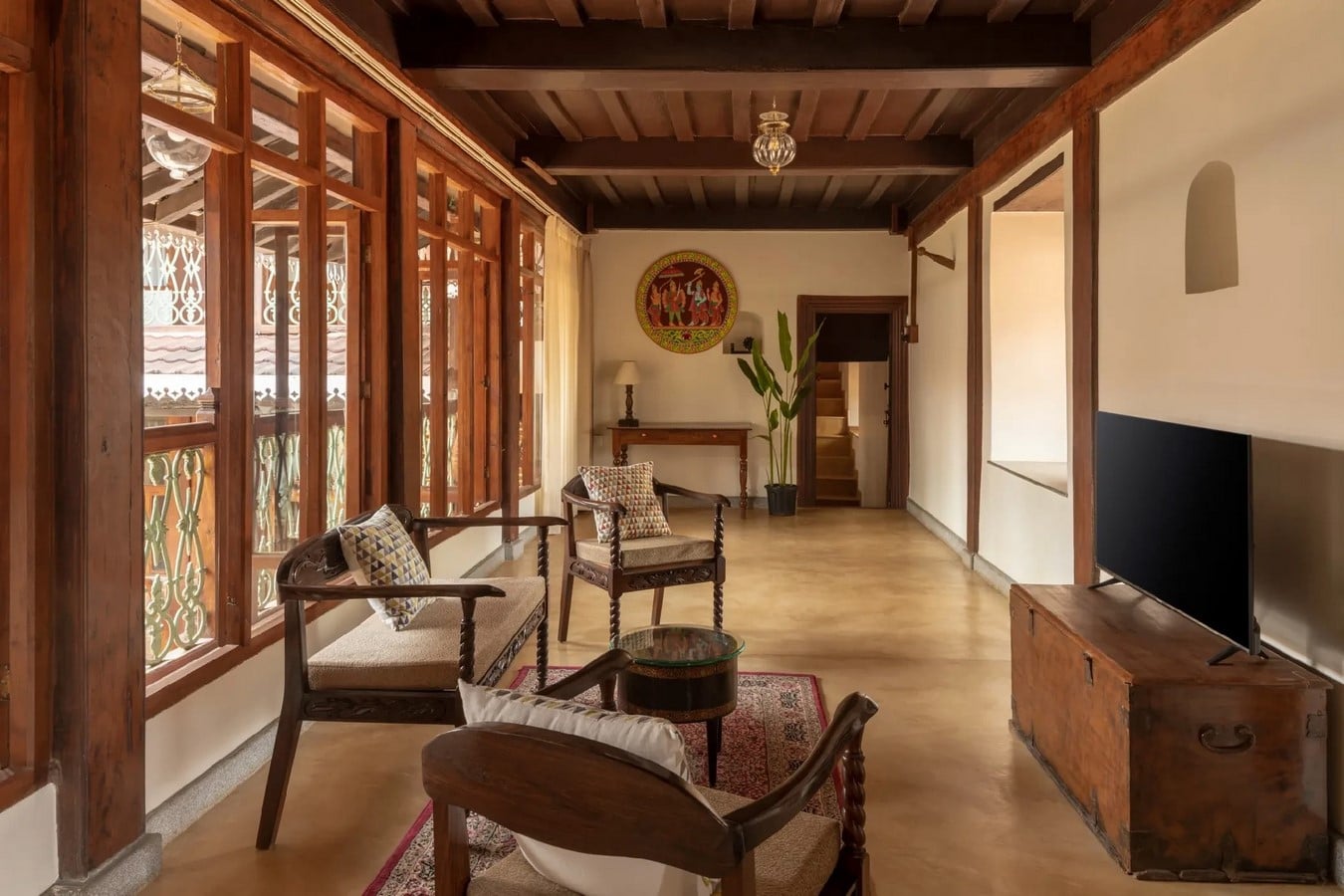
A Living Heritage for Future Generations
Sawantwadi Boutique Art Palace Hotel is a premium establishment designed to connect people, places, and cultures while leaving an enduring legacy that changes with each generation that touches it. However the restoration gave it a renaissance connecting people, places, and cultures while leaving an enduring legacy that changes with each generation that touches it. The success of such Conservation project depends on the active participation and usability after conservation. In these terms Sawantwadi’s restoration is quite successful. However, a careful eye should guide such Conservation so that the authenticity and originality does not get compromised.
References:
[email protected]. (2025, March 31). Women-friendly cities in Tunisia: Gender-inclusive urban planning. SDG Local Action -. https://sdglocalaction.org/women-friendly-cities/
Poston, O. (2026, September 9). The role of urban design in women’s safety: Lessons from four public spaces. ArchDaily. https://www.archdaily.com/1184374/the-role-of-urban-design-in-womens-safety-lessons-from-four-public-spaces
Vestre. (2026, April 29). Public belonging in the city through the experiences of young women. Vestre.Com. https://www.vestre.com/articles/design/understanding-public-belonging-through-young-womens-lived-experiences
Women-friendly cities: Gender-inclusive urban planning in Tunisia | cities alliance. (2025). Cities Alliance. https://www.citiesalliance.org/newsroom/news/cities-alliance-news/women-friendly-cities-gender-inclusive-urban-planning-tunisia
Women’s safety in the urban environment: An analysis of infrastructure solutions and international experience. (2026). Inconsult.Uz. https://inconsult.uz/articles/view/womens-safety-in-the-urban-environment-an-analysis-of-infrastructure-solutions-and-international-experience