Riverfront Development – Topics related to Sustainable Architecture
In the realm of sustainable architecture, riverfront development emerges as a dynamic force, reshaping urban landscapes and fostering environmentally conscious city planning. This article delves into the multifaceted dimensions of riverfront development, exploring its profound impact on sustainable architecture, design, and the broader urban ecosystem.
Global Waterfront Trends: A Statistical Overview
A statistical overview of global urbanization trends reveals that approximately 55% of the world’s population resides in urban areas. With rapid urbanization, there is a growing need to harness the potential of riverfronts for sustainable development. Across the globe, cities are recognizing the importance of these waterfronts as valuable assets for both ecological preservation and community enhancement.
Environmental Impact: A Green Oasis in Urban Environments
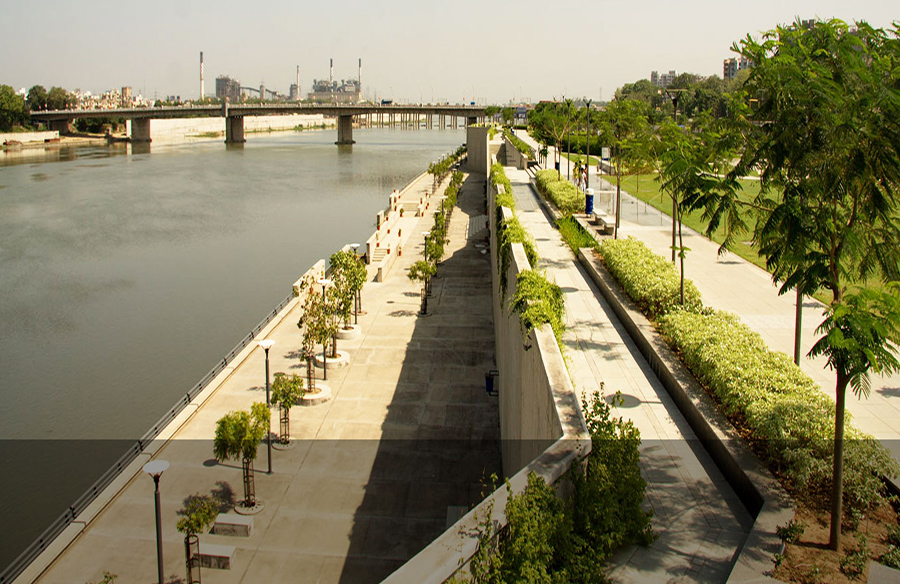
Riverfront development serves as an environmental boon by creating green spaces within urban settings. Studies indicate that well-designed riverfront parks and green corridors contribute to biodiversity conservation, enhance air and water quality, and mitigate the urban heat island effect. Architectural interventions aim to balance urbanization with environmental preservation, creating sustainable havens along riverbanks.
Architectural Aesthetics: Harmonizing Nature and Urban Design
Architectural aesthetics play a crucial role in riverfront development, where the challenge lies in harmonizing natural elements with urban design. Sustainable architecture principles guide the creation of structures that seamlessly blend with the surrounding landscape. From eco-friendly materials to designs that facilitate natural ventilation, architects strive to enhance the visual appeal while ensuring minimal ecological impact.
Economic Benefits: The Riverfront as an Economic Catalyst
Riverfront development is not only environmentally sustainable but also economically viable. Research suggests that well-developed riverfronts can boost local economies through increased tourism, elevated property values, and job creation. Architectural ingenuity in designing mixed-use developments along riverbanks contributes to the economic prosperity of the surrounding areas.
Public Spaces: Nurturing Community Engagement
Riverfronts serve as communal spaces that foster community engagement and well-being. Studies indicate that access to well-designed riverfront spaces encourages physical activity, social interaction, and mental relaxation. Architectural considerations in creating public spaces along riverbanks prioritize inclusivity, accessibility, and the integration of recreational amenities to enhance the overall quality of life for urban dwellers.
Flood Mitigation: Sustainable Strategies for Resilience
Architects play a pivotal role in implementing sustainable strategies for flood mitigation along riverfronts. Utilizing green infrastructure, such as floodplain restoration and permeable surfaces, helps absorb excess water during floods. Architectural designs incorporate elevated structures and flood-resilient materials to minimize the impact of extreme weather events, ensuring the longevity and sustainability of riverfront developments.
Transportation Hubs: Connecting Cities through Waterways
Riverfronts offer unique opportunities for sustainable transportation solutions. Architectural planning includes the integration of water-based transportation hubs, promoting eco-friendly alternatives to traditional modes of commuting. Water taxis and recreational boats not only reduce traffic congestion but also contribute to lower carbon emissions, aligning with sustainable urban mobility goals.
Adaptive Reuse: Transforming Industrial Legacies
Many riverfronts bear the remnants of industrial structures, presenting opportunities for adaptive reuse. Architectural innovation in repurposing warehouses and factories along riverbanks revitalizes historical structures. This approach not only preserves cultural heritage but also aligns with sustainable development goals by minimizing the need for new construction and optimizing existing urban spaces.
Technological Integration: Smart Solutions for Sustainable Riverfronts
In the era of smart cities, technological integration is pivotal in creating sustainable riverfronts. Architectural designs incorporate smart technologies for efficient waste management, energy use optimization, and real-time monitoring of environmental parameters. These innovations contribute to the creation of intelligent, responsive urban spaces along riverfronts.
Conclusion: Harmonizing Cities with Nature Through Riverfront Development
In conclusion, riverfront development stands as a testament to the harmonious integration of urban environments with natural landscapes. From ecological preservation to economic prosperity and community well-being, the multifaceted dimensions of sustainable riverfront architecture showcase the industry’s commitment to building resilient and vibrant urban spaces. Architects, with their visionary designs and sustainable principles, continue to shape riverfronts into dynamic and sustainable hubs, ensuring a symbiotic relationship between cities and their waterways for generations to come.