Rehabilitation Housing – Topics related to Sustainable Architecture
In the realm of sustainable architecture, the concept of rehabilitation housing emerges as a transformative force, reshaping urban landscapes and fostering eco-conscious living. This article delves into the comprehensive facets of rehabilitation housing, exploring the symbiotic relationship between design, construction, and sustainable urban development.
Global Housing Trends: A Statistical Glance
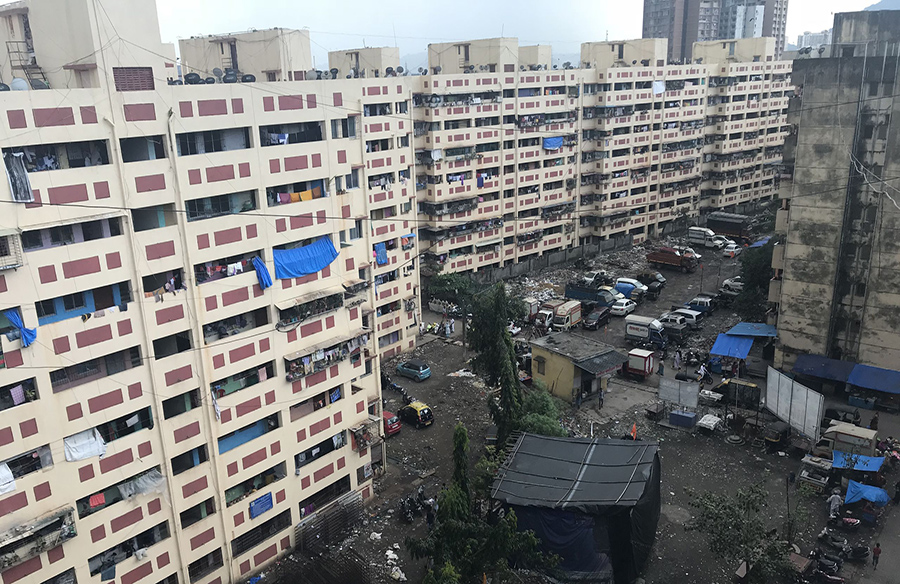
A statistical overview reveals the global challenges associated with housing. According to the United Nations, over 1.6 billion people reside in inadequate housing conditions, highlighting the urgency for sustainable housing solutions. Rehabilitation housing stands as a beacon, addressing this housing deficit while infusing sustainability into the very fabric of urban living.
Environmental Impact: The Green Footprint of Rehabilitation Housing
Rehabilitation housing champions environmental sustainability through adaptive reuse and retrofitting. Research indicates that the embodied energy in existing structures is significantly lower than that in new constructions. By repurposing and upgrading existing buildings, rehabilitation housing minimizes carbon footprints, contributing to a more sustainable and eco-friendly urban environment.
Architectural Resilience: Transformative Design Principles
Architectural resilience lies at the core of rehabilitation housing. Design principles focus on optimizing existing structures for energy efficiency, incorporating sustainable materials, and enhancing natural ventilation. Through meticulous planning, architects breathe new life into aging buildings, ensuring that they align with contemporary environmental standards.
Social Impact: Fostering Inclusive Communities
Rehabilitation housing extends beyond environmental considerations, nurturing inclusive and vibrant communities. Studies indicate that well-designed rehabilitated spaces contribute to social cohesion and neighborhood revitalization. The architectural focus on creating accessible, energy-efficient, and aesthetically pleasing spaces fosters a sense of community, transforming housing into a catalyst for positive social change.
Economic Benefits: A Win-Win for Residents and Cities
The economic benefits of rehabilitation housing are substantial. Research shows that renovating existing structures is often more cost-effective than new construction. Moreover, revitalized neighborhoods attract businesses, increasing property values and stimulating local economies. Rehabilitation housing exemplifies a sustainable approach that aligns financial viability with environmental responsibility.
Adaptive Reuse: Architectural Ingenuity in Action
A key component of rehabilitation housing is adaptive reuse – the transformation of existing structures for new purposes. Architectural ingenuity is showcased as buildings are repurposed into modern, energy-efficient residences. The adaptive reuse approach not only preserves cultural heritage but also reduces construction waste and the demand for new materials.
Energy Efficiency: Redefining Habitable Spaces
Energy efficiency is paramount in rehabilitation housing. Architectural interventions focus on upgrading insulation, implementing energy-efficient HVAC systems, and incorporating renewable energy sources. Studies indicate that rehabilitated buildings can achieve significant energy savings, reducing long-term operational costs for residents while contributing to a sustainable urban energy profile.
Retrofitting Infrastructure: Sustainable Urban Evolution
Retrofitting existing infrastructure is a key strategy in rehabilitation housing. The integration of smart technologies, green roofs, and rainwater harvesting systems enhances sustainability. Architectural endeavors in retrofitting contribute to the creation of energy-efficient, resilient urban spaces that evolve in harmony with environmental and technological advancements.
Future Trends: Navigating the Path Ahead
As rehabilitation housing gains prominence, future trends indicate a continued emphasis on sustainable technologies and materials. Architectural firms specializing in rehabilitation housing are at the forefront of innovation, exploring advanced construction methods, resilient design strategies, and smart technologies to meet the evolving needs of urban dwellers.
Conclusion: Building a Sustainable Tomorrow Through Rehabilitation Housing
In conclusion, rehabilitation housing emerges as a sustainable solution that transcends traditional notions of urban living. From mitigating environmental impact to fostering inclusive communities and stimulating local economies, the symbiosis of design, construction, and architecture in rehabilitation housing is transformative. Architects and urban planners play pivotal roles in shaping the urban landscapes of the future, where rehabilitation housing stands as an enduring testament to sustainable living in a dynamic and ever-evolving world.